

Free Stillwater Travel Guide & Mobile App
Plan your Stillwater trip with Evendo. Get free guides to top attractions, restaurants, hotels, and bars. Web access or download the mobile app.


Stillwater, Minnesota pairs historic riverfront streets, lumber-era architecture, scenic St Croix views, local food, antiques and outdoor adventures.
A Lumber Town on the St Croix
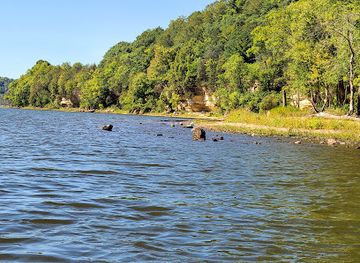
Stillwater stands on the western bank of the St Croix River in eastern Minnesota, where wooded bluffs and broad water views frame one of the state’s best-preserved historic townscapes. Its origins are closely tied to the nineteenth-century lumber trade: forests upstream supplied timber, while the river carried logs towards the Mississippi. That industrial past remains visible in the town’s steep streets, riverfront warehouses, brick commercial buildings and gracious Victorian houses.Read more about Stillwater
Historic Streets and River Views
Four-Season Character
When is the best time to visit Stillwater?
Best: May–June, September · 21–26°C| Month | High (°C) | Rainfall (mm) |
|---|---|---|
| January | -5 | 22 |
| February | -3 | 20 |
| March | 5 | 32 |
| April | 14 | 51 |
| May (best) | 21 | 83 |
| June (best) | 26 | 104 |
| July | 29 | 104 |
| August | 28 | 99 |
| September (best) | 22 | 81 |
| October | 15 | 59 |
| November | 4 | 33 |
| December | -2 | 25 |
Getting to and around Stillwater
How to get there
Transportation
Best attractions in Stillwater
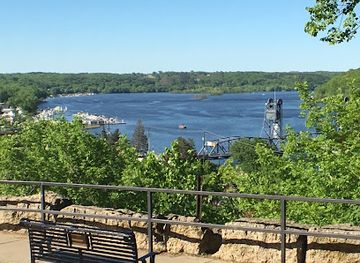
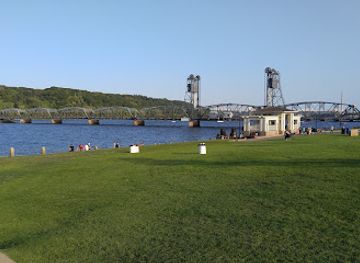
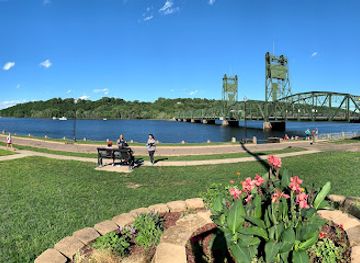
Stillwater’s principal attractions unfold between the St Croix River and the hillside streets of its historic centre. Lowell Park provides an open riverfront setting for walking, public events and views towards Wisconsin, while the St Croix River Crossing offers a dedicated pedestrian and cycling route across the water. The Warden’s House Museum interprets the former Minnesota Territorial Prison and the lives connected with it, and the Washington County Historic Courthouse presents the civic ambition of the nineteenth-century town. Downtown’s Main Street is itself an attraction, with preserved commercial buildings now occupied by independent shops, galleries, cafés and restaurants. Teddy Bear Park adds a family-oriented green space close to the centre, while the Stillwater Lift Bridge and surrounding river scenery create a visual link between industrial history and contemporary recreation. Residential streets above the commercial district reward slower exploration, revealing substantial houses, churches and changing views across the wooded valley.
-
Tourist attraction
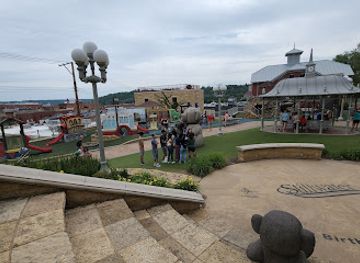
Teddy Bear Park
Explore Teddy Bear Park in Stillwater, MN: A whimsical park filled with playful teddy bear sculptures, perfect for families and nature lovers.
4 min walk · 0.3 km from city centre
-
Tourist attraction
Lowell Park
Experience the natural beauty and tranquility of Lowell Park, a picturesque urban oasis in Stillwater, Minnesota, perfect for relaxation and outdoor activities.
5 min walk · 0.4 km from city centre
-
Historical landmark
Stillwater Lift Bridge, Historic Site
Explore the Stillwater Lift Bridge, a historic landmark offering stunning views and a rich heritage experience in Stillwater, Minnesota.
5 min walk · 0.4 km from city centre
-
Tourist attraction
St. Croix Boom Site State Wayside
Explore the scenic beauty and rich history of the St. Croix Boom Site State Wayside, a hidden gem in Stillwater, Minnesota, perfect for nature lovers and history enthusiasts alike.
11 min drive · 3.7 km from city centre
Best landmarks in Stillwater
Stillwater’s landmarks express the town’s importance as a nineteenth-century lumber and civic centre. The Washington County Historic Courthouse, an ornate Victorian public building, reflects the county’s governmental development and remains one of the most prominent structures above downtown. The Warden’s House Museum preserves the former residence associated with the Minnesota Territorial Prison, linking the city to the territory’s penal and administrative history. On the river, the Stillwater Lift Bridge is a defining piece of transportation heritage; its former road function has been adapted within the pedestrian and cycling connection over the St Croix. Downtown’s brick commercial blocks, churches and large Victorian residences form a broader architectural landmark district rather than a single monument. Lowell Park anchors these structures to the river, while the views towards the wooded Wisconsin shore explain why geography has remained central to Stillwater’s identity.
-
Park
Teddy Bear Park
Discover Teddy Bear Park in Stillwater, a whimsical destination filled with delightful sculptures, playgrounds, and serene picnic spots for the whole family.
4 min walk · 0.3 km from city centre
-
American
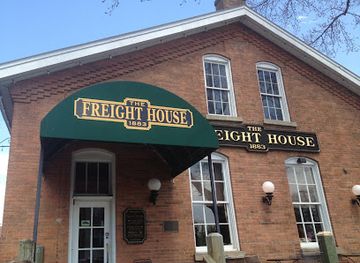
Freight House
Discover the best of American cuisine and craft beers at Freight House in Stillwater, MN, where river views and a vibrant atmosphere await you.
5 min walk · 0.4 km from city centre
-
Cocktail bar
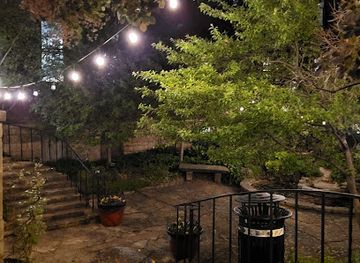
The Velveteen Speakeasy
Experience a modern twist on classic cocktails and delightful New American cuisine at The Velveteen Speakeasy in Stillwater, Minnesota.
2 min walk · 0.2 km from city centre
-
Candy store
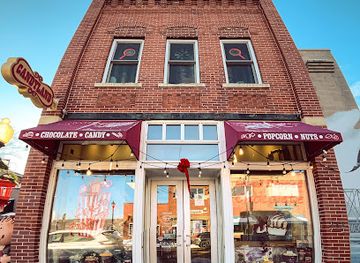
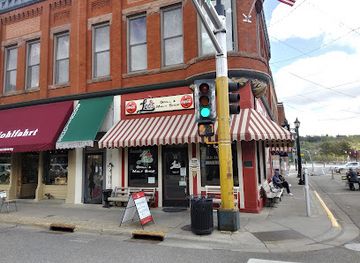
Candyland
Discover the sweetness of Candyland in Stillwater, MN, where delightful chocolates and gourmet popcorn await every visitor.
3 min walk · 0.2 km from city centre
Explore Stillwater on the map
Plan your Stillwater trip on one map. See where the top attractions, landmarks, restaurants, bars and hotels are, find what's near where you're staying, and book hotels and experiences in a few clicks.
Best hotels in Stillwater
Best restaurants in Stillwater
Stillwater’s dining scene benefits from its riverfront setting, historic commercial buildings and strong independent-business culture. Restaurants and cafés cluster around Main Street and the streets descending towards Lowell Park, ranging from relaxed breakfast and coffee spots to contemporary dining rooms and casual venues suited to a day exploring the centre. Menus commonly draw on Midwestern ingredients and American comfort-food traditions, including burgers, sandwiches, baked goods, seasonal produce and locally influenced contemporary cooking. Breweries and taprooms contribute to the town’s food-and-drink culture, while river views give some venues a distinct setting. The former lumber town’s broader regional identity is also reflected in its preference for hearty, seasonal fare rather than a single defining dish. Visitors should expect a compact scene with independent character, and availability can vary between weekdays, weekends and different seasons.
-
American
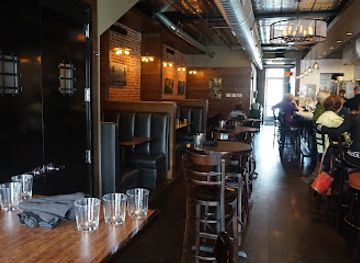
Brick & Bourbon
Experience the best of American cuisine at Brick & Bourbon—where innovative dishes meet classic drinks in a charming setting.
4 min walk · 0.3 km from city centre
-
Cafe
Oasis Cafe
Discover the heartwarming flavors of America at Oasis Cafe in Stillwater – where every meal feels like home.
12 min walk · 0.9 km from city centre
-
American
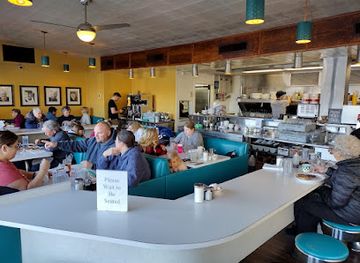
Leo's Grill & Malt Shop
Discover delicious American classics and delightful desserts at Leo's Grill & Malt Shop in charming Stillwater, MN.
3 min walk · 0.3 km from city centre
-
American
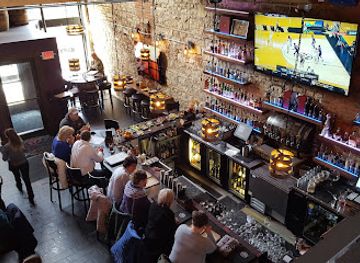
LoLo American Kitchen and Craft Bar
Discover delicious American cuisine and craft drinks at LoLo American Kitchen and Craft Bar in picturesque Stillwater, Minnesota.
4 min walk · 0.3 km from city centre
Best bars in Stillwater
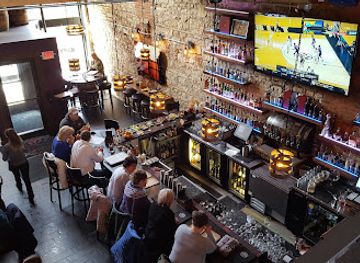
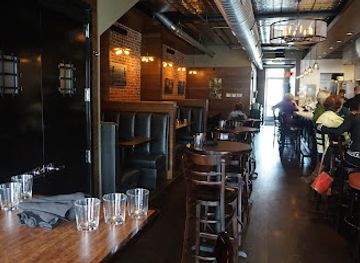
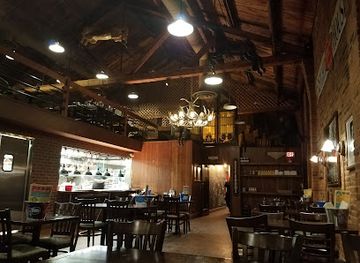
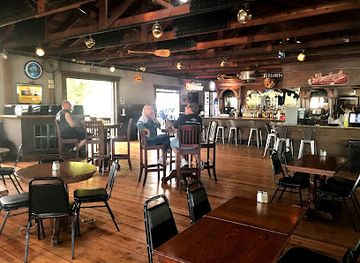
Stillwater’s evening life is sociable and relatively intimate rather than centred on large nightclubs. Downtown bars, breweries, taprooms and restaurants provide places for local beer, cocktails, wine and conversation, with the historic streets and riverfront giving evenings a distinctive setting. Some venues host live music or other small-scale entertainment, while the town’s theatres, seasonal events and public programmes offer alternatives to drinking. Activity is generally concentrated around the central commercial district, which becomes quieter beyond the main streets. River views and illuminated historic buildings are part of the evening atmosphere, but visitors should remember that the city is a small community and late-night options are more limited than in Minneapolis or Saint Paul. Normal United States licensing rules apply, including age restrictions and limits on alcohol service and public consumption.
-
American
Brick & Bourbon
Experience the best of American cuisine and an extensive bourbon selection at Brick & Bourbon in Stillwater, MN.
4 min walk · 0.3 km from city centre
-
American
LoLo American Kitchen and Craft Bar
Savor the best of American cuisine with a craft bar twist at LoLo American Kitchen in Stillwater, MN.
4 min walk · 0.3 km from city centre
-
American
Freight House
Discover the perfect blend of American cuisine and local brews at Freight House in scenic Stillwater, Minnesota.
5 min walk · 0.4 km from city centre
-
Grill
P D Pappy's
Discover the vibrant flavors and inviting atmosphere at P D Pappy's, Stillwater's premier grill and restaurant for locals and travelers.
6 min walk · 0.5 km from city centre
Best nightclubs in Stillwater
Stillwater’s evening life is sociable and relatively intimate rather than centred on large nightclubs. Downtown bars, breweries, taprooms and restaurants provide places for local beer, cocktails, wine and conversation, with the historic streets and riverfront giving evenings a distinctive setting. Some venues host live music or other small-scale entertainment, while the town’s theatres, seasonal events and public programmes offer alternatives to drinking. Activity is generally concentrated around the central commercial district, which becomes quieter beyond the main streets. River views and illuminated historic buildings are part of the evening atmosphere, but visitors should remember that the city is a small community and late-night options are more limited than in Minneapolis or Saint Paul. Normal United States licensing rules apply, including age restrictions and limits on alcohol service and public consumption.
-
American
Brick & Bourbon
Experience the best of American cuisine at Brick & Bourbon in Stillwater, MN, where innovative dishes meet an extensive bourbon selection.
4 min walk · 0.3 km from city centre
-
American
Freight House
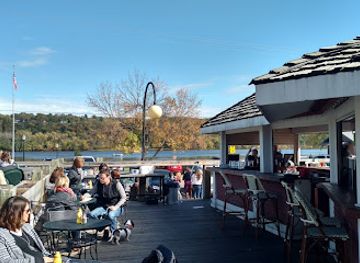
Discover Freight House in Stillwater, MN - where American cuisine meets scenic views and a vibrant beer garden experience.
5 min walk · 0.4 km from city centre
-
Grill
P D Pappy's
Experience the best of Stillwater dining at P D Pappy's, a grill and restaurant known for its delicious comfort food and vibrant atmosphere.
6 min walk · 0.5 km from city centre
-
Bar
Cozzie's Tavern & Grill
Experience the heart of Stillwater at Cozzie's Tavern & Grill, where hearty meals and a lively atmosphere await.
18 min drive · 6.0 km from city centre

Best shops in Stillwater
Shopping in Stillwater is concentrated in and around historic downtown, where independent retailers occupy nineteenth-century buildings along Main Street and nearby side streets. Antique shops are a longstanding part of the town’s visitor identity, joined by boutiques, galleries, gift shops, booksellers and businesses offering homewares, clothing and locally made goods. The compact layout makes it easy to browse between the commercial blocks and the riverfront, while the surrounding historic houses add context to the experience. Food products, craft items, artwork and objects inspired by the St Croix valley make more distinctive souvenirs than generic travel merchandise. Retail character varies by business and season, and some smaller shops keep limited hours outside busy periods. The emphasis is on independent browsing and heritage surroundings rather than a conventional enclosed shopping centre or a concentration of major international brands.
-
Shopping mall
Stillwater Marketplace
Discover the charm of Stillwater Marketplace - a vibrant hub of shopping, dining, and community events in Stillwater, MN.
9 min drive · 3.1 km from city centre
-
Shopping mall
Valley Ridge Mall
Explore Valley Ridge Mall in Stillwater for an unforgettable shopping and dining experience in a lively atmosphere.
8 min drive · 2.6 km from city centre
-
Antique store
Midtown Antique Mall
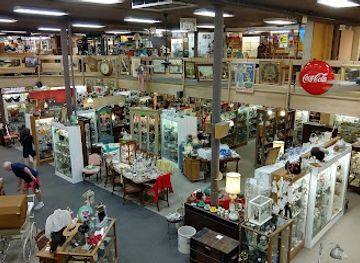
Explore a treasure trove of antiques and collectibles at Midtown Antique Mall, the perfect destination for vintage enthusiasts in Stillwater, MN.
4 min walk · 0.3 km from city centre
-
Gift shop
Art N Soul
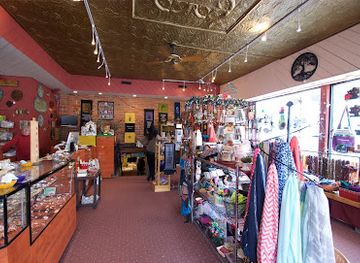
Art N Soul in Stillwater: Discover Unique Gifts, Handmade Jewelry, and Local Art in a Creative Boutique Setting.
3 min walk · 0.2 km from city centre
Get your free copy of our complete guide to Stillwater, delivered straight to you.
Everything on this page, from attractions and restaurants to essentials and local phrases, in one PDF you can read offline, print or share.
Already have an account? Sign in
Your Stillwater guide is ready.
We'll send it to · Not you? Sign out

Getting your guide ready…
We are putting together a fresh copy of the Stillwater guide. This can take up to a minute.
This can take a few moments. If your browser asks, choose Allow so the download can start. You'll find the guide in your Downloads folder.
Nothing happened? Download it again
Sorry, the guide is taking longer than usual. Please try again in a minute, or get it by email instead.
Stillwater essentials
Currency and Payment
Safety
Emergency Situations
Do's and Don'ts
Local Tips
From Eve
Local phrases worth knowing
You don't need to get them perfect. A few words go a long way, and locals appreciate the effort.
Basics
| English | Local | Say it |
|---|---|---|
| Hello | Howdy | [haw-dee] |
| Goodbye | See ya | [see yah] |
| Yes | Yup | [yuhp] |
| No | Nope | [nohp] |
| Please/You're welcome | Please/No problem | [pleez/no prob-lem] |
| Thank you | Thanks | [th-anks] |
| Excuse me/Sorry | Pardon me/My bad | [par-dun me/my bad] |
| How are you? | How's it goin'? | [hows it goin'] |
| Fine. And you? | Good. You? | [good. yoo?] |
| Do you speak English? | You speak English? | [yoo speak ing-glish?] |
| I don't understand | I'm lost | [ahm lawst] |
Eating & Drinking
| English | Local | Say it |
|---|---|---|
| I'd like to see the menu, please | Can I see the menu, please | [kin eye see the menu, pleez] |
| I don't eat meat | I'm vegetarian | [ahm ve-juh-tear-ee-un] |
| Cheers! | Cheers! | [cheers] |
| I would like to pay, please | Check, please | [chek, pleez] |
Emergencies
| English | Local | Say it |
|---|---|---|
| Help! | Help! | [help] |
| Go away! | Get outta here! | [get out-uh here] |
| Call the Police! | Call the cops! | [call the cops] |
| Call a doctor! | Get a doctor! | [get a doctor] |
| I'm lost | I'm lost | [ahm lawst] |
| I'm ill | I'm sick | [ahm sik] |
Shopping
| English | Local | Say it |
|---|---|---|
| I'd like to buy... | I wanna get... | [ah wanna get] |
| I'm just looking | Just browsing | [just brow-zing] |
| How much is it? | How much does it cost? | [how much duz it cost?] |
| That's too expensive | That's pricey | [thats pry-see] |
| Can you lower the price? | Can you give me a deal? | [can yoo give me a deal?] |
Time & Numbers
| English | Local | Say it |
|---|---|---|
| What time is it? | What's the time? | [whats the time] |
| It's one o'clock | It's one | [its one] |
| Half past (10) | Ten-thirty | [ten-thur-tee] |
| Morning | Morning | [morn-ing] |
| Afternoon | Afternoon | [af-ter-noon] |
| Evening | Evening | [ee-ven-ing] |
| Yesterday | Yesterday | [yes-ter-day] |
| Today | Today | [to-day] |
| Tomorrow | Tomorrow | [to-mor-row] |
| 1 | One | [wuhn] |
| 2 | Two | [too] |
| 3 | Three | [three] |
| 4 | Four | [four] |
| 5 | Five | [five] |
| 6 | Six | [six] |
| 7 | Seven | [seven] |
| 8 | Eight | [ate] |
| 9 | Nine | [n-ine] |
| 10 | Ten | [ten] |
Transport & Directions
| English | Local | Say it |
|---|---|---|
| Where's a/the...? | Where's the...? | [wheres the] |
| What's the address? | What's the address? | [whats the address] |
| Can you show me (on the map)? | Can you show me (on the map)? | [can yoo show me] |
| When's the next (bus)? | When's the next (bus)? | [whens the next bus] |
| A ticket (to ....) | A ticket to ... | [a ticket to] |
History of Stillwater
The Dakota Homeland and River Valley
The St Croix valley was inhabited and travelled by Indigenous peoples long before the arrival of American settlers. The Dakota held deep cultural and economic connections with the region, while the river served as a route through forests and prairie. European and American commercial activity later expanded through trade, treaty-making and the fur economy, profoundly disrupting Indigenous sovereignty and communities. Stillwater’s later history must therefore be understood within the wider history of Indigenous displacement and the development of the United States in the Upper Midwest.
Founding of the Lumber Settlement
Stillwater emerged in the 1840s as a settlement connected to the expanding lumber trade in the St Croix valley. In 1843, Joseph Renshaw Brown and other investors established a sawmill enterprise near the river, and the settlement grew as loggers, merchants and workers arrived. The town was formally platted in 1848, the same year Minnesota Territory was created. Its position below extensive pine forests and beside a navigable river made it a natural centre for processing and transporting timber.
A Centre of Minnesota’s Timber Industry
During the second half of the nineteenth century, Stillwater became one of the principal lumber centres of the Upper Midwest. Sawmills lined the waterfront, timber was floated down the St Croix, and related businesses supported a rapidly growing population. The town also became a centre of territorial politics and civic administration; Minnesota’s first territorial convention met here in 1848. Wealth generated by lumber commerce shaped the surviving downtown buildings, churches and large houses that now define Stillwater’s historic character.
Industry, Immigration and Civic Growth
The lumber boom drew workers and entrepreneurs from different parts of the United States and Europe, creating a diverse industrial community. Churches, schools, fraternal organisations and commercial institutions developed alongside the mills. Public buildings such as the Washington County Historic Courthouse expressed the town’s growing civic importance, while the Warden’s House reflected the presence of the Minnesota Territorial Prison, which operated in Stillwater from 1853. These institutions and neighbourhoods reveal a town shaped as much by labour and migration as by industrial wealth.
From Timber Port to Heritage Community
As nearby forests were depleted and the lumber industry declined in the early twentieth century, Stillwater’s economy changed. River commerce and manufacturing continued in altered forms, but the historic centre increasingly became valued for its architecture, setting and connection with the St Croix valley. Preservation efforts helped retain its nineteenth-century streetscapes, while tourism, independent retail, hospitality and recreation gained importance. The modern river crossing and its pedestrian and cycling facilities have strengthened links across the St Croix while keeping the old downtown focused on heritage, local business and riverfront public space.
Stillwater in Photos
Browse through our photo collection highlighting the charm and character of the destination.
Cities near Stillwater
The closest cities to Stillwater, if you have time for more than one stop.
-
-

-

-
-


Swipe for more cities
Explore more

Explore more of Minnesota
Discover Minnesota: From the bustling Twin Cities and cultural landmarks to the serene lakes and expansive wilderness, experience the diverse beauty and welcoming spirit of the North Star State.
Explore Minnesota