

Free The Natchez District Travel Guide & Mobile App
Explore The Natchez District with free travel guides. Discover regional history, expert tips, proposed trips, and audio guides on web or mobile app.


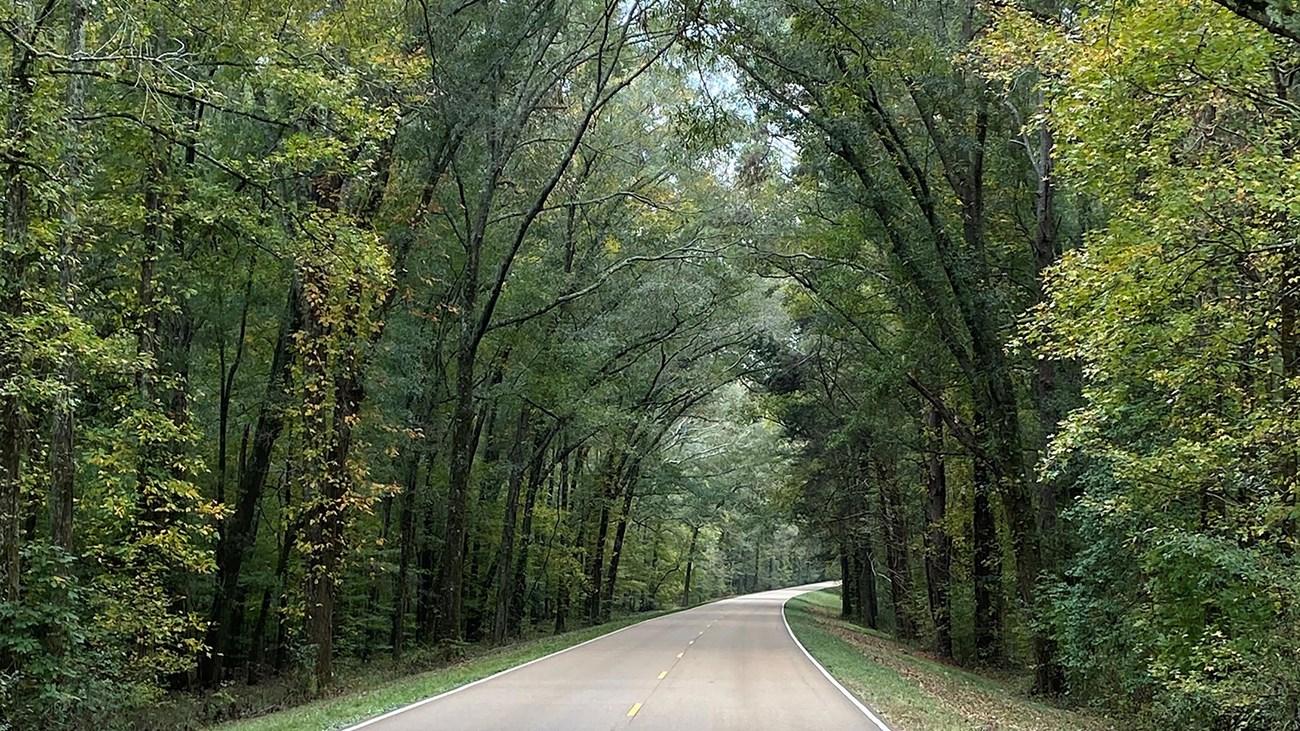


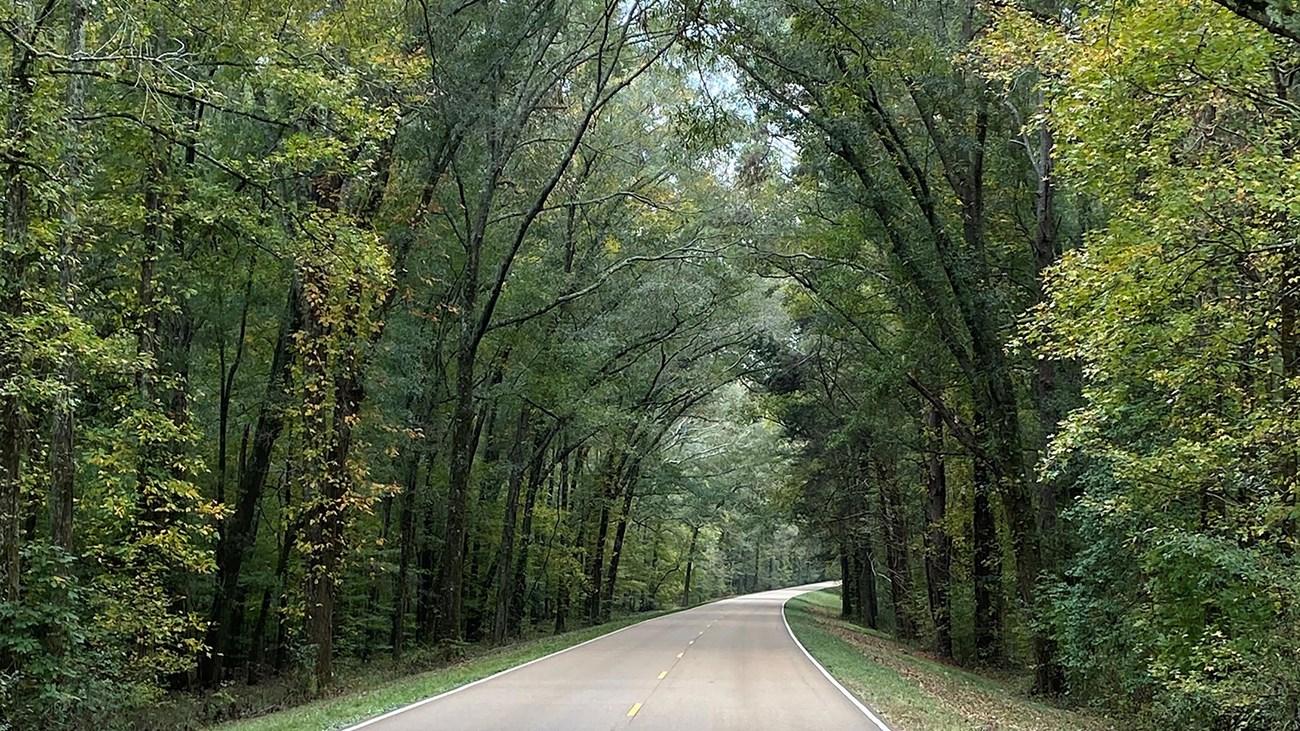
Explore the Natchez District for Mississippi River views, historic mansions, Indigenous heritage, scenic roads and deeply rooted Southern food traditions.
Read more about The Natchez District
Getting to and around The Natchez District
How to get there
Transportation
Top city travel guides in The Natchez District
The cities of The Natchez District, and the easiest places to base yourself.
-
 Natchez
, Mississippi pairs grand antebellum homes, river views, Civil War history and Southern food with thoughtful sightseeing along the Mississippi.
-

-


Swipe for more cities
Destinations in The Natchez District
Resorts, valleys and scenic spots worth a trip of their own.
-

-


Swipe for more destinations
Best attractions in The Natchez District
The Natchez District's attractions combine historic architecture, Indigenous heritage, river scenery and protected countryside. In Natchez, visitors can tour antebellum properties such as Longwood, Stanton Hall and Rosalie Mansion, while Natchez National Historical Park interprets several layers of the city's past. The Natchez Museum of African American History and Culture adds essential context about Black life and achievement in the region. Grand Village of the Natchez Indians and Emerald Mound, both near Natchez, provide an important archaeological counterpoint to the better-known mansion circuit. The Natchez Trace Parkway offers scenic drives, walking routes and access to a landscape shaped by older Indigenous and trading paths. Smaller museums, historic churches, cemeteries and riverfront viewpoints reward slower exploration, while nearby rural roads reveal farm country, woodland and historic communities. Outdoor activities are generally gentle rather than highly specialised: walking, cycling, birdwatching, photography and nature observation are the main pursuits. The attraction landscape is strongest when approached as a connected history of place, rather than as a sequence of isolated houses.
-
Casino
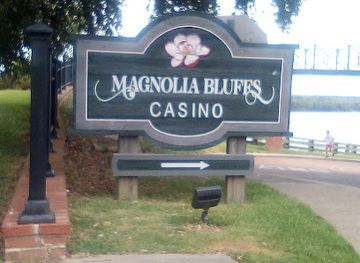
Magnolia Bluffs Casino
Discover the excitement of Magnolia Bluffs Casino in Natchez, MS, where gaming, dining, and river views create an unforgettable experience for every visitor.
-
Historical landmark
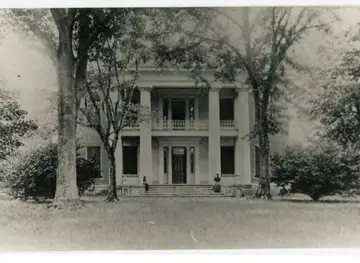
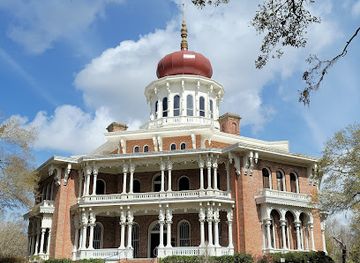
Longwood
Explore Longwood: A stunning historical landmark in Natchez, Mississippi, showcasing remarkable architecture and rich Southern heritage.
-
Historical place
Windsor Ruins
Discover the haunting beauty and rich history of Windsor Ruins, a must-visit historical site in Port Gibson, Mississippi.
-
National forest
Homochitto National Forest
Explore the serene landscapes and rich biodiversity of Homochitto National Forest, a natural wonder in Mississippi perfect for outdoor adventures.


Best landmarks in The Natchez District
The Natchez District's most recognisable landmarks gather around the bluff-top city of Natchez and the ancient earthworks of the surrounding countryside. The Natchez bluffs themselves are a defining geographical feature, separating the historic town from the Mississippi River and providing long views over the water and Louisiana beyond. Longwood is notable for its unusual octagonal plan and unfinished interior, while Stanton Hall represents the formal scale of antebellum Greek Revival architecture; Rosalie Mansion adds an important connection to the town's early American history. Grand Village of the Natchez Indians and Emerald Mound are more ancient landmarks, marking ceremonial and settlement landscapes that predate European rule. Historic churches, cemeteries and commercial buildings in Natchez contribute to a townscape shaped by the nineteenth century but sustained by later communities. Along the Natchez Trace, wooded routes, old overland alignments and archaeological places extend the district's landmark story beyond grand houses. Together these sites show a region defined by river geography, Indigenous heritage, cotton-era wealth, African American history and the persistence of a historic urban landscape.
-
Historical landmark
Longwood
Tour Longwood in Natchez, MS: the largest octagonal house in the U.S., frozen in time by the Civil War. A unique glimpse into antebellum dreams.
-
Historical place
Windsor Ruins
Explore the majestic ruins of a pre-Civil War mansion in Mississippi, offering a glimpse into a bygone era of grandeur and tragedy.
-
Tourist attraction
Natchez National Historical Park
Explore Natchez National Historical Park: Uncover the stories of the South through historic homes, diaries, and colonial forts.
-
Museum
Rosalie Mansion and Gardens
Experience the grandeur of the Old South at Rosalie Mansion & Gardens in Natchez, MS: history, architecture, and stunning Mississippi River views.


Explore The Natchez District on the map
Plan your trip on one map. See where the top cities, national parks and sights are, and book hotels and experiences in a few clicks.
Best hotels in The Natchez District
Best restaurants in The Natchez District
Dining in the Natchez District reflects lower Mississippi cooking, local agriculture and the influence of African American, Indigenous, French, Spanish and wider Southern foodways. Menus commonly include Mississippi catfish, fried or smoked meats, greens, beans, cornbread, seasonal vegetables and pecans, while tamales are an established speciality in the broader Mississippi Delta and hill-country culinary landscape and may appear in local restaurants. Natchez has cafés, family-run eateries, restaurants in historic buildings and more formal dining rooms, while rural areas tend towards country restaurants, diners and casual roadside stops. Barbecue styles vary, so ask about local preparation rather than expecting one uniform tradition. Farmers' markets and food shops can be useful for produce, baked goods and regional gifts when operating. Sweet tea is widely available, and locally sourced ingredients increasingly appear alongside conventional Southern fare. Dining hours can be shorter outside the city, particularly on quieter weekdays, so visitors exploring the district should plan ahead rather than assume every rural community will have late service.
-
Boat tour agency
Steamboat NATCHEZ - Official Site
Discover New Orleans from the water with Steamboat NATCHEZ – where history meets culinary delight on the Mississippi River.
-
Seafood
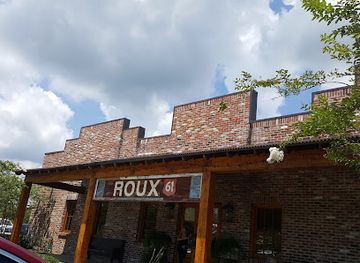
Roux 61
Experience exquisite seafood and succulent steaks at Roux 61 in Natchez—where Southern flavors meet culinary excellence.
-
Seafood
Magnolia Grill
Discover Magnolia Grill in Natchez: A vibrant seafood & Cajun dining experience that delights every palate with its fresh flavors.
-
Restaurant
Patio 44 Gulfport
Experience exquisite American and Creole cuisine at Patio 44 Gulfport, where vibrant flavors meet southern hospitality.

Best bars in The Natchez District
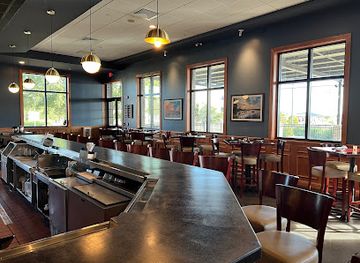
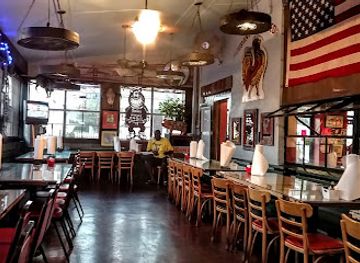
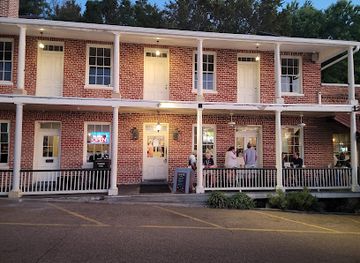
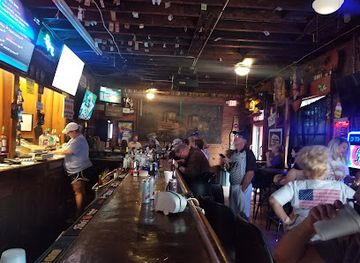
Evenings in the Natchez District centre on traditional pubs, historic inns, restaurants, live music and occasional cultural performances rather than a large nightclub scene. Natchez has the greatest choice, with venues around the historic centre and riverfront offering drinks, conversation and, at times, blues, gospel, country or other live music. Some restaurants and hotel bars occupy historic buildings, giving the evening a strong architectural setting without making nightlife the sole attraction. Rural communities are quieter, and visitors are more likely to find a local bar, seasonal event or early-closing restaurant than a dedicated club. Check current arrangements locally because opening patterns and entertainment schedules can change. Alcohol is not necessary to experience the district's evening culture: sunset views from public areas, evening walks in the historic streets when conditions permit, performances and night-time historical programming may all form part of a visit.
-
Seafood
Magnolia Grill
Experience the best seafood and Cajun cuisine in Natchez at Magnolia Grill, where fresh ingredients meet Southern hospitality.
-
Barbecue
Pig Out Inn Barbeque
Experience the best of Southern barbecue at Pig Out Inn Barbeque in Natchez, where smoky flavors meet friendly service.
-
Restaurant
The Camp Restaurant
Discover the culinary delights of The Camp Restaurant in Natchez, where Southern flavors and vibrant atmosphere create unforgettable dining experiences.
-
Restaurant
Fat Mama's Tamales
Experience the authentic taste of Mississippi at Fat Mama's Tamales, where delicious tamales and Southern hospitality await every visitor.


Best nightclubs in The Natchez District
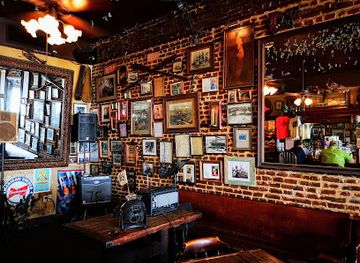
Evenings in the Natchez District centre on traditional pubs, historic inns, restaurants, live music and occasional cultural performances rather than a large nightclub scene. Natchez has the greatest choice, with venues around the historic centre and riverfront offering drinks, conversation and, at times, blues, gospel, country or other live music. Some restaurants and hotel bars occupy historic buildings, giving the evening a strong architectural setting without making nightlife the sole attraction. Rural communities are quieter, and visitors are more likely to find a local bar, seasonal event or early-closing restaurant than a dedicated club. Check current arrangements locally because opening patterns and entertainment schedules can change. Alcohol is not necessary to experience the district's evening culture: sunset views from public areas, evening walks in the historic streets when conditions permit, performances and night-time historical programming may all form part of a visit.
-
Bar
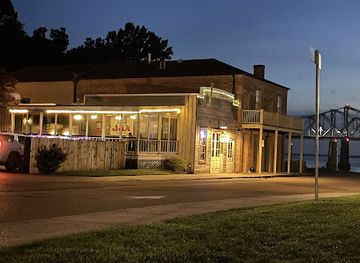
Under-the-Hill Saloon
Discover the heart of Natchez at Under-the-Hill Saloon, where history meets vibrant nightlife in a charming riverside setting.
-
Bar
Smoot's Grocery Blues Lounge
Discover the heart of Natchez at Smoot's Grocery Blues Lounge, where live blues music and Southern cuisine create an unforgettable experience.
-
Bar
The Corner Bar
Experience the vibrant nightlife at The Corner Bar in Natchez, where great drinks and local culture come together in a cozy atmosphere.
-
Bar
Andrew's Tavern-DiveBar
Discover the lively spirit of Natchez at Andrew's Tavern-DiveBar, where great drinks meet unforgettable nights of dancing and fun.

Best shops in The Natchez District
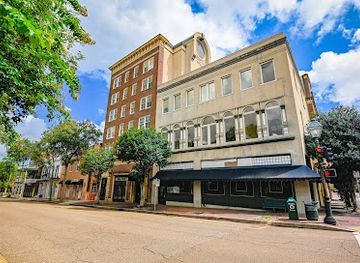
Shopping in the Natchez District is concentrated in the historic centre of Natchez, where independent shops, galleries, bookshops, antiques dealers and gift stores occupy older commercial buildings. The selection is oriented towards regional character rather than large-scale retail: visitors may find locally made art, pottery, craftwork, books on Mississippi history, prints, textiles and homewares inspired by the city's architecture. Food products such as pecans, preserves, sauces, baked goods and packaged Southern specialities make practical souvenirs, although availability varies by season and shop. Farmers' markets and community markets can provide fresh produce and handmade goods when scheduled, while rural stores offer a more everyday view of local commerce. The district does not have the extensive designer or department-store shopping found in a major metropolitan area, and many independent businesses keep shorter hours than national chains. Allow time to browse downtown rather than expecting a single shopping complex; the appeal lies in the combination of historic surroundings, small retailers, galleries and edible regional products.
-
Historical landmark
Longwood
Explore Longwood, the unfinished architectural gem of Natchez, a historical landmark showcasing the South's rich heritage and stunning design.
-
Shopping mall
Natchez Mall
Experience shopping, dining, and fun entertainment at Natchez Mall in Mississippi, a perfect destination for families and tourists alike.
-
Museum
Grand Village of the Natchez Indians
Immerse yourself in the vibrant culture and history of the Natchez tribe at this unique museum in Mississippi.
-
Museum
Rosalie Mansion and Gardens
Discover the charm of Rosalie Mansion and Gardens, a historic gem in Natchez showcasing antebellum architecture and stunning gardens.



Get your free copy of our complete guide to The Natchez District, delivered straight to you.
Everything on this page, from attractions and restaurants to essentials and local phrases, in one PDF you can read offline, print or share.
Already have an account? Sign in
Your The Natchez District guide is ready.
We'll send it to · Not you? Sign out

Getting your guide ready…
We are putting together a fresh copy of the The Natchez District guide. This can take up to a minute.
This can take a few moments. If your browser asks, choose Allow so the download can start. You'll find the guide in your Downloads folder.
Nothing happened? Download it again
Sorry, the guide is taking longer than usual. Please try again in a minute, or get it by email instead.
The Natchez District essentials
Currency and Payment
Safety
Emergency Situations
Do's and Don'ts
Local Tips
From Eve
Local phrases worth knowing
You don't need to get them perfect. A few words go a long way, and locals appreciate the effort.
Basics
| English | Local | Say it |
|---|---|---|
| Hello | Howdy | [haʊdi] |
| Goodbye | See ya | [si jə] |
| Yes | Yep | [jɛp] |
| No | Nope | [noʊp] |
| Please/You're welcome | Please/You bet | [pliz/ju bɛt] |
| Thank you | Thank ya | [θæŋk jə] |
| Excuse me/Sorry | Excuse me/Sorry 'bout that | [ɪkˈskjus mi/ˈsɔri baʊt ðæt] |
| How are you? | How ya doin'? | [haʊ jə ˈduɪn] |
| Fine. And you? | I’m fine. And you? | [aɪm faɪn. ənd jə] |
| Do you speak English? | Ya speakin' English? | [jə ˈspikɪn ˈɪŋɡlɪʃ] |
| I don't understand | I ain't followin' | [aɪ eɪnt ˈfɑloʊɪn] |
Eating & Drinking
| English | Local | Say it |
|---|---|---|
| I'd like to see the menu, please | Can I see the menu, please? | [kæn aɪ si ðə ˈmɛnju pliz] |
| I don't eat meat | I don’t eat no meat | [aɪ doʊnt it noʊ mit] |
| Cheers! | Cheers! | [ʧɪrz] |
| I would like to pay, please | I’d like to settle up, please | [aɪd laɪk tu ˈsɛtəl ʌp pliz] |
Emergencies
| English | Local | Say it |
|---|---|---|
| Help! | Help! | [hɛlp] |
| Go away! | Get away! | [ɡɛt əˈweɪ] |
| Call the Police! | Call the cops! | [kɔl ðə kɑps] |
| Call a doctor! | Call a doc! | [kɔl ə dɑk] |
| I'm lost | I’m lost | [aɪm lɔst] |
| I'm ill | I ain't feelin' well | [aɪ eɪnt ˈfilɪn wɛl] |
Shopping
| English | Local | Say it |
|---|---|---|
| I'd like to buy... | I want to buy... | [aɪ wɑnt tu baɪ] |
| I'm just looking | I’m just browsin' | [aɪm dʒʌst ˈbraʊzɪn] |
| How much is it? | How much is it? | [haʊ mʌʧ ɪz ɪt] |
| That's too expensive | That ain't worth that much | [ðæt eɪnt wɜrθ ðæt mʌʧ] |
| Can you lower the price? | Can ya bring the price down? | [kæn jə brɪŋ ðə praɪs daʊn] |
Time & Numbers
| English | Local | Say it |
|---|---|---|
| What time is it? | What time is it? | [wʌt taɪm ɪz ɪt] |
| It's one o'clock | It's one o'clock | [ɪts wʌn əˈklɑk] |
| Half past (10) | Half past ten | [hæf pæst tɛn] |
| Morning | Mornin' | [ˈmɔrnɪn] |
| Afternoon | Afternoon | [ˌæftərˈnun] |
| Evening | Evenin' | [ˈivnɪn] |
| Yesterday | Yesterday | [ˈjɛstərdeɪ] |
| Today | Today | [təˈdeɪ] |
| Tomorrow | Tomorrow | [təˈmɔroʊ] |
| 1 | One | [wʌn] |
| 2 | Two | [tu] |
| 3 | Three | [θri] |
| 4 | Four | [fɔr] |
| 5 | Five | [faɪv] |
| 6 | Six | [sɪks] |
| 7 | Seven | [ˈsɛvən] |
| 8 | Eight | [eɪt] |
| 9 | Nine | [naɪn] |
| 10 | Ten | [tɛn] |
Transport & Directions
| English | Local | Say it |
|---|---|---|
| Where's a/the...? | Where's the...? | [wɛrz ðə] |
| What's the address? | What’s the address? | [wʌts ði əˈdrɛs] |
| Can you show me (on the map)? | Can ya show me on the map? | [kæn jə ʃoʊ mi ɑn ðə mæp] |
| When's the next (bus)? | When’s the next bus? | [wɛn ðə nɛkst bʌs] |
| A ticket (to ....) | A ticket to... | [ə ˈtɪkɪt tu] |
History of The Natchez District
Indigenous Mound-Building Traditions
The lower Mississippi Valley was home to complex Indigenous societies long before European colonisation. Emerald Mound, near Natchez, was built by Mississippian people between approximately 1250 and 1600 and is one of the largest ceremonial earthworks in the region. Grand Village of the Natchez Indians preserves the later cultural centre associated with the Natchez people, who maintained a distinctive society and ceremonial life when Europeans arrived. These places show that the district's history did not begin with the colonial town or the plantation economy.
French Fort Rosalie and the Natchez Revolt
The French established Fort Rosalie near present-day Natchez in 1716 as part of their effort to control the Mississippi River and its trade routes. Tensions over land, authority and commercial demands contributed to the Natchez revolt of 1729, during which the colonial settlement was attacked and the Natchez people faced devastating military retaliation and displacement. The episode formed part of a larger struggle among Indigenous nations and European powers for control of the lower Mississippi Valley.
Spanish Rule and the American Frontier
After Britain acquired West Florida following the Seven Years' War, Spain took control of the Natchez area in 1779 during the American Revolutionary era. Spanish administration lasted until the United States assumed control in 1798, when Natchez became an important American frontier settlement. Its commanding position above the Mississippi River encouraged trade, migration and political growth, while the surrounding territory became increasingly connected to the expanding cotton economy.
Cotton, River Commerce and Enslavement
During the early and mid-nineteenth century, cotton transformed Natchez and the surrounding district. The Mississippi River made Natchez a major commercial centre, and wealthy planters built large houses in and around the town. This prosperity depended on the forced labour of enslaved African Americans on plantations, in domestic service, skilled trades and river-related work. The surviving mansions are therefore evidence of both architectural ambition and an exploitative economic system whose consequences continued long after emancipation.
Civil War, Emancipation and Reconstruction
The Civil War and its aftermath altered the district's political, economic and social order. Natchez was occupied by Union forces during the conflict and escaped some of the destruction experienced elsewhere, although war disrupted trade and plantation production. Emancipation ended slavery, while Reconstruction brought difficult contests over land, labour, voting rights and political power. African American communities, churches, schools and businesses became central to the region's civic life, even as racial violence and segregation constrained opportunity for generations.
River Decline and Preservation
The rise of railways, changing river transport and the mechanisation and restructuring of agriculture reduced Natchez's former commercial dominance. Many historic buildings survived, partly because the town experienced less large-scale redevelopment than growing urban centres. From the twentieth century onwards, local preservation efforts, museums and historic interpretation helped establish heritage tourism as an important part of the regional economy. Contemporary preservation increasingly places architectural history alongside Indigenous, African American, labour and environmental stories.
The Natchez Trace as a Modern Heritage Corridor
The Natchez Trace follows the broad route of an older travel corridor used by Indigenous peoples, traders, boatmen and settlers between the lower Mississippi and the interior. Its modern parkway and protected sites connect the Natchez area with a much larger landscape of archaeological, natural and historical importance. In the district, the Trace provides a framework for understanding how river commerce, overland movement and changing settlement patterns linked south-west Mississippi to the wider American South.
The Natchez District in Photos
Browse through our photo collection highlighting the charm and character of the destination.
Neighbouring regions of The Natchez District
The closest regions to The Natchez District, if you have time for more than one.
-
 The River Region
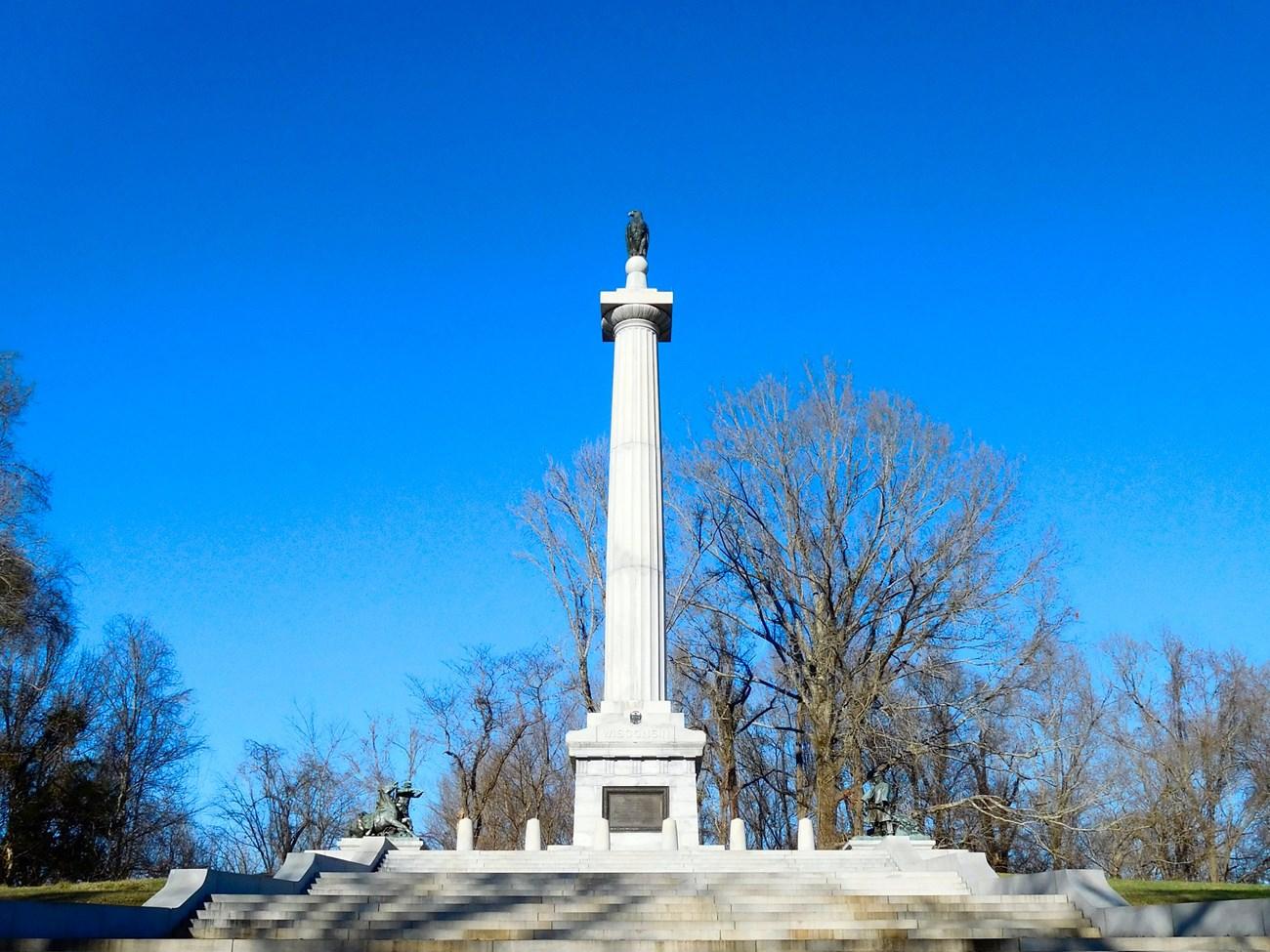
Discover the River Region in Mississippi: a scenic blend of natural beauty, rich history, and Southern charm along the majestic Mississippi River.
-

-

-

-


Swipe for more regions
Explore more

Explore more of Mississippi
Discover Mississippi: A treasure trove of Southern culture, blues music heritage, and stunning natural landscapes perfect for every kind of traveler.
Explore Mississippi