

Free Natchez Travel Guide & Mobile App
Plan your Natchez trip with Evendo. Get free guides to top attractions, restaurants, hotels, and bars. Web access or download the mobile app.


Natchez, Mississippi pairs grand antebellum homes, river views, Civil War history and Southern food with thoughtful sightseeing along the Mississippi.
River, History and Architecture
Natchez stands on a high bluff above the Mississippi River in south-western Mississippi, where broad water views, wooded ravines and historic streets give the city a distinctive physical character. Founded around Fort Rosalie in the early eighteenth century, it grew into an important river port and commercial centre, particularly during the antebellum cotton era. Its past is visible in an unusually rich collection of surviving houses, churches, civic buildings and burial grounds. Grand estates such as Longwood, Stanton Hall and Rosalie Mansion reveal the wealth and ambitions of the plantation economy, while the William Johnson House and the Forks of the Road trace the lives and experiences of African Americans whose labour and communities shaped Natchez.Read more about Natchez
A Walkable Historic Centre
Landscape and Living Culture
When is the best time to visit Natchez?
Best: April, October–November · 20–26°C| Month | High (°C) | Rainfall (mm) |
|---|---|---|
| January | 15 | 130 |
| February | 18 | 120 |
| March | 22 | 140 |
| April (best) | 26 | 110 |
| May | 31 | 120 |
| June | 34 | 140 |
| July | 35 | 160 |
| August | 35 | 150 |
| September | 32 | 130 |
| October (best) | 26 | 110 |
| November (best) | 20 | 120 |
| December | 16 | 130 |
Getting to and around Natchez
How to get there
Transportation
Best attractions in Natchez
Natchez’s attractions bring together river scenery, historic houses and the layered stories of the lower Mississippi Valley. Natchez National Historical Park includes Melrose, a preserved nineteenth-century estate, and the William Johnson House, the former home of a free Black barber whose diaries document life in the antebellum city. Longwood, an unfinished octagonal mansion, is one of the area’s most distinctive architectural sites, while Stanton Hall and Rosalie Mansion reveal different aspects of the city’s prosperous cotton era. The Grand Village of the Natchez Indians, south-east of the centre, interprets the Indigenous society that preceded European settlement. Downtown streets lead to galleries, local shops and the bluff-top riverfront, and the Natchez City Cemetery offers a quieter landscape of monuments and mature trees. The nearby Natchez Trace Parkway extends the experience into wooded scenery and archaeological landscapes, although it is a regional route rather than an attraction confined to the city.
-
Tourist attraction
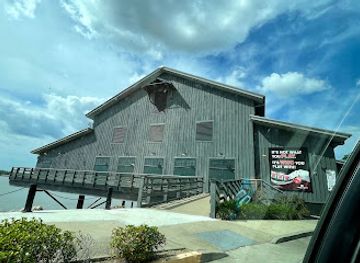
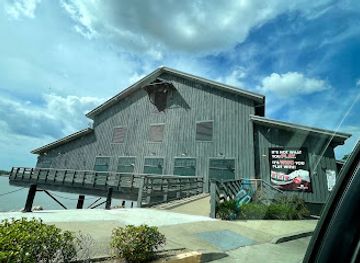
Magnolia Bluffs Casino
Discover the excitement of Magnolia Bluffs Casino in Natchez, Mississippi, where gaming meets stunning riverside views and vibrant entertainment.
9 min drive · 3.0 km from city centre
-
Tourist attraction
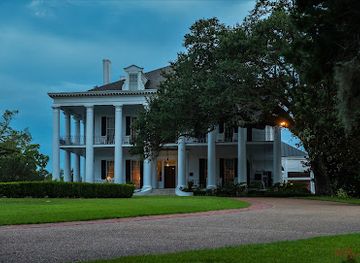
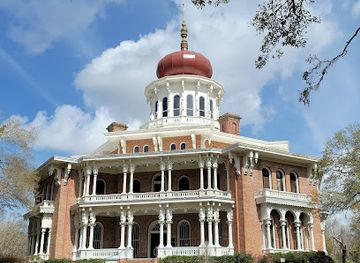
Longwood
Discover the breathtaking architecture and rich history of Longwood, a unique antebellum mansion in Natchez, Mississippi.
6 min drive · 1.9 km from city centre
-
Tourist attraction
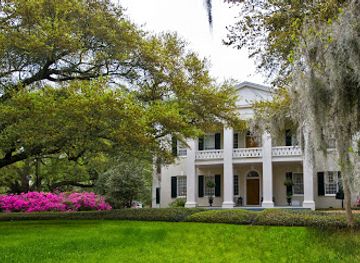
Natchez National Historical Park
Explore the historic Natchez National Historical Park, where the stories of the past unfold amidst stunning landscapes and architectural beauty.
2 min walk · 0.2 km from city centre
-
Historical landmark
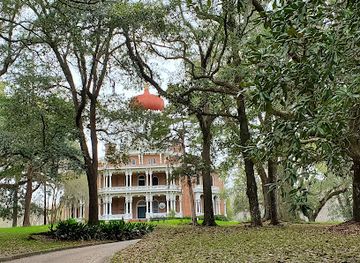
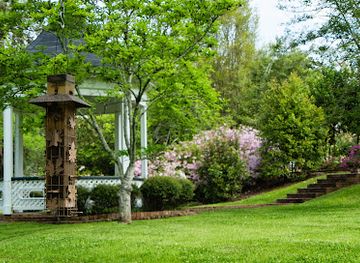
Monmouth Historic Inn & Gardens
Discover the charm of Monmouth Historic Inn & Gardens, a historic landmark in Natchez, Mississippi, where elegance meets Southern hospitality.
13 min walk · 1.0 km from city centre
Best landmarks in Natchez
Natchez’s landmarks express the city’s position at the meeting point of Indigenous history, river commerce, slavery, cotton wealth and post-war preservation. The unfinished Longwood is distinguished by its octagonal plan and domed exterior, while Stanton Hall and Rosalie Mansion represent the formal grandeur of the antebellum port. Melrose, now part of Natchez National Historical Park, preserves the setting of a large plantation household but is also interpreted through the lives of the enslaved people who sustained it. The William Johnson House provides a rare built connection with free Black life and nineteenth-century literacy. The Forks of the Road site commemorates a notorious domestic slave-trading market, and the Grand Village of the Natchez Indians protects the memory of the Indigenous community displaced by colonial expansion. Along the bluff, churches, commercial buildings and the Natchez City Cemetery extend the landmark landscape beyond mansion architecture.
-
Casino
Magnolia Bluffs Casino
Experience modern gaming with a historic backdrop at Natchez's Magnolia Bluffs Casino, offering slots, table games, and a sportsbook by the Mississippi River.
9 min drive · 3.0 km from city centre
-
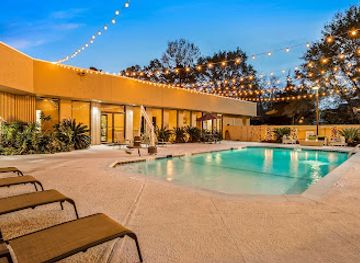
Hotel
Magnolia Bluffs, BW Signature Collection
Experience Natchez charm and modern comfort at Magnolia Bluffs, BW Signature Collection, near historic sites and casino fun.
8 min drive · 2.5 km from city centre
-
Historical landmark
Longwood
Explore Longwood, America's largest octagonal mansion in Natchez, MS, where history and architectural grandeur intertwine in an unfinished masterpiece.
6 min drive · 1.9 km from city centre
-
Historical landmark
Monmouth Historic Inn & Gardens
Step back in time at Monmouth Historic Inn & Gardens, a Natchez landmark offering luxurious accommodations and a glimpse into the Old South.
13 min walk · 1.0 km from city centre
Explore Natchez on the map
Plan your Natchez trip on one map. See where the top attractions, landmarks, restaurants, bars and hotels are, find what's near where you're staying, and book hotels and experiences in a few clicks.
Best hotels in Natchez
Best restaurants in Natchez
Natchez dining reflects the foodways of the lower Mississippi Valley, combining Southern home cooking, African American culinary traditions, river-town hospitality and influences carried through the region’s history. Menus commonly draw on ingredients such as catfish, Gulf seafood, cornmeal, greens, beans, seasonal vegetables and slow-cooked meats, while biscuits, pies and other baked goods remain part of the local repertoire. Downtown and the surrounding historic districts contain restaurants in restored buildings, casual cafés and establishments serving familiar Southern dishes alongside contemporary interpretations. The city’s culinary identity is also connected to Mississippi’s broader traditions of tamales, barbecue and soul food, though individual menus vary. Breakfast and lunch can be particularly useful opportunities to encounter local cooking, while seasonal festivals and community events may provide additional food stalls or regional specialities without representing the everyday dining scene.
-
Seafood
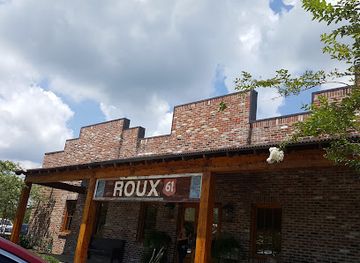
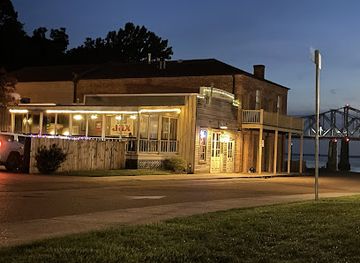
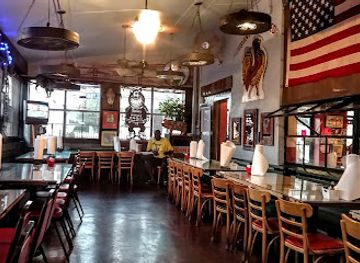
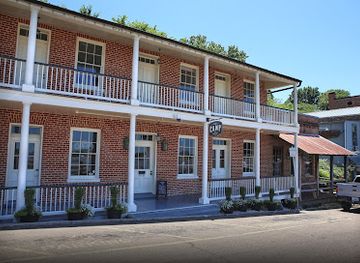
Roux 61
Experience exquisite seafood and steak at Roux 61 in Natchez - where Southern flavors meet exceptional hospitality.
18 min drive · 6.0 km from city centre
-
Seafood
Magnolia Grill
Experience the best seafood with Cajun flair at Magnolia Grill in Natchez – where fresh ingredients meet exceptional flavor.
9 min drive · 2.9 km from city centre
-
Barbecue
Pig Out Inn Barbeque
Discover delicious barbecue at Pig Out Inn Barbeque in Natchez – where Southern flavors meet warm hospitality for an unforgettable dining experience.
8 min drive · 2.7 km from city centre
-
Restaurant
The Camp Restaurant
Experience the flavors of Southern cuisine at The Camp Restaurant in Natchez - where tradition meets taste in every delightful dish.
9 min drive · 2.9 km from city centre
Best bars in Natchez
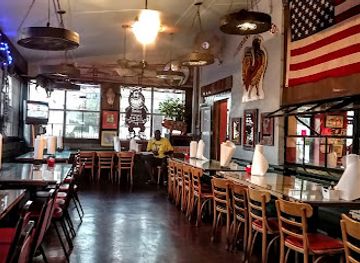
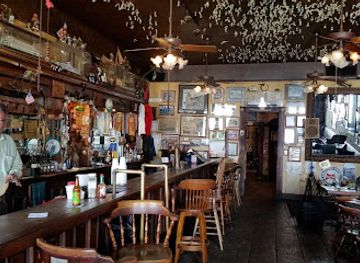
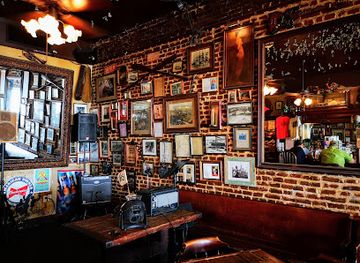
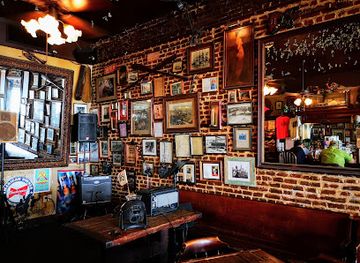
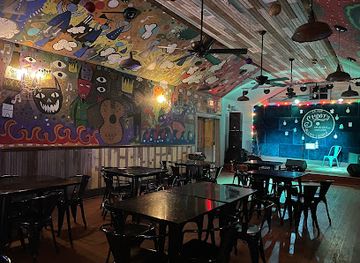
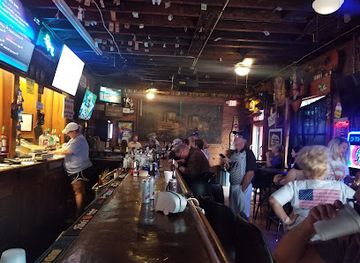
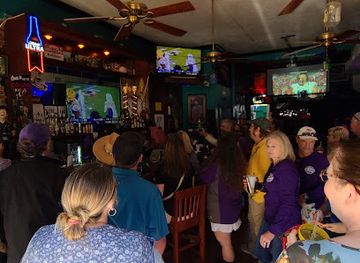
Natchez has a modest, sociable evening scene rather than a large nightclub circuit. Downtown bars and restaurants provide places for drinks, conversation and live music, with activity often concentrated around historic streets and venues occupying restored commercial buildings. Blues, gospel and Southern musical traditions inform the wider cultural atmosphere, while local performances and seasonal events may bring music into public spaces, churches or community venues. Evenings can also centre on heritage programming, theatre, small concerts and riverfront views rather than drinking alone. Options and schedules vary, particularly outside festival periods, so the city is better suited to relaxed evenings, music and conversation than to late-night clubbing. Visitors should use ordinary precautions after dark and arrange transport in advance when staying outside the central area.
-
Barbecue
Pig Out Inn Barbeque
Indulge in authentic Southern barbecue at Pig Out Inn Barbeque, where flavorful dishes and a welcoming atmosphere await you in Natchez, Mississippi.
8 min drive · 2.7 km from city centre
-
Bar
The Camp Restaurant
Discover the flavors of Natchez at The Camp Restaurant, where Southern hospitality meets culinary creativity in a charming setting.
9 min drive · 2.9 km from city centre
-
Restaurant
Applebee's Grill + Bar
Discover a family-friendly dining experience at Applebee's Grill + Bar in Natchez, serving classic American dishes in a vibrant atmosphere.
19 min walk · 1.5 km from city centre
-
Bar
Under-the-Hill Saloon
Discover the historic Under-the-Hill Saloon in Natchez, MS - a vibrant bar with rich history and an inviting atmosphere for all visitors.
9 min drive · 2.9 km from city centre
Best nightclubs in Natchez
Natchez has a modest, sociable evening scene rather than a large nightclub circuit. Downtown bars and restaurants provide places for drinks, conversation and live music, with activity often concentrated around historic streets and venues occupying restored commercial buildings. Blues, gospel and Southern musical traditions inform the wider cultural atmosphere, while local performances and seasonal events may bring music into public spaces, churches or community venues. Evenings can also centre on heritage programming, theatre, small concerts and riverfront views rather than drinking alone. Options and schedules vary, particularly outside festival periods, so the city is better suited to relaxed evenings, music and conversation than to late-night clubbing. Visitors should use ordinary precautions after dark and arrange transport in advance when staying outside the central area.
-
Bar
Under-the-Hill Saloon
Discover the lively atmosphere and rich history of Under-the-Hill Saloon, Natchez's premier bar for music, drinks, and good times.
9 min drive · 2.9 km from city centre
-
Bar
Smoot's Grocery Blues Lounge
Discover the vibrant blues scene at Smoot's Grocery Blues Lounge in Natchez, where music and Southern flavors create an unforgettable experience.
8 min drive · 2.8 km from city centre
-
Bar
The Corner Bar
Experience the lively atmosphere and friendly service at The Corner Bar, a must-visit nightlife spot in Natchez, Mississippi.
8 min drive · 2.6 km from city centre
-
Bar
Andrew's Tavern-DiveBar
Experience the vibrant nightlife at Andrew's Tavern in Natchez, Mississippi—a lively bar and dance club perfect for a night out.
7 min drive · 2.5 km from city centre
Best shops in Natchez
Shopping in Natchez is concentrated largely around downtown streets and historic commercial buildings, where independent boutiques, galleries, gift shops and locally oriented retailers occupy a walkable area above the river. Visitors may find regional food products, Mississippi-made crafts, books on local history, art, handmade objects and souvenirs connected with the city’s architecture and river heritage. Antiques and decorative goods reflect the area’s long association with historic houses, although stock varies between individual shops. The city does not function as a major department-store or luxury-shopping destination; its retail character is smaller-scale and tied to heritage tourism, local makers and independent businesses. Seasonal events and home-tour periods can bring additional craft stalls or pop-up sales, while the surrounding Mississippi region contributes foods, artwork and traditions that are often represented in Natchez shops.
-
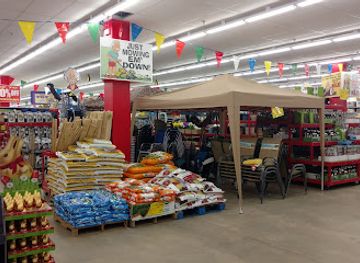
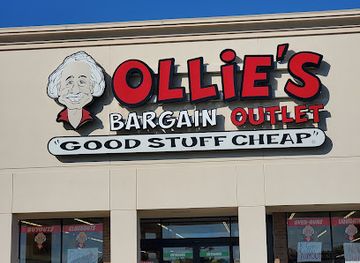
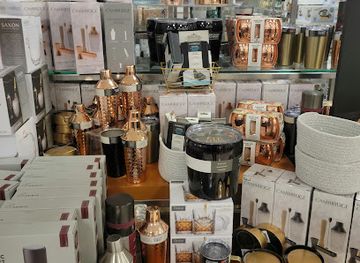
Discount store
Ollie's Bargain Outlet
Explore Ollie's Bargain Outlet in Natchez, MS for unbeatable prices on home goods, appliances, and more, making shopping a delightful adventure.
5 min drive · 1.7 km from city centre
-
Shopping mall
Natchez Mall
Explore the vibrant Natchez Mall, a premier shopping destination in Mississippi with diverse stores, dining options, and family-friendly amenities.
5 min drive · 1.6 km from city centre
-
Department store
Belk
Explore a diverse range of fashion and home goods at Belk in Natchez, MS - your one-stop destination for all your shopping needs.
5 min drive · 1.6 km from city centre
-
General store
Old South Trading Post
Discover unique souvenirs and local crafts at the Old South Trading Post in Natchez, MS, where Southern charm meets local artistry.
8 min drive · 2.7 km from city centre
Get your free copy of our complete guide to Natchez, delivered straight to you.
Everything on this page, from attractions and restaurants to essentials and local phrases, in one PDF you can read offline, print or share.
Already have an account? Sign in
Your Natchez guide is ready.
We'll send it to · Not you? Sign out

Getting your guide ready…
We are putting together a fresh copy of the Natchez guide. This can take up to a minute.
This can take a few moments. If your browser asks, choose Allow so the download can start. You'll find the guide in your Downloads folder.
Nothing happened? Download it again
Sorry, the guide is taking longer than usual. Please try again in a minute, or get it by email instead.
Natchez essentials
Currency and Payment
Safety
Emergency Situations
Do's and Don'ts
Local Tips
From Eve
Local phrases worth knowing
You don't need to get them perfect. A few words go a long way, and locals appreciate the effort.
Basics
| English | Local | Say it |
|---|---|---|
| Hello | Howdy | [haʊ-di] |
| Goodbye | See ya | [siː jə] |
| Yes | Yep | [jɛp] |
| No | Naw | [nɔ] |
| Please/You're welcome | Please/No problem | [pliːz/no prɑbləm] |
| Thank you | Thanks | [θæŋks] |
| Excuse me/Sorry | Pardon me/My bad | [pɑrdən miː/maɪ bæd] |
| How are you? | How y'all doin'? | [haʊ jɔl duːɪn] |
| Fine. And you? | Doing well. You? | [duɪŋ wɛl juː] |
| Do you speak English? | Y'all speak English? | [jɔl spiːk ɪŋɡlɪʃ] |
| I don't understand | I ain't catchin' on | [aɪ eɪnt kætʃɪn ɒn] |
Eating & Drinking
| English | Local | Say it |
|---|---|---|
| I'd like to see the menu, please | Can I check out the menu? | [kæn aɪ tʃɛk aʊt ðə ˈmɛnjuː] |
| I don't eat meat | I don't do meat | [aɪ doʊnt duː mit] |
| Cheers! | Cheers! | [tʃɪrz] |
| I would like to pay, please | I need to settle up, please | [aɪ nid tuː ˈsɛtl ʌp pliːz] |
Emergencies
| English | Local | Say it |
|---|---|---|
| Help! | Help! | [hɛlp] |
| Go away! | Git! | [ɡɪt] |
| Call the Police! | Ring up the cops! | [rɪŋ ʌp ðə kɑps] |
| Call a doctor! | Call for a doc! | [kɔl fɔr ə dɑk] |
| I'm lost | I'm turned around | [aɪm tɜrnd əˈraʊnd] |
| I'm ill | I'm feelin' poorly | [aɪm ˈfiːlɪn ˈpʊrli] |
Shopping
| English | Local | Say it |
|---|---|---|
| I'd like to buy... | I aim to purchase... | [aɪ eɪm tuː ˈpɜrtʃəs] |
| I'm just looking | Just browsin' | [dʒʌst ˈbraʊzɪn] |
| How much is it? | How much does it run? | [haʊ mʌt dʌz ɪt rʌn] |
| That's too expensive | That's a bit steep | [ðæts ə bɪt stip] |
| Can you lower the price? | Mind droppin' the price? | [maɪnd ˈdrɑpɪn ðə prɑɪs] |
Time & Numbers
| English | Local | Say it |
|---|---|---|
| What time is it? | What's the time? | [wɑts ðə taɪm] |
| It's one o'clock | It's one | [ɪts wʌn] |
| Half past (10) | Ten-thirty | [tɛn-ˈθɜrti] |
| Morning | Mornin' | [ˈmɔrnɪn] |
| Afternoon | Afternoon | [ˌæftərˈnun] |
| Evening | Evenin' | [ˈivnɪn] |
| Yesterday | Yest'day | [ˈjɛstdeɪ] |
| Today | Today | [təˈdeɪ] |
| Tomorrow | Tomorra | [təˈmɑrə] |
| 1 | One | [wʌn] |
| 2 | Two | [tu] |
| 3 | Three | [θri] |
| 4 | Four | [fɔr] |
| 5 | Five | [faɪv] |
| 6 | Six | [sɪks] |
| 7 | Seven | [sɛvən] |
| 8 | Eight | [eɪt] |
| 9 | Nine | [naɪn] |
| 10 | Ten | [tɛn] |
Transport & Directions
| English | Local | Say it |
|---|---|---|
| Where's a/the...? | Where's the... at? | [wɛərz ðə æt] |
| What's the address? | What's the street? | [wɑts ðə strit] |
| Can you show me (on the map)? | Can you point it out? | [kæn juː pɔɪnt ɪt aʊt] |
| When's the next (bus)? | When's the next (bus) comin'? | [wɛnz ðə nɛkst ˈbʌs ˈkʌmɪn] |
| A ticket (to ....) | A pass (to ....) | [ə pæs tu] |
History of Natchez
Natchez People and Fort Rosalie
The Natchez area was home to the Natchez people, whose society and ceremonial centre were established around the mound complex now associated with the Grand Village of the Natchez Indians south-east of the modern city. French colonists established Fort Rosalie near the Mississippi River in 1716, creating the settlement that gave the later city its name. Relations between the Natchez and French settlers deteriorated as colonial demands for land and supplies increased. In 1729, conflict led to the destruction of the French settlement and the dispersal of the Natchez people. The episode formed part of the wider struggle among Indigenous nations and European powers for control of the lower Mississippi Valley.
Spanish Rule and American Expansion
After France surrendered its claims east of the Mississippi following the Seven Years’ War, the Natchez district passed through British control before becoming Spanish territory after 1783. Spanish officials maintained a strategic presence on the river and supported settlement and trade. The United States acquired the region through the 1795 Treaty of San Lorenzo, which opened the Mississippi to American navigation and accelerated western expansion. Natchez became the capital of the Mississippi Territory in 1798 and remained an important administrative and commercial centre even after the territorial capital moved. Its elevated position above the river helped protect the settlement from seasonal flooding while preserving access to trade.
Cotton, Trade and Enslavement
During the early nineteenth century, the growth of cotton transformed Natchez into one of the principal ports of the lower Mississippi Valley. Merchants, planters, enslaved workers and river captains connected the region’s plantations with New Orleans and wider Atlantic markets. Wealth generated by slave labour financed substantial houses, churches and commercial buildings, many of which survive in and around the city. Natchez was also connected to the domestic slave trade. The Forks of the Road market, east of the historic centre, became a major site where enslaved people were bought and sold. Its history is essential to understanding both the city’s prosperity and the human violence that underpinned it.
Antebellum Architecture and Society
Natchez reached a period of exceptional prosperity in the decades before the American Civil War. Cotton fortunes produced elaborate residences including Melrose, Stanton Hall, Rosalie Mansion and the unfinished octagonal Longwood, while the city’s churches, business premises and domestic quarters reflected a society divided sharply by race and wealth. The surviving architecture does not represent a single social experience: enslaved people, free Black residents, immigrants, artisans and labourers all contributed to the city’s life, though their opportunities and legal status differed profoundly. The house museums and surviving streetscape therefore provide evidence of both architectural ambition and the unequal social order of the antebellum South.
Civil War and Reconstruction
Natchez changed hands during the Civil War and was occupied by Union forces in 1863. Unlike many Southern towns, it avoided the large-scale destruction that affected several other Mississippi communities, leaving an unusually extensive collection of antebellum buildings. The war nevertheless disrupted the cotton economy and the system of enslavement on which it had depended. Emancipation transformed local society, while Reconstruction brought political conflict, economic uncertainty and the continuing struggle of African Americans for land, education, safety and representation. The William Johnson House, associated with a free Black barber and diarist, offers an especially valuable record of social life and racial divisions in the period before the war.
Preservation and Modern Natchez
In the twentieth century, Natchez increasingly recognised its architectural inheritance as a cultural and economic resource. Preservation campaigns helped protect historic homes, churches and streetscapes, while organised pilgrimages and later heritage tourism brought national attention to the city. Federal interpretation at Natchez National Historical Park broadened the public story beyond grand residences to include Indigenous history, slavery, free Black life and the city’s riverfront development. Contemporary Natchez remains shaped by the Mississippi, by its historic buildings and by African American cultural traditions expressed through music, food, faith and community memory. Its heritage now depends on interpreting the past honestly as well as conserving its physical remains.
Natchez in Photos
Browse through our photo collection highlighting the charm and character of the destination.
Cities near Natchez
The closest cities to Natchez, if you have time for more than one stop.
-

-

-

-

-


Swipe for more cities
Explore more

Explore more of Mississippi
Discover Mississippi: A treasure trove of Southern culture, blues music heritage, and stunning natural landscapes perfect for every kind of traveler.
Explore Mississippi