

Free The Capital Region Travel Guide & Mobile App
Explore The Capital Region with free travel guides. Discover regional history, expert tips, proposed trips, and audio guides on web or mobile app.


Explore Mississippi’s Capital Region for civil-rights history, museums, Southern food, live music, reservoir recreation and access to the Natchez Trace.
Read more about The Capital Region
Getting to and around The Capital Region
How to get there
Transportation
Top city travel guides in The Capital Region
The cities of The Capital Region, and the easiest places to base yourself.
-

-
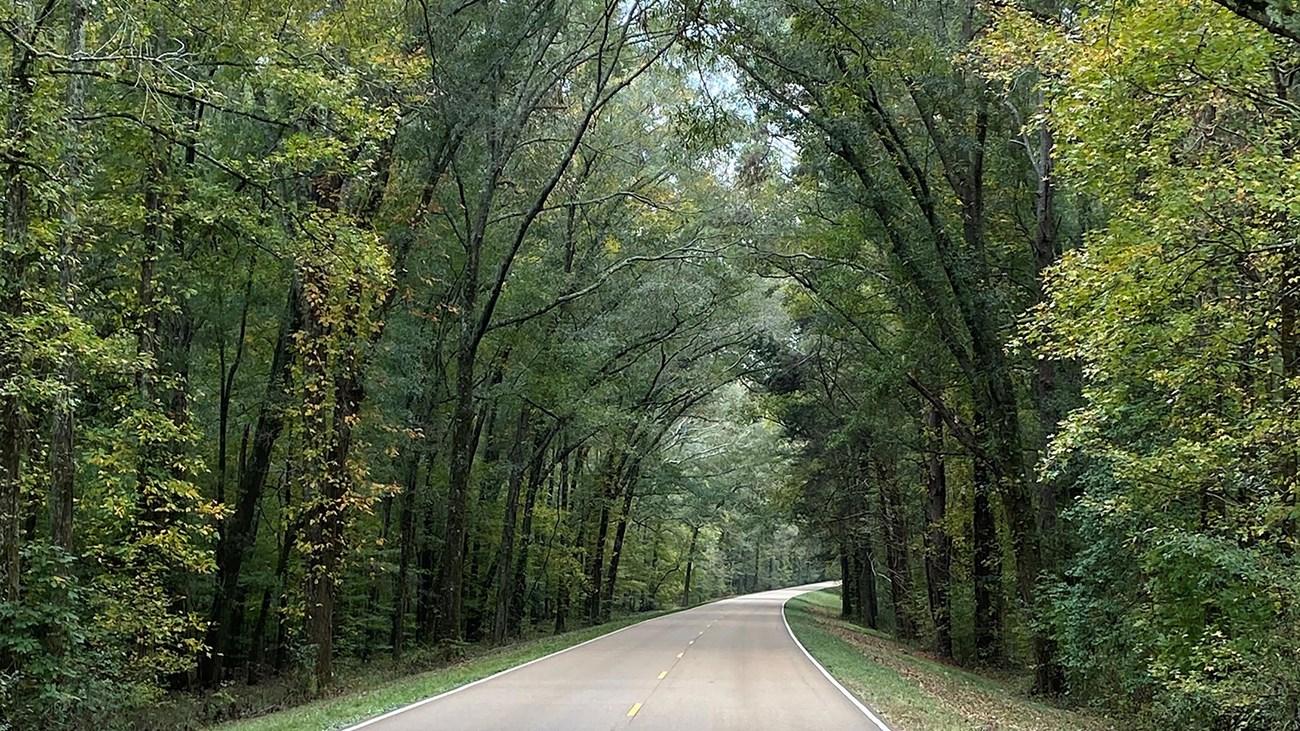 Natchez
, Mississippi pairs grand antebellum homes, river views, Civil War history and Southern food with thoughtful sightseeing along the Mississippi.
-

-

-


Swipe for more cities
Destinations in The Capital Region
Resorts, valleys and scenic spots worth a trip of their own.
-

-

-
-


Swipe for more destinations
Best attractions in The Capital Region
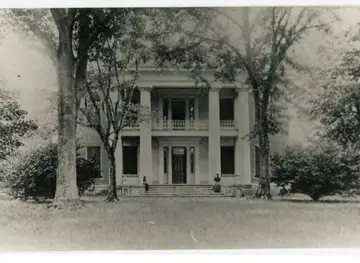
The Capital Region’s attractions combine civic history, African American heritage, museums, music, nature and suburban recreation. In Jackson, the Mississippi Civil Rights Museum and Museum of Mississippi History provide essential context for the state and the nation, while the Medgar and Myrlie Evers Home National Monument focuses on a pivotal local chapter of the freedom struggle. The Mississippi Museum of Art, Eudora Welty House and Garden and the Mississippi Museum of Natural Science broaden the cultural offer. Around the city, the Ross Barnett Reservoir supports boating, fishing, birdwatching, walking and waterside leisure, particularly near Ridgeland and Madison. The Natchez Trace Parkway provides access to wooded scenery, historic routes and archaeological places on the region’s eastern side. Parks, gardens, galleries, theatres and university institutions add quieter cultural experiences, while suburban communities offer family recreation and extensive dining and retail areas. Because these attractions occupy a dispersed metropolitan landscape, combining a museum-focused day in Jackson with a separate reservoir or Trace outing is generally more rewarding than attempting to cover the entire region in a single circuit.
-
Tourist attraction
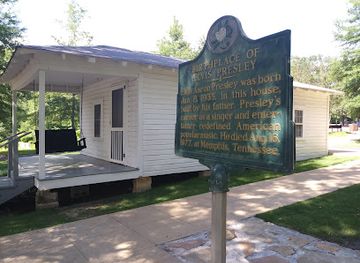
Elvis Presley Birthplace
Visit the Elvis Presley Birthplace to explore the early life of the King of Rock 'n' Roll in Tupelo, Mississippi, a captivating journey through musical history.
-
National reserve
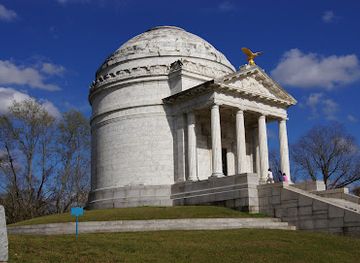
Vicksburg National Military Park
Explore the historic Vicksburg National Military Park, where the American Civil War's pivotal moments come to life amidst beautiful landscapes and rich heritage.
-
Tourist attraction
INFINITY Science Center
Explore the INFINITY Science Center in Mississippi – an engaging science museum and interactive attraction for inquisitive minds of all ages.
-
Tourist attraction
Mississippi Civil Rights Museum
Explore the profound legacy of the civil rights movement at the Mississippi Civil Rights Museum, a journey through history and resilience.
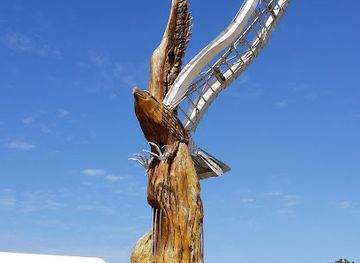
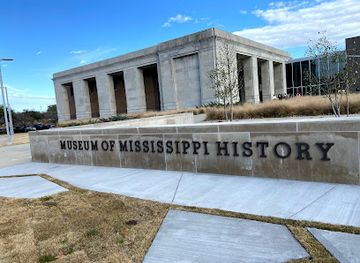
Best landmarks in The Capital Region
The Mississippi State Capitol in Jackson is the region’s defining civic landmark, an early twentieth-century building whose dome and Beaux-Arts design express the capital’s governmental role. Nearby, the Old Capitol Museum occupies the former statehouse and helps explain Mississippi’s political development. The Medgar and Myrlie Evers Home National Monument is a smaller but deeply significant landmark: the modest Jackson house preserves the setting associated with Evers’s work and assassination during the civil-rights era. Farish Street Historic District remains an important marker of African American enterprise, entertainment and community life, even though its historic fabric has suffered decline and redevelopment pressures. The Eudora Welty House and Garden represents the literary history of Jackson through the home of the internationally recognised writer. Beyond the city, the Ross Barnett Reservoir is a major geographical landmark, a managed body of water that has reshaped recreation and development around the Pearl River. The Natchez Trace Parkway provides a linear historic and landscape landmark on the region’s eastern side, linking modern visitors with an older Indigenous and frontier route.
-
State park
Percy E Quin State Park
Discover outdoor adventures and scenic beauty at Percy Quin State Park, a historic Mississippi treasure near McComb.

Explore The Capital Region on the map
Plan your trip on one map. See where the top cities, national parks and sights are, and book hotels and experiences in a few clicks.
Best hotels in The Capital Region
Best restaurants in The Capital Region
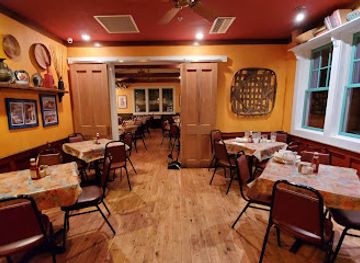
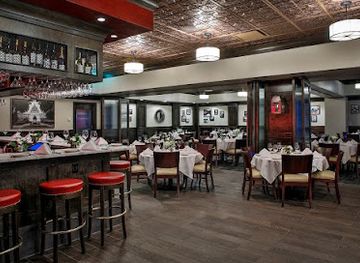
Dining in the Capital Region reflects Mississippi’s position between the Delta, the central hill country and the Gulf South. Jackson restaurants serve barbecue, fried catfish, soul food, chicken, greens, cornbread, seasonal vegetables and Mississippi-style hot tamales, while contemporary kitchens reinterpret Southern ingredients without being confined to traditional formats. Seafood appears widely, although much of it is associated with the broader Gulf region rather than originating in the capital area. Ridgeland, Madison, Flowood, Brandon and other suburban centres add large, varied dining scenes ranging from cafés and bakeries to steakhouses, international restaurants and modern bistros. Independent restaurants in Jackson are particularly important for exploring the city’s African American culinary heritage and changing food culture. Farmers’ markets and food halls, where operating arrangements vary, can offer produce, baked goods and prepared food, while regional breweries and coffee shops provide informal alternatives. Portions, service customs and tipping follow common United States practice, and menus can change seasonally.
-
Seafood
Cock of the Walk
Experience authentic Southern seafood at Cock of the Walk in Ridgeland – where flavor meets hospitality.
-
Seafood
Mary Mahoney's Old French House
Discover Mary Mahoney's Old French House: A historic seafood haven offering exquisite dishes in Biloxi's charming ambiance.
-
Mediterranean
Keifer's
Experience authentic Mediterranean cuisine at Keifer's in Jackson, MS – where every dish tells a story of flavor and tradition.
-
Steak
Char Restaurant
Experience the finest steaks and exquisite American cuisine at Char Restaurant in Jackson, MS - where every meal is a celebration.
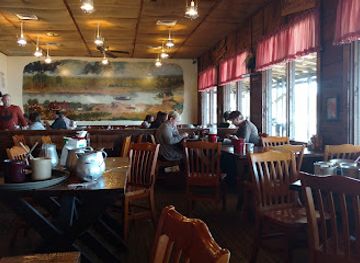
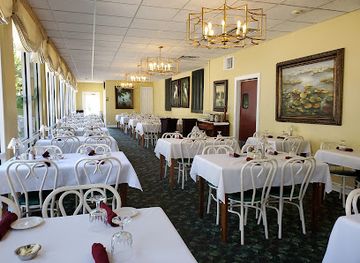
Best bars in The Capital Region
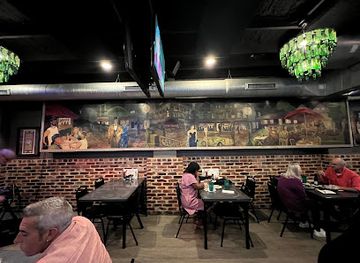
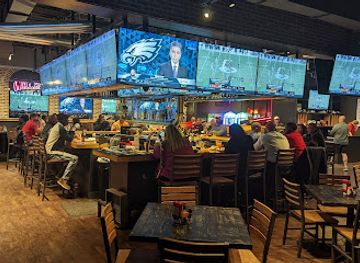
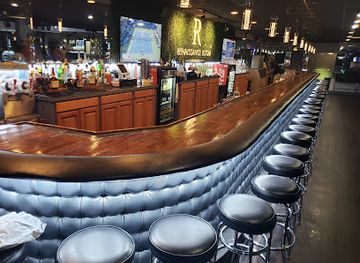
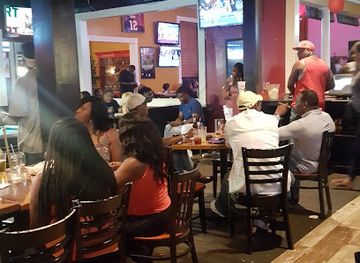
Evening life is concentrated in Jackson and in the larger suburban communities rather than spread evenly across the Capital Region. Jackson offers neighbourhood bars, breweries, cocktail-led venues, live music rooms and restaurants where blues, soul, jazz and local singer-songwriter traditions may feature, although schedules and businesses change over time. Fondren is known for arts, restaurants and evening social activity, while downtown venues and the historic Farish Street area have played important roles in the city’s music and entertainment history; visitors should check current arrangements before making a specific late-night plan. In Ridgeland, Madison, Flowood and Brandon, nightlife is more likely to centre on restaurants, bars, breweries and occasional live performances than on large clubs. The region is not primarily a nightclub destination, and many evenings are best spent with food, music or cultural events rather than a tightly defined club circuit.
-
Bar
Martin's Downtown
Discover the lively bar and grill scene at Martin's Downtown in Jackson, MS, where American cuisine and live music combine for an unforgettable experience.
-
Restaurant
Walk-On's Sports Bistreaux - Ridgeland Restaurant
Dine at Walk-On's Sports Bistreaux in Ridgeland for a unique blend of mouthwatering cuisine and an exciting sports atmosphere.
-
Bar
Johnny T's Bistro & Blues
Discover the heart of Jackson at Johnny T's Bistro & Blues, where delicious Southern cuisine meets live blues music in a cozy atmosphere.
-
Grill
LAST CALL Sports Grill
Discover LAST CALL Sports Grill: Your go-to destination for great food and live sports in Jackson, Mississippi.
Best nightclubs in The Capital Region
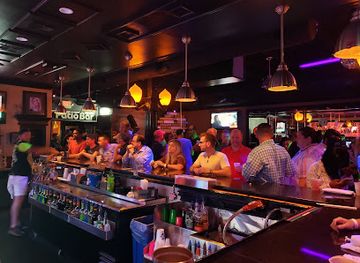
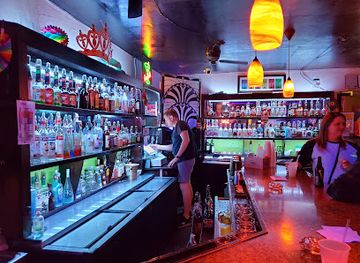
Evening life is concentrated in Jackson and in the larger suburban communities rather than spread evenly across the Capital Region. Jackson offers neighbourhood bars, breweries, cocktail-led venues, live music rooms and restaurants where blues, soul, jazz and local singer-songwriter traditions may feature, although schedules and businesses change over time. Fondren is known for arts, restaurants and evening social activity, while downtown venues and the historic Farish Street area have played important roles in the city’s music and entertainment history; visitors should check current arrangements before making a specific late-night plan. In Ridgeland, Madison, Flowood and Brandon, nightlife is more likely to centre on restaurants, bars, breweries and occasional live performances than on large clubs. The region is not primarily a nightclub destination, and many evenings are best spent with food, music or cultural events rather than a tightly defined club circuit.
-
Night club
Sipps Bar Gulfport
Discover Sipps Bar Gulfport, a lively nightlife venue offering karaoke, dancing, and a welcoming atmosphere for an unforgettable night out.
-
Night club
Just Us Lounge
Experience the vibrant nightlife at Just Us Lounge in Biloxi, a welcoming haven for music, dance, and connections for everyone.
-
Night club
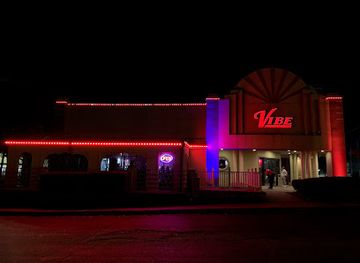
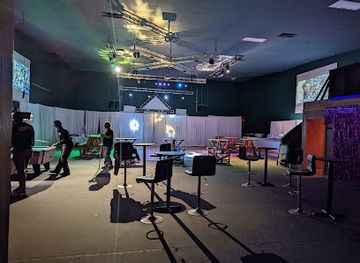
VIBE
Experience the vibrant nightlife of Jackson, MS at VIBE, where music, sports, and socializing come together in a pulsating atmosphere.
-
Night club
HIDEAWAY
Experience the exhilarating nightlife at Hideaway, Jackson’s premier destination for dancing, drinks, and unforgettable events.
Best shops in The Capital Region
Shopping ranges from Jackson’s independent boutiques, bookshops, galleries and design-led stores to the larger commercial centres of Ridgeland, Madison, Flowood, Brandon and Pearl. Fondren is associated with locally oriented retail, art, clothing, gifts and neighbourhood cafés, while the Renaissance at Colony Park in Ridgeland provides a more concentrated suburban shopping and dining environment. Jackson’s historic districts and downtown offer more specialised browsing than a conventional mall circuit, although stock and opening arrangements vary. Farmers’ markets and seasonal producer events can be useful for Mississippi honey, preserves, baked goods, crafts and regional produce, but dates should be checked in advance. For distinctive souvenirs, look for Mississippi-made pottery, prints, textiles, food products, books on Southern history and music, and work by local artists rather than generic state-branded merchandise. Antique shops and independent galleries are scattered across the metropolitan area, making a car helpful when combining several stops.
-
Shopping mall
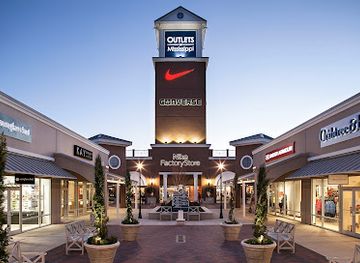
Outlets of Mississippi
Experience unbeatable savings and a diverse shopping atmosphere at Outlets of Mississippi, your ultimate retail therapy destination.
-
Shopping mall
Northpark
Discover Northpark - a shopping paradise offering the best in fashion, dining, and entertainment in Ridgeland, Mississippi.
-
Shopping mall
Highland Village Shopping Center
Experience upscale shopping and dining at Highland Village Shopping Center in Jackson, Mississippi, where unique boutiques and vibrant atmosphere await.
-
Gift shop
Wit's End
Explore Wit's End in Clifton Park, NY—a unique gift shop filled with local treasures and one-of-a-kind finds that celebrate creativity.

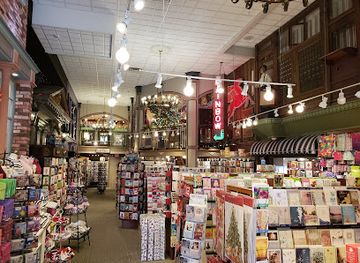
Get your free copy of our complete guide to The Capital Region, delivered straight to you.
Everything on this page, from attractions and restaurants to essentials and local phrases, in one PDF you can read offline, print or share.
Already have an account? Sign in
Your The Capital Region guide is ready.
We'll send it to · Not you? Sign out

Getting your guide ready…
We are putting together a fresh copy of the The Capital Region guide. This can take up to a minute.
This can take a few moments. If your browser asks, choose Allow so the download can start. You'll find the guide in your Downloads folder.
Nothing happened? Download it again
Sorry, the guide is taking longer than usual. Please try again in a minute, or get it by email instead.
The Capital Region essentials
Currency and Payment
Safety
Emergency Situations
Do's and Don'ts
Local Tips
From Eve
Local phrases worth knowing
You don't need to get them perfect. A few words go a long way, and locals appreciate the effort.
Basics
| English | Local | Say it |
|---|---|---|
| Hello | Hey | [Hay] |
| Goodbye | See ya | [See yah] |
| Yes | Yep | [Yep] |
| No | Nah | [Nah] |
| Please/You're welcome | Thank you | [Thank ya] |
| Thank you | Thank you | [Thank ya] |
| Excuse me/Sorry | Excuse me | [Excuse me] |
| How are you? | How you doin'? | [How ya doin'?] |
| Fine. And you? | I'm good. And you? | [I'm good. And you?] |
| Do you speak English? | Y'all speak English? | [Y'all speak English?] |
| I don't understand | I don't get it | [I don't get it] |
Eating & Drinking
| English | Local | Say it |
|---|---|---|
| I'd like to see the menu, please | Can I see the menu, please? | [Can I see the menu, please?] |
| I don't eat meat | I'm a vegetarian | [I'm a vegetarian] |
| Cheers! | Cheers! | [Cheers!] |
| I would like to pay, please | Can I get the check, please? | [Can I get the check, please?] |
Emergencies
| English | Local | Say it |
|---|---|---|
| Help! | Help! | [Help!] |
| Go away! | Leave me alone! | [Leave me alone!] |
| Call the Police! | Call the cops! | [Call the cops!] |
| Call a doctor! | Call a doc! | [Call a doc!] |
| I'm lost | I can't find my way | [I can't find my way] |
| I'm ill | I'm not feelin' good | [I'm not feelin' good] |
Shopping
| English | Local | Say it |
|---|---|---|
| I'd like to buy... | I want to buy... | [I wanna buy...] |
| I'm just looking | Just browsin' | [Just browsin'] |
| How much is it? | How much this cost? | [How much this cost?] |
| That's too expensive | That costs too much | [That costs too much] |
| Can you lower the price? | Can you bring the price down? | [Can you bring the price down?] |
Time & Numbers
| English | Local | Say it |
|---|---|---|
| What time is it? | What time it is? | [What time it is?] |
| It's one o'clock | It's one o'clock | [It's one o'clock] |
| Half past (10) | Half past ten | [Half past ten] |
| Morning | Mornin' | [Mornin'] |
| Afternoon | Afternoon | [Afternoon] |
| Evening | Evenin' | [Evenin'] |
| Yesterday | Yesterday | [Yesterday] |
| Today | Today | [Today] |
| Tomorrow | Tomorrow | [Tomorrow] |
| 1 | One | [One] |
| 2 | Two | [Two] |
| 3 | Three | [Three] |
| 4 | Four | [Four] |
| 5 | Five | [Five] |
| 6 | Six | [Six] |
| 7 | Seven | [Seven] |
| 8 | Eight | [Eight] |
| 9 | Nine | [Nine] |
| 10 | Ten | [Ten] |
Transport & Directions
| English | Local | Say it |
|---|---|---|
| Where's a/the...? | Where's the...? | [Where's the...?] |
| What's the address? | What’s the address? | [What’s the address?] |
| Can you show me (on the map)? | Can you show me on the map? | [Can you show me on the map?] |
| When's the next (bus)? | When's the next bus? | [When's the next bus?] |
| A ticket (to ....) | A ticket to... | [A ticket to...] |
History of The Capital Region
Indigenous Homelands and the Natchez Trace
Long before the establishment of Jackson, the central Mississippi landscape was used and shaped by Indigenous communities, including peoples connected with the Choctaw and historic trading networks of the region. The Natchez Trace developed from a network of Indigenous paths linking the lower Mississippi Valley with communities and markets to the east. Later, boatmen known as Kaintucks travelled the river southward and returned overland along the Trace. Its route helped connect the region to wider commercial and political networks, and surviving sections and archaeological traces remain important reminders that the capital region’s history began long before American statehood.
The Founding of Jackson and Statehood
Jackson was selected as Mississippi’s capital in 1821 because of its position near the centre of the young state and the Pearl River. Named for Andrew Jackson, the settlement grew around government functions rather than an old colonial port. The arrival of state institutions, roads and later railways gave the city increasing importance, while surrounding plantations and farms tied the region to the cotton economy. The Mississippi State Capitol and other civic buildings reflect the capital’s continuing political role, although the city’s development was repeatedly affected by economic change, war and racial conflict.
The Civil War and Reconstruction
Jackson was strategically important during the American Civil War because it sat at the intersection of routes leading across Mississippi. Union forces captured and burned parts of the city in 1863 during the Vicksburg campaign, damaging government buildings, homes and businesses. Reconstruction brought constitutional change and new political possibilities for formerly enslaved people, but white resistance and the later imposition of segregation sharply limited those gains. The region’s historic landscapes, archives and civic institutions reflect this turbulent transformation from slave society to contested citizenship.
Railways, Cotton and the Growth of the Capital
During the late nineteenth and early twentieth centuries, rail connections strengthened Jackson’s position as a commercial and administrative centre. Cotton remained central to the regional economy, while timber, food processing, retail and government employment broadened the city’s functions. The surrounding communities developed as small market settlements and transport points, later becoming part of a growing metropolitan area. Much of Jackson’s historic architecture, including commercial buildings and neighbourhood streets, dates from this period of expansion, although urban renewal and changing transport patterns have altered the original cityscape.
The Mississippi Civil Rights Movement
Jackson was a major setting for the modern civil-rights movement. African American residents, students, clergy and organisers challenged segregation through boycotts, sit-ins, marches, voter-registration campaigns and legal action. Medgar Evers, the NAACP’s Mississippi field secretary, worked from Jackson until his assassination outside his home in 1963. The Freedom Summer campaign of 1964 brought national attention to Mississippi’s suppression of Black voting and education. Sites across the capital region, especially the Medgar and Myrlie Evers Home National Monument and the Mississippi Civil Rights Museum, help explain the movement’s local risks and national consequences.
Modern Metropolitan Transformation
After the Second World War, Jackson expanded beyond its historic core as highways, suburban development, shopping centres and new employment districts reshaped the metropolitan area. Communities in Rankin and Madison counties grew rapidly, while the Ross Barnett Reservoir became an important recreational and residential focus. The region remains Mississippi’s administrative and cultural centre, but it also reflects wider Southern debates about historic preservation, racial inequality, flood management, suburbanisation and downtown renewal. Contemporary Jackson combines state government, universities, museums, music and independent food culture with the practical challenges of a dispersed metropolitan landscape.
The Capital Region in Photos
Browse through our photo collection highlighting the charm and character of the destination.
Neighbouring regions of The Capital Region
The closest regions to The Capital Region, if you have time for more than one.
-

-
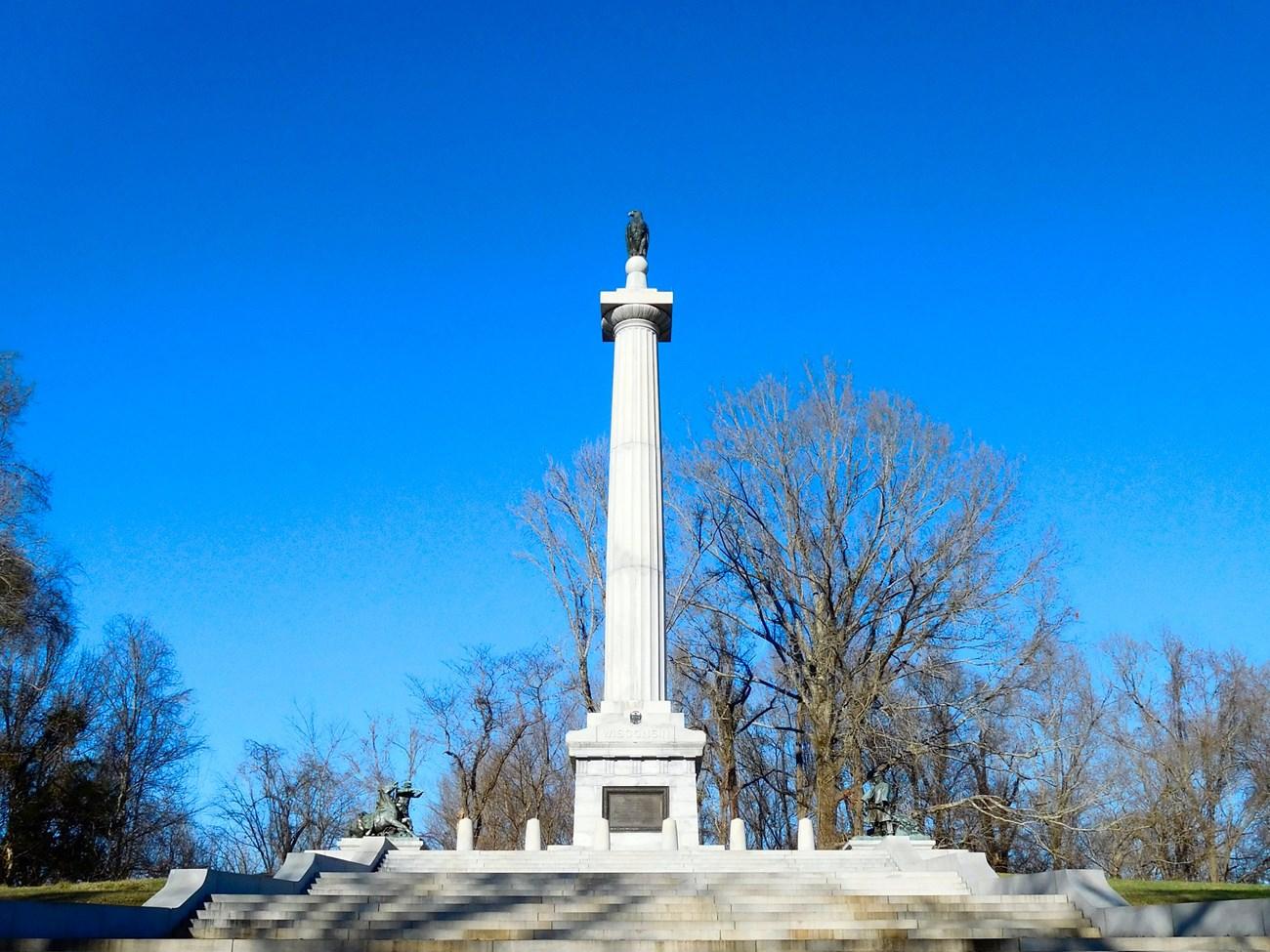 The River Region
Discover the River Region in Mississippi: a scenic blend of natural beauty, rich history, and Southern charm along the majestic Mississippi River.
-
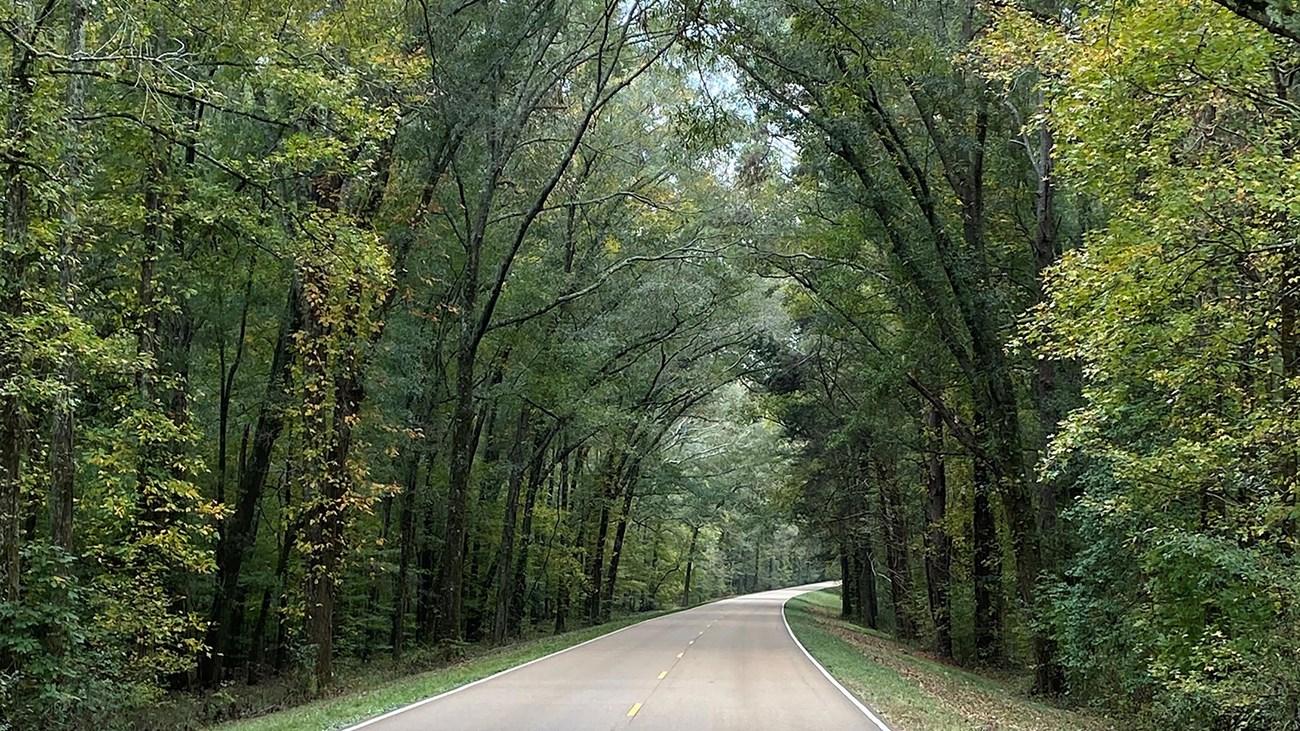 The Natchez District
Explore the Natchez District for Mississippi River views, historic mansions, Indigenous heritage, scenic roads and deeply rooted Southern food traditions.
-

-


Swipe for more regions
Explore more

Explore more of Mississippi
Discover Mississippi: A treasure trove of Southern culture, blues music heritage, and stunning natural landscapes perfect for every kind of traveler.
Explore Mississippi