

Free The Loess Hills Travel Guide & Mobile App
Explore The Loess Hills with free travel guides. Discover regional history, expert tips, proposed trips, and audio guides on web or mobile app.


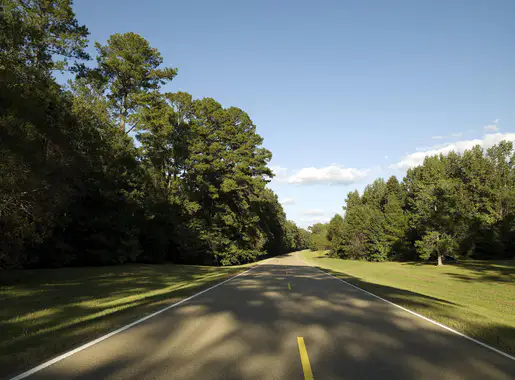
Discover the Loess Hills of Mississippi: A mesmerizing blend of natural beauty, rich history, and outdoor adventure in the heart of the United States.
Read more about The Loess Hills
When is the best time to visit The Loess Hills?
Best: April–May, October · 23–28°C| Month | High (°C) | Rainfall (mm) |
|---|---|---|
| January | 10 | 100 |
| February | 12 | 105 |
| March | 18 | 115 |
| April (best) | 23 | 110 |
| May (best) | 28 | 110 |
| June | 32 | 100 |
| July | 34 | 105 |
| August | 34 | 100 |
| September | 30 | 95 |
| October (best) | 24 | 90 |
| November | 18 | 95 |
| December | 12 | 100 |
Getting to and around The Loess Hills
How to get there
Transportation
Top city travel guides in The Loess Hills
The cities of The Loess Hills, and the easiest places to base yourself.
-
 Jackson
Discover Jackson, Mississippi: A vibrant blend of history, music, and Southern charm in the heart of the South.
Jackson
Discover Jackson, Mississippi: A vibrant blend of history, music, and Southern charm in the heart of the South.
-
 Vicksburg
Discover Vicksburg, Mississippi: A Historic Gem Along the Mississippi River, Offering Rich History, Vibrant Culture, and Scenic Outdoor Adventures.
Vicksburg
Discover Vicksburg, Mississippi: A Historic Gem Along the Mississippi River, Offering Rich History, Vibrant Culture, and Scenic Outdoor Adventures.
-
 Greenwood
Discover Greenwood, Mississippi: A charming city in the Mississippi Delta known for its rich history, vibrant blues music, scenic beauty, and delicious Southern cuisine.
Greenwood
Discover Greenwood, Mississippi: A charming city in the Mississippi Delta known for its rich history, vibrant blues music, scenic beauty, and delicious Southern cuisine.
Swipe for more cities
Destinations in The Loess Hills
Resorts, valleys and scenic spots worth a trip of their own.
-
 Vicksburg National Military Park
Discover the pivotal moments of the American Civil War at Vicksburg National Military Park, where history and nature intertwine in a scenic Mississippi setting.
Vicksburg National Military Park
Discover the pivotal moments of the American Civil War at Vicksburg National Military Park, where history and nature intertwine in a scenic Mississippi setting.
-
 Ross Barnett Reservoir
Explore the natural beauty and outdoor adventures at Ross Barnett Reservoir in Mississippi, a perfect destination for boating, fishing, hiking, and wildlife watching.
Ross Barnett Reservoir
Explore the natural beauty and outdoor adventures at Ross Barnett Reservoir in Mississippi, a perfect destination for boating, fishing, hiking, and wildlife watching.
-
 The Delta
Discover the soulful sounds, captivating history, and natural beauty of the Mississippi Delta, the birthplace of American music and a haven for outdoor enthusiasts.
The Delta
Discover the soulful sounds, captivating history, and natural beauty of the Mississippi Delta, the birthplace of American music and a haven for outdoor enthusiasts.
Swipe for more destinations
Best attractions in The Loess Hills
Nestled in the heart of Mississippi, The Loess Hills beckon travelers with their unique geological formations and rich tapestry of history. These striking hills, formed by ancient glacial silt deposits, offer breathtaking vistas and a serene escape into nature's artistry. Visitors can explore a myriad of hiking trails that wind through lush forests and open prairies, revealing panoramic views that seem to stretch endlessly. The area is steeped in history, with numerous sites that tell stories of Native American cultures and early settlers, inviting history enthusiasts to delve into the past. Nature lovers will be enchanted by the diverse array of flora and fauna, including rare plant species and migratory birds that find sanctuary in this biodiverse haven. The Loess Hills provide an enchanting blend of natural beauty and historical intrigue, making it a must-visit destination for those seeking an off-the-beaten-path adventure.
-
National reserve
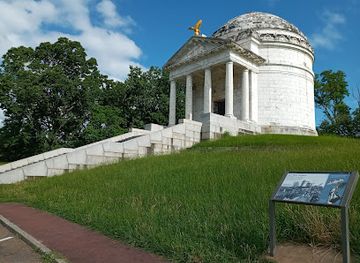
Vicksburg National Military Park
Discover the rich history of the Civil War at Vicksburg National Military Park, a significant battlefield and memorial site in Mississippi.
-
Tourist attraction
Mississippi Petrified Forest
Explore the ancient beauty of the Mississippi Petrified Forest, a must-visit tourist attraction filled with petrified wood and rich geological history.
-
Tourist attraction
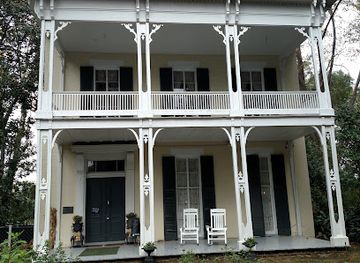
McRaven Tour Home
Explore the haunting beauty and rich history of McRaven Tour Home, Vicksburg's most enchanting historic attraction.
-
Tourist attraction
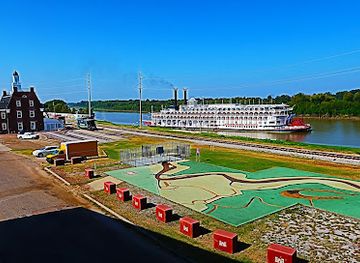
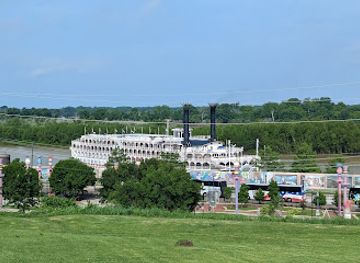
Lower Mississippi River Museum
Discover the rich history and cultural significance of the Mississippi River at the Lower Mississippi River Museum in Vicksburg, Mississippi.
Best landmarks in The Loess Hills
The Loess Hills in Mississippi, a mesmerizing stretch of wind-blown silt deposits, invites visitors to explore its unique geological formations and rich historical tapestry. As you traverse the rolling hills, you'll discover the remnants of ancient indigenous cultures and witness stunning vistas that have inspired countless travelers. The area's diverse ecosystem is a haven for wildlife enthusiasts, offering opportunities for bird watching and encountering rare plant species. History buffs will be entranced by the nearby Natchez Trace Parkway, a historic travel corridor that echoes tales of early American pioneers and traders. With its blend of natural beauty and historical intrigue, The Loess Hills promises an unforgettable journey for all who venture into its captivating landscape.
-
National reserve
Vicksburg National Military Park
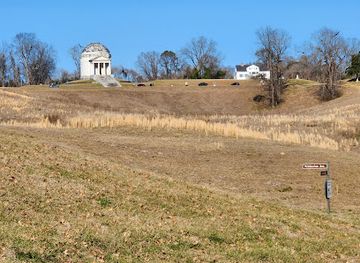
Explore the site of the Civil War's pivotal Vicksburg Campaign, featuring monuments, trenches, and the USS Cairo gunboat.
-
Tourist attraction
McRaven Tour Home
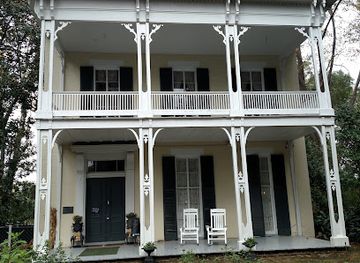
Explore Vicksburg's most haunted house, a unique blend of architectural history and ghostly tales from three distinct eras.
-
Historical place
Vicksburg Riverfront Murals
Experience Vicksburg's history through vibrant art: Riverfront Murals showcase the city's past on the Mississippi River floodwalls.
-
History museum
Old Court House Museum
Explore Vicksburg's vibrant past at the Old Court House Museum, a treasure trove of history and culture since 1858.

Explore The Loess Hills on the map
Plan your trip on one map. See where the top cities, national parks and sights are, and book hotels and experiences in a few clicks.
Best hotels in The Loess Hills
Best restaurants in The Loess Hills
Nestled amidst the breathtaking landscapes of The Loess Hills in Mississippi, the dining scene is a hidden gem that offers a delightful culinary journey for visitors. Here, travelers can savor the authentic taste of Southern cuisine, where farm-to-table freshness is a way of life, and local diners serve up mouthwatering dishes like fried catfish, smoked ribs, and cornbread. The area boasts charming, family-owned eateries with rustic charm that invite guests to experience true Southern hospitality, while innovative chefs infuse traditional recipes with modern twists, creating a fusion of flavors that tantalize the taste buds. Whether you're indulging in a hearty Southern breakfast, enjoying a leisurely lunch overlooking the rolling hills, or dining under the stars at a cozy bistro, The Loess Hills dining scene promises a culinary adventure filled with warmth, tradition, and unforgettable flavors.
-
Family-friendly
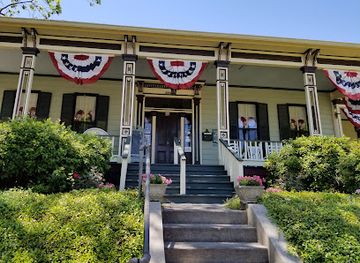
Walnut Hills
Discover Walnut Hills: A Family-Friendly Southern Restaurant in Vicksburg Offering Delicious Cuisine & Live Blues Music.
-
Hamburger
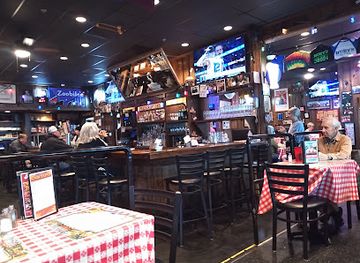
Huey's Olive Branch
Experience mouth-watering burgers and Southern hospitality at Huey's Olive Branch - a local favorite in Mississippi.
-
Seafood
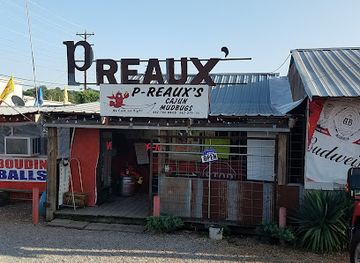
P-Reaux's Cajun Mudbugs
Dive into deliciousness at P-Reaux's Cajun Mudbugs—where authentic Cajun seafood meets Southern hospitality in Yazoo City.
Best bars in The Loess Hills
-
Seafood
Shaggy's Biloxi Beach
Discover Shaggy's Biloxi Beach: A Seafood Haven with Breathtaking Gulf Views and Vibrant Atmosphere in Mississippi.
-
Bar
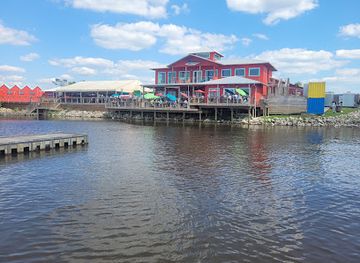
Shaggy's on the Rez
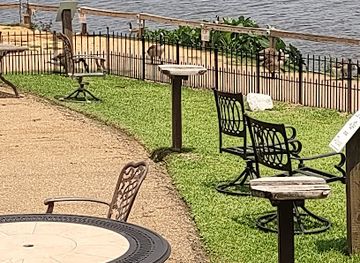
Experience a delightful fusion of food, drinks, and stunning lakeside views at Shaggy's on the Rez in Brandon, Mississippi.
-
Seafood
Cock of the Walk
Discover the flavors of the South at Cock of the Walk - a seafood haven in Ridgeland, Mississippi, where every meal is a celebration.
-
Barbecue
The Pig & Pint
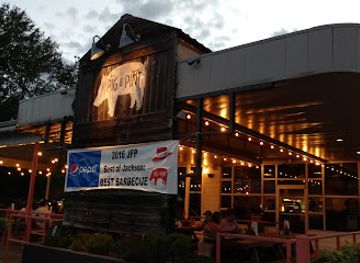
Experience the best of Southern barbecue at The Pig & Pint in Jackson, Mississippi, with a diverse menu and craft beer selection.

Best nightclubs in The Loess Hills
As the sun dips below the horizon in the enigmatic Loess Hills of Mississippi, the region transforms into a vibrant hub of local culture and music, offering visitors an unexpected yet delightful nightlife experience. Amid the rolling hills and serene landscapes, cozy bars and quaint taverns echo with the soulful strains of blues and jazz, inviting patrons to unwind with a glass of locally brewed craft beer or a classic Southern cocktail. The hills are alive with the sounds of live music performances, where talented local musicians take center stage, turning every night into a celebration of Mississippi's rich musical heritage. Visitors can enjoy the warm hospitality of the locals while savoring delectable Southern cuisine that complements the evening's entertainment. As you explore the night, the spirit of the Loess Hills reveals itself in its unique blend of rustic charm and lively atmosphere, making it a must-visit destination for those seeking an authentic taste of Southern nightlife.
-
Bar
Sipps Bar Gulfport
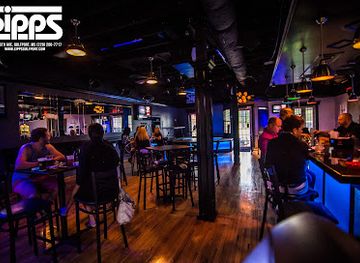
Experience Gulfport's vibrant nightlife at Sipps Bar, where karaoke, dancing, and diversity meet in a lively atmosphere.
-
Bar
Just Us Lounge
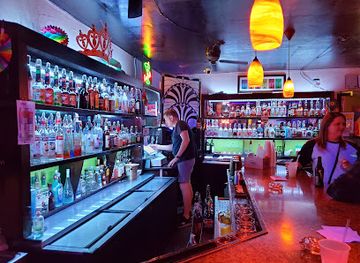
Just Us Lounge: A vibrant bar and dance club in Biloxi, celebrating inclusivity with live music, karaoke, and unforgettable nights.
-
Lounge
Chill Ultra Lounge
Experience the perfect blend of relaxation and entertainment at Chill Ultra Lounge in Biloxi, your ultimate destination for exquisite cocktails and stunning waterfront views.
-
Live Music
Neon Moon
Experience the pulse of Ocean Springs nightlife at Neon Moon, where live music and unforgettable moments await in a vibrant atmosphere.


Best shops in The Loess Hills
Nestled within the charming expanse of Mississippi's Loess Hills, the shopping scene is a delightful blend of rustic charm and artisanal allure, perfect for the discerning traveler seeking unique finds. Visitors can stroll through quaint, locally-owned boutiques offering hand-crafted goods that reflect the area's rich cultural heritage, from pottery and textiles to locally-sourced gourmet foods. Antique enthusiasts will revel in the abundance of vintage shops brimming with treasures from bygone eras, while art lovers can explore galleries featuring local artists whose works capture the breathtaking beauty of the surrounding landscapes. The Loess Hills' shopping experience promises not only a chance to acquire one-of-a-kind souvenirs but also an opportunity to immerse oneself in the vibrant local culture, making it a must-visit destination for those eager to explore beyond the usual tourist trails.
-
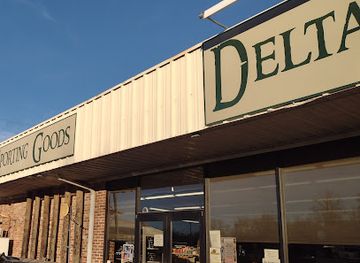
Sporting goods store
Delta Outfitters
Discover outdoor gear and expert advice at Delta Outfitters, your go-to sporting goods store in Vicksburg, Mississippi, for archery, fishing, and hunting.
-
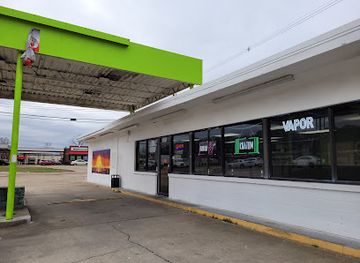
Tobacco shop
Delta Vape World
Discover the best in vaping and tobacco products at Delta Vape World in Yazoo City, Mississippi, where quality meets variety.
-
Tobacco shop
Delta World Vape
Discover the vibrant world of vaping at Delta World Vape in Yazoo City – your ultimate destination for all vaping needs.

Get your free copy of our complete guide to The Loess Hills, delivered straight to you.
Everything on this page, from attractions and restaurants to essentials and local phrases, in one PDF you can read offline, print or share.
Already have an account? Sign in
Your The Loess Hills guide is ready.
We'll send it to · Not you? Sign out

Getting your guide ready…
We are putting together a fresh copy of the The Loess Hills guide. This can take up to a minute.
This can take a few moments. If your browser asks, choose Allow so the download can start. You'll find the guide in your Downloads folder.
Nothing happened? Download it again
Sorry, the guide is taking longer than usual. Please try again in a minute, or get it by email instead.
The Loess Hills essentials
Currency and Payment
Safety
Emergency Situations
Do's and Don'ts
Local Tips
From Eve
Local phrases worth knowing
You don't need to get them perfect. A few words go a long way, and locals appreciate the effort.
Basics
| English | Local | Say it |
|---|---|---|
| Hello | Howdy | [haʊdi] |
| Goodbye | See ya later | [si jə leɪtər] |
| Yes | Yep | [jɛp] |
| No | Nah | [nɑ] |
| Please/You're welcome | No problem | [noʊ prɒbləm] |
| Thank you | Thanks a bunch | [θæŋks ə bʌnʧ] |
| Excuse me/Sorry | Pardon me | [ˈpɑrdən mi] |
| How are you? | How ya doin'? | [haʊ jə ˈduɪn] |
| Fine. And you? | I’m good. How 'bout you? | [aɪm gʊd haʊ baʊt jə] |
| Do you speak English? | Can ya speak English? | [kæn jə spiːk ˈɪŋɡlɪʃ] |
| I don't understand | I ain't followin' | [aɪ eɪnt ˈfɑloʊɪn] |
Eating & Drinking
| English | Local | Say it |
|---|---|---|
| I'd like to see the menu, please | Can I see the menu? | [kæn aɪ si ðə ˈmɛnju] |
| I don't eat meat | I ain't eatin' meat | [aɪ eɪnt ˈitɪn mit] |
| Cheers! | Cheers! | [ʧɪrz] |
| I would like to pay, please | Can I get the check? | [kæn aɪ gɛt ðə ʧɛk] |
Emergencies
| English | Local | Say it |
|---|---|---|
| Help! | Help! | [hɛlp] |
| Go away! | Get outta here! | [ɡɛt ˈɔtə hɪr] |
| Call the Police! | Call the cops! | [kɔl ðə kɑps] |
| Call a doctor! | Get a doctor! | [ɡɛt ə ˈdɑktər] |
| I'm lost | I’m turned around | [aɪm tɜrnd əˈraʊnd] |
| I'm ill | I’m feelin' sick | [aɪm ˈfiːlɪn sɪk] |
Shopping
| English | Local | Say it |
|---|---|---|
| I'd like to buy... | I wanna buy... | [aɪ ˈwɑnə baɪ] |
| I'm just looking | Just browsin' | [ʤʌst ˈbraʊzɪn] |
| How much is it? | What’s the price? | [wʌts ðə praɪs] |
| That's too expensive | That’s a bit pricey | [ðæts ə bɪt ˈpraɪsi] |
| Can you lower the price? | Can ya bring down the price? | [kæn jə brɪŋ daʊn ðə praɪs] |
Time & Numbers
| English | Local | Say it |
|---|---|---|
| What time is it? | What time we got? | [wʌt taɪm wi ɡɑt] |
| It's one o'clock | It’s one o’clock | [ɪts wʌn əˈklɑk] |
| Half past (10) | Half past ten | [hæf pæst tɛn] |
| Morning | Mornin' | [ˈmɔrnɪn] |
| Afternoon | Afternoon | [ˌæf.tɚˈnun] |
| Evening | Evenin' | [ˈivnɪn] |
| Yesterday | Yesterday | [ˈjɛstərdeɪ] |
| Today | Today | [təˈdeɪ] |
| Tomorrow | Tomorrow | [təˈmɔroʊ] |
| 1 | One | [wʌn] |
| 2 | Two | [tu] |
| 3 | Three | [θri] |
| 4 | Four | [fɔr] |
| 5 | Five | [faɪv] |
| 6 | Six | [sɪks] |
| 7 | Seven | [ˈsɛvən] |
| 8 | Eight | [eɪt] |
| 9 | Nine | [naɪn] |
| 10 | Ten | [tɛn] |
Transport & Directions
| English | Local | Say it |
|---|---|---|
| Where's a/the...? | Where's the...? | [wɛrz ðə] |
| What's the address? | What’s the address? | [wʌts ði əˈdrɛs] |
| Can you show me (on the map)? | Can ya point it out? | [kæn jə pɔɪnt ɪt aʊt] |
| When's the next (bus)? | When's the next bus? | [wɛn ðə nɛkst bʌs] |
| A ticket (to ....) | A ticket to... | [ə ˈtɪkɪt tə] |
History of The Loess Hills
Formation of The Loess Hills
The Loess Hills in Mississippi are a unique geological formation created over tens of thousands of years. These hills, composed primarily of wind-blown silt, or 'loess,' were formed during the last Ice Age. As glaciers advanced and retreated, they ground rocks into fine particles that were carried by the wind and deposited in what is now western Mississippi. The result is a landscape of rolling hills and steep bluffs that rise dramatically from the flat plains of the Mississippi Delta.
Native American Settlements
The Loess Hills have been home to various Native American tribes for thousands of years. The fertile soil and abundant natural resources made the area ideal for agriculture and settlement. Notably, the Choctaw and Chickasaw tribes inhabited the region before European exploration. These tribes developed complex societies with rich cultural traditions, including mound-building, which can still be observed in the form of ancient earthworks scattered throughout the hills.
European Exploration and Settlement
In the 16th and 17th centuries, European explorers began to venture into the Loess Hills region. The Spanish explorer Hernando de Soto is believed to have traversed the area in the 1540s during his quest for gold. Later, French explorers and traders established routes through the hills, forging alliances with Native American tribes and setting up trading posts. By the early 1800s, European settlers began to establish permanent communities, drawn by the fertile land for farming.
Civil War Significance
The Loess Hills played a strategic role during the American Civil War. The region's elevated terrain provided natural defensive positions and was the site of several skirmishes and troop movements. One notable event was the Battle of Port Gibson in 1863, part of the Vicksburg Campaign. Union forces under General Ulysses S. Grant successfully navigated the challenging terrain of the Loess Hills to achieve a crucial victory, ultimately leading to the Union's control of the Mississippi River.
Agricultural Development
Following the Civil War, the Loess Hills saw significant agricultural development. The fertile loess soil proved ideal for growing cotton, corn, and other crops. Plantations and smaller farms dotted the landscape, and the region became a vital part of Mississippi's agricultural economy. The introduction of railroads in the late 19th century further boosted the area's productivity by facilitating the transport of goods to broader markets.
Conservation Efforts
In recent decades, there has been a growing awareness of the need to preserve the unique ecological and historical features of the Loess Hills. Conservation efforts have focused on protecting the region's natural habitats, which support diverse plant and animal species. Organizations and local communities have worked together to promote sustainable land use practices and to maintain the scenic beauty and historical integrity of the hills. The Loess Hills are now recognized as a valuable natural and cultural resource, attracting tourists and scholars alike.
The Loess Hills in Photos
Browse through our photo collection highlighting the charm and character of the destination.
Neighbouring regions of The Loess Hills
The closest regions to The Loess Hills, if you have time for more than one.
-
 The Yazoo Basin
Discover the Yazoo Basin in Mississippi, where blues music, natural beauty, and rich history create an unforgettable travel experience.
The Yazoo Basin
Discover the Yazoo Basin in Mississippi, where blues music, natural beauty, and rich history create an unforgettable travel experience.
-
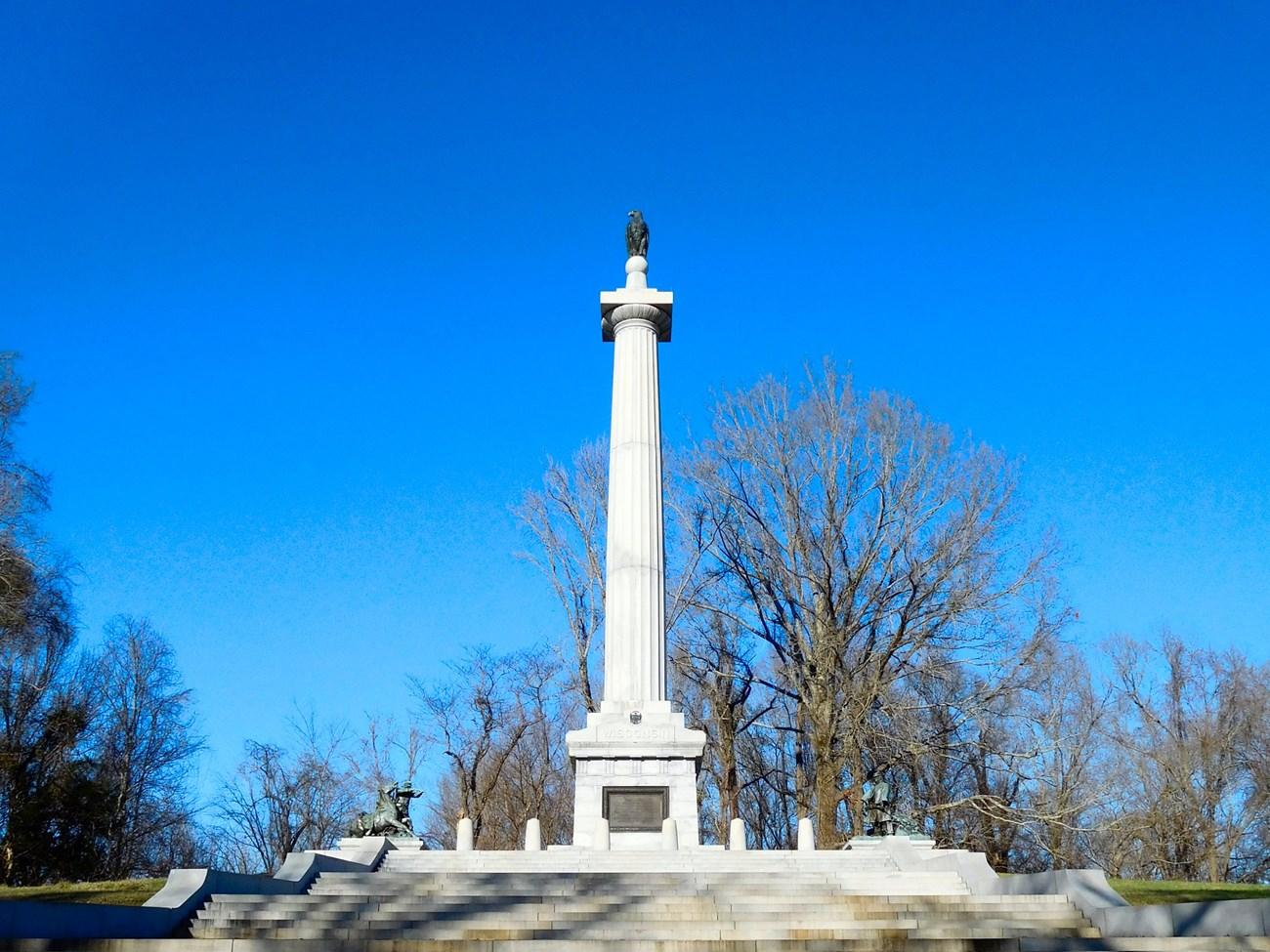 The River Region
Discover the River Region in Mississippi: a scenic blend of natural beauty, rich history, and Southern charm along the majestic Mississippi River.
The River Region
Discover the River Region in Mississippi: a scenic blend of natural beauty, rich history, and Southern charm along the majestic Mississippi River.
-
 The Jackson Prairie
Explore the breathtaking Jackson Prairie in Mississippi, a natural sanctuary teeming with wildlife, wildflowers, and rich history. Perfect for nature lovers and history enthusiasts.
The Jackson Prairie
Explore the breathtaking Jackson Prairie in Mississippi, a natural sanctuary teeming with wildlife, wildflowers, and rich history. Perfect for nature lovers and history enthusiasts.
-
 Central Mississippi
Discover the rich history, vibrant culture, and natural beauty of Central Mississippi, the heart of Southern charm in the United States.
Central Mississippi
Discover the rich history, vibrant culture, and natural beauty of Central Mississippi, the heart of Southern charm in the United States.
-
 The Capital Region
Explore the Capital Region of Mississippi: A blend of rich history, vibrant arts, and natural beauty awaits in the heart of the Magnolia State.
The Capital Region
Explore the Capital Region of Mississippi: A blend of rich history, vibrant arts, and natural beauty awaits in the heart of the Magnolia State.
Swipe for more regions

