

Current River, Missouri Travel Guide
Experience the natural beauty and tranquility of Missouri's Current River, a haven for outdoor activities, wildlife watching, and scenic relaxation in the Ozarks.
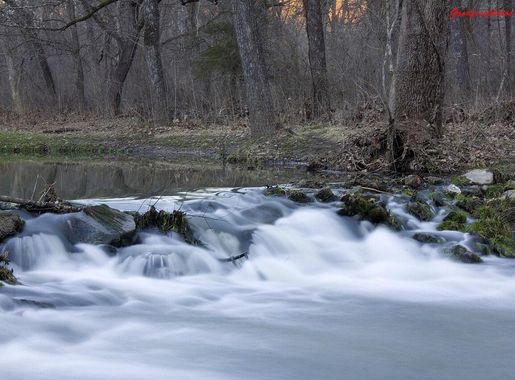
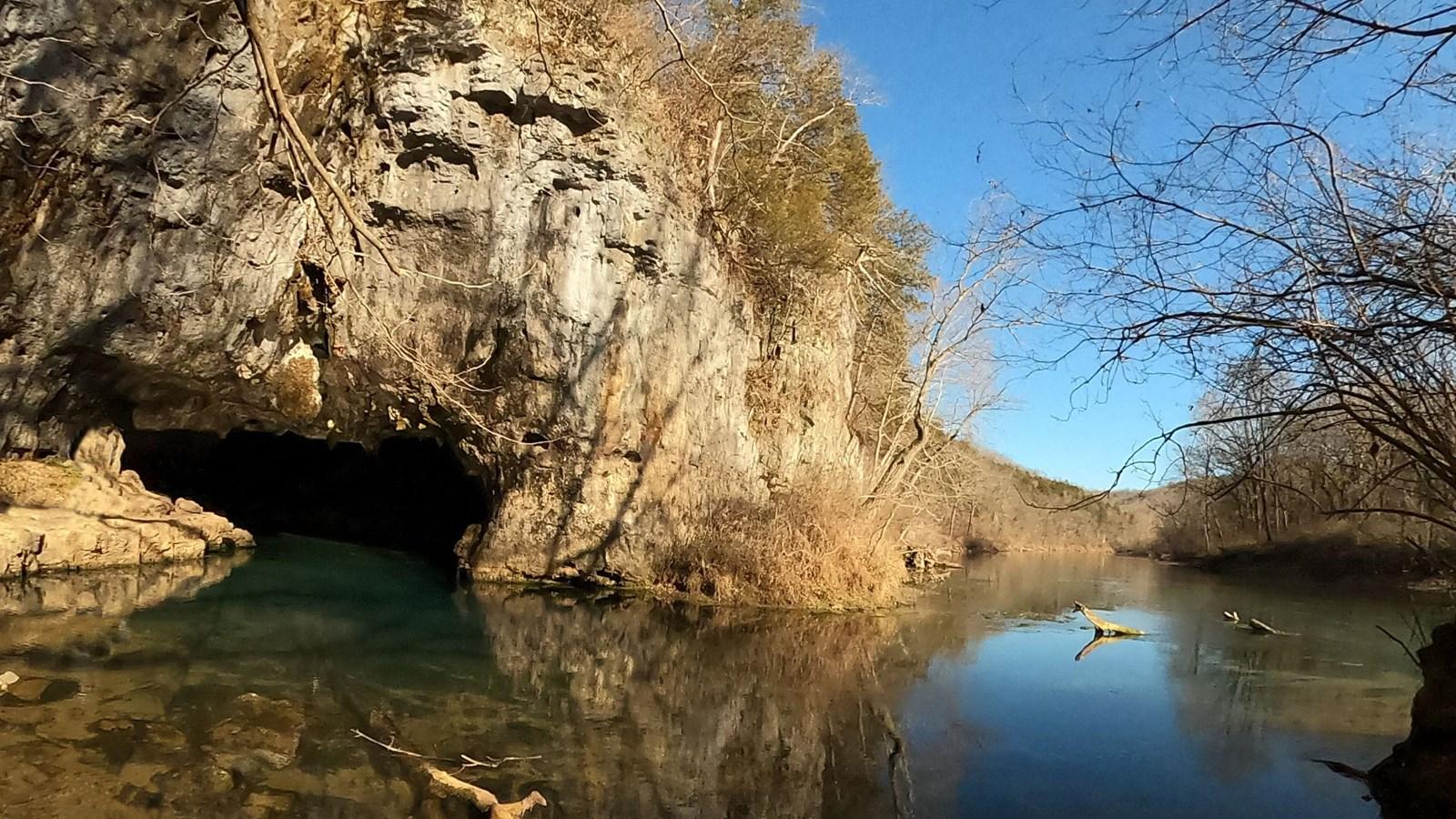
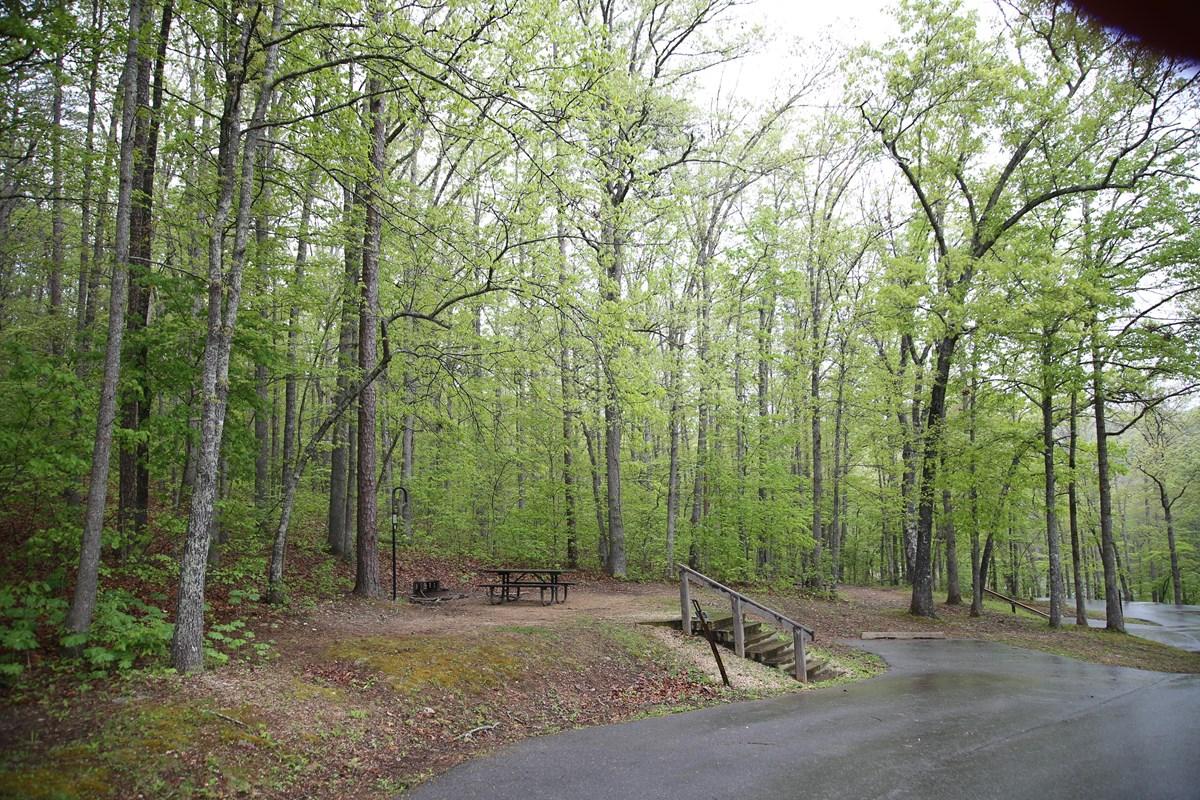
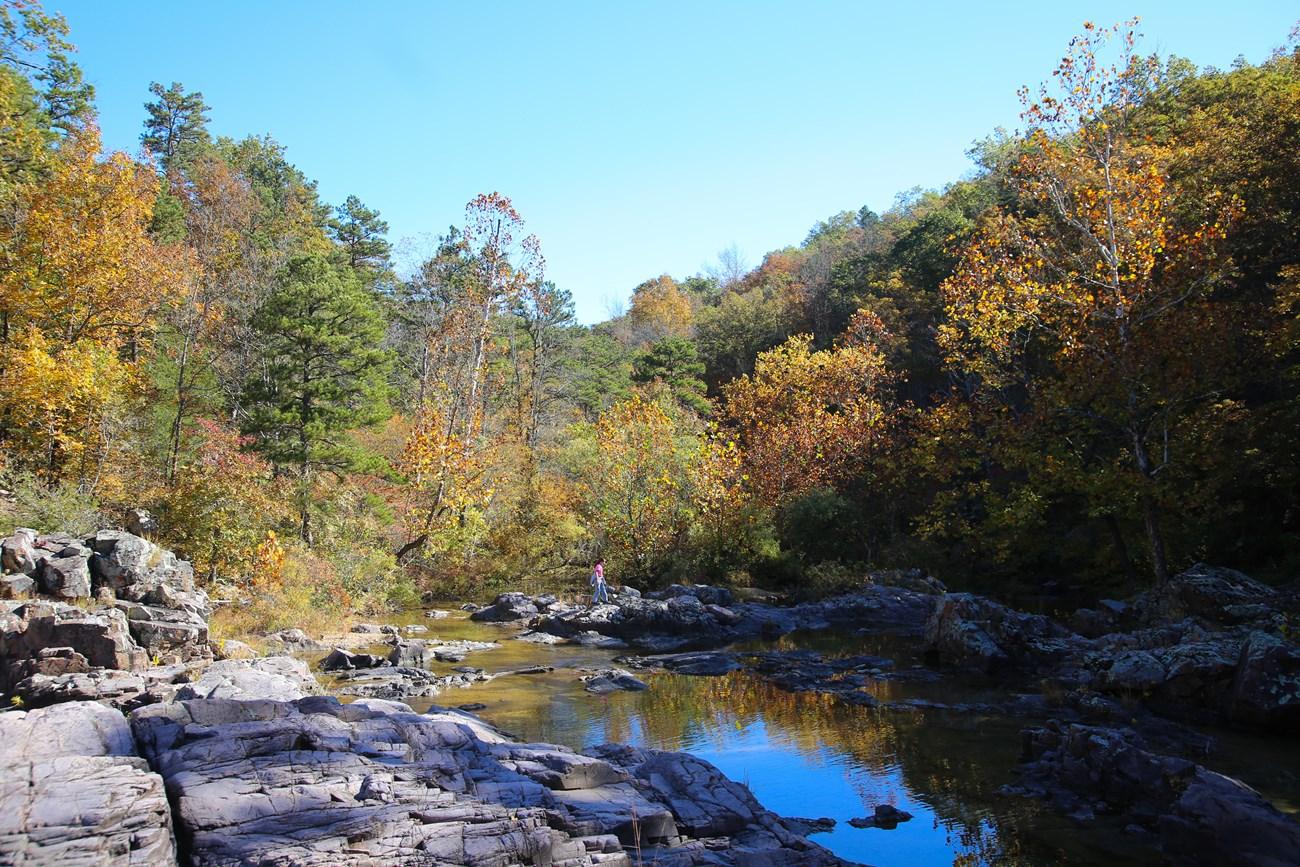
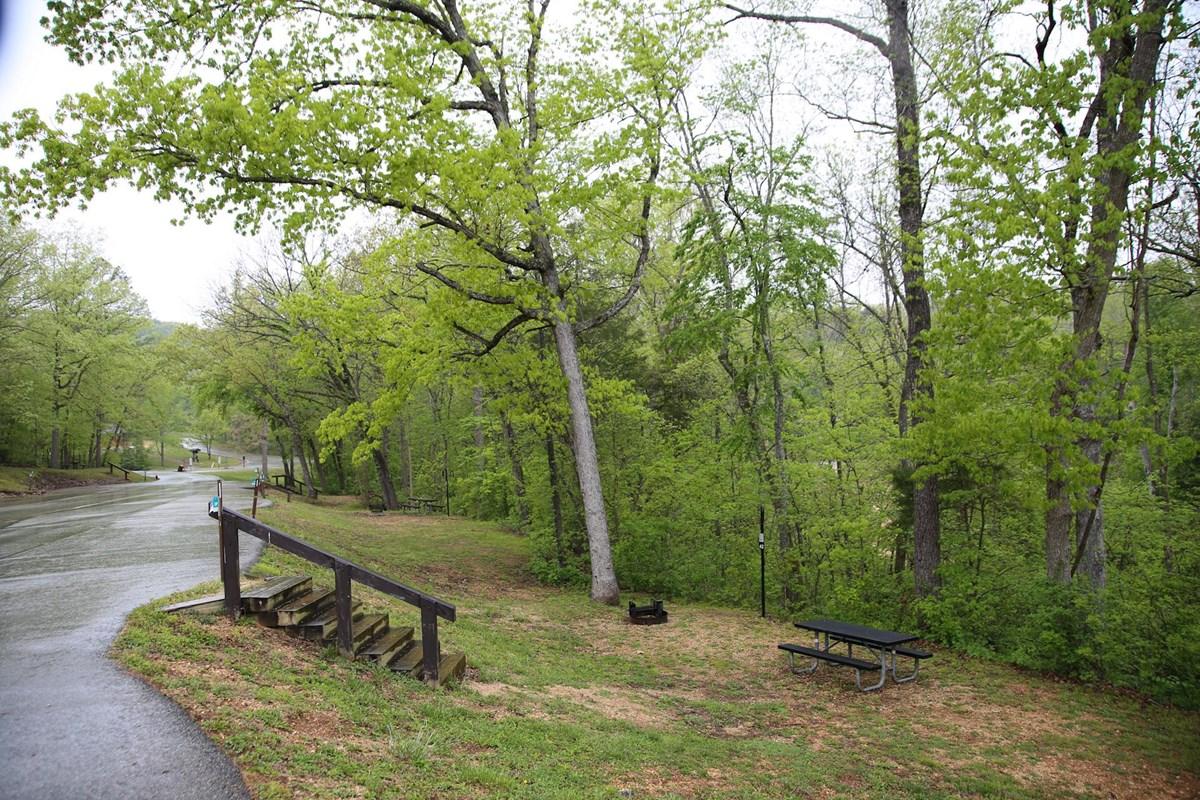
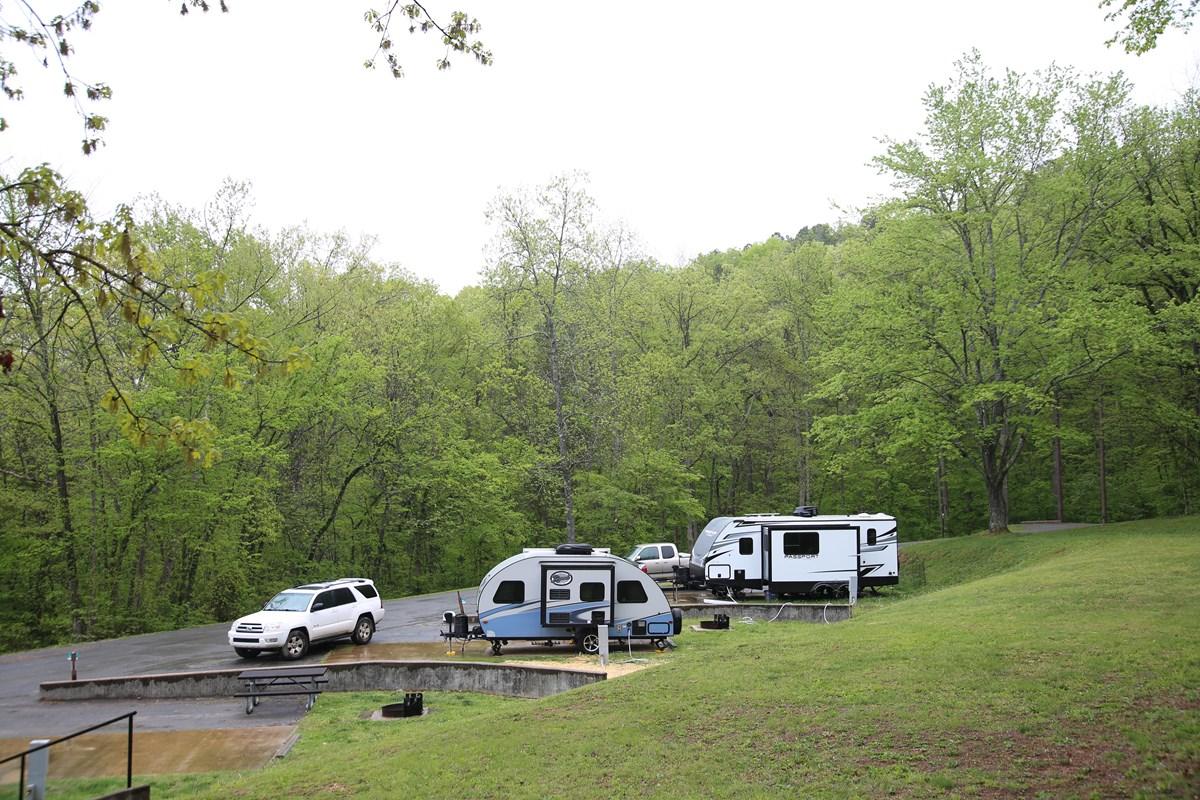
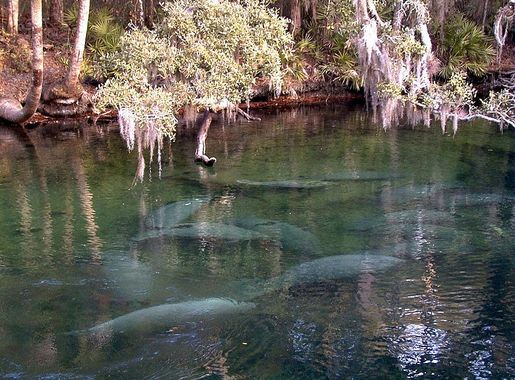
Nestled in the heart of the Ozarks, the Current River in Missouri offers breathtaking natural beauty and a tranquil escape from the hustle and bustle of daily life. The river is renowned for its crystal-clear waters, which are perfect for swimming, fishing, and canoeing. As you paddle along the gentle currents, you'll be surrounded by lush forests and striking limestone bluffs, making it a paradise for nature lovers and outdoor enthusiasts alike. The Current River is part of the Ozark National Scenic Riverways, a protected area that ensures the preservation of its pristine environment. Visitors can explore numerous springs that feed into the river, creating cool, refreshing spots to relax and enjoy the scenery. The area is also rich in wildlife, offering opportunities for bird watching and spotting deer, otters, and other native animals in their natural habitat. For those looking to extend their stay, there are ample camping opportunities along the river, ranging from developed campgrounds with amenities to more primitive sites for a true wilderness experience. Hiking trails abound in the surrounding areas, leading to hidden caves and stunning overlooks. Whether you're seeking adventure or a peaceful retreat, the Current River provides a memorable and rejuvenating experience for all who visit.

Know before you go
Hi, I'm Eve. Here are a few practical things to know before exploring Current River.
- Bring water shoes for better footing in and around the river.
- Visit in the fall to enjoy the vibrant foliage and cooler temperatures.
- Check the weather forecast as river conditions can change rapidly.
- Consider renting a canoe or kayak from a local outfitter for a day on the water.
- Pack insect repellent, especially during the summer months.
Explore Current River: Things to Do, Places to Eat, Hotels & More
Handpicked recommendations for top attractions, local dining, accommodations, and more

Best attractions in Current River
Top-rated picks
Best Attractions

Maramec Spring Park
Explore the natural beauty of Maramec Spring Park, a stunning Missouri gem with crystal-clear springs, hiking trails, and fishing opportunities.

The Fugitive Beach
Experience the thrill of water slides and the relaxation of sandy shores at The Fugitive Beach in Rolla, Missouri, a perfect family-friendly destination.

Montauk State Park
Experience the tranquility and adventure of Montauk State Park, a stunning natural retreat in Missouri perfect for outdoor enthusiasts and nature lovers.

Ozark National Scenic Riverways Park Headquarters (No Visitor Center)
Discover the breathtaking beauty of Ozark National Scenic Riverways, a paradise for adventure seekers and nature lovers in Missouri.

Best restaurants in Current River
Top-rated picks
Best Restaurants

Thee Abbey Kitchen / Arcadia Academy
Experience American cuisine with a touch of history at Thee Abbey Kitchen - where every meal is served with charm in Arcadia.

Miller's Grill
Experience mouthwatering grilled delights at Miller's Grill in Houston, MO – where flavor meets hospitality in a charming setting.

The Landing - Current River
Discover thrilling adventures and delightful dining at The Landing - Current River in Van Buren, Missouri.
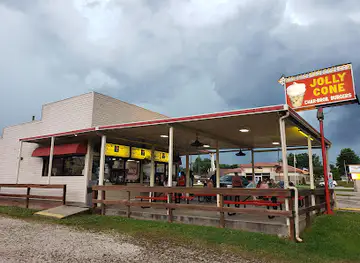
Jolly Cone on the Current
Discover Jolly Cone on the Current: where delicious fast food meets stunning river views in Van Buren, Missouri.

Best shops in Current River
Top-rated picks
Best Shops

Current River Ford Inc
Discover automotive excellence at Current River Ford Inc, your go-to Ford dealer in Doniphan, Missouri, offering a wide range of vehicles and top-notch service.

Current River Fabrics and Quilting
Explore the vibrant world of fabrics and quilting supplies at Current River Fabrics and Quilting in Doniphan, Missouri.

Current River Trading Post
Explore the Current River Trading Post for unique antiques and local crafts in Van Buren, Missouri, a must-visit for all vintage lovers.

Explore Current River on the Map
A handpicked selection of must-see spots in Current River, mapped for you.
Current River Essentials
-
Current River is located in the Ozarks of southeastern Missouri. The nearest major airport is Lambert-St. Louis International Airport, approximately 150 miles north. From St. Louis, you can rent a car and drive to the area, which takes around 3 hours. Alternatively, you can take a bus to Poplar Bluff, which is about 50 miles from Current River, and then rent a car or arrange for local transportation.
-
Once at Current River, the most convenient way to explore the area is by car. Car rentals are available in nearby towns like Poplar Bluff. For those who prefer not to drive, local shuttle services and guided tours are available, especially for popular activities like kayaking and tubing. Biking is also a popular way to get around, with many trails catering to cyclists.
-
The official currency is the United States Dollar (USD). Credit and debit cards are widely accepted in most restaurants, shops, and lodging facilities around Current River. However, it's advisable to carry some cash, especially if you plan to visit more remote areas or engage in activities like camping or visiting local markets. ATMs are available in nearby towns.
-
Current River is generally a safe destination for tourists. However, standard travel precautions should be taken. Avoid isolated areas at night and keep personal belongings secure. There have been occasional reports of petty theft, so stay vigilant, especially in crowded areas. It’s always a good idea to inform someone of your itinerary if you plan to venture into the more remote parts of the river.
-
In case of emergency, dial 911 for immediate assistance. For non-urgent medical issues, there are clinics and hospitals in nearby towns such as Poplar Bluff and Van Buren. It's advisable to have travel insurance that covers medical emergencies. For minor health issues, pharmacies are available in these towns where you can purchase over-the-counter medications.
-
Fashion: Do wear comfortable, weather-appropriate clothing. Hiking boots and water shoes are recommended for outdoor activities. Don't wear overly revealing clothing. Religion: Do respect local religious sites and traditions, although the area is predominantly secular. Public Transport: Do plan your transport ahead, as options are limited. Don't rely solely on public transport for remote areas. Greetings: Do greet locals politely; a simple 'hello' is sufficient. Don't be overly familiar with strangers. Eating & Drinking: Do try local dishes and enjoy the regional cuisine. Don't litter; always use designated trash bins.
-
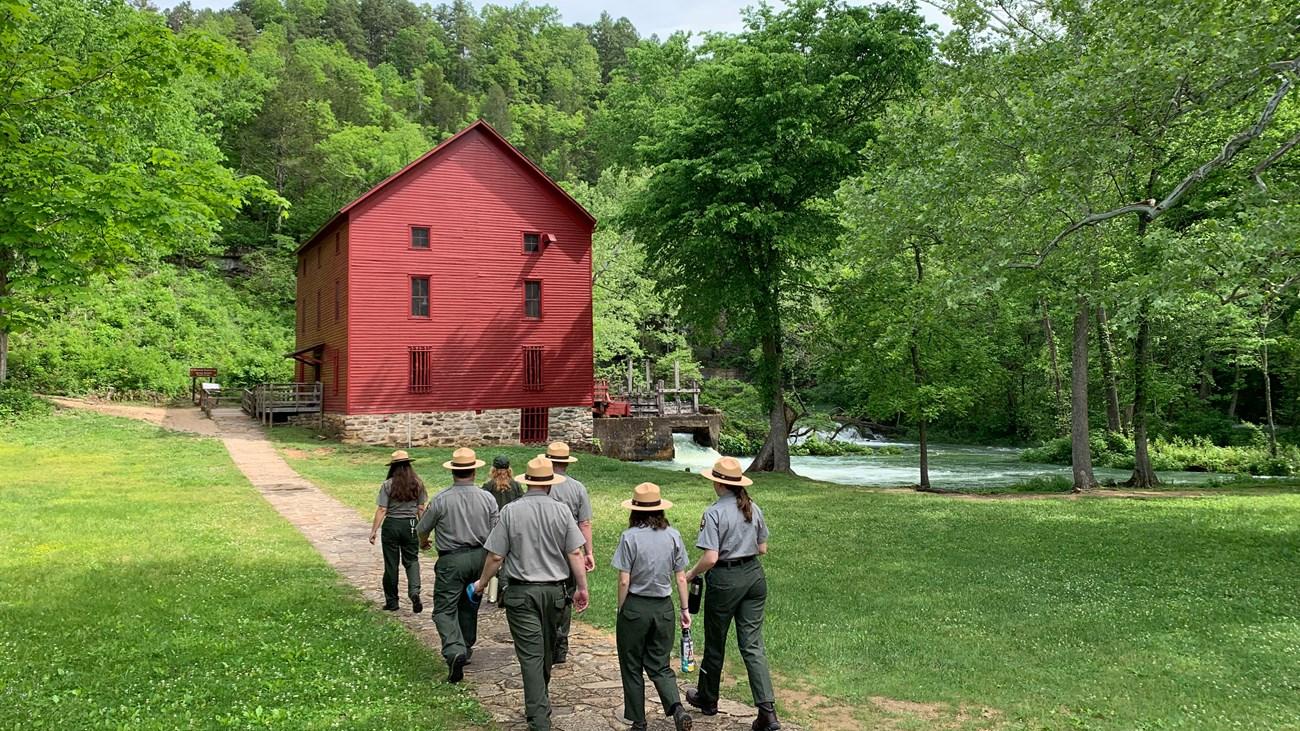
To experience Current River like a local, consider visiting in the off-season to avoid crowds. Engage with local outfitters for the best kayaking and tubing spots away from the main tourist areas. Visit Alley Spring and Mill, a picturesque spot that is popular among locals. Don’t miss the Blue Spring, one of the deepest springs in the United States, for a unique natural experience.
When is the best time to visit Current River?
Useful Local Phrases for Current River
You don't need to speak the language perfectly. Even learning a few simple words can make conversations warmer—and locals usually appreciate the effort.
— Eve

Here are the phrases I use most often in Current River. Try a few—you'll be surprised how far they go! 😊
❤️
-
- HelloHowdy
[haw-dee] - GoodbyeSee ya
[see yuh] - YesYep
[yep] - NoNah
[nah] - Please/You're welcomePlease/No problem
[pleez / no prob-lem] - Thank youThanks
[thanks] - Excuse me/SorryPardon me/My bad
[par-dun me / mah bad] - How are you?How y'all doin'?
[how y'all doin'] - Fine. And you?Fine. How 'bout you?
[fine. how 'bout yuh?] - Do you speak English?Ya speak English?
[yah speak ing-glish?] - I don't understandI ain't got a clue
[I ain't got uh clue]
- HelloHowdy
-
- I'd like to see the menu, pleaseLet me check out the menu, please
[let me check out the menu, please] - I don't eat meatI don't touch meat
[I don't touch meat] - Cheers!Cheers!
[cheers!] - I would like to pay, pleaseI'm ready to settle up, please
[I'm ready to settle up, please]
- I'd like to see the menu, pleaseLet me check out the menu, please
-
- Help!Help!
[Help!] - Go away!Git!
[Git!] - Call the Police!Call the P.D.!
[Call the P.D.!] - Call a doctor!Call a doc!
[Call a doc!] - I'm lostI'm turned around
[I'm turned around] - I'm illI ain't feelin' right
[I ain't feelin' right]
- Help!Help!
-
- I'd like to buy...I reckon I'll take...
[I reckon I'll take...] - I'm just lookingI'm just browsin'
[I'm just browsin'] - How much is it?What's the damage?
[What's the damage?] - That's too expensiveThat's highfalutin
[That's high-fah-loo-tin] - Can you lower the price?Can you do any better on the price?
[Can you do any better on the price?]
- I'd like to buy...I reckon I'll take...
-
- What time is it?What's the time?
[What's the time?] - It's one o'clockIt's one
[It's one] - Half past (10)Half past ten
[Half past ten] - MorningMornin'
[Mornin'] - AfternoonAfternoon
[Afternoon] - EveningEvenin'
[Evenin'] - YesterdayYesterday
[Yesterday] - TodayToday
[Today] - TomorrowTomorrow
[Tomorrow] - 1One
[One] - 2Two
[Two] - 3Three
[Three] - 4Four
[Four] - 5Five
[Five] - 6Six
[Six] - 7Seven
[Seven] - 8Eight
[Eight] - 9Nine
[Nine] - 10Ten
[Ten]
- What time is it?What's the time?
-
- Where's a/the...?Where's the... at?
[Where's the... at?] - What's the address?What's the street?
[What's the street?] - Can you show me (on the map)?Can you point it out on the map?
[Can you point it out on the map?] - When's the next (bus)?When's the next (bus) comin'?
[When's the next (bus) comin'?] - A ticket (to ....)One ticket (to ...)
[One ticket (to ...)]
- Where's a/the...?Where's the... at?
History of Current River
-
Long before European settlers arrived, the land around Current River was inhabited by Native American tribes, including the Osage and the Missouria. These tribes used the river for transportation, fishing, and as a source of fresh water. Evidence of their presence can still be found in artifacts and ancient mounds scattered throughout the region.
-
The first Europeans to explore the Current River were French trappers and traders in the late 17th century. They named the river 'La Rivière Courante' due to its swift current. The French influence is still evident in some of the place names and cultural remnants in the area.
-
In the 1830s, the infamous Trail of Tears passed near the Current River as thousands of Native Americans were forcibly relocated from their ancestral lands to areas west of the Mississippi River. This tragic event left a lasting impact on the region and is commemorated by historical markers.
-
During the American Civil War, the Current River area saw its share of skirmishes and guerrilla warfare. Both Union and Confederate forces traversed the region, and the river served as a strategic point for movement and supply. The town of Van Buren, located on the river, was a notable site during these conflicts.
-
In 1964, the Current River became part of the Ozark National Scenic Riverways, the first national park area to protect a river system. This designation helped preserve the natural beauty and cultural heritage of the river, making it a popular destination for outdoor enthusiasts and history buffs alike.
-
The communities along the Current River celebrate their rich history and culture through various festivals and events. These include the annual Current River Heritage Days, which feature traditional crafts, music, and storytelling that highlight the unique heritage of the region.
Cities in Current River
Browse our curated selection of top destinations, scenic points, and must-visit spots in the area.

Neighbouring destination travel guides
Browse our curated selection of top destinations, scenic points, and must-visit spots in the area.


Your all‑in‑one travel companion app
Explore expert travel guides, compare and book tours, experiences, hotels, and more—all from the palm of your hand. Download now for seamless trip planning wherever your wanderlust takes you.


Explore More of Current River Basin

Looking beyond Current River? Discover Current River Basin for broader travel guides, local hot-spots, and regional highlights.
Explore Current River BasinExplore More of Missouri

Looking beyond Current River? Discover Missouri for broader travel guides, local hot-spots, and regional highlights.
Explore MissouriCurrent River in Photos
Browse through our photo collection highlighting the charm and character of the destination.
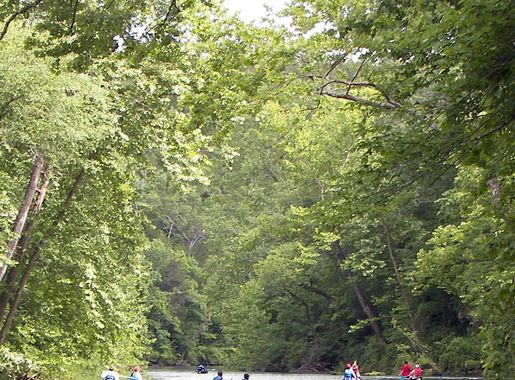
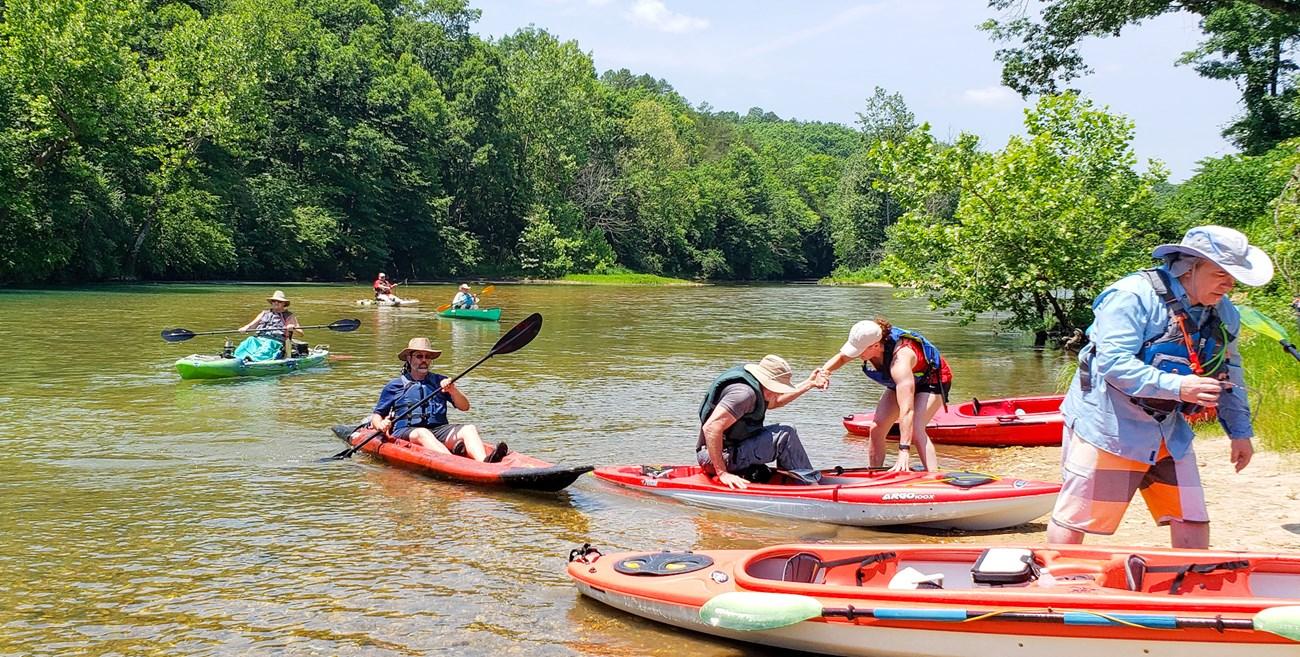
The Serene Waters of Current River
Nestled in the heart of the Ozarks, the Current River in Missouri offers breathtaking natural beauty and a tranquil escape from the hustle and bustle of daily life. The river is renowned for its crystal-clear waters, which are perfect for swimming, fishing, and canoeing. As you paddle along the gentle currents, you'll be surrounded by lush forests and striking limestone bluffs, making it a paradise for nature lovers and outdoor enthusiasts alike. The Current River is part of the Ozark National Scenic Riverways, a protected area that ensures the preservation of its pristine environment. Visitors can explore numerous springs that feed into the river, creating cool, refreshing spots to relax and enjoy the scenery. The area is also rich in wildlife, offering opportunities for bird watching and spotting deer, otters, and other native animals in their natural habitat. For those looking to extend their stay, there are ample camping opportunities along the river, ranging from developed campgrounds with amenities to more primitive sites for a true wilderness experience. Hiking trails abound in the surrounding areas, leading to hidden caves and stunning overlooks. Whether you're seeking adventure or a peaceful retreat, the Current River provides a memorable and rejuvenating experience for all who visit.