

Pomme de Terre Lake Travel Guide - Free Web & App
Your ultimate guide to Pomme de Terre Lake. Discover top landmarks, proposed trips, and local tips. Free on the web or via the Evendo companion app.


Pomme de Terre Lake, Missouri, offers boating, fishing, beaches, camping and wooded Ozark scenery around a spacious reservoir near Hermitage and Wheatland.
A Reservoir in the Ozarks
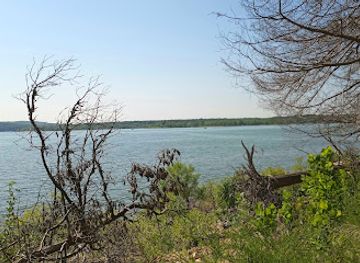
Pomme de Terre Lake occupies a broad, wooded landscape in west-central Missouri, where the Pomme de Terre River was impounded to create a reservoir for flood control and water conservation. Its long, irregular shoreline reaches through Hickory and parts of Polk County, with coves, forested hills and open stretches of water creating a setting suited to boating, fishing and relaxed lakeside recreation. The lake is managed by the U.S. Army Corps of Engineers, while Pomme de Terre State Park provides two principal public recreation areas at Hermitage and Pittsburg.Read more about Pomme de Terre Lake
Two State Park Areas
Life Around the Lake
When is the best time to visit Pomme de Terre Lake?
Best: May, September–October · 19–26°C| Month | High (°C) | Rainfall (mm) |
|---|---|---|
| January | 6 | 53 |
| February | 8 | 56 |
| March | 16 | 89 |
| April | 20 | 114 |
| May (best) | 26 | 130 |
| June | 30 | 101 |
| July | 32 | 96 |
| August | 31 | 98 |
| September (best) | 26 | 90 |
| October (best) | 19 | 81 |
| November | 13 | 89 |
| December | 8 | 64 |
Getting to and around Pomme de Terre Lake
How to get there
Transportation
Best attractions in Pomme de Terre Lake
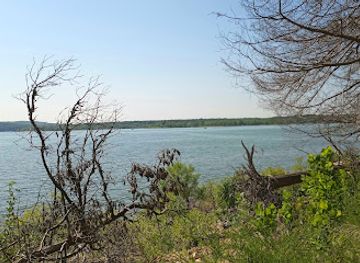
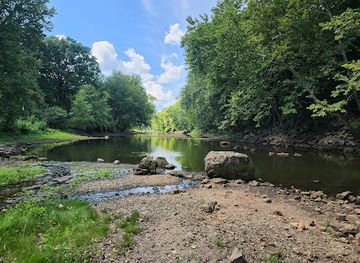
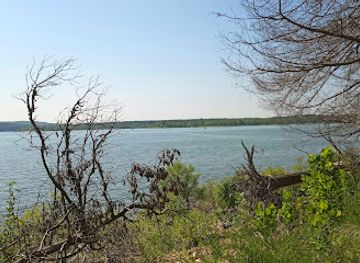
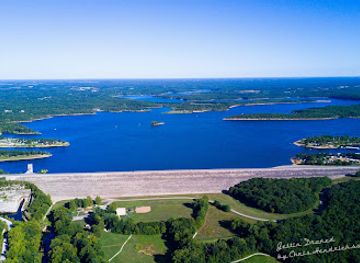
Pomme de Terre Lake’s principal attraction is its extensive water landscape, where branching coves, wooded banks and open channels support boating, fishing and quiet shoreline exploration. Pomme de Terre State Park provides the most developed public recreation, divided between the Hermitage area near the dam and the Pittsburg area on the lake’s north-western side. Both offer opportunities for camping, picnicking and water-based recreation, with designated facilities varying by location and season. Anglers come for largemouth bass, crappie, catfish and walleye, while families use the park’s designated swimming areas and beaches where conditions permit. The Pomme de Terre Dam is an important focal point for understanding the reservoir’s flood-control purpose, although visitors must observe restricted areas and posted safety directions. Outside the park, Corps-managed shoreline, boat ramps and public access points provide additional ways to experience the lake, while nearby Hermitage, Wheatland and Pittsburg offer rural gateways rather than large concentrations of attractions.
-
State park
Pomme de Terre State Park
Explore Pomme de Terre State Park: A stunning Missouri destination for outdoor enthusiasts with beautiful landscapes and endless recreational activities.
-
State park
Pomme De Terre Dam Outlet Park
Experience the serene beauty of Pomme De Terre Dam Outlet Park in Missouri, where nature and recreation come together for an unforgettable escape.
-
Tex Mex
Pomme De Ritas
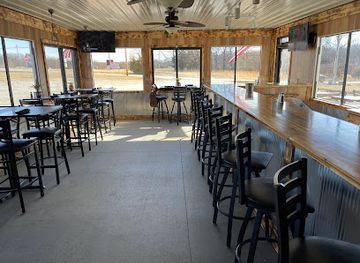
Experience the best of Tex-Mex cuisine at Pomme De Ritas, where flavor meets comfort in the heart of Hermitage, Missouri.
-
Campground
Nemo Campground
Discover the tranquil beauty of Nemo Campground in Missouri, a perfect spot for camping, hiking, and reconnecting with nature.
Explore Pomme de Terre Lake on the map
Plan your trip on one map. See where the top attractions, landmarks, restaurants and hotels are, and book hotels and experiences in a few clicks.
Best hotels in Pomme de Terre Lake
Best restaurants in Pomme de Terre Lake
Dining around Pomme de Terre Lake is centred on small-town and rural hospitality rather than a dedicated lakeside restaurant district. Hermitage, Wheatland and Pittsburg provide the most practical bases for finding everyday meals, provisions and informal local dining, while some accommodation and camping areas may offer limited seasonal concessions or cooking facilities. Visitors staying in cabins or campsites often make use of groceries, coolers and outdoor cooking, particularly when spending a full day on the water. The regional food culture reflects west-central Missouri’s agricultural setting, with familiar American fare, barbecue, burgers, fried foods, sandwiches and locally sourced farm products more characteristic than a specialised lake cuisine. Because restaurants and shops are dispersed, confirm current opening arrangements and plan provisions before heading to a remote shoreline, boat ramp or campground.
-
Grill
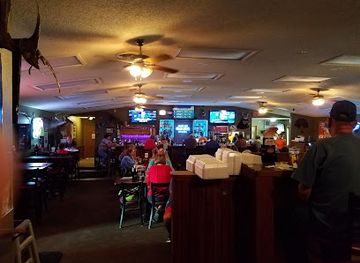
The Crappie Hole
Discover the charm of The Crappie Hole, where delicious grilled meals meet warm hospitality in Hermitage, MO.
-
American
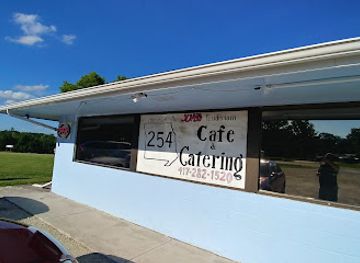
254 Cafe
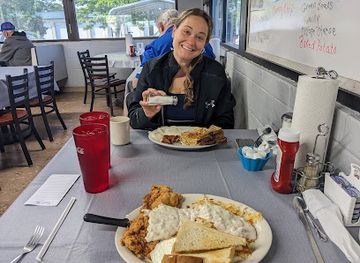
Discover the charm of 254 Cafe in Wheatland, Missouri - your go-to spot for delicious American breakfast classics served in a cozy atmosphere.
-
Tex Mex
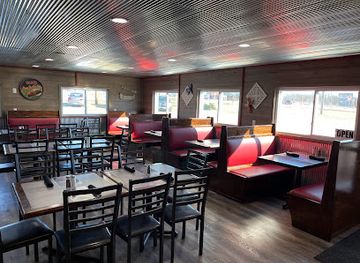
Pomme De Ritas
Experience authentic Tex-Mex cuisine with a twist at Pomme De Ritas in Hermitage – where flavor meets fun!
-
Restaurant
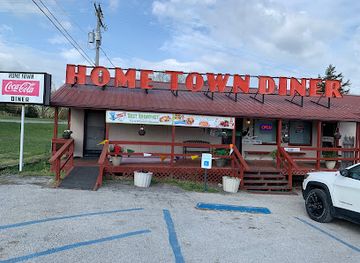
Home Town Diner
Experience authentic American cuisine at Home Town Diner in Hermitage, MO - where every meal feels like home.
Best bars in Pomme de Terre Lake
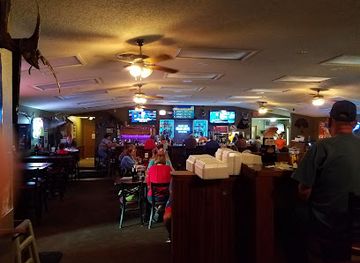
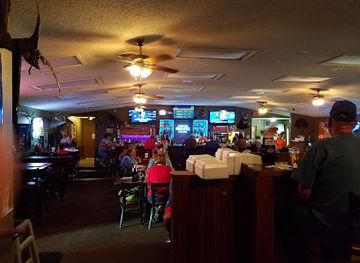
Pomme de Terre Lake is a quiet outdoor destination and does not have a concentrated nightclub or late-night entertainment scene. Evening life is more likely to centre on informal socialising at a campsite, cabin or small-town hospitality venue, with Hermitage, Wheatland and Pittsburg providing the nearest communities for a drink or relaxed meal. The atmosphere around the lake changes after sunset: boat traffic diminishes, campgrounds become quieter and the wooded shoreline offers dark-sky conditions away from settled areas, though visitors should follow quiet hours and park rules. Seasonal community events and local gatherings may add occasional entertainment, but programmes and venue availability vary. Anyone seeking a broad choice of bars, live music or late-night venues will need to travel beyond the lake to a larger Missouri town or city.
-
Grill
The Crappie Hole
Discover the charm of The Crappie Hole in Hermitage, MO, where delicious grilled meals and a friendly atmosphere await every visitor.
-
State park
Pomme de Terre State Park
Experience the serene beauty and diverse activities at Pomme de Terre State Park, a nature lover's paradise in Missouri.
-
American
254 Cafe
Experience the charm of American breakfast at 254 Cafe in Wheatland, Missouri, where delicious flavors and friendly service await every morning.
-
Bar
Pomme De Ritas
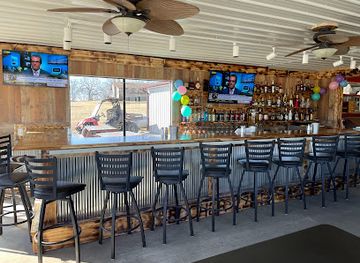
Discover a unique Tex-Mex and barbecue dining experience at Pomme De Ritas in Hermitage, Missouri, where flavor meets fun.
Best nightclubs in Pomme de Terre Lake
Pomme de Terre Lake is a quiet outdoor destination and does not have a concentrated nightclub or late-night entertainment scene. Evening life is more likely to centre on informal socialising at a campsite, cabin or small-town hospitality venue, with Hermitage, Wheatland and Pittsburg providing the nearest communities for a drink or relaxed meal. The atmosphere around the lake changes after sunset: boat traffic diminishes, campgrounds become quieter and the wooded shoreline offers dark-sky conditions away from settled areas, though visitors should follow quiet hours and park rules. Seasonal community events and local gatherings may add occasional entertainment, but programmes and venue availability vary. Anyone seeking a broad choice of bars, live music or late-night venues will need to travel beyond the lake to a larger Missouri town or city.
-
Grill
The Crappie Hole
Experience the best of grilled delights and fresh catches at The Crappie Hole in Hermitage, MO—perfect for families and fishing enthusiasts alike.
-
Tex Mex
Pomme De Ritas
Experience the vibrant Tex-Mex flavors at Pomme De Ritas in Hermitage, Missouri, a perfect spot for food lovers and social gatherings.
-
Bowling alley
Nemo Lanes & Sports Bar Cafe
Experience the ultimate blend of bowling, dining, and entertainment at Nemo Lanes & Sports Bar Cafe in Hermitage, Missouri.
-
Grill
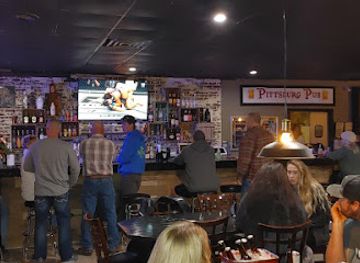
Pittsburg Pub And Patio
Experience the vibrant atmosphere and mouth-watering flavors at Pittsburg Pub And Patio, the ultimate grill and bar destination in Missouri.


Best shops in Pomme de Terre Lake
Shopping at Pomme de Terre Lake is modest and practical, with the main choice of shops found in Hermitage, Wheatland and Pittsburg rather than along a continuous lakeside commercial strip. Visitors can look for groceries, fuel, fishing supplies, basic outdoor equipment and everyday provisions before heading to campgrounds or remote boat ramps. Local businesses may also carry regional food products, handmade items or seasonal goods, but availability varies and there is no large craft market or dedicated shopping district associated with the reservoir. The area’s strongest retail character comes from its small-town setting and agricultural surroundings, where independent shops and local producers are more relevant than national-brand tourism outlets. Stocking up before a full day on the water is sensible, particularly when travelling to the opposite side of the lake from the nearest town.
-
State park
Pomme de Terre State Park
Explore Pomme de Terre State Park, Missouri's hidden gem, where adventure meets tranquility in stunning natural surroundings.
-
State park
Pomme De Terre Dam Outlet Park
Experience the natural beauty and outdoor adventures at Pomme De Terre Dam Outlet Park in Missouri, a perfect getaway for families and nature lovers.
-
Grocery store
Five Star Supermarket
Discover quality groceries and local delights at Five Star Supermarket in Hermitage, Missouri - your one-stop shop for all culinary needs.
-
Convenience store
Trading Post Inc
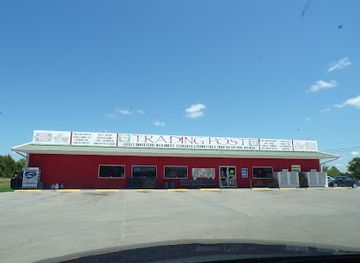
Discover the charm of Trading Post Inc in Hermitage, Missouri, your convenient stop for snacks, drinks, and local goods on your travels.

Get your free copy of our complete guide to Pomme de Terre Lake, delivered straight to you.
Everything on this page, from attractions and restaurants to essentials and local phrases, in one PDF you can read offline, print or share.
Already have an account? Sign in
Your Pomme de Terre Lake guide is ready.
We'll send it to · Not you? Sign out

Getting your guide ready…
We are putting together a fresh copy of the Pomme de Terre Lake guide. This can take up to a minute.
This can take a few moments. If your browser asks, choose Allow so the download can start. You'll find the guide in your Downloads folder.
Nothing happened? Download it again
Sorry, the guide is taking longer than usual. Please try again in a minute, or get it by email instead.
Pomme de Terre Lake essentials
Currency and Payment
Safety
Emergency Situations
Do's and Don'ts
Local Tips
From Eve
Local phrases worth knowing
You don't need to get them perfect. A few words go a long way, and locals appreciate the effort.
Basics
| English | Local | Say it |
|---|---|---|
| Hello | Howdy | [haw-dee] |
| Goodbye | See ya | [see yah] |
| Yes | Yup | [yuhp] |
| No | Nah | [nuh] |
| Please/You're welcome | Please | [pleez] |
| Thank you | Thanks | [thanks] |
| Excuse me/Sorry | Excuse me | [ex-kyoos mee] |
| How are you? | How y'all doin'? | [haw yawl doo-in] |
| Fine. And you? | Fine. And you? | [fahyn. and yoo?] |
| Do you speak English? | Ya speak English? | [yah speak ing-lish?] |
| I don't understand | I don't git it | [eye dohn't git it] |
Eating & Drinking
| English | Local | Say it |
|---|---|---|
| I'd like to see the menu, please | Can I see the menu, please | [kin eye see the men-yoo, pleez] |
| I don't eat meat | I don't eat meat | [eye dohn't eat meet] |
| Cheers! | Cheers! | [cheers] |
| I would like to pay, please | Can I pay, please | [kin eye pay, pleez] |
Emergencies
| English | Local | Say it |
|---|---|---|
| Help! | Help! | [help] |
| Go away! | Git outta here! | [git out-uh heer] |
| Call the Police! | Call the cops! | [call the cops] |
| Call a doctor! | Get a doc! | [get a doc] |
| I'm lost | I'm lost | [eye'm lost] |
| I'm ill | I'm feelin' poorly | [eye'm feel-in poor-lee] |
Shopping
| English | Local | Say it |
|---|---|---|
| I'd like to buy... | I wanna buy... | [eye wanna buy] |
| I'm just looking | Just browsin' | [just brow-zin] |
| How much is it? | How much does it cost? | [how much duhz it cost] |
| That's too expensive | That's pricey | [that's pry-see] |
| Can you lower the price? | Can ya do a deal? | [kin yuh do a deel] |
Time & Numbers
| English | Local | Say it |
|---|---|---|
| What time is it? | What's the time? | [whats the time] |
| It's one o'clock | It's one | [its one] |
| Half past (10) | Half ten | [haf ten] |
| Morning | Mornin' | [morn-in] |
| Afternoon | Afternoon | [after-noon] |
| Evening | Evenin' | [even-in] |
| Yesterday | Yest'day | [yest-day] |
| Today | Today | [to-day] |
| Tomorrow | Tomorra | [tom-or-uh] |
| 1 | One | [wun] |
| 2 | Two | [too] |
| 3 | Three | [three] |
| 4 | Four | [four] |
| 5 | Five | [fahyv] |
| 6 | Six | [siks] |
| 7 | Seven | [sev-in] |
| 8 | Eight | [ayt] |
| 9 | Nine | [nine] |
| 10 | Ten | [ten] |
Transport & Directions
| English | Local | Say it |
|---|---|---|
| Where's a/the...? | Where's the...? | [wheres the] |
| What's the address? | What's the address? | [whats the address] |
| Can you show me (on the map)? | Can ya show me (on the map)? | [kin yuh show me on the map] |
| When's the next (bus)? | When's the next (bus)? | [whens the next bus] |
| A ticket (to ....) | A ticket (to ....) | [a ticket to] |
History of Pomme de Terre Lake
A River Valley Before the Reservoir
Before the lake existed, the Pomme de Terre River flowed through a rural landscape of wooded valleys, pasture and farmland in west-central Missouri. The river’s name comes from the French phrase for “earth apple”, traditionally used for the potato, although the naming history belongs to the wider period of French influence and exploration in the region rather than to a single documented event at the lake. Osage people used and travelled through the broader Missouri country before extensive Euro-American settlement, while later communities developed around agriculture, timber and local river crossings.
Settlement and Rural Change
During the nineteenth and early twentieth centuries, farms and small settlements took shape around the Pomme de Terre valley and the surrounding uplands. Hermitage became an important local centre in Hickory County, while Wheatland and Pittsburg served communities on different sides of the future reservoir. The economy remained predominantly rural, with agriculture, livestock and timber shaping both the landscape and everyday life. Roads, schools, churches and small commercial centres connected these scattered settlements, many of which continue to function as gateways to the lake.
The Pomme de Terre Dam
The Pomme de Terre project was developed by the U.S. Army Corps of Engineers as part of wider flood-control and water-management work in the Osage River basin. Construction of the dam began in the late 1950s, and the reservoir was completed in the early 1960s. Impounding the river transformed the valley into a large, branching lake and required changes to roads, land use and existing properties. The resulting reservoir continues to serve flood-control and conservation purposes, while also forming the foundation of the area’s recreation economy.
Recreation and Conservation
Public recreation developed alongside the reservoir, with the creation of Pomme de Terre State Park and the management of public shoreline by the Corps of Engineers. The Hermitage and Pittsburg park areas established two distinct centres for camping, swimming, picnicking and access to the water. Fishing became a major part of the lake’s identity, supported by habitat management and Missouri’s fisheries regulations. Today, the landscape is shaped by the continuing balance between flood protection, shoreline use, wildlife habitat, boating, angling and the preservation of open rural character.
Neighbouring destination travel guides
The closest destinations to Pomme de Terre Lake, if you have time for more than one.
-

-
 Stockton Lake
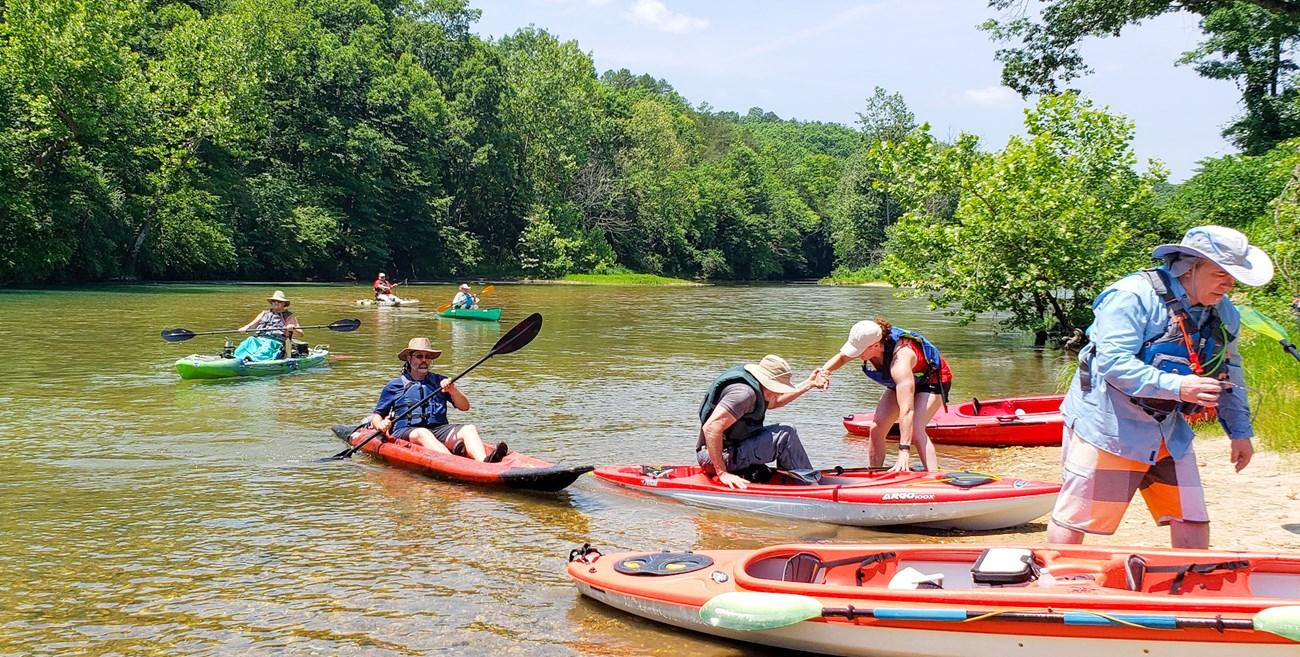
, Missouri, offers clear-water boating, sailing, fishing, beaches, forested coves and quiet lakeside recreation in the Ozarks through every season.
Stockton Lake
Stockton Lake, Missouri, offers clear-water boating, sailing, fishing, beaches, forested coves and quiet lakeside recreation in the Ozarks through every season.
-
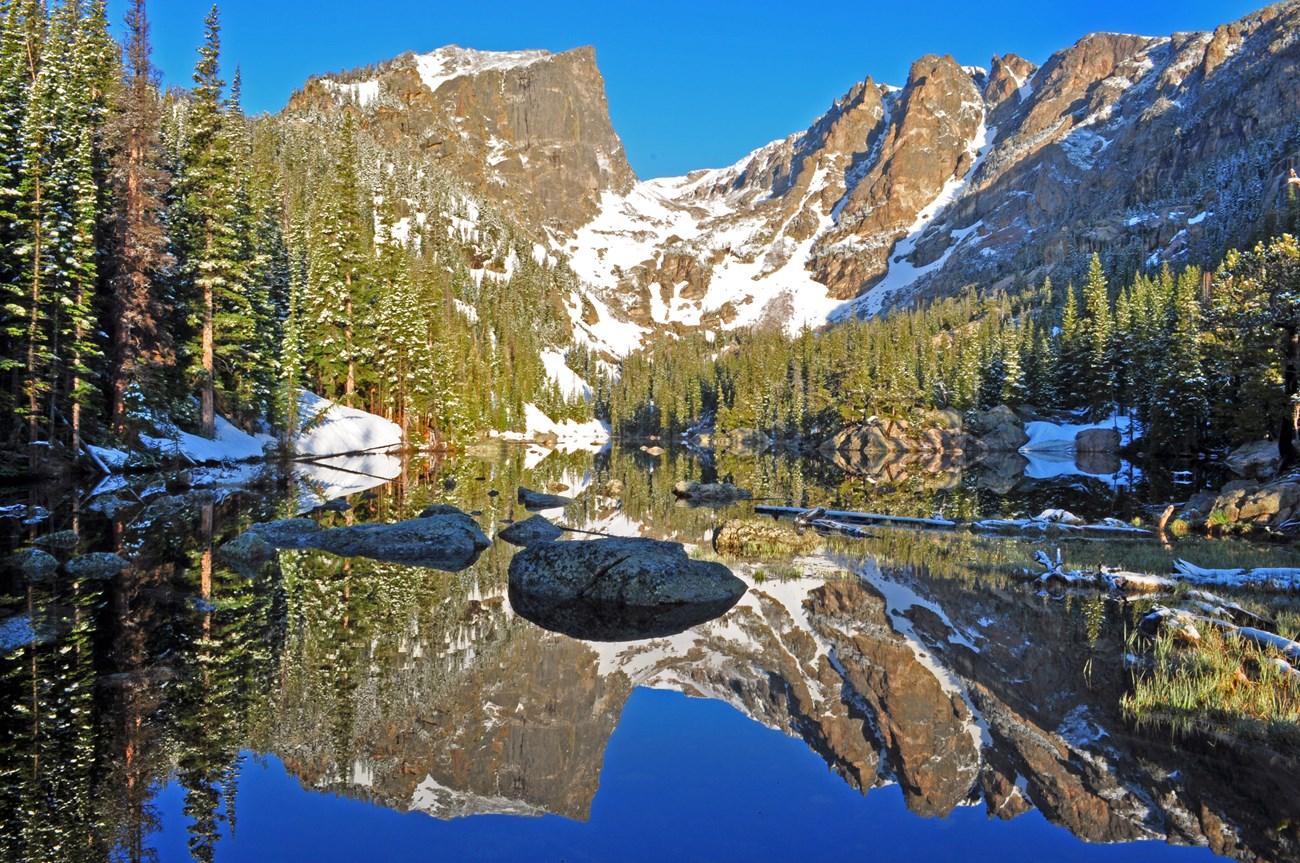 Table Rock Lake
, Missouri, pairs clear water, wooded shores and Ozark scenery with boating, fishing, hiking and lively lakeside towns in the United States.
Table Rock Lake
Table Rock Lake, Missouri, pairs clear water, wooded shores and Ozark scenery with boating, fishing, hiking and lively lakeside towns in the United States.
-

-


Swipe for more destinations
Explore more

Explore more of Southwest Missouri
Explore Southwest Missouri for Ozark lakes, Route 66 heritage, Civil War history, caves, live entertainment and wooded countryside.
Explore Southwest Missouri
Explore more of Missouri
Experience the diverse landscapes, rich history, and vibrant culture of Missouri, the heart of America, offering everything from bustling cities to serene natural escapes.
Explore Missouri