Pickle Springs Natural Area: A Geological Wonderland
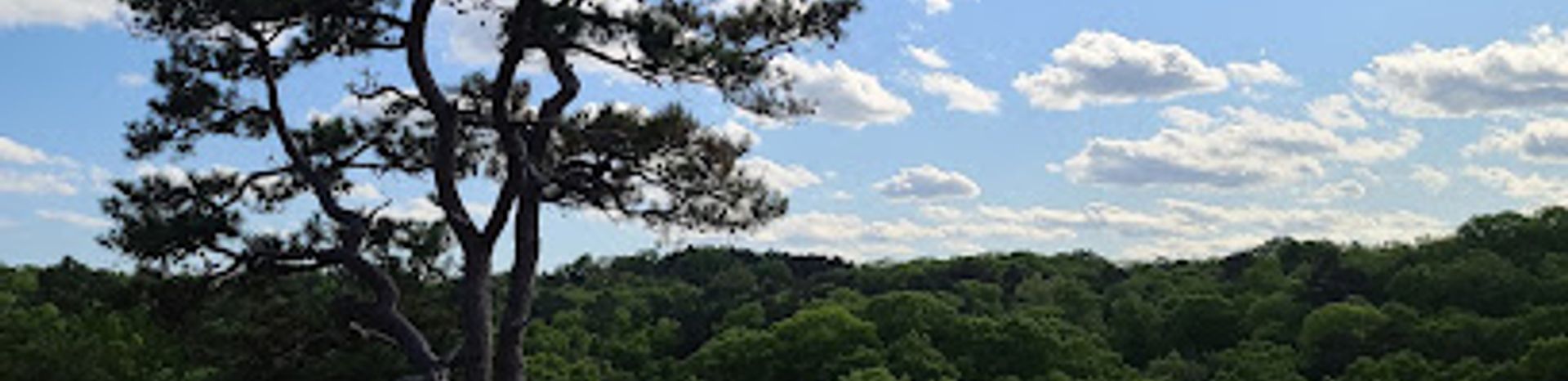
Explore Missouri's geological wonderland: Hike through stunning sandstone formations, box canyons, and unique plant life at Pickle Springs Natural Area.
Discover a hidden gem in Missouri's Ozarks at Pickle Springs Natural Area. Hike the 'Trail Through Time' and witness stunning sandstone formations, box canyons, and unique plant life, a testament to the area's rich geological history.
A brief summary to Pickle Springs Natural Area
- Dorlac Rd, New Offenburg, Missouri, 63670, US
- +1573-290-5730
- Visit website
Local tips
- Wear sturdy hiking shoes as the trail can be rugged with rocky terrain.
- Bring plenty of water, especially during warmer months, as there are no services within the natural area.
- Visit in the spring to see the rose azalea blossoms or in the fall for beautiful foliage.
- Stay on the marked 'Trail Through Time' to protect the fragile sandstone formations and rare plants.
- Snap a photo of the trail map at the beginning of the hike to help keep track of the sites along the way.

Getting There
-
Driving
Pickle Springs Natural Area is located southwest of Ste. Genevieve. From Farmington, take Highway 32 east, then Route AA east, and Dorlac Road north. Turn left (north) onto Dorlac Road and drive 0.4 mile to the parking lot on the right (east) side. Parking is free. Be aware that the parking areas can get crowded, especially on weekends.
Discover more about Pickle Springs Natural Area
Iconic landmarks you can’t miss

Ste. Genevieve National Historical Park
30.1 km
Discover French Colonial history and unique architecture at Missouri's Ste. Genevieve National Historical Park, the state's oldest European settlement.
French Colonial Historic District
33.9 km
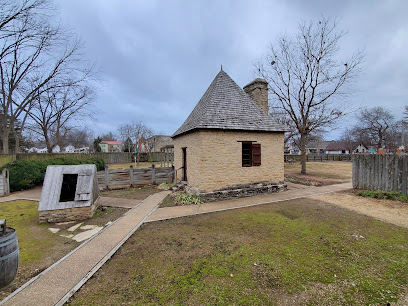
Step back in time and explore the unique blend of French and American history in Prairie Du Rocher's captivating historic district.
Modoc Rock Shelter National Historic Site
35.7 km
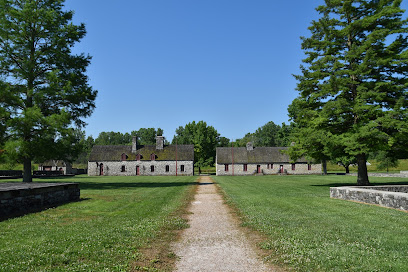
Explore thousands of years of Native American history at the Modoc Rock Shelter, a National Historic Landmark in Prairie du Rocher, Illinois.
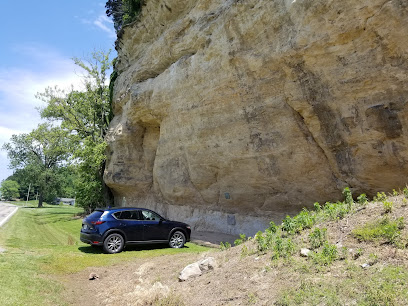
Creole House
36.3 km
Explore the Creole House in Prairie du Rocher, IL: A unique glimpse into French colonial architecture and early American frontier life.
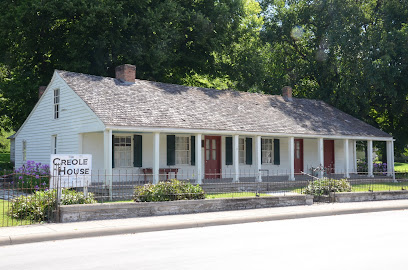
Kaskaskia Bell State Memorial
36.5 km
Home to the 'Liberty Bell of the West,' gifted by King Louis XV, celebrating Kaskaskia's revolutionary history since 1778.
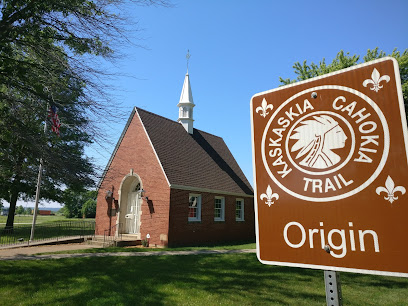
Pierre Menard Home State Historic Site
38.9 km
Discover the Pierre Menard Home State Historic Site, where Illinois history comes alive through the legacy of its first lieutenant governor set in a serene landscape.
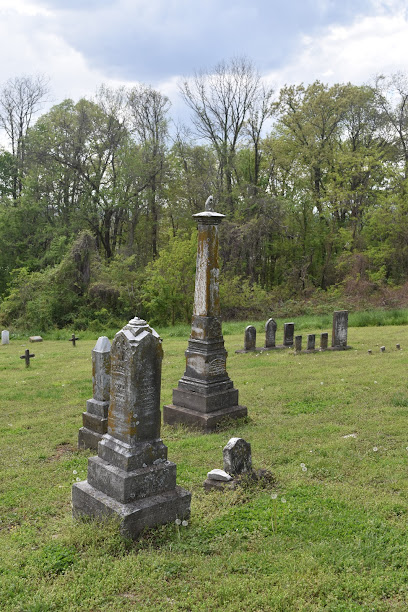
Nine Mile Creek Settlement Town Historic Site
43.9 km
Explore preserved 19th-century life at Nine Mile Creek Settlement, a tranquil historic site in Ellis Grove, Illinois. Discover early American heritage.

Crystal City Underground
46.3 km
Explore a unique subterranean world in Crystal City, Missouri: concerts, sports, boat tours, and more await below the surface!
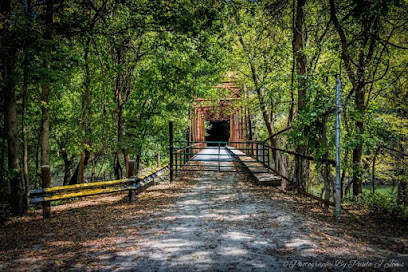
Mary's River Covered Bridge
49.8 km
Discover Southern Illinois' only surviving covered bridge, a historic landmark offering a glimpse into 19th-century transportation and craftsmanship.
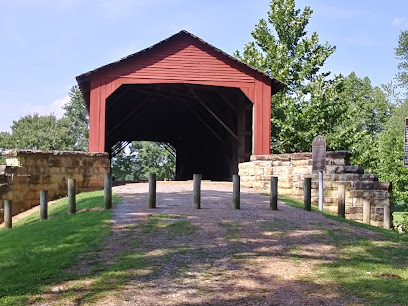
Red Bud Historic District
52.7 km
Discover Red Bud Historic District: A charming Illinois treasure with 19th-century architecture and rich German heritage.
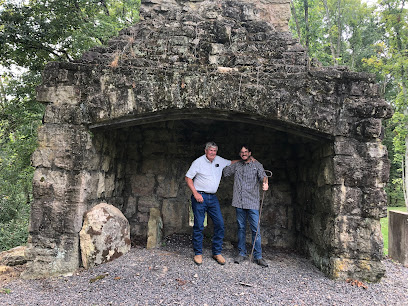
George Cresswell Furnace
54.3 km
Discover the rich history of the George Cresswell Furnace in Potosi, Missouri, an essential site for understanding the region's industrial past.
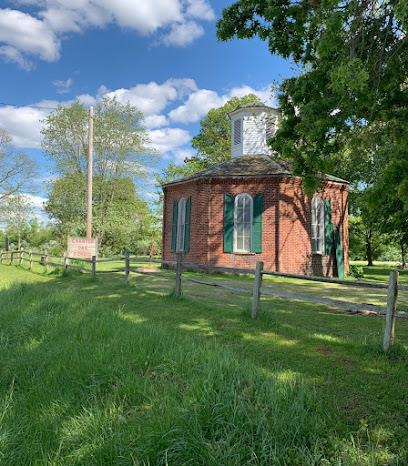
Charter Oak Schoolhouse
54.8 km
Discover a unique piece of Illinois history at the Charter Oak Schoolhouse, one of the last octagonal one-room schools in the U.S.
Bellefontaine Town State Historic Site
59.9 km
Step back in time at Bellefontaine Town State Historic Site in Waterloo, IL, and discover the captivating stories of Illinois' pioneer past.
World Shooting and Recreational Complex
64.3 km
Experience world-class shooting and outdoor recreation at the premier World Shooting and Recreational Complex in Sparta, Illinois.
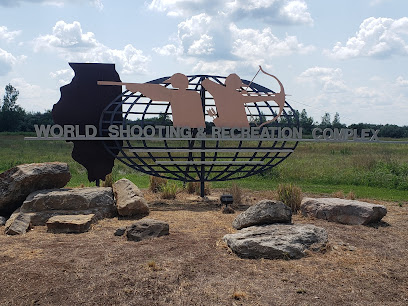
Mark Twain National Forest
69.6 km
Explore Missouri's vast Mark Twain National Forest: hiking, camping, scenic drives, and rich history in the heart of the Ozark Highlands.
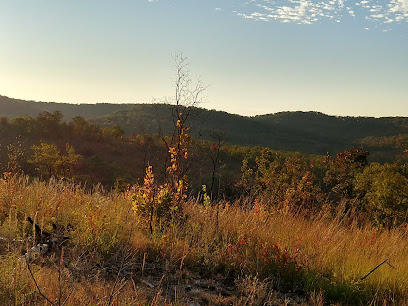
Unmissable attractions to see

Hawn State Park
7.1 km
Explore Hawn State Park: a hidden gem in Missouri with scenic trails, rich wildlife, and breathtaking nature for outdoor enthusiasts and families.
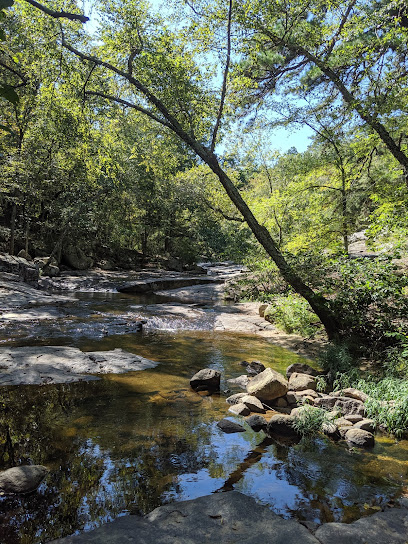
Hickory Canyons Natural Area
7.9 km
Explore Hickory Canyons Natural Area, a tranquil nature preserve in Missouri, where lush landscapes and diverse wildlife await adventurers and nature lovers.
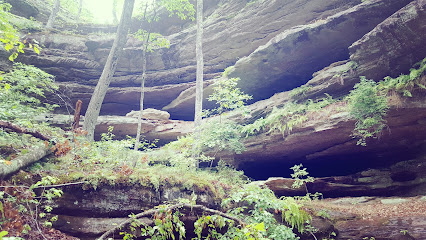
St. Joe State Park
17.9 km
Explore St. Joe State Park, a natural gem in Missouri offering outdoor adventures, stunning landscapes, and family-friendly activities for all.
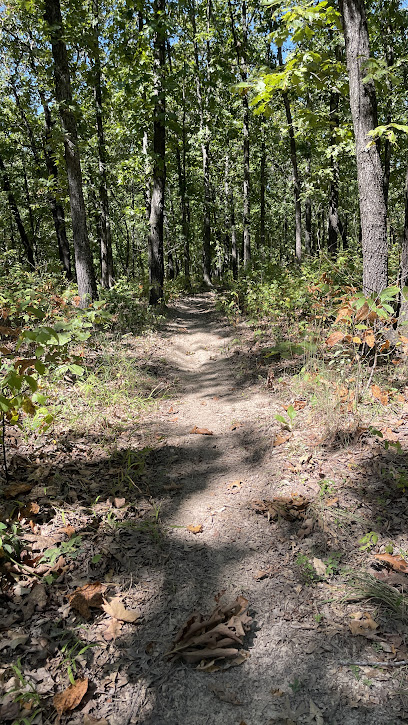
Cave Vineyard
18.3 km
Experience the unique charm of Cave Vineyard, a serene winery in Ste. Genevieve, Missouri, where exquisite wines and breathtaking landscapes await.
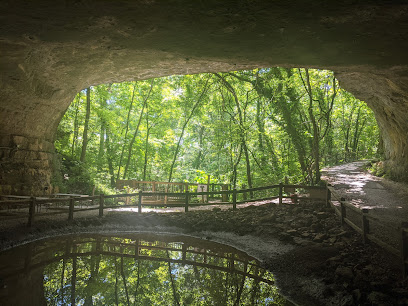
Missouri Mines State Historic Site
18.7 km
Explore the rich mining history and stunning landscapes at Missouri Mines State Historic Site, a must-visit for history enthusiasts and nature lovers alike.
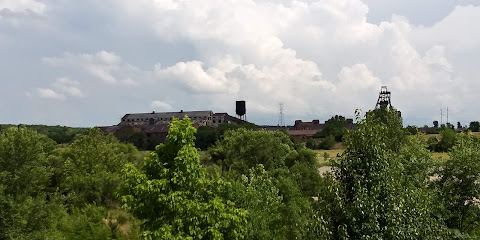
Bonne Terre Mine "The Mine at Bonne Terre"
25.7 km
Discover the enchanting Bonne Terre Mine in Missouri - an underground marvel filled with history, stunning vistas, and thrilling scuba adventures.
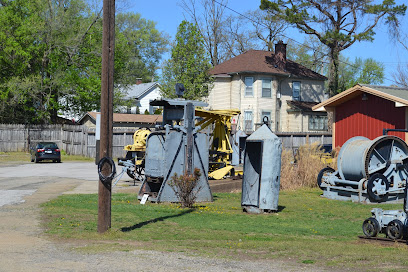
St. Francois State Park
27.1 km
Explore St. Francois State Park, a serene retreat in Missouri, ideal for hiking, fishing, and camping amidst stunning natural landscapes.
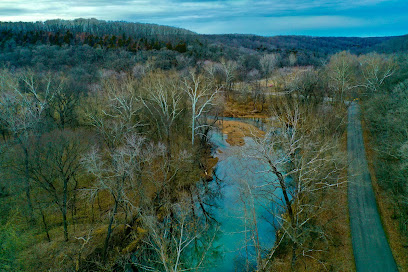
Millstream Gardens Conservation Area
29.0 km
Explore the breathtaking landscapes and vibrant wildlife at Millstream Gardens Conservation Area, a true gem in Ironton, Missouri.
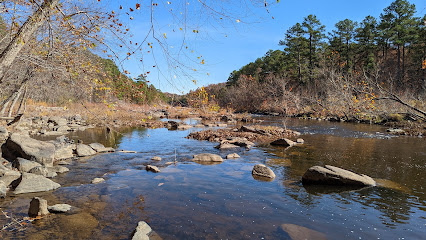
Castor River Shut-Ins
29.1 km
Experience the stunning natural beauty of Castor River Shut-Ins, where unique rock formations meet serene waters in a tranquil park setting.
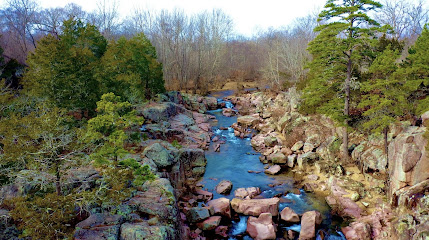
Tiemann Shut-ins Trailhead
29.5 km
Discover the breathtaking views and natural wonders at Tiemann Shut-ins Trailhead, a premier hiking destination in Missouri's picturesque landscapes.
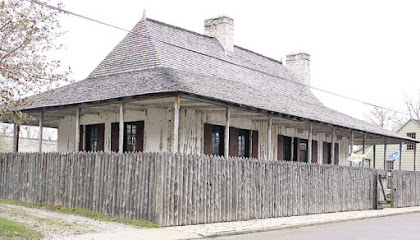
The Centre for French Colonial Life & the Bolduc House Museum
30.0 km
Unveil the stories of French colonial America at the Centre for French Colonial Life & Bolduc House Museum, immersing in history and heritage.
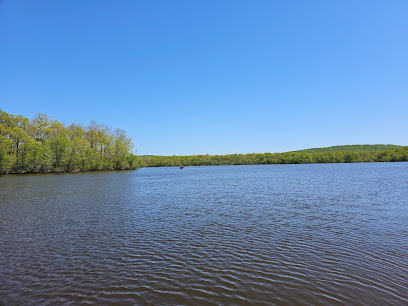
Bismarck Conservation Area
31.1 km
Discover the serene beauty of Bismarck Conservation Area, a nature preserve in Missouri, perfect for hiking, birdwatching, and outdoor relaxation.
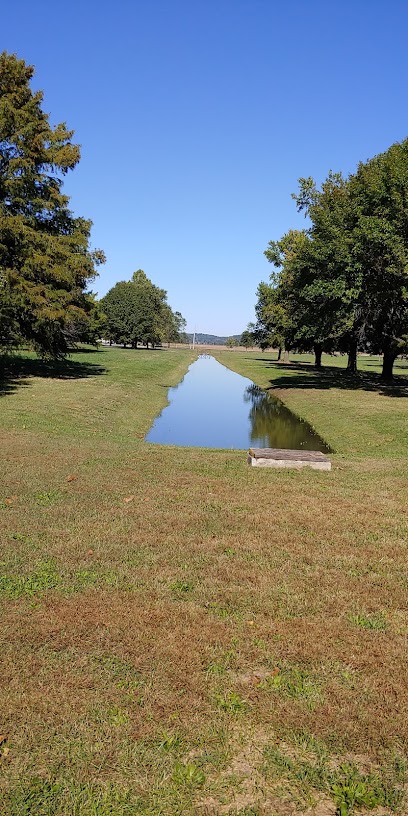
Fort de Chartres State Historic Site
33.9 km
Explore the rich history and scenic beauty of Fort de Chartres State Historic Site in Prairie Du Rocher, IL, a must-visit for history enthusiasts and tourists alike.
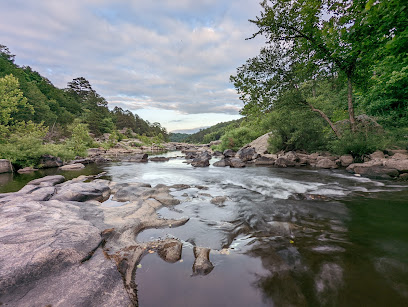
Lower Rock Creek Trail
35.6 km
Discover Lower Rock Creek Trail in Missouri - a serene hiking area perfect for nature lovers seeking breathtaking views and outdoor adventure.
Battle of Pilot Knob State Historic Site
35.9 km
Discover the rich history and natural beauty of the Battle of Pilot Knob State Historic Site, a must-visit for history lovers and adventurers in Missouri.
Essential places to dine

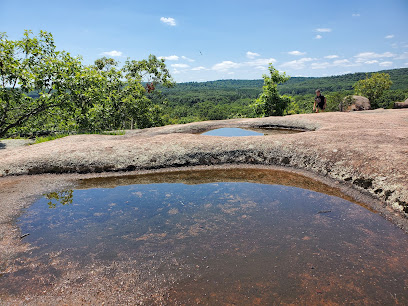
Thee Abbey Kitchen / Arcadia Academy
37.7 km
Experience American cuisine with a touch of history at Thee Abbey Kitchen - where every meal is served with charm in Arcadia.
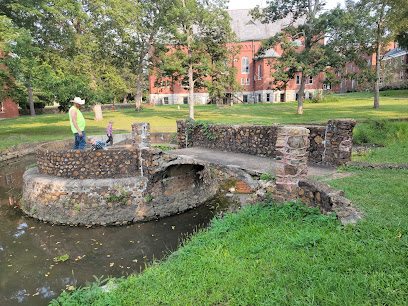
Mase's Place
81.8 km
Discover Mase's Place in Pomona for an unforgettable grilling experience filled with flavor and community spirit.
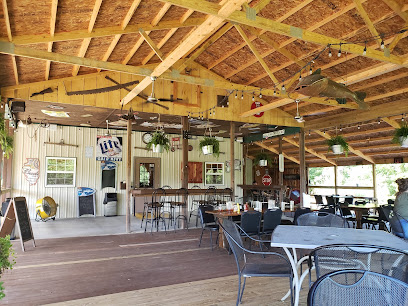
Sedona Bistro
82.4 km
Experience the vibrant flavors of Sedona Bistro in Cape Girardeau - where local ingredients meet culinary creativity.
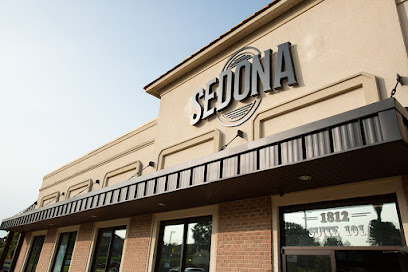
Stacked STL
83.2 km
Experience culinary excellence at Stacked STL with gourmet burgers and a vibrant bar atmosphere in the heart of St. Louis.
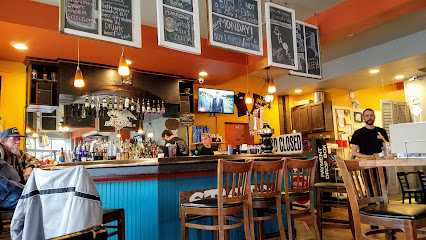
Bistro Saffron
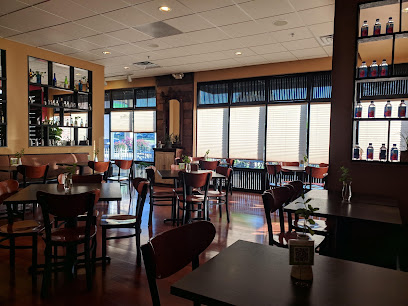
83.4 km
Discover Bistro Saffron in Cape Girardeau - where Asian fusion meets fine dining in an elegant setting.
Chan's Restaurant
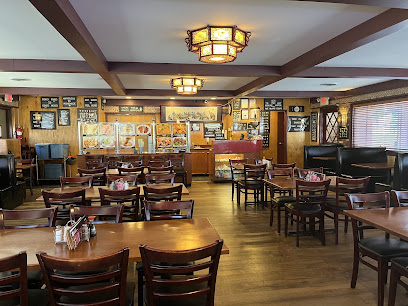
84.2 km
Experience authentic Chinese cuisine at Chan's Restaurant in Cape Girardeau, where every dish is crafted with love and tradition.
The Southerner
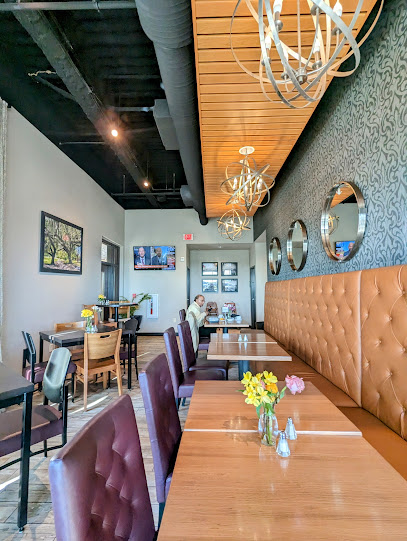
84.3 km
Experience authentic Southern flavors at The Southerner in Cape Girardeau - where warmth meets culinary excellence.
Golden Corral Buffet & Grill
84.4 km
Savor endless culinary delights at Golden Corral Buffet & Grill in Cape Girardeau – where delicious meets affordable.
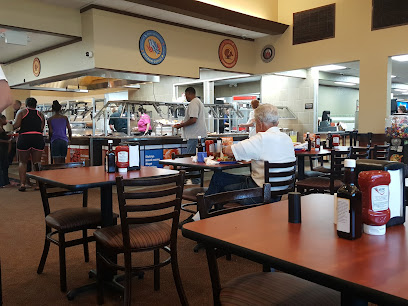
Bandanas Bar-B-Q Cape Girardeau
84.5 km
Experience the authentic taste of American barbecue at Bandanas Bar-B-Q in Cape Girardeau—where smoky flavors meet hearty portions.
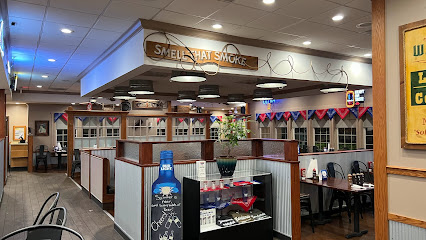
Aces & Eights - Bar, Grill & Gaming
84.5 km
Discover the vibrant flavors and lively atmosphere at Aces & Eights Bar & Grill in Pinckneyville - your go-to spot for great food and fun!
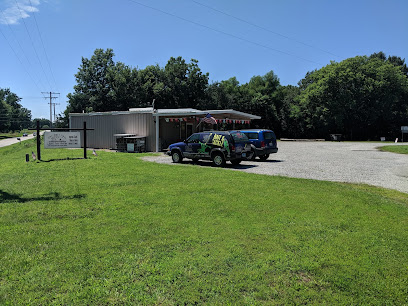
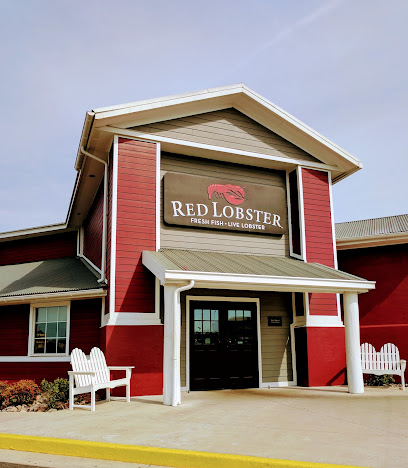
Red Lobster
84.6 km
Experience the finest seafood delights at Red Lobster in Cape Girardeau - where freshness meets family-friendly dining.
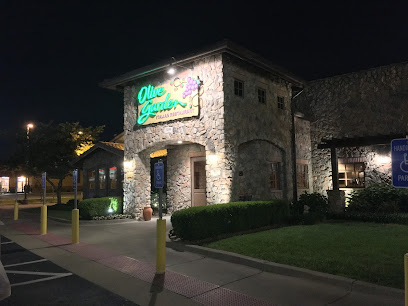
Olive Garden Italian Restaurant
84.7 km
Experience authentic Italian cuisine at Olive Garden in Cape Girardeau - perfect for family gatherings or romantic dinners.
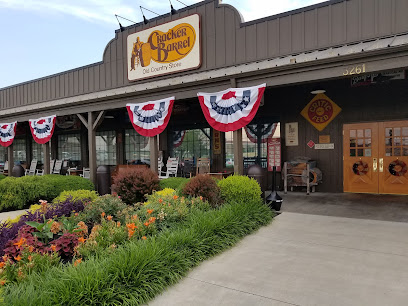
Cracker Barrel Old Country Store
84.8 km
Experience the charm of traditional American dining at Cracker Barrel Old Country Store in Cape Girardeau—where comfort food meets nostalgia.
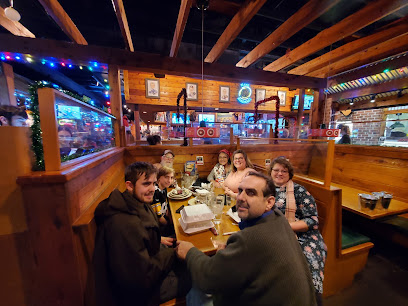
Texas Roadhouse
84.9 km
Experience the best steaks and vibrant atmosphere at Texas Roadhouse in Cape Girardeau – where every meal feels like a celebration.
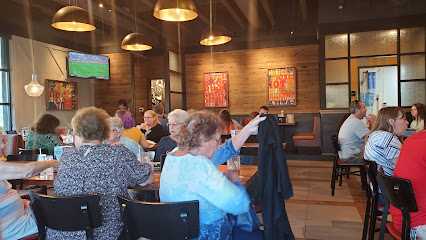
Chili's Grill & Bar
84.9 km
Experience the best of American and Tex-Mex cuisine at Chili's Grill & Bar in Cape Girardeau – where flavor meets fun!
Markets, malls and hidden boutiques

Columbia St Mercantile
10.7 km
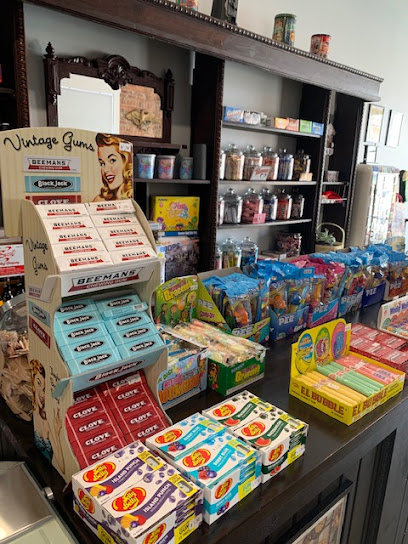
Discover the sweet charm of Columbia St Mercantile, where ice cream dreams and nostalgic treats come to life in Farmington, Missouri.
Previously Loved Antiques & Gifts
10.8 km
Explore a treasure trove of unique antiques and charming gifts at Previously Loved Antiques & Gifts in Farmington, Missouri.
Silver Moon Golden Sun
11.0 km
Discover unique gifts and local treasures at Silver Moon Golden Sun, a charming gift shop in Farmington, Missouri, perfect for every traveler.
Aesop's Treasury Books and Games
11.1 km
Discover hidden literary treasures and exciting games at Aesop's Treasury, the ultimate destination for book lovers and gamers in Farmington.
Forever Antiques
15.5 km
Explore a treasure trove of unique antiques at Forever Antiques in Farmington, Missouri, where history comes alive with every find.
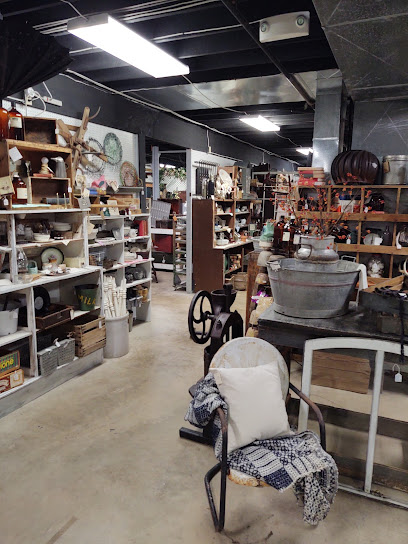
Queen Anne's Lace
17.4 km
Explore Queen Anne's Lace, a unique clothing boutique in Park Hills, MO, offering stylish apparel and personalized shopping experiences.
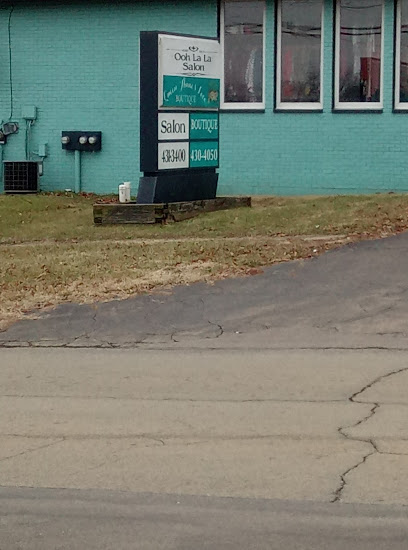
Mommas Treasures
22.3 km
Explore Momma's Treasures for unique souvenirs and local crafts that capture the essence of your travels.
The Fancy Crow
26.2 km
Explore The Fancy Crow in Bonne Terre, MO, for unique gifts, local art, and handcrafted treasures that embody the spirit of Missouri.
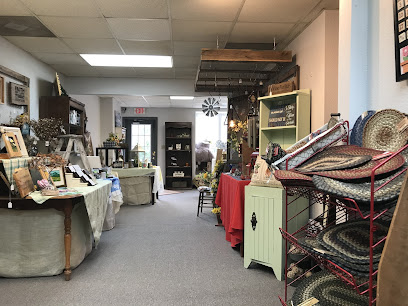
Silver Mine Quilts & Antiques
26.5 km
Discover the charm of Silver Mine Quilts & Antiques in Fredericktown, Missouri, where history and craftsmanship come together in a delightful shopping experience.
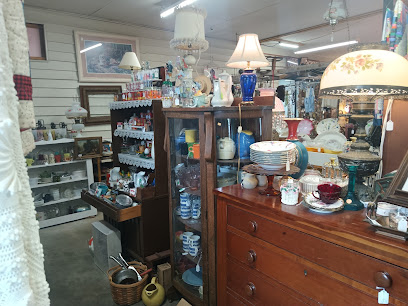
Donna's Country Cottage
28.3 km
Explore the unique charm of Donna's Country Cottage in Bismarck, Missouri, where local crafts and home goods come together for an unforgettable shopping experience.
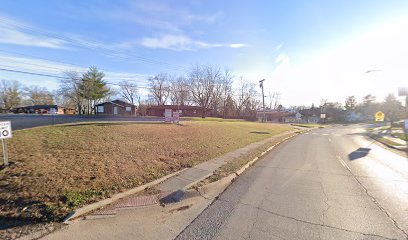
Barrell of Monkeys
28.7 km
Experience the sweetness of nostalgia at Barrell of Monkeys, Bismarck's beloved candy store offering a delightful range of confections for all ages.
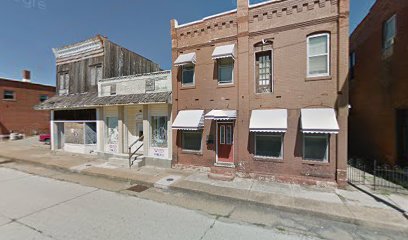
Collectibles Corner
32.4 km
Explore Collectibles Corner: A treasure trove of vintage items and unique memorabilia for every enthusiast and casual visitor.
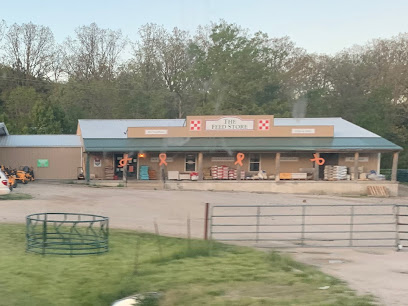
The Feed Store
36.2 km
Explore The Feed Store in Pilot Knob, MO, your go-to destination for farm equipment, tools, and authentic local experiences.
Dollar General
36.4 km
Discover unbeatable value and convenience at Dollar General in Pilot Knob, your one-stop shop for essentials during your travels.
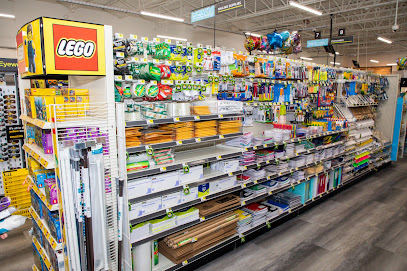
Kiss My Glass Smoke Shop
36.4 km
Explore Kiss My Glass Smoke Shop in Ironton, MO, for a diverse selection of quality tobacco products and unique glassware in a welcoming atmosphere.

Essential bars & hidden hideouts

Sippin' In September Event
5.6 km
Experience the heart of Farmington, MO, at Sippin' In September, where shopping, live music, and community come together in a vibrant celebration.
Lady Queene Restaurant
28.0 km
Experience the warmth of American hospitality at Lady Queene Restaurant, offering classic dishes in a cozy setting in Bismarck, Missouri.
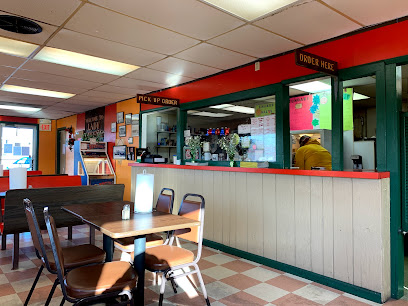
Carla's Cafe
28.7 km
Experience the heart of American comfort food at Carla's Cafe in Bismarck, where every meal is a warm embrace of flavor and hospitality.
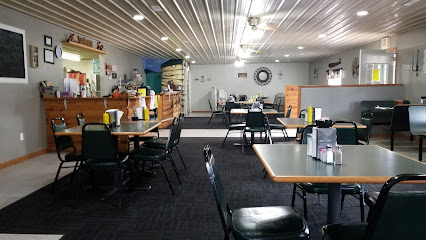
The TRAX Pub
28.7 km
Discover the vibrant atmosphere of The TRAX Pub in Bismarck, Missouri, where local flavors and lively entertainment come together.
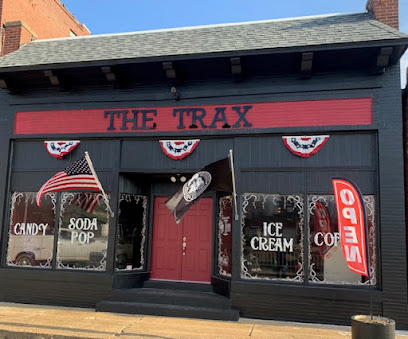
The Rustler Cafe
35.7 km
Discover The Rustler Cafe in Pilot Knob, a cozy spot for delicious meals, warm service, and an authentic local experience perfect for tourists.
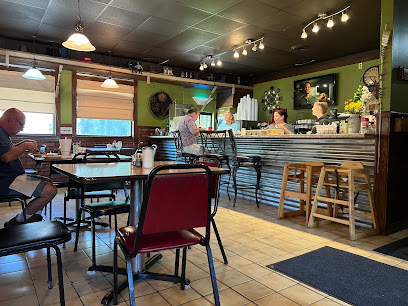
Arcadia Valley Elks Lodge
36.0 km
Discover the heart of Pilot Knob at the Arcadia Valley Elks Lodge—a hub of community, camaraderie, and local culture.
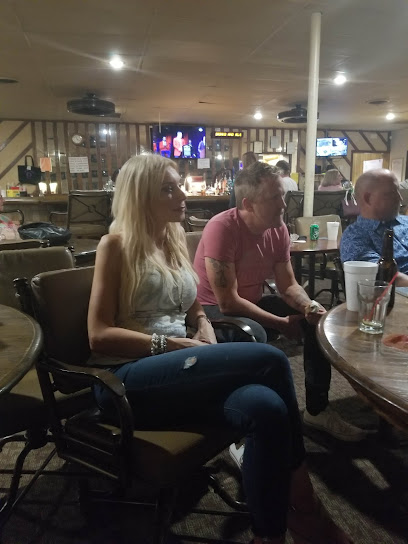
Fort Davidson Hotel
36.1 km
Experience the charm of Fort Davidson Hotel in Pilot Knob, MO, where comfort meets history in a breathtaking natural setting.
Shepherd Mountain Inn & Suites
36.1 km
Discover the charm of Shepherd Mountain Inn & Suites, your perfect getaway in Ironton, Missouri, surrounded by nature's beauty and outdoor adventures.
Baylee Jo's Barbecue
36.1 km
Experience the authentic taste of Southern barbecue at Baylee Jo's Barbecue in Ironton, Missouri, where flavors and hospitality meet.
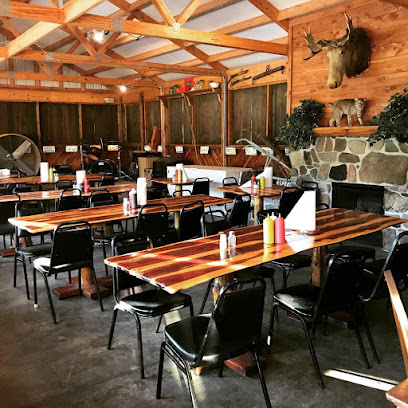
Casey's
36.2 km
Savor delicious pizza and local flavors at Casey's in Ironton, your convenient stop for food and fuel!
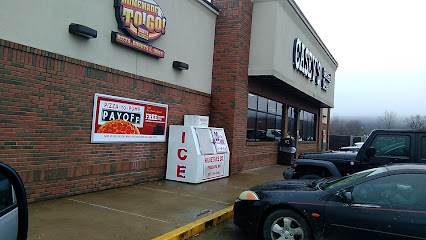
The Iron Mule
36.2 km
Savor delicious grilled dishes and pizzas at The Iron Mule, a culinary gem in Ironton, Missouri, perfect for every food lover.
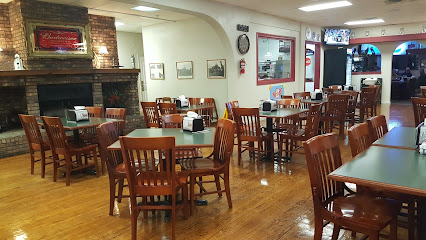
The Iron Horse Inn
36.4 km
Experience warmth and comfort at The Iron Horse Inn, your perfect lodge escape in the breathtaking Ozarks of Pilot Knob, Missouri.
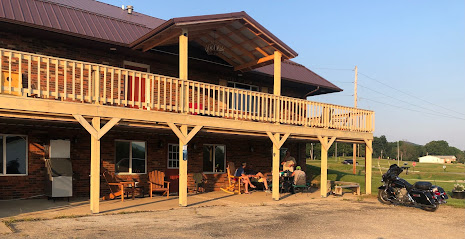
The Valley Nutrition
36.4 km
Discover healthy and flavorful meals at The Valley Nutrition, a beloved restaurant in Ironton, Missouri, perfect for health-conscious travelers.
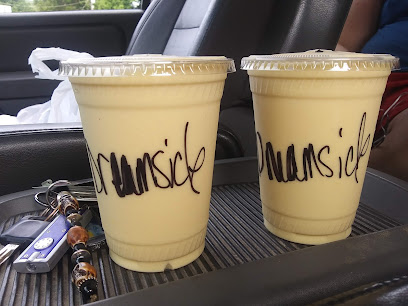
Checo's Mexican Restaurant-Ironton
36.6 km
Experience authentic Mexican flavors in Ironton, MO, at Checo's Mexican Restaurant, where every meal is a fiesta for your taste buds.
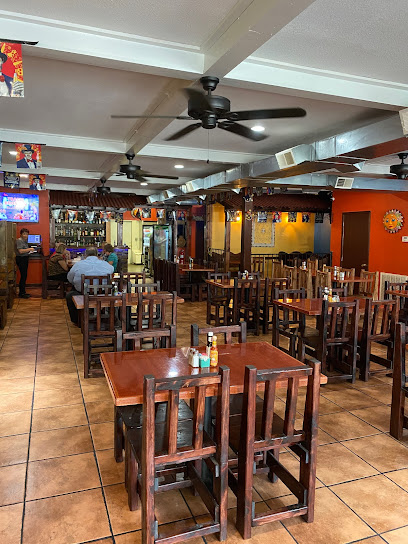
Desi's Diner
37.0 km
Discover American comfort food at Desi's Diner in Arcadia, Missouri, where delicious meals meet a warm, friendly atmosphere.
Nightclubs & after hour spots

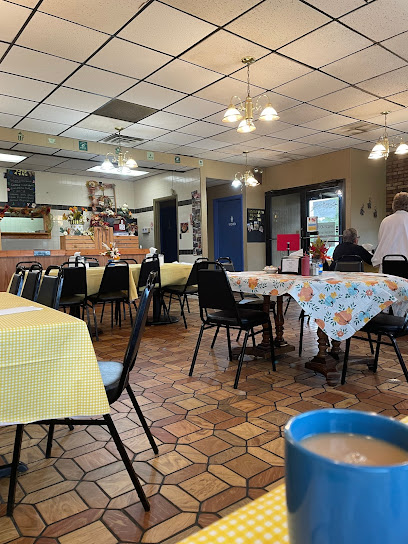
Hot Spot
76.2 km
Discover the lively nightlife at Hot Spot, a must-visit night club in High Ridge, Missouri, offering great music, affordable drinks, and an unforgettable atmosphere.
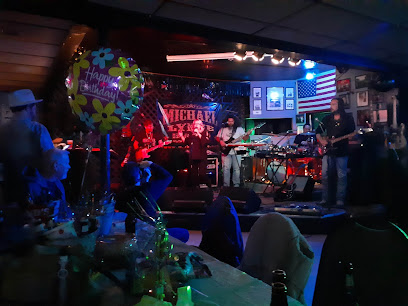
Venice Café
89.0 km
Discover the lively Venice Café, a vibrant night club and live music venue in St. Louis, perfect for an unforgettable night out.
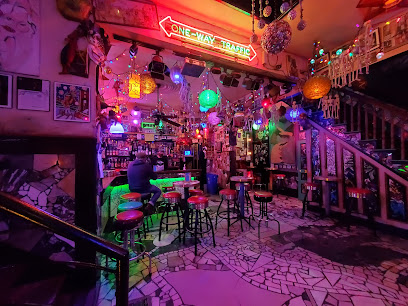
Cat's Meow, Inc
89.3 km
Experience the vibrant atmosphere and affordable drinks at Cat's Meow, Inc in Soulard, St. Louis, a must-visit bar for tourists seeking local culture.
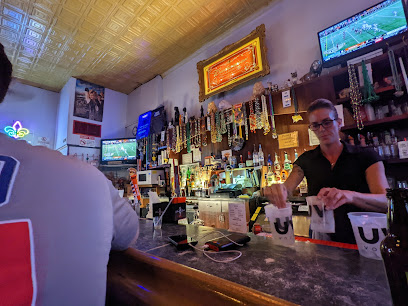
Oz Nightclub
89.6 km
Experience the electrifying nightlife at Oz Nightclub in Sauget, where dance and drinks come together under dazzling lights.
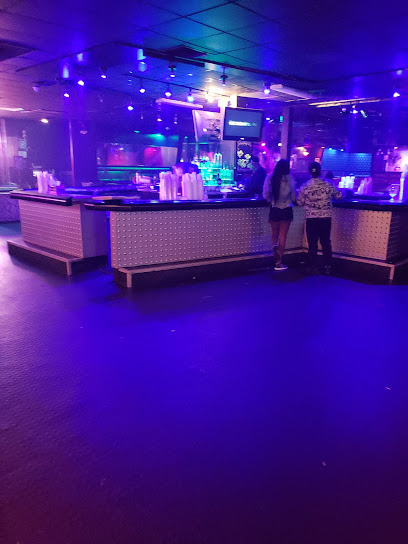
Pop's NightClub & Concert Venue
89.7 km
Discover the pulse of Sauget's nightlife at Pop's NightClub & Concert Venue, where live music meets vibrant energy in a welcoming atmosphere.
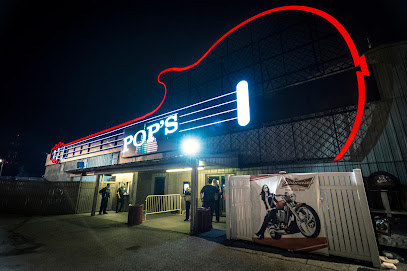
Historic Crossroads
89.7 km
Experience the vibrant nightlife and live music at Historic Crossroads, a bar in Soulard, St. Louis, where local culture thrives.
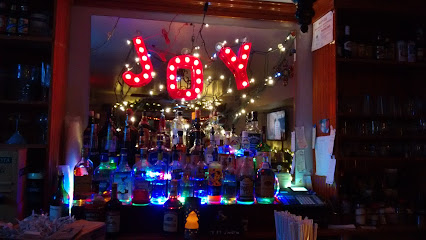
The Hi-Hat
90.0 km
Discover The Hi-Hat: A charming bar in Soulard, St. Louis, famous for its unique ambiance and diverse drink selection, perfect for nightlife enthusiasts.
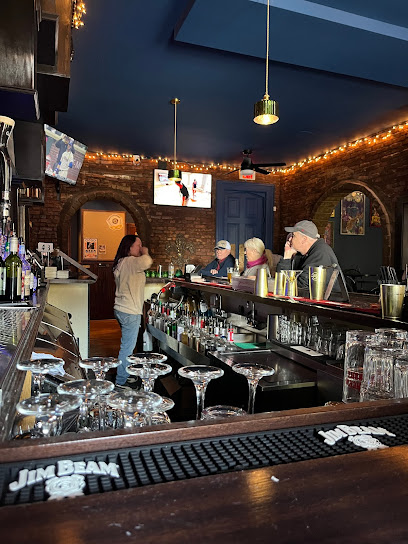
Bastille
90.0 km
Dive into the lively atmosphere at Bastille, St. Louis' premier gay bar, where fun, drinks, and community come together for an unforgettable night.
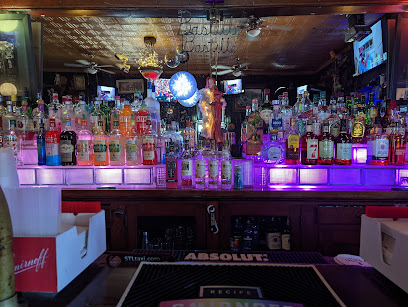
Carson's Sports Bar & Restaurant
90.3 km
Discover Carson's Sports Bar & Restaurant in Soulard, St. Louis – where sports, karaoke, and delicious bites come together in a lively atmosphere.
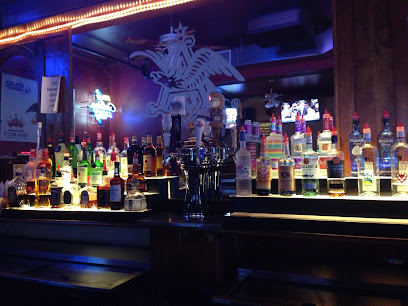
La Onda
90.9 km
Discover the vibrant nightlife of La Onda, a premier night club in The Hill, St. Louis, where music and dance come alive in a lively atmosphere.
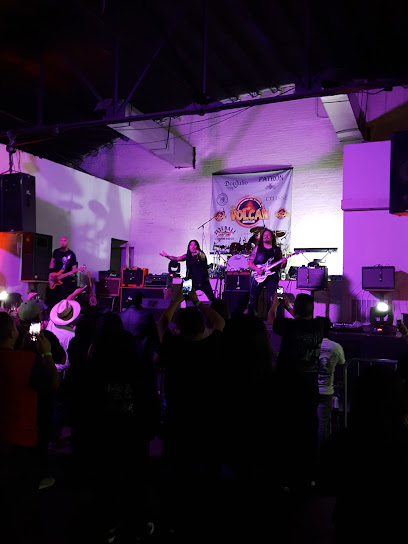
El Volcan Discoteque
90.9 km
El Volcan Discoteque: A vibrant disco club in St. Louis offering unforgettable nights of music, dance, and celebration at the heart of nightlife.

The Get Down
91.6 km
Experience the vibrant energy of The Get Down in St. Louis, where Italian cuisine meets live music and expertly crafted cocktails.
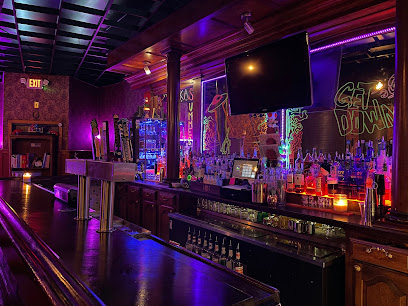
Prism
91.7 km
Experience the vibrant nightlife at Prism, St. Louis' premier gay bar, known for its inclusive atmosphere and exciting themed events.
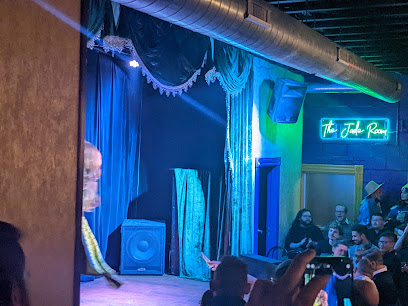
Crown Room
91.9 km
Experience the vibrant nightlife at Crown Room in St. Louis, a premier bar with electrifying ambiance and an extensive drink selection.
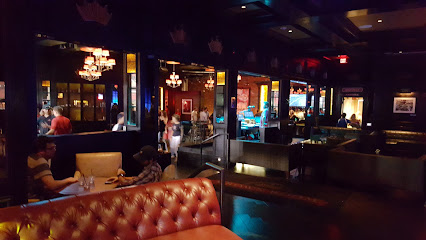
Shark Bar
91.9 km
Dive into the lively atmosphere of Shark Bar in St. Louis, where unforgettable nights and unique cocktails await you.