

Table Rock Lake Travel Guide - Free Web & App
Your ultimate guide to Table Rock Lake. Discover top landmarks, proposed trips, and local tips. Free on the web or via the Evendo companion app.


Table Rock Lake, Missouri, pairs clear water, wooded shores and Ozark scenery with boating, fishing, hiking and lively lakeside towns in the United States.
Landscape and Setting
Table Rock Lake spreads through the wooded hills of the Missouri Ozarks, a large reservoir formed by the damming of the White River and extending south towards the Arkansas border. Its irregular shoreline creates coves, arms and quiet inlets among limestone ridges, oak and cedar woodland, pasture and steep bluffs. The lake is shared geographically with Arkansas, but the Missouri shore contains many of the principal visitor communities and recreation areas, including Branson, Kimberling City, Shell Knob and Indian Point.Read more about Table Rock Lake
Water, Woodland and Wildlife
Ozark Communities and Experiences
When is the best time to visit Table Rock Lake?
Best: May, September–October · 21–28°C| Month | High (°C) | Rainfall (mm) |
|---|---|---|
| January | 7 | 61 |
| February | 10 | 59 |
| March | 16 | 94 |
| April | 20 | 106 |
| May (best) | 25 | 122 |
| June | 30 | 97 |
| July | 32 | 96 |
| August | 31 | 91 |
| September (best) | 28 | 98 |
| October (best) | 21 | 91 |
| November | 14 | 91 |
| December | 8 | 69 |
Getting to and around Table Rock Lake
How to get there
Transportation
Best attractions in Table Rock Lake
Table Rock Lake's principal attractions are its water and the varied shoreline formed by the White River valley. Visitors can explore broad open stretches near the dam, quieter coves around the central and western arms, and numerous marinas and public recreation areas along the Missouri shore. Table Rock State Park, west of Branson, combines lake access with woodland trails, camping and picnic areas, while nearby Talking Rocks Cavern offers a separate underground limestone experience in the Ozarks. Branson provides a contrasting concentration of theatres, family attractions, restaurants and shopping, and is a practical base for excursions to the lake. The shoreline communities of Kimberling City and Shell Knob offer different perspectives on the reservoir, from busy boating hubs to rural, forested surroundings. Fishing, birdwatching and scenic driving are particularly rewarding when paired with a clear understanding of access points, since the lake's long arms and private shorelines make its recreational landscape widely dispersed.
-
Tourist attraction
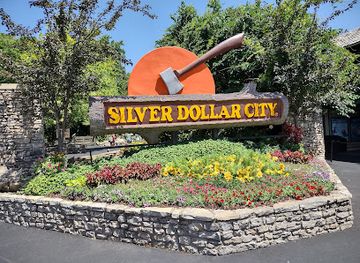
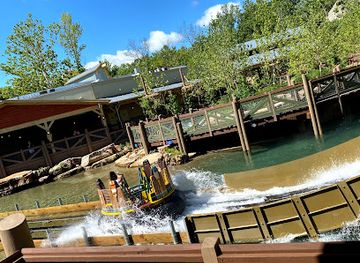
Silver Dollar City
Experience the magic of Silver Dollar City in Branson, MO, where thrilling rides meet rich Ozark history for an unforgettable family adventure.
-
Tourist attraction
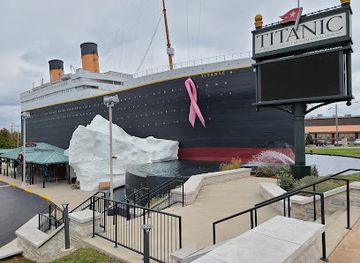
TITANIC Museum Attraction
Dive into the history of the Titanic at Branson's captivating Museum Attraction, exploring artifacts and personal stories from the iconic ship.
-
Tourist attraction
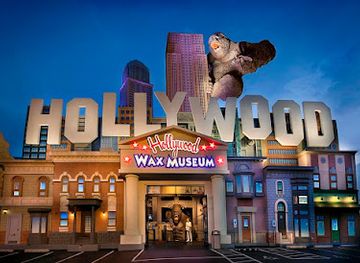
Hollywood Wax Museum
Discover the magic of Hollywood at the Wax Museum in Branson, where lifelike figures of your favorite stars await your visit.
-
Tourist attraction
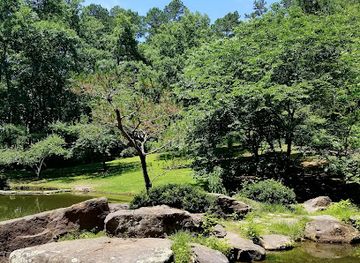
The Butterfly Palace & Rainforest Adventure
Experience the magic of nature at The Butterfly Palace & Rainforest Adventure, where vibrant butterflies and lush landscapes come together in Branson, Missouri.
Best landmarks in Table Rock Lake
Table Rock Dam is the defining man-made landmark, spanning the White River and creating the reservoir that now shapes the region's geography, economy and recreation. The dam and its associated shoreline provide a clear view of how flood control, hydropower and tourism intersect in the Ozarks. The lake itself is the principal natural landmark: its branching arms, wooded ridges, limestone terrain and changing expanses of water reveal the underlying White River valley system. Table Rock State Park is an important protected recreation landscape on the Missouri shore, with forest, trails and access to the reservoir. Nearby Talking Rocks Cavern represents the area's karst geology below ground, while the forested bluffs and coves around Shell Knob and Kimberling City give the western and central lake a distinct visual character. Branson's concentrated entertainment architecture forms a contrasting cultural landmark outside the quieter shoreline environment.
-
Amusement park
Silver Dollar City
Experience the thrills and traditions of an 1880s Ozark village at Silver Dollar City, Branson's premier theme park and entertainment destination.
-
Boat rental service
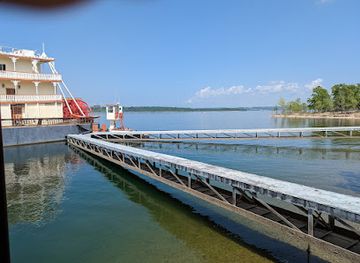
Showboat Branson Belle
Experience a unique blend of dining, entertainment, and scenic beauty aboard the Showboat Branson Belle on Table Rock Lake.
-
State park
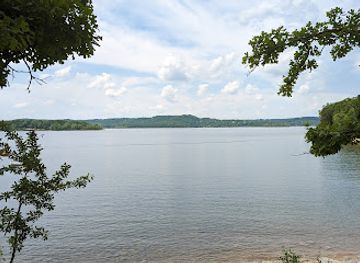
Table Rock State Park
Explore Table Rock Lake's scenic beauty! Camping, boating, trails, and Branson's entertainment await at Missouri's Table Rock State Park.
-
Amusement park ride
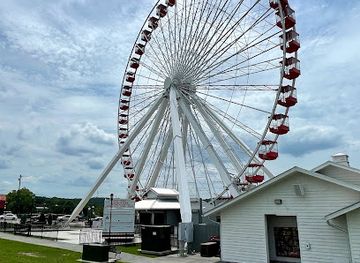
Branson Ferris Wheel
Experience breathtaking views of Branson and the Ozark Mountains from the iconic Ferris wheel, day or night.
Explore Table Rock Lake on the map
Plan your trip on one map. See where the top attractions, landmarks, restaurants and hotels are, and book hotels and experiences in a few clicks.
Best hotels in Table Rock Lake
Best restaurants in Table Rock Lake
Dining around Table Rock Lake is concentrated in Branson and the principal lakeside communities rather than spread continuously around the shoreline. Visitors will find a broad range of restaurants in Branson, including American comfort food, barbecue, casual family dining and national-style establishments, while Kimberling City, Shell Knob and Indian Point provide smaller selections near marinas, resorts and holiday accommodation. The region's food identity reflects the Ozarks and the wider American Midwest, with smoked meats, freshwater-fish dishes, burgers, country-style breakfasts and locally familiar baked goods appearing more often than a single distinctive lake cuisine. Farm shops and seasonal produce stands may be found in the surrounding rural area, although availability changes. Those spending a full day on the water should plan provisions in advance, as food outlets are not present at every recreation area or boat access point.
-
Barbecue
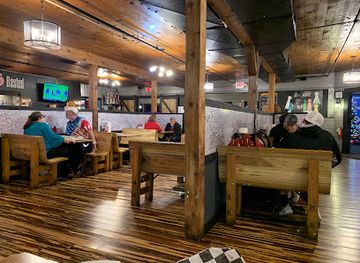
Gettin' Basted
Discover mouthwatering smoked meats and Southern flavors at Gettin' Basted in Branson's Theatre District.
-
Restaurant
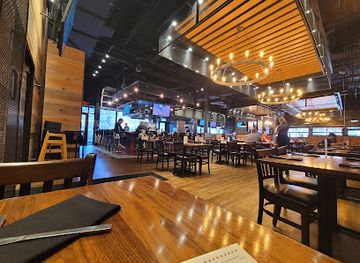
Guy Fieri's Branson Kitchen + Bar
Experience bold flavors at Guy Fieri's Branson Kitchen + Bar – where comfort food meets local ingredients amidst stunning lake views.
-
Diner
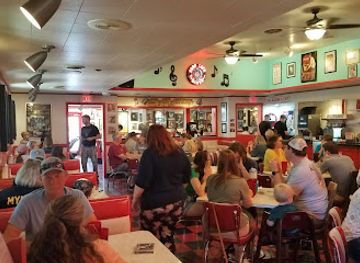
Mel's Hard Luck Diner
Experience the ultimate blend of delicious diner cuisine and live entertainment at Mel's Hard Luck Diner in Branson.
-
American
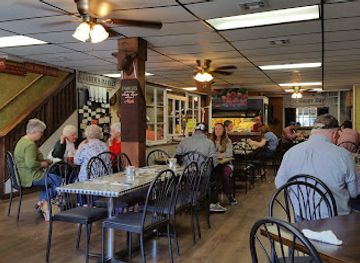
Farmhouse Restaurant
Experience the heart of American dining at Farmhouse Restaurant in Branson – where comfort food meets warm hospitality.
Best bars in Table Rock Lake
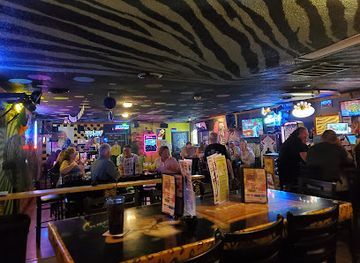
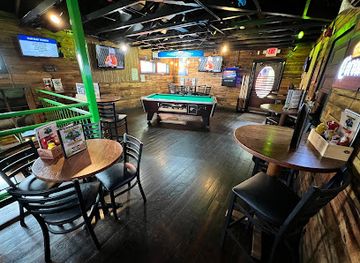
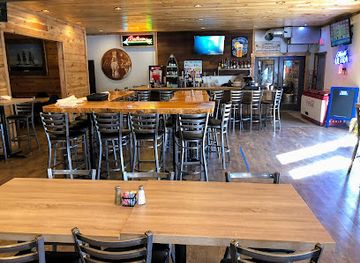
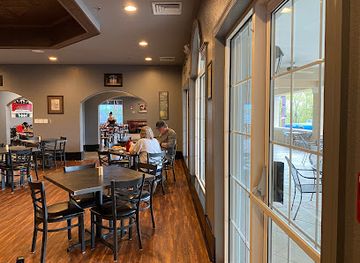
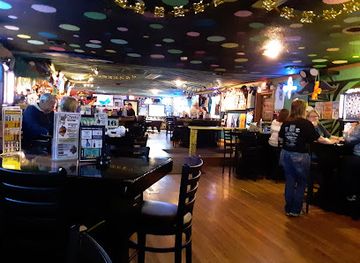
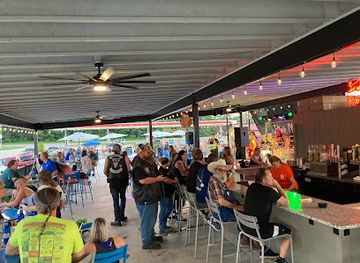
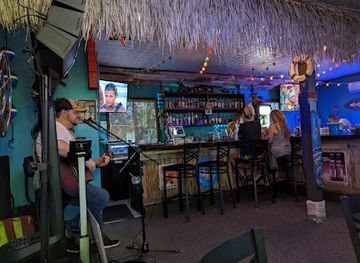
Evening entertainment is centred on Branson, immediately east of the lake, where theatres, live shows, restaurants and casual bars create the region's most developed after-dark scene. Around the reservoir itself, evenings are generally quieter, with activity focused on lakeside restaurants, marina hospitality, resort facilities and traditional bars serving local residents and visitors. Kimberling City, Shell Knob and Indian Point may offer relaxed places to eat or have a drink, but they should not be treated as continuous nightlife districts, and options vary by season and location. Many lake visitors spend the late afternoon on the water and return to accommodation for a quiet evening, particularly along rural stretches of shore. Visitors seeking performances or a wider choice of entertainment should look towards Branson while recognising that it is a nearby gateway town rather than a feature of the lake's natural shoreline.
-
Bar
Crazy Craig's Cheeky Monkey Bar
Experience the vibrant nightlife of Branson at Crazy Craig's Cheeky Monkey Bar, where delicious American cuisine meets live music and good times.
-
Grill
Crazy Craig's Treehouse
Discover the whimsical dining experience at Crazy Craig's Treehouse, where flavorful American grill cuisine meets a fun and vibrant atmosphere.
-
Restaurant
Star Bar Grill
Discover Branson's culinary gem, Star Bar Grill, where delicious food meets a lively atmosphere in the heart of Missouri.
-
American
Scooter's Sports Grill
Experience the best of American food and sports at Scooter's Sports Grill in Branson - a perfect blend for food lovers and sports fans!
Best nightclubs in Table Rock Lake
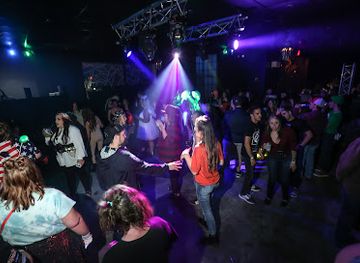
Evening entertainment is centred on Branson, immediately east of the lake, where theatres, live shows, restaurants and casual bars create the region's most developed after-dark scene. Around the reservoir itself, evenings are generally quieter, with activity focused on lakeside restaurants, marina hospitality, resort facilities and traditional bars serving local residents and visitors. Kimberling City, Shell Knob and Indian Point may offer relaxed places to eat or have a drink, but they should not be treated as continuous nightlife districts, and options vary by season and location. Many lake visitors spend the late afternoon on the water and return to accommodation for a quiet evening, particularly along rural stretches of shore. Visitors seeking performances or a wider choice of entertainment should look towards Branson while recognising that it is a nearby gateway town rather than a feature of the lake's natural shoreline.
-
Night club
Crazy Craig's Cheeky Monkey Bar
Experience the vibrant nightlife at Crazy Craig's Cheeky Monkey Bar in Branson, MO, where delicious food, live music, and fun await!
-
Grill
Area71 - Branson
Discover the perfect blend of dining, recreation, and convenience at Area71 in Branson - a must-visit for every traveler.
-
Night club
The Summit - Food, Bar, & Entertainment District
Discover the ultimate nightlife experience at The Summit in Branson, MO – where dining, dancing, and entertainment come together in a vibrant atmosphere.
-
Grill
Bamboozled
Experience the best of Missouri's grill scene at Bamboozled, where flavor meets fun in a vibrant setting near Tablerock Lake.
Best shops in Table Rock Lake
Shopping is most extensive in Branson, where visitors can find shopping centres, outlet-style retail, souvenir businesses, outdoor equipment and crafts associated with the Ozarks and the local entertainment economy. Table Rock Lake's smaller communities provide more practical, recreation-oriented shopping, including groceries, fuel, fishing supplies, boating equipment and seasonal provisions near major access points. Shell Knob and Kimberling City are useful for basic lakeside needs, although neither has the scale of an urban shopping district. Regional products may include handmade crafts, woodwork, art, foodstuffs and Missouri-themed gifts, with the exact selection varying between permanent businesses and seasonal sellers. Visitors staying in remote cabins or using campsites should purchase food, ice, fuel and specialist equipment before setting out, since retail facilities are unevenly distributed around the reservoir and may be some distance from quieter coves.
-
Gift shop
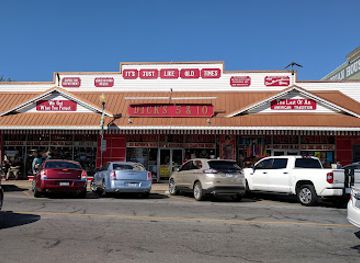
Dick's 5 & 10
Discover a whimsical world at Dick's 5 & 10, Branson's beloved gift shop filled with unique toys, candy, and unforgettable souvenirs.
-
Gift shop
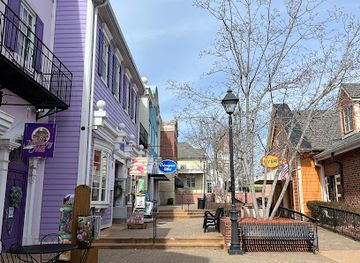
Grand Village Shops
Explore a unique shopping experience at Grand Village Shops in Branson, MO, featuring boutiques, Christmas stores, and delicious dining options.
-
Craft store
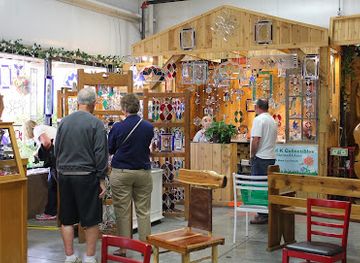
Branson Craft Mall
Discover the charm of Branson Craft Mall, where handmade treasures and delicious dining await in the heart of Missouri.
-
Gift shop
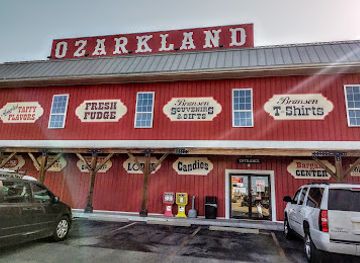
Ozarkland General Store
Ozarkland General Store in Branson delivers a whimsical taste of retro Ozarks Americana, packed with candy, souvenirs, and family-friendly roadside charm.
Get your free copy of our complete guide to Table Rock Lake, delivered straight to you.
Everything on this page, from attractions and restaurants to essentials and local phrases, in one PDF you can read offline, print or share.
Already have an account? Sign in
Your Table Rock Lake guide is ready.
We'll send it to · Not you? Sign out

Getting your guide ready…
We are putting together a fresh copy of the Table Rock Lake guide. This can take up to a minute.
This can take a few moments. If your browser asks, choose Allow so the download can start. You'll find the guide in your Downloads folder.
Nothing happened? Download it again
Sorry, the guide is taking longer than usual. Please try again in a minute, or get it by email instead.
Table Rock Lake essentials
Currency and Payment
Safety
Emergency Situations
Do's and Don'ts
Local Tips
From Eve
Local phrases worth knowing
You don't need to get them perfect. A few words go a long way, and locals appreciate the effort.
Basics
| English | Local | Say it |
|---|---|---|
| Hello | Howdy | [haw-dee] |
| Goodbye | See ya | [see yah] |
| Yes | Yep | [yep] |
| No | Nah | [nah] |
| Please/You're welcome | Please/No worries | [pleez/no wuhr-eez] |
| Thank you | Thanks | [thanks] |
| Excuse me/Sorry | Pardon me/My bad | [par-dun mee/my bad] |
| How are you? | How y'all doin'? | [how y'all doin'] |
| Fine. And you? | Just fine. How 'bout you? | [just fine. how 'bout you?] |
| Do you speak English? | Ya'll speak English? | [yawl speak english] |
| I don't understand | I reckon I don't get it | [I reckon I don't get it] |
Eating & Drinking
| English | Local | Say it |
|---|---|---|
| I'd like to see the menu, please | Could I have a look at the menu, please | [could I have a look at the menu, please] |
| I don't eat meat | I ain't eatin' no meat | [I ain't eatin' no meat] |
| Cheers! | Bottoms up! | [bottoms up!] |
| I would like to pay, please | I'll settle the bill, please | [I'll settle the bill, please] |
Emergencies
| English | Local | Say it |
|---|---|---|
| Help! | I need a hand! | [I need a hand!] |
| Go away! | Git! | [git!] |
| Call the Police! | Ring up the Sheriff! | [ring up the sheriff!] |
| Call a doctor! | Get a doc over here! | [get a doc over here!] |
| I'm lost | I'm turned around | [I'm turned around] |
| I'm ill | I ain't feelin' right | [I ain't feelin' right] |
Shopping
| English | Local | Say it |
|---|---|---|
| I'd like to buy... | I'm fixin' to buy... | [I'm fixin' to buy...] |
| I'm just looking | Just browsin' | [just browsin'] |
| How much is it? | What's the price? | [what's the price?] |
| That's too expensive | That's steep | [that's steep] |
| Can you lower the price? | Can ya give me a deal? | [can ya give me a deal?] |
Time & Numbers
| English | Local | Say it |
|---|---|---|
| What time is it? | What's the time? | [what's the time?] |
| It's one o'clock | It's one | [it's one] |
| Half past (10) | Ten thirty | [ten thirty] |
| Morning | Mornin' | [mornin'] |
| Afternoon | Afternoon | [afternoon] |
| Evening | Evenin' | [evenin'] |
| Yesterday | Yest'day | [yest'day] |
| Today | Today | [today] |
| Tomorrow | Tomorra | [tomorra] |
| 1 | One | [one] |
| 2 | Two | [two] |
| 3 | Three | [three] |
| 4 | Four | [four] |
| 5 | Five | [five] |
| 6 | Six | [six] |
| 7 | Seven | [seven] |
| 8 | Eight | [eight] |
| 9 | Nine | [nine] |
| 10 | Ten | [ten] |
Transport & Directions
| English | Local | Say it |
|---|---|---|
| Where's a/the...? | Where's the...? | [where's the...?] |
| What's the address? | What's the addy? | [what's the addy?] |
| Can you show me (on the map)? | Can ya point it out (on the map)? | [can ya point it out (on the map)?] |
| When's the next (bus)? | When's the next (bus)? | [when's the next (bus)?] |
| A ticket (to ....) | A pass (to ....) | [a pass (to ....)] |
History of Table Rock Lake
The White River Ozarks
Before the reservoir existed, the White River and its tributaries ran through a deeply dissected Ozark landscape of limestone hills, valleys, springs and woodland. The wider region was inhabited by Indigenous peoples for centuries, while later settlement brought farms, mills, roads and small communities into the river valleys. These earlier landscapes remain partly visible around the lake in ridgelines, hollows and sections of older road and settlement patterns, although the reservoir transformed the central valley system.
The Flooding of the White River Valley
Construction of Table Rock Dam by the United States Army Corps of Engineers followed federal authorisation in the 1940s, and the dam was completed in 1958. Its purpose was to control flooding on the White River, generate hydroelectric power and support water management in the region. The resulting reservoir submerged sections of the former river valleys and altered transport, agriculture and settlement patterns. The lake's many arms and coves reflect the shape of the flooded terrain rather than a naturally formed lake basin.
Branson and the Rise of Tourism
The creation of Table Rock Lake coincided with the growth of tourism in the southwestern Missouri Ozarks. Branson, located east of the reservoir, developed from a small regional town into a major entertainment and holiday centre, while lakeside communities expanded around marinas, resorts, campgrounds and second homes. Improved roads and recreational boating helped connect the lake with visitors from across the Midwest. The reservoir therefore became both a water-management project and a foundation of the area's modern leisure economy.
A Managed Recreational Landscape
Since its creation, Table Rock Lake has been managed for multiple uses, including flood control, hydropower, recreation, fish and wildlife conservation and water supply. Public parks, conservation areas, marinas and boat ramps developed alongside private holiday properties and commercial facilities. Fisheries management and boating regulation remain important to the lake's identity, particularly as seasonal visitor numbers increase. Today, the reservoir is a working piece of federal water infrastructure as well as one of the principal recreation landscapes of the Missouri Ozarks.
Table Rock Lake in Photos
Browse through our photo collection highlighting the charm and character of the destination.
Cities in Table Rock Lake
The towns and cities of Table Rock Lake, and the easiest places to base yourself.

Swipe for more cities
Neighbouring destination travel guides
The closest destinations to Table Rock Lake, if you have time for more than one.
-

-

-

-
 Stockton Lake
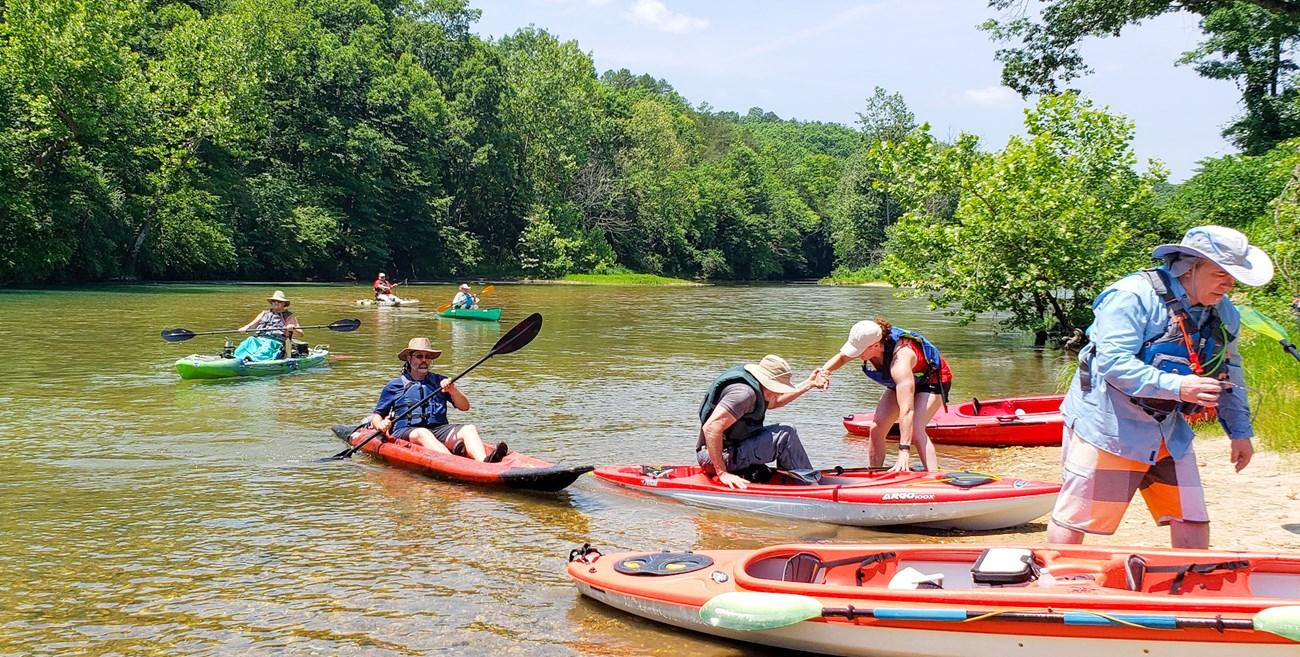
, Missouri, offers clear-water boating, sailing, fishing, beaches, forested coves and quiet lakeside recreation in the Ozarks through every season.
Stockton Lake
Stockton Lake, Missouri, offers clear-water boating, sailing, fishing, beaches, forested coves and quiet lakeside recreation in the Ozarks through every season.
-


Swipe for more destinations
Explore more
Explore more of White River Basin
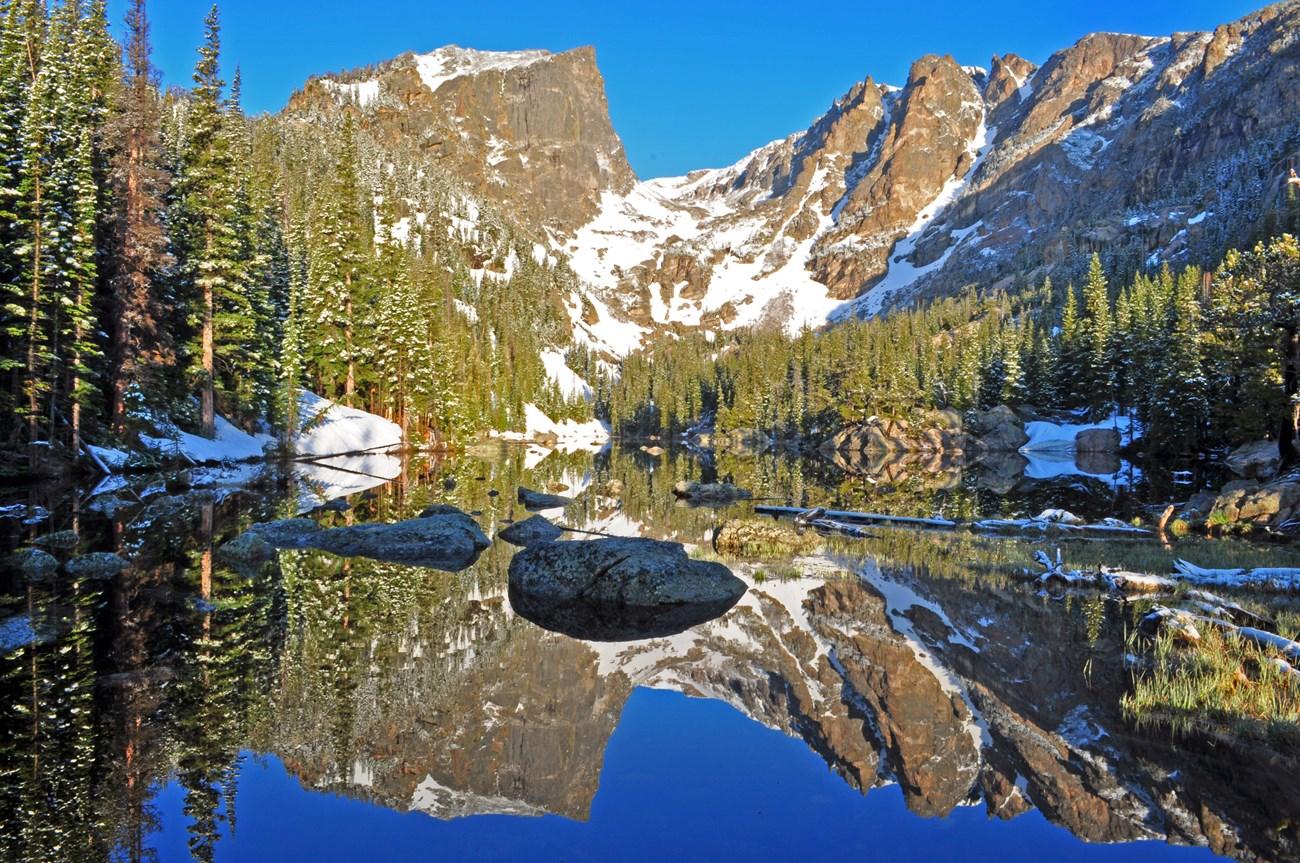
Explore Missouri’s White River Basin for Ozark landscapes, Table Rock Lake boating, trout fishing, caves, Branson shows and Springfield culture.
Explore White River Basin
Explore more of Missouri
Experience the diverse landscapes, rich history, and vibrant culture of Missouri, the heart of America, offering everything from bustling cities to serene natural escapes.
Explore Missouri