

Codru National Park, Moldova Travel Guide
Discover the untouched beauty of Codru National Park in Moldova: a haven of ancient oak forests, diverse wildlife, and cultural treasures waiting to be explored.
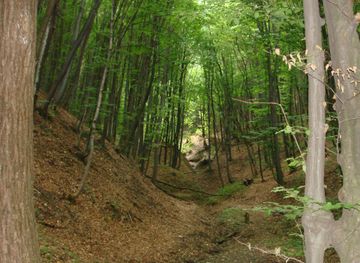
Codru National Park is a natural gem located in the heart of Moldova. Spanning over 5,177 hectares, it is the country's oldest and largest national park. The park is renowned for its diverse flora and fauna, with over 1,000 species of plants and 200 species of animals. It's a paradise for nature lovers, bird watchers, and anyone looking to escape the hustle and bustle of city life. The park's landscape is a mix of dense forests, rolling hills, and serene valleys. One of its most striking features is the ancient oak trees, some of which are over 200 years old. The park also boasts several hiking trails that cater to all levels of fitness. These trails offer visitors the chance to explore the park's rich biodiversity and enjoy breathtaking views from various lookout points. In addition to its natural beauty, Codru National Park is home to several historic and cultural sites. The Codru Monastery, dating back to the 14th century, is one of the park's main attractions. Visitors can also explore traditional Moldovan villages nearby, where they can experience local customs and cuisine. Whether you're an avid hiker, a history buff, or simply looking for a peaceful retreat, Codru National Park offers something for everyone.

Know before you go
Hi, I'm Eve. Here are a few practical things to know before exploring Codru National Park.
- Visit during spring or autumn for the best weather and scenic views.
- Bring comfortable hiking shoes and a map of the park's trails.
- Don't miss the Codru Monastery and nearby traditional villages.
- Pack a picnic as there are many scenic spots to enjoy a meal outdoors.
- Check for guided tours to learn more about the park's history and biodiversity.
Explore Codru National Park: Things to Do, Places to Eat, Hotels & More
Handpicked recommendations for top attractions, local dining, accommodations, and more

Best attractions in Codru National Park
Top-rated picks
Best Attractions

Trebujeni landscape reserve
Explore the breathtaking Trebujeni Landscape Reserve in Moldova, a nature lover's paradise with stunning views, diverse wildlife, and serene hiking trails.

Parc or.Codru
Discover the tranquility of Parc or. Codru, a serene park in Codru, Moldova, perfect for relaxation, picnics, and nature exploration.

Best landmarks in Codru National Park
Top-rated picks
Best Landmarks

Bison Reserve
Discover the enchanting Bison Reserve in Moldova, a wildlife park dedicated to the majestic European bison and a haven for nature lovers.

The Monument to the Deportees
Explore the Monument to the Deportees in Chișinău, Moldova - a poignant sculpture that honors the resilience and history of the Moldovan people.

Stephen the Great Monument
Honoring Moldova's greatest ruler, a symbol of national pride in the heart of Chișinău, surrounded by history and vibrant city life.

Castel Mimi
Discover Moldova's winemaking heritage at Castel Mimi: a historic castle, exquisite wines, and cultural experiences await in Bulboaca.

Best restaurants in Codru National Park
Top-rated picks
Best Restaurants

Pegas Terrace & Restaurant
Discover the culinary artistry of Pegas Terrace & Restaurant in Chișinău, where European flavors meet an enchanting atmosphere.

Crème de la Crème
Discover the charm of French cuisine at Crème de la Crème in Chișinău - where every meal is an exquisite experience.

Oliva
Savor authentic Mediterranean cuisine in the heart of Chișinău at Oliva – where taste meets tradition.

ASCONI Winery
Experience Moldova's rich winemaking tradition at ASCONI Winery – where exquisite wines meet breathtaking landscapes.

Best bars in Codru National Park
Top-rated picks
Best Bars

PartyZAN Game Private Club
Discover the ultimate entertainment experience at PartyZAN Game Private Club in Chișinău, blending dining, gaming, and nightlife in one vibrant venue.

Budweiser Grill & Pub
Discover Chișinău's vibrant culinary scene at Budweiser Grill & Pub, where delightful grills meet refreshing brews in a lively atmosphere.

Osho Bar & Kitchen
Experience modern European cuisine at Osho Bar & Kitchen in Chișinău, where culinary artistry meets a vibrant dining atmosphere.

Jack's Bar & Grill
Discover the lively ambiance and delicious American cuisine at Jack's Bar & Grill in Chișinău, where great food meets unforgettable nightlife.

Best nightclubs in Codru National Park
Top-rated picks
Best Nightclubs

Edgo Night Club
Discover the electrifying nightlife at Edgo Night Club in Chișinău, where unforgettable moments and lively music await every weekend.

Hype
Discover Hype, the lively night club in Chișinău, offering an exhilarating nightlife experience with top DJs and a vibrant atmosphere.

Bora Bora Night Club
Discover the electrifying nightlife of Chișinău at Bora Bora Night Club, where music, dance, and unforgettable memories await you.

Up & Down Club
Unleash your night at Up & Down Club, Chișinău's premier nightlife hotspot, where music, dancing, and unforgettable memories await.

Best shops in Codru National Park
Top-rated picks
Best Shops

Shopping MallDova
Discover Shopping MallDova, the premier shopping destination in Chișinău, Moldova, featuring diverse stores, dining, and entertainment for all ages.

Dendrariu Park
Explore the lush landscapes and cultural charm of Dendrariu Park, a serene oasis in the heart of Chișinău, Moldova.

OrheiLand
Experience thrilling rides and unforgettable family fun at OrheiLand, Moldova's top amusement park, perfect for all ages.

Zity Mall
Discover the vibrant shopping scene at Zity Mall, Chișinău's premier destination for fashion, dining, and entertainment.

Explore Codru National Park on the Map
A handpicked selection of must-see spots in Codru National Park, mapped for you.
Codru National Park Essentials
-
Codru National Park is located in the central part of Moldova, approximately 60 kilometers northwest of the capital city, Chisinau. The nearest international airport is Chisinau International Airport. From Chisinau, you can take a bus or a taxi to the park. Buses to the nearby town of Straseni run frequently, and from there, you can hire a local taxi for the final leg of your journey. The entire trip typically takes around 1 to 1.5 hours by road.
-
Once inside Codru National Park, the best way to explore is on foot or by bicycle, as many of the trails are well-marked and accessible. For longer distances within the park, you can rent a car in Chisinau or Straseni. Local taxis are also available but may be more costly. Public transportation within the park is limited, so plan your route in advance.
-
The official currency in Moldova is the Moldovan Leu (MDL). Credit cards are accepted in most hotels, restaurants, and larger shops in Chisinau, but it's advisable to carry cash when visiting Codru National Park and its surrounding areas. ATMs are available in Chisinau and larger towns, but may be scarce within the park itself, so ensure you have enough cash before setting out.
-
Codru National Park is generally safe for tourists. However, it is always wise to take standard precautions such as avoiding walking alone at night and keeping an eye on your belongings. There have been no significant reports of crimes targeting tourists in the park, but it is always best to stay vigilant and aware of your surroundings.
-
In case of emergency, dial 112 for immediate assistance. The local police and medical facilities are available in the nearby towns of Straseni and Chisinau. It is recommended to have travel insurance that covers medical emergencies. For minor health issues, there are pharmacies in Straseni where you can purchase over-the-counter medications.
-
Fashion: Do wear comfortable and practical clothing suitable for hiking and outdoor activities. Avoid overly revealing clothing. Religion: Do respect local customs and traditions, especially when visiting nearby religious sites. Public Transport: Do be respectful and give up your seat to elderly passengers. Don't eat or drink on public transport. Greetings: Do greet people with a friendly hello or a handshake. A slight bow of the head is also a sign of respect. Eating & Drinking: Do try local delicacies and accept food offerings graciously. Don't refuse hospitality, as it is considered impolite.
-
To experience Codru National Park like a local, visit during the spring or fall when the flora and fauna are most vibrant. Engage with park rangers and guides who can offer in-depth knowledge about the park's biodiversity and history. For a unique experience, consider camping overnight in designated areas to truly immerse yourself in the natural beauty of the park. Don't miss the opportunity to explore the park's many hiking trails, some of which lead to stunning viewpoints and hidden natural treasures.
When is the best time to visit Codru National Park?
Useful Local Phrases for Codru National Park
You don't need to speak the language perfectly. Even learning a few simple words can make conversations warmer—and locals usually appreciate the effort.
— Eve

Here are the phrases I use most often in Codru National Park. Try a few—you'll be surprised how far they go! 😊
❤️
-
- HelloSalut
[sa-ˈlut] - GoodbyeLa revedere
[la re.ve.ˈde.re] - YesDa
[da] - NoNu
[nu] - Please/You're welcomeTe rog
[te roɡ] - Thank youMulțumesc
[mul.t͡suˈmesk] - Excuse me/SorryScuzați-mă
[sku.zaʦi mə] - How are you?Cum ești?
[kum ˈjeʃtj] - Fine. And you?Bine. Și tu?
[bi.ne ʃi tu] - Do you speak English?Vorbiți engleza?
[vorˈbit͡si eŋˈɡleza] - I don't understandNu înțeleg
[nu ˈɨnt͡se.leɡ]
- HelloSalut
-
- I'd like to see the menu, pleaseAș dori să văd meniul, vă rog
[aʃ do.ˈri sə vad me.ˈni.ul və roɡ] - I don't eat meatNu mănânc carne
[nu mɨ.ˈnɨŋk ˈkar.ne] - Cheers!Noroc!
[no.ˈrok] - I would like to pay, pleaseAș dori să plătesc, vă rog
[aʃ do.ˈri sə ˈplə.tesk və roɡ]
- I'd like to see the menu, pleaseAș dori să văd meniul, vă rog
-
- Help!Ajutor!
[aʒuˈtor] - Go away!Duceți-vă!
[duˈʧeʦi və] - Call the Police!Sunați poliția!
[suˈnat͡s poˈlit͡si.a] - Call a doctor!Sunați un doctor!
[suˈnat͡s un dokˈtor] - I'm lostM-am pierdut
[mam ˈpjer.dut] - I'm illSunt bolnav
[sunt bolˈnav]
- Help!Ajutor!
-
- I'd like to buy...Aș dori să cumpăr...
[aʃ do.ˈri sə ˈkum.pər] - I'm just lookingDoar mă uit
[do.ar mə wit] - How much is it?Cât costă?
[kət kosˈtə] - That's too expensiveEste prea scump
[ˈes.te pre̯a skump] - Can you lower the price?Puteți să scadeți prețul?
[puˈtet͡s sə skaˈdet͡s pre.ʦul]
- I'd like to buy...Aș dori să cumpăr...
-
- What time is it?Cât este ora?
[kət ˈes.te o.ra] - It's one o'clockEste ora unu
[ˈes.te o.ra unu] - Half past (10)Jumătate după (10)
[ʒu.məˈta.te duˈpə ˈze.če] - MorningDimineața
[di.mi.ne̯a.ʦa] - AfternoonDupă-amiază
[du.pə a.mjaˈzə] - EveningSeara
[ˈse̯a.ra] - YesterdayIeri
[ˈje.rʲ] - TodayAstăzi
[asˈtəzʲ] - TomorrowMâine
[mɨˈne] - 1Unu
[ˈu.nu] - 2Doi
[doj] - 3Trei
[trej] - 4Patru
[ˈpatru] - 5Cinci
[ˈʧint͡ʃ] - 6Șase
[ʃa.se] - 7Șapte
[ʃap.te] - 8Opt
[opt] - 9Nouă
[no.uə] - 10Zece
[ze.ʧe]
- What time is it?Cât este ora?
-
- Where's a/the...?Unde este unul/o...
[un.de ˈes.te uˈnul/o] - What's the address?Care este adresa?
[ka.re ˈes.te aˈdresə] - Can you show me (on the map)?Puteți să-mi arătați (pe hartă)?
[puˈtet͡s sə mi a.rəˈtat͡s pe harˈtə] - When's the next (bus)?Când este următorul (autobuz)?
[kənd ˈes.te urˈmətorul (au.toˈbuz)] - A ticket (to ....)Un bilet (spre ...)
[un biˈlet spre]
- Where's a/the...?Unde este unul/o...
History of Codru National Park
-
Codru National Park, nestled in the heart of Moldova, has been a significant area of human settlement since ancient times. Archaeological evidence suggests that various tribes and cultures thrived in this region, benefiting from its fertile land and dense forests. Pottery fragments and tools dating back to the Neolithic era have been discovered, indicating the area's long history of human habitation.
-
During the medieval period, Codru National Park was home to several monastic communities. These monasteries served not only as religious centers but also as places of learning and cultural preservation. The most notable of these is the Hâncu Monastery, founded in the 17th century. Its serene setting and historical significance make it a must-visit for those exploring the park.
-
In the 16th and 17th centuries, the region that now encompasses Codru National Park came under Ottoman rule. The impact of this period is still visible in local architecture and cultural practices. The Ottomans established several fortifications and trade routes through the forests, which played a crucial role in connecting different parts of the empire.
-
During the Soviet era, Codru National Park underwent significant changes. The park was officially designated as a protected area in 1971, aimed at conserving its unique biodiversity. Soviet authorities also developed infrastructure for scientific research and environmental education. Several research stations were established to study the park's flora and fauna, contributing to our understanding of its ecological significance.
-
In the post-Soviet period, Codru National Park has continued to be a focus of conservation efforts. Local and international organizations have collaborated to protect its diverse ecosystems. Modern initiatives include reforestation projects, wildlife protection programs, and the development of eco-tourism. These efforts aim to preserve the park's natural beauty while promoting sustainable tourism.
Neighbouring destination travel guides
Browse our curated selection of top destinations, scenic points, and must-visit spots in the area.



Your all‑in‑one travel companion app
Explore expert travel guides, compare and book tours, experiences, hotels, and more—all from the palm of your hand. Download now for seamless trip planning wherever your wanderlust takes you.


Explore More of Chișinău County

Looking beyond Codru National Park? Discover Chișinău County for broader travel guides, local hot-spots, and regional highlights.
Explore Chișinău CountyExplore More of Moldova

Looking beyond Codru National Park? Discover Moldova for broader travel guides, local hot-spots, and regional highlights.
Explore MoldovaCodru National Park in Photos
Browse through our photo collection highlighting the charm and character of the destination.


Codru National Park: Moldova's Verdant Haven
Codru National Park is a natural gem located in the heart of Moldova. Spanning over 5,177 hectares, it is the country's oldest and largest national park. The park is renowned for its diverse flora and fauna, with over 1,000 species of plants and 200 species of animals. It's a paradise for nature lovers, bird watchers, and anyone looking to escape the hustle and bustle of city life. The park's landscape is a mix of dense forests, rolling hills, and serene valleys. One of its most striking features is the ancient oak trees, some of which are over 200 years old. The park also boasts several hiking trails that cater to all levels of fitness. These trails offer visitors the chance to explore the park's rich biodiversity and enjoy breathtaking views from various lookout points. In addition to its natural beauty, Codru National Park is home to several historic and cultural sites. The Codru Monastery, dating back to the 14th century, is one of the park's main attractions. Visitors can also explore traditional Moldovan villages nearby, where they can experience local customs and cuisine. Whether you're an avid hiker, a history buff, or simply looking for a peaceful retreat, Codru National Park offers something for everyone.