

Free Bessarabia Travel Guide & Mobile App
Explore Bessarabia with free travel guides. Discover regional history, expert tips, proposed trips, and audio guides on web or mobile app.


Explore Moldova's Bessarabian landscapes through Chișinău, medieval fortresses, cave monasteries, vineyards, villages and layered cultural traditions.
Read more about Bessarabia
When is the best time to visit Bessarabia?
Best: June–August · 23–25°C| Month | High (°C) | Rainfall (mm) |
|---|---|---|
| January | 4 | 35 |
| February | 5 | 30 |
| March | 9 | 35 |
| April | 14 | 40 |
| May | 19 | 45 |
| June (best) | 23 | 50 |
| July (best) | 25 | 55 |
| August (best) | 24 | 50 |
| September | 19 | 45 |
| October | 14 | 40 |
| November | 7 | 35 |
| December | 4 | 35 |
Getting to and around Bessarabia
How to get there
Transportation
Top city travel guides in Bessarabia
The cities of Bessarabia, and the easiest places to base yourself.
-

-

-


Swipe for more cities
Destinations in Bessarabia
Resorts, valleys and scenic spots worth a trip of their own.
-

-

-

-
-

-


Swipe for more destinations
Best attractions in Bessarabia
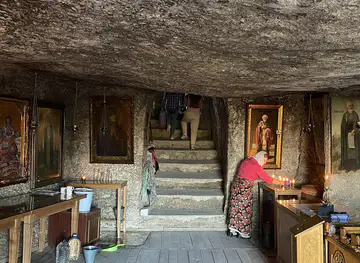
Bessarabia's attractions within Moldova range from the urban museums, parks and Orthodox churches of Chișinău to archaeological landscapes, monasteries, vineyards and river valleys. Orheiul Vechi is the region's most distinctive cultural landscape, combining prehistoric and medieval remains, limestone cliffs, cave monasteries and rural settlements beside the Răut. Around the Dniester, Soroca, Saharna and Țipova offer different combinations of fortress history, wooded ravines, waterfalls and rock-hewn religious sites. Central Moldova provides access to Căpriana and Curchi monasteries, while winery complexes near Cricova, Mileștii Mici and other productive districts reveal the scale of the country's subterranean wine culture. The southern districts introduce Gagauz and Bulgarian heritage, open agricultural scenery and a drier climate. Outdoor activity is generally gentle rather than extreme: walking, cycling, birdwatching, landscape photography and village-based excursions are the main pursuits. Many sites are spread across the countryside, and visiting several in one day requires careful planning or private transport.
-
Monastery
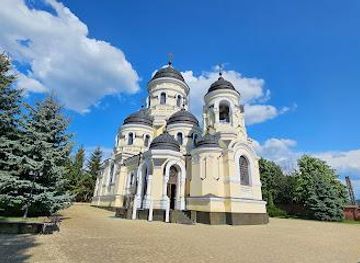
Căpriana Monastery
Discover the tranquility and history of Căpriana Monastery, one of Moldova's oldest spiritual retreats, nestled in lush landscapes.
-
Museum
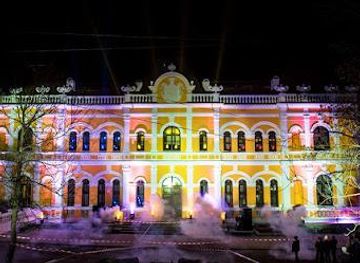
Manuc Bey Castle
Explore the historic Manuc Bey Castle in Hincești, Moldova—an exquisite blend of culture, history, and stunning architecture.
-
Monastery
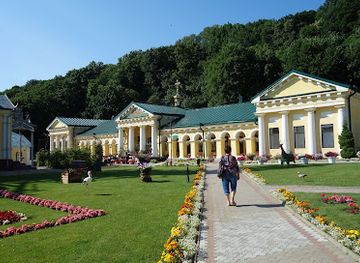
Hincu Monastery
Discover the tranquil beauty and spiritual heritage of Hincu Monastery, a must-visit destination in Moldova, offering a unique blend of history and nature.
-
Winery
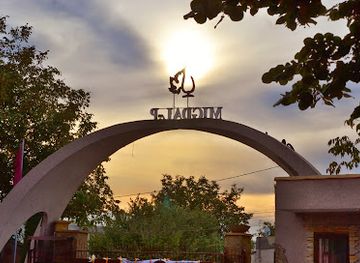
Chateau Cojusna. Migdal-P
Discover the charm of Moldovan wine culture at Chateau Cojusna, where exquisite wines and stunning scenery await.
Best landmarks in Bessarabia
The medieval Soroca Fortress is one of Bessarabia's most recognisable structures within Moldova. Its circular stone walls and towers stand above the Dniester, reflecting the river's role as a strategic frontier in the history of the Moldavian principality. Orheiul Vechi is a landmark on a larger scale: limestone cliffs, the Răut valley and cave monasteries form a landscape in which archaeology, religion and rural life remain closely connected. In Chișinău, the Nativity Cathedral and its bell tower provide a central Orthodox reference point amid the capital's boulevards and civic architecture. Căpriana Monastery and Curchi Monastery are important religious and architectural landmarks, each representing the continuity and revival of Moldovan Orthodox monastic culture. The vast underground wine cellars at Cricova and Mileștii Mici are modern industrial landmarks rather than medieval monuments, extending beneath the landscape as evidence of the region's large-scale wine production. In the south, Gagauz villages and wooded or open agricultural horizons offer a less monumental but equally revealing sense of Bessarabia's settled cultural geography.
-
Historical landmark
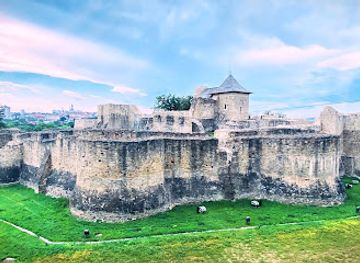
Cetatea de Scaun a Sucevei
Explore the grandeur of medieval Romania at the Fortress of Suceava, a symbol of resilience and royal history.
-
Monastery
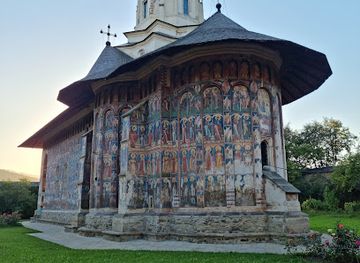
Moldovita Monastery
Discover Moldovița Monastery, a UNESCO site in Bucovina, Romania, famed for its vibrant 16th-century frescoes and rich history.
-
 Monument
The Triumphal Arch
Discover Chișinău's iconic Triumphal Arch, a historical monument commemorating victory and showcasing neoclassical architecture in the heart of the city.
-
Castle
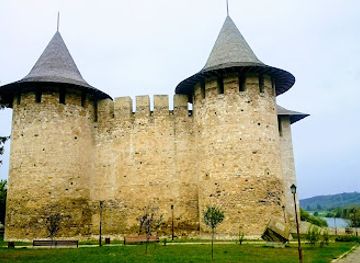
Soroca Fortress
Explore the imposing Soroca Fortress in Moldova, a beautifully restored medieval castle offering a captivating journey through history and stunning panoramic views.
Explore Bessarabia on the map
Plan your trip on one map. See where the top cities, national parks and sights are, and book hotels and experiences in a few clicks.
Best hotels in Bessarabia
Best restaurants in Bessarabia
Moldovan cooking reflects the agricultural landscape and the region's Romanian, Ukrainian, Russian, Gagauz and Bulgarian connections. Look for placinte, thin pastries filled with cheese, pumpkin, potato or fruit; mamaliga served with branza and sour cream; sarmale; zeama, a light chicken soup; and seasonal salads made from tomatoes, peppers and herbs. Village restaurants and rural guesthouses often emphasise home-style cooking, preserves, fruit compotes and meat prepared for shared meals, while Chișinău offers the broadest choice of contemporary restaurants and international food. Markets provide a practical introduction to local cheeses, walnuts, orchard fruit, honey and baked goods. Wine is central to the table, with both large producers and smaller cellars offering tastings, although arrangements should be made in advance. Gagauz and Bulgarian communities add further regional dishes and culinary traditions, particularly in the south.
-
European
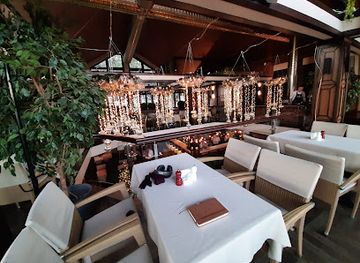
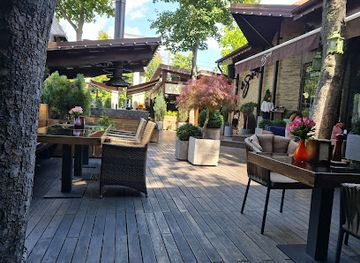
Pegas Terrace & Restaurant
Discover culinary excellence at Pegas Terrace & Restaurant in Chișinău – where delightful European flavors meet breathtaking views.
-
French
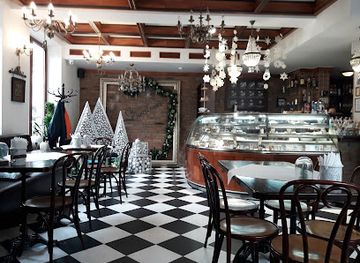
Crème de la Crème
Experience the essence of French cuisine at Crème de la Crème in Chișinău - where every bite is a journey to culinary bliss.
-
Georgian
Saperavi
Experience authentic Georgian cuisine at Saperavi in Chișinău – a culinary journey filled with delightful flavors and rich traditions.
-
Eastern European
La Sarkis
Experience the authentic flavors of Eastern Europe at La Sarkis in Chișinău - a culinary delight that merges tradition with innovation.

Best bars in Bessarabia
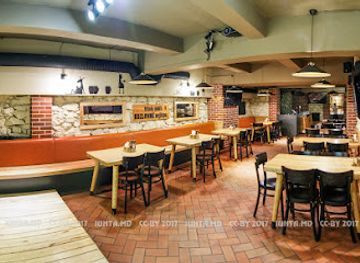
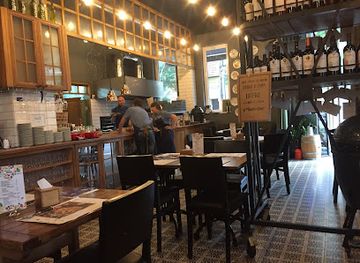
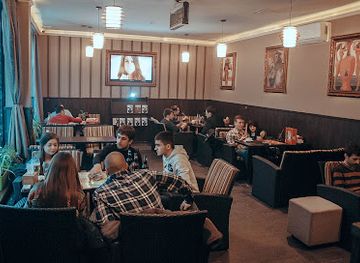
Evening life is concentrated in Chișinău, where wine bars, cafés, cocktail venues, restaurants, live-music spaces and nightclubs provide the country's widest choice. The capital's nightlife is more varied around central streets and cultural quarters than in the countryside, and venues change over time, so current local listings are useful. In smaller Bessarabian towns, evenings generally centre on restaurants, cafés, hotel bars and traditional pubs rather than a large club scene. Wine tourism has created cellar tastings and estate-based evening programmes, but these usually require booking and are not the same as spontaneous nightlife. In villages and rural districts, social life may revolve around family gatherings, seasonal celebrations or local restaurants. Visitors should drink responsibly, arrange transport back from estates in advance and avoid assuming that alcohol is necessary to engage with local culture.
-
Pub
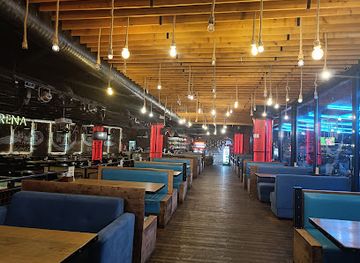
Draft Arena
Discover the lively Draft Arena in Chișinău, where delicious food, craft beers, and a vibrant atmosphere come together for an unforgettable experience.
-
Bar
Kozlovna Ceska Pivni Restaurace
Experience the heart of Czech cuisine in Chișinău with authentic dishes and a wide selection of beers at Kozlovna Ceska Pivni Restaurace.
-
Family-friendly
Gastrobar
Experience the best of modern European cuisine at Gastrobar, a family-friendly restaurant in Chișinău perfect for culinary explorations.
-
Restaurant
PartyZAN Game Private Club
Discover Chișinău's vibrant nightlife at PartyZAN Game Private Club, where delicious dining meets exciting games and cocktails.
Best nightclubs in Bessarabia
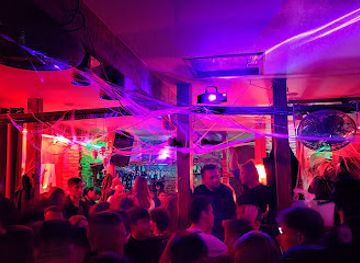
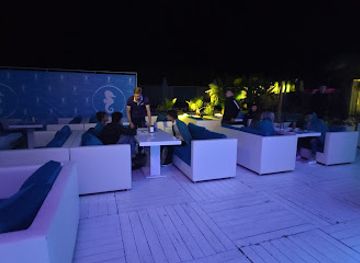
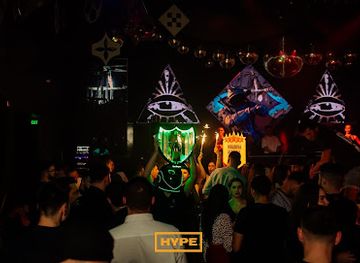
Evening life is concentrated in Chișinău, where wine bars, cafés, cocktail venues, restaurants, live-music spaces and nightclubs provide the country's widest choice. The capital's nightlife is more varied around central streets and cultural quarters than in the countryside, and venues change over time, so current local listings are useful. In smaller Bessarabian towns, evenings generally centre on restaurants, cafés, hotel bars and traditional pubs rather than a large club scene. Wine tourism has created cellar tastings and estate-based evening programmes, but these usually require booking and are not the same as spontaneous nightlife. In villages and rural districts, social life may revolve around family gatherings, seasonal celebrations or local restaurants. Visitors should drink responsibly, arrange transport back from estates in advance and avoid assuming that alcohol is necessary to engage with local culture.
-
Bar
Kira's Club
Discover Chișinău's vibrant nightlife at Kira's Club, where great cocktails, live music, and a lively atmosphere await.
-
Night club
Edgo Night Club
Experience the vibrant nightlife at Edgo Night Club in Chișinău, where music, dancing, and fun come together in an unforgettable atmosphere.
-
Night club
Fanconi Riviera Summer Club
Discover the electrifying nightlife at Fanconi Riviera Summer Club in Chișinău, where vibrant music and unforgettable moments await.
-
Night club
Hype
Discover the vibrant nightlife of Chișinău at Hype, where unforgettable music and energy create the ultimate party experience.

Best shops in Bessarabia
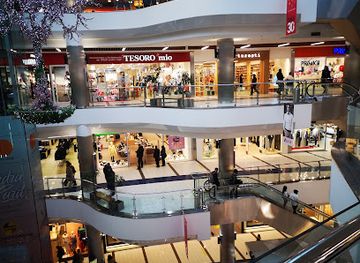
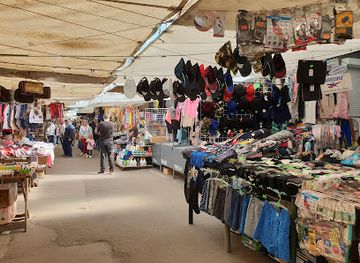
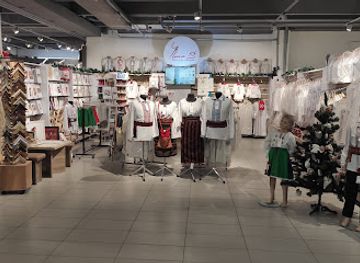
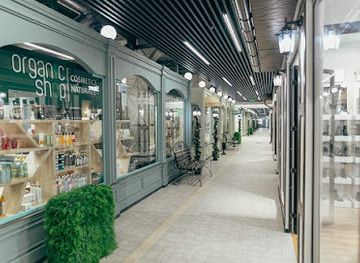
Shopping in Bessarabia is strongest in Chișinău, where central streets, covered markets, bookshops, craft retailers and food shops offer the broadest selection. Useful regional purchases include Moldovan wine, honey, walnuts, preserves, dried fruit, herbal products and locally made sweets, but travellers should check customs rules before carrying alcohol or food across borders. Market towns and village markets provide seasonal produce, household goods and inexpensive clothing rather than a polished souvenir experience. Traditional textiles, embroidered items, ceramics, woodwork and woven accessories appear through craft shops, cultural centres and specialist stalls, with quality and provenance varying considerably. In Gagauz and other culturally distinctive southern districts, local foods and handmade products can reflect community traditions. Antiques and religious objects require particular caution: ask about provenance and export restrictions, and avoid buying archaeological material or anything presented as an unverified historic artefact.
-
Shopping mall
Shopping MallDova
Discover an unparalleled shopping and dining experience at Shopping MallDova, the heart of retail in Chișinău, Moldova.
-
Market
Chisinau Central Market
Explore the vibrant Chisinau Central Market, a cultural gem in Moldova, offering fresh produce, local delicacies, and unique crafts.
-
Shopping mall
Unic
Explore Unic Shopping Mall in Chișinău: A vibrant hub for shopping, dining, and entertainment, perfect for tourists seeking local and global experiences.
-
Shopping mall
Zity Mall
Experience the vibrant atmosphere of Zity Mall in Chișinău, a premier shopping destination with diverse shops, dining options, and entertainment.
Get your free copy of our complete guide to Bessarabia, delivered straight to you.
Everything on this page, from attractions and restaurants to essentials and local phrases, in one PDF you can read offline, print or share.
Already have an account? Sign in
Your Bessarabia guide is ready.
We'll send it to · Not you? Sign out

Getting your guide ready…
We are putting together a fresh copy of the Bessarabia guide. This can take up to a minute.
This can take a few moments. If your browser asks, choose Allow so the download can start. You'll find the guide in your Downloads folder.
Nothing happened? Download it again
Sorry, the guide is taking longer than usual. Please try again in a minute, or get it by email instead.
Bessarabia essentials
Currency and Payment
Safety
Emergency Situations
Do's and Don'ts
Local Tips
From Eve
Local phrases worth knowing
You don't need to get them perfect. A few words go a long way, and locals appreciate the effort.
Basics
| English | Local | Say it |
|---|---|---|
| Hello | Bună | [Boo-nuh] |
| Goodbye | La revedere | [Lah reh-veh-deh-reh] |
| Yes | Da | [Dah] |
| No | Nu | [Noo] |
| Please/You're welcome | Te rog | [Teh rohg] |
| Thank you | Mulțumesc | [Mool-tsoo-mesk] |
| Excuse me/Sorry | Scuză-mă | [Skoo-zuh-muh] |
| How are you? | Ce mai faci? | [Cheh my fahch?] |
| Fine. And you? | Bine. Dar tu? | [Bee-neh. Dar too?] |
| Do you speak English? | Vorbești engleză? | [Vor-besht eng-leh-zuh?] |
| I don't understand | Nu înțeleg | [Noo un-tseh-leg] |
Eating & Drinking
| English | Local | Say it |
|---|---|---|
| I'd like to see the menu, please | Aș dori să văd meniul, vă rog | [Ash doh-ree suh vehd meh-nee-ool, vah rohg] |
| I don't eat meat | Nu mănânc carne | [Noo muh-nuhnk kar-neh] |
| Cheers! | Noroc! | [Noh-rok] |
| I would like to pay, please | Aș dori să plătesc, vă rog | [Ash doh-ree suh pluh-tessk, vah rohg] |
Emergencies
| English | Local | Say it |
|---|---|---|
| Help! | Ajutor! | [Ah-joo-tor] |
| Go away! | Pleacă! | [Pleah-kah] |
| Call the Police! | Sună Poliția! | [Soo-nah Poh-lee-tsee-ah] |
| Call a doctor! | Sună un doctor! | [Soo-nah oon dok-tor] |
| I'm lost | M-am pierdut | [Mahm pyehr-doot] |
| I'm ill | Sunt bolnav | [Sunt bohn-lahv] |
Shopping
| English | Local | Say it |
|---|---|---|
| I'd like to buy... | Aș dori să cumpăr... | [Ash doh-ree suh koom-pair...] |
| I'm just looking | Mă uit doar | [Muh oot doar] |
| How much is it? | Cât costă? | [Koot koh-stah?] |
| That's too expensive | Asta e prea scump | [Ah-stah eh preh-ah skoomp] |
| Can you lower the price? | Poți să scazi prețul? | [Poh-tsih suh skahz preh-tsool?] |
Time & Numbers
| English | Local | Say it |
|---|---|---|
| What time is it? | Ce oră este? | [Cheh or-uh yes-teh?] |
| It's one o'clock | Este o oră | [Yes-teh oh or-uh] |
| Half past (10) | Și jumătate | [Shee zhoo-muh-tah-teh] |
| Morning | Dimineața | [Dee-mee-neh-ah-tsah] |
| Afternoon | După-amiază | [Doo-pah ah-mee-ah-zah] |
| Evening | Seara | [Sah-rah] |
| Yesterday | Ieri | [Yair] |
| Today | Astăzi | [Ahst-uhz] |
| Tomorrow | Mâine | [Mih-neh] |
| 1 | 1 | [1] |
| 2 | 2 | [2] |
| 3 | 3 | [3] |
| 4 | 4 | [4] |
| 5 | 5 | [5] |
| 6 | 6 | [6] |
| 7 | 7 | [7] |
| 8 | 8 | [8] |
| 9 | 9 | [9] |
| 10 | 10 | [10] |
Transport & Directions
| English | Local | Say it |
|---|---|---|
| Where's a/the...? | Unde este un/cea...? | [Oon-deh yes-teh oon/cheh...?] |
| What's the address? | Care este adresa? | [Kah-reh yes-teh ah-dreh-sah?] |
| Can you show me (on the map)? | Poți să-mi arăți (pe hartă)? | [Poh-tsih suh-mih ah-ruh-tsih (peh har-tuh)?] |
| When's the next (bus)? | Când vine următorul (autobuz)? | [Kund vee-neh oor-mah-tor-ul (ow-toh-booz)?] |
| A ticket (to ....) | Un bilet (la ...) | [Oon bee-let (lah ...)] |
History of Bessarabia
Getic and Roman-Era Landscapes
Long before the modern name Bessarabia appeared, the territory between the Prut and Dniester was occupied by communities associated with the Getae and other Thracian-speaking peoples. Later movements of Scythians, Sarmatians and other steppe peoples affected the wider region. Roman influence reached parts of the area through frontier zones and trade, although the core of present-day Moldova was not transformed into a fully incorporated Roman province. Archaeological sites, earthworks and artefacts provide evidence of changing settlement, commerce and contact between agricultural communities and mobile peoples.
Medieval Moldavia and the Dniester Frontier
From the fourteenth century, much of the territory that later became Bessarabia formed part of the medieval Principality of Moldavia. Rulers including Stephen the Great strengthened towns, monasteries and defensive positions along routes linking the Carpathians, the Black Sea and the Dniester. Soroca developed as an important fortress site, while monasteries and fortified settlements helped consolidate political and religious authority. The medieval legacy remains visible in church architecture, monastic foundations and the strategic position of settlements beside the Dniester and its tributaries.
Ottoman and Regional Influences
The southern and eastern parts of the region were affected by the expansion of the Ottoman Empire and its vassal, the Crimean Khanate, while the Moldavian principality retained varying degrees of autonomy. Trade routes, military campaigns and population movements connected the area with the Black Sea world. Muslim, Christian and Jewish communities participated in the region's commercial life, and the south acquired a more mixed settlement pattern than the central uplands. This history helps explain Bessarabia's cultural diversity and its long-standing importance as a zone between empires.
Russian Annexation and the Creation of Bessarabia
Following the Russo-Turkish War of 1806–1812 and the Treaty of Bucharest, the Russian Empire annexed the territory between the Prut and Dniester and administered it as the Bessarabia Governorate. Chișinău expanded as an imperial provincial capital, while new administrative structures, military roads and commercial links altered older patterns of authority. Russian settlement policies encouraged migration by Ukrainians, Russians, Bulgarians, Gagauz and others, alongside the established Romanian-speaking population and substantial Jewish communities. The nineteenth century left a durable imprint on the region's cities, demography and political history.
The Interwar Kingdom of Romania
After the Russian Revolution and the collapse of imperial authority, Bessarabia united with the Kingdom of Romania in 1918, a change confirmed internationally through the interwar settlement, though contested by the Soviet Union. Romanian administration brought new educational, legal and cultural policies, while agriculture remained central to the economy. Chișinău and other towns developed civic institutions within the Romanian state, but the period was also marked by political tensions, economic inequalities and competing national projects. Interwar buildings and cultural memories remain part of Moldova's complex historical landscape.
Soviet Rule, War and Industrial Transformation
The Soviet Union occupied and annexed Bessarabia in 1940, and after the Second World War incorporated the territory into the Moldavian Soviet Socialist Republic. War, deportations, requisitions and political repression caused deep disruption. Post-war authorities promoted collectivised agriculture, expanded education and developed food processing, manufacturing and urban infrastructure. Russian became important in administration and public life, while planned settlement and industrialisation changed the balance between town and countryside. Many Soviet-built civic buildings, apartment districts, wineries and transport facilities still shape Moldova's towns.
Independence and the Reassessment of Identity
Moldova declared independence in 1991 as the Soviet Union dissolved. The new state inherited a predominantly agricultural economy, extensive wine production and a population shaped by several imperial and Soviet legacies. Public debate has continued over language, historical memory, relations with Romania and the position of Russian-speaking communities. Within the Bessarabian lands of Moldova, heritage restoration, vineyard tourism, Orthodox revival and renewed interest in local minority cultures have developed alongside economic migration and modern urban change. Contemporary travel therefore encounters both European integration aspirations and unresolved historical questions.
Bessarabia in Photos
Browse through our photo collection highlighting the charm and character of the destination.
Neighbouring regions of Bessarabia
The closest regions to Bessarabia, if you have time for more than one.
-

-

-

-

-


Swipe for more regions
Explore more

Explore more of Moldova
Discover Moldova: A tranquil haven of rich history, stunning vineyards, and captivating natural landscapes, perfect for an off-the-beaten-path European adventure.
Explore Moldova