

Șipot Falls Natural Monument Travel Guide - Free Web & App
Your ultimate guide to Șipot Falls Natural Monument. Discover top landmarks, proposed trips, and local tips. Free on the web or via the Evendo companion app.


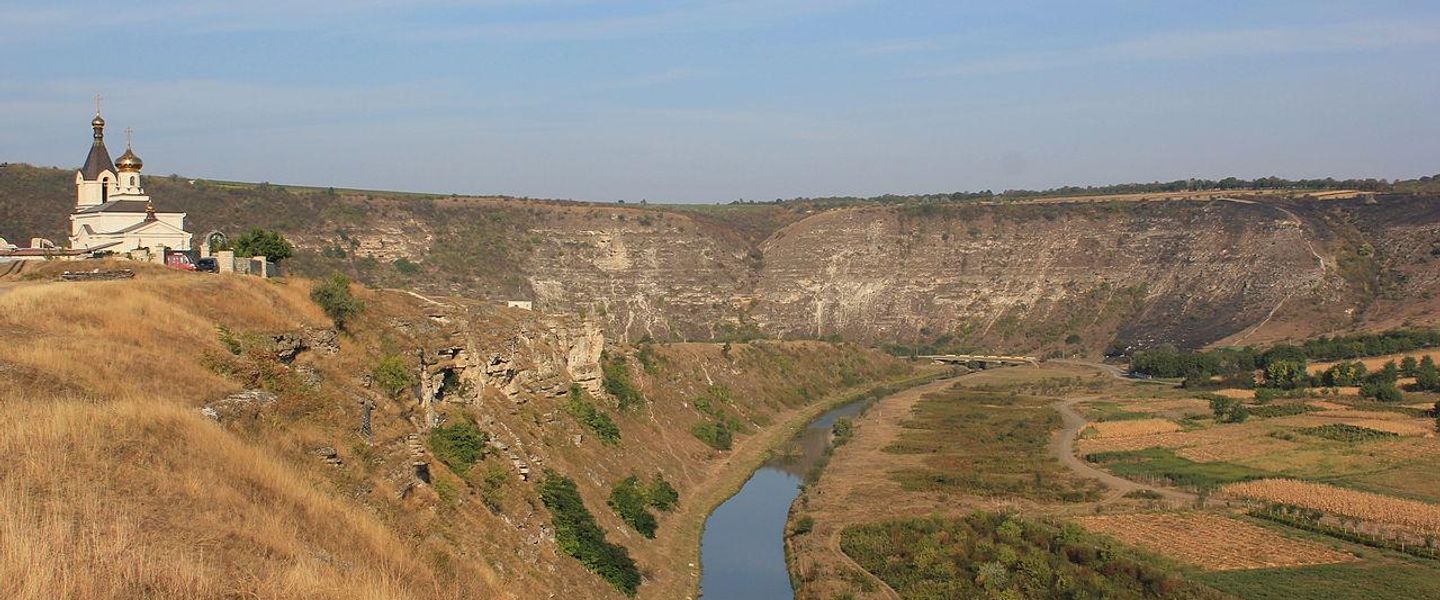


Șipot Falls Natural Monument in Moldova offers a quiet Codri escape with a wooded waterfall, rural scenery, walking, photography and village culture near Călărași.
A Small Natural Monument in the Codri
Șipot Falls Natural Monument is a compact natural attraction in central Moldova, associated with the village of Vălcineț in Călărași District and the wooded landscapes of the Codri. The waterfall is modest in scale rather than a high mountain cascade, but its setting gives it character: water descends over a rocky step within a shaded ravine, surrounded by the rolling terrain and broadleaf woodland typical of central Moldova. The site is best understood as a short rural excursion rather than a fully developed resort or national park.Read more about Șipot Falls Natural Monument
Landscape and Rural Character
Visiting the Falls
When is the best time to visit Șipot Falls Natural Monument?
Best: May–June, September · 24–30°C| Month | High (°C) | Rainfall (mm) |
|---|---|---|
| January | 1 | 30 |
| February | 2 | 25 |
| March | 10 | 20 |
| April | 17 | 15 |
| May (best) | 24 | 10 |
| June (best) | 30 | 10 |
| July | 33 | 10 |
| August | 32 | 10 |
| September (best) | 26 | 15 |
| October | 18 | 20 |
| November | 11 | 25 |
| December | 4 | 30 |
Getting to and around Șipot Falls Natural Monument
How to get there
Transportation
Best attractions in Șipot Falls Natural Monument
The principal attraction is Șipot Falls itself, a small cascade set within a wooded ravine near Vălcineț in Călărași District. Its appeal comes from the contrast between falling water, exposed rock and the quiet broadleaf woodland of central Moldova, rather than from dramatic height. The surrounding Codri landscape adds gentle ridges, cultivated clearings and rural views that are well suited to short walks and photography. Vălcineț provides the immediate village context, while Călărași is the nearest practical base for services and onward exploration. Visitors using the waterfall as part of a wider itinerary can explore the central Moldovan countryside, but should distinguish this site from Țipova in the east, a separate waterfall and protected landscape destination. Facilities at Șipot Falls are limited, so the experience centres on the natural feature and its setting rather than museums, developed trails or organised visitor attractions.
-
Market
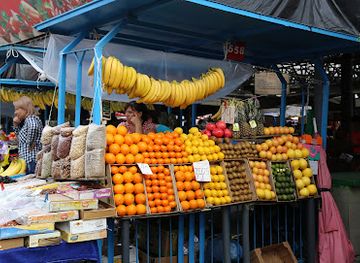
Chisinau Central Market
Immerse yourself in the vibrant culture of Moldova at Chisinau Central Market, where fresh produce and local delicacies await.
-
Tourist attraction
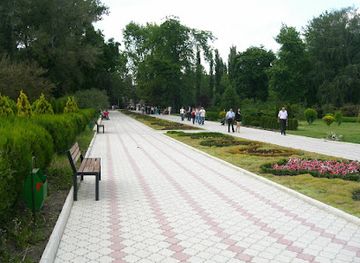
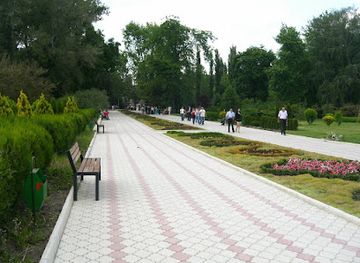
Dendrariu Park
Experience the serene beauty of Dendrariu Park, Chișinău's green sanctuary with lush landscapes and family-friendly activities, perfect for relaxation and exploration.
-
Tourist attraction
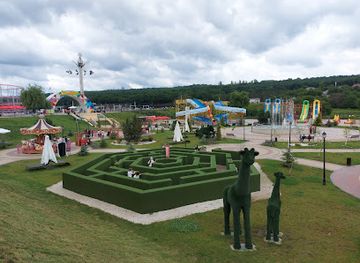
OrheiLand
Experience thrilling rides and family fun at OrheiLand, Moldova's top amusement park nestled in beautiful natural surroundings.
-
Tourist attraction
Alexandru Ciubotaru National Botanical Garden
Discover the lush beauty of the Alexandru Ciubotaru National Botanical Garden, a tranquil oasis in Chișinău, showcasing diverse flora and serene landscapes.
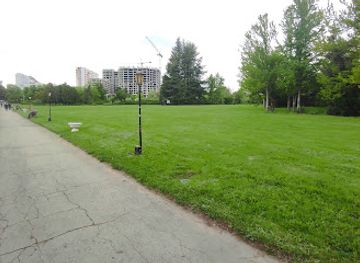
Best landmarks in Șipot Falls Natural Monument
Șipot Falls is the defining natural landmark of the destination, a modest cascade whose importance lies in its protected status and woodland setting. The surrounding ravine, rocky watercourse and forested slopes form a small landscape ensemble rather than separate monumental features. Vălcineț is the principal settlement associated with the site, providing its rural cultural context, while the wider Codri are the dominant geographical landmark of the region: a central Moldovan landscape of wooded hills, valleys and farmland. Unlike Moldova’s larger monasteries, fortresses and cave complexes, Șipot Falls has no major architectural monument at its centre. Its value is environmental and local, and the absence of extensive construction helps preserve the sense of a natural feature within working countryside. The site should not be confused with the Țipova waterfall complex in Rezina District.
-
Park
Rose Valley Park
Escape to Chișinău's Rose Valley Park: A green oasis with rose gardens, serene lakes, and historical charm for locals and tourists.
-
Park
Valea Morilor Park
Escape to nature in the heart of Chișinău at Valea Morilor Park, offering recreation, relaxation, and scenic beauty for all ages.
-
Memorial park
Stephen the Great Central Park
Discover Chișinău's green oasis: history, culture, and tranquility intertwine in Stephen the Great Central Park, Moldova's oldest park.
-
Park
Dendrariu Park
Discover Chișinău's green heart: a diverse collection of plant species, serene lakes, and peaceful pathways await at Dendrariu Park.
Explore Șipot Falls Natural Monument on the map
Plan your trip on one map. See where the top attractions, landmarks, restaurants and hotels are, and book hotels and experiences in a few clicks.
Best hotels in Șipot Falls Natural Monument
Best restaurants in Șipot Falls Natural Monument
There is no substantial dining scene at Șipot Falls itself, so visitors should arrange food and water before leaving Călărași or another larger settlement. In the surrounding villages, eating opportunities are likely to be modest and locally oriented rather than concentrated in a formal tourism district. Regional Moldovan cooking commonly draws on seasonal vegetables, maize, dairy products, orchard fruit, preserved foods and home-style breads, while dishes such as mămăligă, zeamă and plăcinte may appear in family-run or traditional settings, depending on the establishment. Călărași offers the most practical choice of cafés, shops and everyday restaurants near the monument, although visitors should check current opening arrangements locally. A picnic can suit the rural setting, provided food is carried responsibly and all waste is removed; fires and outdoor cooking should not be assumed to be permitted.
-
European
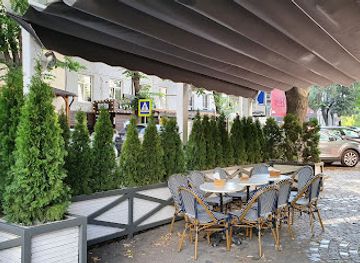
Pegas Terrace & Restaurant
Discover the flavors of Europe at Pegas Terrace & Restaurant in Chișinău - where exquisite cuisine meets breathtaking views.
-
French
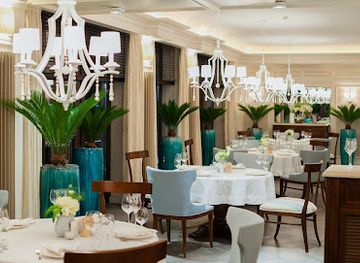
Crème de la Crème
Experience the charm of French cuisine at Crème de la Crème in Chișinău – where every bite tells a story.
-
Mediterranean
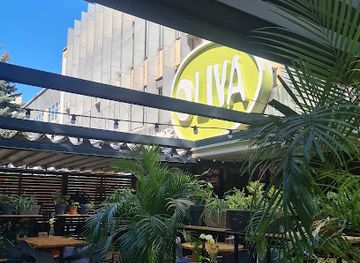
Oliva
Discover the vibrant flavors of Mediterranean cuisine at Oliva in Chișinău - where every meal tells a story.
-
Modern European
Andy's
Discover modern European flavors at Andy's in Chișinău - where tradition meets innovation in every delicious bite.
Best bars in Șipot Falls Natural Monument
Șipot Falls Natural Monument has no established nightlife infrastructure and is best visited during daylight. Evenings in the surrounding countryside are quiet, with social life centred more on family homes and local hospitality than on nightclubs or dedicated entertainment venues. Visitors staying in or passing through Călărași may find ordinary cafés, restaurants or bars, but the town should not be treated as a major nightlife destination, and facilities can vary. In the villages near the waterfall, any evening activity is likely to be informal and seasonal rather than a scheduled tourist event. The most characteristic after-dark experience is the stillness of the rural landscape, although visitors should return from the ravine before nightfall because paths, signs and uneven ground are harder to negotiate without reliable lighting.
-
Park
Rose Valley Park
Experience the natural beauty and tranquility of Rose Valley Park in Chișinău, a perfect escape for nature lovers and families.
-
Park
Valea Morilor Park
Explore the enchanting Valea Morilor Park in Chișinău, a peaceful retreat with lush landscapes, a serene lake, and vibrant cultural events.
-
Memorial park
Eroii Patriei Park
Explore the serene Eroii Patriei Park in Chișinău, a beautiful memorial dedicated to heroes, offering peaceful surroundings and rich history.
-
Monument
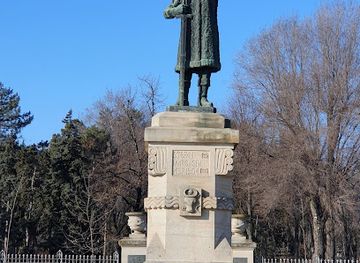
Stephen the Great Monument
Explore the historic Stephen the Great Monument in Chișinău, a symbol of Moldova's rich heritage surrounded by beautiful parks and vibrant culture.
Best nightclubs in Șipot Falls Natural Monument
Șipot Falls Natural Monument has no established nightlife infrastructure and is best visited during daylight. Evenings in the surrounding countryside are quiet, with social life centred more on family homes and local hospitality than on nightclubs or dedicated entertainment venues. Visitors staying in or passing through Călărași may find ordinary cafés, restaurants or bars, but the town should not be treated as a major nightlife destination, and facilities can vary. In the villages near the waterfall, any evening activity is likely to be informal and seasonal rather than a scheduled tourist event. The most characteristic after-dark experience is the stillness of the rural landscape, although visitors should return from the ravine before nightfall because paths, signs and uneven ground are harder to negotiate without reliable lighting.
-
Bar
Kira's Club
Experience the vibrant nightlife at Kira's Club in Chișinău, where great drinks and lively music come together for unforgettable evenings.
-
Night club
Edgo Night Club
Experience the electrifying nightlife at Edgo Night Club in Chișinău, where diverse music, vibrant energy, and unforgettable moments await.
-
Night club
SKYBAR
Discover Chișinău's nightlife at SKYBAR, a stylish club offering stunning views, vibrant ambiance, and an unforgettable atmosphere.
-
Adult entertainment club
Up & Down Club
Experience the vibrant nightlife at Up & Down Club, Chișinău's premier adult entertainment venue with electrifying music and performances.




Best shops in Șipot Falls Natural Monument
Shopping at Șipot Falls is limited to what visitors bring with them or obtain in nearby settlements. Vălcineț may provide basic village provisions, while Călărași is the more dependable place for food, drinks, cash and practical supplies before a countryside excursion. Local markets and small shops in central Moldova may offer seasonal fruit, vegetables, preserves, honey, dairy products and other everyday goods, although availability and opening arrangements vary. Visitors interested in Moldovan craft traditions can look for locally made textiles, pottery, woodwork or food products in larger towns and established rural tourism settings rather than expecting a permanent craft market beside the waterfall. The most appropriate purchases are regional provisions and handmade goods from legitimate local sellers; protected natural materials, plants and stones should not be removed from the monument.
-
Shopping mall
Shopping MallDova
Discover the ultimate shopping experience at Shopping MallDova in Chișinău, where brands, dining, and entertainment unite in one vibrant location.
-
Park
Valea Morilor Park
Explore Valea Morilor Park, a serene escape in Chișinău, Moldova, featuring stunning landscapes, a tranquil lake, and vibrant green spaces for relaxation.
-
Market
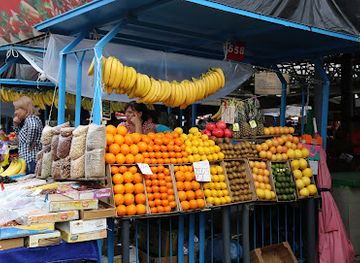
Chisinau Central Market
Discover the heart of Chișinău at Chisinau Central Market, where local flavors, crafts, and vibrant culture come together in a unique shopping experience.
-
Shopping mall
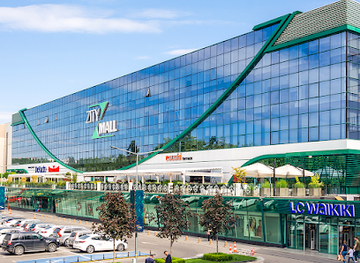
Zity Mall
Discover the vibrant shopping, dining, and entertainment experience at Zity Mall, Chișinău's premier shopping destination.

Get your free copy of our complete guide to Șipot Falls Natural Monument, delivered straight to you.
Everything on this page, from attractions and restaurants to essentials and local phrases, in one PDF you can read offline, print or share.
Already have an account? Sign in
Your Șipot Falls Natural Monument guide is ready.
We'll send it to · Not you? Sign out

Getting your guide ready…
We are putting together a fresh copy of the Șipot Falls Natural Monument guide. This can take up to a minute.
This can take a few moments. If your browser asks, choose Allow so the download can start. You'll find the guide in your Downloads folder.
Nothing happened? Download it again
Sorry, the guide is taking longer than usual. Please try again in a minute, or get it by email instead.
Șipot Falls Natural Monument essentials
Currency and Payment
Safety
Emergency Situations
Do's and Don'ts
Local Tips
From Eve
Local phrases worth knowing
You don't need to get them perfect. A few words go a long way, and locals appreciate the effort.
Basics
| English | Local | Say it |
|---|---|---|
| Hello | Bună ziua | [boo-nuh zee-wah] |
| Goodbye | La revedere | [lah reh-veh-deh-reh] |
| Yes | Da | [dah] |
| No | Nu | [noo] |
| Please/You're welcome | Te rog | [teh rohg] |
| Thank you | Mulțumesc | [mool-tsoo-mesk] |
| Excuse me/Sorry | Scuzați-mă | [skoo-zah-tzuh muh] |
| How are you? | Cum ești? | [coom esh-tee] |
| Fine. And you? | Bine. Și tu? | [bee-neh. shee too] |
| Do you speak English? | Vorbiți engleză? | [vor-beetz en-glez-uh] |
| I don't understand | Nu înțeleg | [noo in-tzel-eg] |
Eating & Drinking
| English | Local | Say it |
|---|---|---|
| I'd like to see the menu, please | Aș dori să văd meniul, vă rog | [ush doh-ree suh vuhd meh-nyool, vuh rohg] |
| I don't eat meat | Nu mănânc carne | [noo muh-nuhnk kahr-neh] |
| Cheers! | Noroc! | [noh-rohk] |
| I would like to pay, please | Aș dori să plătesc, vă rog | [ush doh-ree suh pluh-tesk, vuh rohg] |
Emergencies
| English | Local | Say it |
|---|---|---|
| Help! | Ajutor! | [ah-yoo-tohr] |
| Go away! | Du-te! | [doo-teh] |
| Call the Police! | Sunați poliția! | [soo-nahts po-leet-zee-ah] |
| Call a doctor! | Sunați un doctor! | [soo-nahts oon dok-tohr] |
| I'm lost | M-am rătăcit | [mahm ruh-tuh-cheet] |
| I'm ill | Sunt bolnav | [soont bohl-nav] |
Shopping
| English | Local | Say it |
|---|---|---|
| I'd like to buy... | Aș dori să cumpăr... | [ush doh-ree suh koom-puhr] |
| I'm just looking | Doar mă uit | [dwahr muh oweet] |
| How much is it? | Cât costă? | [kaht kohs-tuh] |
| That's too expensive | Este prea scump | [ehs-teh prah skoomp] |
| Can you lower the price? | Puteți reduce prețul? | [poo-teh-tz reh-doo-cheh preh-tzool] |
Time & Numbers
| English | Local | Say it |
|---|---|---|
| What time is it? | Cât este ora? | [kaht yehs-teh oh-rah] |
| It's one o'clock | Este ora unu | [ehs-teh oh-rah oo-noo] |
| Half past (10) | Zece și jumătate | [zeh-cheh shee joo-muh-tahteh] |
| Morning | Dimineață | [dee-mee-neh-tzuh] |
| Afternoon | După-amiază | [doo-puh ah-mee-ah-zuh] |
| Evening | Seara | [seh-ah-rah] |
| Yesterday | Ieri | [yehr] |
| Today | Astăzi | [ah-stuhz] |
| Tomorrow | Mâine | [mah-ee-neh] |
| 1 | Unu | [oo-noo] |
| 2 | Doi | [doy] |
| 3 | Trei | [treh-ee] |
| 4 | Patru | [pah-troo] |
| 5 | Cinci | [cheen-chee] |
| 6 | Șase | [shah-seh] |
| 7 | Șapte | [shahp-teh] |
| 8 | Opt | [ohpt] |
| 9 | Nouă | [noo-wuh] |
| 10 | Zece | [zeh-cheh] |
Transport & Directions
| English | Local | Say it |
|---|---|---|
| Where's a/the...? | Unde este unul/o... | [oon-deh yehs-teh oo-noo/oh] |
| What's the address? | Care este adresa? | [kah-reh yehs-teh ah-dreh-sah] |
| Can you show me (on the map)? | Puteți să-mi arătați (pe hartă)? | [poo-teh-tz suh-mee ah-ruh-tahtz (peh hahr-tuh)] |
| When's the next (bus)? | Când este următorul (autobuz)? | [kund yehs-teh oor-muh-toh-rool (ow-toh-booz)] |
| A ticket (to ....) | Un bilet (spre ....) | [oon bee-let (spreh)] |
History of Șipot Falls Natural Monument
The Codri Landscape
Șipot Falls lies within the wider cultural and geographical environment of the Codri, Moldova’s central woodland region. The Codri are not a single historical site but a varied landscape of forested ridges, valleys, agricultural clearings and village settlements. Their present appearance reflects both natural relief and centuries of human use, including farming, woodland management and the expansion of rural communities. The small waterfall is part of this landscape rather than an isolated geological spectacle, and its significance comes from the combination of water, rock, woodland and local countryside.
Settlement and Rural Land Use
The village of Vălcineț and the surrounding Călărași area developed within the long-established rural settlement pattern of central Moldova. Communities in this region traditionally depended on arable farming, orchards, livestock and nearby woodland resources, with valleys and springs influencing local movement and land use. The landscape around Șipot Falls therefore has a human history as well as a natural one: cultivated fields, village tracks and managed land occur close to the ravine. No major historic urban centre or monumental architectural complex defines the waterfall itself.
Protection of the Natural Feature
Șipot Falls is recognised in Moldova’s protected natural heritage as a natural monument. This designation reflects the value of conserving a particular natural feature and its immediate environment, rather than creating a large, intensively managed park. Protection is especially relevant at a small waterfall, where trampling, litter, erosion and careless removal of rocks or plants can have a noticeable effect. Visitors encounter the site as a relatively modest rural attraction, and its preservation depends substantially on respectful behaviour and careful use of the surrounding paths.
A Developing Rural Attraction
Interest in Șipot Falls forms part of Moldova’s wider effort to make smaller natural monuments and rural landscapes more visible to visitors. The site remains outside the country’s principal mass-tourism circuit, with limited infrastructure and a stronger connection to local geography than to commercial entertainment. It is most naturally visited as one stop on a countryside journey through central Moldova, alongside villages, woodland scenery and other attractions in the Călărași and Codri area. Conditions and access arrangements may change, so local guidance is useful before setting out.
Șipot Falls Natural Monument in Photos
Browse through our photo collection highlighting the charm and character of the destination.
Cities in Șipot Falls Natural Monument
The towns and cities of Șipot Falls Natural Monument, and the easiest places to base yourself.
-

-

-


Swipe for more cities
Neighbouring destination travel guides
The closest destinations to Șipot Falls Natural Monument, if you have time for more than one.
-

-

-

-

-


Swipe for more destinations
Explore more

Explore more of Ungheni County
Ungheni County combines Prut River landscapes, railway heritage, Moldovan villages and cross-border access to Romania.
Explore Ungheni County
Explore more of Moldova
Discover Moldova: A tranquil haven of rich history, stunning vineyards, and captivating natural landscapes, perfect for an off-the-beaten-path European adventure.
Explore Moldova