

Free Gagauzia Travel Guide & Mobile App
Explore Gagauzia with free travel guides. Discover regional history, expert tips, proposed trips, and audio guides on web or mobile app.


Explore Gagauzia in southern Moldova for Gagauz heritage, wine country, Orthodox culture, rural landscapes and welcoming small-town traditions.
Read more about Gagauzia
When is the best time to visit Gagauzia?
Best: June, August–September · 22–27°C| Month | High (°C) | Rainfall (mm) |
|---|---|---|
| January | 2 | 31 |
| February | 4 | 26 |
| March | 9 | 35 |
| April | 16 | 46 |
| May | 21 | 56 |
| June (best) | 25 | 66 |
| July | 27 | 76 |
| August (best) | 27 | 66 |
| September (best) | 22 | 56 |
| October | 16 | 46 |
| November | 8 | 36 |
| December | 3 | 31 |
Getting to and around Gagauzia
How to get there
Transportation
Best attractions in Gagauzia
Gagauzia’s attractions centre on cultural discovery, rural landscapes and the small-town institutions that explain the region’s identity. In Comrat, museums and cultural centres introduce visitors to Gagauz language, clothing, agriculture, religious life and the history of autonomy, while the town’s cathedral and central streets provide an accessible first orientation. Ceadîr-Lunga offers a different atmosphere, with local cultural sites and an equestrian tradition associated with the town. In the villages, museums, churches, household traditions and agricultural settings are often more significant than formal visitor infrastructure. Vineyards and cellars provide opportunities to learn about southern Moldova’s wine production, usually by prior arrangement. Open country roads, broad Budjak views and the changing colours of cultivated fields are part of the region’s appeal, especially for travellers exploring by car. Visitors interested in living culture may encounter folk music, seasonal celebrations and home cooking through local hosts or cultural organisations. Gagauzia is not defined by a dense concentration of headline attractions; its rewards come from linking several modest sites and allowing time for regional context, conversation and observation.
-
Local history museum
Comrat Regional History Museum
Explore the cultural tapestry of the Gagauz people at the Comrat Regional History Museum, a treasure trove of local history and heritage.

Best landmarks in Gagauzia
Comrat’s Cathedral of St John the Baptist is one of Gagauzia’s most recognisable religious buildings and a visible expression of the region’s Orthodox heritage. The city’s central administrative and cultural buildings are also significant because Comrat functions as the political capital of Moldova’s autonomous Gagauz territory. The Comrat Republic monument and related historical references point to the brief 1906 episode that has become an important symbol in local political memory. In Ceadîr-Lunga, Orthodox churches and the town’s established urban centre reflect the settlement history of southern Bessarabia, while Vulcănești provides a contrasting southern landmark setting shaped by the open Budjak landscape. Beyond built monuments, vineyards, broad steppe horizons and village church silhouettes are important visual markers of Gagauzia. These places matter less for monumental scale than for the way they express the region’s religious, political, agricultural and cultural character within Moldova.
-
Tourist attraction
Gagauzia Flags
Discover the story behind Gagauzia Flags, a symbol of autonomy and cultural identity in the heart of Moldova. Explore Gagauzia's unique heritage.

Explore Gagauzia on the map
Plan your trip on one map. See where the top cities, national parks and sights are, and book hotels and experiences in a few clicks.
Best hotels in Gagauzia
Best restaurants in Gagauzia
Dining in Gagauzia reflects the region’s Gagauz, Moldovan, Balkan and wider Black Sea influences. Meals tend to be substantial and home-style, with meat, grains, filled pastries, soups, preserved vegetables and seasonal produce appearing frequently. Visitors may encounter Gagauz specialities such as kavarma, a slow-cooked meat dish, as well as gözleme-style filled flatbreads, pastries and dishes based on bulgur or other grains; recipes vary between households and communities. Comrat has the broadest choice of cafés and restaurants, while smaller towns offer simpler establishments and local canteens rather than an extensive dining scene. Wine is an important part of southern Moldova’s agricultural culture, and winery visits or tastings are best arranged ahead of time. Markets and food shops are useful for fruit, vegetables, honey, preserves, baked goods and locally produced wine. Do not expect every traditional dish to appear on a permanent menu: some of the most distinctive food experiences depend on seasonal availability or a local invitation.
-
European
Pegas Terrace & Restaurant
Experience authentic Moldavian flavors at Pegas Terrace & Restaurant in Chișinău, where European influences meet local culinary traditions.
-
Country food restaurant
Gagauz Sofrasi
Discover authentic Moldovan flavors at Gagauz Sofrasi—where culinary excellence meets rich cultural heritage.
-
Romanian
Fiesta
Discover authentic Romanian flavors at Fiesta in Avdarma – a culinary delight steeped in tradition and hospitality.
-
Pizza
Pronto Cafe
Experience the best pizza, burgers, and sushi at Pronto Cafe - a culinary haven in Comrat perfect for every foodie.


Best bars in Gagauzia
Nightlife in Gagauzia is relaxed and concentrated mainly in Comrat, with evenings usually organised around cafés, restaurants, wine venues and traditional-style pubs rather than a large club circuit. University life and regional events can bring more activity to Comrat at particular times, but opening arrangements and entertainment programmes are changeable. Ceadîr-Lunga and Vulcănești have smaller evening scenes, where residents are more likely to meet in local cafés, restaurants or informal social settings. Wine is prominent in the region, reflecting southern Moldova’s vineyards, but visitors do not need to drink alcohol to participate in local social life. In villages, evenings are generally quiet, with hospitality, family gatherings and occasional cultural performances more important than late-night venues. Check locally for current music, theatre or festival programmes rather than relying on a fixed nightlife district.
-
Bar
Baltika
Discover the vibrant nightlife of Ceadîr-Lunga at Baltika, where great drinks and lively atmosphere await every visitor.
-
Bar
Liubasha
Discover Liubasha, the lively bar in Chirsova, Moldova, known for its cozy ambiance and diverse drink selection.
-
Bar
Terra
Experience the vibrant nightlife at Terra, Comrat's premier bar offering a delightful range of drinks in a welcoming atmosphere.
-
Hookah bar
Belka Lounge
Experience the vibrant culture of Ceadîr-Lunga at Belka Lounge, your destination for hookah, cocktails, and cozy gatherings.


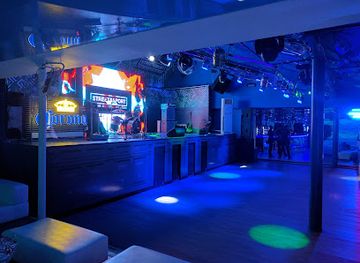
Best nightclubs in Gagauzia
Nightlife in Gagauzia is relaxed and concentrated mainly in Comrat, with evenings usually organised around cafés, restaurants, wine venues and traditional-style pubs rather than a large club circuit. University life and regional events can bring more activity to Comrat at particular times, but opening arrangements and entertainment programmes are changeable. Ceadîr-Lunga and Vulcănești have smaller evening scenes, where residents are more likely to meet in local cafés, restaurants or informal social settings. Wine is prominent in the region, reflecting southern Moldova’s vineyards, but visitors do not need to drink alcohol to participate in local social life. In villages, evenings are generally quiet, with hospitality, family gatherings and occasional cultural performances more important than late-night venues. Check locally for current music, theatre or festival programmes rather than relying on a fixed nightlife district.
-
Night club
Edgo Night Club
Discover the vibrant energy of Edgo Night Club in Chișinău, where unforgettable nights of music, dancing, and fun await you.
-
Bar
Liubasha
Experience the vibrant atmosphere and delightful drinks at Liubasha, the perfect bar in Chirsova, Moldova for relaxation and socializing.
-
Night club
Bora Bora Night Club
Experience the vibrant nightlife of Chișinău at Bora Bora Night Club, where unforgettable memories and lively music await.
-
Night club
Flamingo Night Club
Dive into the lively nightlife at Flamingo Night Club, Chișinău's top destination for music, dance, and unforgettable experiences.



Best shops in Gagauzia
Shopping in Gagauzia is primarily local and practical, with Comrat offering the widest selection of supermarkets, independent shops, market stalls and small specialist retailers. The town’s markets are useful for seasonal fruit, vegetables, honey, preserves, baked goods, nuts and other products from southern Moldova. Ceadîr-Lunga and Vulcănești have more modest high streets and markets, where everyday shopping is more prominent than internationally familiar brands. Visitors looking for regional gifts should consider bottled Moldovan wine, grape products, honey, preserves, embroidered textiles and locally made food, while availability and packaging vary between producers. Gagauz cultural institutions and seasonal events may provide better opportunities for finding traditional crafts or publications than ordinary retail streets. Bargaining should not be assumed in formal shops, although market transactions can be more flexible. Because much of the region is rural, shopping is best approached as a way to encounter local produce and small-scale commerce rather than as a major luxury or designer destination.
-
Home goods store
Kleber
Explore unique home goods and local craftsmanship at Kleber in Ceadîr-Lunga, Moldova - your destination for quality and charm.
-
Winery
Comrat Wines
Experience the rich flavors of Comrat Wines, where exquisite wines meet stunning landscapes and local culinary delights in Moldova.
-
Hardware store
Novâi Dom
Explore Novâi Dom in Ceadîr-Lunga, Moldova: Your destination for local craftsmanship, tools, and unique souvenirs.
-
Variety store
Diva
Discover the charm of Congaz at Diva, a vibrant variety store offering local crafts and unique souvenirs for every traveler.


Get your free copy of our complete guide to Gagauzia, delivered straight to you.
Everything on this page, from attractions and restaurants to essentials and local phrases, in one PDF you can read offline, print or share.
Already have an account? Sign in
Your Gagauzia guide is ready.
We'll send it to · Not you? Sign out

Getting your guide ready…
We are putting together a fresh copy of the Gagauzia guide. This can take up to a minute.
This can take a few moments. If your browser asks, choose Allow so the download can start. You'll find the guide in your Downloads folder.
Nothing happened? Download it again
Sorry, the guide is taking longer than usual. Please try again in a minute, or get it by email instead.
Gagauzia essentials
Currency and Payment
Safety
Emergency Situations
Do's and Don'ts
Local Tips
From Eve
Local phrases worth knowing
You don't need to get them perfect. A few words go a long way, and locals appreciate the effort.
Basics
| English | Local | Say it |
|---|---|---|
| Hello | Merhaba | [Merhaba] |
| Goodbye | Hoşça kal | [Hoshcha kal] |
| Yes | Evet | [Evet] |
| No | Hayır | [Hayir] |
| Please/You're welcome | Lütfen | [Lütfen] |
| Thank you | Teşekkür ederim | [Teshekkur ederim] |
| Excuse me/Sorry | Afedersiniz | [Afedersiniz] |
| How are you? | Nasılsınız? | [Nasilsiniz?] |
| Fine. And you? | İyiyim, ya siz? | [Iyiyim, ya siz?] |
| Do you speak English? | İngilizce konuşuyor musunuz? | [Ingilizce konusuyor musunuz?] |
| I don't understand | Anlamıyorum | [Anlamiyorum] |
Eating & Drinking
| English | Local | Say it |
|---|---|---|
| I'd like to see the menu, please | Menüyü görmek isterim, lütfen | [Menuyu gormek isterim, lütfen] |
| I don't eat meat | Et yemiyorum | [Et yemiyorum] |
| Cheers! | Şerefe! | [Sherefe!] |
| I would like to pay, please | Ödemek isterim, lütfen | [Odemek isterim, lütfen] |
Emergencies
| English | Local | Say it |
|---|---|---|
| Help! | Yardım! | [Yardim!] |
| Go away! | Defol! | [Defol!] |
| Call the Police! | Polisi arayın! | [Polisi arayin!] |
| Call a doctor! | Bir doktor çağırın! | [Bir doktor cagirin!] |
| I'm lost | Kayboldum | [Kayboldum] |
| I'm ill | Hastayım | [Hastayim] |
Shopping
| English | Local | Say it |
|---|---|---|
| I'd like to buy... | Satın almak istiyorum... | [Satin almak istiyorum...] |
| I'm just looking | Sadece bakıyorum | [Sadece bakiyorum] |
| How much is it? | Bu ne kadar? | [Bu ne kadar?] |
| That's too expensive | Bu çok pahalı | [Bu cok pahali] |
| Can you lower the price? | Fiyatı düşürebilir misiniz? | [Fiyati dusurebilir misiniz?] |
Time & Numbers
| English | Local | Say it |
|---|---|---|
| What time is it? | Saat kaç? | [Saat kac?] |
| It's one o'clock | Saat bir | [Saat bir] |
| Half past (10) | On buçuk | [On buchuk] |
| Morning | Sabah | [Sabah] |
| Afternoon | Öğleden sonra | [Ogleden sonra] |
| Evening | Akşam | [Aksam] |
| Yesterday | Dün | [Dün] |
| Today | Bugün | [Bugün] |
| Tomorrow | Yarın | [Yarin] |
| 1 | Bir | [Bir] |
| 2 | İki | [Iki] |
| 3 | Üç | [Uc] |
| 4 | Dört | [Dört] |
| 5 | Beş | [Bes] |
| 6 | Altı | [Alti] |
| 7 | Yedi | [Yedi] |
| 8 | Sekiz | [Sekiz] |
| 9 | Dokuz | [Dokuz] |
| 10 | On | [On] |
Transport & Directions
| English | Local | Say it |
|---|---|---|
| Where's a/the...? | Nerede...? | [Nerede...?] |
| What's the address? | Adres nedir? | [Adres nedir?] |
| Can you show me (on the map)? | Bana (haritada) gösterebilir misiniz? | [Bana (haritada) gosterebilir misiniz?] |
| When's the next (bus)? | Sonraki (otobüs) ne zaman? | [Sonraki (otobus) ne zaman?] |
| A ticket (to ....) | Bir bilet (.... için) | [Bir bilet (.... icin)] |
History of Gagauzia
Gagauz Settlement in Bessarabia, Late Eighteenth and Nineteenth Centuries
The Gagauz are a Turkic-speaking people whose historic roots are associated with the Balkans and the Orthodox Christian world. Following the Russo-Turkish conflicts and the movement of populations from Ottoman-controlled territories, Gagauz communities became established in Bessarabia, particularly across the southern steppe. Their settlements developed among other Moldovan, Bulgarian, Ukrainian, Russian and Jewish communities, creating the mixed cultural environment that still characterises the area. Farming, livestock raising and village institutions became the foundations of local life, while the Gagauz language and Orthodox faith remained central markers of communal identity.
Bessarabia under the Russian Empire, 1812–1917
After the Russian Empire annexed eastern Moldavia, known as Bessarabia, in 1812, southern settlements were drawn into imperial administrative, military and economic networks. New roads, markets and agricultural patterns connected the Budjak more closely with imperial towns and ports, although rural life remained dominated by farming. The region’s population became increasingly diverse, and Russian administrative influence left a lasting linguistic and institutional legacy. The later towns of Comrat, Ceadîr-Lunga and Vulcănești grew within this broader Bessarabian setting rather than as isolated Gagauz centres.
The Comrat Republic of 1906
In the upheavals of the Russian Revolution of 1905, unrest reached Comrat and surrounding parts of southern Bessarabia. Local activists briefly proclaimed what became known as the Comrat Republic, challenging imperial authority and expressing demands for political and social change. The episode was short-lived, but it acquired lasting symbolic importance in Gagauz historical memory. It is remembered not as the creation of a durable state, but as an early expression of local political mobilisation and of Comrat’s role as a regional centre.
Romanian and Soviet Administrations, 1918–1991
After the First World War, Bessarabia became part of Romania, and the southern settlements experienced changes in administration, education and language policy. Soviet rule returned during the Second World War and subsequently incorporated the area into the Moldavian Soviet Socialist Republic. Collectivised agriculture, state planning and Soviet schooling transformed village economies, while Russian became especially influential in public life. Industrial and agricultural development brought new institutions to the towns, but also contributed to the erosion of some traditional practices. The multilingual character of Gagauz society was reshaped rather than erased.
The Formation of Gagauz Autonomy, 1990–1994
As the Soviet Union weakened and Moldova moved towards independence, political tensions grew over language, statehood and the future status of Gagauz-populated districts. Local authorities declared a Gagauz republic in 1990, although the declaration was not internationally recognised and the dispute was ultimately resolved through negotiation rather than war. Moldova’s parliament adopted the legal framework for the Autonomous Territorial Unit of Gagauzia in 1994. Comrat became its administrative capital, with elected regional institutions and recognised rights concerning Gagauz language and cultural development within the Republic of Moldova.
Contemporary Gagauz Cultural Renewal
Since autonomy was established, Gagauzia has worked to maintain Gagauz language, folklore, music, religious traditions and historical memory while participating in Moldova’s wider political and economic life. Museums, cultural centres, schools and local festivals have become important places for transmitting identity, although migration and demographic change present continuing challenges. Agriculture, viticulture and small-scale trade remain significant, while Comrat has developed as the region’s administrative, educational and cultural hub. Modern Gagauz identity is therefore shaped by both inherited traditions and the pressures of a mobile, multilingual society.
Gagauzia in Photos
Browse through our photo collection highlighting the charm and character of the destination.
Neighbouring regions of Gagauzia
The closest regions to Gagauzia, if you have time for more than one.
-

-

-

-

-


Swipe for more regions
Explore more

Explore more of Moldova
Discover Moldova: A tranquil haven of rich history, stunning vineyards, and captivating natural landscapes, perfect for an off-the-beaten-path European adventure.
Explore Moldova