

Free Lăpușna County Travel Guide & Mobile App
Explore Lăpușna County with free travel guides. Discover regional history, expert tips, proposed trips, and audio guides on web or mobile app.


Discover the scenic landscapes, rich cultural heritage, and renowned vineyards of Lăpușna County, a hidden gem in the heart of Moldova.
Read more about Lăpușna County
When is the best time to visit Lăpușna County?
Best: June–August · 25–27°C| Month | High (°C) | Rainfall (mm) |
|---|---|---|
| January | 1 | 25 |
| February | 3 | 25 |
| March | 9 | 30 |
| April | 15 | 36 |
| May | 21 | 45 |
| June (best) | 25 | 56 |
| July (best) | 27 | 50 |
| August (best) | 26 | 45 |
| September | 21 | 40 |
| October | 15 | 35 |
| November | 8 | 30 |
| December | 3 | 25 |
Getting to and around Lăpușna County
How to get there
Transportation
Top city travel guides in Lăpușna County
The cities of Lăpușna County, and the easiest places to base yourself.

Swipe for more cities
Destinations in Lăpușna County
Resorts, valleys and scenic spots worth a trip of their own.
-

-

-

-

-

-


Swipe for more destinations
Best attractions in Lăpușna County
Lăpușna County in Moldova offers a rich tapestry of experiences for visitors, blending captivating history with stunning natural beauty. Wander through the quaint villages and discover centuries-old monasteries like Hâncu Monastery, renowned for its serene ambience and striking architecture. Nature enthusiasts will be mesmerized by the Codru Nature Reserve, home to a diverse range of flora and fauna, and perfect for hiking and bird-watching. Don't miss the historical Lăpușna Fortress, a medieval stronghold that offers a glimpse into Moldova's past. The local markets brim with artisanal crafts and traditional Moldovan cuisine, providing an authentic taste of regional culture. Whether you're exploring ancient ruins, trekking through lush forests, or savoring local delicacies, Lăpușna County promises an unforgettable adventure.
-
Historical landmark
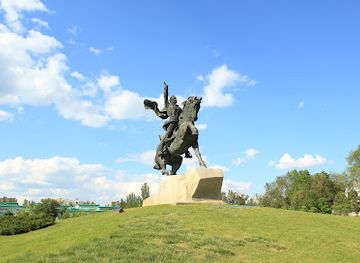
Suvorov Monument
Discover the Suvorov Monument in Tiraspol, a remarkable historical landmark honoring General Suvorov, surrounded by beautiful gardens and rich culture.
-
Archaeological museum
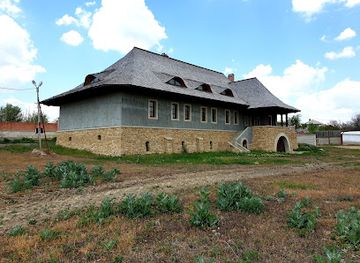
Conacul Domnesc Lapusna
Explore Conacul Domnesc Lapusna: a captivating archaeological museum revealing Moldova's rich history through ancient artifacts and cultural treasures.
-
Tourist attraction
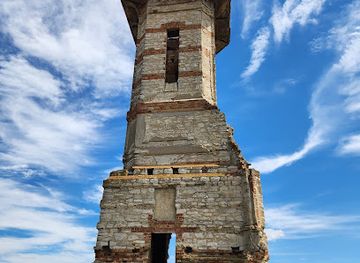
Conacul lui Uvaliu
Explore Conacul lui Uvaliu, a historical mansion in Moldova that showcases the region's rich culture and breathtaking architectural beauty.
-
Tourist attraction
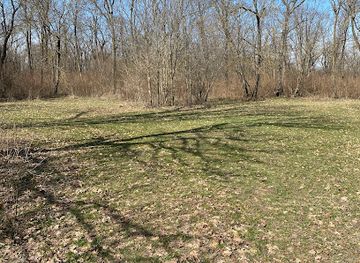
La Poianna
Discover La Poianna, a scenic tourist attraction in Moldova, where nature and culture collide in a serene and welcoming environment.
Best landmarks in Lăpușna County
Lăpușna County, a hidden gem in Moldova, offers a captivating blend of history and natural beauty that is sure to enchant visitors. Discover the medieval charm of the Hâncu Monastery, nestled in lush forests and known for its serene atmosphere and stunning architecture. Dive into the past at the Orheiul Vechi Archaeological Complex, where ancient cave monasteries and fortresses offer a glimpse into the lives of early settlers. Wander through the picturesque Codru Nature Reserve, home to diverse flora and fauna, perfect for nature enthusiasts. Visit the historic town of Hîncești, with its elegant Manuc Bei Mansion, a testament to 19th-century aristocratic life. Lăpușna County's blend of historical sites and natural wonders makes it a must-visit destination for any traveler.
-
Market
Chisinau Central Market
Experience the vibrant heart of Moldovan commerce and culture at Chisinau's Central Market, a historic bazaar brimming with local goods and flavors.
-
Park
Dendrariu Park
Discover a thousand shades of green in Chișinău's Dendrariu Park, a peaceful escape and botanical treasure in the heart of the city.
-
 Monument
The Triumphal Arch
Discover Chișinău's Triumphal Arch: A neoclassical monument commemorating historical victories and showcasing the city's rich cultural heritage.
-
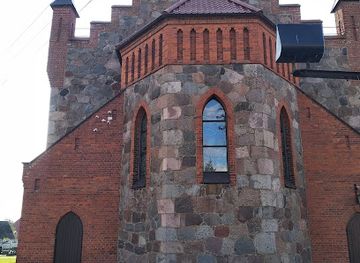
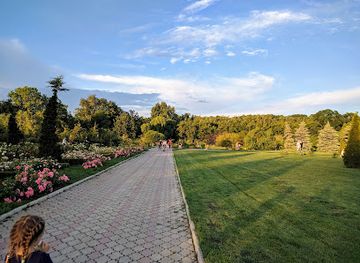

Explore Lăpușna County on the map
Plan your trip on one map. See where the top cities, national parks and sights are, and book hotels and experiences in a few clicks.
Best hotels in Lăpușna County
Best restaurants in Lăpușna County
Lăpușna County's dining scene is a delightful journey through Moldova's rich culinary tapestry, with its charming blend of rustic traditions and modern touches. Visitors can expect to savor hearty dishes like mămăligă (cornmeal porridge) served with brined cheese or sour cream, and sarmale (cabbage rolls) filled with a mixture of rice and minced meat. Local eateries often celebrate farm-to-table dining, offering fresh produce and locally sourced meats that highlight the region's agricultural heritage. For those with a sweet tooth, the honey-drenched desserts and pastries, such as plăcinte (stuffed pastries), are a must-try. Additionally, the region is dotted with quaint wine cellars and vineyards, inviting guests to sample exquisite Moldovan wines that have been perfected over centuries. From cozy family-run taverns to sophisticated restaurants, Lăpușna County offers a culinary experience that is both authentic and unforgettable.
-
European
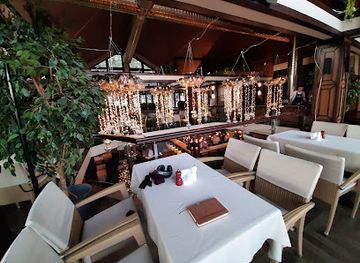
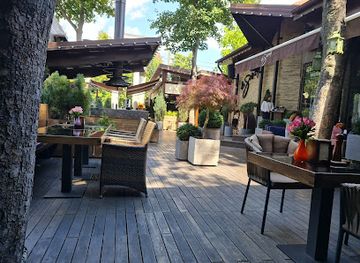
Pegas Terrace & Restaurant
Experience the best of European cuisine at Pegas Terrace & Restaurant in Chișinău with breathtaking views and exquisite flavors.
-
French
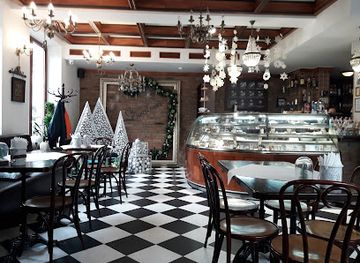
Crème de la Crème
Discover the charm of French cuisine at Crème de la Crème in Chișinău - where every bite tells a story.
-
Winery
ASCONI Winery
Experience the exquisite flavors of Moldova at ASCONI Winery – where exceptional wines meet breathtaking landscapes.
-
Eastern European
La Sarkis
Experience the rich flavors of Eastern European cuisine at La Sarkis, an elegant dining destination in Chișinău.

Best bars in Lăpușna County
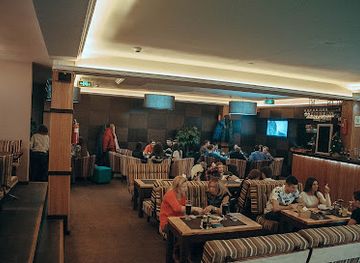
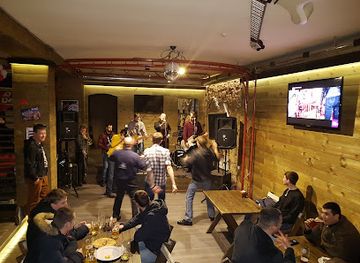
Lăpușna County offers a unique and vibrant nightlife scene that seamlessly blends traditional Moldovan charm with modern entertainment. Visitors can expect to find cozy wine bars where local vintages flow freely, accompanied by soulful folk music that echoes the rich cultural heritage of the region. For those who prefer a more contemporary vibe, there are stylish lounges and nightclubs in Hâncești and nearby towns, featuring local DJs spinning a mix of international hits and regional favorites. The nightlife here is characterized by its warm, welcoming atmosphere, where locals and tourists alike come together to enjoy dance, music, and the famous Moldovan hospitality late into the night.
-
Restaurant
PartyZAN Game Private Club
Experience the ultimate blend of dining and entertainment at PartyZAN Game Private Club in Chișinău, where fun meets flavor in a vibrant setting.
-
Pub
Budweiser Grill & Pub
Discover the vibrant flavors of Chișinău at Budweiser Grill & Pub, where grilled delights meet craft brews in a lively atmosphere.
-
American
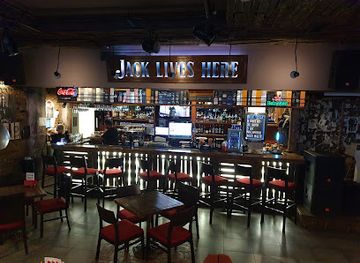
Jack's Bar & Grill
Experience the best of American cuisine and vibrant nightlife at Jack's Bar & Grill, Chișinău's lively culinary hotspot.
-
Brewpub
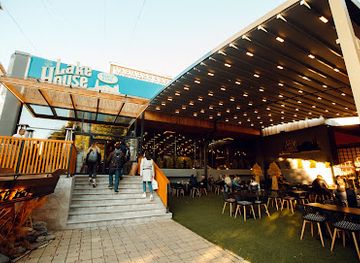
Lake House BrewPub
Experience the vibrant craft beer scene at Lake House BrewPub, where tradition meets innovation in Chișinău's heart.
Best nightclubs in Lăpușna County
Lăpușna County offers a unique and vibrant nightlife scene that seamlessly blends traditional Moldovan charm with modern entertainment. Visitors can expect to find cozy wine bars where local vintages flow freely, accompanied by soulful folk music that echoes the rich cultural heritage of the region. For those who prefer a more contemporary vibe, there are stylish lounges and nightclubs in Hâncești and nearby towns, featuring local DJs spinning a mix of international hits and regional favorites. The nightlife here is characterized by its warm, welcoming atmosphere, where locals and tourists alike come together to enjoy dance, music, and the famous Moldovan hospitality late into the night.
-
Bar
Kira's Club
Experience the vibrant nightlife at Kira's Club in Chișinău - a lively bar with a great atmosphere and delicious drinks.
-
Night club
Edgo Night Club
Experience the vibrant nightlife of Chișinău at Edgo Night Club, where great music and local culture collide.
-
Outdoor swimming pool
FOREST CLUB — Odihnă și Agrement in Republica Moldova
Experience the best of outdoor fun at Forest Club in Moldova, featuring a stunning swimming pool, amusement park, and delightful dining options.
-
Night club
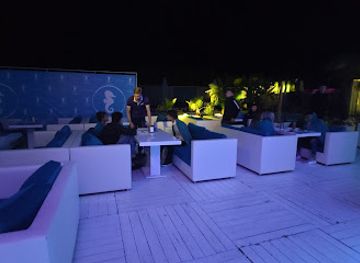
Fanconi Riviera Summer Club
Discover the electrifying nightlife of Chișinău at Fanconi Riviera Summer Club, where unforgettable music and vibrant energy await you.


Best shops in Lăpușna County
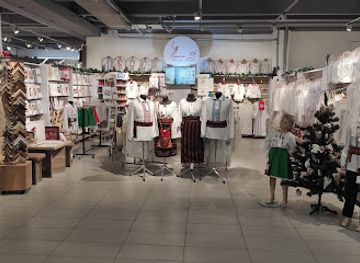
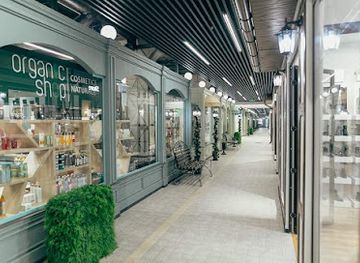
Lăpușna County offers a vibrant and eclectic shopping experience that seamlessly blends traditional Moldovan culture with modern retail. Visitors can meander through bustling local markets like the Hâncești Central Market, where vendors sell handmade crafts, intricate embroidery, and locally produced wines that reflect the region's rich vinicultural heritage. Artisan shops in picturesque villages such as Cărpineni showcase exquisite ceramics and wood carvings, offering unique souvenirs that tell a story of the area's history and craftsmanship. For those seeking more contemporary shopping, the county's main towns feature charming boutiques and specialty stores, providing an array of fashion, jewelry, and gourmet foods. The shopping scene in Lăpușna County is a delightful fusion of old and new, ensuring that every visitor finds something uniquely memorable to take home.
-
Shopping mall
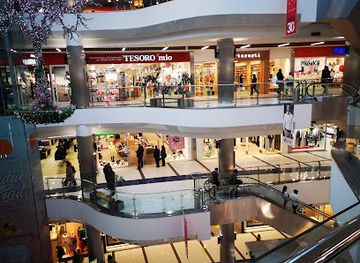
Shopping MallDova
Explore Shopping MallDova in Chișinău - A shopping paradise featuring top brands, delicious dining, and endless entertainment options.
-
Market
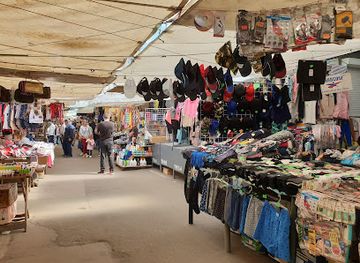
Chisinau Central Market
Explore the vibrant Chisinau Central Market, where fresh produce and local crafts bring the essence of Moldova to life.
-
Shopping mall
Unic
Discover the vibrant shopping scene at Unic, Chișinău's premier mall with local crafts, global brands, and delightful dining options.
-
Shopping mall
Zity Mall
Explore Zity Mall in Chișinău for an unforgettable shopping experience with top brands and local flavors.
Get your free copy of our complete guide to Lăpușna County, delivered straight to you.
Everything on this page, from attractions and restaurants to essentials and local phrases, in one PDF you can read offline, print or share.
Already have an account? Sign in
Your Lăpușna County guide is ready.
We'll send it to · Not you? Sign out

Getting your guide ready…
We are putting together a fresh copy of the Lăpușna County guide. This can take up to a minute.
This can take a few moments. If your browser asks, choose Allow so the download can start. You'll find the guide in your Downloads folder.
Nothing happened? Download it again
Sorry, the guide is taking longer than usual. Please try again in a minute, or get it by email instead.
Lăpușna County essentials
Currency and Payment
Safety
Emergency Situations
Do's and Don'ts
Local Tips
From Eve
Local phrases worth knowing
You don't need to get them perfect. A few words go a long way, and locals appreciate the effort.
Basics
| English | Local | Say it |
|---|---|---|
| Hello | Bună | [Boo-nuh] |
| Goodbye | La revedere | [Lah reh-veh-deh-reh] |
| Yes | Da | [Dah] |
| No | Nu | [Noo] |
| Please/You're welcome | Te rog/Fără probleme | [Teh rog/Fah-rah proh-bleh-meh] |
| Thank you | Mulțumesc | [Mool-tsoo-mesk] |
| Excuse me/Sorry | Scuză-mă | [Skoo-zuh-muh] |
| How are you? | Ce mai faci? | [Cheh my fahch?] |
| Fine. And you? | Bine. Și tu? | [Bee-neh. Shee too?] |
| Do you speak English? | Vorbești engleză? | [Vor-besht een-gleh-zuh?] |
| I don't understand | Nu înțeleg | [Noo uhn-tseh-lehg] |
Eating & Drinking
| English | Local | Say it |
|---|---|---|
| I'd like to see the menu, please | Aș dori să văd meniul, te rog | [Ash doh-ree sah vehd meh-nee-ul, teh rog] |
| I don't eat meat | Nu mănânc carne | [Noo muh-nuhnc kar-neh] |
| Cheers! | Noroc! | [Noh-rok] |
| I would like to pay, please | Aș dori să plătesc, te rog | [Ash doh-ree sah plah-tesk, teh rog] |
Emergencies
| English | Local | Say it |
|---|---|---|
| Help! | Ajutor! | [Ah-joo-tor] |
| Go away! | Du-te! | [Doo-teh!] |
| Call the Police! | Sună Poliția! | [Soo-nah Poh-leet-see-ah!] |
| Call a doctor! | Sună un doctor! | [Soo-nah oon dok-tor!] |
| I'm lost | M-am pierdut | [Mahm pyair-dood] |
| I'm ill | Sunt bolnav | [Soont bohl-nahv] |
Shopping
| English | Local | Say it |
|---|---|---|
| I'd like to buy... | Aș dori să cumpăr... | [Ash doh-ree sah koom-pair...] |
| I'm just looking | Doar mă uit | [Dwar muh uit] |
| How much is it? | Cât costă? | [Koot koh-stah?] |
| That's too expensive | E prea scump | [Eh pree-ah skoomp] |
| Can you lower the price? | Poți să scazi prețul? | [Poh-tsih sah skahz prehts-ul?] |
Time & Numbers
| English | Local | Say it |
|---|---|---|
| What time is it? | Cât e ceasul? | [Koot eh chah-sool?] |
| It's one o'clock | E o oră | [Eh o or-uh] |
| Half past (10) | Jumătate peste (10) | [Joo-muh-tah-teh peh-steh (10)] |
| Morning | Dimineața | [Dee-mee-neh-atz-uh] |
| Afternoon | După-amiază | [Doo-pah-ah-mee-ah-zuh] |
| Evening | Seara | [Sah-rah] |
| Yesterday | Ieri | [Yair] |
| Today | Astăzi | [Ah-stuhz] |
| Tomorrow | Mâine | [Moo-neh] |
| 1 | 1 | [1] |
| 2 | 2 | [2] |
| 3 | 3 | [3] |
| 4 | 4 | [4] |
| 5 | 5 | [5] |
| 6 | 6 | [6] |
| 7 | 7 | [7] |
| 8 | 8 | [8] |
| 9 | 9 | [9] |
| 10 | 10 | [10] |
Transport & Directions
| English | Local | Say it |
|---|---|---|
| Where's a/the...? | Unde este un/ă...? | [Oon-deh yes-teh oon-uh...?] |
| What's the address? | Care este adresa? | [Kah-reh yes-teh ah-dreh-sah?] |
| Can you show me (on the map)? | Poți să-mi arăți (pe hartă)? | [Poh-tsih sahm ah-rah-tsee (peh har-tuh)?] |
| When's the next (bus)? | Când vine următorul (autobuz)? | [Kund vee-neh oor-mah-tor-ul (ow-toh-booz)?] |
| A ticket (to ....) | Un bilet (la ....) | [Oon bee-let (lah ....)] |
History of Lăpușna County
Ancient Beginnings
Lăpușna County has roots that trace back to ancient times, with evidence of human habitation dating back to the Neolithic era. Archaeological findings, including tools and pottery, suggest that the area was a thriving hub for early settlers who took advantage of the fertile lands and strategic location.
Medieval Era and the Principality of Moldavia
During the medieval period, Lăpușna County became an integral part of the Principality of Moldavia. It was during this time that fortifications and monasteries began to dot the landscape, serving both as defensive structures and as centers of religious and cultural life. The region's strategic position made it a focal point in various military and political conflicts.
Ottoman Influence
In the 16th century, Lăpușna County, along with the rest of Moldavia, came under the suzerainty of the Ottoman Empire. This period saw significant changes in the region's administrative structure and economic conditions. The influence of Ottoman culture can still be seen in some architectural styles and local customs.
Russian Empire Annexation
The early 19th century marked a significant shift for Lăpușna County as it was annexed by the Russian Empire following the Treaty of Bucharest in 1812. This brought about a new wave of administrative changes and economic development, including the establishment of new towns and infrastructure improvements.
Interwar Period
After World War I, Lăpușna County became part of Greater Romania. This period was marked by efforts to modernize the region, with investments in education, healthcare, and infrastructure. The interwar years also saw a flourishing of cultural activities, with local traditions being celebrated and preserved.
Soviet Era
Following World War II, Lăpușna County was incorporated into the Soviet Union as part of the Moldavian SSR. The Soviet period brought about extensive industrialization and collectivization, transforming the region's agricultural and economic landscape. Despite the political repression, this era also saw improvements in literacy and public health.
Post-Independence Transformation
With the dissolution of the Soviet Union in 1991, Lăpușna County became part of the newly independent Republic of Moldova. The subsequent years have been a time of significant transition, with efforts to establish a market economy and integrate into European structures. The county has seen a revival of cultural heritage and traditions, alongside modern development.
Lăpușna County in Photos
Browse through our photo collection highlighting the charm and character of the destination.
Neighbouring regions of Lăpușna County
The closest regions to Lăpușna County, if you have time for more than one.
-

-

-

-

-


Swipe for more regions
Explore more

Explore more of Moldova
Discover Moldova: A tranquil haven of rich history, stunning vineyards, and captivating natural landscapes, perfect for an off-the-beaten-path European adventure.
Explore Moldova