

Free Tighina County Travel Guide & Mobile App
Explore Tighina County with free travel guides. Discover regional history, expert tips, proposed trips, and audio guides on web or mobile app.


Explore historic Căușeni, Dniester landscapes, Moldovan wine country and the complex heritage of Tighina County in south-eastern Moldova.
Read more about Tighina County
When is the best time to visit Tighina County?
Best: June, August–September · 22–27°C| Month | High (°C) | Rainfall (mm) |
|---|---|---|
| January | 2 | 25 |
| February | 3 | 25 |
| March | 9 | 30 |
| April | 15 | 40 |
| May | 21 | 50 |
| June (best) | 25 | 60 |
| July | 27 | 50 |
| August (best) | 27 | 40 |
| September (best) | 22 | 30 |
| October | 16 | 30 |
| November | 9 | 25 |
| December | 3 | 25 |
Getting to and around Tighina County
How to get there
Transportation
Top city travel guides in Tighina County
The cities of Tighina County, and the easiest places to base yourself.
-

-


Swipe for more cities
Destinations in Tighina County
Resorts, valleys and scenic spots worth a trip of their own.
-

-

-


Swipe for more destinations
Best attractions in Tighina County
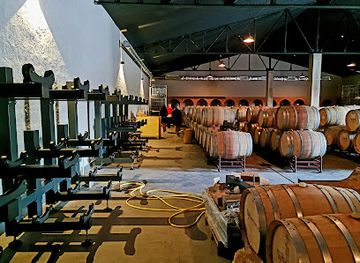
The former Tighina County offers a varied but dispersed set of attractions. Căușeni's Church of the Assumption of the Virgin Mary is the principal accessible heritage site, combining an understated exterior with a remarkable painted interior. Wine tourism is another major draw, particularly around Purcari, where vineyard landscapes and cellar visits illustrate Moldova's long agricultural tradition. The lower Dniester countryside brings open fields, orchards, villages and river habitats suited to scenic drives, birdwatching and low-key rural exploration. Bender Fortress is the region's most famous historic attraction, but it lies in territory controlled de facto by the Transnistrian administration, making access and practical arrangements different from those in the rest of Moldova. The former county is not a densely packed sightseeing destination: its appeal lies in combining a small number of significant monuments with wine, landscape and the experience of a historically contested borderland. Independent travellers should check the status, opening arrangements and photography rules of each site before setting out.
-
Memorial park
Eroii Patriei Park
Discover the serene beauty and historical significance of Eroii Patriei Park, a memorial park in Chișinău, ideal for reflection and relaxation.
-
Tourist attraction
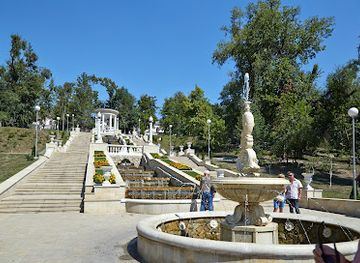
Cascade Stairs
Explore the stunning Cascade Stairs in Chișinău, Moldova – a breathtaking blend of nature, architecture, and panoramic city views.
-
Park
Râșcani Park
Discover the serene beauty of Râșcani Park in Chișinău, a lush escape ideal for picnics, strolls, and family outings amidst nature's tranquility.
-
Park
Park Museum of Technology
Explore the Park Museum of Technology in Chișinău, where innovation meets nature in a unique educational experience.

Best landmarks in Tighina County
Bender Fortress is the defining landmark of the historical region: its Ottoman walls and defensive position beside the Dniester reflect the military importance of the river corridor. It stands in Bender, a city under de facto Transnistrian administration, so its political setting is inseparable from its historical significance. In Căușeni, the Church of the Assumption of the Virgin Mary is a less imposing but particularly valuable landmark, distinguished by its partly sunken design and surviving religious paintings. The Dniester itself is the region's principal natural landmark, forming a broad geographical and historical axis through settlements, farmland and frontier landscapes. Around Ștefan Vodă and Purcari, vineyard-covered slopes and open agricultural horizons provide a cultivated landscape rather than a dramatic mountain panorama, but they are central to the area's identity. The combination of fortress, church, river and vineyards reflects the region's successive Ottoman, Moldavian, imperial, Soviet and contemporary influences.
-
Park
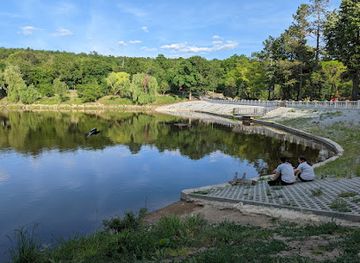
Rose Valley Park
Explore the tranquil beauty of Rose Valley Park in Chișinău, Moldova, where nature and serenity blend harmoniously.
-
Botanical garden
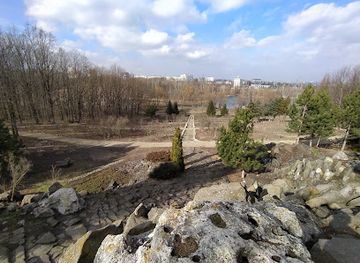
Alexandru Ciubotaru National Botanical Garden
Discover a verdant paradise in Chișinău: Explore diverse plant collections, serene landscapes, and unique flora at the National Botanical Garden.
-
 Monument
The Triumphal Arch
Discover Chișinău's Triumphal Arch: A symbol of victory and national pride, reflecting Moldova's rich history and cultural heritage.
-
Memorial park
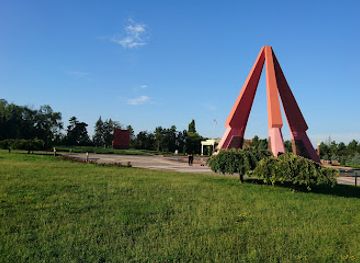
Eternity Memorial Complex
Pay tribute to fallen heroes at Chișinău's Eternity Memorial Complex, a solemn and historically significant war memorial with an eternal flame.
Explore Tighina County on the map
Plan your trip on one map. See where the top cities, national parks and sights are, and book hotels and experiences in a few clicks.
Best hotels in Tighina County
Best restaurants in Tighina County
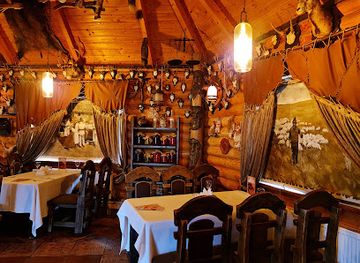
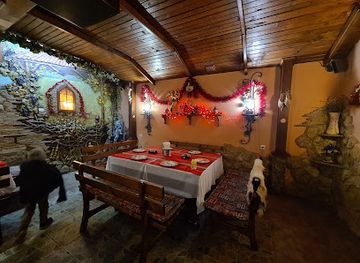
Dining in the accessible parts of former Tighina County is rooted in Moldovan home cooking and the produce of the lower Dniester plain. Restaurants, village eateries and family kitchens commonly draw on seasonal vegetables, soups, grilled meats, placinte pastries and mamaliga, while local markets provide fruit, preserves and farm products. Căușeni offers the broadest choice of cafés and straightforward restaurants, whereas rural areas tend to have fewer formal dining options and may require advance arrangements. Wine is central to the region's culinary identity, with Purcari and other southern vineyards pairing tastings with local food in an agricultural setting. Menus may also reflect the wider multilingual and multicultural history of south-eastern Moldova, including Russian and Ukrainian influences. In smaller settlements, carrying snacks and water is sensible, and visitors should not expect late-night service or extensive vegetarian choices everywhere.
-
European
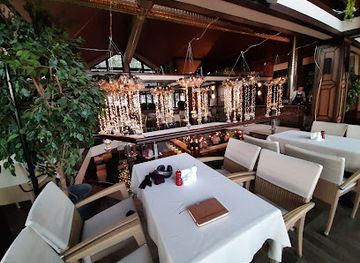
Pegas Terrace & Restaurant
Experience authentic European cuisine at Pegas Terrace & Restaurant in Chișinău, where stunning views meet culinary excellence.
-
French
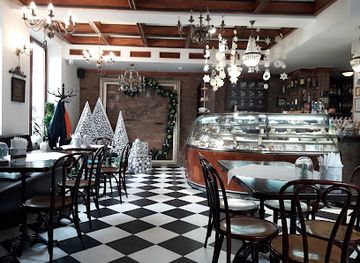
Crème de la Crème
Discover the charm of French cuisine at Crème de la Crème in Chișinău—where every meal is an exquisite delight.
-
Restaurant
Poiana Bradului Complex Hotelier & Restaurant
Experience authentic Moldovan cuisine surrounded by breathtaking nature at Poiana Bradului Complex Hotelier & Restaurant.
-
Bulgarian
Gök-Oguz
Discover authentic Bulgarian flavors at Gök-Oguz in Chișinău—home to mouthwatering mutton barbecue and delightful Eastern European cuisine.
Best bars in Tighina County
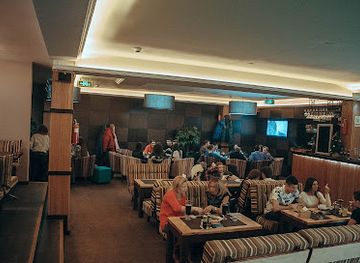
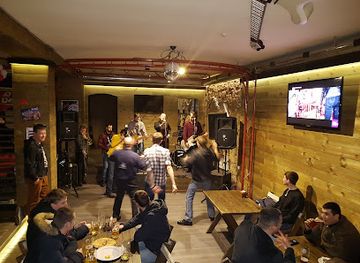
Nightlife in the former Tighina County is modest and concentrated in Căușeni, Bender and other larger settlements rather than organised around a major club scene. In Căușeni, evening life generally centres on cafés, restaurants and small bars where residents meet for conversation, tea or locally produced wine. Winery visits near Purcari provide a more structured evening experience, but tastings normally require prior booking and are not a substitute for late-night entertainment. Bender has a separate urban nightlife environment shaped by its Transnistrian administration, with local rules and payment arrangements that visitors should verify in advance. Rural villages become quiet after dark, and roads, taxis and public transport can be limited. Live music and seasonal celebrations may occur, but current events and opening arrangements should be checked locally rather than assumed.
-
Restaurant
PartyZAN Game Private Club
Experience the ultimate blend of dining, games, and entertainment at PartyZAN Game Private Club in Chișinău, Moldova.
-
Pub
Budweiser Grill & Pub
Experience the vibrant atmosphere of Budweiser Grill & Pub, where delicious grilled dishes and local brews come together in the heart of Chișinău.
-
American
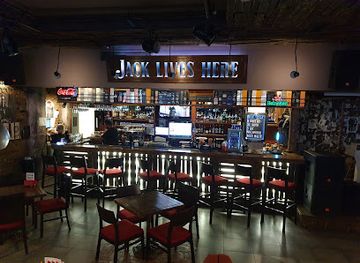
Jack's Bar & Grill
Experience the vibrant flavors of America at Jack's Bar & Grill in Chișinău, where delicious food meets lively nightlife.
-
Pub
Vdrovapub
Discover Vdrovapub: the ultimate hotspot in Chișinău for craft beer, gourmet food, and live rock music in a cozy pub atmosphere.
Best nightclubs in Tighina County
Nightlife in the former Tighina County is modest and concentrated in Căușeni, Bender and other larger settlements rather than organised around a major club scene. In Căușeni, evening life generally centres on cafés, restaurants and small bars where residents meet for conversation, tea or locally produced wine. Winery visits near Purcari provide a more structured evening experience, but tastings normally require prior booking and are not a substitute for late-night entertainment. Bender has a separate urban nightlife environment shaped by its Transnistrian administration, with local rules and payment arrangements that visitors should verify in advance. Rural villages become quiet after dark, and roads, taxis and public transport can be limited. Live music and seasonal celebrations may occur, but current events and opening arrangements should be checked locally rather than assumed.
-
Night club
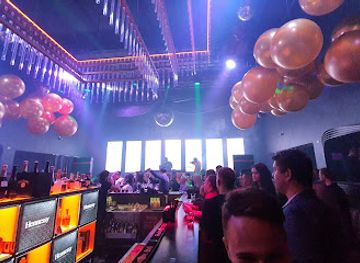
Edgo Night Club
Experience the vibrant nightlife at Edgo Night Club, Chișinău's ultimate destination for dancing, music, and unforgettable nights out.
-
Night club
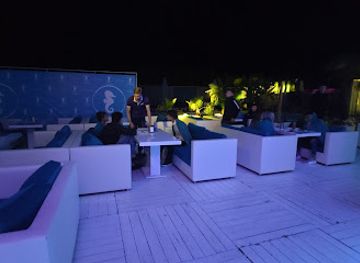
Fanconi Riviera Summer Club
Discover the dynamic nightlife of Chișinău at Fanconi Riviera Summer Club, where great music and a vibrant atmosphere await.
-
Night club
Hype
Experience the electrifying nightlife at Hype Night Club in Chișinău, where music, dance, and fun come alive in an unforgettable atmosphere.
-
Night club
Up & Down Club
Discover the vibrant nightlife at Up & Down Club, a premier destination in Chișinău for unforgettable entertainment and electrifying dance vibes.


Best shops in Tighina County
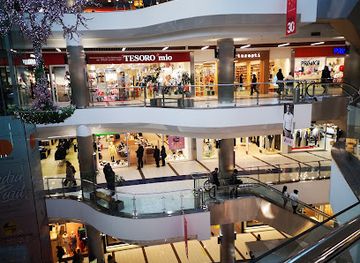
Shopping in the former Tighina County is primarily local and practical rather than centred on large retail districts. Căușeni's shops and markets are the best places to look for seasonal fruit, vegetables, preserves, honey, baked goods and everyday Moldovan products. Winery visits around Purcari offer opportunities to buy bottled wine directly from an established producer, subject to current visitor arrangements and transport considerations. Small-town markets can also carry household goods, clothing and regional produce, while rural roadside stalls appear seasonally rather than according to a dependable tourist timetable. Traditional embroidered textiles, ceramics and food products may be available through local craft or cultural organisations, but selection varies. Bender has its own retail system and payment practices under the Transnistrian administration, so visitors should not assume that shops there follow the same currency or card arrangements as those in Căușeni. Carrying reusable bags and modest cash remains useful outside the main towns.
-
Shopping mall
Shopping MallDova
Discover a vibrant shopping experience at Shopping MallDova in Chișinău, featuring diverse shops, delicious dining, and exciting entertainment options.
-
Shopping mall
Zity Mall
Discover Zity Mall in Chișinău, a vibrant shopping destination featuring diverse stores, delicious dining, and entertaining experiences for every tourist.
-
Fortress
Tighina Fortress
Discover the enchanting Tighina Fortress in Bender, Moldova, a historical landmark steeped in rich culture and stunning architecture.
-
Winery
Et Cetera
Discover the art of winemaking at Et Cetera, a picturesque winery in Moldova's Crocmaz, where local flavors and stunning landscapes unite.

Get your free copy of our complete guide to Tighina County, delivered straight to you.
Everything on this page, from attractions and restaurants to essentials and local phrases, in one PDF you can read offline, print or share.
Already have an account? Sign in
Your Tighina County guide is ready.
We'll send it to · Not you? Sign out

Getting your guide ready…
We are putting together a fresh copy of the Tighina County guide. This can take up to a minute.
This can take a few moments. If your browser asks, choose Allow so the download can start. You'll find the guide in your Downloads folder.
Nothing happened? Download it again
Sorry, the guide is taking longer than usual. Please try again in a minute, or get it by email instead.
Tighina County essentials
Currency and Payment
Safety
Emergency Situations
Do's and Don'ts
Local Tips
From Eve
Local phrases worth knowing
You don't need to get them perfect. A few words go a long way, and locals appreciate the effort.
Basics
| English | Local | Say it |
|---|---|---|
| Hello | Bună | [Boo-nuh] |
| Goodbye | La revedere | [Lah reh-veh-deh-reh] |
| Yes | Da | [Dah] |
| No | Nu | [Noo] |
| Please/You're welcome | Te rog/ Cu plăcere | [Teh rohg/ Koo plah-cheh-reh] |
| Thank you | Mulțumesc | [Mool-tsoo-mesk] |
| Excuse me/Sorry | Scuză-mă | [Skoo-zah-muh] |
| How are you? | Ce mai faci? | [Cheh my fahch?] |
| Fine. And you? | Bine. Și tu? | [Bee-neh. Shee too?] |
| Do you speak English? | Vorbești engleză? | [Vor-besht eng-leh-zah?] |
| I don't understand | Nu înțeleg | [Noo in-tzeh-lehg] |
Eating & Drinking
| English | Local | Say it |
|---|---|---|
| I'd like to see the menu, please | Aș dori să văd meniul, vă rog | [Ash doh-ree sah vehd meh-nee-ul, vah rohg] |
| I don't eat meat | Nu mănânc carne | [Noo muh-nuhnk kar-neh] |
| Cheers! | Noroc! | [Noh-rock!] |
| I would like to pay, please | Aș dori să plătesc, vă rog | [Ash doh-ree sah plah-tesk, vah rohg] |
Emergencies
| English | Local | Say it |
|---|---|---|
| Help! | Ajutor! | [Ah-zhoo-tor!] |
| Go away! | Du-te! | [Doo-teh!] |
| Call the Police! | Sună Poliția! | [Soo-nah Poh-lee-tsee-ah!] |
| Call a doctor! | Sună un doctor! | [Soo-nah oon dock-tor!] |
| I'm lost | Sunt pierdut | [Sunt pee-er-doot] |
| I'm ill | Sunt bolnav | [Sunt bol-nahv] |
Shopping
| English | Local | Say it |
|---|---|---|
| I'd like to buy... | Aș dori să cumpăr... | [Ash doh-ree sah koom-pair...] |
| I'm just looking | Mă uit doar | [Mah oot doar] |
| How much is it? | Cât costă? | [Cuht koh-stah?] |
| That's too expensive | E prea scump | [Eh preh skoomp] |
| Can you lower the price? | Poți să scazi prețul? | [Poh-tsi sah skahz preh-tzul?] |
Time & Numbers
| English | Local | Say it |
|---|---|---|
| What time is it? | Ce oră este? | [Cheh oh-rah yeh-steh?] |
| It's one o'clock | Este o oră | [Yeh-steh oh oh-rah] |
| Half past (10) | Jumătate după (10) | [Joo-mah-tah-teh doo-pah (10)] |
| Morning | Dimineața | [Dee-mee-neh-ah-tsah] |
| Afternoon | După-amiază | [Doo-pah-ah-mee-ah-zah] |
| Evening | Seara | [Sear-ah] |
| Yesterday | Ieri | [Yair] |
| Today | Astăzi | [As-tuhz] |
| Tomorrow | Mâine | [Moo-neh] |
| 1 | 1 | [1] |
| 2 | 2 | [2] |
| 3 | 3 | [3] |
| 4 | 4 | [4] |
| 5 | 5 | [5] |
| 6 | 6 | [6] |
| 7 | 7 | [7] |
| 8 | 8 | [8] |
| 9 | 9 | [9] |
| 10 | 10 | [10] |
Transport & Directions
| English | Local | Say it |
|---|---|---|
| Where's a/the...? | Unde este un/a...? | [Oon-deh yeh-steh oon/ah...?] |
| What's the address? | Care este adresa? | [Kah-reh yeh-steh ah-dreh-sah?] |
| Can you show me (on the map)? | Îmi poți arăta (pe hartă)? | [Eem pohts ah-rah-tah (peh hahr-tuh)?] |
| When's the next (bus)? | Când vine următorul (autobuz)? | [Kund vee-neh oor-mah-toh-rool (ow-toh-booz)?] |
| A ticket (to ....) | O bilet (către ....) | [O bee-let (keh-treh ....)] |
History of Tighina County
Early settlements and the Dniester corridor
The lower Dniester basin has long served as a route for settlement, trade and movement between the forest-steppe and the Black Sea world. Archaeological remains across the wider south-eastern Moldovan landscape reflect successive prehistoric communities, while later populations included Getic and other regional groups. The river offered water, fertile land and a navigable corridor, but it also formed a frontier that repeatedly attracted competing powers. This layered past is important to understanding why settlements around present-day Bender, Căușeni and the lower Dniester acquired strategic significance.
Roman, medieval and Moldavian frontier legacies
The region lay beyond the core Roman provincial zone but within a wider frontier influenced by Roman commerce, late antique migrations and the medieval politics of the lower Dniester. During the medieval period, the area became connected with the Principality of Moldavia and with routes linking its interior to river crossings and Black Sea markets. Fortified settlements and ecclesiastical foundations later developed in response to the movement of armies and merchants. Căușeni's historic church preserves one of the clearest architectural expressions of this medieval and early-modern Moldavian inheritance.
Ottoman rule and the rise of Tighina Fortress
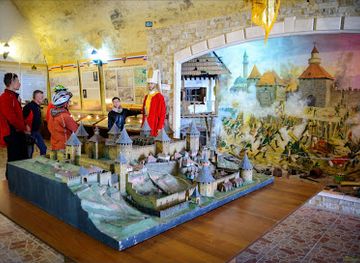
Tighina, known in Romanian as Bender, became a major military position on the Dniester after the Ottoman conquest of the fortress in the sixteenth century. The Ottomans expanded and maintained the stronghold, which guarded an important crossing and helped secure their northern frontier. Its walls, towers and earthworks reflect the strategic demands of an era when Moldavia stood between the Ottoman Empire, the Polish-Lithuanian Commonwealth and expanding Muscovite and Russian power. The fortress remains the region's most recognisable reminder of its imperial frontier history.
Russian imperial administration and the nineteenth century
Following the Russo-Turkish wars, the eastern part of the Principality of Moldavia, including Bender, was incorporated into the Russian Empire in 1812 as part of Bessarabia. Imperial administration altered landholding, military organisation and patterns of migration, while new roads and administrative links connected the Dniester settlements with larger regional centres. Bender developed as a garrison and transport town, and the countryside became increasingly integrated into commercial agriculture. These changes placed the area within the political and economic structures that later shaped modern Moldova.
Bessarabia, Romania and the Soviet transformation
After the First World War, Bessarabia became part of the Kingdom of Romania, and the interwar administrative system included Tighina County, whose centre was Căușeni. The Second World War brought repeated changes of rule, followed by incorporation into the Moldavian Soviet Socialist Republic. Soviet policies transformed agriculture through collectivisation, expanded industrial and transport infrastructure, and encouraged Russian-language administration and urban growth, especially around Bender. The period also left a complex demographic and political legacy that remains visible in the region's language, institutions and contested historical narratives.
The Transnistrian conflict and the end of the county system
Tensions between Moldova's authorities and the separatist administration in Transnistria escalated after the dissolution of the Soviet Union and led to armed conflict in 1992. Bender was one of the principal centres of fighting, and the city and nearby settlements subsequently came under de facto Transnistrian control, although their status remains internationally unresolved. Moldova briefly restored a county system in 1998, creating Tighina County, but returned to districts in 2003. The former county therefore survives mainly as a historical and geographical reference rather than a current administrative destination.
Tighina County in Photos
Browse through our photo collection highlighting the charm and character of the destination.
Neighbouring regions of Tighina County
The closest regions to Tighina County, if you have time for more than one.
-

-

-

-

-


Swipe for more regions
Explore more

Explore more of Moldova
Discover Moldova: A tranquil haven of rich history, stunning vineyards, and captivating natural landscapes, perfect for an off-the-beaten-path European adventure.
Explore Moldova