
Columbia Falls, Montana Travel Guide
Discover Columbia Falls, Montana: Your gateway to Glacier National Park, offering stunning landscapes, rich local culture, and endless outdoor recreation opportunities.
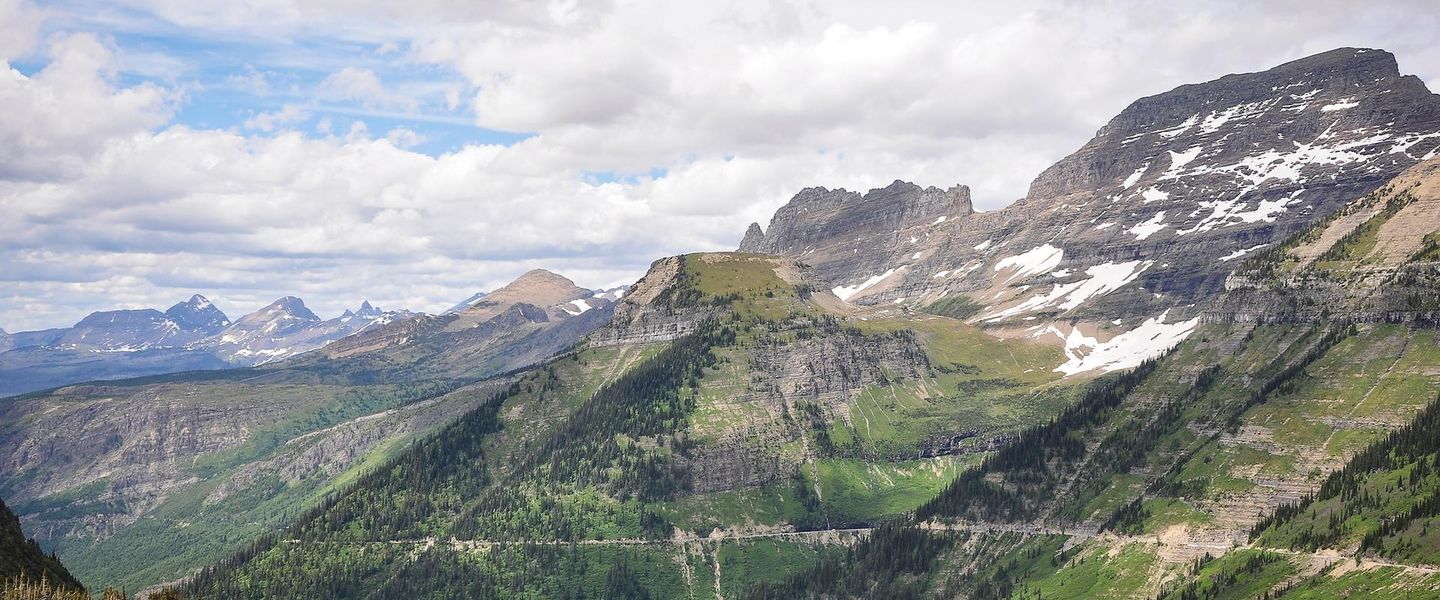
Nestled in the picturesque Flathead Valley, Columbia Falls is a charming town in Montana that serves as a prime gateway to the stunning Glacier National Park. Surrounded by breathtaking mountain views, dense forests, and the serene Flathead River, this city offers a strong sense of community and a deep connection to nature. Whether you are an adventure seeker or someone looking to unwind, Columbia Falls has something for everyone. The town is home to friendly locals, quaint shops, and a selection of restaurants that serve up hearty Montana cuisine. Don’t miss the weekly farmers' market, where you can experience the local culture and taste fresh, regional produce. For those interested in history, the town has several landmarks and museums that offer a glimpse into its past and the pioneering spirit of its early settlers. Outdoor enthusiasts will find Columbia Falls a paradise, with easy access to hiking, fishing, and wildlife watching. In the summer, you can take a scenic drive or bike ride through the lush landscapes, while in the winter, the nearby ski resorts provide excellent opportunities for snow sports. Its proximity to Glacier National Park makes it an excellent base for exploring the park's awe-inspiring glaciers, lakes, and diverse wildlife.

Know before you go
Hi, I'm Eve. Here are a few practical things to know before exploring Columbia Falls.
- Visit during the summer or early fall for the best weather and access to outdoor activities.
- Take advantage of the free shuttle service to Glacier National Park available during peak season.
- Check out the Columbia Falls Farmers' Market on Thursdays for local crafts and fresh produce.
- Don't forget to pack layers, as weather can change quickly in mountainous regions.
- Book accommodations in advance, especially during peak tourist season, to ensure availability.
Explore Columbia Falls: Things to Do, Places to Eat, Hotels & More
Handpicked recommendations for top attractions, local dining, accommodations, and more

Best attractions in Columbia Falls
Top-rated picks
Best Attractions

Apgar Visitor Center
Discover the natural beauty of Glacier National Park at the Apgar Visitor Center, your essential resource for adventure and exploration.

Glacier Raft Company
Experience the thrill of rafting in the stunning landscapes of Glacier National Park with Glacier Raft Company in West Glacier, Montana.

Lone Pine State Park
Discover Lone Pine State Park: A natural wonder in Kalispell, Montana, where stunning views and outdoor adventures await.

Sacred Waters Brewing Company
Discover the finest craft beers at Sacred Waters Brewing Company in Kalispell, Montana, where community meets exceptional brewing.

Best landmarks in Columbia Falls
Top-rated picks
Best Landmarks

Nite Owl & Back Room Restaurants
Experience the best of American cuisine at Nite Owl & Back Room in Columbia Falls, where local flavors meet warm hospitality in a cozy setting.

Vaqueros
Experience the vibrant flavors of Mexico at Vaqueros in Columbia Falls, Montana, where authentic cuisine meets warm hospitality.

MUDMAN Columbia Falls
Experience the best of Columbia Falls at MUDMAN, where gourmet burgers and hearty breakfasts await in a cozy, welcoming environment.

Gunsight Saloon
Experience the heart of Montana's grill culture at Gunsight Saloon, where hearty meals and vibrant live music come together in a rustic setting.

Best restaurants in Columbia Falls
Top-rated picks
Best Restaurants

Chick-fil-A
Discover delicious chicken sandwiches and family-friendly dining at Chick-fil-A Kalispell – where quality meets comfort.

Moose's Saloon
Discover Moose's Saloon in Kalispell: where delicious pizza meets vibrant local culture in a cozy atmosphere.

Nite Owl & Back Room Restaurants
Discover delicious American comfort food at Nite Owl & Back Room Restaurants in Columbia Falls - where great taste meets warm hospitality.

Vaqueros
Savor authentic Mexican flavors at Vaqueros in Columbia Falls - a culinary gem where vibrant dishes meet warm hospitality.

Best bars in Columbia Falls
Top-rated picks
Best Bars

Nite Owl & Back Room Restaurants
Experience authentic American cuisine in a cozy setting at Nite Owl & Back Room in Columbia Falls, Montana – a gastronomic delight for every traveler.

Vaqueros
Experience the vibrant flavors of authentic Mexican cuisine at Vaqueros in Columbia Falls, Montana, where every meal is a celebration.

MUDMAN Columbia Falls
Discover MUDMAN Columbia Falls: A burger lover's dream in Montana, serving delicious breakfast and tantalizing burgers at affordable prices.

Gunsight Saloon
Experience the Wild West at Gunsight Saloon in Columbia Falls, Montana, where hearty meals and rustic charm await every visitor.

Best nightclubs in Columbia Falls
Top-rated picks
Best Nightclubs

Gunsight Saloon
Discover the heart of Columbia Falls at Gunsight Saloon, where delicious grilled dishes meet lively entertainment in a charming Western setting.

Columbia Bar
Experience the lively Columbia Bar in Columbia Falls, Montana, where great drinks and a welcoming atmosphere await every visitor.

Blue Moon Nite Club
Discover the electrifying nightlife of Blue Moon Nite Club in Columbia Falls, Montana - where great music meets a vibrant atmosphere.

The Ol River Bridge Inn
Discover the cozy charm of The Ol River Bridge Inn in Columbia Falls, Montana - your gateway to local flavors and a welcoming atmosphere amidst stunning landscapes.

Best shops in Columbia Falls
Top-rated picks
Best Shops

Montana Coffee Traders
Discover the heart of Columbia Falls at Montana Coffee Traders, where quality coffee meets a cozy breakfast experience in a charming setting.

Super 1 Foods
Explore local flavors and essentials at Super 1 Foods in Columbia Falls, your go-to grocery destination for all your travel needs.

O'Brien's Liquor & Wine
Discover a delightful blend of fine wines, gourmet coffee, and unique gifts at O'Brien's Liquor & Wine in Columbia Falls, Montana.

Smith's
Discover the local flavors of Columbia Falls at Smith's Grocery Store, your one-stop shop for fresh produce, meats, and artisanal treats.

Explore Columbia Falls on the Map
A handpicked selection of must-see spots in Columbia Falls, mapped for you.
Columbia Falls Essentials
-
Columbia Falls is located in the northwestern part of Montana, United States. The nearest major airport is Glacier Park International Airport (FCA), which is about 9 miles away from Columbia Falls. From the airport, you can rent a car, take a taxi, or use a shuttle service to reach the town. Additionally, Amtrak's Empire Builder line stops in nearby Whitefish, providing an alternative rail option for getting to Columbia Falls.
-
Columbia Falls is a small town, and many attractions are within walking distance. For exploring the surrounding areas, renting a car is highly recommended. Local taxi services and ride-sharing apps like Uber and Lyft are also available. The Flathead County Eagle Transit offers limited public transportation services, including routes that connect to nearby towns such as Whitefish and Kalispell.
-
The official currency is the United States Dollar (USD). Credit cards are widely accepted in most hotels, restaurants, and shops. ATMs are conveniently located throughout Columbia Falls, allowing you to withdraw cash as needed. It is advisable to carry some cash for smaller establishments that may not accept credit cards.
-
Columbia Falls is generally a safe destination for tourists. However, as with any travel destination, it is important to take standard precautions. Avoid walking alone late at night in unfamiliar areas and keep an eye on your personal belongings in crowded places. There are no specific high-crime areas targeting tourists, but it's always best to stay vigilant and aware of your surroundings.
-
In case of an emergency, dial 911 for immediate assistance. Columbia Falls has a local police department and medical facilities, including North Valley Hospital, located nearby in Whitefish. It is advisable to have travel insurance that covers medical emergencies. For minor health issues, there are pharmacies in town where you can purchase over-the-counter medications.
-
Fashion: Do dress in layers, as the weather can be unpredictable. Wear comfortable walking shoes for exploring outdoor attractions. Religion: Do respect local customs and traditions, especially when visiting religious sites. Public Transport: Do use public transportation services where available. Don't expect extensive public transport options; renting a car is often more convenient. Greetings: Do greet people with a friendly smile and a handshake. Eating & Drinking: Do try local delicacies and enjoy the diverse food scene. Don't forget to tip; 15-20% is standard in restaurants.
-
To experience Columbia Falls like a local, visit the weekly farmers' market where you can buy fresh produce and handmade goods. Engage with locals, who are often friendly and willing to share stories about the area's history and culture. Don't miss visiting Glacier National Park, just a short drive away, for its stunning landscapes and outdoor activities. For a unique experience, take a scenic drive along the Going-to-the-Sun Road, offering breathtaking views of the park.
When is the best time to visit Columbia Falls?
Useful Local Phrases for Columbia Falls
You don't need to speak the language perfectly. Even learning a few simple words can make conversations warmer—and locals usually appreciate the effort.
— Eve

Here are the phrases I use most often in Columbia Falls. Try a few—you'll be surprised how far they go! 😊
❤️
-
- HelloHowdy
[Hou-dee] - GoodbyeSee ya
[See yah] - YesYup
[Yep] - NoNope
[Nohp] - Please/You're welcomePlease
[Pleez] - Thank youThanks
[Thaynks] - Excuse me/SorrySorry
[Sor-ee] - How are you?Howdy
[Hou-dee] - Fine. And you?I'm good, you?
[Ahm good, yah?] - Do you speak English?You speak English?
[Yah speak Ing-lish?] - I don't understandI don't get it
[Ah dohnt get it]
- HelloHowdy
-
- I'd like to see the menu, pleaseCan I see the menu?
[Can ah see the menu?] - I don't eat meatI'm vegetarian
[Ahm veg-eh-tair-ee-an] - Cheers!Cheers!
[Cheers!] - I would like to pay, pleaseCheck, please
[Check, please]
- I'd like to see the menu, pleaseCan I see the menu?
-
- Help!Help!
[Help!] - Go away!Get lost!
[Get lost!] - Call the Police!Call the cops!
[Call the cops!] - Call a doctor!Get a doctor!
[Get a doctor!] - I'm lostI'm lost
[Ahm lost] - I'm illI'm sick
[Ahm sik]
- Help!Help!
-
- I'd like to buy...I wanna buy...
[Ah wahnna buy...] - I'm just lookingJust browsing
[Just brows-ing] - How much is it?How much?
[How much?] - That's too expensiveToo pricey
[Too pry-see] - Can you lower the price?Can you do better?
[Can yah do bett-er?]
- I'd like to buy...I wanna buy...
-
- What time is it?What time is it?
[What time is it?] - It's one o'clockIt's one
[It's one] - Half past (10)Half past ten
[Half past ten] - MorningMorning
[Morn-ing] - AfternoonAfternoon
[After-noon] - EveningEvening
[Eve-ning] - YesterdayYesterday
[Yes-ter-day] - TodayToday
[To-day] - TomorrowTomorrow
[To-mor-row] - 1One
[Wuhn] - 2Two
[Too] - 3Three
[Three] - 4Four
[Four] - 5Five
[Five] - 6Six
[Six] - 7Seven
[Sev-en] - 8Eight
[Ayt] - 9Nine
[Nine] - 10Ten
[Ten]
- What time is it?What time is it?
-
- Where's a/the...?Where's the...?
[Where's the...?] - What's the address?What's the address?
[What's the address?] - Can you show me (on the map)?Can you show me (on the map)?
[Can you show me (on the map)?] - When's the next (bus)?When's the next (bus)?
[When's the next (bus)?] - A ticket (to ....)A ticket (to ....)
[A ticket (to ....)]
- Where's a/the...?Where's the...?
History of Columbia Falls
-
Columbia Falls, Montana, was founded in 1891 during the westward expansion of the United States. The town's establishment coincided with the completion of the Great Northern Railway, which connected the East Coast to the Pacific Northwest. Columbia Falls was strategically located as a key railway stop, facilitating trade and movement for settlers and industries.
-
In the early 20th century, Columbia Falls experienced a significant economic boost due to the timber industry. The abundance of forests in the surrounding area made it an ideal location for logging and sawmills. The Anaconda Copper Mining Company established a large sawmill in the town, which became one of the primary employers and contributed to the town's growth and development.
-
Columbia Falls is often referred to as the 'Gateway to Glacier National Park.' Established in 1910, Glacier National Park is located just a short drive from the town. The park's creation not only preserved the natural beauty of the region but also attracted tourists from all over the country, boosting the local economy and transforming Columbia Falls into a hub for outdoor recreation and tourism.
-
The Great Fire of 1910, also known as the Big Burn, was one of the largest wildfires in American history. It affected large parts of Idaho, Montana, and Washington. Columbia Falls was impacted by the fire, which destroyed vast areas of forest and threatened the town. The event highlighted the importance of forest management and led to significant changes in firefighting practices and policies.
-
Following World War II, Columbia Falls saw a period of rapid growth and modernization. Returning veterans and their families settled in the town, leading to a housing boom. The construction of new schools, hospitals, and infrastructure projects transformed Columbia Falls into a thriving community. The town also diversified its economy, with new businesses and industries emerging alongside the traditional timber sector.
-
In 1955, the Anaconda Aluminum Company opened a large aluminum plant near Columbia Falls. The plant became a major employer and played a crucial role in the local economy for several decades. However, environmental concerns and changes in the global aluminum market led to the plant's closure in 2009. The site has since been a focus of environmental cleanup and redevelopment efforts.
-
In recent years, Columbia Falls has undergone a cultural revival, with a renewed focus on its historical heritage and natural surroundings. The town has embraced its role as a gateway to Glacier National Park, with numerous festivals, events, and cultural activities celebrating its unique identity. The revitalization of the downtown area, along with the promotion of outdoor activities such as hiking, fishing, and skiing, has made Columbia Falls an attractive destination for tourists and nature enthusiasts.
Cities near Columbia Falls
The closest cities to Columbia Falls, if you have time for more than one stop.


Your all‑in‑one travel companion app
Explore expert travel guides, compare and book tours, experiences, hotels, and more—all from the palm of your hand. Download now for seamless trip planning wherever your wanderlust takes you.


Columbia Falls in Photos
Browse through our photo collection highlighting the charm and character of the destination.


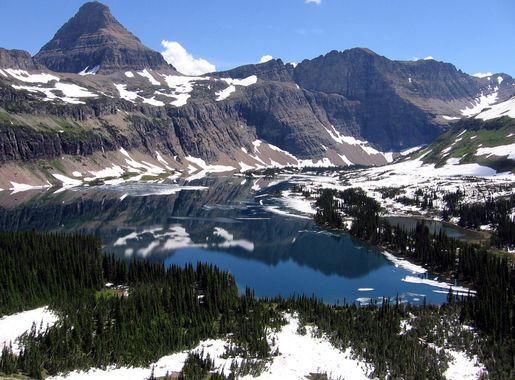


Columbia Falls: The Gateway to Glacier National Park
Nestled in the picturesque Flathead Valley, Columbia Falls is a charming town in Montana that serves as a prime gateway to the stunning Glacier National Park. Surrounded by breathtaking mountain views, dense forests, and the serene Flathead River, this city offers a strong sense of community and a deep connection to nature. Whether you are an adventure seeker or someone looking to unwind, Columbia Falls has something for everyone. The town is home to friendly locals, quaint shops, and a selection of restaurants that serve up hearty Montana cuisine. Don’t miss the weekly farmers' market, where you can experience the local culture and taste fresh, regional produce. For those interested in history, the town has several landmarks and museums that offer a glimpse into its past and the pioneering spirit of its early settlers. Outdoor enthusiasts will find Columbia Falls a paradise, with easy access to hiking, fishing, and wildlife watching. In the summer, you can take a scenic drive or bike ride through the lush landscapes, while in the winter, the nearby ski resorts provide excellent opportunities for snow sports. Its proximity to Glacier National Park makes it an excellent base for exploring the park's awe-inspiring glaciers, lakes, and diverse wildlife.
Explore More of The Flathead
Looking beyond Columbia Falls? Discover The Flathead for broader travel guides, local hot-spots, and regional highlights.
Explore The FlatheadExplore More of Montana
Looking beyond Columbia Falls? Discover Montana for broader travel guides, local hot-spots, and regional highlights.
Explore Montana