

Free Kalispell Travel Guide & Mobile App
Plan your Kalispell trip with Evendo. Get free guides to top attractions, restaurants, hotels, and bars. Web access or download the mobile app.


Kalispell, Montana blends Flathead Valley history, local arts, mountain scenery and access to Glacier National Park for memorable sightseeing experiences.
A Valley City with Mountain Horizons
Kalispell sits in north-western Montana at the centre of the Flathead Valley, a broad landscape framed by the Swan, Mission and Salish mountain ranges. The city is the commercial and cultural hub of the valley, with a practical, community-minded character shaped by ranching, forestry, outdoor recreation and its position between Flathead Lake and Glacier National Park. Although Kalispell is modest in scale, its streets lead to a remarkably varied region of lakes, rivers, forest and high mountain country.Read more about Kalispell
Heritage in the City Centre
Culture, Parks and the Wider Valley
When is the best time to visit Kalispell?
Best: June–August · 22–26°C| Month | High (°C) | Rainfall (mm) |
|---|---|---|
| January | 1 | 31 |
| February | 3 | 25 |
| March | 8 | 31 |
| April | 13 | 36 |
| May | 17 | 46 |
| June (best) | 22 | 46 |
| July (best) | 26 | 31 |
| August (best) | 25 | 31 |
| September | 20 | 31 |
| October | 12 | 36 |
| November | 4 | 41 |
| December | 1 | 36 |
Getting to and around Kalispell
How to get there
Transportation
Best attractions in Kalispell
Kalispell’s principal attractions combine local history, art and accessible outdoor space. The Conrad Mansion Museum preserves an elaborate 1890s residence associated with the city’s formative commercial era, while the Hockaday Museum of Art presents Montana-focused exhibitions in a setting shaped by the region’s landscapes and artistic traditions. The Museum at Central School, housed in a former school building, explores Flathead Valley history and community life. Woodland Park offers lawns, mature trees and recreational facilities within the urban area, and nearby Lone Pine State Park provides trails, viewpoints and broad perspectives over the valley. Kalispell is also a useful base for reaching attractions beyond the city, including Flathead Lake and Glacier National Park, although both require separate journeys. The city’s historic central streets, local galleries and independent businesses reward slower exploration between museum visits and outdoor excursions.
-
Tourist attraction
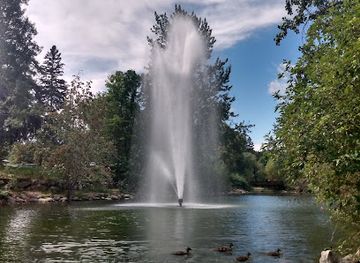
Woodland Park
Explore Woodland Park in Kalispell, a beautiful retreat offering scenic views, recreational activities, and family-friendly amenities in the heart of Montana.
15 min walk · 1.2 km from city centre
-
State park
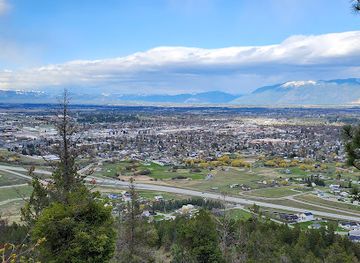
Lone Pine State Park
Discover the breathtaking beauty and outdoor adventures waiting for you at Lone Pine State Park in Kalispell, Montana.
9 min drive · 2.9 km from city centre
-
State park
Lone Pine State Park
Explore Lone Pine State Park: A Scenic Gem in Kalispell, Montana for Hiking, Wildlife, and Stunning Mountain Views.
9 min drive · 2.9 km from city centre
-
Tourist attraction
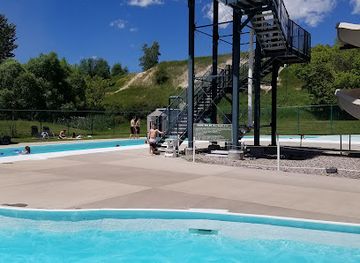
Woodland Water Park
Experience the thrill and relaxation of Woodland Water Park in Kalispell, Montana, where family fun meets nature in a perfect summer escape.
18 min walk · 1.4 km from city centre

Best landmarks in Kalispell
Kalispell’s most telling landmarks are connected to the town’s emergence as a county seat and railway-era commercial centre. The Conrad Mansion Museum, a substantial late-nineteenth-century residence, illustrates the wealth and domestic ambitions of Kalispell’s early business leaders. The Museum at Central School occupies a former educational building and preserves the institutional character of the developing town. The Flathead County Courthouse anchors the civic landscape and reflects Kalispell’s continuing administrative role in the valley. Historic commercial buildings around Main Street and the central business district reveal the scale and architectural language of a Western Montana town shaped by trade and transport. Outside the city, the mountain and lake horizons are defining geographical landmarks rather than built monuments, linking Kalispell’s urban history with the wider Flathead Valley and the landscapes that sustain its contemporary identity.
-
Mexican
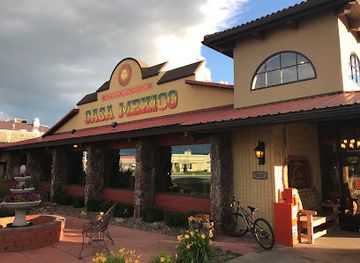
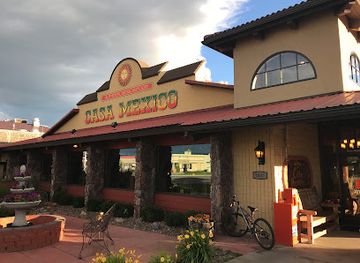
Casa Mexico
Experience the vibrant flavors of authentic Mexican cuisine at Casa Mexico in Kalispell, Montana, a must-visit for food lovers seeking a delicious adventure.
5 min drive · 1.5 km from city centre
-
Pizza
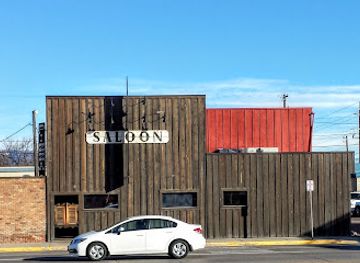
Moose's Saloon
Discover the heart of Kalispell at Moose's Saloon, where delicious pizza and a lively bar atmosphere come together for an unforgettable dining experience.
8 min walk · 0.7 km from city centre
-
American
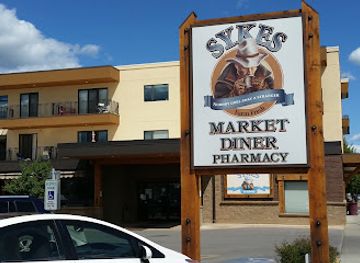
Sykes Diner & Market
Discover the heart of American dining at Sykes Diner & Market in Kalispell, where delicious breakfasts and homey ambiance meet Montana's charm.
1 min walk · 0.1 km from city centre
-
Barbecue
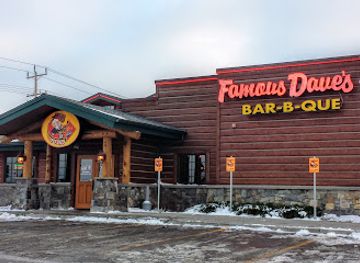
Famous Dave's Bar-B-Que
Experience the best of American barbecue at Famous Dave's Bar-B-Que in Kalispell, where flavor meets tradition in a welcoming atmosphere.
14 min drive · 4.5 km from city centre
Explore Kalispell on the map
Plan your Kalispell trip on one map. See where the top attractions, landmarks, restaurants, bars and hotels are, find what's near where you're staying, and book hotels and experiences in a few clicks.
Best hotels in Kalispell
Best restaurants in Kalispell
Kalispell’s dining scene reflects the foodways and working landscape of north-western Montana, with menus often drawing on beef, game, trout, huckleberries and other regional ingredients alongside familiar American comfort food. Independent cafés, bakeries, diners and family-run restaurants are concentrated around central Kalispell and the city’s commercial corridors, while newer establishments bring craft beer, contemporary cooking and international influences to the valley. Huckleberry products appear widely in sweets, preserves and drinks, although they are a regional ingredient rather than a single defining dish. Farmers’ markets and seasonal farm stands can provide locally grown produce when operating, and nearby communities add further choices. Dining is generally informal, with table-service tipping customary in the United States; opening patterns can change seasonally, particularly outside the main commercial areas.
-
Fast Food
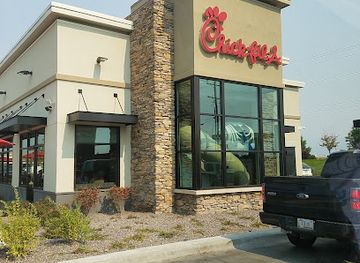
Chick-fil-A
Discover delicious chicken dishes at Chick-fil-A in Kalispell - where southern hospitality meets fast food excellence.
14 min drive · 4.8 km from city centre
-
Family-friendly
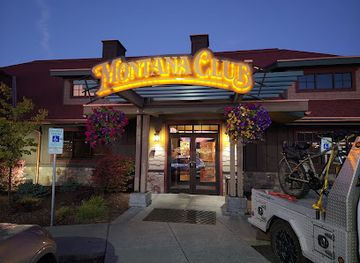
The Montana Club Restaurant
Discover the best of American cuisine at The Montana Club in Kalispell—where family-friendly dining meets lively entertainment.
16 min walk · 1.3 km from city centre
-
Mexican
Casa Mexico
Experience authentic Mexican flavors at Casa Mexico - your destination for delicious burritos and tacos in Kalispell.
5 min drive · 1.5 km from city centre
-
Pizza
Moose's Saloon
Experience rustic charm and delicious pizza at Moose's Saloon in Kalispell – where locals gather for great food and drinks!
8 min walk · 0.7 km from city centre
Best bars in Kalispell
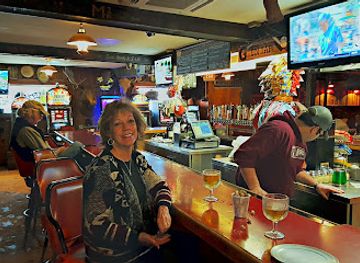
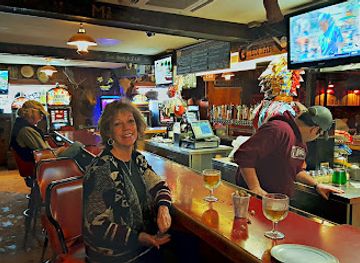
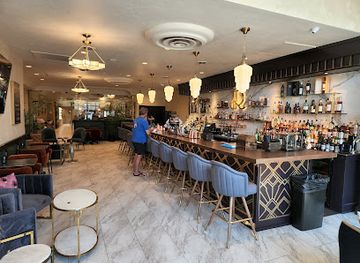
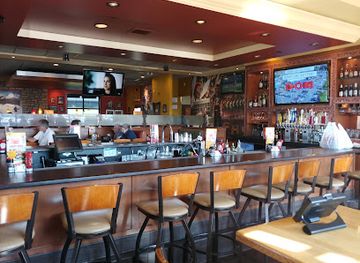
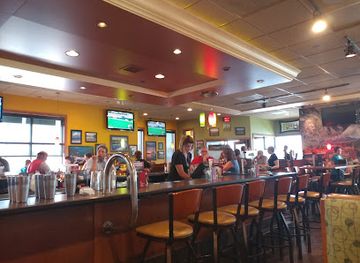
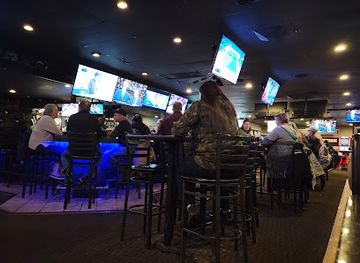
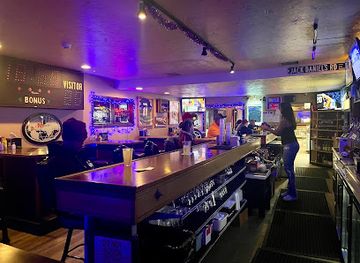
Kalispell’s evening scene is relatively relaxed and regional rather than centred on large nightclubs. Downtown bars, breweries, taprooms and casual pubs provide places for local beer, conversation and televised sport, while restaurants and cafés offer quieter evenings. Live music, community performances and seasonal events may be found through local venues and cultural organisations, with larger touring acts more likely to appear in the wider Flathead Valley than in a dense city-centre entertainment district. Whitefish has a recognised evening scene and is a separate community north of Kalispell, so it should not be treated as part of the city. Alcohol service follows Montana law, identification may be requested, and visitors should arrange a sober driver or transport when exploring venues beyond walking distance.
-
Family-friendly
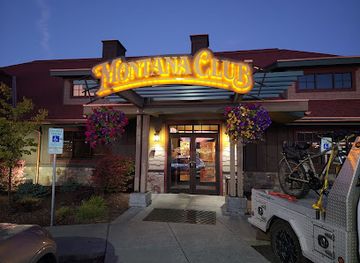
The Montana Club Restaurant
Discover the delicious flavors of The Montana Club, a family-friendly restaurant in Kalispell, offering American cuisine, seafood, steaks, and a lively casino.
16 min walk · 1.3 km from city centre
-
Pizza
Moose's Saloon
Experience the heart of Montana at Moose's Saloon, where delicious pizza meets a lively, rustic atmosphere for an unforgettable dining experience.
8 min walk · 0.7 km from city centre
-
Nail salon
The Ritzy Salon & Lounge
Discover relaxation and culinary excellence at The Ritzy Salon & Lounge in Kalispell, Montana, where beauty meets flavorful indulgence.
4 min walk · 0.3 km from city centre
-
Restaurant
Applebee's Grill + Bar
Discover the flavors of America at Applebee's Grill + Bar, Kalispell, where comfort food meets a warm, family-friendly atmosphere.
13 min drive · 4.5 km from city centre
Best nightclubs in Kalispell
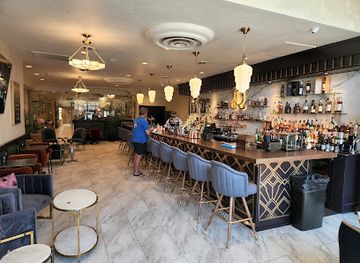
Kalispell’s evening scene is relatively relaxed and regional rather than centred on large nightclubs. Downtown bars, breweries, taprooms and casual pubs provide places for local beer, conversation and televised sport, while restaurants and cafés offer quieter evenings. Live music, community performances and seasonal events may be found through local venues and cultural organisations, with larger touring acts more likely to appear in the wider Flathead Valley than in a dense city-centre entertainment district. Whitefish has a recognised evening scene and is a separate community north of Kalispell, so it should not be treated as part of the city. Alcohol service follows Montana law, identification may be requested, and visitors should arrange a sober driver or transport when exploring venues beyond walking distance.
-
Nail salon
The Ritzy Salon & Lounge
Discover The Ritzy Salon & Lounge: A luxurious nail salon and vibrant bar & grill in Kalispell, Montana, perfect for relaxation and socializing.
4 min walk · 0.3 km from city centre
-
Restaurant
Applebee's Grill + Bar
Savor classic American fare at Applebee's Grill + Bar in Kalispell, MT - a family-friendly eatery with a vibrant atmosphere.
13 min drive · 4.5 km from city centre
-
Grill
Fatt Boys Bar and Grille
Experience the flavors of Montana at Fatt Boys Bar and Grille, where hearty meals and local brews create lasting memories for every visitor.
5 min drive · 1.5 km from city centre
-
Grill
Scoreboard Sports Bar & Casino
Discover Scoreboard Sports Bar & Casino in Kalispell, MT: where American cuisine meets thrilling gaming and vibrant sports entertainment.
18 min walk · 1.5 km from city centre
Best shops in Kalispell
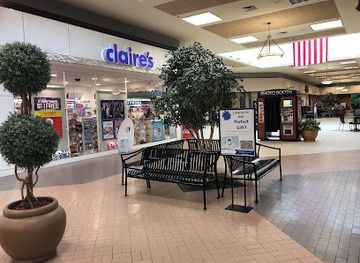
Shopping in Kalispell is practical and locally oriented, with the central business district offering independent retailers, galleries, cafés and businesses in and around the historic Main Street area. The city also serves as the Flathead Valley’s main retail centre, with larger commercial areas supplying outdoor equipment, clothing, groceries and everyday goods for residents and visitors preparing for mountain travel. Local galleries and craft retailers may feature Montana-made pottery, photography, woodwork, jewellery and artwork inspired by the surrounding landscape. Huckleberry products, regional foodstuffs and outdoor-themed goods are common visitor purchases, although quality and provenance vary between sellers. Farmers’ markets and seasonal stalls can provide produce and handmade items when running. Kalispell’s retail character is less about a concentrated luxury district than about combining regional services with independent businesses and practical equipment for life outdoors.
-
Shopping mall
Kalispell Center Mall
Explore the vibrant Kalispell Center Mall in Montana, a shopping haven featuring a mix of specialty stores and major retailers for all tastes.
4 min walk · 0.4 km from city centre
-
Department store
JCPenney
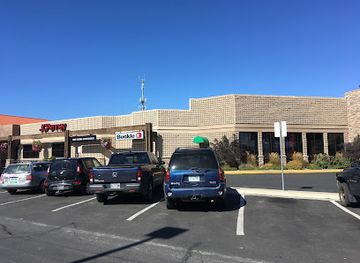
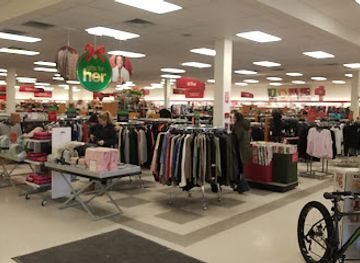
Explore an extensive range of clothing, furniture, and jewelry at JCPenney in Kalispell, the ultimate shopping destination for tourists.
5 min walk · 0.4 km from city centre
-
Department store
T.J. Maxx
Explore T.J. Maxx in Kalispell for unbeatable fashion finds and stylish home goods at affordable prices.
14 min drive · 4.6 km from city centre
-
Antique store
Kalispell Antiques Market
Explore a treasure trove of vintage finds and unique collectibles at Kalispell Antiques Market, a must-visit destination for history lovers.
4 min walk · 0.3 km from city centre
Get your free copy of our complete guide to Kalispell, delivered straight to you.
Everything on this page, from attractions and restaurants to essentials and local phrases, in one PDF you can read offline, print or share.
Already have an account? Sign in
Your Kalispell guide is ready.
We'll send it to · Not you? Sign out

Getting your guide ready…
We are putting together a fresh copy of the Kalispell guide. This can take up to a minute.
This can take a few moments. If your browser asks, choose Allow so the download can start. You'll find the guide in your Downloads folder.
Nothing happened? Download it again
Sorry, the guide is taking longer than usual. Please try again in a minute, or get it by email instead.
Kalispell essentials
Currency and Payment
Safety
Emergency Situations
Do's and Don'ts
Local Tips
From Eve
Local phrases worth knowing
You don't need to get them perfect. A few words go a long way, and locals appreciate the effort.
Basics
| English | Local | Say it |
|---|---|---|
| Hello | Howdy | [hah-dee] |
| Goodbye | See ya | [see yah] |
| Yes | Yep | [yep] |
| No | Nope | [nohp] |
| Please/You're welcome | Please and thank you | [pleez and thankyah] |
| Thank you | Thanks a bunch | [thanks uh bunch] |
| Excuse me/Sorry | Pardon me | [par-dun me] |
| How are you? | Howdy, how ya doin'? | [hah-dee, how yuh doin] |
| Fine. And you? | Just dandy. You? | [just dan-dee, yoo] |
| Do you speak English? | Ya speak English? | [yah speak ing-glish] |
| I don't understand | I'm plum stumped | [ahm plum stumped] |
Eating & Drinking
| English | Local | Say it |
|---|---|---|
| I'd like to see the menu, please | Can I take a gander at the menu, please | [kan eye take uh gan-dur at the menu, pleez] |
| I don't eat meat | I don't eat critters | [ah dohn't eat crit-ters] |
| Cheers! | Bottoms up! | [bot-ums up] |
| I would like to pay, please | I reckon I'll settle up, please | [ah reck-un ahl set-ul up, pleez] |
Emergencies
| English | Local | Say it |
|---|---|---|
| Help! | I need a hand! | [ah need uh hand] |
| Go away! | Git! | [git] |
| Call the Police! | Ring up the law! | [ring up thee law] |
| Call a doctor! | Get a sawbones! | [get uh saw-bones] |
| I'm lost | I'm turned around | [ahm turnd uh-round] |
| I'm ill | I ain't feelin' too good | [ahnt feel-in too good] |
Shopping
| English | Local | Say it |
|---|---|---|
| I'd like to buy... | I'm fixin' to purchase... | [ahm fix-in to per-chays] |
| I'm just looking | I'm just browsin' | [ahm just brow-zin] |
| How much is it? | What's the damage? | [whats thee dam-ij] |
| That's too expensive | That's a bit spendy | [thats uh bit spend-ee] |
| Can you lower the price? | Can ya knock a few bucks off? | [kan yuh nok uh few bucks off] |
Time & Numbers
| English | Local | Say it |
|---|---|---|
| What time is it? | What's the hour? | [whats thee our] |
| It's one o'clock | It's one | [its one] |
| Half past (10) | Ten thirty | [ten thur-tee] |
| Morning | Mornin' | [morn-in] |
| Afternoon | Afternoon | [after-noon] |
| Evening | Evenin' | [even-in] |
| Yesterday | Yest'day | [yest-day] |
| Today | Today | [to-day] |
| Tomorrow | Tomorrer | [tom-or-er] |
| 1 | One | [wun] |
| 2 | Two | [too] |
| 3 | Three | [three] |
| 4 | Four | [four] |
| 5 | Five | [five] |
| 6 | Six | [six] |
| 7 | Seven | [seven] |
| 8 | Eight | [ate] |
| 9 | Nine | [nine] |
| 10 | Ten | [ten] |
Transport & Directions
| English | Local | Say it |
|---|---|---|
| Where's a/the...? | Where's the... | [wheres thee] |
| What's the address? | What's the street? | [whats thee street] |
| Can you show me (on the map)? | Can ya point it out? | [kan yah point it out] |
| When's the next (bus)? | When's the next ride? | [whens thee next ryde] |
| A ticket (to ....) | A pass (to ....) | [uh pass (to)] |
History of Kalispell
Indigenous Homelands of the Flathead Valley
Kalispell lies within a region long inhabited and travelled by Indigenous peoples, including the Bitterroot Salish, Pend d’Oreille and Kootenai, whose cultural relationships with the valley, rivers, lakes and mountains predate the town by thousands of years. The Blackfeet also maintained important connections with lands farther east of the Flathead Valley. Seasonal movement, hunting, fishing and trade shaped the landscape before permanent Euro-American settlement. The name Kalispell is generally associated with a Salish people, although historical spellings and interpretations vary. Contemporary visitors encounter this deeper history through regional museums, cultural institutions and the continuing presence of the Confederated Salish and Kootenai Tribes.
Settlement and the Railway Era
The town that became Kalispell emerged during the rapid settlement of north-western Montana in the late nineteenth century. The Great Northern Railway reached the Flathead Valley in 1891, linking local agriculture, timber and commerce with wider markets and encouraging the establishment of a new urban centre. Kalispell was incorporated in 1892 and soon developed as the seat of Flathead County. Its streets, businesses and civic buildings reflected the ambitions of a growing frontier community, while the surrounding valley supplied timber, livestock and farm produce. The railway’s arrival also accelerated migration and permanently altered Indigenous patterns of land ownership and movement.
A Regional Commercial Centre
During the early twentieth century, Kalispell strengthened its role as the Flathead Valley’s principal service and commercial centre. Merchants, professionals, banks and civic organisations established themselves around the town centre, while sawmills, farms and transport networks supported the regional economy. The Conrad Mansion, completed in 1895 for businessman Charles E. Conrad and his family, reflects the prosperity of this period and survives as one of the city’s most revealing historic properties. Public institutions also expanded, including schools and civic facilities that helped give Kalispell a more settled urban identity than the raw railway town of the previous generation.
Tourism and Conservation Transform the Region
The twentieth century brought increasing attention to the Flathead Valley’s scenery. Glacier National Park, established in 1910, gradually became a major influence on regional tourism, while Flathead Lake and the valley’s forests and mountains attracted visitors seeking boating, fishing, hiking and summer recreation. Improved roads and automobile travel reduced the railway’s former dominance and connected Kalispell more closely with Whitefish, Columbia Falls and communities around the lake. Tourism added a new economic dimension to agriculture, forestry and retail, although the city retained its role as a practical centre for residents across the valley.
Kalispell in Contemporary Montana
Today, Kalispell combines the functions of a regional city with the landscape values of a mountain valley. Growth has brought new housing, retail and services, while historic buildings and museums preserve reminders of the settlement era. The city’s cultural identity is represented by institutions such as the Hockaday Museum of Art and the Museum at Central School, as well as by local businesses and outdoor organisations. Its position near Glacier National Park and Flathead Lake continues to shape employment, migration and visitor activity, while Indigenous history, conservation and pressures from rapid development remain important parts of the wider regional conversation.
Kalispell in Photos
Browse through our photo collection highlighting the charm and character of the destination.
Cities near Kalispell
The closest cities to Kalispell, if you have time for more than one stop.
-

-

-

-

-


Swipe for more cities
Explore more
Explore more of Montana
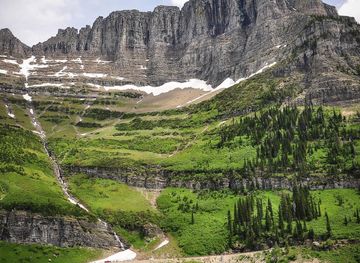
Discover Montana: A Treasure State of majestic landscapes, outdoor adventures, and rich cultural heritage. Explore Glacier and Yellowstone, charming towns, and historic sites.
Explore Montana