

Glacier National Park, Montana Travel Guide
Discover Glacier National Park in Montana - a million-acre wilderness offering breathtaking landscapes, abundant wildlife, and endless outdoor adventures. A nature lover's paradise.
Nestled in the wilds of Montana, Glacier National Park is a pristine haven for nature lovers and adventure seekers. Known as the 'Crown of the Continent,' this park boasts over a million acres of awe-inspiring landscapes including rugged mountains, lush forests, and crystal-clear lakes. Glacier National Park is a paradise for hikers with over 700 miles of trails that cater to all levels of fitness and experience. From leisurely strolls to challenging backcountry treks, each path offers a unique glimpse into the park's diverse ecosystems and stunning vistas. One of the park's most famous features is the Going-to-the-Sun Road. This scenic drive winds through the heart of Glacier, offering breathtaking views of its majestic peaks and valleys. During the summer months, visitors can also enjoy guided tours that provide fascinating insights into the park’s geology and wildlife. Wildlife enthusiasts will delight in the chance to see grizzly bears, mountain goats, and moose in their natural habitats. For those who prefer water-based activities, Glacier National Park's numerous lakes and rivers are perfect for kayaking, fishing, and boating. Lake McDonald, the largest lake in the park, is a popular spot for picnicking and relaxation. Additionally, the park's historic lodges and campgrounds offer comfortable accommodations, allowing visitors to immerse themselves in the natural beauty of the surroundings. Whether you are seeking adventure or tranquility, Glacier National Park promises an unforgettable experience. Its unspoiled wilderness, rich biodiversity, and striking landscapes make it a must-visit destination for anyone who loves the great outdoors.

Know before you go
Hi, I'm Eve. Here are a few practical things to know before exploring Glacier National Park.
- Check the weather forecast before visiting, as conditions can change rapidly in the mountains.
- Visit during the early morning or late afternoon to avoid crowds and catch wildlife at its most active.
- Bring layers of clothing, as temperatures can vary greatly throughout the day.
- Purchase a park pass online in advance to save time at the entrance.
- Carry bear spray and know how to use it; bear encounters are rare but possible.
- Take advantage of the free shuttle service along the Going-to-the-Sun Road during peak season to reduce traffic and parking issues.
- Plan your hikes and activities well in advance, as some trails and facilities may require reservations or permits.
- Don't forget to bring a reusable water bottle to stay hydrated while exploring the park.
- Respect wildlife and maintain a safe distance; never approach or feed animals.
Explore Glacier National Park: Things to Do, Places to Eat, Hotels & More
Handpicked recommendations for top attractions, local dining, accommodations, and more

Best attractions in Glacier National Park
Top-rated picks
Best Attractions

Waterton Lakes National Park of Canada
Explore the enchanting Waterton Lakes National Park, a natural wonder in Alberta, Canada, where breathtaking landscapes meet endless outdoor adventures.

Apgar Visitor Center
Explore Glacier National Park with insights from the Apgar Visitor Center, your gateway to stunning landscapes and unforgettable adventures.

Apgar Visitor Center
Explore the wonders of Glacier National Park from the Apgar Visitor Center, your gateway to hiking trails, educational exhibits, and breathtaking scenery.

Red Rock Canyon
Experience the stunning landscapes and vibrant rock formations at Red Rock Canyon in Waterton Park, Alberta, a perfect blend of adventure and tranquility.

Best landmarks in Glacier National Park
Top-rated picks
Best Landmarks

Logan Pass Visitor Center
Explore Glacier National Park's Logan Pass Visitor Center - your gateway to breathtaking views, educational exhibits, and unforgettable hiking adventures.

Avalanche Lake Trailhead
Discover the breathtaking beauty of Avalanche Lake Trailhead in Glacier National Park, where stunning hikes meet serene natural landscapes.

Saint Mary Falls
Experience the breathtaking beauty of Saint Mary Falls in Glacier National Park, a must-see natural wonder for every outdoor enthusiast visiting Montana.

Trail of the Cedars Nature Trailhead
Discover the breathtaking beauty of Glacier National Park at the Trail of the Cedars Nature Trailhead, where ancient trees and stunning vistas await.

Best restaurants in Glacier National Park
Top-rated picks
Best Restaurants

The Montana Club Restaurant
Experience the best of family dining at The Montana Club in Kalispell - where delicious meals meet fun-filled memories.

Moose's Saloon
Experience the delightful blend of pizza perfection and local bar culture at Moose's Saloon in Kalispell.

Sykes Diner & Market
Experience classic American comfort food at Sykes Diner & Market in Kalispell—where every meal feels like home.

Nite Owl & Back Room Restaurants
Experience authentic American cuisine at Nite Owl & Back Room in Columbia Falls—where quality meets comfort in every bite.

Best bars in Glacier National Park
Top-rated picks
Best Bars

Glacier National Park
Discover the breathtaking landscapes and diverse wildlife of Glacier National Park, a jewel in Montana's crown of natural beauty.

Gunsight Saloon
Discover the heart of Montana at Gunsight Saloon, where hearty meals and a lively atmosphere come together to create an unforgettable dining experience.

Summit House Restaurant & Bar
Experience breathtaking views and delicious food at Summit House Restaurant & Bar, the perfect mountain dining escape in Whitefish, Montana.

Packers Roost
Discover the hearty flavors of Montana at Packers Roost, a charming grill in Coram offering a delightful dining experience amidst stunning natural beauty.

Best nightclubs in Glacier National Park
Top-rated picks
Best Nightclubs

Glacier National Park
Discover the breathtaking vistas and diverse wildlife of Glacier National Park, a national treasure in Montana's wilderness.

Stonefly Lounge
Experience the lively atmosphere of Stonefly Lounge in Coram, MT, where delicious food, live music, and gaming come together for an unforgettable night.

Silver Bullet Bar & Casino
Experience the perfect blend of entertainment, delicious dining, and thrilling gaming at Silver Bullet Bar & Casino in Columbia Falls, Montana.

Granite Park Chalet
Explore the natural beauty and historical charm of Granite Park Chalet in Glacier National Park, where adventure and history come together in stunning scenery.

Best shops in Glacier National Park
Top-rated picks
Best Shops

Glacier National Park
Discover the breathtaking landscapes and rich wildlife of Glacier National Park, a paradise for outdoor enthusiasts and nature lovers in Montana.

Glacier Raft Company
Experience the thrill of rafting in Glacier National Park with Glacier Raft Company, where adventure meets stunning natural beauty.

Glacier Guides and Montana Raft
Join Glacier Guides and Montana Raft for thrilling outdoor adventures in Glacier National Park, from rafting to hiking and more in Montana's natural beauty.

Eddies Cafe & Gifts
Experience authentic American cuisine and unique gifts at Eddie's Cafe & Gifts, your gateway to Glacier National Park.

Explore Glacier National Park on the Map
A handpicked selection of must-see spots in Glacier National Park, mapped for you.
Glacier National Park Essentials
-
Glacier National Park is located in the northwest corner of Montana, United States. The nearest major airport is Glacier Park International Airport (FCA) in Kalispell, approximately 30 miles from the park's west entrance. You can also fly into Missoula International Airport (MSO) or Great Falls International Airport (GTF), which are around 150 miles from the park. Amtrak's Empire Builder train route stops at West Glacier, East Glacier, and Essex, offering a scenic and convenient travel option. Driving to the park is also popular, with U.S. Highway 2 providing access to the park's entrances.
-
Within Glacier National Park, personal vehicles, bicycles, and the park's free shuttle service are the primary modes of transportation. The shuttle service operates on the Going-to-the-Sun Road, making various stops along the way. If you prefer to drive, rental cars are available at nearby airports. For a more unique experience, consider the historic Red Bus Tours, which offer guided tours in vintage 1930s vehicles. Hiking is also a popular way to explore the park, with over 700 miles of trails available.
-
The official currency in the United States is the U.S. Dollar (USD). Credit and debit cards are widely accepted throughout the park, including at visitor centers, gift shops, and restaurants. ATMs are available at various locations within the park, but it's advisable to carry some cash, especially if you plan to visit more remote areas or purchase items from local vendors.
-
Glacier National Park is generally safe for tourists, but it's important to take standard precautions. Be aware of wildlife and keep a safe distance, especially from bears and mountain lions. Follow park regulations and guidelines, such as staying on designated trails and camping in permitted areas. Crime rates targeting tourists are low, but always keep an eye on your belongings and avoid leaving valuables in your vehicle. Be cautious when driving on the park's narrow and winding roads, particularly the Going-to-the-Sun Road.
-
In case of emergency, dial 911 for immediate assistance. The park has several ranger stations and visitor centers equipped to handle emergencies. It's recommended to carry a basic first aid kit and be familiar with the locations of the nearest medical facilities. For minor health issues, there are pharmacies in nearby towns such as West Glacier and St. Mary. Always inform someone of your travel plans and expected return if you plan to hike or explore remote areas.
-
Fashion: Do wear comfortable and weather-appropriate clothing, as weather conditions can change rapidly. Layering is advisable. Religion: Respectful behavior is always appreciated, though there are no specific religious customs to observe. Public Transport: Do use the park's shuttle service and be courteous to other passengers. Avoid loud conversations and keep the shuttle clean. Greetings: A friendly hello or nod is common when encountering other hikers or visitors. Eating & Drinking: Do try local cuisine at nearby towns and park lodges. Pack out all trash and leftovers to keep the park clean. Don't feed wildlife, as it is harmful to both animals and humans.
-
To experience Glacier National Park like a local, consider visiting during the shoulder seasons (late spring and early fall) to avoid the peak summer crowds. Engage with park rangers and attend ranger-led programs to learn more about the park's history and ecology. Take the time to explore lesser-known trails and backcountry areas for a more secluded experience. Visit local establishments in nearby towns like Whitefish, Kalispell, and East Glacier Park Village for unique dining and shopping experiences. Don't miss the chance to witness the stunning sunrises and sunsets, which offer some of the most breathtaking views in the park.
When is the best time to visit Glacier National Park?
Useful Local Phrases for Glacier National Park
You don't need to speak the language perfectly. Even learning a few simple words can make conversations warmer—and locals usually appreciate the effort.
— Eve

Here are the phrases I use most often in Glacier National Park. Try a few—you'll be surprised how far they go! 😊
❤️
-
- HelloHowdy
[haw-dee] - GoodbyeSee ya later
[see yuh lay-ter] - YesYup
[yuhp] - NoNah
[nuh] - Please/You're welcomePlease/No problem
[pleez/no prob-lem] - Thank youThanks a bunch
[thanks uh bunch] - Excuse me/SorryPardon me/My bad
[par-dun me/my bad] - How are you?How's it going?
[hows it go-in?] - Fine. And you?Doing well. How about you?
[doo-in well. how uh-bout yuh?] - Do you speak English?Ya speak English?
[yuh speak ing-glish?] - I don't understandI ain't catchin' on
[i aint ketch-in on]
- HelloHowdy
-
- I'd like to see the menu, pleaseCan I take a look at the menu?
[can i take uh look at the menu?] - I don't eat meatI don't do meat
[i dont do meat] - Cheers!Bottoms up!
[bottoms up!] - I would like to pay, pleaseCan I settle up?
[can i set-tul up?]
- I'd like to see the menu, pleaseCan I take a look at the menu?
-
- Help!SOS!
[ess-oh-ess!] - Go away!Get lost!
[get lost!] - Call the Police!Ring the cops!
[ring the cops!] - Call a doctor!Get a doc!
[get uh doc!] - I'm lostI'm all turned around
[im all turned around] - I'm illI'm under the weather
[im under the weather]
- Help!SOS!
-
- I'd like to buy...I'm fixin' to purchase...
[im fix-in to pur-chase...] - I'm just lookingJust browsin'
[just brow-zin'] - How much is it?What's the damage?
[whats the dam-age?] - That's too expensiveThat's a bit steep
[thats uh bit steep] - Can you lower the price?Can you cut me a deal?
[can you cut me uh deal?]
- I'd like to buy...I'm fixin' to purchase...
-
- What time is it?What's the clock say?
[whats the clock say?] - It's one o'clockIt's one
[its one] - Half past (10)Ten-thirty
[ten-thur-tee] - MorningMornin'
[morn-in'] - AfternoonAfternoon
[after-noon] - EveningEvenin'
[even-in'] - YesterdayYest'day
[yest-duh] - TodayToday
[tuh-day] - TomorrowTomorrah
[tom-uh-rah] - 1One
[wun] - 2Two
[too] - 3Three
[three] - 4Four
[four] - 5Five
[five] - 6Six
[six] - 7Seven
[seven] - 8Eight
[ate] - 9Nine
[nine] - 10Ten
[ten]
- What time is it?What's the clock say?
-
- Where's a/the...?Where's the...
[wheres the...] - What's the address?Where's it at?
[wheres it at?] - Can you show me (on the map)?Can you point it out?
[can you point it out?] - When's the next (bus)?When's the next (bus)?
[whens the next (bus)?] - A ticket (to ....)A ticket (to ....)
[uh ticket (to ....)]
- Where's a/the...?Where's the...
History of Glacier National Park
-
Glacier National Park, located in the northern Rocky Mountains of Montana, is a pristine wilderness area known for its stunning landscapes, including rugged mountains, glacial lakes, and diverse ecosystems. The park spans over one million acres and is home to a rich tapestry of natural and cultural history.
-
For thousands of years, Glacier National Park was home to Native American tribes, including the Blackfeet, Salish, and Kootenai peoples. These indigenous communities have deep spiritual and cultural connections to the land, relying on its resources for hunting, fishing, and gathering. Their oral traditions and archaeological sites offer a glimpse into their rich heritage and relationship with the natural world.
-
In the early 19th century, European explorers and fur traders ventured into the region that now encompasses Glacier National Park. Figures such as Meriwether Lewis and William Clark, as well as fur traders from the Hudson's Bay Company, played significant roles in mapping and documenting the area. The fur trade era brought significant changes to the indigenous way of life and introduced new economic activities.
-
The late 19th and early 20th centuries saw the arrival of the Great Northern Railway, which played a pivotal role in opening up Glacier National Park to tourism. James J. Hill, the railroad's president, recognized the park's potential as a tourist destination and promoted its scenic beauty. The construction of the railway and the development of chalet-style lodges facilitated access to the park's remote areas and enhanced its popularity.
-
On May 11, 1910, President William Howard Taft signed a bill into law establishing Glacier National Park as the United States' 10th national park. The creation of the park was the culmination of efforts by conservationists, local advocates, and government officials who recognized the need to preserve the area's unique landscapes and ecosystems for future generations. The park's designation marked a significant milestone in the conservation movement.
-
Completed in 1932, the Going-to-the-Sun Road is an engineering marvel that traverses the heart of Glacier National Park. This 50-mile scenic drive offers breathtaking views of the park's rugged terrain, including glaciers, valleys, and alpine meadows. The road's construction was a monumental feat, involving the labor of hundreds of workers and innovative techniques to navigate the challenging landscape. Today, it stands as one of the most iconic features of the park.
-
In recognition of its ecological significance, Glacier National Park was designated as a Biosphere Reserve by UNESCO in 1976 and as a World Heritage Site in 1995. These international designations underscore the park's global importance as a biodiversity hotspot and a natural treasure. The park's diverse habitats support a wide range of plant and animal species, making it a critical area for conservation and scientific research.
-
In recent decades, Glacier National Park has become a focal point for studying the impacts of climate change. One of the most visible signs of these changes is the rapid retreat of the park's glaciers. Scientists have documented significant reductions in the size and number of glaciers since the park's establishment. This phenomenon highlights the urgent need to address climate change and its effects on natural ecosystems.
Cities near Glacier National Park
The closest cities to Glacier National Park, if you have time for more than one stop.
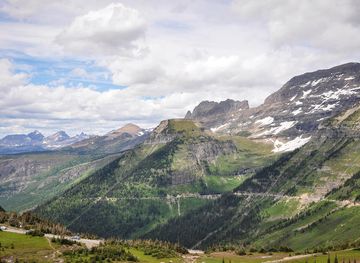
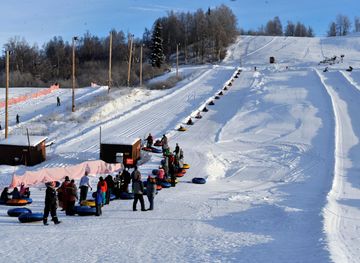


Your all‑in‑one travel companion app
Explore expert travel guides, compare and book tours, experiences, hotels, and more—all from the palm of your hand. Download now for seamless trip planning wherever your wanderlust takes you.


Glacier National Park in Photos
Browse through our photo collection highlighting the charm and character of the destination.


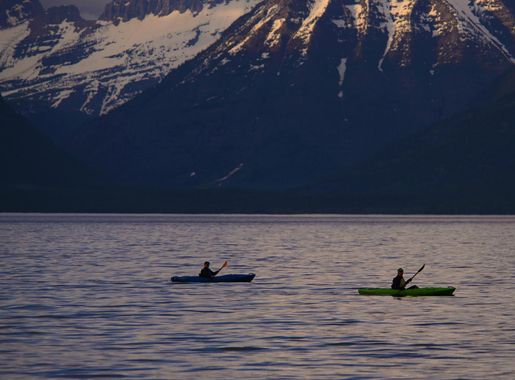


The Crown of the Continent - Glacier National Park
Nestled in the wilds of Montana, Glacier National Park is a pristine haven for nature lovers and adventure seekers. Known as the 'Crown of the Continent,' this park boasts over a million acres of awe-inspiring landscapes including rugged mountains, lush forests, and crystal-clear lakes. Glacier National Park is a paradise for hikers with over 700 miles of trails that cater to all levels of fitness and experience. From leisurely strolls to challenging backcountry treks, each path offers a unique glimpse into the park's diverse ecosystems and stunning vistas. One of the park's most famous features is the Going-to-the-Sun Road. This scenic drive winds through the heart of Glacier, offering breathtaking views of its majestic peaks and valleys. During the summer months, visitors can also enjoy guided tours that provide fascinating insights into the park’s geology and wildlife. Wildlife enthusiasts will delight in the chance to see grizzly bears, mountain goats, and moose in their natural habitats. For those who prefer water-based activities, Glacier National Park's numerous lakes and rivers are perfect for kayaking, fishing, and boating. Lake McDonald, the largest lake in the park, is a popular spot for picnicking and relaxation. Additionally, the park's historic lodges and campgrounds offer comfortable accommodations, allowing visitors to immerse themselves in the natural beauty of the surroundings. Whether you are seeking adventure or tranquility, Glacier National Park promises an unforgettable experience. Its unspoiled wilderness, rich biodiversity, and striking landscapes make it a must-visit destination for anyone who loves the great outdoors.
Explore More of Montana
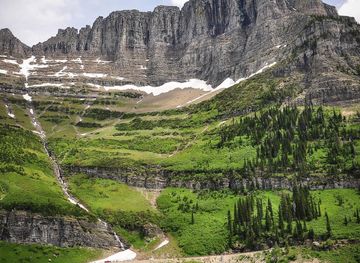
Looking beyond Glacier National Park? Discover Montana for broader travel guides, local hot-spots, and regional highlights.
Explore Montana