

Free Polson Travel Guide & Mobile App
Plan your Polson trip with Evendo. Get free guides to top attractions, restaurants, hotels, and bars. Web access or download the mobile app.


Polson, Montana, pairs Flathead Lake scenery with Salish and Kootenai heritage, small-town museums, outdoor adventures and scenic Mission Mountain views.
Flathead Lake and the Mission Mountains
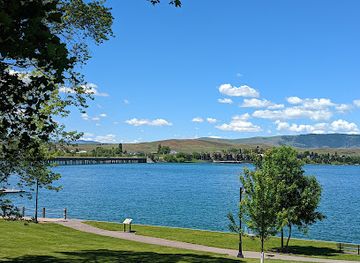
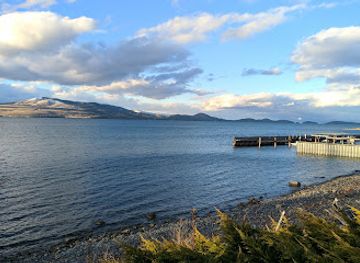
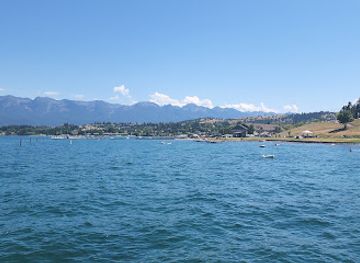
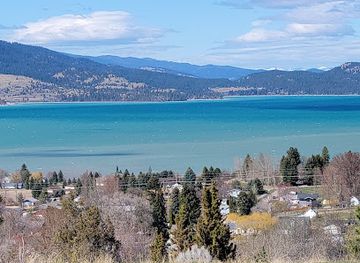
Polson occupies a dramatic position at the southern end of Flathead Lake, one of the largest natural freshwater lakes west of the Mississippi River in the contiguous United States. The town’s streets open towards broad water views, wooded shorelines and the Mission Mountains, whose rugged profiles form a compelling eastern backdrop. Marina activity, waterfront parks and the changing light across the lake give Polson a distinctly spacious character, while its compact centre remains easy to explore on foot.Read more about Polson
Heritage and Small-Town Character
Exploring the Lakeshore
When is the best time to visit Polson?
Best: June–August · 22–26°C| Month | High (°C) | Rainfall (mm) |
|---|---|---|
| January | 1 | 25 |
| February | 4 | 21 |
| March | 8 | 21 |
| April | 14 | 22 |
| May | 18 | 37 |
| June (best) | 22 | 40 |
| July (best) | 26 | 21 |
| August (best) | 25 | 22 |
| September | 19 | 26 |
| October | 13 | 29 |
| November | 4 | 31 |
| December | 1 | 31 |
Getting to and around Polson
How to get there
Transportation
Best attractions in Polson
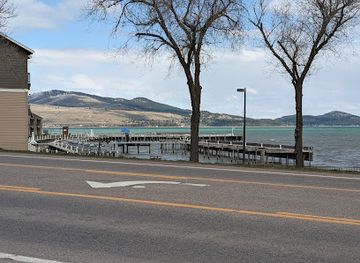
Polson’s principal attractions are shaped by its lakeside setting and compact centre. Riverside Park provides access to Flathead Lake and open views towards the Mission Mountains, with space for shoreline recreation and seasonal community activity. The Miracle of America Museum presents a remarkably broad collection of objects connected with transport, domestic life, military history, technology and popular culture, while the Polson-Flathead Lake Museum focuses more closely on local settlement, Indigenous context and the development of the surrounding area. Main Street offers an easy introduction to the town’s independent businesses and everyday character. Beyond the centre, boat launches, marinas, country roads and nearby state park sites open up opportunities for fishing, paddling, swimming and photography. A drive towards the CSKT Bison Range, west of Polson, adds a wildlife and landscape dimension, although it is a separate regional excursion rather than a city attraction.
-
Tourist attraction
Sacajawea Park
Discover the serene landscapes and recreational activities at Sacajawea Park, a perfect escape for nature lovers visiting Polson, Montana.
5 min drive · 1.6 km from city centre
-
Tourist attraction
Boettcher Park
Discover the tranquil beauty of Boettcher Park in Polson, Montana, a perfect retreat for nature lovers and outdoor enthusiasts.
11 min drive · 3.6 km from city centre
-
Tourist attraction
Point Salish Park
Explore the natural beauty and recreational opportunities at Point Salish Park, a serene destination in Polson, Montana.
5 min drive · 1.8 km from city centre
-
Tourist attraction
Polson Flathead Lake Museum
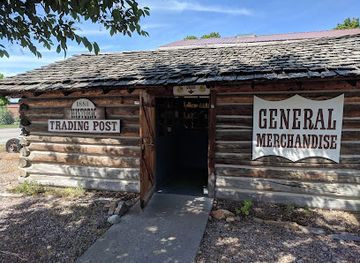
Discover the rich history and culture of the Flathead Valley at the Polson Flathead Lake Museum - a must-visit for every tourist in Montana.
14 min walk · 1.1 km from city centre
Best landmarks in Polson
Polson’s most meaningful landmarks are tied to its civic identity and relationship with Flathead Lake. The Lake County Courthouse represents the town’s role as the administrative centre of a large rural county, while the historic centre and Main Street reflect the commercial pattern that developed as Polson became a transport and service community. Riverside Park and the shoreline are landscape landmarks as much as recreational spaces, framing views across the lake towards the Mission Mountains. The names and collections of the Polson-Flathead Lake Museum and the Miracle of America Museum also form part of the town’s cultural identity, preserving different kinds of regional memory. Beyond the built centre, Flathead Lake itself is the defining geographic landmark, while the Mission Mountains provide the distinctive eastern horizon visible from town.
-
 Hotel
HotelKwataqnuk Resort & Casino
Discover the perfect blend of relaxation and excitement at Kwataqnuk Resort & Casino, the gateway to unforgettable experiences in Montana.
5 min drive · 1.8 km from city centre
-
Mexican
Fiesta En Jalisco
Experience authentic Mexican cuisine in the heart of Polson, Montana, at Fiesta En Jalisco, where every meal is a festive celebration.
18 min walk · 1.4 km from city centre
-
American
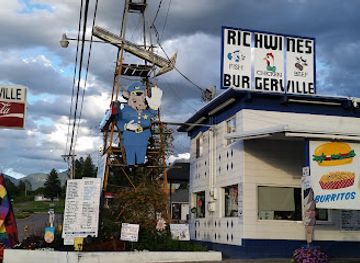
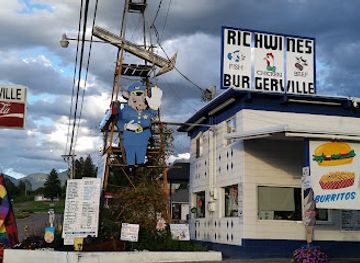
Richwine's Burgerville
Experience the best of American cuisine at Richwine's Burgerville, where delicious hamburgers and friendly service await in beautiful Polson, Montana.
9 min drive · 3.0 km from city centre
-
Breakfast
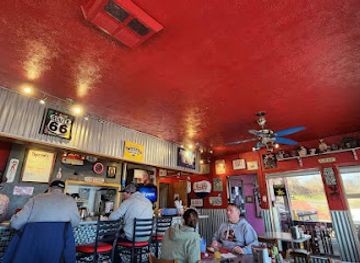
Betty's Diner
Discover the charm of Betty's Diner in Polson, Montana - a delightful breakfast spot offering hearty meals, friendly service, and a cozy atmosphere.
6 min drive · 1.8 km from city centre
Explore Polson on the map
Plan your Polson trip on one map. See where the top attractions, landmarks, restaurants, bars and hotels are, find what's near where you're staying, and book hotels and experiences in a few clicks.
Best hotels in Polson
Best restaurants in Polson
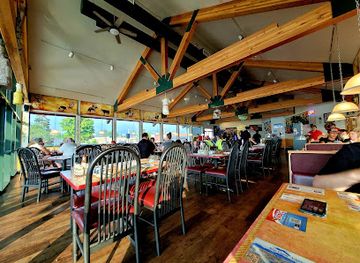
Polson’s dining scene reflects its role as a small agricultural and lakeside service centre rather than a restaurant-heavy resort. Casual cafés, family-run eateries, bakeries and restaurants around Main Street and the waterfront provide breakfast, sandwiches, burgers, salads and familiar American dishes, while seasonal businesses cater to visitors spending time on the lake. Montana ingredients such as beef, game, trout and locally grown produce appear in regional cooking, with orchard fruit from the Flathead Valley adding a local connection. Menus may also include pizza, Mexican food and other influences common in western Montana communities. Farmers’ markets and seasonal community events can provide direct contact with growers, bakers and craft producers when operating. Dining hours and seasonal availability can vary, particularly outside the summer period, so the town’s food culture is best understood through a mixture of everyday local establishments and changing lakeside visitor trade.
-
Mexican
Fiesta En Jalisco
Discover the vibrant flavors of Mexico at Fiesta En Jalisco in Polson, where every meal is a celebration.
18 min walk · 1.4 km from city centre
-
American
Richwine's Burgerville
Experience classic American flavors at Richwine's Burgerville in Polson, Montana – where delicious burgers meet local charm!
9 min drive · 3.0 km from city centre
-
Breakfast
Betty's Diner
Experience delightful breakfasts at Betty's Diner in Polson, Montana - where hearty meals and friendly service meet.
6 min drive · 1.8 km from city centre
-
Barbecue
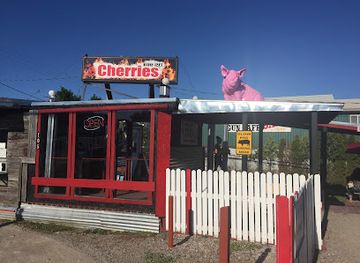
Cherries BBQ Pit
Discover mouth-watering smoked meats at Cherries BBQ Pit in Polson - a barbecue lover's paradise with authentic flavors.
5 min drive · 1.7 km from city centre
Best bars in Polson
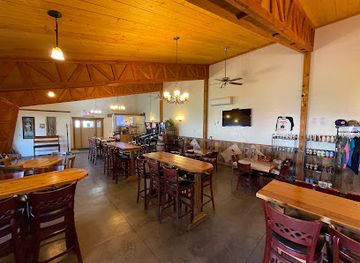
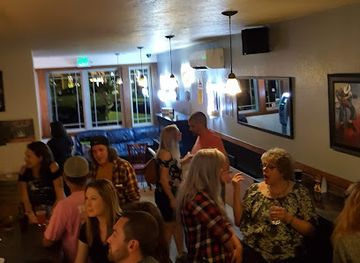
Polson’s evening life is modest and centred on local social venues rather than a large nightclub circuit. Bars attached to restaurants, taverns and casual drinking places provide opportunities for conversation, regional beer and occasional live music, while waterfront settings can be appealing during the longer summer evenings. Seasonal festivals, community events and performances bring additional activity to the town, but entertainment schedules are less extensive than in larger Montana centres. Visitors should expect early-closing options and a relaxed, small-town atmosphere rather than a concentrated nightlife district. Responsible drinking is important when driving on rural roads, and lake recreation after dark requires particular care. Checking current local listings is sensible because live music, cultural events and venue schedules can change with the season.
-
Mexican
Fiesta En Jalisco
Savor the vibrant flavors of authentic Mexican cuisine at Fiesta En Jalisco, a must-visit dining destination in Polson, Montana.
18 min walk · 1.4 km from city centre
-
Breakfast
Betty's Diner
Discover the heart of Montana dining at Betty's Diner, where homestyle breakfast delights await in a nostalgic setting.
6 min drive · 1.8 km from city centre
-
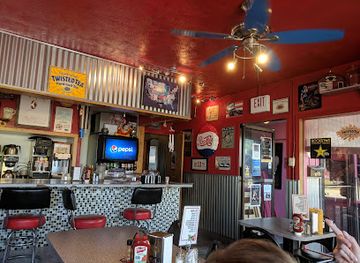
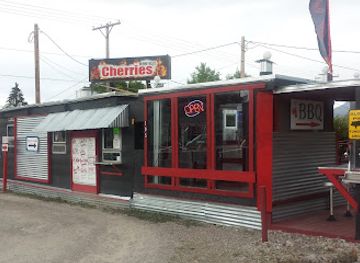
Barbecue
Cherries BBQ Pit
Indulge in mouth-watering barbecue at Cherries BBQ Pit, your go-to spot for delicious smoked meats and a friendly atmosphere in Polson, Montana.
5 min drive · 1.7 km from city centre
-
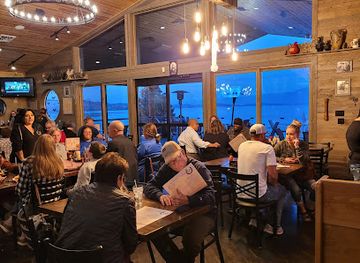
Bar
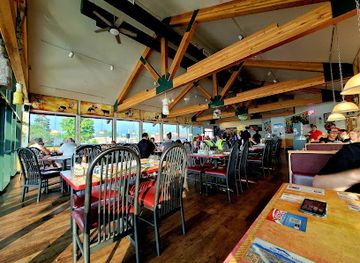
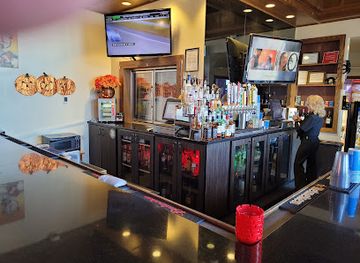
The Shoe - Lakeview Dining & Spirits
Experience unforgettable dining at The Shoe - Lakeview Dining & Spirits, where delicious cuisine meets breathtaking lakeside views in Polson, Montana.
6 min drive · 1.8 km from city centre
Best nightclubs in Polson
Polson’s evening life is modest and centred on local social venues rather than a large nightclub circuit. Bars attached to restaurants, taverns and casual drinking places provide opportunities for conversation, regional beer and occasional live music, while waterfront settings can be appealing during the longer summer evenings. Seasonal festivals, community events and performances bring additional activity to the town, but entertainment schedules are less extensive than in larger Montana centres. Visitors should expect early-closing options and a relaxed, small-town atmosphere rather than a concentrated nightlife district. Responsible drinking is important when driving on rural roads, and lake recreation after dark requires particular care. Checking current local listings is sensible because live music, cultural events and venue schedules can change with the season.
-
Bar
The Shoe - Lakeview Dining & Spirits
Discover the vibrant dining experience at The Shoe - where lakeside views and delicious cuisine meet in Polson, Montana.
6 min drive · 1.8 km from city centre
-
Brewery
Glacier Brewing Co
Discover Glacier Brewing Co in Polson, MT – a top spot for craft beers and local flavors in a cozy, inviting atmosphere.
15 min walk · 1.2 km from city centre
-
Bar
Perfect Shot Tavern
Discover the vibrant atmosphere of Perfect Shot Tavern in Polson, Montana, where great drinks and live music create unforgettable memories.
17 min walk · 1.4 km from city centre
-
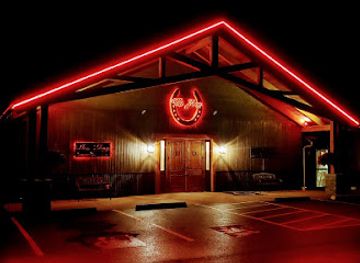
Grill
Falling Waters
Discover the flavors of Montana at Falling Waters, where delicious grilled dishes meet a warm, inviting atmosphere in Polson.
5 min drive · 1.8 km from city centre
Best shops in Polson
Shopping in Polson is concentrated around Main Street and nearby commercial areas, where independent retailers, galleries, practical local businesses and seasonal vendors serve both residents and visitors. The range is more small-town than metropolitan, with clothing, gifts, books, outdoor equipment, antiques and locally made goods appearing alongside everyday necessities. Farmers’ markets and community events may offer Montana produce, baked goods, preserves and crafts when in season. Visitors can also find artwork and souvenirs inspired by Flathead Lake, local wildlife and the surrounding mountains, although products carrying Native imagery should be approached thoughtfully and purchased from legitimate Native artists or tribally connected sources. Polson is not primarily a luxury-shopping destination; its appeal lies in browsing a functioning regional centre and finding locally connected goods rather than predictable chain-store retail.
-
Hardware store
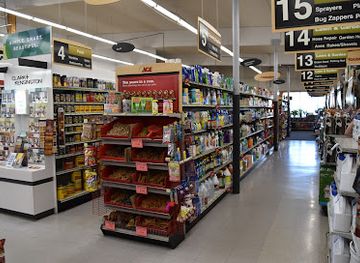
Montana Ace | Polson
Explore Montana Ace in Polson for all your hardware and home improvement needs, crafted to meet the demands of both locals and travelers alike.
8 min drive · 2.7 km from city centre
-
Coffee shop
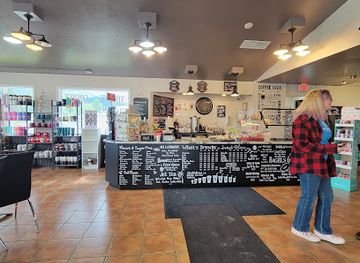
Sweet Bliss
Discover Sweet Bliss, a charming coffee shop in Polson offering artisanal brews, homemade treats, and a cozy ambiance perfect for relaxation.
9 min drive · 3.0 km from city centre
-
Store
Three Dog Down Outlet
Explore unique outdoor apparel and accessories at Three Dog Down Outlet in Polson, Montana, where friendly service meets quality craftsmanship.
15 min walk · 1.2 km from city centre
-
Furniture store
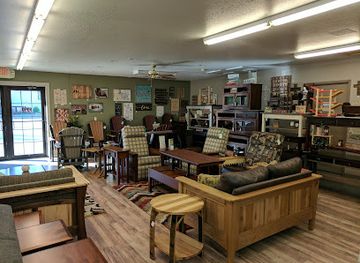
Stutzman's Amish Crafted Furniture
Experience the beauty of handcrafted Amish furniture and quilts at Stutzman's in Polson, Montana—a treasure trove for home decor enthusiasts.
5 min drive · 1.6 km from city centre
Get your free copy of our complete guide to Polson, delivered straight to you.
Everything on this page, from attractions and restaurants to essentials and local phrases, in one PDF you can read offline, print or share.
Already have an account? Sign in
Your Polson guide is ready.
We'll send it to · Not you? Sign out

Getting your guide ready…
We are putting together a fresh copy of the Polson guide. This can take up to a minute.
This can take a few moments. If your browser asks, choose Allow so the download can start. You'll find the guide in your Downloads folder.
Nothing happened? Download it again
Sorry, the guide is taking longer than usual. Please try again in a minute, or get it by email instead.
Polson essentials
Currency and Payment
Safety
Emergency Situations
Do's and Don'ts
Local Tips
From Eve
Local phrases worth knowing
You don't need to get them perfect. A few words go a long way, and locals appreciate the effort.
Basics
| English | Local | Say it |
|---|---|---|
| Hello | Howdy | [ˈhaʊdi] |
| Goodbye | See ya | [siː jə] |
| Yes | Yup | [jʌp] |
| No | Nope | [noʊp] |
| Please/You're welcome | Please/You're welcome | [pliːz/jʊr ˈwɛlkəm] |
| Thank you | Thanks | [θæŋks] |
| Excuse me/Sorry | Pardon me | [ˈpɑrdn mi] |
| How are you? | Howdy | [ˈhaʊdi] |
| Fine. And you? | Fine. And you? | [faɪn. ænd juː] |
| Do you speak English? | Do ya speak English? | [du jə spiːk ˈɪŋɡlɪʃ] |
| I don't understand | I don't get it | [aɪ doʊnt ˌəndərˈstænd] |
Eating & Drinking
| English | Local | Say it |
|---|---|---|
| I'd like to see the menu, please | I'd like to see the menu, please | [aɪd ˈlaɪk tuː siː ðə ˈmɛnjuː pliːz] |
| I don't eat meat | I don't eat meat | [aɪ doʊnt iːt mit] |
| Cheers! | Cheers! | [ʧɪrz] |
| I would like to pay, please | I would like to pay, please | [aɪ wʊd laɪk tuː peɪ pliːz] |
Emergencies
| English | Local | Say it |
|---|---|---|
| Help! | Help! | [hɛlp] |
| Go away! | Go away! | [ɡoʊ əˈweɪ] |
| Call the Police! | Call the Police! | [kɔl ðə pəˈlis] |
| Call a doctor! | Call a doctor! | [kɔl ə ˈdɑktər] |
| I'm lost | I'm lost | [aɪm lɔst] |
| I'm ill | I'm ill | [aɪm ɪl] |
Shopping
| English | Local | Say it |
|---|---|---|
| I'd like to buy... | I'd like to buy... | [aɪd ˈlaɪk tuː baɪ] |
| I'm just looking | I'm just looking | [aɪm ʤʌst ˈlʊkɪŋ] |
| How much is it? | How much is it? | [haʊ mʌʧ ɪz ɪt] |
| That's too expensive | That's too expensive | [ðæts tuː ɪkˈspɛnsɪv] |
| Can you lower the price? | Can you lower the price? | [kæn jʊ ˈloʊər ðə praɪs] |
Time & Numbers
| English | Local | Say it |
|---|---|---|
| What time is it? | What time is it? | [wʌt taɪm ɪz ɪt] |
| It's one o'clock | It's one o'clock | [ɪts wʌn əˈklɑk] |
| Half past (10) | Half past (10) | [hæf pæst (ˈtɛn)] |
| Morning | Morning | [ˈmɔrnɪŋ] |
| Afternoon | Afternoon | [ˌæftərˈnun] |
| Evening | Evening | [ˈivnɪŋ] |
| Yesterday | Yesterday | [ˈjɛstərˌdeɪ] |
| Today | Today | [təˈdeɪ] |
| Tomorrow | Tomorrow | [təˈmɑroʊ] |
| 1 | 1 | [wʌn] |
| 2 | 2 | [tuː] |
| 3 | 3 | [θriː] |
| 4 | 4 | [fɔr] |
| 5 | 5 | [faɪv] |
| 6 | 6 | [sɪks] |
| 7 | 7 | [ˈsɛvən] |
| 8 | 8 | [ˈeɪt] |
| 9 | 9 | [naɪn] |
| 10 | 10 | [tɛn] |
Transport & Directions
| English | Local | Say it |
|---|---|---|
| Where's a/the...? | Where's a/the...? | [wɛrz ə ðə] |
| What's the address? | What's the address? | [wɑts ðə əˈdrɛs] |
| Can you show me (on the map)? | Can you show me (on the map)? | [kæn jʊ ʃoʊ miː (ɒn ðə mæp)] |
| When's the next (bus)? | When's the next (bus)? | [wɛnz ðə nɛkst (bʌs)] |
| A ticket (to ....) | A ticket (to ....) | [ə ˈtɪkɪt (tu ...)] |
History of Polson
Salish and Kootenai Homeland
The Polson area lies within the wider homeland of the Salish, Kootenai and Pend d’Oreille peoples, whose communities have long used the valleys, rivers and waters of the southern Flathead region. Flathead Lake was central to travel, fishing and seasonal life, and its surrounding landscape remains culturally significant. The 1855 Treaty of Hellgate established the Flathead Indian Reservation, although its history also includes later federal pressures, land allotment and the loss of tribal control over portions of the reservation. Today, the Confederated Salish and Kootenai Tribes continue to govern and sustain cultural life in the region, providing essential context for understanding Polson and the landscapes around it.
Trade, Missions and Regional Contact
During the nineteenth century, the southern Flathead Valley became increasingly connected to fur trade, missionary activity and expanding networks of travel. Catholic missionaries worked among Salish communities from the 1840s, while traders, surveyors and settlers entered a region whose established Indigenous economies and political relationships were being reshaped by outside influence. The nearby Mission Mountains preserve a reminder of this period in their name, though the region’s history is considerably older than the missions themselves. Roads, steamboat routes and later commercial links around Flathead Lake gradually tied local communities to markets beyond the valley.
The Town Takes Shape
Polson emerged as a non-Indigenous settlement at the southern end of Flathead Lake during the late nineteenth and early twentieth centuries. Its position at the lake’s outlet made it useful for transport, trade and communication between the valley communities and the waterborne routes that once served them. The town was named for David Polson, an early settler associated with the area, and Polson was incorporated in 1910. Agriculture, timber, commerce and public administration supported its growth, while the surrounding reservation and rural settlements shaped the town’s economic and social setting.
Irrigation, Roads and Agricultural Change
Twentieth-century development altered the southern Flathead landscape through irrigation, improved roads and expanding agricultural production. Orchards and farms benefited from the valley’s climate and access to water, while motor transport gradually displaced the older importance of lake and steamboat connections. Polson became the administrative centre of Lake County and a service town for surrounding rural communities. The region’s history was not simply a story of economic growth: agricultural expansion and land policy also affected tribal landholdings and Indigenous communities on the reservation. Local museums and historic buildings preserve fragments of these overlapping experiences.
A Lakeside Community Today
Modern Polson combines county administration, tourism, recreation, agriculture and everyday services for a wide rural area. Flathead Lake now draws visitors for boating, fishing, paddling and scenic travel, while the Mission Mountains and nearby public lands provide a backdrop for outdoor activity. Community events, museums and town-centre businesses maintain connections with earlier generations, but the city’s identity is also shaped by its relationship with the Confederated Salish and Kootenai Tribes and the continuing cultural life of the reservation. Contemporary Polson is therefore both a lakeside destination and a working service community within a historically layered landscape.
Polson in Photos
Browse through our photo collection highlighting the charm and character of the destination.
Cities near Polson
The closest cities to Polson, if you have time for more than one stop.
-

-

-

-

-


Swipe for more cities
Explore more
Explore more of Montana
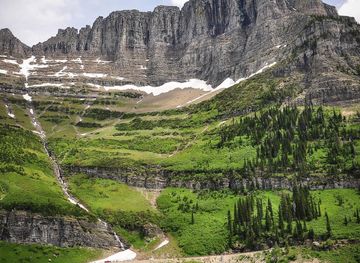
Discover Montana: A Treasure State of majestic landscapes, outdoor adventures, and rich cultural heritage. Explore Glacier and Yellowstone, charming towns, and historic sites.
Explore Montana