

Free The Judith Basin Travel Guide & Mobile App
Explore The Judith Basin with free travel guides. Discover regional history, expert tips, proposed trips, and audio guides on web or mobile app.


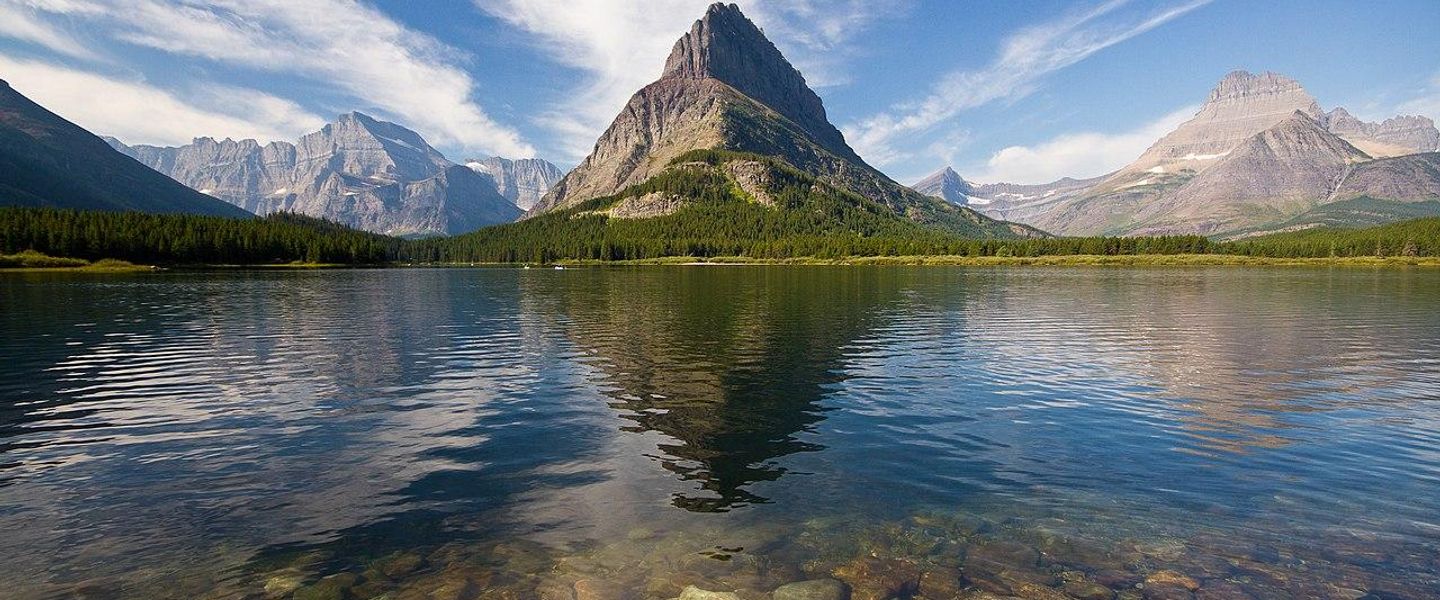


The Judith Basin offers wide Montana prairie, ranching heritage, mountain views, fishing at Ackley Lake and quiet small-town travel.
Read more about The Judith Basin
Getting to and around The Judith Basin
How to get there
Transportation
Top city travel guides in The Judith Basin
The cities of The Judith Basin, and the easiest places to base yourself.

Swipe for more cities
Best attractions in The Judith Basin
The Judith Basin’s attractions are primarily outdoor, historic and landscape-based. Ackley Lake State Park, near Hobson, is the region’s clearest recreational focus, with opportunities for boating, fishing, camping and watching waterfowl against a prairie setting. Around Stanford and the surrounding farming communities, visitors can explore local history, agricultural landscapes and the small-town institutions that preserve the story of homesteading, ranching and railway-era settlement. Scenic drives are an attraction in their own right, particularly where open wheat fields give way to the foothills and forested country of the Little Belt Mountains. Hiking, wildlife observation, fishing and seasonal hunting are available where public access and regulations permit. The Judith River and its tributaries provide further context for understanding the basin’s geography, although access varies because much land is privately owned. Community events, county gatherings and local heritage activities can add a social dimension, but their timing changes from year to year. The region is not built around a large collection of ticketed attractions; its appeal lies in spacious scenery, working landscapes, clear skies and the chance to experience a less commercial side of central Montana.
-
Museum
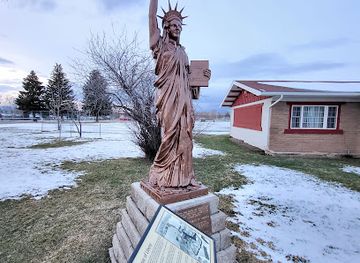
Judith Basin County Museum
Explore the Judith Basin County Museum, where local history comes alive through engaging exhibits and artifacts that showcase Montana's rich heritage.

Best landmarks in The Judith Basin
-
Hotel
Yogo Inn
Discover Yogo Inn in Lewistown, Montana: A welcoming hotel with dining, event venues, and a relaxing atmosphere for all travelers.
-
Mexican
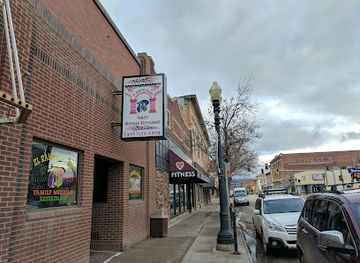
El Rancho Alegre
Experience the vibrant flavors and warm hospitality of El Rancho Alegre, a must-visit Mexican restaurant in Lewistown, Montana, for food lovers.
-
Restaurant
Harry's Place
Discover Harry's Place in Lewistown, Montana, where hearty comfort food meets warm hospitality in a cozy setting.
-
Restaurant
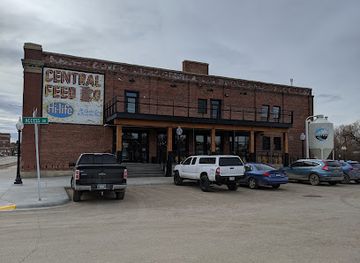
Central Feed Grilling Company
Experience the best of American grilling at Central Feed Grilling Company in Lewistown, Montana, where quality meets comfort in every bite.

Explore The Judith Basin on the map
Plan your trip on one map. See where the top cities, national parks and sights are, and book hotels and experiences in a few clicks.
Best hotels in The Judith Basin
Best restaurants in The Judith Basin
Dining in the Judith Basin reflects its small agricultural communities and the practical rhythms of rural Montana. Stanford, Hobson and the other towns have local cafés, bars and informal eateries where meals may centre on familiar American dishes, sandwiches, burgers, breakfast plates and baked goods rather than an extensive restaurant scene. Beef and wheat from the wider farming and ranching economy are important regional foods, while seasonal produce, home baking and community cooking appear at local gatherings and markets when available. Visitors staying in rural accommodation should check whether meals are provided and plan provisions ahead, since restaurants and shops are widely spaced and operating hours can be limited. A strong local-food experience may come through a café breakfast, a community event or a meal served in a small-town establishment rather than a formal destination restaurant. For more varied dining, Great Falls and Lewistown, both outside the Judith Basin, provide broader choices and can be used as gateway stops.
-
Restaurant
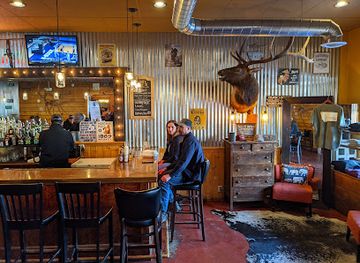
Bar 47
Discover Bar 47: A delightful blend of dining and gaming in White Sulphur Springs offering delicious food and refreshing drinks.
-
American
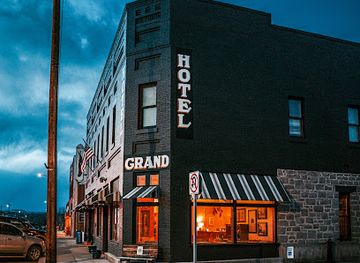
The Grand Hotel & Restaurant
Discover the charm of The Grand Hotel & Restaurant in Big Timber, Montana – where delicious American cuisine meets historic ambiance.
-
Restaurant
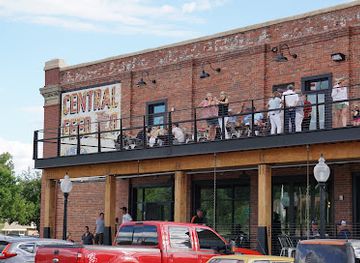
Central Feed Grilling Company
Experience delightful American cuisine at Central Feed Grilling Company in Lewistown, MT - where flavor meets hospitality!
-
Grill
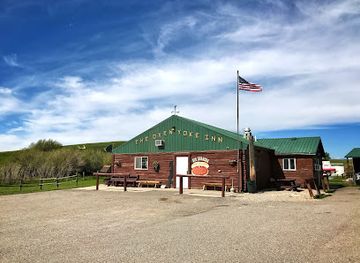
Oxen Yoke Inn
Experience delightful dining at Oxen Yoke Inn in Hobson, Montana - where local flavors meet friendly service in a rustic setting.
Best bars in The Judith Basin
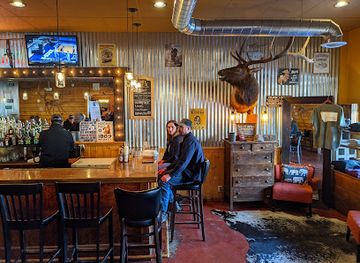
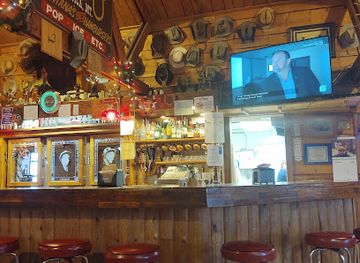
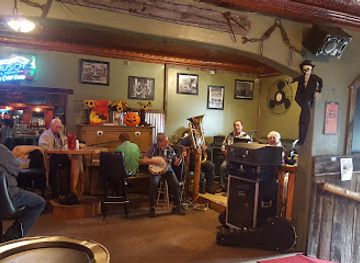
Evening life in the Judith Basin is concentrated in small-town bars, cafés, community gatherings and occasional live entertainment rather than dedicated nightclub districts. Stanford and other local communities may offer informal places for conversation, food and drinks, while social life is also shaped by sporting events, fairs, dances and seasonal community functions. Rural evenings are generally quiet, and visitors should not expect late-night transport, a dense choice of venues or dependable opening hours across every town. Local bars are working community establishments, so respectful behaviour and awareness of the setting matter. People seeking theatre, larger live-music programmes or a broader late-night scene will find more options in Great Falls or Lewistown, which are outside the Judith Basin. Designated driving is particularly important because distances are long and taxis or ride-hailing services may be unavailable in rural areas.
-
Bar
Bar 47
Discover Bar 47 in White Sulphur Springs, a charming bar and restaurant offering delicious food, refreshing drinks, and exciting gaming.
-
Grill
Oxen Yoke Inn
Discover the rustic charm and hearty flavors of Montana at Oxen Yoke Inn, a beloved grill and bar for every traveler.
-
Grill
Tall Boys Tavern
Discover Tall Boys Tavern in Hobson, Montana - a local favorite for delicious grill fare and a vibrant bar atmosphere!
-
Grill
Harvest Moon Saloon
Experience a blend of local flavors and a cozy ambiance at Harvest Moon Saloon, the perfect dining spot in Belt, Montana.
Best nightclubs in The Judith Basin
Evening life in the Judith Basin is concentrated in small-town bars, cafés, community gatherings and occasional live entertainment rather than dedicated nightclub districts. Stanford and other local communities may offer informal places for conversation, food and drinks, while social life is also shaped by sporting events, fairs, dances and seasonal community functions. Rural evenings are generally quiet, and visitors should not expect late-night transport, a dense choice of venues or dependable opening hours across every town. Local bars are working community establishments, so respectful behaviour and awareness of the setting matter. People seeking theatre, larger live-music programmes or a broader late-night scene will find more options in Great Falls or Lewistown, which are outside the Judith Basin. Designated driving is particularly important because distances are long and taxis or ride-hailing services may be unavailable in rural areas.
-
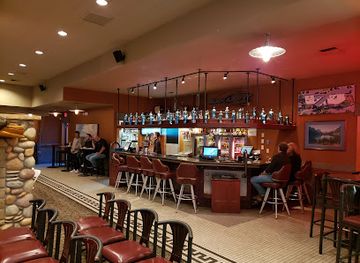
Cocktail bar
Red Door Lounge
Experience the lively ambiance and delicious offerings at Red Door Lounge, a top cocktail bar and American restaurant in Billings, Montana.
-
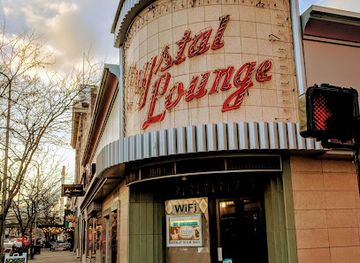
Casino
Crystal Lounge Casino
Discover the vibrant atmosphere of Crystal Lounge Casino, where gaming excitement meets karaoke fun in the heart of Billings, Montana.
-
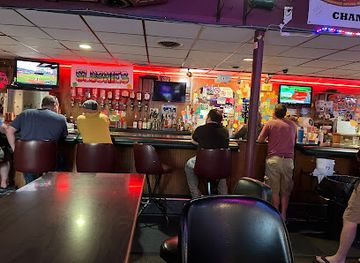
Lounge
Town & Country Lounge
Experience the cozy charm of Town & Country Lounge in Missoula, where delightful drinks and a welcoming atmosphere await you.
-
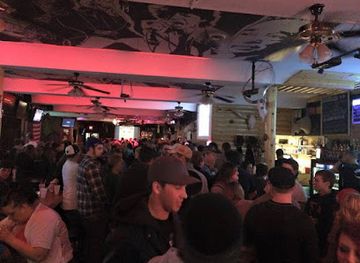
Dance hall
Daisy Dukes Saloon and Dance Hall
Discover the vibrant nightlife at Daisy Dukes Saloon and Dance Hall, where dancing, live music, and great drinks await in Billings, Montana.
Best shops in The Judith Basin
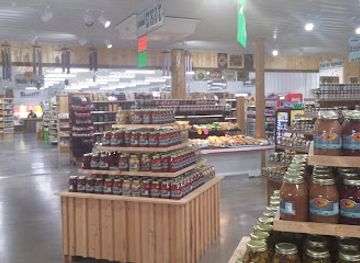
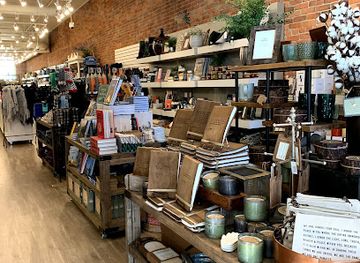
Shopping in the Judith Basin is practical and small-scale, centred on local services, independent businesses and occasional community markets rather than large retail centres. Stanford is the most useful place to look for everyday supplies and locally oriented shops, while Hobson, Geyser, Moccasin and nearby communities offer more limited options that may follow rural opening patterns. Visitors may find locally produced food, home baking, craft items, books, antiques or agricultural memorabilia at community events and seasonal markets, although availability changes. Regional purchases can include Montana-made goods, locally sourced provisions and practical outdoor supplies rather than a standard range of branded souvenirs. Plan ahead for fuel, snacks and camping essentials, particularly before travelling towards the Little Belt Mountains or remote recreation areas. For extensive retail, galleries and specialist shopping, Great Falls and Lewistown are neighbouring gateway destinations outside the Judith Basin.
-
Grocery store
Big Sky Grocery
Explore the flavors of Montana at Big Sky Grocery, your local hub for unique products and quality goods.
-
Gift shop
Heyday
Explore Heyday in Bozeman for unique gifts and artisanal finds that capture the essence of Montana's creativity and charm.
-
Jewelry store
Kehoe's Agate Shop
Explore the vibrant world of gemstones at Kehoe's Agate Shop in Bigfork, Montana - a treasure trove for jewelry lovers and rock enthusiasts.
-
Truck stop
Eddies Corner
Experience the warmth of American hospitality at Eddie's Corner, a beloved truck stop and restaurant in the heart of Montana.


Get your free copy of our complete guide to The Judith Basin, delivered straight to you.
Everything on this page, from attractions and restaurants to essentials and local phrases, in one PDF you can read offline, print or share.
Already have an account? Sign in
Your The Judith Basin guide is ready.
We'll send it to · Not you? Sign out

Getting your guide ready…
We are putting together a fresh copy of the The Judith Basin guide. This can take up to a minute.
This can take a few moments. If your browser asks, choose Allow so the download can start. You'll find the guide in your Downloads folder.
Nothing happened? Download it again
Sorry, the guide is taking longer than usual. Please try again in a minute, or get it by email instead.
The Judith Basin essentials
Currency and Payment
Safety
Emergency Situations
Do's and Don'ts
Local Tips
From Eve
Local phrases worth knowing
You don't need to get them perfect. A few words go a long way, and locals appreciate the effort.
Basics
| English | Local | Say it |
|---|---|---|
| Hello | Howdy | [Hau-dee] |
| Goodbye | See ya later | [See ya lay-ter] |
| Yes | Yup | [Yup] |
| No | Nope | [Nope] |
| Please/You're welcome | Sure thing | [Shoor thing] |
| Thank you | Thanks a lot | [Thanks a lot] |
| Excuse me/Sorry | Pardon me | [Par-don mee] |
| How are you? | How ya doin'? | [How ya doin'?] |
| Fine. And you? | I'm good. And you? | [I'm good. And you?] |
| Do you speak English? | Do ya speak English? | [Do ya speak English?] |
| I don't understand | I ain't followin' | [I ain't followin'] |
Eating & Drinking
| English | Local | Say it |
|---|---|---|
| I'd like to see the menu, please | Can I see the menu? | [Can I see the menu?] |
| I don't eat meat | I don't do meat | [I don't do meat] |
| Cheers! | Here's to ya! | [Here's to ya!] |
| I would like to pay, please | Can I settle up? | [Can I settle up?] |
Emergencies
| English | Local | Say it |
|---|---|---|
| Help! | Help! | [Help!] |
| Go away! | Leave me be! | [Leave me be!] |
| Call the Police! | Call the cops! | [Call the cops!] |
| Call a doctor! | Get a doctor! | [Get a doctor!] |
| I'm lost | I ain't sure where I am | [I ain't sure where I am] |
| I'm ill | I ain't feelin' good | [I ain't feelin' good] |
Shopping
| English | Local | Say it |
|---|---|---|
| I'd like to buy... | I wanna buy... | [I wanna buy...] |
| I'm just looking | Just browsing, thanks | [Just browsing, thanks] |
| How much is it? | What’s the price? | [What’s the price?] |
| That's too expensive | That's a bit steep | [That's a bit steep] |
| Can you lower the price? | Can ya bring it down? | [Can ya bring it down?] |
Time & Numbers
| English | Local | Say it |
|---|---|---|
| What time is it? | What's the time? | [What's the time?] |
| It's one o'clock | It's one | [It's one] |
| Half past (10) | Half past ten | [Half past ten] |
| Morning | Mornin' | [Mornin'] |
| Afternoon | Afternoon | [Afternoon] |
| Evening | Evenin' | [Evenin'] |
| Yesterday | Yesterday | [Yesterday] |
| Today | Today | [Today] |
| Tomorrow | Tomorrow | [Tomorrow] |
| 1 | One | [One] |
| 2 | Two | [Two] |
| 3 | Three | [Three] |
| 4 | Four | [Four] |
| 5 | Five | [Five] |
| 6 | Six | [Six] |
| 7 | Seven | [Seven] |
| 8 | Eight | [Eight] |
| 9 | Nine | [Nine] |
| 10 | Ten | [Ten] |
Transport & Directions
| English | Local | Say it |
|---|---|---|
| Where's a/the...? | Where's the nearest...? | [Where's the nearest...?] |
| What's the address? | What’s the address? | [What’s the address?] |
| Can you show me (on the map)? | Can ya point it out? | [Can ya point it out?] |
| When's the next (bus)? | When's the next bus? | [When's the next bus?] |
| A ticket (to ....) | One ticket to... | [One ticket to...] |
History of The Judith Basin
Indigenous Homelands and Travel Routes
The Judith Basin lies within a wider cultural landscape used by Indigenous peoples for hunting, travel and trade for centuries before Euro-American settlement. The Blackfeet and the Aaniiih and Nakoda peoples are among the communities historically connected with central Montana, while neighbouring tribal homelands also shaped movement through the plains and mountain corridors. Rivers, ridges and passes were practical routes as well as places carrying cultural meaning. Visitors should understand the basin’s later ranching history as one layer of a much older human landscape, not as the beginning of its history.
The Lewis and Clark Expedition, 1805
During the westward journey of the Lewis and Clark expedition, William Clark travelled along the river now known as the Judith. He named it for Julia Hancock, a young woman from Virginia whom he later married. The name preserves a moment in the expedition’s record, but the river itself was already part of an established Indigenous geography. The Judith system subsequently became an important reference point for maps, travel and settlement in central Montana.
Ranching and the Open-Range Era
In the later nineteenth century, cattle ranching expanded across central Montana as newcomers, stock operators and existing Indigenous communities encountered a rapidly changing political and economic order. The basin’s grasslands supported ranching, while the surrounding mountains supplied summer range, timber and water. Fences, private land ownership and federal policy gradually replaced the open-range system. The region’s working landscape still reflects this period in its ranch buildings, grazing country, stock roads and enduring dependence on land and weather.
Homesteading and Dryland Farming
The early twentieth century brought homesteaders to the Judith Basin, encouraged by land policies and the prospect of farming Montana’s prairies. Settlers established farms, schools and small service communities, although drought, severe winters and fluctuating crop prices made agricultural life precarious. Wheat and other grains became central to the local economy, alongside livestock. The broad fields and widely spaced settlements visible today are largely products of this era, when transportation links and local institutions helped turn an open basin into a settled farming district.
Railways and the Rise of Stanford
Railway development transformed central Montana by connecting agricultural districts with larger markets and supplying a dependable route for people, machinery and grain. Stanford developed as the county seat and a local service centre during the settlement period, benefiting from its position within the basin’s farming network. Hobson, Geyser, Moccasin and other communities likewise grew around agricultural services, transport connections and civic institutions. Although rail transport no longer defines everyday travel for visitors, the town pattern and grain economy it helped establish remain visible.
Agricultural Adaptation in Modern Montana
During the twentieth and early twenty-first centuries, the Judith Basin adjusted to mechanisation, changing commodity prices, consolidation of farms and the decline of some rural services. Grain production and cattle ranching remain important, but modern agriculture operates with fewer workers and larger areas managed through machinery and specialist equipment. Community halls, county fairs, local businesses and volunteer organisations continue to support social life. The result is a region where contemporary rural Montana coexists with historic settlement patterns and a strong dependence on agricultural conditions.
The Judith Basin in Photos
Browse through our photo collection highlighting the charm and character of the destination.
Neighbouring regions of The Judith Basin
The closest regions to The Judith Basin, if you have time for more than one.
-

-

-

-

-


Swipe for more regions
Explore more
Explore more of Montana
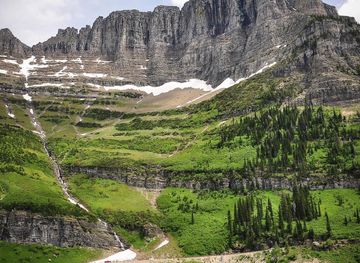
Discover Montana: A Treasure State of majestic landscapes, outdoor adventures, and rich cultural heritage. Explore Glacier and Yellowstone, charming towns, and historic sites.
Explore Montana