

Central Montana, Montana Travel Guide
Discover Central Montana: A blend of natural beauty, historic charm, and outdoor adventure in the heart of Big Sky Country.
Central Montana is a paradise for nature lovers and adventurers. This area is home to vast prairies, rolling hills, and the majestic Rocky Mountains in the distance. The region is perfect for hiking, fishing, and camping. You will find wildlife in abundance, including deer, elk, and a variety of bird species. Historic towns like Lewistown offer a glimpse into the past with their charming Main Streets and local museums. Lewistown is also known for its annual Chokecherry Festival, a celebration of local culture and food. Don't miss the chance to explore the Charles M. Russell National Wildlife Refuge, where you can see bison and other wildlife in their natural habitat. Central Montana is also a great place to experience local culture. The region is rich with Native American history, and visitors can learn about the area's heritage through various cultural sites and events. Whether you want to relax in a quiet, scenic setting or embark on an outdoor adventure, Central Montana has something for everyone.

Know before you go
Hi, I'm Eve. Here are a few practical things to know before exploring Central Montana.
- Visit in late summer or early fall for the best weather and to enjoy local festivals like the Chokecherry Festival.
- Pack layers of clothing; temperatures can vary widely throughout the day.
- Make reservations in advance for popular activities like guided wildlife tours.
- Consider renting a car to explore the vast and scenic landscapes at your own pace.
Top City Travel Guides in Central Montana
The cities of Central Montana, and the easiest places to base yourself.


Destinations in Central Montana
Resorts, valleys and scenic spots worth a trip of their own.


Explore Central Montana: Things to Do, Places to Eat, Hotels & More
Handpicked recommendations for top attractions, local dining, accommodations, and more

Top Attractions & Sightseeing in Central Montana
Top-rated picks
Best Attractions

Pictograph Cave State Park
Explore ancient rock art and enjoy nature at Pictograph Cave State Park in Billings, Montana, a unique blend of history and outdoor adventure.

Lake Elmo State Park
Explore Lake Elmo State Park in Billings, MT - a natural haven for outdoor enthusiasts and families seeking adventure and tranquility.

Moss Mansion Museum
Explore the architectural beauty and rich history of Moss Mansion Museum, a captivating attraction in Billings, Montana.

Big Springs Trout Hatchery & Park
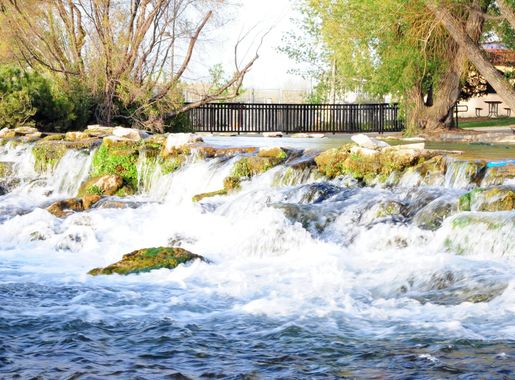
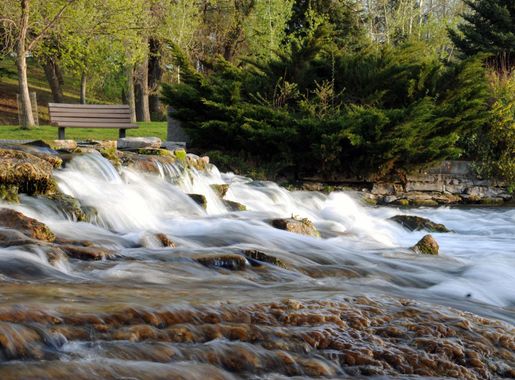
Experience the beauty of nature and the fascinating world of trout breeding at Big Springs Trout Hatchery & Park in Montana.

Best landmarks in Central Montana
Top-rated picks
Best Landmarks

Big Springs Trout Hatchery & Park
Explore the serene beauty of Big Springs Trout Hatchery & Park, a must-visit attraction for nature lovers and fishing enthusiasts in Lewistown, Montana.

Charlie Russell Chew Choo
Experience a unique culinary journey aboard the Charlie Russell Chew Choo, where breathtaking scenery meets exquisite dining in the heart of Montana.

Best restaurants in Central Montana
Top-rated picks
Best Restaurants

Texas Roadhouse
Experience the best of American dining at Texas Roadhouse in Billings—delicious steaks, vibrant atmosphere, and friendly service await you!

MOOYAH Burgers, Fries & Shakes
Experience gourmet burgers and delicious shakes at MOOYAH Burgers in Billings - perfect for families and food lovers alike.

Cracker Barrel Old Country Store
Experience the warmth of Southern hospitality at Cracker Barrel Old Country Store in Billings – where delicious comfort food meets charming shopping.

Montana's Rib & Chop House
Experience mouthwatering steaks and barbecue at Montana's Rib & Chop House in Billings – a family-friendly dining destination with a relaxed atmosphere.

Best bars in Central Montana
Top-rated picks
Best Bars

Jake's Bar & Grill
Experience the essence of American cuisine at Jake's Bar & Grill in Billings, MT, where savory flavors and a vibrant atmosphere await.

Montana Brewing Company
Discover the Best of Montana's Craft Beer and American Cuisine at Montana Brewing Company in Billings.

The Divide Bar & Grill
Experience the heart of Montana dining at The Divide Bar & Grill, where delicious American favorites meet a vibrant sports bar atmosphere.

The Pub Station
Discover live music and vibrant events at The Pub Station, Billings' premier concert hall and community gathering spot.

Best nightclubs in Central Montana
Top-rated picks
Best Nightclubs

Red Door Lounge
Experience the lively spirit of Billings at the Red Door Lounge, a premier cocktail bar with delectable American cuisine and engaging nightlife.

Crystal Lounge Casino
Explore the vibrant Crystal Lounge Casino in Billings, Montana, where gaming thrills and karaoke nights come together for an unforgettable experience.

Stars 'n' Stripes Lounge And Casino
Discover the ultimate entertainment experience at Stars 'n' Stripes Lounge And Casino in Billings, Montana – where gaming meets sports excitement.

Rainbow Bar
Discover the lively Rainbow Bar in Billings, Montana - a cocktail bar and pub offering affordable drinks and vibrant entertainment for an unforgettable night out.

Best shops in Central Montana
Top-rated picks
Best Shops

Rimrock Mall
Discover a vibrant shopping experience at Rimrock Mall in Billings, Montana, featuring diverse shops, dining, and entertainment for all ages.

Gallatin Valley Mall
Discover the charm of Gallatin Valley Mall in Bozeman, a shopping paradise with diverse stores and delightful dining options for every visitor.

Liberty & Vine Country Store
Discover unique gifts and local treasures at Liberty & Vine Country Store in Billings, Montana - a charming shop for all your souvenir needs.

Heyday
Explore Heyday, the charming gift shop in Bozeman offering unique treasures, local art, and thoughtful gifts for every occasion.

Explore Central Montana on the Map
A handpicked selection of must-see spots in Central Montana, mapped for you.
Central Montana Essentials
-
Central Montana can be accessed through several major airports. The closest major airport is Great Falls International Airport (GTF), which is located in the north-central part of Montana. For those traveling from the east or west, Billings Logan International Airport (BIL) and Helena Regional Airport (HLN) are also convenient options. From these airports, you can rent a car, take a shuttle, or use local taxi services to reach your destination within Central Montana. Amtrak's Empire Builder train route also stops in Havre and Shelby, providing another travel option.
-
Transportation within Central Montana is primarily car-centric due to the region's vast and rural nature. Renting a car is highly recommended for exploring the area at your own pace. Local taxi services are available in larger towns like Great Falls and Lewistown. For those looking for public transit, Great Falls Transit District provides bus services within Great Falls. Additionally, some towns have bicycle rentals for short-distance travel. Always check road conditions, especially during winter months, as weather can significantly impact travel.
-
The official currency is the United States Dollar (USD). Credit and debit cards are widely accepted in most establishments, including hotels, restaurants, and shops. However, it is advisable to carry some cash, particularly if you plan to visit more remote areas or small towns where card payment facilities may be limited. ATMs are available in larger towns, but make sure to withdraw sufficient cash before heading into the countryside.
-
Central Montana is generally a safe destination for tourists. However, standard precautions should always be taken. Avoid leaving valuables in your car and be mindful of your belongings in crowded areas. While Central Montana does not have significant high-crime areas targeting tourists, it is advisable to avoid walking alone at night in unfamiliar places. Always stay aware of your surroundings and follow local advice on safety.
-
In case of emergency, dial 911 for immediate assistance. For non-urgent medical issues, there are hospitals and clinics in larger towns such as Great Falls, Lewistown, and Havre. It is recommended to have travel insurance that covers medical emergencies. Pharmacies are available in most towns for over-the-counter medications. Always carry a first-aid kit, especially if you plan to explore remote areas or go hiking.
-
Fashion: Do dress in layers and wear comfortable, weather-appropriate clothing. Avoid overly revealing attire in more conservative areas. Religion: Do respect local customs and traditions. If visiting religious sites, dress modestly and be respectful. Public Transport: Do plan your routes in advance as public transport options are limited. Don’t expect frequent service in rural areas. Greetings: Do greet people with a friendly 'hello' or a handshake. Montanans are generally friendly and approachable. Eating & Drinking: Do try local delicacies such as bison burgers and huckleberry products. Don’t forget to tip, as this is customary in the U.S.
-
To experience Central Montana like a local, consider participating in community events and festivals, which often highlight local culture and traditions. Visit local farmers' markets for fresh produce and local crafts. Engage with locals at cafes and diners, as they are usually happy to share insights and stories about the region. Don't miss out on exploring the scenic byways and hiking trails that offer breathtaking views and opportunities for wildlife spotting. Additionally, visiting historical landmarks like the Lewis and Clark Interpretive Center in Great Falls can provide a deeper understanding of the area's rich history.
When is the best time to visit Central Montana?
Useful Local Phrases for Central Montana
You don't need to speak the language perfectly. Even learning a few simple words can make conversations warmer—and locals usually appreciate the effort.
— Eve

Here are the phrases I use most often in Central Montana. Try a few—you'll be surprised how far they go! 😊
❤️
-
- HelloHowdy
[haʊdi] - GoodbyeSee ya later
[si jə leɪtə] - YesYep
[jɛp] - NoNope
[noʊp] - Please/You're welcomeSure thing
[ʃʊr θɪŋ] - Thank youThanks a lot
[θæŋks ə lɑt] - Excuse me/SorryPardon me
[ˈpɑrdən mi] - How are you?How ya doin'?
[haʊ jə ˈduɪn] - Fine. And you?Good, and you?
[ɡʊd ənd jə] - Do you speak English?Do ya speak English?
[du jə spiːk ˈɪŋɡlɪʃ] - I don't understandI ain't got it
[aɪ eɪnt ɡɑt ɪt]
- HelloHowdy
-
- I'd like to see the menu, pleaseCan I see the menu?
[kæn aɪ si ðə ˈmɛnju] - I don't eat meatI don't eat beef
[aɪ doʊnt it biːf] - Cheers!Cheers!
[tʃɪrz] - I would like to pay, pleaseCan I get the check?
[kæn aɪ ɡɛt ðə tʃɛk]
- I'd like to see the menu, pleaseCan I see the menu?
-
- Help!Help!
[hɛlp] - Go away!Get lost!
[ɡɛt lɔst] - Call the Police!Call the cops!
[kɔl ðə kɑps] - Call a doctor!Get a doc!
[ɡɛt ə dɑk] - I'm lostI'm turned around
[aɪm tɜrnd əˈraʊnd] - I'm illI'm not feelin' good
[aɪm nɑt ˈfiːlɪn ɡʊd]
- Help!Help!
-
- I'd like to buy...I wanna buy...
[aɪ ˈwɑnə baɪ] - I'm just lookingJust browsing
[dʒʌst ˈbraʊzɪŋ] - How much is it?What's the price?
[wʌts ðə praɪs] - That's too expensiveThat's a bit high
[ðæts ə bɪt haɪ] - Can you lower the price?Can ya cut the price?
[kæn jə kʌt ðə praɪs]
- I'd like to buy...I wanna buy...
-
- What time is it?What time ya got?
[wʌt taɪm jə ɡɑt] - It's one o'clockIt's one
[ɪts wʌn] - Half past (10)Half past ten
[hæf pæst tɛn] - MorningMornin'
[ˈmɔrnɪn] - AfternoonAfter noon
[ˈæftər nun] - EveningEvenin'
[ˈivnɪn] - YesterdayYesterday
[ˈjɛstərdeɪ] - TodayToday
[təˈdeɪ] - TomorrowTomorrow
[təˈmɔroʊ] - 1One
[wʌn] - 2Two
[tu] - 3Three
[θri] - 4Four
[fɔr] - 5Five
[faɪv] - 6Six
[sɪks] - 7Seven
[ˈsɛvən] - 8Eight
[eɪt] - 9Nine
[naɪn] - 10Ten
[tɛn]
- What time is it?What time ya got?
-
- Where's a/the...?Where's the...?
[wɛrz ðə] - What's the address?What's the address?
[wʌts ði əˈdrɛs] - Can you show me (on the map)?Can ya point it out?
[kæn jə pɔɪnt ɪt aʊt] - When's the next (bus)?When's the next bus?
[wɛn ðə nɛkst bʌs] - A ticket (to ....)A ticket to ...
[ə ˈtɪkɪt tə ...]
- Where's a/the...?Where's the...?
History of Central Montana
-
Long before European settlers arrived, Central Montana was home to several Native American tribes, including the Blackfeet, Crow, and Gros Ventre. These tribes had a rich cultural heritage rooted in the plains and mountains of the region. They engaged in hunting, particularly of bison, and developed complex societies with distinct spiritual beliefs and practices. Their legacy remains evident in the area's place names, archaeological sites, and cultural traditions.
-
The Lewis and Clark Expedition, commissioned by President Thomas Jefferson, passed through Central Montana in 1805. Their journey through the Missouri River and over the Rocky Mountains marked a significant exploration of the American West. The expedition provided valuable information about the geography, flora, and fauna of the region and established contact with local Native American tribes. Today, travelers can follow portions of the Lewis and Clark National Historic Trail to relive this pivotal moment in American history.
-
Established in 1846 by the American Fur Company, Fort Benton is often referred to as the 'Birthplace of Montana.' It became a bustling trade center and the last stop for steamboats traveling up the Missouri River. Fort Benton played a crucial role in the fur trade, military operations, and the gold rush era. Visitors can explore the well-preserved fort and museum to learn about its significance in Montana's early development.
-
In 1877, the Nez Perce War brought turmoil to Central Montana. The conflict arose as the U.S. government sought to force the Nez Perce tribe onto a reservation. Under the leadership of Chief Joseph, the Nez Perce embarked on a remarkable retreat across several states, including Montana. The Battle of the Big Hole, one of the war's significant confrontations, took place in Montana and is now commemorated at the Big Hole National Battlefield.
-
The early 20th century saw a surge of homesteaders moving to Central Montana, drawn by the promise of free land under the Homestead Act of 1862. These settlers faced harsh conditions and isolation but were determined to establish farms and communities. Towns like Lewistown and Great Falls grew during this period, becoming hubs of agriculture and trade. The remnants of homesteads and farming equipment scattered across the landscape tell the story of this challenging yet hopeful time.
-
The construction of the Great Northern Railway in the late 19th and early 20th centuries was a transformative event for Central Montana. The railway facilitated the transportation of goods and people, spurring economic growth and the development of towns along its route. Havre, Montana, became a significant railway hub and continues to celebrate its railway heritage through museums and historical sites.
-
In the mid-20th century, Central Montana experienced an oil boom that brought significant economic changes to the region. The discovery of oil fields led to the establishment of drilling operations and the influx of workers. The town of Shelby became a focal point of this boom, with oil derricks dotting the landscape. While the boom eventually subsided, the legacy of this period is still visible in the region's infrastructure and economy.
-
Charles M. Russell, one of America's most celebrated Western artists, spent much of his life in Central Montana. His paintings and sculptures vividly captured the life of cowboys, Native Americans, and wildlife in the American West. The C.M. Russell Museum in Great Falls houses an extensive collection of his works and offers insights into his life and artistry. Russell's legacy continues to shape the cultural identity of Central Montana.
Neighbouring Regions of Central Montana
The closest regions to Central Montana, if you have time for more than one.


Your all‑in‑one travel companion app
Explore expert travel guides, compare and book tours, experiences, hotels, and more—all from the palm of your hand. Download now for seamless trip planning wherever your wanderlust takes you.


Explore More of Montana
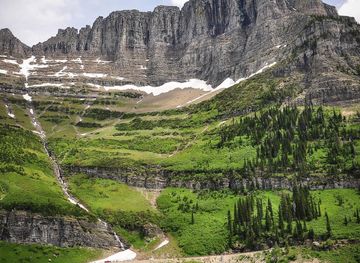
Looking beyond Central Montana? Discover Montana for broader travel guides, local hot-spots, and regional highlights.
Explore MontanaCentral Montana in Photos
Browse through our photo collection highlighting the charm and character of the destination.





The Heart of Big Sky Country: Central Montana
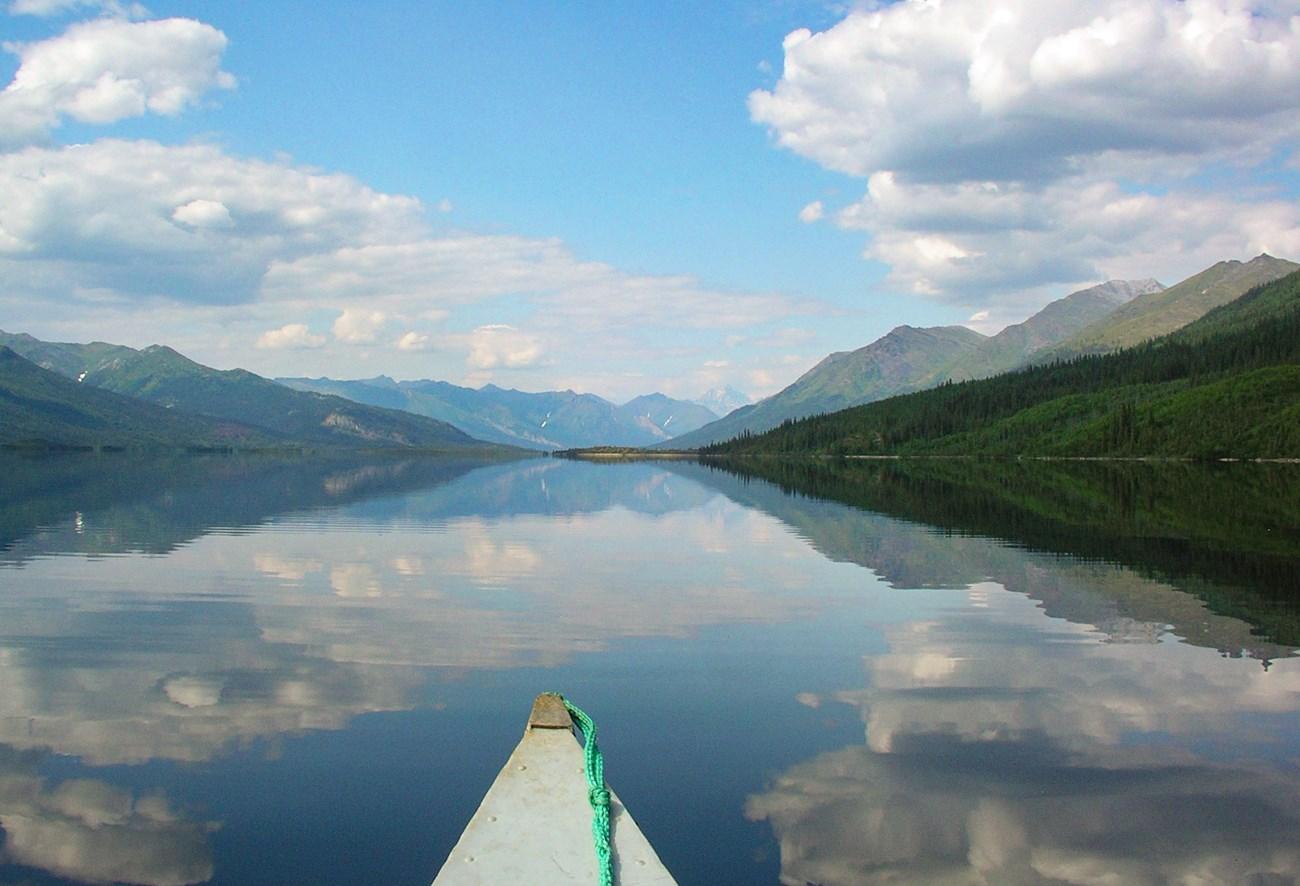
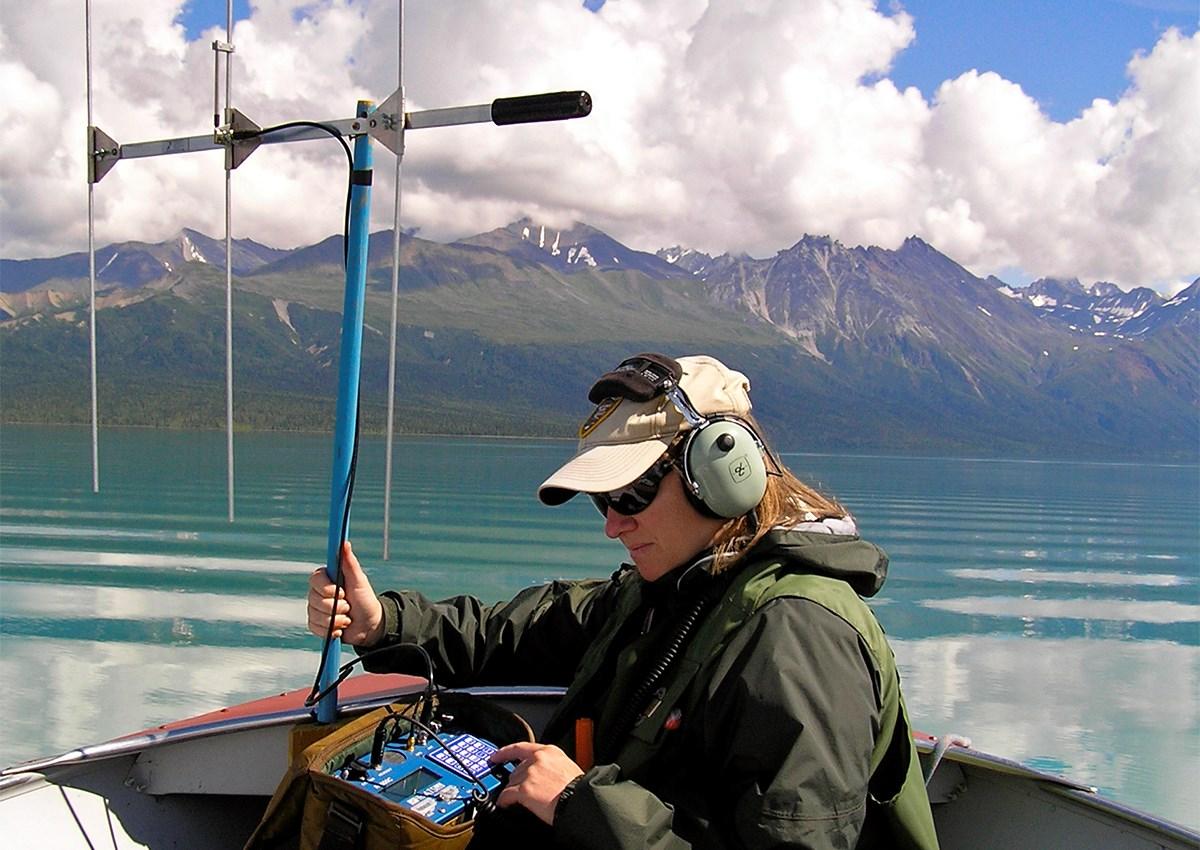
Central Montana is a paradise for nature lovers and adventurers. This area is home to vast prairies, rolling hills, and the majestic Rocky Mountains in the distance. The region is perfect for hiking, fishing, and camping. You will find wildlife in abundance, including deer, elk, and a variety of bird species. Historic towns like Lewistown offer a glimpse into the past with their charming Main Streets and local museums. Lewistown is also known for its annual Chokecherry Festival, a celebration of local culture and food. Don't miss the chance to explore the Charles M. Russell National Wildlife Refuge, where you can see bison and other wildlife in their natural habitat. Central Montana is also a great place to experience local culture. The region is rich with Native American history, and visitors can learn about the area's heritage through various cultural sites and events. Whether you want to relax in a quiet, scenic setting or embark on an outdoor adventure, Central Montana has something for everyone.