

Free Lewistown Travel Guide & Mobile App
Plan your Lewistown trip with Evendo. Get free guides to top attractions, restaurants, hotels, and bars. Web access or download the mobile app.


Lewistown, Montana, blends Central Montana history, cowboy culture, Yogo sapphires, museums and outdoor adventures in the Judith Basin landscape.
A Central Montana Crossroads
Lewistown sits in the centre of Montana, where the agricultural Judith Basin meets the foothills of the Little Belt and Judith Mountains. Fergus County’s seat is a small, practical town with a strong sense of regional identity: broad skies, working ranches, grain fields and distant mountain ridges shape the view in every direction. Its compact centre is easy to explore on foot, while Big Spring Creek brings a ribbon of water and wildlife through the surrounding landscape.Read more about Lewistown
Heritage, Art and Cowboy Culture
Landscape Beyond the Town
When is the best time to visit Lewistown?
Best: July–September · 18–24°C| Month | High (°C) | Rainfall (mm) |
|---|---|---|
| January | -1 | 14 |
| February | 2 | 13 |
| March | 6 | 23 |
| April | 12 | 36 |
| May | 17 | 57 |
| June | 21 | 69 |
| July (best) | 24 | 45 |
| August (best) | 23 | 38 |
| September (best) | 18 | 35 |
| October | 12 | 31 |
| November | 4 | 21 |
| December | 1 | 17 |
Getting to and around Lewistown
How to get there
Transportation
Best attractions in Lewistown
Lewistown’s principal attractions combine local history with the open landscapes of central Montana. The Central Montana Museum presents regional collections covering archaeology, paleontology, ranching, transport and everyday life, making it a useful introduction to the area. In town, the Lewistown Art Center provides a window into the work of local and visiting artists, while the historic commercial streets offer an easy walk between independent businesses and civic buildings. Big Spring Creek, which runs through the Lewistown area, attracts anglers, birdwatchers and those seeking a quieter natural setting. Seasonal events add a strong cultural dimension: the Montana Cowboy Poetry Gathering celebrates western verse, music and ranch traditions, while the Chokecherry Festival turns a local wild fruit into a community-wide theme. Beyond the town limits, drives towards the Judith and Little Belt Mountains reveal the agricultural basin, rolling grassland and more rugged country that define the region.
-
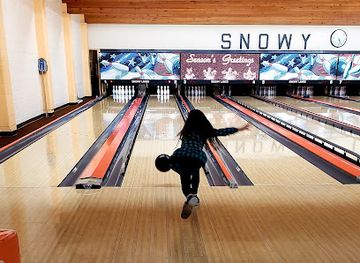
Bowling alley
Snowy Lanes
Discover the joy of bowling at Snowy Lanes in Lewistown, MT - a perfect blend of fun, community, and family-friendly entertainment.
13 min walk · 1.0 km from city centre
-
Garden
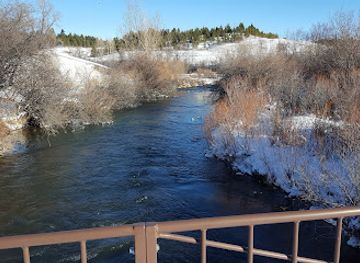
Lewistown Community Labyrinth Gardren
Explore the Lewistown Community Labyrinth Garden, a serene oasis in Montana perfect for reflection, nature walks, and community events.
8 min drive · 2.8 km from city centre
-
Tourist attraction
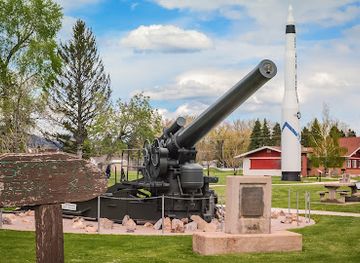
Central Montana Historical Msm
Explore the rich history of Central Montana at the Central Montana Historical Museum, where fascinating exhibits reveal the area's unique cultural heritage.
11 min drive · 3.7 km from city centre
-
Tourist attraction
Charles M. Russell National Wildlife Refuge
Discover the Charles M. Russell National Wildlife Refuge, an expansive sanctuary for diverse wildlife and stunning landscapes in Montana's great outdoors.
10 min walk · 0.8 km from city centre

Best landmarks in Lewistown
Lewistown’s landmarks express the civic confidence of a county seat and the importance of rail transport to central Montana. The Fergus County Courthouse is the town’s principal government landmark, representing the administrative network that developed after the county was created in the nineteenth century. The Lewistown Carnegie Public Library reflects the national Carnegie library movement and the era when public reading rooms were considered essential institutions in growing American towns. The historic Milwaukee Road depot recalls the railway connection that expanded Lewistown’s commercial reach in the early twentieth century. Around these buildings, the town centre retains the scale of a traditional western commercial district, with broad streets and low-rise storefronts suited to a community serving a large rural hinterland. Together, these places show how government, education, transport and commerce shaped Lewistown’s built identity.
-
Mexican
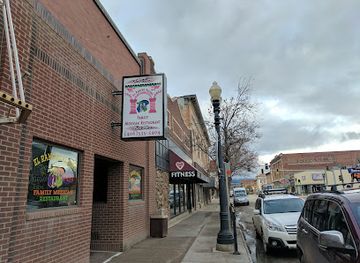
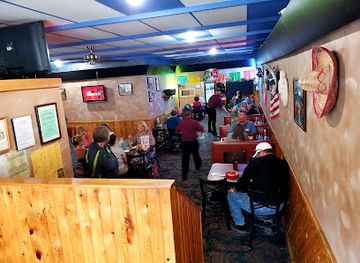
El Rancho Alegre
Experience the vibrant flavors and warm hospitality of El Rancho Alegre, a must-visit Mexican restaurant in Lewistown, Montana, for food lovers.
7 min drive · 2.4 km from city centre
-
Hotel
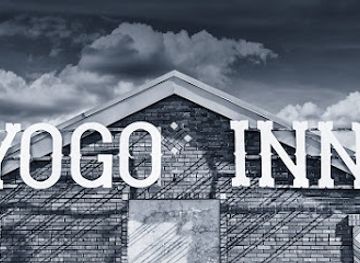
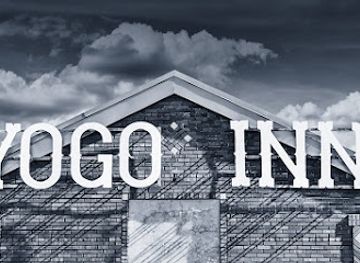
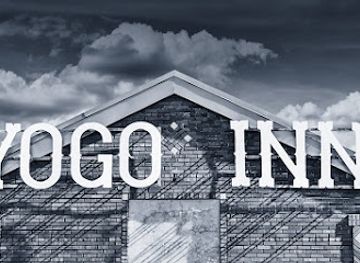
Yogo Inn
Discover Yogo Inn in Lewistown, Montana: A welcoming hotel with dining, event venues, and a relaxing atmosphere for all travelers.
9 min drive · 2.9 km from city centre
-
Restaurant
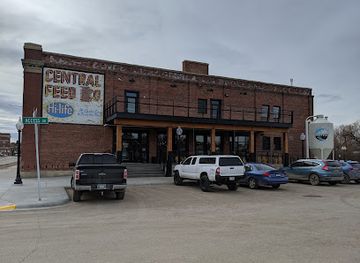
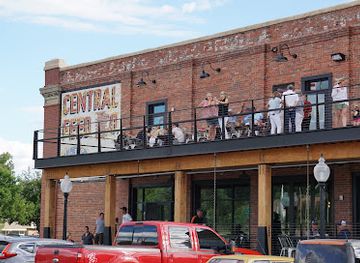
Central Feed Grilling Company
Experience the best of American grilling at Central Feed Grilling Company in Lewistown, Montana, where quality meets comfort in every bite.
9 min drive · 3.0 km from city centre
-
Restaurant
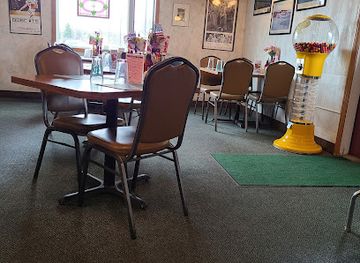
Harry's Place
Discover Harry's Place in Lewistown, Montana, where hearty comfort food meets warm hospitality in a cozy setting.
12 min drive · 3.9 km from city centre
Explore Lewistown on the map
Plan your Lewistown trip on one map. See where the top attractions, landmarks, restaurants, bars and hotels are, find what's near where you're staying, and book hotels and experiences in a few clicks.
Best hotels in Lewistown
Best restaurants in Lewistown
Lewistown’s dining scene reflects its role as a working regional centre rather than a destination built around fine-dining tourism. Independent cafés, family-run restaurants, bakeries and casual bars provide familiar American fare alongside meals shaped by Montana’s ranching culture, including beef, burgers, steaks and hearty breakfasts. Chokecherries, the tart wild fruit celebrated at the annual Chokecherry Festival, appear in local food products and seasonal treats, while nearby farms and ranches give the area a strong connection to beef, grains and other prairie produce. Visitors will find the greatest concentration of everyday dining around the town centre, with options tending to be relaxed and informal. During community events, food vendors and festival stalls add regional specialities, baked goods and preserves to the regular restaurant offering, giving visitors a more direct taste of local traditions.
-
Mexican
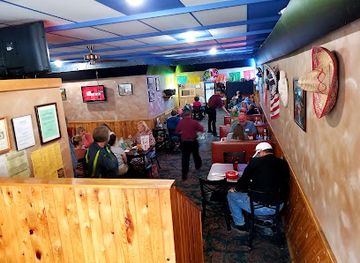
El Rancho Alegre
Experience authentic Mexican cuisine at El Rancho Alegre in Lewistown—where vibrant flavors meet warm hospitality.
7 min drive · 2.4 km from city centre
-
Restaurant
Yogo Inn
Discover Yogo Inn: A delightful restaurant and event venue offering diverse cuisine and vibrant social spaces in Lewistown, Montana.
9 min drive · 2.9 km from city centre
-
Fast Food
McDonald's
Experience fast food favorites at McDonald's in Lewistown, Montana – where convenience meets deliciousness for every traveler.
6 min drive · 1.8 km from city centre
-
Restaurant
Central Feed Grilling Company
Experience delightful American cuisine at Central Feed Grilling Company in Lewistown - where local flavors meet warm hospitality.
9 min drive · 3.0 km from city centre
Best bars in Lewistown
Lewistown’s evenings are understated and community-oriented, with local bars, taverns and casual restaurants providing places to meet rather than a large club scene. The town’s nightlife is shaped by its small population and regional role, so live music, social events and seasonal gatherings may be more significant than late-night dancing. The Montana Cowboy Poetry Gathering brings concerts, readings and performances that continue after the day’s sessions, while community festivals create temporary evening activity. Some venues combine food, drinks and conversation in a relaxed western-Montana setting, and local event calendars are more useful than expecting a fixed entertainment district. Travellers should plan transport responsibly after drinking, particularly when staying outside the compact centre or travelling on dark rural roads. Lewistown’s evening atmosphere is best understood through local performances, festival programmes and informal social life rather than a concentration of nightclubs.
-
Mexican
El Rancho Alegre
Experience the vibrant flavors of Mexico at El Rancho Alegre in Lewistown, Montana, where authentic dishes and refreshing margaritas await.
7 min drive · 2.4 km from city centre
-
Bar
Yogo Inn
Discover Yogo Inn, a premier hotel and bar in Lewistown, Montana, where comfort meets leisure in a charming setting.
9 min drive · 2.9 km from city centre
-
Restaurant
Central Feed Grilling Company
Experience the vibrant flavors of Lewistown at Central Feed Grilling Company, where delicious meals and a cozy atmosphere await every visitor.
9 min drive · 3.0 km from city centre
-
Restaurant
Harry's Place
Discover the vibrant culinary scene of Lewistown at Harry's Place, where delicious dishes and warm hospitality await every visitor.
12 min drive · 3.9 km from city centre
Best nightclubs in Lewistown
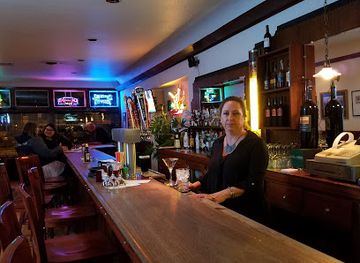
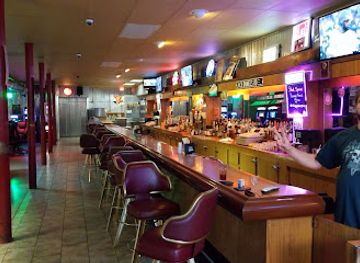
Lewistown’s evenings are understated and community-oriented, with local bars, taverns and casual restaurants providing places to meet rather than a large club scene. The town’s nightlife is shaped by its small population and regional role, so live music, social events and seasonal gatherings may be more significant than late-night dancing. The Montana Cowboy Poetry Gathering brings concerts, readings and performances that continue after the day’s sessions, while community festivals create temporary evening activity. Some venues combine food, drinks and conversation in a relaxed western-Montana setting, and local event calendars are more useful than expecting a fixed entertainment district. Travellers should plan transport responsibly after drinking, particularly when staying outside the compact centre or travelling on dark rural roads. Lewistown’s evening atmosphere is best understood through local performances, festival programmes and informal social life rather than a concentration of nightclubs.
-
Hotel
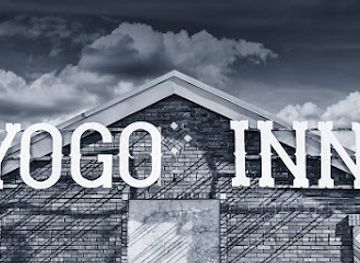
Yogo Inn
Discover Yogo Inn in Lewistown, Montana: your ideal hub for comfort, dining, and local exploration amidst scenic beauty.
9 min drive · 2.9 km from city centre
-
Restaurant
Doc's Casino Sports Bar Grill
Discover the perfect blend of dining and entertainment at Doc's Casino Sports Bar Grill in Lewistown, Montana - where great food meets thrilling gaming!
12 min walk · 1.0 km from city centre
-
Bar
Mint Bar & Grill
Discover the local flavors at Mint Bar & Grill in Lewistown, Montana, where great food meets a vibrant atmosphere for all visitors.
7 min drive · 2.5 km from city centre
-
Bar
Montana Tavern
Discover the heart of Lewistown at Montana Tavern, where local flavors and a friendly atmosphere await every visitor.
8 min drive · 2.6 km from city centre
Best shops in Lewistown
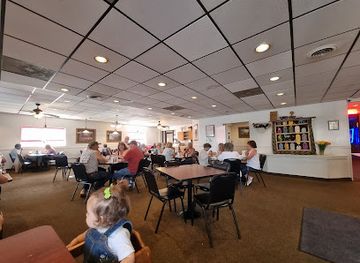
Shopping in Lewistown is concentrated around its historic central streets, where independent retailers, practical services, galleries and locally oriented businesses serve both residents and visitors from the surrounding ranch country. The most distinctive purchases are connected with Montana’s western character: handmade jewellery featuring Yogo sapphires, regional artwork, leather goods, western clothing and locally produced food items may appear in specialist shops or galleries. Chokecherry products, including preserves and sweets, make an especially characteristic edible souvenir when available. The town is not a major regional luxury-shopping centre, and its retail experience is more personal and functional than mall-based. Seasonal festivals can bring craft stalls and temporary vendors into public spaces, while the Central Montana Museum helps visitors identify books, artwork and historical items with a genuine connection to the region rather than generic western memorabilia.
-
Grocery store
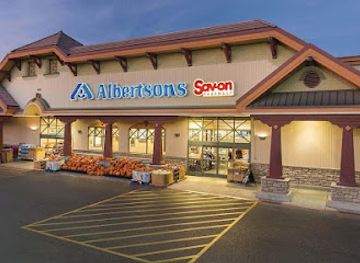
Albertsons
Explore the flavors of Lewistown at Albertsons, your one-stop grocery store for fresh produce, bakery delights, and local specialties.
8 min drive · 2.7 km from city centre
-
Grocery store
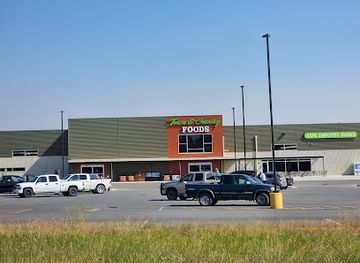
Town & Country Foods
Discover local flavors and community spirit at Town & Country Foods in Lewistown, Montana's favorite grocery destination.
9 min walk · 0.7 km from city centre
-
Hardware store
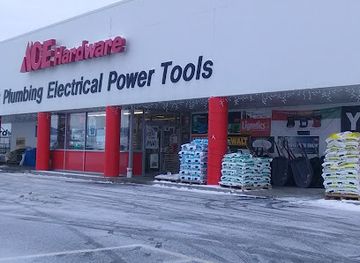
Lewistown Ace Hardware
Explore Lewistown Ace Hardware for all your home improvement needs, featuring tools, paints, and expert advice in a friendly local setting.
12 min drive · 4.1 km from city centre
-
Coffee shop
Rising Trout Cafe & Book Store
Discover a cozy haven for coffee lovers and bookworms at the Rising Trout Cafe & Book Store in Lewistown, Montana, where local charm meets delicious treats.
8 min drive · 2.6 km from city centre
Get your free copy of our complete guide to Lewistown, delivered straight to you.
Everything on this page, from attractions and restaurants to essentials and local phrases, in one PDF you can read offline, print or share.
Already have an account? Sign in
Your Lewistown guide is ready.
We'll send it to · Not you? Sign out

Getting your guide ready…
We are putting together a fresh copy of the Lewistown guide. This can take up to a minute.
This can take a few moments. If your browser asks, choose Allow so the download can start. You'll find the guide in your Downloads folder.
Nothing happened? Download it again
Sorry, the guide is taking longer than usual. Please try again in a minute, or get it by email instead.
Lewistown essentials
Currency and Payment
Safety
Emergency Situations
Do's and Don'ts
Local Tips
From Eve
Local phrases worth knowing
You don't need to get them perfect. A few words go a long way, and locals appreciate the effort.
Basics
| English | Local | Say it |
|---|---|---|
| Hello | Howdy | [haʊdi] |
| Goodbye | See ya | [siː jə] |
| Yes | Yup | [jʌp] |
| No | Nope | [noʊp] |
| Please/You're welcome | Please/You're welcome | [pliːz/jʊr ˈwɛlkəm] |
| Thank you | Thanks | [θæŋks] |
| Excuse me/Sorry | Excuse me/Sorry | [ɪkˈskjuz mi/ˈsɔri] |
| How are you? | How's it goin'? | [haʊz ɪt ˈɡoʊɪn] |
| Fine. And you? | Fine. And you? | [faɪn. ænd jʊ] |
| Do you speak English? | Ya speak English? | [jʌ spiːk ˈɪŋɡlɪʃ] |
| I don't understand | I don't get it | [aɪ doʊnt ˈʌndərˌstænd] |
Eating & Drinking
| English | Local | Say it |
|---|---|---|
| I'd like to see the menu, please | I'll take a look at the menu | [aɪl teɪk ə lʊk æt ðə ˈmɛnjuː] |
| I don't eat meat | I don't do meat | [aɪ doʊnt du mɪt] |
| Cheers! | Cheers! | [ʧɪrz] |
| I would like to pay, please | I'll settle up, thanks | [aɪl ˈsɛtl ʌp θæŋks] |
Emergencies
| English | Local | Say it |
|---|---|---|
| Help! | Help! | [hɛlp] |
| Go away! | Get lost! | [ɡɛt lɔst] |
| Call the Police! | Call the Cops! | [kɔl ðə kɑps] |
| Call a doctor! | Get a doc! | [ɡɛt ə dɑk] |
| I'm lost | I'm turned around | [aɪm tɜrnd əˈraʊnd] |
| I'm ill | I'm feelin' under the weather | [aɪm ˈfiliŋ ˈʌndər ðə ˈwɛðər] |
Shopping
| English | Local | Say it |
|---|---|---|
| I'd like to buy... | I'm lookin' to buy... | [aɪm ˈlʊkɪn tuː baɪ] |
| I'm just looking | Just browsin' | [ʤʌst ˈbraʊzɪn] |
| How much is it? | What's the price? | [wɑts ðə praɪs] |
| That's too expensive | That's a bit steep | [ðæts ə bɪt stip] |
| Can you lower the price? | Can ya come down on the price? | [kæn jə kʌm daʊn ɒn ðə praɪs] |
Time & Numbers
| English | Local | Say it |
|---|---|---|
| What time is it? | What time is it? | [wʌt taɪm ɪz ɪt] |
| It's one o'clock | It's one | [ɪts wʌn] |
| Half past (10) | Half past ten | [hæf pæst tɛn] |
| Morning | Morning | [ˈmɔrnɪŋ] |
| Afternoon | Afternoon | [ˌæftərˈnun] |
| Evening | Evenin' | [ˈivnɪn] |
| Yesterday | Yesterday | [ˈjɛstərdeɪ] |
| Today | Today | [təˈdeɪ] |
| Tomorrow | Tomorrow | [təˈmɔroʊ] |
| 1 | One | [wʌn] |
| 2 | Two | [tuː] |
| 3 | Three | [θriː] |
| 4 | Four | [fɔr] |
| 5 | Five | [faɪv] |
| 6 | Six | [sɪks] |
| 7 | Seven | [ˈsɛvən] |
| 8 | Eight | [eɪt] |
| 9 | Nine | [naɪn] |
| 10 | Ten | [tɛn] |
Transport & Directions
| English | Local | Say it |
|---|---|---|
| Where's a/the...? | Where's the... | [wɛrz ðə] |
| What's the address? | What's the address? | [wʌts ðə ˈædrɛs] |
| Can you show me (on the map)? | Can ya show me (on the map)? | [kæn jə ʃoʊ mi (ɒn ðə mæp)] |
| When's the next (bus)? | When's the next (bus)? | [wɛnz ðə nɛkst (bʌs)] |
| A ticket (to ....) | A ticket (to ....) | [ə ˈtɪkɪt (tu ....)] |
History of Lewistown
Indigenous Routes Across the Plains
Long before Lewistown was established, the plains, river corridors and mountain country of central Montana were travelled and used by Indigenous peoples, including communities connected with the Blackfeet, Crow and Assiniboine worlds. Hunting, seasonal movement and trade linked the Judith Basin with wider networks across the northern Great Plains. The region’s later settlement history therefore unfolded on land with established Indigenous histories and continuing cultural importance. Archaeological evidence and museum collections provide context for these earlier lifeways, while the surrounding landscape retains the broad geographical relationships that shaped movement through central Montana.
Settlement and the Lewistown Post Office
Non-Indigenous settlement expanded in the Judith Basin during the late nineteenth century, as ranchers, farmers, traders and government services followed trails across central Montana. Lewistown emerged as a local service point and received a post office in 1880. Its position between agricultural country and the surrounding mountain ranges helped it develop as a centre for supplies, administration and communication. The town’s name is generally associated with early settler Lewistown founder William H. Clark, although local accounts of the naming have varied. By the 1880s, the settlement’s future as a regional town was becoming established.
Fergus County Takes Shape
Fergus County was created by the Montana Territorial Legislature in 1885 and named for James Fergus, an early Montana settler and politician. Lewistown became the county seat, giving it an administrative role that reinforced its importance in a widely dispersed rural region. County government, courts, schools and commercial services drew people from ranches and small settlements across the Judith Basin. Civic buildings and the town’s street plan reflect this period of consolidation, when small western communities were expected to provide an unusually broad range of services for residents living many miles beyond the town limits.
Railways, Homesteads and Local Growth
The arrival of the railway in the early twentieth century connected Lewistown more efficiently with Montana’s larger markets and encouraged further agricultural development. The Milwaukee Road reached the town in the 1910s, bringing passengers, freight and new commercial possibilities; the historic depot remains a reminder of that era. Homesteading and dryland farming reshaped the surrounding basin, while grain, livestock and supplies moved through Lewistown’s businesses. The expansion was not without hardship: drought, severe winters and changing agricultural conditions repeatedly tested families who had settled the plains.
A Regional Identity in the Modern West
As railway passenger services declined and rural populations changed, Lewistown’s role evolved from a transport centre into a county seat and regional service town. Agriculture, ranching, education, healthcare, tourism and small businesses continue to support its economy. Heritage organisations, the Central Montana Museum and events such as the Montana Cowboy Poetry Gathering preserve stories of working landscapes without reducing the region to a theme park. Nearby Yogo sapphire deposits, discovered in the Judith Mountains in the late nineteenth century, also contribute to Lewistown’s modern identity, linking local geology with a distinctive Montana craft and jewellery tradition.
Lewistown in Photos
Browse through our photo collection highlighting the charm and character of the destination.
Cities near Lewistown
The closest cities to Lewistown, if you have time for more than one stop.
-
-

-

-

-


Swipe for more cities
Explore more
Explore more of Montana
Discover Montana: A Treasure State of majestic landscapes, outdoor adventures, and rich cultural heritage. Explore Glacier and Yellowstone, charming towns, and historic sites.
Explore Montana