

Free The Crazy Mountains Travel Guide & Mobile App
Explore The Crazy Mountains with free travel guides. Discover regional history, expert tips, proposed trips, and audio guides on web or mobile app.


Explore Montana’s Crazy Mountains for alpine hiking, high-country lakes, wildlife and wide-open ranch landscapes near Livingston and Big Timber.
Read more about The Crazy Mountains
Getting to and around The Crazy Mountains
How to get there
Transportation
Best attractions in The Crazy Mountains
The principal attraction of the Crazy Mountains is the mountain environment itself: a compact, rugged range rising abruptly above ranch valleys and offering a markedly wilder setting than its modest size suggests. Hiking and backcountry exploration are available on selected public routes, with forested approaches leading towards alpine basins, high lakes, rocky ridges and views of the Yellowstone and Musselshell country. Cottonwood Lake is a recognised access point on the range’s eastern side, although route conditions and public access should be checked before travelling. Wildlife watching may include deer, elk, mountain goats and other species suited to forest and alpine habitat, but sightings are never guaranteed. Fishing opportunities occur in selected lakes and streams subject to regulations, licences and access rights. Scenic drives around the foothills are often more practical than attempting a high mountain crossing, and the changing relationship between open ranchland and steep summits is a major part of the landscape experience. Nearby communities add museums, local history, galleries, cafés and outfitting services, while the range’s lack of dense development is itself an attraction. Visitors should not expect a resort network, marked route system across the entire range or unrestricted passage between valleys; the best experiences depend on careful preparation and respect for private land.
-
Ridge
Crazy Mountains
Discover the breathtaking beauty of the Crazy Mountains in Montana—nature's perfect playground for adventure seekers and serenity lovers alike.

Explore The Crazy Mountains on the map
Plan your trip on one map. See where the top cities, national parks and sights are, and book hotels and experiences in a few clicks.
Best hotels in The Crazy Mountains
Best restaurants in The Crazy Mountains
There is no concentrated restaurant district in the Crazy Mountains, so dining is centred on nearby communities and the ranching culture of south-central Montana. Livingston offers the broadest choice of cafés, bakeries, casual restaurants, bars serving food and more contemporary dining, while Big Timber and smaller settlements provide practical places for breakfast, lunch, groceries and an evening meal. Menus commonly draw on the wider Montana and American West tradition: beef, burgers, sandwiches, trout where available, hearty breakfasts, seasonal produce and baked goods. Rural cafés and historic-style inns are useful before or after a day in the mountains, but opening days and hours can vary considerably. Local shops and farmers’ markets, where operating seasonally, may provide Montana beef, preserves, bread and other provisions for self-catering. Visitors should buy picnic supplies before heading towards remote trailheads, as there are few food services close to the range itself. The area’s culinary identity is best understood through its working landscapes, local produce and small-town hospitality rather than through a single dish identified exclusively with the Crazy Mountains.
-
American
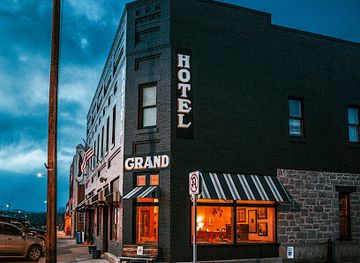
The Grand Hotel & Restaurant
Discover the perfect blend of comfort and American flavors at The Grand Hotel & Restaurant in Big Timber, Montana.
Best bars in The Crazy Mountains
Evening life around the Crazy Mountains is low-key and concentrated in nearby towns rather than in the range. Livingston has the largest selection of pubs, bars, restaurants and occasional live-music venues, with a social scene shaped by residents, outdoor workers, artists and visitors passing through the wider Yellowstone region. Big Timber and other smaller communities offer a more limited choice, generally centred on traditional bars, restaurants and community events rather than nightclubs. After dark in the mountain valleys, the emphasis is on quiet camps, accommodation and clear skies rather than organised entertainment. Some establishments serve Montana beer, spirits and simple food, but visitors should not assume late opening or regular public transport between towns. Check current arrangements locally, arrange a sober driver and remember that long, dark rural roads, wildlife and changing weather make driving after drinking particularly hazardous. Seasonal events and live music may add variety, but they should be confirmed before making plans.
-
Bar
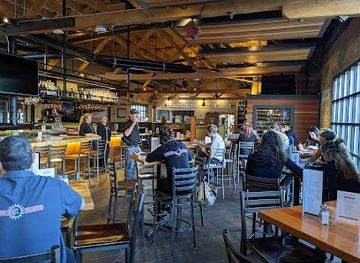
Montana Ale Works
Discover the vibrant flavors of Montana at Montana Ale Works, a premier brewpub offering craft beers and delicious American cuisine in Bozeman.
-
Restaurant
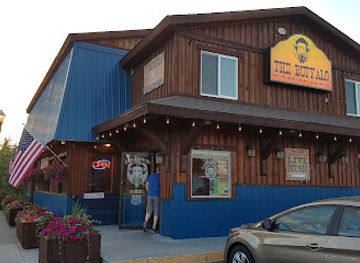
The Buffalo Bar
Discover the vibrant flavors of American cuisine at The Buffalo Bar in West Yellowstone, where delicious food meets a lively atmosphere.
-
Grill
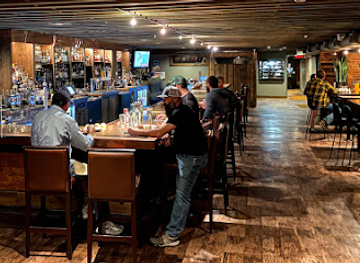
Copper | Whiskey Bar and Grill Bozeman
Experience the vibrant flavors of Montana at Copper | Whiskey Bar and Grill in Bozeman, where every dish and drink tells a story.
-
Grill
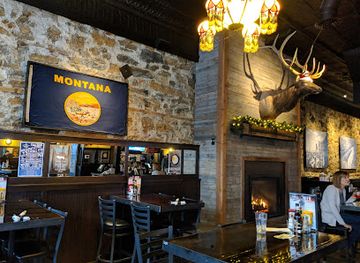
Windbag Saloon & Grill
Experience the vibrant flavors and lively atmosphere at Windbag Saloon & Grill, the perfect spot for food lovers and night owls in Helena, Montana.
Best nightclubs in The Crazy Mountains
Evening life around the Crazy Mountains is low-key and concentrated in nearby towns rather than in the range. Livingston has the largest selection of pubs, bars, restaurants and occasional live-music venues, with a social scene shaped by residents, outdoor workers, artists and visitors passing through the wider Yellowstone region. Big Timber and other smaller communities offer a more limited choice, generally centred on traditional bars, restaurants and community events rather than nightclubs. After dark in the mountain valleys, the emphasis is on quiet camps, accommodation and clear skies rather than organised entertainment. Some establishments serve Montana beer, spirits and simple food, but visitors should not assume late opening or regular public transport between towns. Check current arrangements locally, arrange a sober driver and remember that long, dark rural roads, wildlife and changing weather make driving after drinking particularly hazardous. Seasonal events and live music may add variety, but they should be confirmed before making plans.
-
Restaurant
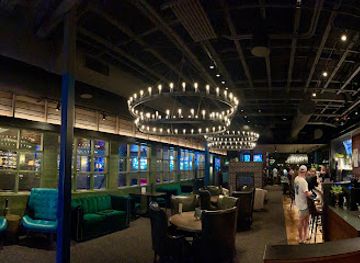
The Ponderosa Social Club
Experience the vibrant culinary scene at The Ponderosa Social Club in Bozeman, where local flavors and signature cocktails meet a lively atmosphere.
Best shops in The Crazy Mountains
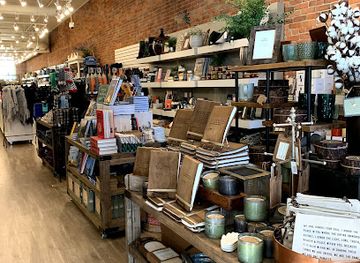
Shopping in the Crazy Mountains is practical and locally focused, with the main choices found in Livingston, Big Timber and other nearby communities rather than in the mountains. Visitors can look for outdoor equipment, maps, western clothing, books, artwork, antiques, locally made crafts and food supplies. Livingston has a particularly well-established concentration of independent galleries, specialist shops and antiques, reflecting its long association with the railway, the arts and access to the wider Yellowstone region. Big Timber serves as a useful source of groceries, outdoor necessities and locally oriented gifts for travellers approaching from the east or south. Seasonal farmers’ markets and farm shops may offer beef, baked goods, preserves and other Montana produce, but availability varies. Suitable regional souvenirs include locally made ceramics, jewellery, woven goods, photography and books on Montana history or natural landscapes. Because services are dispersed, purchase fuel, food, maps and essential outdoor supplies before driving towards remote access roads, where there may be no retail facilities or reliable card connectivity.
-
Gift shop
Gallatin Valley Mall
Discover the Gallatin Valley Mall – a lively shopping oasis in Bozeman, Montana, offering a variety of retail and dining experiences for every visitor.
-
Bakery
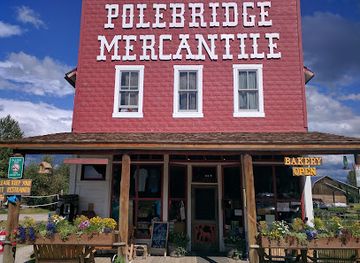
Polebridge Mercantile & Bakery
Discover the rustic charm and mouthwatering treats of Polebridge Mercantile & Bakery, a must-visit bakery and general store in Montana's wilderness.
-
Gift shop
Heyday
Discover unique gifts and local artistry at Heyday, a charming gift shop in Bozeman, Montana, perfect for finding that special memento.
-
Jewelry store
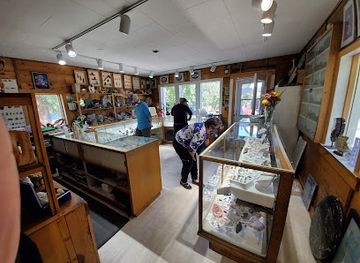
Kehoe's Agate Shop
Explore Kehoe's Agate Shop in Bigfork, Montana - a unique destination for exquisite jewelry, stunning agates, and expert repairs.

Get your free copy of our complete guide to The Crazy Mountains, delivered straight to you.
Everything on this page, from attractions and restaurants to essentials and local phrases, in one PDF you can read offline, print or share.
Already have an account? Sign in
Your The Crazy Mountains guide is ready.
We'll send it to · Not you? Sign out

Getting your guide ready…
We are putting together a fresh copy of the The Crazy Mountains guide. This can take up to a minute.
This can take a few moments. If your browser asks, choose Allow so the download can start. You'll find the guide in your Downloads folder.
Nothing happened? Download it again
Sorry, the guide is taking longer than usual. Please try again in a minute, or get it by email instead.
The Crazy Mountains essentials
Currency and Payment
Safety
Emergency Situations
Do's and Don'ts
Local Tips
From Eve
Local phrases worth knowing
You don't need to get them perfect. A few words go a long way, and locals appreciate the effort.
Basics
| English | Local | Say it |
|---|---|---|
| Hello | Howdy | [Hau-dee] |
| Goodbye | See ya | [See yah] |
| Yes | Yep | [Yep] |
| No | Nah | [Nah] |
| Please/You're welcome | Please/No problem | [Pleez/No prob] |
| Thank you | Thanks a lot | [Thangs a lot] |
| Excuse me/Sorry | Pardon me/Sorry | [Par-don mee/Sor-ree] |
| How are you? | How's it going? | [How's it goin?] |
| Fine. And you? | Good. And you? | [Good. An you?] |
| Do you speak English? | Do ya speak English? | [Do yah speak English?] |
| I don't understand | I ain't got it | [I ain't got it] |
Eating & Drinking
| English | Local | Say it |
|---|---|---|
| I'd like to see the menu, please | Can I see the menu, please? | [Can I see thuh menu, pleez?] |
| I don't eat meat | I don't do meat | [I don't do meat] |
| Cheers! | Cheers! | [Cheers!] |
| I would like to pay, please | Can I get the check, please? | [Can I get thuh check, pleez?] |
Emergencies
| English | Local | Say it |
|---|---|---|
| Help! | Help! | [Help!] |
| Go away! | Get lost! | [Get lost!] |
| Call the Police! | Call the law! | [Call thuh law!] |
| Call a doctor! | Get a doctor! | [Get a doctor!] |
| I'm lost | I'm turned around | [I'm turned around] |
| I'm ill | I'm not feeling well | [I'm not feelin well] |
Shopping
| English | Local | Say it |
|---|---|---|
| I'd like to buy... | I want to buy... | [I want to buy...] |
| I'm just looking | Just browsing | [Just browsin] |
| How much is it? | What's the price? | [What's thuh price?] |
| That's too expensive | That's a bit pricey | [That's a bit pricy] |
| Can you lower the price? | Can ya bring down the price? | [Can yah bring down thuh price?] |
Time & Numbers
| English | Local | Say it |
|---|---|---|
| What time is it? | What time ya got? | [What time ya got?] |
| It's one o'clock | It's one | [It's one] |
| Half past (10) | Half past ten | [Half past ten] |
| Morning | Mornin | [Mornin] |
| Afternoon | Afternoon | [Afternoon] |
| Evening | Evenin | [Evenin] |
| Yesterday | Yesterday | [Yesterday] |
| Today | Today | [Today] |
| Tomorrow | Tomorrow | [Tomorrow] |
| 1 | One | [One] |
| 2 | Two | [Two] |
| 3 | Three | [Three] |
| 4 | Four | [Four] |
| 5 | Five | [Five] |
| 6 | Six | [Six] |
| 7 | Seven | [Seven] |
| 8 | Eight | [Eight] |
| 9 | Nine | [Nine] |
| 10 | Ten | [Ten] |
Transport & Directions
| English | Local | Say it |
|---|---|---|
| Where's a/the...? | Where's the...? | [Where's thuh...?] |
| What's the address? | What's the address? | [What's thuh address?] |
| Can you show me (on the map)? | Can ya point it out? | [Can yah point it out?] |
| When's the next (bus)? | When's the next bus? | [When's thuh next bus?] |
| A ticket (to ....) | A ticket to ... | [A ticket to ...] |
History of The Crazy Mountains
Indigenous Landscapes and Apsáalooke History
The Crazy Mountains form part of the wider landscape long used, travelled and understood by Indigenous peoples, including the Apsáalooke (Crow), whose homelands extend across much of south-central and south-eastern Montana. Seasonal movement, hunting, gathering and knowledge of mountain passes connected the high country with the surrounding plains and river valleys. The range should therefore be understood as a cultural landscape as well as a physical one. Indigenous history remains central to interpreting the region, even though many modern visitor accounts focus primarily on scenery and recreation.
Geological Formation and Alpine Relief
The Crazies are an isolated mountain range shaped by ancient igneous and metamorphic rocks, later uplift, erosion and glaciation. Their steep northern and central summits, deep drainages and high basins reflect the powerful effects of ice and water over geological time. Unlike a broad mountain plateau, the range rises abruptly from open agricultural country, which accounts for its distinctive skyline. The exposed rock, talus and high-elevation terrain also influence modern hiking, wildlife habitat and the short season available for travel in the upper country.
Euro-American Exploration and Settlement
During the nineteenth century, Euro-American exploration, military movement and commercial expansion altered the relationship between the mountains and surrounding valleys. Trails and wagon routes followed river corridors and passes, while settlement expanded through the broader Yellowstone and Musselshell regions. The Crazies were not transformed into a dense urban or industrial landscape; instead, their lower valleys became associated with ranching, timber use and scattered settlement. Towns such as Livingston and Big Timber developed as service and transport centres for the surrounding country.
Ranching, Agriculture and Timber
Ranching and agriculture became enduring features of the valleys surrounding the range. Hay meadows, cattle operations and grain production depend on water descending from mountain watersheds, while forest resources supported local livelihoods and small-scale economic activity. The contrast between open private ranchland below and rugged public or forested uplands above remains one of the Crazies’ defining characteristics. It also explains why visitors encounter gates, working roads, livestock and complicated landownership patterns rather than a continuous recreation corridor.
Mining and Mountain Commerce
Prospecting and mining formed part of the wider economic history of the surrounding Montana mountains, although the Crazy Mountains never became a major mining centre on the scale of some neighbouring ranges. Mineral exploration, timber cutting, stock raising and transport all contributed to the region’s nineteenth- and early-twentieth-century development. Remnants of old roads, cabins and workings may occur in the broader mountain country, but visitors should not enter abandoned structures or mine workings, which can be unstable and may lie on private land.
Modern Conservation and Access Questions
In the modern era, the Crazy Mountains have become increasingly valued for wildlife habitat, scenery, hunting, fishing, hiking and ecological connectivity. At the same time, public access has remained a significant practical and political issue because public parcels are intermixed with private lands and some traditional routes are disputed or restricted. Contemporary travel in the range therefore involves more than route finding: visitors must verify land status, observe closures and recognise that conservation, ranching, recreation and access rights all shape the experience.
The Crazy Mountains in Photos
Browse through our photo collection highlighting the charm and character of the destination.
Neighbouring regions of The Crazy Mountains
The closest regions to The Crazy Mountains, if you have time for more than one.
-

-

-

-
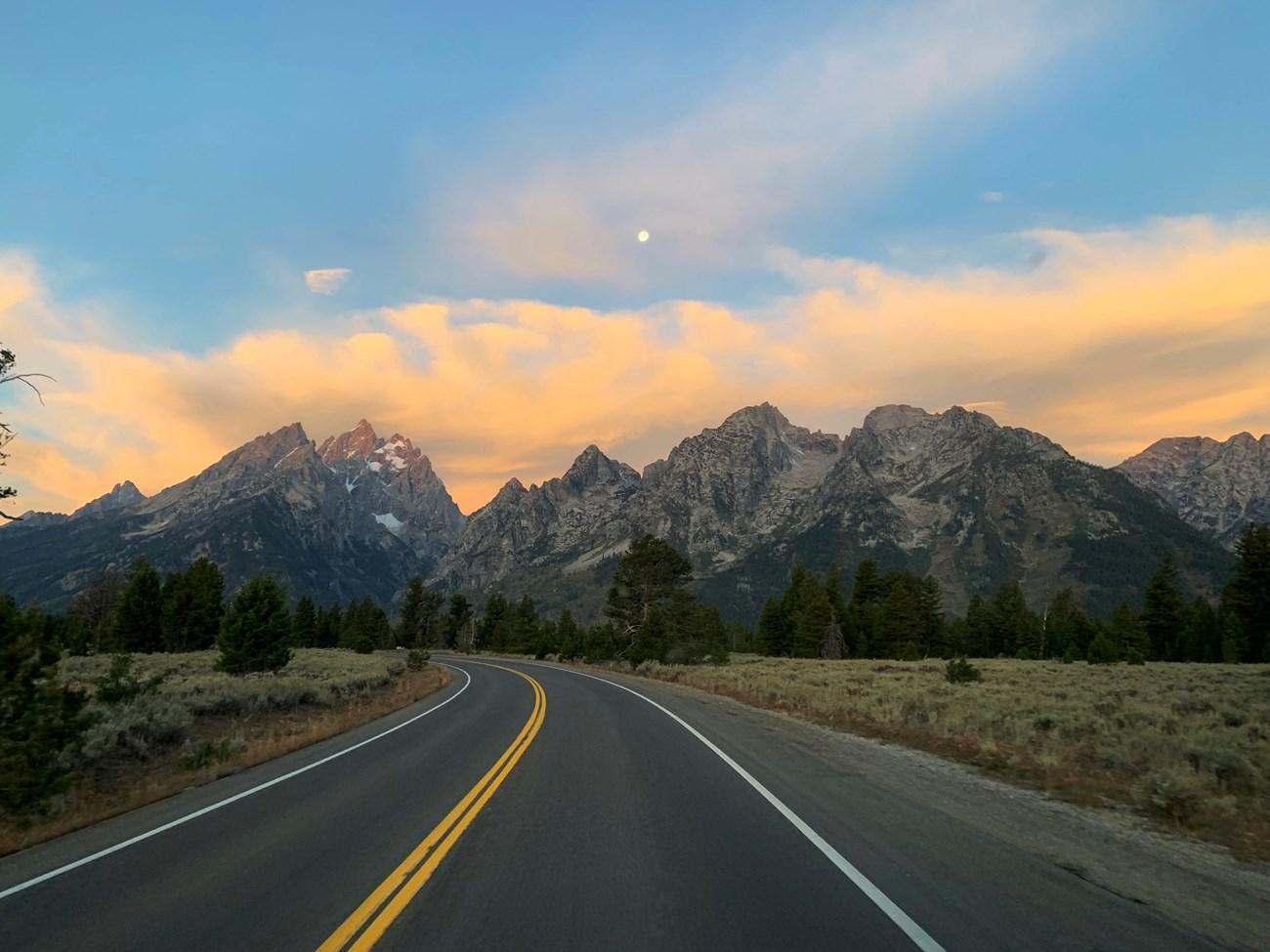 The Beartooth Mountains
Explore Montana’s Beartooth Mountains for alpine highways, granite peaks, wilderness trails, wildlife and small mountain communities near Yellowstone.
-


Swipe for more regions
Explore more
Explore more of Montana
Discover Montana: A Treasure State of majestic landscapes, outdoor adventures, and rich cultural heritage. Explore Glacier and Yellowstone, charming towns, and historic sites.
Explore Montana