
The Little Belt Mountains, Montana Travel Guide
Discover the untouched beauty and adventure in the serene Little Belt Mountains of Montana, where nature, history, and outdoor activities blend seamlessly.
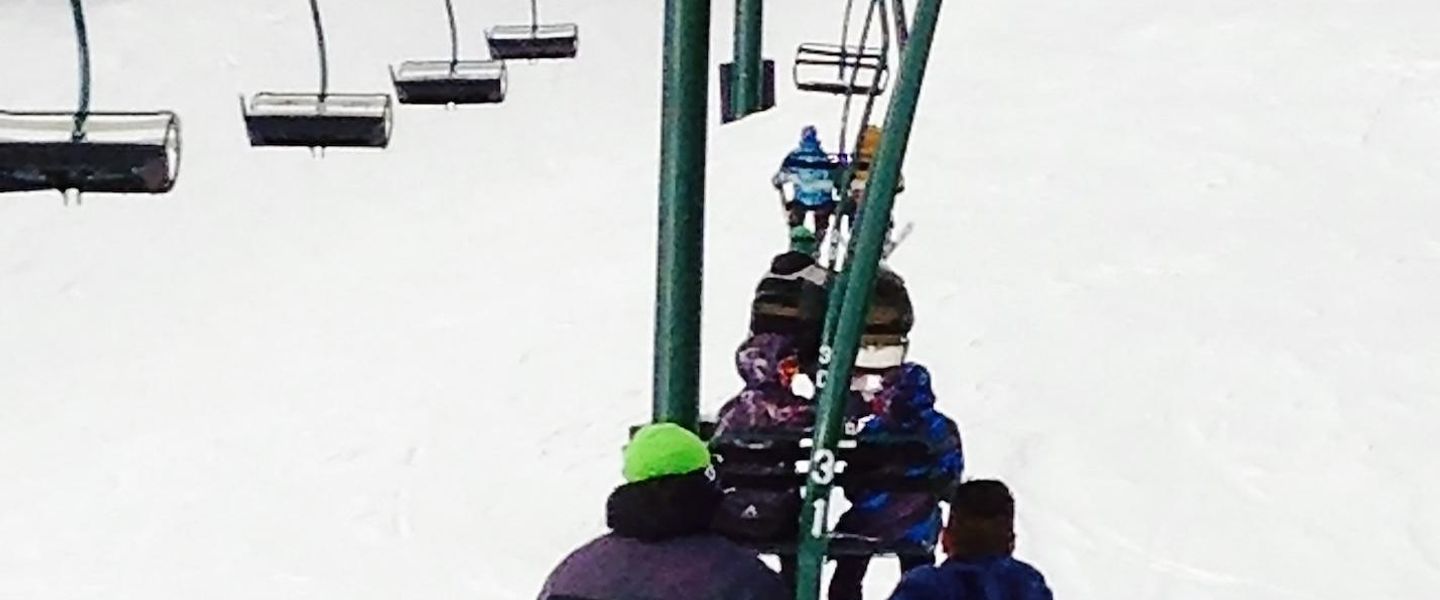
Nestled in the heart of Montana, the Little Belt Mountains offer a serene escape into nature's tranquility. This lesser-known gem is perfect for those looking to explore the great outdoors without the hustle and bustle of more crowded destinations. The Little Belt Mountains are home to lush forests, sparkling streams, and diverse wildlife, making it a haven for hikers, campers, and nature enthusiasts. The mountains are part of the Helena-Lewis and Clark National Forest, providing numerous trails that cater to all levels of adventurers. Whether you are an experienced hiker or a family looking for a leisurely walk, you will find a path that suits your needs. The stunning views from the peaks, especially Mount Baldy, which stands at 9,175 feet, will leave you breathless. In winter, the area transforms into a snowy wonderland, attracting skiers and snowmobilers to its slopes. Showdown Montana, the local ski area, offers uncrowded slopes and a cozy, family-friendly atmosphere. During the warmer months, fishing in the pristine waters of Belt Creek is a must-do, as the creek is teeming with trout. For history buffs, the Little Belt Mountains are dotted with remnants of its mining past. Exploring the ghost towns and abandoned mines gives a glimpse into the region's rich history and adds a touch of mystery to your adventure. Whether you are seeking solitude, adventure, or a bit of both, the Little Belt Mountains promise an unforgettable experience.

Know before you go
Hi, I'm Eve. Here are a few practical things to know before exploring The Little Belt Mountains.
- Check the weather forecast before you go; mountain weather can change quickly.
- Bring plenty of water and snacks, as amenities are scarce in the area.
- Wear sturdy hiking boots and dress in layers to be prepared for varying temperatures.
- Visit during the week to avoid the small crowds that gather on weekends.
- Respect wildlife and maintain a safe distance; the area is home to bears and other wildlife.
Top City Travel Guides in The Little Belt Mountains
The cities of The Little Belt Mountains, and the easiest places to base yourself.


Explore The Little Belt Mountains: Things to Do, Places to Eat, Hotels & More
Handpicked recommendations for top attractions, local dining, accommodations, and more

Top Attractions & Sightseeing in The Little Belt Mountains
Top-rated picks
Best Attractions

Giant Springs State Park
Experience the enchanting beauty of Giant Springs State Park, a natural oasis in Great Falls, Montana, perfect for outdoor adventures and serene moments.

Showdown Montana
Discover the exhilarating slopes and stunning views at Showdown Montana, a premier ski resort perfect for all levels of winter sports enthusiasts.

Sluice Boxes State Park
Explore the stunning landscapes and rich wildlife of Sluice Boxes State Park, a must-visit destination for outdoor enthusiasts in Montana.

Montana Science Center
Dive into discovery at the Montana Science Center, an interactive museum where science meets fun for all ages in Bozeman, Montana.

Best landmarks in The Little Belt Mountains
Top-rated picks
Best Landmarks

Glacier National Park
Experience the breathtaking beauty and outdoor adventure of Glacier National Park, a natural gem in Montana's Rocky Mountains.

Little Bighorn Battlefield National Monument
Discover the rich history and breathtaking landscapes at the Little Bighorn Battlefield National Monument, a key site of American Indian heritage.

Giant Springs State Park
Explore the breathtaking beauty of Giant Springs State Park in Great Falls, Montana, where nature and adventure come together in a tranquil setting.

Lewis & Clark Caverns State Park
Discover the breathtaking beauty of Lewis & Clark Caverns State Park, a stunning natural wonder rich in history and geological marvels, perfect for outdoor enthusiasts.

Best restaurants in The Little Belt Mountains
Top-rated picks
Best Restaurants

The Buffalo Bar
Discover delicious American cuisine at The Buffalo Bar in West Yellowstone – where great food meets vibrant atmosphere.

Roadhouse Diner
Experience authentic American dining at Roadhouse Diner in Great Falls—home of delicious burgers and comforting traditional fare.

The Celtic Cowboy Pub and Restaurant
Discover authentic Irish flavors at The Celtic Cowboy Pub & Restaurant in Great Falls - where every meal feels like a celebration.

Kobe Seafood & Steak
Experience authentic Japanese teppanyaki at Kobe Seafood & Steak—where fresh seafood meets expertly grilled steaks in Great Falls.

Best bars in The Little Belt Mountains
Top-rated picks
Best Bars

Copper | Whiskey Bar and Grill Bozeman
Experience Bozeman's vibrant culinary scene at Copper | Whiskey Bar and Grill, where grilled favorites meet craft cocktails in a lively atmosphere.

Sip 'n Dip Lounge (1962)
Discover the quirky charm of Sip 'n Dip Lounge in Great Falls, Montana, where unique cocktails meet live piano music in an unforgettable underwater setting.

Rocking R Bar
Discover the lively nightlife at Rocking R Bar in Bozeman, Montana, where delicious drinks and fun entertainment await every visitor.

Bar 47
Discover the vibrant atmosphere of Bar 47, a unique bar and restaurant in White Sulphur Springs, Montana, offering delicious food and local charm.

Best nightclubs in The Little Belt Mountains
Top-rated picks
Best Nightclubs

Sip 'n Dip Lounge (1962)
Discover the charm of Sip 'n Dip Lounge in Great Falls, where cocktails meet live piano music for a memorable nightlife experience.

Bar Nine
Experience the vibrant atmosphere and delicious offerings of Bar Nine, Bozeman's go-to sports bar for unforgettable moments.

Daisy Dukes Saloon and Dance Hall
Immerse yourself in the lively atmosphere of Daisy Dukes Saloon and Dance Hall, where live music and dancing create unforgettable nights in Billings.

Latin Groove
Dive into the vibrant nightlife of El Paso at Latin Groove, a top night club and bar known for its lively Latin music and unforgettable atmosphere.

Best shops in The Little Belt Mountains
Top-rated picks
Best Shops

Scheels
Discover Scheels in Great Falls, MT - your ultimate destination for top-quality sporting goods, outdoor gear, and a unique shopping experience.

Heyday
Explore Heyday in Bozeman, a gift shop filled with unique treasures, local artisan products, and charming finds that capture the essence of Montana.

Vintage and Rustics in Montana
Explore Vintage and Rustics in Miles City, Montana, for unique gifts, delicious bakery treats, and a charming shopping experience.

Montana Gift Corral - Downtown Bozeman
Explore a delightful array of gifts, home goods, and holiday decor at Montana Gift Corral in the heart of Bozeman, Montana.

Explore The Little Belt Mountains on the Map
A handpicked selection of must-see spots in The Little Belt Mountains, mapped for you.
The Little Belt Mountains Essentials
-
The Little Belt Mountains are located in central Montana. The closest major airport is Great Falls International Airport (GTF), approximately 60 miles away. From Great Falls, you can rent a car and drive to the mountains, which takes around 1.5 to 2 hours. Alternatively, you can fly into Bozeman Yellowstone International Airport (BZN), which is about 100 miles away, and then drive to the Little Belt Mountains, a journey of approximately 2 to 2.5 hours.
-
The most convenient way to explore the Little Belt Mountains is by car. Renting a car allows you the flexibility to visit various trailheads, campgrounds, and scenic spots at your own pace. While there are some local taxi services in nearby towns, they are not as reliable for exploring remote areas. Public transportation options are limited, so a car rental is highly recommended.
-
The official currency in the United States is the US Dollar (USD). Credit cards are widely accepted in most establishments, including hotels, restaurants, and shops in nearby towns. However, it is advisable to carry some cash, especially if you plan to visit more remote areas where card payments may not be accepted. ATMs are available in towns like Great Falls and White Sulphur Springs.
-
The Little Belt Mountains are generally safe for tourists. However, standard precautions should be taken, such as keeping an eye on your belongings and avoiding isolated areas at night. There are no specific high-crime areas targeting tourists, but it is always best to stay vigilant. Additionally, be prepared for wildlife encounters and always follow safety guidelines for outdoor activities.
-
In case of an emergency, dial 911 for immediate assistance. Medical facilities are available in nearby towns like Great Falls and White Sulphur Springs. It is highly recommended to have travel insurance that covers medical emergencies and outdoor activities. For minor health issues, there are pharmacies in the nearby towns where you can purchase over-the-counter medications.
-
Fashion: Do dress in layers and wear appropriate outdoor gear, as weather conditions can change rapidly. Avoid wearing cotton clothing for hiking. Religion: Do be respectful of any local customs or traditions you may encounter. Public Transport: Do be prepared for limited availability; renting a car is the best option. Greetings: Do greet people with a friendly hello or a handshake. Eating & Drinking: Do try local foods and beverages when available. Don't leave trash behind; practice Leave No Trace principles.
-
To experience the Little Belt Mountains like a local, visit the small towns and communities around the area, such as Neihart and Monarch. Engage with locals at cafes or general stores to hear stories about the region. Don't miss the chance to explore the Sluice Boxes State Park for a unique blend of history and natural beauty. For a peaceful experience, visit during the shoulder seasons (spring and fall) when the area is less crowded.
When is the best time to visit The Little Belt Mountains?
Useful Local Phrases for The Little Belt Mountains
You don't need to speak the language perfectly. Even learning a few simple words can make conversations warmer—and locals usually appreciate the effort.
— Eve

Here are the phrases I use most often in The Little Belt Mountains. Try a few—you'll be surprised how far they go! 😊
❤️
-
- HelloHowdy
[Ha-dee] - GoodbyeSee ya
[See yah] - YesYep
[Yep] - NoNope
[Nope] - Please/You're welcomePlease
[Please] - Thank youThanks
[Thangs] - Excuse me/SorrySorry
[Sorry] - How are you?How ya doin'?
[How ya doin'?] - Fine. And you?Good. And you?
[Good. An' you?] - Do you speak English?You speakin' English?
[Yoo speakin' English?] - I don't understandI ain't followin'
[I ain't followin']
- HelloHowdy
-
- I'd like to see the menu, pleaseCan I see the menu, please?
[Can I see the menu, please?] - I don't eat meatI don't eat meat
[I don't eat meat] - Cheers!Cheers!
[Cheers!] - I would like to pay, pleaseCan I get the check, please?
[Can I get the check, please?]
- I'd like to see the menu, pleaseCan I see the menu, please?
-
- Help!Help!
[Help!] - Go away!Get outta here!
[Get outta here!] - Call the Police!Call the cops!
[Call the cops!] - Call a doctor!Get a doctor!
[Get a doctor!] - I'm lostI’m lost
[I’m lost] - I'm illI’m sick
[I’m sick]
- Help!Help!
-
- I'd like to buy...I wanna buy...
[I wanna buy...] - I'm just lookingJust lookin'
[Just lookin'] - How much is it?What’s the price?
[What’s the price?] - That's too expensiveThat’s too pricey
[That’s too pricey] - Can you lower the price?Can ya knock down the price?
[Can ya knock down the price?]
- I'd like to buy...I wanna buy...
-
- What time is it?What time ya got?
[What time ya got?] - It's one o'clockIt's one
[It's one] - Half past (10)Half past ten
[Half past ten] - MorningMornin'
[Mornin'] - AfternoonAfternoon
[Afternoon] - EveningEvenin'
[Evenin'] - YesterdayYesterday
[Yesterday] - TodayToday
[Today] - TomorrowTomorrow
[Tomorrow] - 1One
[One] - 2Two
[Two] - 3Three
[Three] - 4Four
[Four] - 5Five
[Five] - 6Six
[Six] - 7Seven
[Seven] - 8Eight
[Eight] - 9Nine
[Nine] - 10Ten
[Ten]
- What time is it?What time ya got?
-
- Where's a/the...?Where's the...?
[Where's the...?] - What's the address?What’s the address?
[What’s the address?] - Can you show me (on the map)?Can ya show me on the map?
[Can ya show me on the map?] - When's the next (bus)?When's the next bus?
[When's the next bus?] - A ticket (to ....)A ticket to ...
[A ticket to ...]
- Where's a/the...?Where's the...?
History of The Little Belt Mountains
-
The Little Belt Mountains were originally inhabited by various Native American tribes, including the Blackfeet, Crow, and Gros Ventre. These tribes utilized the rich resources of the area for hunting, gathering, and spiritual practices. Artifacts such as stone tools and ancient campsites have been found, revealing a deep connection between the indigenous peoples and the land.
-
In the early 19th century, the famed Lewis and Clark Expedition passed near the Little Belt Mountains as they journeyed westward. While they did not explore the mountains extensively, they documented the region's geography and natural resources, contributing to the broader understanding of the area.
-
The discovery of gold in the 1860s brought a rush of prospectors and settlers to the Little Belt Mountains. Mining camps and small towns sprang up almost overnight, with people seeking their fortunes in the streams and hills. The towns of Neihart and Barker became notable mining hubs during this period.
-
The dense forests of the Little Belt Mountains attracted the timber and logging industry in the late 19th and early 20th centuries. Logging camps and sawmills were established to harvest the abundant timber, which was used for building railroads, mines, and settlements throughout Montana. The remnants of old logging roads and equipment can still be found in the area.
-
In 1897, the Lewis and Clark National Forest was established, encompassing much of the Little Belt Mountains. This designation helped to protect the natural resources and beauty of the area, promoting conservation and sustainable use. The forest remains a popular destination for outdoor activities such as hiking, fishing, and camping.
-
As the gold rush waned and the timber industry evolved, many of the once-thriving mining towns and logging camps were abandoned. Today, the Little Belt Mountains are dotted with ghost towns and abandoned mines, offering a glimpse into the past. These sites are popular with history enthusiasts and adventurous travelers.
-
In recent decades, the Little Belt Mountains have become a favored destination for outdoor recreation. Activities such as skiing, snowmobiling, mountain biking, and wildlife viewing attract visitors year-round. The Showdown Ski Area, in particular, is a well-known spot for winter sports enthusiasts.
Neighbouring Regions of The Little Belt Mountains
The closest regions to The Little Belt Mountains, if you have time for more than one.


Your all‑in‑one travel companion app
Explore expert travel guides, compare and book tours, experiences, hotels, and more—all from the palm of your hand. Download now for seamless trip planning wherever your wanderlust takes you.


Explore More of Montana
Looking beyond The Little Belt Mountains? Discover Montana for broader travel guides, local hot-spots, and regional highlights.
Explore MontanaThe Little Belt Mountains in Photos
Browse through our photo collection highlighting the charm and character of the destination.





The Enchanting Little Belt Mountains of Montana
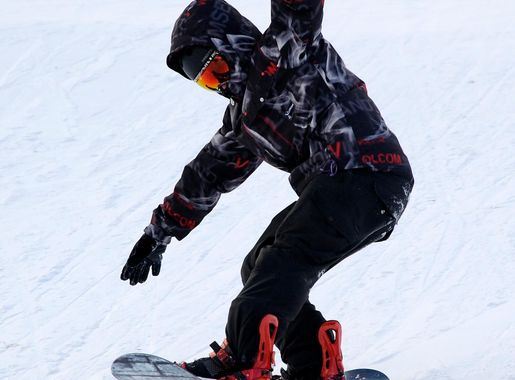
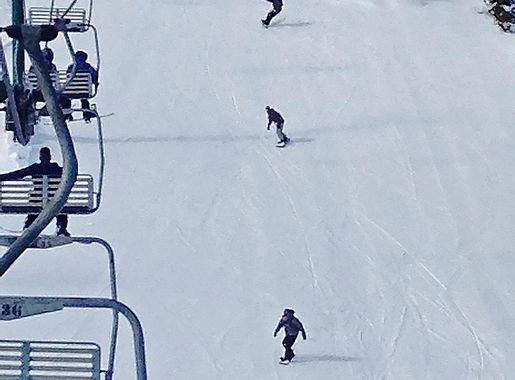
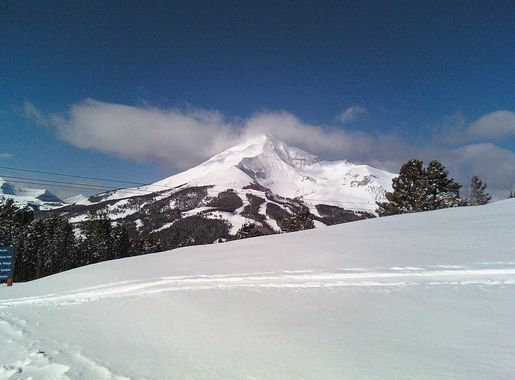
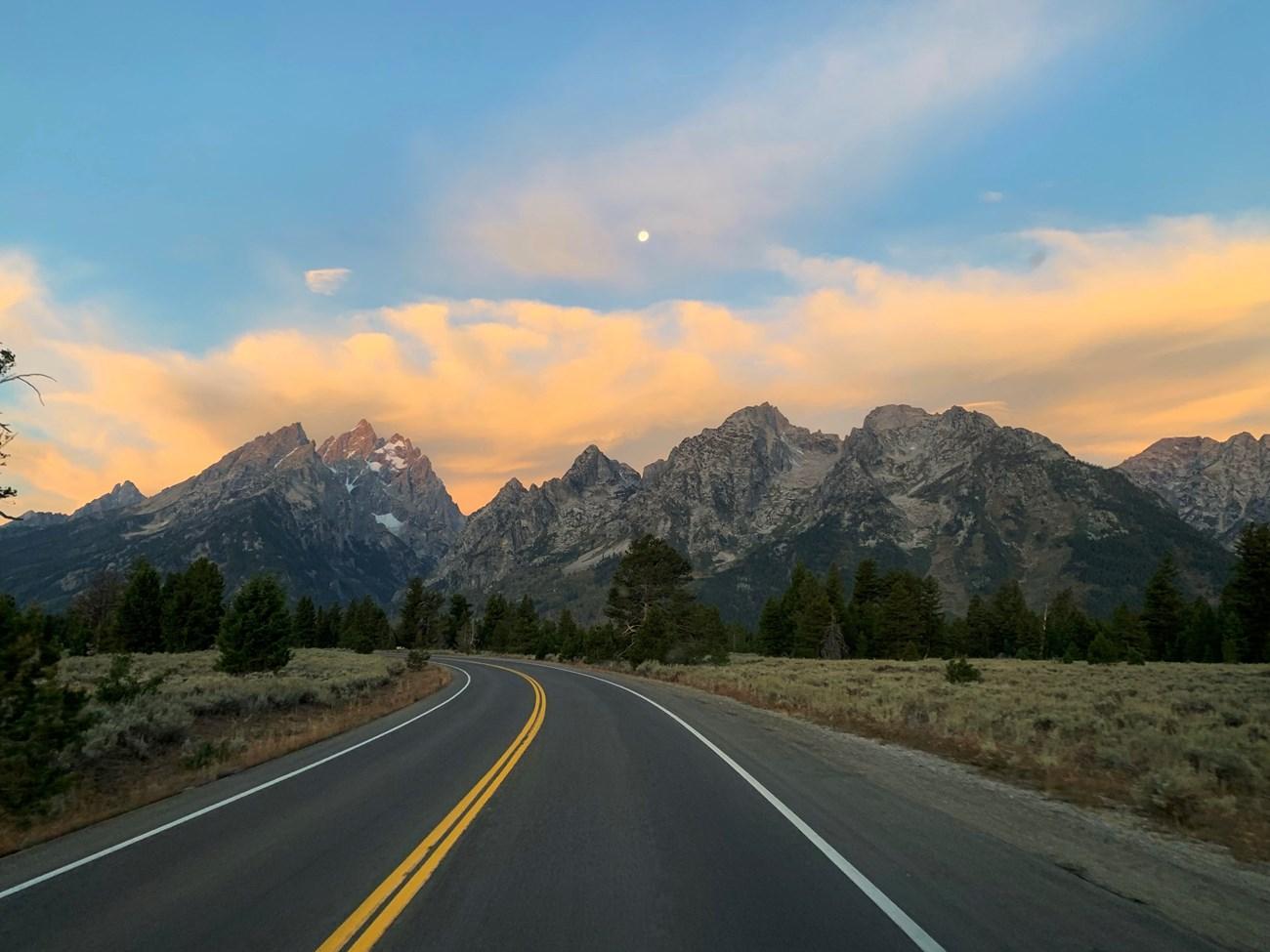
Nestled in the heart of Montana, the Little Belt Mountains offer a serene escape into nature's tranquility. This lesser-known gem is perfect for those looking to explore the great outdoors without the hustle and bustle of more crowded destinations. The Little Belt Mountains are home to lush forests, sparkling streams, and diverse wildlife, making it a haven for hikers, campers, and nature enthusiasts. The mountains are part of the Helena-Lewis and Clark National Forest, providing numerous trails that cater to all levels of adventurers. Whether you are an experienced hiker or a family looking for a leisurely walk, you will find a path that suits your needs. The stunning views from the peaks, especially Mount Baldy, which stands at 9,175 feet, will leave you breathless. In winter, the area transforms into a snowy wonderland, attracting skiers and snowmobilers to its slopes. Showdown Montana, the local ski area, offers uncrowded slopes and a cozy, family-friendly atmosphere. During the warmer months, fishing in the pristine waters of Belt Creek is a must-do, as the creek is teeming with trout. For history buffs, the Little Belt Mountains are dotted with remnants of its mining past. Exploring the ghost towns and abandoned mines gives a glimpse into the region's rich history and adds a touch of mystery to your adventure. Whether you are seeking solitude, adventure, or a bit of both, the Little Belt Mountains promise an unforgettable experience.