

Free Komovi Travel Guide & Mobile App
Explore Komovi with free travel guides. Discover regional history, expert tips, proposed trips, and audio guides on web or mobile app.


Explore Komovi in eastern Montenegro for limestone peaks, pastoral highlands, demanding hikes, quiet valleys and traditional mountain hospitality.
Read more about Komovi
When is the best time to visit Komovi?
Best: June–August · 23–26°C| Month | High (°C) | Rainfall (mm) |
|---|---|---|
| January | 3 | 100 |
| February | 5 | 90 |
| March | 10 | 80 |
| April | 14 | 70 |
| May | 19 | 80 |
| June (best) | 23 | 70 |
| July (best) | 26 | 60 |
| August (best) | 26 | 60 |
| September | 22 | 70 |
| October | 17 | 80 |
| November | 10 | 90 |
| December | 5 | 100 |
Getting to and around Komovi
How to get there
Transportation
Best attractions in Komovi
Komovi's attractions are overwhelmingly natural and activity-based. The main draw is the mountain massif itself, whose grassy approaches and sharp limestone summits offer routes for experienced hikers and mountaineers, with Štavna among the recognised access areas. Lower trails pass through beech and conifer woodland, meadows and productive pasture, while open slopes provide broad views towards the Lim valley and neighbouring Montenegrin ranges. The Komovi Nature Park adds a conservation dimension, protecting a landscape where geological formations, forests, alpine habitats and traditional land use remain closely connected. Rural villages and katuns provide an insight into seasonal pastoral life, particularly when livestock and families are present during the warmer months. Andrijevica supplies a useful cultural and practical counterpoint, with valley settlement, local history and everyday Montenegrin life rather than a concentration of formal tourist attractions. The region is best suited to walking, mountaineering, landscape photography, wildlife observation and slow travel; visitors should not expect a dense programme of museums, amusement facilities or developed resort infrastructure.
-
Tourist attraction
Ostrog Orthodox Monastery
Visit Ostrog Orthodox Monastery, a breathtaking spiritual sanctuary in Montenegro, known for its stunning architecture, rich history, and panoramic views.
-
Tourist attraction
Nijagara Waterfall
Discover the breathtaking beauty of Nijagara Waterfall in Montenegro – a stunning natural wonder that captivates all who visit.
-
Tourist attraction
Old Olive Tree
Discover the ancient Old Olive Tree in Tomba, Montenegro, a living monument showcasing over 2000 years of history and resilience amidst stunning landscapes.
-
Tourist attraction
Tara Zipline
Experience the thrill of soaring above the stunning landscapes of Montenegro at Tara Zipline, an unforgettable adventure for all ages.


Best landmarks in Komovi
The most recognisable landmarks of Komovi are its three principal summits: Kučki kom, Vasojevićki kom and Ljevoriječki kom. Their pale limestone faces and sharply modelled ridges dominate views from the surrounding valleys and explain the massif's importance to mountaineers and landscape travellers. Vasojevićki kom is particularly associated with the region's local identity, while the separate peaks create a distinctive skyline rather than a single rounded mountain. The high pasture area around Štavna is another defining place, combining open grassland, traditional seasonal settlement and close views towards the crags. Below the massif, the Lim valley and Andrijevica form the human setting from which Komovi is understood: roads, villages, fields and river landscapes lead the eye upwards to the mountains. Forest edges, karst outcrops and old pastoral tracks are less monumental but equally important parts of the region's visual character, showing how geology and seasonal agriculture have shaped the landscape.
-
Mountain range
Комови
Explore the stunning Komovi Mountain Range in Montenegro, a paradise for outdoor enthusiasts and nature lovers alike, offering breathtaking views and adventures.
-
Mountain peak
Kom Vasojevićki
Discover the breathtaking beauty of Kom Vasojevićki, Montenegro's majestic mountain peak, perfect for hiking, wildlife, and stunning panoramic views.
-
Tourist attraction
Park Prirode Komovi
Explore the breathtaking landscapes and diverse wildlife of Park Prirode Komovi, a must-visit natural park in Montenegro for all nature enthusiasts.
-
Memorial park
Spomenik palim borcima i žrtvama fašizma
Explore the Spomenik Memorial Park in Andrijevica, a moving tribute to the heroes of the fight against fascism, set in breathtaking Montenegro.


Explore Komovi on the map
Plan your trip on one map. See where the top cities, national parks and sights are, and book hotels and experiences in a few clicks.
Best hotels in Komovi
Best restaurants in Komovi
Dining in Komovi is shaped by the food traditions of Montenegro's northern highlands and by the limited number of establishments in the mountain zone. In Andrijevica and surrounding villages, look for simple dishes based on potatoes, beans, cornbread, seasonal vegetables, lamb, smoked meat and locally produced dairy, including kajmak and other fresh or aged cheeses. Rural accommodation may offer home-style meals when arranged in advance, often using produce from household gardens and pasture farms. Trout and other freshwater dishes are available in parts of the wider Lim region, but should not be treated as exclusive to Komovi. Cafés and traditional restaurants in valley settlements provide the most reliable food stops, while high pasture areas may have little or no regular catering. Pack provisions for longer walks and confirm dinner arrangements with rural hosts, especially outside the main summer period. Local honey, cheese, dried meat and preserves make practical food souvenirs when purchased directly from producers.
-
Restaurant
Restoran RAJ
Experience authentic Montenegrin cuisine at Restoran RAJ - where every meal tells a story.
-
Country food restaurant
Restoran Crkvina
Experience authentic Montenegrin cuisine at Restoran Crkvina - where traditional flavors meet warm hospitality.
-
Restaurant
Restoran Dobre Vode
Experience authentic Montenegrin cuisine at Restoran Dobre Vode in Kolašin - where every meal tells a story.
-
Restaurant
Koliba Bogetici - Ostrog
Experience authentic Montenegrin cuisine in a scenic setting at Koliba Bogetici - Ostrog in Niksic.


Best bars in Komovi
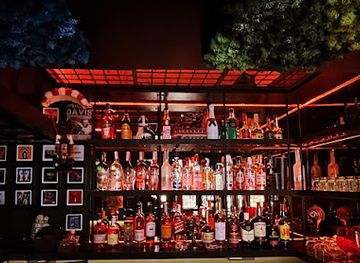
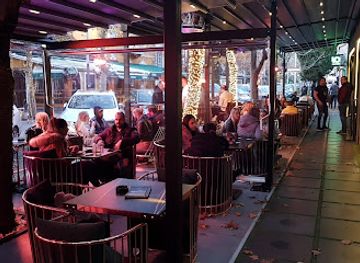
Komovi has no significant nightclub circuit, and evening life is centred on village cafés, traditional restaurants and the social spaces of Andrijevica rather than late-night entertainment. Visitors staying in rural accommodation generally spend evenings talking with hosts, eating locally prepared food or watching the mountains darken around the valley. In town, cafés may serve coffee, beer, wine and spirits, while occasional local gatherings or live music provide a more communal atmosphere without forming a dependable event programme. Kolašin, outside the core Komovi area, offers a broader après-ski and restaurant scene during its winter season, but it should not be confused with nightlife within the massif. Services become quieter outside summer, so arrange transport and meals before settling in at a remote guesthouse.
-
Cocktail bar
The Nitrox Pub & Eatery
Experience Kotor's vibrant nightlife at The Nitrox Pub & Eatery, where delicious cocktails and a lively atmosphere await every visitor.
-
Bar
Casper Bar
Experience the vibrant atmosphere and delightful drinks at Casper Bar in Budva, Montenegro, where nightlife meets relaxation.
-
Pub
Welder Pub
Experience vibrant Montenegrin culture at Welder Pub in Podgorica, offering delicious local cuisine and a lively atmosphere for all travelers.
-
Lounge
Zeppelin Lounge Bar & Pub
Discover the lively Zeppelin Lounge Bar & Pub in Podgorica, where great drinks and delicious food meet a vibrant atmosphere for all visitors.


Best nightclubs in Komovi
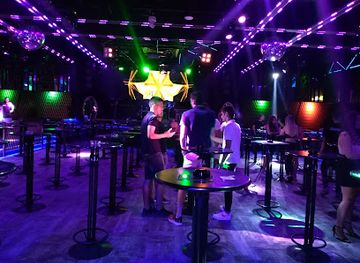
Komovi has no significant nightclub circuit, and evening life is centred on village cafés, traditional restaurants and the social spaces of Andrijevica rather than late-night entertainment. Visitors staying in rural accommodation generally spend evenings talking with hosts, eating locally prepared food or watching the mountains darken around the valley. In town, cafés may serve coffee, beer, wine and spirits, while occasional local gatherings or live music provide a more communal atmosphere without forming a dependable event programme. Kolašin, outside the core Komovi area, offers a broader après-ski and restaurant scene during its winter season, but it should not be confused with nightlife within the massif. Services become quieter outside summer, so arrange transport and meals before settling in at a remote guesthouse.
-
Night club
Omnia
Dive into the vibrant nightlife at Omnia Night Club, Budva – where energy, music, and unforgettable moments come alive!
-
Bar
The Clubhouse
Experience the vibrant atmosphere and stunning views at The Clubhouse in Tivat, the perfect bar and lounge for relaxation and nightlife.
-
Night club
Premium Palazzo night club
Discover the heart of Budva's nightlife at Premium Palazzo Night Club, where music and energy create unforgettable nights.
-
Disco club
Night Club Ambiente
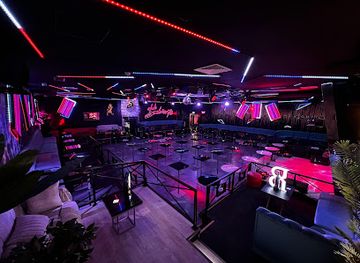
Discover the electrifying nightlife at Night Club Ambiente in Budva, Montenegro - where music, dance, and excitement come alive.

Best shops in Komovi
Shopping in Komovi is modest and practical, with the most useful supplies found in Andrijevica and other larger settlements in the Lim valley rather than in the high mountain zone. Small shops and local markets provide food for walks, while rural households may sell or serve products such as cheese, honey, preserves, dried meat and homemade spirits when arrangements are made directly. These purchases support local producers but should be made respectfully and with realistic expectations about packaging, availability and payment methods. Traditional handicrafts are less systematically presented than in Montenegro's major tourist centres, although woollen items, knitted goods and handmade wooden objects may occasionally be available through rural accommodation or community contacts. Visitors should buy only legally traded products and avoid removing natural materials from the protected landscape. For a wider selection of everyday goods, clothing and outdoor supplies, plan a stop in a larger town before travelling uphill.
-
Shopping mall
Shopping Centre Kamelija
Discover the vibrant Shopping Centre Kamelija in Kotor, where local charm meets modern retail with a variety of shops and dining options.
-
Shopping mall
Mall of Montenegro
Explore a blend of shopping, dining, and entertainment at Mall of Montenegro, a premier destination in Podgorica for every traveler.
-
Shopping mall
HDL Novi Mall
Explore HDL Novi Mall in Sutorina for an unforgettable shopping experience with diverse stores and delightful dining options.
-
Coffee shop
Radmilica - Enjoy the View
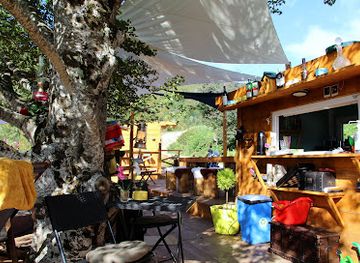
Discover Radmilica, a coffee shop in Gnjili Potok, Montenegro, offering breathtaking views and a cozy atmosphere for every coffee lover.


Get your free copy of our complete guide to Komovi, delivered straight to you.
Everything on this page, from attractions and restaurants to essentials and local phrases, in one PDF you can read offline, print or share.
Already have an account? Sign in
Your Komovi guide is ready.
We'll send it to · Not you? Sign out

Getting your guide ready…
We are putting together a fresh copy of the Komovi guide. This can take up to a minute.
This can take a few moments. If your browser asks, choose Allow so the download can start. You'll find the guide in your Downloads folder.
Nothing happened? Download it again
Sorry, the guide is taking longer than usual. Please try again in a minute, or get it by email instead.
Komovi essentials
Currency and Payment
Safety
Emergency Situations
Do's and Don'ts
Local Tips
From Eve
Local phrases worth knowing
You don't need to get them perfect. A few words go a long way, and locals appreciate the effort.
Basics
| English | Local | Say it |
|---|---|---|
| Hello | Zdravo | [zdra-vo] |
| Goodbye | Doviđenja | [do-vi-jen-ja] |
| Yes | Da | [da] |
| No | Ne | [ne] |
| Please/You're welcome | Molim | [mo-lim] |
| Thank you | Hvala | [hva-la] |
| Excuse me/Sorry | Izvinite | [iz-vi-ni-te] |
| How are you? | Kako ste? | [ka-ko ste] |
| Fine. And you? | Dobro. A vi? | [do-bro. a vi] |
| Do you speak English? | Da li govorite engleski? | [da li go-vo-ri-te en-gles-ki] |
| I don't understand | Ne razumem | [ne ra-zu-mem] |
Eating & Drinking
| English | Local | Say it |
|---|---|---|
| I'd like to see the menu, please | Hteo bih da vidim meni, molim | [hte-o bih da vi-dim me-ni, mo-lim] |
| I don't eat meat | Ne jedem meso | [ne ye-dem me-so] |
| Cheers! | Živeli! | [zhi-ve-li] |
| I would like to pay, please | Hteo bih da platim, molim | [hte-o bih da pla-tim, mo-lim] |
Emergencies
| English | Local | Say it |
|---|---|---|
| Help! | Pomoć! | [po-mo-ch] |
| Go away! | Odlazi! | [od-la-zi] |
| Call the Police! | Pozovite policiju! | [po-zo-vi-te po-li-ci-ju] |
| Call a doctor! | Pozovite doktora! | [po-zo-vi-te dok-to-ra] |
| I'm lost | Izgubio sam se | [iz-gu-bi-o sam se] |
| I'm ill | Bolestan sam | [bo-les-tan sam] |
Shopping
| English | Local | Say it |
|---|---|---|
| I'd like to buy... | Hteo bih da kupim... | [hte-o bih da ku-pim] |
| I'm just looking | Samo gledam | [sa-mo gle-dam] |
| How much is it? | Koliko košta? | [ko-li-ko ko-shta] |
| That's too expensive | To je preskupo | [to ye pre-sku-po] |
| Can you lower the price? | Možete li smanjiti cenu? | [mo-zhe-te li sma-ni-ti tse-nu] |
Time & Numbers
| English | Local | Say it |
|---|---|---|
| What time is it? | Koliko je sati? | [ko-li-ko ye sa-ti] |
| It's one o'clock | Jedan je čas | [ye-dan ye chas] |
| Half past (10) | Polovinu (10) | [po-lo-vi-nu (10)] |
| Morning | Jutro | [yu-tro] |
| Afternoon | Popodne | [po-po-dne] |
| Evening | Veče | [ve-che] |
| Yesterday | Juče | [yu-che] |
| Today | Danas | [da-nas] |
| Tomorrow | Sutra | [su-tra] |
| 1 | Jedan | [ye-dan] |
| 2 | Dva | [dva] |
| 3 | Tri | [tri] |
| 4 | Četiri | [che-ti-ri] |
| 5 | Pet | [pet] |
| 6 | Šest | [shest] |
| 7 | Sedam | [se-dam] |
| 8 | Osam | [o-sam] |
| 9 | Devet | [de-vet] |
| 10 | Deset | [de-set] |
Transport & Directions
| English | Local | Say it |
|---|---|---|
| Where's a/the...? | Gde je...? | [gde ye] |
| What's the address? | Koja je adresa? | [ko-ja ye a-dre-sa] |
| Can you show me (on the map)? | Možete li mi pokazati (na mapi)? | [mo-zhe-te li mi po-ka-za-ti (na ma-pi)] |
| When's the next (bus)? | Kada je sledeći (autobus)? | [ka-da ye sle-de-chi (au-to-bus)] |
| A ticket (to ....) | Jedna karta (do ....) | [ye-dna kar-ta (do)] |
History of Komovi
Early settlement and mountain pastoralism
The wider Lim and upper Tara valleys have been occupied since antiquity, although the high Komovi slopes were used mainly for seasonal grazing rather than dense permanent settlement. Mountain pastures, forest resources and routes across the eastern Montenegrin highlands supported communities whose livelihoods depended on moving livestock between valley villages and summer katuns. The landscape still preserves traces of this system in hay meadows, pasture huts, livestock tracks and place names. Archaeological evidence is more substantial in the surrounding valleys than on the highest ridges, where harsh conditions limited permanent construction.
Medieval borderlands and Orthodox heritage
During the medieval period, eastern Montenegro lay within a shifting political zone influenced by Serbian medieval states and later regional lords. Settlements in the Lim basin were connected to trade and ecclesiastical networks extending through the central Balkans. Orthodox Christian institutions and village traditions became important markers of community life, while the mountains provided both refuge and a natural barrier. Much of the visible built heritage in the immediate Komovi area is later, but the region's settlement pattern and religious traditions reflect these long medieval connections.
The Vasojevići and Ottoman frontier
From the late medieval and early modern periods, the Vasojevići developed as one of the prominent tribal communities of the Lim valley and surrounding mountains. The Komovi massif occupied a strategic frontier zone between Montenegro, Ottoman-administered territories and other highland communities. Political authority was often negotiated through clans, villages and local leaders rather than imposed evenly across the difficult terrain. Raiding, pastoral movement, trade and resistance all shaped life in the borderlands. Andrijevica's later importance grew from this position at the meeting point of valley routes and mountain territories.
Montenegrin expansion and the Balkan Wars
The eastern highlands became part of the Principality and then Kingdom of Montenegro during the territorial changes of the late nineteenth and early twentieth centuries. The Balkan Wars of 1912–13 ended Ottoman rule in much of the region and altered political borders across the Lim basin. New administrative arrangements, roads and state institutions gradually connected remote communities more closely with Cetinje and, later, the wider Yugoslav state. The period also brought disruption, as military mobilisation and changing frontiers affected families whose traditional routes crossed the former borderlands.
War and socialist transformation
The Second World War brought conflict and political upheaval to Montenegro's mountain valleys, including the eastern region around the Lim basin. After 1945, socialist Yugoslavia introduced new administrative structures, education and infrastructure while rural communities continued to rely on livestock, forestry and small-scale agriculture. Many residents later moved towards towns or abroad for work, contributing to depopulation in some highland villages. Seasonal pastoralism survived, but its economic importance declined as roads, schooling and wage employment changed the relationship between valley settlements and the Komovi pastures.
Protected landscapes and mountain tourism
In the twenty-first century, Komovi has increasingly been valued for its geological character, biodiversity, landscapes and cultural heritage. The Komovi Nature Park brings together mountain territory associated with Andrijevica, Kolašin and Podgorica municipalities, although the massif remains a lightly developed destination. Hiking, mountaineering, rural accommodation and nature-based tourism now complement traditional pastoral activities. The region's future depends on balancing access with the protection of fragile alpine habitats, maintaining local roads and services, and ensuring that tourism benefits the valley communities as well as outside visitors.
Komovi in Photos
Browse through our photo collection highlighting the charm and character of the destination.
Neighbouring regions of Komovi
The closest regions to Komovi, if you have time for more than one.
-

-

-

-

-


Swipe for more regions
Explore more
Explore more of Montenegro
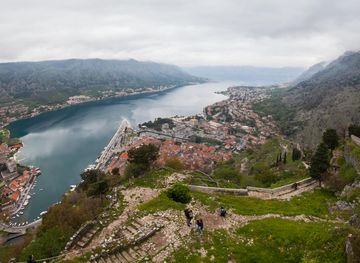
Discover Montenegro: A blend of stunning landscapes, rich history, and vibrant culture on the breathtaking Adriatic coast.
Explore Montenegro