

Free Kuči Travel Guide & Mobile App
Explore Kuči with free travel guides. Discover regional history, expert tips, proposed trips, and audio guides on web or mobile app.


Explore Kuči near Podgorica for highland scenery, Kučka Korita walks, Medun’s history and Montenegro’s enduring mountain culture.
Read more about Kuči
When is the best time to visit Kuči?
Best: June–July, September · 23–29°C| Month | High (°C) | Rainfall (mm) |
|---|---|---|
| January | 6 | 86 |
| February | 8 | 75 |
| March | 12 | 71 |
| April | 15 | 65 |
| May | 20 | 60 |
| June (best) | 25 | 55 |
| July (best) | 29 | 50 |
| August | 28 | 55 |
| September (best) | 23 | 65 |
| October | 18 | 76 |
| November | 12 | 81 |
| December | 8 | 86 |
Getting to and around Kuči
How to get there
Transportation
Best attractions in Kuči
Kuči’s attractions are primarily landscapes, historic sites and rural experiences rather than large commercial visitor facilities. Medun provides the strongest cultural focus, combining ancient fortified remains with the Marko Miljanov Museum and views over the surrounding highlands. Kučka Korita, a limestone plateau north-east of Podgorica, is the region’s principal area for walking, scenic drives, photography and quiet outdoor recreation. Its meadows, beech woods, rocky ground and distant mountain outlooks reveal the relationship between pastoral land use and karst geography. Small villages including Ubli and Fundina add interest through traditional settlement patterns, stone houses, local churches and changing views across the valleys. Visitors may also encounter springs, grazing areas and old routes linking upland communities, although these are working landscapes rather than formal attractions. Rural food experiences can sometimes be arranged through local households or accommodation providers, but should be organised in advance. Kuči is best explored at a measured pace, with realistic expectations about limited signage, small-scale facilities and variable opening arrangements. Its appeal lies in the combination of archaeological memory, living highland culture and accessible mountain scenery close to Montenegro’s capital.
-
Historical landmark
Sea Gate
Explore the majestic Sea Gate in Kotor, Montenegro - a historical landmark rich in culture and stunning views of the bay.
-
Lake
Lake Biograd
Discover the breathtaking beauty of Lake Biograd, a serene oasis in Montenegro that promises nature, adventure, and unforgettable experiences.
-
Historical landmark
Fort Vrmac
Explore the historic Fort Vrmac in Montenegro, a captivating landmark offering stunning views and a glimpse into the region's military heritage.
-
Tourist attraction
A Day Out on Yacht Monty B
Discover the breathtaking beauty of Montenegro while sailing on Yacht Monty B, an unforgettable way to explore the Adriatic coast.


Best landmarks in Kuči
Medun is Kuči’s defining historic landmark, an ancient fortified hilltop settlement whose commanding position explains its long strategic significance. Remains on and around the site connect the modern landscape with the ancient settlement known as Meteon and with later periods of regional conflict and political change. Nearby, the Marko Miljanov Museum commemorates the influential Kuči leader and writer, giving the archaeological site a strong nineteenth-century historical dimension as well. Kučka Korita is the region’s principal natural landmark: a high limestone plateau marked by open pasture, woodland, exposed rock and expansive views towards Montenegro’s interior and the Albanian borderlands. The visual character of the plateau is shaped as much by traditional grazing and scattered stone structures as by geology. Villages such as Ubli and Fundina contain smaller landmarks, including rural churches, memorials, old houses and roads that preserve the dispersed architecture of the highlands. These places are not grand monuments in the manner of Montenegro’s coastal towns, but together they express Kuči’s distinctive combination of ancient defence, tribal memory and mountain settlement.
-
Monastery
Ostrog Orthodox Monastery
Discover the spiritual heart of Montenegro at Ostrog Orthodox Monastery, where breathtaking views and rich history converge in a serene mountain setting.
-
Historical landmark
Old Town
Discover the historic allure of Old Town Herceg Novi, where cobblestone streets meet stunning Mediterranean vistas and rich cultural heritage.
-
Marina
Porto Montenegro
Experience luxury and adventure at Porto Montenegro, a stunning marina offering fine dining, shopping, and breathtaking views along the Adriatic coast.
-
Tourist attraction
Kampana Tower
Explore the stunning views and historical significance of Kampana Tower in Kotor, Montenegro - a must-visit for every traveler.


Explore Kuči on the map
Plan your trip on one map. See where the top cities, national parks and sights are, and book hotels and experiences in a few clicks.
Best hotels in Kuči
Best restaurants in Kuči
Dining in Kuči is modest, seasonal and closely connected to mountain agriculture. Visitors are more likely to find food through rural households, pre-arranged guest meals, small local cafés or provisions bought in Podgorica than through a concentrated restaurant scene. Traditional choices associated with the wider Montenegrin highlands include smoked or cured meats, local cheese, bread, potatoes, beans, grilled meat and dishes prepared from seasonal vegetables. The region’s grazing tradition gives dairy products and hearty homemade fare particular importance, while picnic supplies are useful for excursions to Kučka Korita. Some rural hosts may serve food by arrangement, but availability should never be assumed without prior contact. Around the approach roads and villages, opening times and menus can be limited, especially outside the warmer months. Visitors seeking a broader choice of restaurants, bakeries, cafés and contemporary Montenegrin cooking should dine in Podgorica before or after entering the mountains.
-
Restaurant
BBQ Tanjga
Experience authentic Montenegrin barbecue at BBQ Tanjga in Kotor—home to the best čevapi and vibrant local culture.
-
Restaurant
Restobar Taraca
Experience exquisite vegan and vegetarian cuisine at Restobar Taraca in beautiful Dobrota, Montenegro – a true delight for every food lover.
-
Restaurant
Konoba Portun
Experience authentic Montenegrin cuisine at Konoba Portun in Dobrota with stunning Adriatic views and fresh local ingredients.
-
Family-friendly
Restoran - Uzgajalište ostriga
Experience authentic Montenegrin seafood at Restoran - Uzgajalište ostriga in Kotor, renowned for its fresh oysters and stunning coastal views.


Best bars in Kuči
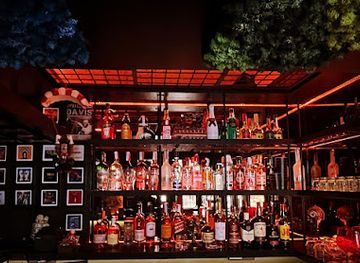
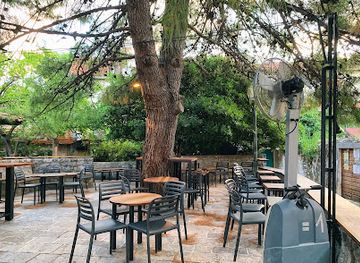
Kuči does not have a conventional nightclub district or a large late-night entertainment scene. Evening life is mainly associated with family homes, rural hospitality, small cafés and occasional gatherings rather than ticketed venues or a dense choice of bars. The scattered villages become quiet after dark, and visitors staying in the mountains should arrange food and drinks in advance rather than expect late opening facilities. Podgorica, outside the region to the west, is the nearest place for a broad selection of bars, live music venues and nightlife. In Kuči, the more characteristic evening experience is a meal, conversation and views across the darkened highlands, provided by a guesthouse or local host. Alcohol is available within Montenegro’s normal hospitality culture, but it is not necessary for experiencing the region. Drivers should be especially cautious on the winding return roads after dark.
-
Cocktail bar
The Nitrox Pub & Eatery
Discover Kotor's hidden gem, The Nitrox Pub & Eatery, where cocktails, local beers, and a warm atmosphere await every traveler.
-
Bar
Casper Bar
Discover the vibrant nightlife at Casper Bar in Budva, Montenegro, where great cocktails and lively music create unforgettable memories.
-
Historical place museum
Old Town Bar
Discover the historic allure of Old Town Bar, a cultural gem in Montenegro showcasing stunning architecture and rich history.
-
Restaurant
Kraljevska Plaža
Discover Kraljevska Plaža, a culinary delight in Bar, Montenegro, where stunning sea views meet exquisite local flavors for an unforgettable dining experience.


Best nightclubs in Kuči
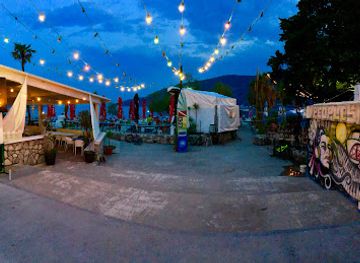
Kuči does not have a conventional nightclub district or a large late-night entertainment scene. Evening life is mainly associated with family homes, rural hospitality, small cafés and occasional gatherings rather than ticketed venues or a dense choice of bars. The scattered villages become quiet after dark, and visitors staying in the mountains should arrange food and drinks in advance rather than expect late opening facilities. Podgorica, outside the region to the west, is the nearest place for a broad selection of bars, live music venues and nightlife. In Kuči, the more characteristic evening experience is a meal, conversation and views across the darkened highlands, provided by a guesthouse or local host. Alcohol is available within Montenegro’s normal hospitality culture, but it is not necessary for experiencing the region. Drivers should be especially cautious on the winding return roads after dark.
-
Night club
Omnia
Experience the vibrant nightlife of Budva at Omnia, where electrifying music and a lively atmosphere create unforgettable memories.
-
Night club
People's
Experience the vibrant nightlife at People's Beach Bar in Herceg Novi, where stunning views and lively music create unforgettable memories.
-
Bar
The Clubhouse
Discover Tivat's vibrant nightlife at The Clubhouse, a chic bar and lounge with stunning marina views and exceptional drinks.
-
Disco club
Club Hide Budva
Discover the vibrant nightlife of Club Hide Budva, where unforgettable parties and stunning coastal views meet.


Best shops in Kuči
Shopping in Kuči is limited and local in character, with no major retail centre or extensive tourist market. Visitors should buy substantial provisions in Podgorica before driving into the mountains, then look for practical purchases or locally produced food through village households and rural accommodation where available. Possible products include mountain cheese, smoked meat, honey, preserves, dried foods and handmade items, but availability is seasonal and should not be assumed. The most meaningful souvenirs are often small, directly sourced products rather than mass-produced Montenegro-themed merchandise. Medun and the surrounding villages may offer occasional local items connected with Marko Miljanov or Kuči heritage, although retail arrangements can change. For a wider selection of crafts, books, wine, food products and dependable shops, Podgorica is the nearest practical shopping centre outside the region. Respect food-safety considerations and ask about packaging or transport when buying unrefrigerated dairy or meat products.
-
Historical landmark
Old Town
Explore the enchanting Old Town of Herceg Novi, a historical gem filled with ancient architecture, stunning views, and vibrant local culture.
-
Shopping mall
TQ Plaza
Discover the ultimate shopping experience at TQ Plaza in Budva, Montenegro, where retail therapy meets delightful dining and entertainment.
-
Shopping mall
Shopping Centre Kamelija
Discover a blend of shopping, dining, and entertainment at Shopping Centre Kamelija in Kotor, Montenegro's vibrant retail hub.
-
Shopping mall
Mall of Montenegro
Discover a shopper's paradise at the Mall of Montenegro, where local culture meets global brands in an exciting retail experience.


Get your free copy of our complete guide to Kuči, delivered straight to you.
Everything on this page, from attractions and restaurants to essentials and local phrases, in one PDF you can read offline, print or share.
Already have an account? Sign in
Your Kuči guide is ready.
We'll send it to · Not you? Sign out

Getting your guide ready…
We are putting together a fresh copy of the Kuči guide. This can take up to a minute.
This can take a few moments. If your browser asks, choose Allow so the download can start. You'll find the guide in your Downloads folder.
Nothing happened? Download it again
Sorry, the guide is taking longer than usual. Please try again in a minute, or get it by email instead.
Kuči essentials
Currency and Payment
Safety
Emergency Situations
Do's and Don'ts
Local Tips
From Eve
Local phrases worth knowing
You don't need to get them perfect. A few words go a long way, and locals appreciate the effort.
Basics
| English | Local | Say it |
|---|---|---|
| Hello | Zdravo | [Zdra-vo] |
| Goodbye | Doviđenja | [Do-vi-đen-ya] |
| Yes | Da | [Dah] |
| No | Ne | [Neh] |
| Please/You're welcome | Molim | [Mo-lim] |
| Thank you | Hvala | [Hva-la] |
| Excuse me/Sorry | Izvinite | [Iz-vi-ni-te] |
| How are you? | Kako ste? | [Ka-ko ste?] |
| Fine. And you? | Dobro. A vi? | [Do-bro. A vi?] |
| Do you speak English? | Govoriš li engleski? | [Go-vo-rish li en-gles-ki?] |
| I don't understand | Ne razumem | [Ne ra-zu-mem] |
Eating & Drinking
| English | Local | Say it |
|---|---|---|
| I'd like to see the menu, please | Hteo bih da vidim meni, molim | [Hte-o bih da vi-dim me-ni, mo-lim] |
| I don't eat meat | Ne jedem meso | [Ne ye-dem me-so] |
| Cheers! | Živeli! | [Zhi-ve-li!] |
| I would like to pay, please | Hteo bih da platim, molim | [Hte-o bih da pla-tim, mo-lim] |
Emergencies
| English | Local | Say it |
|---|---|---|
| Help! | Upomoć! | [U-po-moć!] |
| Go away! | Ode! | [O-de!] |
| Call the Police! | Pozovite policiju! | [Po-zo-vi-te po-li-ci-ju!] |
| Call a doctor! | Pozovite doktora! | [Po-zo-vi-te dok-to-ra!] |
| I'm lost | Izgubio sam se | [Iz-gu-bi-o sam se] |
| I'm ill | Bolestan sam | [Bo-les-tan sam] |
Shopping
| English | Local | Say it |
|---|---|---|
| I'd like to buy... | Hteo bih da kupim... | [Hte-o bih da ku-pim...] |
| I'm just looking | Samo gledam | [Sa-mo gle-dam] |
| How much is it? | Koliko košta? | [Ko-li-ko koshta?] |
| That's too expensive | To je preskupo | [To ye pre-sku-po] |
| Can you lower the price? | Možeš li da spustiš cenu? | [Mo-zheš li da spu-stiš tse-nu?] |
Time & Numbers
| English | Local | Say it |
|---|---|---|
| What time is it? | Koliko je sati? | [Ko-li-ko ye sa-ti?] |
| It's one o'clock | Jedan je sat | [Ye-dan ye sat] |
| Half past (10) | Pola (10) | [Po-la (10)] |
| Morning | Jutro | [Yu-tro] |
| Afternoon | Popodne | [Po-pod-ne] |
| Evening | Veče | [Ve-che] |
| Yesterday | Juče | [Yu-che] |
| Today | Danas | [Da-nas] |
| Tomorrow | Sutra | [Su-tra] |
| 1 | Jedan | [Ye-dan] |
| 2 | Dva | [Dva] |
| 3 | Tri | [Tri] |
| 4 | Četiri | [Che-ti-ri] |
| 5 | Pet | [Pet] |
| 6 | Šest | [Shest] |
| 7 | Sedam | [Se-dam] |
| 8 | Osam | [O-sam] |
| 9 | Devet | [De-vet] |
| 10 | Deset | [De-set] |
Transport & Directions
| English | Local | Say it |
|---|---|---|
| Where's a/the...? | Gde je...? | [Gde ye...?] |
| What's the address? | Koja je adresa? | [Ko-ya ye a-dre-sa?] |
| Can you show me (on the map)? | Možeš li da mi pokažeš (na mapi)? | [Mo-zheš li da mi po-ka-zhesh (na ma-pi)?] |
| When's the next (bus)? | Kada je sledeći (autobus)? | [Ka-da ye sle-de-ći (au-to-bus)?] |
| A ticket (to ....) | Jedna karta (do ....) | [Ye-dna kar-ta (do ....)] |
History of Kuči
Illyrian and Roman Meteon
The hilltop settlement at Medun, identified with the ancient settlement of Meteon, is the clearest archaeological reminder of Kuči’s early strategic importance. The fortified position controlled approaches through the surrounding highlands and formed part of the wider political landscape of the eastern Adriatic and central Balkans. Roman power later incorporated the area into its provincial system, although the surviving remains reflect several periods of occupation rather than one single monument. Medun’s position above the countryside helps explain why the site retained military and symbolic importance long after antiquity.
Formation of the Kuči Tribal Community
During the medieval and early modern periods, Kuči developed as a highland tribal community in a politically fragmented borderland between the Montenegrin interior, the Ottoman sphere and the Albanian highlands. Tribal organisation provided frameworks for land use, mutual defence, family alliances and local authority in a region where central governments had limited reach. The name Kuči came to encompass related brotherhoods and settlements rather than a compact town. Oral history, family traditions and landscape names remain important to how this past is remembered.
Ottoman Frontier and Highland Resistance
For centuries, Kuči lay near a shifting frontier shaped by Ottoman expansion, local autonomy and competing regional powers. The highlands experienced raids, negotiations, alliances and periods of conflict, while communities balanced the demands of imperial authorities against their own customary structures. The difficult terrain offered defensive advantages but also exposed villages to insecurity. This history left traces in fortified positions, settlement patterns and collective memories, although accounts of tribal history often combine documentary evidence with later oral traditions and should be read in that context.
Montenegrin State-Building in the Nineteenth Century
The nineteenth century brought more direct efforts to incorporate Kuči into the expanding Principality of Montenegro and to link the highlands with a central political authority. Marko Miljanov Popović became the best-known Kuči figure of this period. A military leader, local notable and later writer, he is remembered for his role in regional politics and for writing about honour and customary ethics among the South Slavs. The museum at Medun preserves this cultural memory and places Kuči within Montenegro’s broader state-building story.
From Tribal Administration to Modern Montenegro
The twentieth century transformed Kuči’s social and economic structure. Modern state administration, schooling, roads and changing borders gradually reduced the political role of tribal institutions, while many families maintained strong ties between mountain villages and urban Montenegro. Migration towards Podgorica and other centres altered the population of upland settlements, particularly as agricultural livelihoods became less dependable. Even so, kinship networks, seasonal visits, local commemorations and traditional land use continue to connect contemporary communities with the historic Kuči landscape.
The Road to Kučka Korita and Rural Tourism
Improved road access from Podgorica has made the Kučka Korita plateau more accessible for day visits, walking and scenic driving without turning it into a large resort. Interest in rural tourism has encouraged renewed attention to traditional food, mountain landscapes and village heritage. The region’s contemporary appeal rests less on major infrastructure than on its proximity to the capital, open highland scenery and exceptionally strong historical identity. Careful management is important as access increases, since fragile karst environments and dispersed settlements have limited capacity for waste, traffic and unplanned development.
Kuči in Photos
Browse through our photo collection highlighting the charm and character of the destination.
Neighbouring regions of Kuči
The closest regions to Kuči, if you have time for more than one.
-

-

-

-

-


Swipe for more regions
Explore more
Explore more of Montenegro
Discover Montenegro: A blend of stunning landscapes, rich history, and vibrant culture on the breathtaking Adriatic coast.
Explore Montenegro