

Free Bjelasica Travel Guide & Mobile App
Explore Bjelasica with free travel guides. Discover regional history, expert tips, proposed trips, and audio guides on web or mobile app.


Explore Bjelasica in Montenegro for primeval forests, glacial lakes, high pastures, ski slopes and mountain culture around Kolašin.
Read more about Bjelasica
When is the best time to visit Bjelasica?
Best: June–August · 20–22°C| Month | High (°C) | Rainfall (mm) |
|---|---|---|
| January | 1 | 90 |
| February | 3 | 80 |
| March | 7 | 90 |
| April | 12 | 100 |
| May | 17 | 110 |
| June (best) | 20 | 90 |
| July (best) | 22 | 80 |
| August (best) | 21 | 80 |
| September | 19 | 90 |
| October | 13 | 100 |
| November | 7 | 110 |
| December | 3 | 100 |
Getting to and around Bjelasica
How to get there
Transportation
Destinations in Bjelasica
Resorts, valleys and scenic spots worth a trip of their own.
-

-


Swipe for more destinations
Best attractions in Bjelasica
Bjelasica’s attractions are concentrated in its forests, uplands and valleys rather than in a dense chain of built monuments. Biogradska Gora National Park is the region’s principal nature destination, with Biogradsko Lake, old-growth woodland and paths through a protected ecosystem. More demanding routes lead towards Šiško Lake, Pešića Lake and the upper pastures, where broad ridges and seasonal katuns provide a very different setting from the shaded forest. Around Kolašin, the Kolašin 1450 and Kolašin 1600 ski areas offer winter skiing and access to higher mountain terrain in summer, subject to conditions and operating arrangements. Mojkovac and the Tara valley form a useful eastern approach, while Berane, Andrijevica and Bijelo Polje introduce the agricultural and pastoral character of Bjelasica’s opposite slopes. Visitors can combine hiking, snow sports, cycling on suitable roads, wildlife observation and visits to working rural communities. The appeal lies in the contrast between accessible lakeside walks and more strenuous routes where navigation, weather and transport require preparation.
-
Tourist attraction
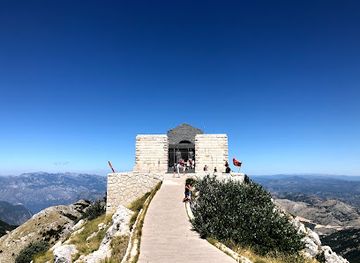
Lovćen National Park
Explore the breathtaking landscapes and rich cultural heritage of Lovćen National Park, Montenegro's natural treasure.
-
Museum
Cetinje Monastery
Discover the spiritual heart of Montenegro at Cetinje Monastery, a historical landmark with stunning architecture and rich cultural heritage.
-
Tourist attraction
Podmaine Monastery
Experience the spiritual serenity and historical richness of Podmaine Monastery, a hidden gem in Budva, Montenegro, surrounded by stunning natural beauty.
-
Tourist attraction
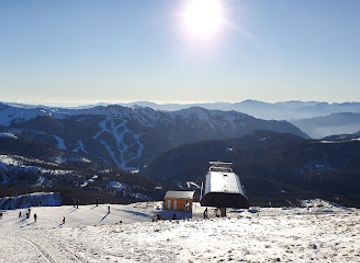
Kolašin 1450
Experience the magic of Kolašin 1450, Montenegro's premier ski resort, where adventure meets breathtaking alpine beauty.

Best landmarks in Bjelasica
Biogradsko Lake is Bjelasica’s most recognisable natural landmark, a dark, forest-framed body of water whose surroundings express the mountain’s glacial and wooded character. The ancient forest of Biogradska Gora gives the lake its wider significance: it is not simply a scenic viewpoint but part of one of Montenegro’s most important protected ecosystems. Crna glava, rising to 2,139 metres, is the mountain’s highest summit and a defining point on the high Bjelasica skyline, although access is a serious mountain outing rather than a casual excursion. Šiško and Pešića lakes form other notable high-altitude landmarks, reached by routes through open pasture and rugged upland terrain. On the western side, the ski slopes above Kolašin have become modern markers of the region’s developing tourism landscape, contrasting with older katun settlements and traditional grazing grounds. In the valleys, the Tara and Lim corridors frame the mountain geographically and help explain the historical importance of Kolašin, Mojkovac, Berane and Andrijevica as points of passage.
-
Monastery
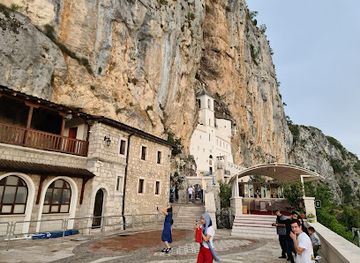
Ostrog Orthodox Monastery
Experience the spiritual serenity and breathtaking views of Ostrog Orthodox Monastery, a must-visit pilgrimage site in Montenegro.
-
Historical landmark
Old Town
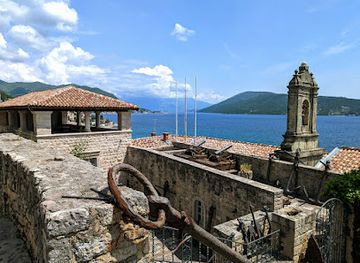
Explore the enchanting Old Town of Herceg Novi, where history meets breathtaking coastal views and vibrant local culture.
-
National park
Durmitor National Park
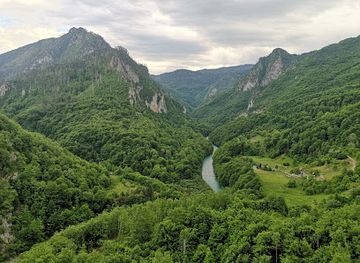
Explore the breathtaking natural beauty and adventure opportunities at Durmitor National Park, a UNESCO World Heritage site in Montenegro.
-
Fortress
Fortress Old Bar
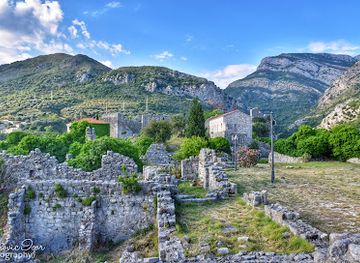
Discover the breathtaking Fortress Old Bar in Montenegro, a historical gem offering stunning views and rich cultural heritage.
Explore Bjelasica on the map
Plan your trip on one map. See where the top cities, national parks and sights are, and book hotels and experiences in a few clicks.
Best hotels in Bjelasica
Best restaurants in Bjelasica
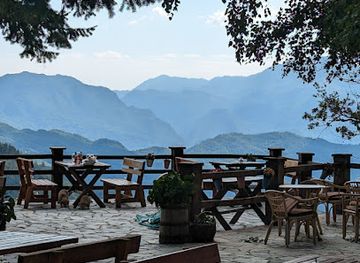
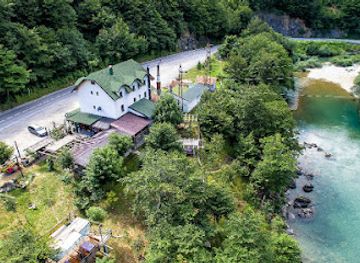
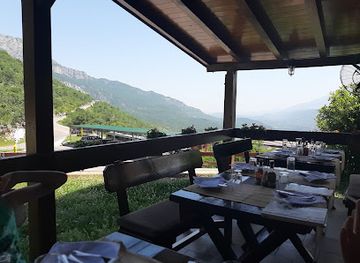
Food in Bjelasica reflects the cool mountain climate, pastoral economy and hearty cooking of northern Montenegro. Around Kolašin, Mojkovac and the valley settlements, menus commonly draw on potatoes, beans, cabbage, mushrooms, seasonal vegetables, smoked meats and dairy products. Kačamak, a substantial dish made with maize or wheat flour and often served with cheese or kajmak, is strongly associated with mountain cooking, while homemade breads, pies, yoghurt and preserves are important parts of the local table. Trout and river fish may appear in restaurants near suitable waterways, but the region’s strongest culinary identity remains its farm and pasture produce. Traditional restaurants and rural households often offer portions intended for sharing, while cafés in Kolašin provide lighter meals and pastries. Farmers’ stalls and small producers may sell cheese, honey, herbal products and jams, although availability changes with the season. Visitors should ask which ingredients are local rather than assuming every dish is specific to Bjelasica.
-
Restaurant
Restoran RAJ
Savor authentic Montenegrin cuisine at Restoran RAJ – where every meal is a celebration of local flavors.
-
Country food restaurant
Restoran Crkvina
Discover authentic Montenegrin cuisine at Restoran Crkvina – where tradition meets taste in every dish.
-
Restaurant
Restoran Dobre Vode
Experience authentic Montenegrin cuisine at Restoran Dobre Vode in Kolašin - where every dish tells a story.
-
Restaurant
Koliba Bogetici - Ostrog
Experience authentic Montenegrin cuisine at Koliba Bogetici - Ostrog in Niksic; where tradition meets flavor in every bite.
Best bars in Bjelasica
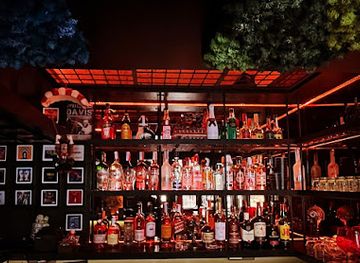
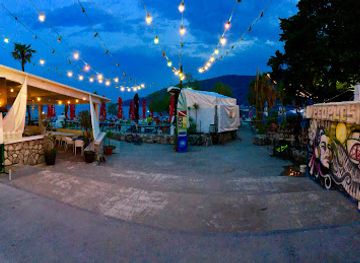
Evening life in Bjelasica is centred on Kolašin, where cafés, hotel bars and informal restaurants provide the most dependable places for a drink after skiing or walking. The town’s social rhythm is more relaxed than that of Montenegro’s coastal resorts, with conversation, coffee, local spirits and occasional live music more prominent than a large nightclub scene. Mojkovac, Berane and the smaller valley settlements offer a modest selection of cafés and traditional bars, while rural accommodation tends to encourage quiet evenings rather than late-night entertainment. During the winter season and holiday periods, the ski-area hotels and Kolašin venues can be busier, but schedules and events change. Craft-beer, wine and cocktails are available in some urban establishments, alongside Montenegro’s nationally distributed drinks. In remote parts of Bjelasica, plan to finish dinner or return to accommodation early, since evening transport and services are limited.
-
Cocktail bar
The Nitrox Pub & Eatery
Discover the energetic vibe of The Nitrox Pub & Eatery in Kotor, where you can enjoy creative cocktails and local brews in a charming atmosphere.
-
Restaurant
Savardak
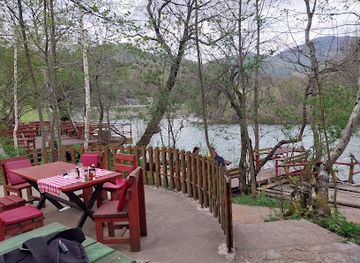
Experience the delightful flavors of Montenegro at Savardak, where cozy ambiance meets exquisite cuisine by the creek.
-
Restaurant
Sherpas Restaurant & Modern Mountain Apartments
Discover the perfect blend of local flavors and modern comfort at Sherpas Restaurant & Modern Mountain Apartments in Kolašin, Montenegro.
-
Lounge
Zeppelin Lounge Bar & Pub
Experience the vibrant atmosphere of Zeppelin Lounge Bar & Pub in Podgorica, where delicious drinks and a lively ambiance await every visitor.
Best nightclubs in Bjelasica
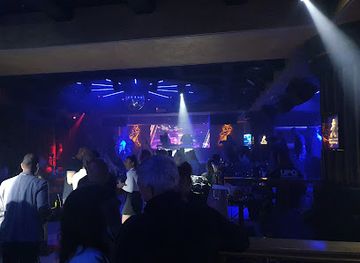
Evening life in Bjelasica is centred on Kolašin, where cafés, hotel bars and informal restaurants provide the most dependable places for a drink after skiing or walking. The town’s social rhythm is more relaxed than that of Montenegro’s coastal resorts, with conversation, coffee, local spirits and occasional live music more prominent than a large nightclub scene. Mojkovac, Berane and the smaller valley settlements offer a modest selection of cafés and traditional bars, while rural accommodation tends to encourage quiet evenings rather than late-night entertainment. During the winter season and holiday periods, the ski-area hotels and Kolašin venues can be busier, but schedules and events change. Craft-beer, wine and cocktails are available in some urban establishments, alongside Montenegro’s nationally distributed drinks. In remote parts of Bjelasica, plan to finish dinner or return to accommodation early, since evening transport and services are limited.
-
Night club
Omnia
Experience the vibrant nightlife of Budva at Omnia, Montenegro's premier night club with stunning views and electrifying energy.
-
Night club
People's
Discover the electric nightlife at People's Beach Bar in Herceg Novi, Montenegro - where the beach meets vibrant nightlife.
-
Bar
The Clubhouse
Experience the vibrant atmosphere of The Clubhouse in Tivat, where delightful cocktails meet stunning marina views.
-
Night club
Premium Palazzo night club
Discover the electric atmosphere and vibrant music at Premium Palazzo Night Club in Budva, Montenegro's top nightlife destination.

Best shops in Bjelasica
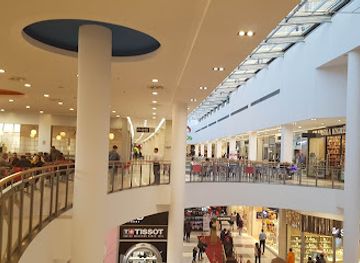
Shopping in Bjelasica is practical and locally oriented rather than centred on large retail districts. Kolašin has the broadest choice of small shops, cafés, outdoor equipment and locally produced food, while Mojkovac, Berane, Andrijevica and Bijelo Polje serve their surrounding communities with everyday markets and independent retailers. Visitors may find mountain cheeses, honey, jams, dried herbs, preserves and smoked products through reputable local sellers, with selection varying by season and producer. Rural households and roadside stalls should be approached respectfully, and food should be bought from clean, established sources. Craft traditions are more visible in small-scale handmade goods than in formal souvenir centres; textiles, woollen items, woodwork and regional food products can make more meaningful purchases than generic trinkets. The larger towns are also useful for buying walking supplies before heading into the mountains. Because stock and market activity change, allow time to browse local shops rather than relying on a fixed list of stores or permanent market events.
-
Shopping mall
BIG Fashion Podgorica
Explore BIG Fashion Podgorica: A vibrant shopping mall offering international brands, dining, and entertainment in the heart of Montenegro.
-
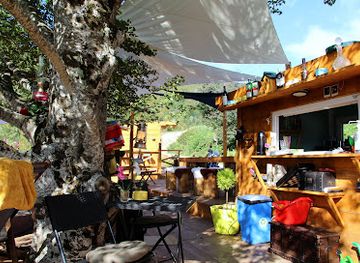
Coffee shop
Radmilica - Enjoy the View
Discover Radmilica, a delightful coffee shop in Montenegro offering exquisite brews and stunning views that enhance every sip.
-
Home improvement store
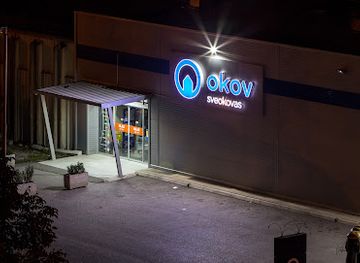
Okov
Explore Okov in Berane, Montenegro: Your ultimate destination for home improvement and stylish home goods.
-
Bakery
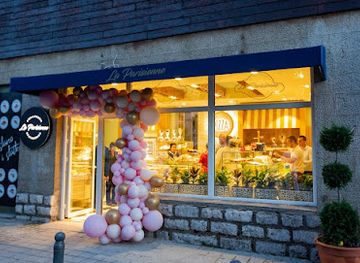
La Parisienne 6
Discover the delightful flavors of La Parisienne, a charming bakery in Kolašin, offering artisanal breads and pastries to satisfy every craving.
Get your free copy of our complete guide to Bjelasica, delivered straight to you.
Everything on this page, from attractions and restaurants to essentials and local phrases, in one PDF you can read offline, print or share.
Already have an account? Sign in
Your Bjelasica guide is ready.
We'll send it to · Not you? Sign out

Getting your guide ready…
We are putting together a fresh copy of the Bjelasica guide. This can take up to a minute.
This can take a few moments. If your browser asks, choose Allow so the download can start. You'll find the guide in your Downloads folder.
Nothing happened? Download it again
Sorry, the guide is taking longer than usual. Please try again in a minute, or get it by email instead.
Bjelasica essentials
Currency and Payment
Safety
Emergency Situations
Do's and Don'ts
Local Tips
From Eve
Local phrases worth knowing
You don't need to get them perfect. A few words go a long way, and locals appreciate the effort.
Basics
| English | Local | Say it |
|---|---|---|
| Hello | Zdravo | [zdrah-voh] |
| Goodbye | Doviđenja | [doh-vee-jen-yah] |
| Yes | Da | [dah] |
| No | Ne | [neh] |
| Please/You're welcome | Molim/ Nema na čemu | [moh-leem/ neh-mah nah cheh-moo] |
| Thank you | Hvala | [hvah-lah] |
| Excuse me/Sorry | Izvinite | [eez-vee-nee-teh] |
| How are you? | Kako ste? | [kah-koh steh] |
| Fine. And you? | Dobro. A vi? | [doh-broh. ah vee] |
| Do you speak English? | Da li govorite engleski? | [dah lee goh-vor-ee-teh ehn-gles-kee] |
| I don't understand | Ne razumem | [neh rah-zoo-mehm] |
Eating & Drinking
| English | Local | Say it |
|---|---|---|
| I'd like to see the menu, please | Hteo bih da vidim meni, molim | [hteh-oh beekh dah vee-deem meh-nee, moh-leem] |
| I don't eat meat | Ne jedem meso | [neh yeh-dem meh-soh] |
| Cheers! | Živeli! | [zhee-veh-lee] |
| I would like to pay, please | Hteo bih da platim, molim | [hteh-oh beekh dah plah-teem, moh-leem] |
Emergencies
| English | Local | Say it |
|---|---|---|
| Help! | Upomoć! | [oo-poh-mohch] |
| Go away! | Idi! | [ee-dee] |
| Call the Police! | Pozovite policiju! | [poh-zoh-vee-teh poh-lee-tsee-yoo] |
| Call a doctor! | Pozovite doktora! | [poh-zoh-vee-teh dok-toh-rah] |
| I'm lost | Izgubio sam se | [eez-goo-bee-oh sahm seh] |
| I'm ill | Bolestan sam | [boh-leh-stahn sahm] |
Shopping
| English | Local | Say it |
|---|---|---|
| I'd like to buy... | Hteo bih da kupim... | [hteh-oh beekh dah koo-peem] |
| I'm just looking | Samo gledam | [sah-moh gled-am] |
| How much is it? | Koliko košta? | [koh-lee-koh koh-shtah] |
| That's too expensive | To je preskupo | [toh yeh preh-skoo-poh] |
| Can you lower the price? | Možete li spustiti cenu? | [moh-zheh-teh lee spoos-tee-tee tseh-noo] |
Time & Numbers
| English | Local | Say it |
|---|---|---|
| What time is it? | Koliko je sati? | [koh-lee-koh yeh sah-tee] |
| It's one o'clock | Jedan je čas | [yeh-dahn yeh chahs] |
| Half past (10) | Pola (10) | [poh-lah (10)] |
| Morning | Jutro | [yoo-troh] |
| Afternoon | Posle podne | [poh-sleh pohd-neh] |
| Evening | Veče | [veh-cheh] |
| Yesterday | Juče | [yoo-cheh] |
| Today | Danas | [dah-nahs] |
| Tomorrow | Sutra | [soo-trah] |
| 1 | Jedan | [yeh-dahn] |
| 2 | Dva | [dva] |
| 3 | Tri | [tree] |
| 4 | Četiri | [cheh-tee-ree] |
| 5 | Pet | [peht] |
| 6 | Šest | [shest] |
| 7 | Sedam | [seh-dahm] |
| 8 | Osam | [oh-sahm] |
| 9 | Devet | [deh-vet] |
| 10 | Deset | [deh-set] |
Transport & Directions
| English | Local | Say it |
|---|---|---|
| Where's a/the...? | Gde je...? | [gdeh yeh] |
| What's the address? | Koja je adresa? | [koh-yah yeh ah-dreh-sah] |
| Can you show me (on the map)? | Možete li mi pokazati (na mapi)? | [moh-zheh-teh lee mee poh-kah-zah-tee (nah mah-pee)] |
| When's the next (bus)? | Kada je sledeći (autobus)? | [kah-dah yeh sleh-deh-chee (ow-toh-boos)] |
| A ticket (to ....) | Jedna karta (do ...) | [yeh-dnah kahr-tah (doh ...)] |
History of Bjelasica
Early settlement and pastoral landscapes
The valleys and lower slopes around Bjelasica have supported human settlement for centuries, while the higher mountain was used seasonally for grazing. Its rounded uplands and accessible pastures encouraged transhumance, in which households moved livestock to summer katuns and returned to lower settlements in colder months. Although much of the high mountain remains sparsely inhabited, paths, hay meadows, enclosures and occasional shepherd huts reveal how pastoral activity shaped the landscape long before modern tourism.
Medieval trade around the mountain valleys
Bjelasica stood between important medieval routes linking the interior of the Balkans with the Lim and Morača valleys. The mining and trading settlement of Brskovo, near present-day Mojkovac at the edge of the Bjelasica area, became particularly important in the thirteenth and fourteenth centuries under the Serbian medieval state. Its activity connected nearby communities to wider commercial networks, while the surrounding mountains supplied pasture, timber and routes across difficult terrain.
Ottoman-era frontier communities
From the late medieval period onwards, the valleys around Bjelasica were affected by the expansion and administration of the Ottoman Empire, although control and settlement patterns varied across the mountain’s different sides. The Lim valley, Morača corridor and settlements near present-day Berane and Bijelo Polje became part of a shifting frontier zone. Local communities maintained farming and pastoral practices while adapting to changing political authorities, taxation systems and regional trade routes.
Montenegrin expansion and nineteenth-century change
The later nineteenth century brought major political changes to the region as Montenegro expanded and consolidated its position in the north and east. Berane and surrounding districts were drawn into the modern Montenegrin state after the Balkan political settlements of the period. These changes altered administration, borders and military priorities, but they did not eliminate the seasonal movement of livestock or the close economic links between valley villages and Bjelasica’s high pastures.
Protection of Biogradska Gora
Biogradska Gora gained formal protection in 1878, when King Nikola designated the forest near Biogradsko Lake as a reserve after the area came under Montenegrin control. Its old-growth woodland subsequently became one of the most important protected natural areas in the country. The area received national-park status in 1952, helping preserve a forest ecosystem of exceptional age and continuity while also establishing a foundation for nature-based tourism on Bjelasica.
Roads, railways and the rise of mountain tourism
Modern transport gradually connected the Bjelasica valleys with Montenegro’s capital, the Adriatic coast and Serbia. The railway through the Tara and Lim corridors strengthened the position of Kolašin and Mojkovac, while improved roads made the forests and ski slopes more accessible. In the late twentieth and early twenty-first centuries, Kolašin developed as a centre for winter sports and summer recreation. Tourism now supplements, rather than entirely replaces, pastoralism, forestry and small-scale agriculture.
Bjelasica in Photos
Browse through our photo collection highlighting the charm and character of the destination.
Neighbouring regions of Bjelasica
The closest regions to Bjelasica, if you have time for more than one.
-
-

-

-

-


Swipe for more regions
Explore more
Explore more of Montenegro
Discover Montenegro: A blend of stunning landscapes, rich history, and vibrant culture on the breathtaking Adriatic coast.
Explore Montenegro