

Free Lim River Valley Travel Guide & Mobile App
Explore Lim River Valley with free travel guides. Discover regional history, expert tips, proposed trips, and audio guides on web or mobile app.


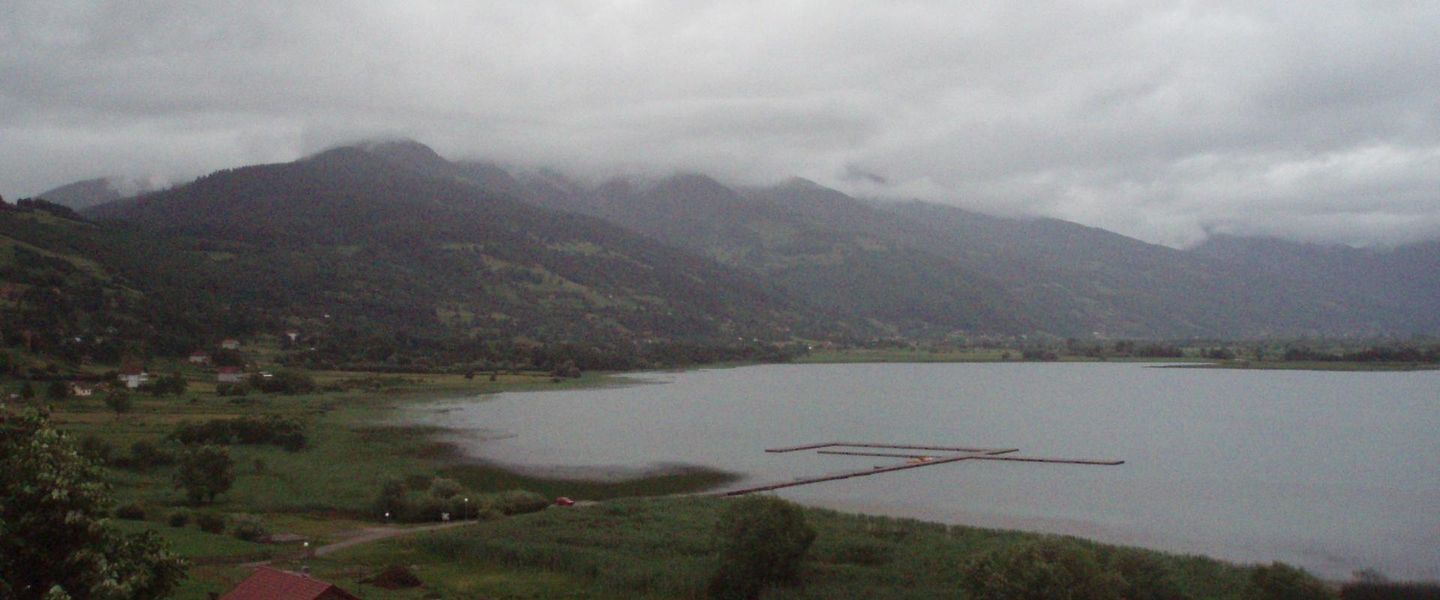


Explore Montenegro’s Lim River Valley for Plav Lake, Prokletije mountains, medieval monasteries, Ottoman heritage and mountain food.
Read more about Lim River Valley
When is the best time to visit Lim River Valley?
Best: June, August–September · 23–28°C| Month | High (°C) | Rainfall (mm) |
|---|---|---|
| January | 7 | 75 |
| February | 8 | 65 |
| March | 13 | 78 |
| April | 17 | 81 |
| May | 22 | 92 |
| June (best) | 26 | 68 |
| July | 28 | 55 |
| August (best) | 28 | 58 |
| September (best) | 23 | 63 |
| October | 18 | 76 |
| November | 12 | 83 |
| December | 7 | 72 |
Getting to and around Lim River Valley
How to get there
Transportation
Destinations in Lim River Valley
Resorts, valleys and scenic spots worth a trip of their own.
-

-

-


Swipe for more destinations
Best attractions in Lim River Valley
The Lim River Valley’s attractions are distributed along a long mountain corridor rather than concentrated in one resort. Plav Lake is the natural centre of the upper valley, offering lakeside scenery and access to outdoor activities, while the nearby Prokletije National Park provides demanding hiking among high peaks, glacial valleys and alpine lakes. Around Gusinje, the Grebaje Valley, Vusanje and the Grlja waterfall combine accessible natural viewpoints with more ambitious mountain routes. The central valley around Andrijevica is suited to slower drives, rural scenery and walks beside forested slopes and meadows. Berane adds museums, religious heritage and local cultural context, including the Polimlje Museum and historic monasteries. Towards Bijelo Polje, visitors encounter a larger market town and the transport landscape of northern Montenegro. The region also supports fishing, seasonal boating, cycling and winter activities, although facilities and trail services are more limited than on the Montenegrin coast. Outdoor plans should be adapted to weather, road conditions and local advice, particularly in high mountain areas.
-
Bridge
Đurđevića Tara Bridge
Experience breathtaking views and adventure at the iconic Đurđevića Tara Bridge, a must-visit destination in Montenegro's stunning landscape.
-
Boat rental service
Uvac Special Nature Reserve
Discover the breathtaking beauty of Uvac Special Nature Reserve, a natural haven in Serbia filled with stunning landscapes and diverse wildlife.
-
Tourist attraction
Lovćen National Park
Experience the breathtaking landscapes and rich cultural heritage of Lovćen National Park in Montenegro, a paradise for nature lovers and adventurers.
-
Tourist attraction
Blue Cave
Experience the breathtaking beauty of Montenegro's Blue Cave, where azure waters and stunning landscapes create an unforgettable adventure.


Best landmarks in Lim River Valley
Plav Lake is the valley’s defining geographical landmark, a broad body of water framed by the Prokletije and closely associated with the town of Plav. In the town, Redžepagića kula is a notable Ottoman-era fortified residence, while local mosques and other historic buildings reflect the area’s layered religious and political history. Near Gusinje, the dramatic mountain walls of the Grebaje Valley provide one of the region’s most recognisable natural settings, and the Grlja waterfall near Vusanje marks the meeting of water and limestone terrain. Berane’s most important historic landmark is Đurđevi Stupovi Monastery, a medieval Orthodox foundation whose church and setting preserve the valley’s connection with the medieval Polimlje cultural landscape. The remains associated with Šudikova Monastery near Berane add another layer of religious history. In Bijelo Polje, the Church of Saints Peter and Paul is a significant Orthodox monument linked to the town’s long continuity as a northern Lim settlement. Together these sites show why the valley is best read through its relationship between river routes, mountain geography and successive communities.
-
Monastery
Ostrog Orthodox Monastery
Discover the breathtaking Ostrog Orthodox Monastery, a spiritual gem in Montenegro, offering stunning views and a profound sense of peace.
-
Historical landmark
Old Town
Explore the historic streets of Herceg Novi's Old Town, a picturesque blend of culture, architecture, and stunning Adriatic views.
-
Marina
Porto Montenegro
Experience luxury and vibrant culture at Porto Montenegro, a premier marina destination blending upscale living, dining, and stunning Adriatic views.
-
National park
Durmitor National Park
Explore the breathtaking landscapes and diverse wildlife of Durmitor National Park, a must-visit destination for nature lovers and adventure seekers in Montenegro.


Explore Lim River Valley on the map
Plan your trip on one map. See where the top cities, national parks and sights are, and book hotels and experiences in a few clicks.
Best hotels in Lim River Valley
Best restaurants in Lim River Valley
Dining in the Lim Valley is grounded in northern Montenegrin and wider Balkan home cooking, with menus shaped by mountain agriculture and seasonal availability. Expect grilled lamb, veal, freshwater trout, soups, beans, potatoes, cornbread, dairy products and savoury pastries, with local honey and preserves appearing at breakfast or dessert. Plav and Gusinje have restaurants and cafés serving visitors bound for the mountains, while Berane and Bijelo Polje offer the widest choice of casual dining, bakeries and contemporary cafés. Rural households and traditional restaurants may serve kajmak, yoghurt, fresh cheese, cicvara and other rich dairy-based dishes, although recipes vary from family to family. Coffee is an important part of social dining, and portions are often substantial. Market stalls and small food shops are useful for bread, fruit, cheese and picnic supplies before mountain excursions. Regional food is generally more notable for its freshness, hospitality and continuity with household traditions than for a single dish found only in the valley.
-
Restaurant
BBQ Tanjga
Experience mouthwatering barbecue delights at BBQ Tanjga in Kotor – where Mediterranean flavors meet warm hospitality.
-
Seafood
Restaurant Lovac (Since 1928)
Experience authentic Montenegrin cuisine at Restaurant Lovac - where tradition meets flavor since 1928.
-
Restaurant
Pod Volat
Discover delicious Montenegrin cuisine at Pod Volat - where tradition meets taste in the heart of Podgorica.
-
Restaurant
Big Ben
Discover exquisite dining at Big Ben in Tivat – where Mediterranean flavors meet stunning coastal views.


Best bars in Lim River Valley
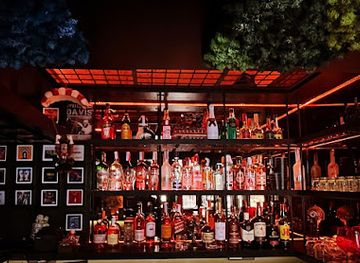
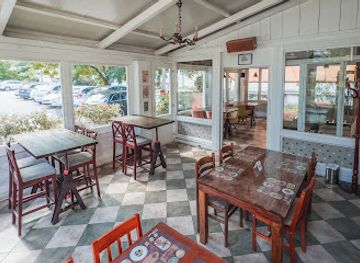
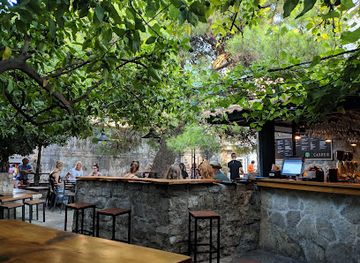
Evening life in the Lim Valley is modest and town-centred. Berane and Bijelo Polje have the broadest selection of cafés, bars and places to meet after work, while Plav and Gusinje focus on cafés, hotel restaurants and relaxed venues serving visitors and local residents. Traditional cafés and bars may stay active late, particularly in summer, but the atmosphere is generally conversational rather than built around a large club scene. In smaller settlements, evenings often centre on family restaurants, guesthouses or outdoor terraces when weather permits. Occasional live music and seasonal activity can add to the summer atmosphere, but schedules are changeable and should be checked locally. Visitors should respect the valley’s mixed religious and cultural setting and should not assume that alcohol is central to social life; coffee, food and conversation are equally important parts of an evening.
-
Cocktail bar
The Nitrox Pub & Eatery
Discover The Nitrox Pub & Eatery in Kotor for an exceptional selection of craft beers and cocktails, perfect for unwinding in a vibrant atmosphere.
-
Restaurant
Restobar Taraca
Indulge in the Best Vegan and Vegetarian Cuisine at Restobar Taraca in Dobrota, Montenegro.
-
Marina
Bar Marina
Experience the charm of Bar Marina, Montenegro’s serene waterfront, filled with stunning views, delicious cuisine, and vibrant marine culture.
-
Bar
Casper Bar
Experience the vibrant nightlife at Casper Bar in Budva, where delicious cocktails and lively ambiance create unforgettable moments.

Best nightclubs in Lim River Valley
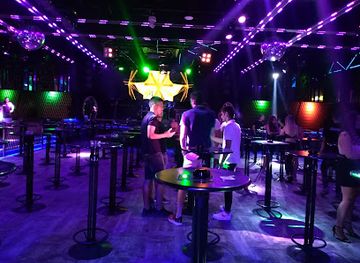
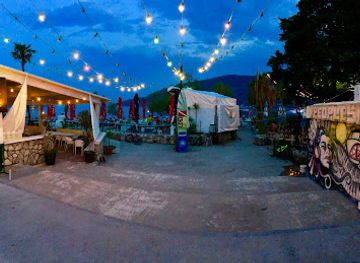
Evening life in the Lim Valley is modest and town-centred. Berane and Bijelo Polje have the broadest selection of cafés, bars and places to meet after work, while Plav and Gusinje focus on cafés, hotel restaurants and relaxed venues serving visitors and local residents. Traditional cafés and bars may stay active late, particularly in summer, but the atmosphere is generally conversational rather than built around a large club scene. In smaller settlements, evenings often centre on family restaurants, guesthouses or outdoor terraces when weather permits. Occasional live music and seasonal activity can add to the summer atmosphere, but schedules are changeable and should be checked locally. Visitors should respect the valley’s mixed religious and cultural setting and should not assume that alcohol is central to social life; coffee, food and conversation are equally important parts of an evening.
-
Night club
Omnia
Dive into the heart of Budva's nightlife at Omnia, where unforgettable music, vibrant energy, and an exhilarating atmosphere await you.
-
Night club
People's
Experience the lively nightlife and breathtaking seaside views at People's Beach Bar in Herceg Novi, Montenegro's vibrant coastal gem.
-
Bar
The Clubhouse
Experience the vibrant atmosphere of The Clubhouse in Tivat, where stunning marina views meet delicious cocktails and a cozy lounge vibe.
-
Disco club
Club Hide Budva
Discover the vibrant nightlife of Budva at Club Hide, where electrifying music and a stylish atmosphere create unforgettable nights.
Best shops in Lim River Valley
Shopping in the Lim Valley is practical and local rather than centred on large retail complexes. Berane and Bijelo Polje have the broadest high streets, supermarkets, bakeries, pharmacies and everyday shops, while Plav and Gusinje provide supplies for visitors heading into the mountains. Open-air and town markets, where operating days vary, are useful for seasonal fruit, vegetables, honey, cheese and other produce from surrounding farms. Small food shops are good places to look for mountain dairy products, preserves, dried meat and packaged honey, although availability depends on the season. Handicrafts, woven items and traditional clothing may be found through local makers or cultural organisations rather than in a dedicated shopping quarter. Visitors should compare products and ask about provenance when buying supposed regional specialities. For most travellers, the valley’s most meaningful purchases are food products and small handmade items that reflect local household traditions, not mass-produced souvenirs.
-
Marina
Porto Montenegro
Explore Porto Montenegro: A luxurious marina in Tivat, combining stunning views, high-end shopping, and exquisite dining for an unforgettable getaway.
-
National park
Durmitor National Park
Discover the breathtaking landscapes and outdoor adventures at Durmitor National Park, Montenegro's natural wonder.
-
National park
Lovćen National Park
Experience the breathtaking beauty and rich history of Lovćen National Park, a natural gem in Montenegro, perfect for adventurers and nature lovers alike.
-
Shopping mall
TQ Plaza
Discover the ultimate shopping experience at TQ Plaza in Budva, where local charm meets modern retail and dining options.


Get your free copy of our complete guide to Lim River Valley, delivered straight to you.
Everything on this page, from attractions and restaurants to essentials and local phrases, in one PDF you can read offline, print or share.
Already have an account? Sign in
Your Lim River Valley guide is ready.
We'll send it to · Not you? Sign out

Getting your guide ready…
We are putting together a fresh copy of the Lim River Valley guide. This can take up to a minute.
This can take a few moments. If your browser asks, choose Allow so the download can start. You'll find the guide in your Downloads folder.
Nothing happened? Download it again
Sorry, the guide is taking longer than usual. Please try again in a minute, or get it by email instead.
Lim River Valley essentials
Currency and Payment
Safety
Emergency Situations
Do's and Don'ts
Local Tips
From Eve
Local phrases worth knowing
You don't need to get them perfect. A few words go a long way, and locals appreciate the effort.
Basics
| English | Local | Say it |
|---|---|---|
| Hello | Zdravo | [Zdra-vo] |
| Goodbye | Doviđenja | [Do-vi-đen-ya] |
| Yes | Da | [Da] |
| No | Ne | [Ne] |
| Please/You're welcome | Molim/ Nema na čemu | [Mo-lim/ Ne-ma na che-mu] |
| Thank you | Hvala | [Hva-la] |
| Excuse me/Sorry | Izvinite | [Iz-vi-ni-te] |
| How are you? | Kako ste? | [Ka-ko ste?] |
| Fine. And you? | Dobro. A vi? | [Do-bro. A vi?] |
| Do you speak English? | Da li govorite engleski? | [Da li go-vo-ri-te en-gles-ki?] |
| I don't understand | Ne razumem | [Ne ra-zu-mem] |
Eating & Drinking
| English | Local | Say it |
|---|---|---|
| I'd like to see the menu, please | Želeo bih da vidim meni, molim | [Zhe-le-o bih da vi-dim me-ni, mo-lim] |
| I don't eat meat | Ne jedem meso | [Ne ye-dem me-so] |
| Cheers! | Živeli! | [Zhi-ve-li] |
| I would like to pay, please | Hteo bih da platim, molim | [Hte-o bih da pla-tim, mo-lim] |
Emergencies
| English | Local | Say it |
|---|---|---|
| Help! | Pomoć! | [Po-moć] |
| Go away! | Ode! | [O-de] |
| Call the Police! | Pozovite policiju! | [Po-zo-vi-te po-li-ci-ju] |
| Call a doctor! | Pozovite lekara! | [Po-zo-vi-te le-ka-ra] |
| I'm lost | Izgubio sam se | [Iz-gu-bi-o sam se] |
| I'm ill | Bolestan sam | [Bo-les-tan sam] |
Shopping
| English | Local | Say it |
|---|---|---|
| I'd like to buy... | Želeo bih da kupim... | [Zhe-le-o bih da ku-pim] |
| I'm just looking | Samo gledam | [Sa-mo gled-am] |
| How much is it? | Koliko košta? | [Ko-li-ko koshta?] |
| That's too expensive | To je previše skupo | [To ye pre-vi-she sku-po] |
| Can you lower the price? | Možete li smanjiti cenu? | [Mo-zhe-te li sma-nji-ti tsenu?] |
Time & Numbers
| English | Local | Say it |
|---|---|---|
| What time is it? | Koliko je sati? | [Ko-li-ko ye sa-ti?] |
| It's one o'clock | Jedan je čas | [Ye-dan ye chas] |
| Half past (10) | Pola (deset) | [Po-la (de-set)] |
| Morning | Jutro | [Yu-tro] |
| Afternoon | Popodne | [Po-pod-ne] |
| Evening | Veče | [Ve-che] |
| Yesterday | Juče | [Yu-che] |
| Today | Danas | [Da-nas] |
| Tomorrow | Sutra | [Su-tra] |
| 1 | Jedan | [Ye-dan] |
| 2 | Dva | [Dva] |
| 3 | Tri | [Tri] |
| 4 | Četiri | [Che-ti-ri] |
| 5 | Pet | [Pet] |
| 6 | Šest | [Shest] |
| 7 | Sedam | [Se-dam] |
| 8 | Osam | [O-sam] |
| 9 | Devet | [De-vet] |
| 10 | Deset | [De-set] |
Transport & Directions
| English | Local | Say it |
|---|---|---|
| Where's a/the...? | Gde je...? | [Gde ye...?] |
| What's the address? | Koja je adresa? | [Ko-ja ye a-dre-sa?] |
| Can you show me (on the map)? | Možete li mi pokazati (na mapi)? | [Mo-zhe-te li mi po-ka-za-ti (na ma-pi)?] |
| When's the next (bus)? | Kada je sledeći (autobus)? | [Ka-da ye sle-de-ći (au-to-bus)?] |
| A ticket (to ....) | Jedna karta (do ....) | [Ye-dna kar-ta (do ....)] |
History of Lim River Valley
Ancient Polimlje and Roman-era settlement
The Lim basin formed part of the wider Polimlje corridor, a natural route between the interior Balkans and the Adriatic hinterland. Communities lived in the valleys and uplands before Roman rule, while Roman administration brought roads, military movement and urban influence to the region. Archaeological evidence across northern Montenegro is often fragmentary, but the valley’s geography explains its long-standing importance: the river offered a route through difficult mountain country, while surrounding slopes supported pastoralism and agriculture. Later settlements inherited this strategic position, making the Lim a continuing corridor rather than an isolated mountain landscape.
Medieval Polimlje and Orthodox monasteries
During the medieval period, Polimlje became an important cultural zone of the Serbian Orthodox world. Monasteries and churches served as religious centres, landholders and repositories of literacy. The Đurđevi Stupovi Monastery near Berane, founded in the thirteenth century, is the best-known surviving monument of this period and remains an important symbol of the valley’s medieval heritage. Other religious sites, ruined foundations and historic cemeteries reflect a much wider network of settlement. Medieval routes through the Lim basin connected local communities with larger political and ecclesiastical centres in the interior Balkans.
Ottoman rule and a frontier society
The Lim Valley came under Ottoman influence from the late medieval period and was incorporated into the Ottoman administrative world for several centuries. Plav, Gusinje, Berane and surrounding settlements developed as frontier communities shaped by trade, pastoralism and military concerns. Islam became an important part of the region’s religious life, alongside Orthodox Christianity, creating a mixed cultural landscape that remains visible in mosques, churches, family histories and cuisine. Fortified residences such as the Redžepagića kula in Plav reflect the authority and social structure of the Ottoman era.
The Plav and Gusinje question, 1878–1912
The future of Plav and Gusinje became an international issue after the Congress of Berlin in 1878, when the territories were assigned to Montenegro as part of the settlement following the Russo-Turkish War. Local resistance, supported by the League of Prizren and Ottoman authorities, prevented immediate transfer and led to armed confrontation in the surrounding region. The question remained unresolved for decades before Montenegro took control during the Balkan Wars in 1912. This turbulent period left a lasting mark on the valley’s political memory and on relations between its different communities.
Montenegro, Yugoslavia and changing administrations
After the Balkan Wars and the First World War, the Lim Valley became part of the South Slav political framework that developed into the Kingdom of Yugoslavia and later socialist Yugoslavia. Towns such as Berane and Bijelo Polje grew as administrative, commercial and transport centres, while rural communities continued to depend on livestock, forestry and small-scale farming. The railway connection through Bijelo Polje strengthened the valley’s links with northern Montenegro and Serbia. State education, industrial employment and new roads gradually altered older patterns of seasonal movement and village life.
War, recovery and contemporary tourism
The twentieth century brought wartime disruption, political change and substantial economic migration from the northern Montenegrin valleys. Since Montenegro became independent in 2006, the Lim basin has increasingly presented its mountain scenery, lakes and cultural diversity as a basis for tourism. Plav and Gusinje attract hikers and nature travellers, while Berane and Bijelo Polje remain important service and transport centres. Tourism is still relatively small-scale compared with Montenegro’s coast, and the region’s future depends on balancing outdoor recreation with the protection of fragile mountain environments and the needs of resident communities.
Lim River Valley in Photos
Browse through our photo collection highlighting the charm and character of the destination.
Neighbouring regions of Lim River Valley
The closest regions to Lim River Valley, if you have time for more than one.
-

-

-

-

-


Swipe for more regions
Explore more
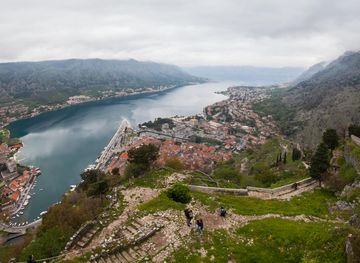
Explore more of Montenegro
Discover Montenegro: A blend of stunning landscapes, rich history, and vibrant culture on the breathtaking Adriatic coast.
Explore Montenegro