

Free Rovca Travel Guide & Mobile App
Explore Rovca with free travel guides. Discover regional history, expert tips, proposed trips, and audio guides on web or mobile app.


Explore Rovca in central Montenegro for rugged Morača mountain scenery, remote villages, walking routes and a distinctive tribal heritage.
Read more about Rovca
When is the best time to visit Rovca?
Best: June–August · 24–26°C| Month | High (°C) | Rainfall (mm) |
|---|---|---|
| January | 6 | 98 |
| February | 7 | 87 |
| March | 11 | 78 |
| April | 16 | 67 |
| May | 19 | 57 |
| June (best) | 24 | 47 |
| July (best) | 26 | 44 |
| August (best) | 26 | 44 |
| September | 22 | 52 |
| October | 17 | 62 |
| November | 11 | 72 |
| December | 6 | 89 |
Getting to and around Rovca
How to get there
Transportation
Best attractions in Rovca
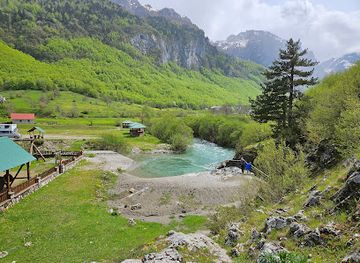
Rovca’s attractions are primarily landscape-based and cultural rather than concentrated in museums or purpose-built visitor sites. The upper Morača setting offers mountain roads, forested slopes, limestone scenery, pasture and deeply incised valleys suitable for photography, walking and quiet observation. Velje Duboko provides an important point of reference for understanding the region’s dispersed rural settlement and historic Rovca identity. Small hamlets, old houses, chapels, agricultural structures and family lands are best approached as living heritage rather than open-air exhibits. More demanding excursions can follow local advice towards ravines and mountain paths, but routes should not be treated as marked tourist trails unless their current condition has been confirmed. The wider Morača valley provides additional cultural and natural interest, although individual places need to be checked carefully against the historical and administrative boundaries of Rovca. Travellers looking for formal museums, extensive dining or organised family attractions should base themselves outside the region and visit Rovca as part of a broader central Montenegrin itinerary.
-
Hiking area
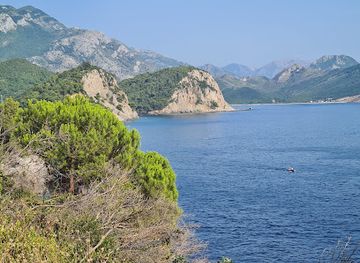
Hiking trail "Reževići"
Discover the natural beauty of Montenegro on the Reževići hiking trail, an unforgettable adventure for nature lovers and explorers alike.
-
Museum
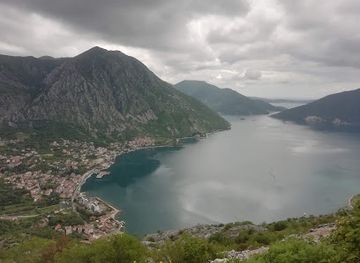
Roman Mosaics
Explore the captivating Roman Mosaics in Risan, Montenegro, where ancient artistry and history come to life in this enchanting museum experience.
-
Woods
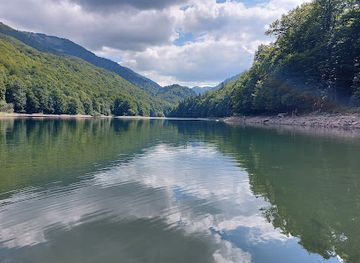
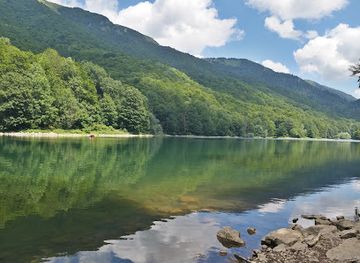
Biogradska Gora
Explore the breathtaking beauty of Biogradska Gora National Park in Montenegro, a haven for nature lovers and outdoor enthusiasts.
-
Tourist attraction
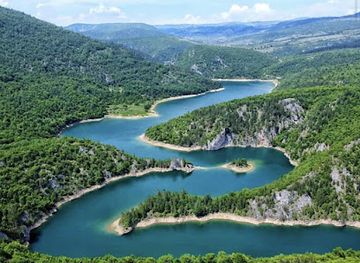
Meandri Ćehotine viewpoint
Experience the stunning beauty of Montenegro at Meandri Ćehotine Viewpoint, a must-see destination for breathtaking views and tranquility.
Best landmarks in Rovca
Rovca’s most significant landmarks are geographical and cultural rather than monumental. The mountainous setting around the upper Morača area gives the region its defining visual identity, with steep limestone terrain, wooded slopes and enclosed valleys shaping every settlement and route. Velje Duboko is an important cultural landmark because it is closely associated with the historic Rovca community and illustrates how villages were established within difficult highland terrain. Traditional houses, family compounds, small religious buildings and old paths are meaningful local markers, although many are private or have no formal visitor infrastructure. The Morača valley is the region’s principal geographical reference, but famous sites elsewhere in the wider valley should not automatically be labelled Rovca landmarks. For travellers, the strongest sense of place comes from viewing the settlement pattern and terrain together: roads contouring the slopes, pasture above the valleys and hamlets connected by routes that reflect generations of adaptation to a rugged environment.
-
National park
Biogradska gora National Park
Experience the breathtaking beauty of Biogradska Gora National Park, Montenegro's untouched wilderness with stunning lakes and lush forests.
-
Tourist attraction
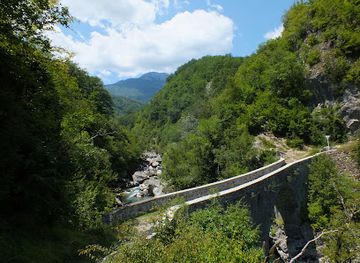
Grlja Canyon
Explore the breathtaking beauty of Grlja Canyon in Montenegro, where adventure meets tranquility amidst stunning natural landscapes.
-
Nature preserve
Mrtvica Canyon
Explore the breathtaking Mrtvica Canyon, a nature preserve in Montenegro filled with stunning landscapes and exhilarating hiking trails for all ages.
-
Tourist attraction
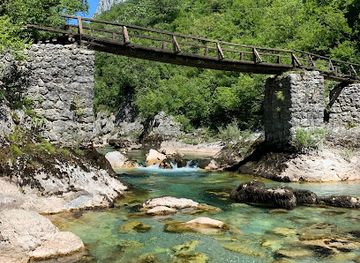
Danilov most
Explore the stunning Danilov Most in Kolašin, Montenegro, where breathtaking views and natural beauty converge for an unforgettable travel experience.
Explore Rovca on the map
Plan your trip on one map. See where the top cities, national parks and sights are, and book hotels and experiences in a few clicks.
Best hotels in Rovca
Best restaurants in Rovca
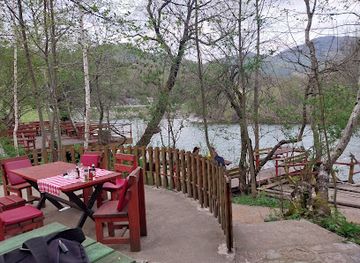
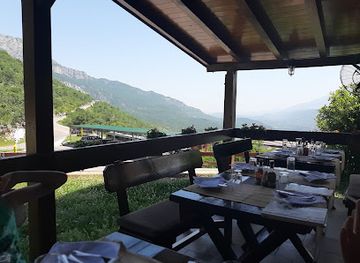
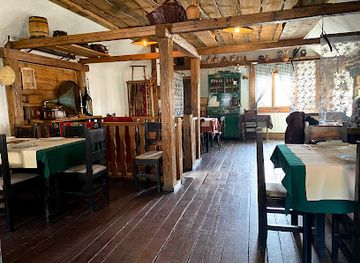
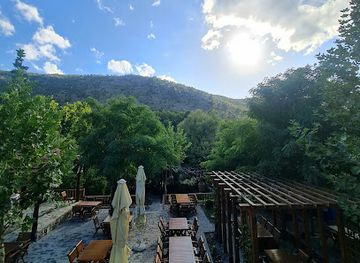
Rovca has a limited dining infrastructure, so food planning is an essential part of visiting. Meals are more likely to be found through pre-arranged rural accommodation or in larger settlements outside the region than through a choice of destination restaurants. The local food tradition belongs to Montenegro’s mountain cuisine: breads, potatoes, beans, dairy products, smoked meat, lamb and simple dishes made from preserved or locally available ingredients are more representative than elaborate menus. Seasonal produce and homemade dairy may appear in village households, but availability varies and should not be assumed. Nearby Montenegrin towns offer a wider selection of cafés, bakeries, traditional restaurants and shops for provisions. Visitors staying with local hosts should agree meal arrangements in advance, particularly outside the main summer period, and carry supplies for walks. Eating in Rovca is consequently less about restaurant-hopping than about understanding the practical, seasonal food culture of a remote highland community.
-
Restaurant
Restoran RAJ
Discover the flavors of Montenegro at Restoran RAJ – where tradition meets taste in a warm and inviting setting.
-
Restaurant
Koliba Bogetici - Ostrog
Experience authentic Montenegrin flavors at Koliba Bogetici - where tradition meets stunning views in Niksic.
-
Restaurant
Restoran VODENICA
Experience authentic Montenegrin cuisine at Restoran VODENICA in Kolasin – where tradition meets taste.
-
Restaurant
Restoran Đedovina
Discover authentic Montenegrin cuisine at Restoran Đedovina in Pričelje - where tradition meets flavor amidst stunning landscapes.
Best bars in Rovca
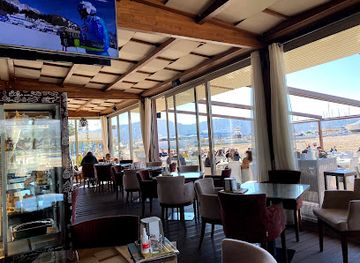
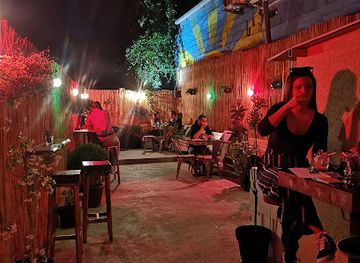
Rovca does not have a recognised nightclub district or a substantial commercial evening scene. Night-time life is generally associated with private homes, family gatherings and occasional social occasions rather than late-opening entertainment venues. Visitors are more likely to find cafés, bars and restaurants in Podgorica, Kolašin or other larger settlements outside the immediate region, depending on their route and accommodation base. Rural guesthouses may provide a quiet place to share a meal or local drink, but this should be arranged rather than expected as a walk-in service. Evenings in Rovca are better suited to conversation, stargazing and rest after mountain travel than to organised nightlife. Anyone driving should plan alcohol consumption responsibly, since winding roads and limited transport make returning from an evening outing difficult.
-
Bar
Riva Beach Bar
Experience the vibrant atmosphere and stunning views at Riva Beach Bar, your go-to destination in Montenegro's coastal paradise.
-
Bar
Itaka Library Bar
Discover Itaka Library Bar in Podgorica, where cocktails and literature come together for a unique cultural experience.
-
Cocktail bar
Kokotov rep
Discover Kokotov Rep, Podgorica's top cocktail bar, where expertly crafted drinks and a vibrant atmosphere await you in the heart of Montenegro.
-
Bar
PUB WWW
Discover the vibrant nightlife of Podgorica at PUB WWW, where local culture and a welcoming atmosphere meet great drinks and live entertainment.


Best nightclubs in Rovca
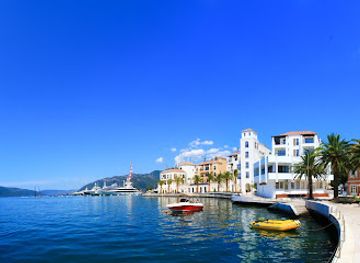
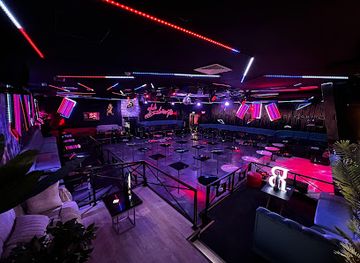
Rovca does not have a recognised nightclub district or a substantial commercial evening scene. Night-time life is generally associated with private homes, family gatherings and occasional social occasions rather than late-opening entertainment venues. Visitors are more likely to find cafés, bars and restaurants in Podgorica, Kolašin or other larger settlements outside the immediate region, depending on their route and accommodation base. Rural guesthouses may provide a quiet place to share a meal or local drink, but this should be arranged rather than expected as a walk-in service. Evenings in Rovca are better suited to conversation, stargazing and rest after mountain travel than to organised nightlife. Anyone driving should plan alcohol consumption responsibly, since winding roads and limited transport make returning from an evening outing difficult.
-
Night club
Omnia
Discover the heart of Budva's nightlife at Omnia Night Club - where music, dance, and unforgettable experiences come alive.
-
Bar
The Clubhouse
Experience the vibrant atmosphere and stunning views at The Clubhouse in Porto Montenegro, Tivat - the perfect spot for relaxation and socializing.
-
Night club
Premium Palazzo night club
Immerse yourself in the vibrant nightlife of Budva at Premium Palazzo Night Club, where unforgettable memories and electrifying music await.
-
Disco club
Night Club Ambiente
Discover Budva's nightlife at Night Club Ambiente, the ultimate disco club for unforgettable nights of dancing and music.


Best shops in Rovca
Shopping in Rovca is limited and practical rather than centred on retail streets or dedicated markets. Visitors should buy fuel, groceries, cash and walking supplies in Podgorica or larger towns before entering the mountain area. In villages, locally made food may occasionally be available through private hosts, including cheese, smoked products, honey or preserves, but supply and availability are seasonal and should be arranged respectfully rather than assumed. The region does not have a large formal craft-shopping infrastructure, although Montenegro’s wider mountain traditions include woollen goods, woodwork and handmade domestic products. For a broader choice of regional food, crafts, books and souvenirs, shop in established Montenegrin towns outside Rovca and support small producers where provenance is clear. Avoid removing old objects, stones or household items from abandoned-looking properties, since they may remain privately owned or culturally significant.
-
Coffee shop
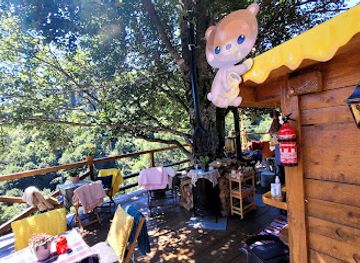
Radmilica - Enjoy the View
Discover the serene charm of Radmilica, a coffee shop offering exquisite beverages and breathtaking views in the heart of Montenegro.
-
Supermarket
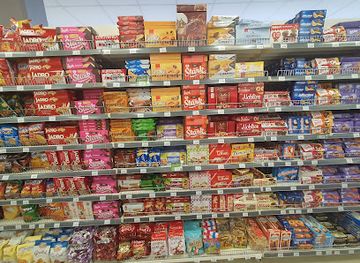
Hard diskont Laković
Discover the vibrant local culture and flavors at Hard Diskont Laković, Berane's premier supermarket for tourists and locals alike.
-
Home improvement store
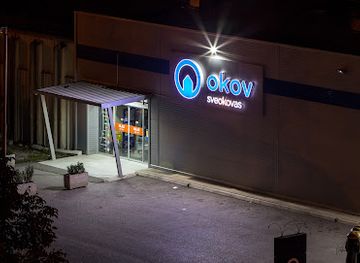
Okov
Explore Okov in Berane for an extensive selection of home improvement tools and stylish home goods, perfect for every renovation project.
-
Home improvement store
Desetka
Discover Desetka in Berane, Montenegro: your ultimate destination for home improvement supplies, furniture, and tools.
Get your free copy of our complete guide to Rovca, delivered straight to you.
Everything on this page, from attractions and restaurants to essentials and local phrases, in one PDF you can read offline, print or share.
Already have an account? Sign in
Your Rovca guide is ready.
We'll send it to · Not you? Sign out

Getting your guide ready…
We are putting together a fresh copy of the Rovca guide. This can take up to a minute.
This can take a few moments. If your browser asks, choose Allow so the download can start. You'll find the guide in your Downloads folder.
Nothing happened? Download it again
Sorry, the guide is taking longer than usual. Please try again in a minute, or get it by email instead.
Rovca essentials
Currency and Payment
Safety
Emergency Situations
Do's and Don'ts
Local Tips
From Eve
Local phrases worth knowing
You don't need to get them perfect. A few words go a long way, and locals appreciate the effort.
Basics
| English | Local | Say it |
|---|---|---|
| Hello | Zdravo | [Z-drah-vo] |
| Goodbye | Doviđenja | [Doh-vee-jen-yah] |
| Yes | Da | [Dah] |
| No | Ne | [Neh] |
| Please/You're welcome | Molim/ Nema na čemu | [Moh-leem/ Neh-mah nah cheh-moo] |
| Thank you | Hvala | [Hvah-lah] |
| Excuse me/Sorry | Izvinite | [Ee-zvee-nee-teh] |
| How are you? | Kako ste? | [Kah-koh steh] |
| Fine. And you? | Dobro. A vi? | [Doh-broh. Ah vee?] |
| Do you speak English? | Da li govorite engleski? | [Dah lee goh-voh-ree-teh ehn-glehs-kee?] |
| I don't understand | Ne razumem | [Neh rah-zoo-mehm] |
Eating & Drinking
| English | Local | Say it |
|---|---|---|
| I'd like to see the menu, please | Želeo bih da vidim meni, molim | [Zheh-leh-oh beek dah vee-deem meh-nee, moh-leem] |
| I don't eat meat | Ne jedem meso | [Neh yeh-dem meh-soh] |
| Cheers! | Živeli! | [Zhee-veh-lee] |
| I would like to pay, please | Želeo bih da platim, molim | [Zheh-leh-oh beek dah plah-teem, moh-leem] |
Emergencies
| English | Local | Say it |
|---|---|---|
| Help! | Pomoć! | [Poh-mohch] |
| Go away! | Odlazite! | [Ohd-lah-zee-teh] |
| Call the Police! | Pozovite policiju! | [Poh-zoh-vee-teh poh-lee-tsee-yoo] |
| Call a doctor! | Pozovite doktora! | [Poh-zoh-vee-teh doh-kto-rah] |
| I'm lost | Izgubio sam se | [Ee-zgoo-bee-oh sahm seh] |
| I'm ill | Bolestan sam | [Boh-leh-stahn sahm] |
Shopping
| English | Local | Say it |
|---|---|---|
| I'd like to buy... | Želeo bih da kupim... | [Zheh-leh-oh beek dah koo-peem] |
| I'm just looking | Samo gledam | [Sah-mo gled-ahm] |
| How much is it? | Koliko košta? | [Koh-lee-koh koh-shtah] |
| That's too expensive | To je preskupo | [Toh yeh preh-skoo-poh] |
| Can you lower the price? | Možete li spustiti cenu? | [Moh-zheh-teh lee spoo-stee-tee tseh-noo] |
Time & Numbers
| English | Local | Say it |
|---|---|---|
| What time is it? | Koliko je sati? | [Koh-lee-koh yeh sah-tee] |
| It's one o'clock | Jedan je sat | [Yeh-dahn yeh saht] |
| Half past (10) | Pola (10) | [Poh-lah (10)] |
| Morning | Jutro | [Yoo-troh] |
| Afternoon | Popodne | [Poh-poh-dneh] |
| Evening | Veče | [Veh-cheh] |
| Yesterday | Juče | [Yoo-cheh] |
| Today | Danas | [Dah-nahs] |
| Tomorrow | Sutra | [Soo-trah] |
| 1 | Jedan | [Yeh-dahn] |
| 2 | Dva | [Dvah] |
| 3 | Tri | [Tree] |
| 4 | Četiri | [Cheh-tee-ree] |
| 5 | Pet | [Peht] |
| 6 | Šest | [Shest] |
| 7 | Sedam | [Seh-dahm] |
| 8 | Osam | [Oh-sahm] |
| 9 | Devet | [Deh-vet] |
| 10 | Deset | [Deh-set] |
Transport & Directions
| English | Local | Say it |
|---|---|---|
| Where's a/the...? | Gde je...? | [Gdeh yeh...?] |
| What's the address? | Koja je adresa? | [Koyah yeh ah-dre-sah?] |
| Can you show me (on the map)? | Možete li mi pokazati (na mapi)? | [Moh-zheh-teh lee mee poh-kah-zah-tee (nah mah-pee)?] |
| When's the next (bus)? | Kada je sledeći (autobus)? | [Kah-dah yeh sleh-deh-chee (ow-toh-boos)?] |
| A ticket (to ....) | Jedna karta (do ....) | [Yeh-dnah kar-tah (doh ....)] |
History of Rovca
Early Highland Settlement and the Morača Landscape
The mountains around Rovca have long supported small communities adapted to karst terrain, seasonal pasture and restricted arable land. Archaeological evidence in the wider central Montenegrin region records prehistoric and later settlement, while surviving field patterns, paths and stone structures reflect a long relationship between people and upland resources. Rovca’s historical identity developed within this broader Morača landscape, where valleys provided movement corridors and the surrounding mountains offered pasture, timber and defensive seclusion.
Medieval Zeta and the Formation of Regional Communities
During the medieval period, the area belonged to the shifting political world of Zeta and later neighbouring Serbian and Balkan states. Authority was often distant in mountainous districts, allowing local communities to preserve strong forms of internal organisation. The political borders changed repeatedly, but settlement continuity, kinship networks and control of pasture and routes remained more important to daily life than formal administration. These conditions helped create the local identities that later became associated with tribes such as Rovca.
The Rovca Tribal Community under Ottoman Pressure
From the late medieval and early modern periods, the Rovca community developed as one of Montenegro’s highland tribes in a frontier zone affected by Ottoman expansion. The mountains did not isolate the population completely: trade, seasonal movement, conflict and negotiation connected Rovca with neighbouring districts. Village assemblies, customary rules and extended family networks helped regulate land, security and disputes. The period left a durable legacy in the region’s social memory and in the importance still attached to ancestry and home villages.
Montenegrin State-Building in the Nineteenth Century
During the nineteenth century, the gradual consolidation of the Montenegrin principality and later kingdom brought highland communities into a more centralised political framework. Military mobilisation, religious institutions and administrative reforms linked Rovca more closely to the developing Montenegrin state, while traditional tribal loyalties continued to influence local life. Roads and communications improved only slowly because of the terrain. The period also strengthened the historical connection between the mountain communities and the political centres of Montenegro.
War, Kingdoms and the Twentieth-Century Mountain Communities
Rovca was affected by the upheavals that followed the Balkan Wars, the First World War and the creation of new South Slav states. The Second World War brought further political division and hardship across Montenegro, including its rural highlands. After 1945, the region became part of socialist Yugoslavia, whose state institutions, schools and infrastructure altered patterns of work and authority. Roads and public services improved, but the economic transformation also encouraged many younger residents to leave for towns and industrial centres.
Migration and the Contemporary Rural Landscape
Late twentieth-century migration profoundly changed Rovca. Families increasingly divided their lives between ancestral villages and urban Montenegro or communities abroad, leaving some settlements seasonally occupied or lightly populated. Livestock keeping, forestry and small-scale agriculture remain part of the region’s cultural landscape, but they no longer structure everyday life for all residents. Today, Rovca’s heritage is expressed through family connections, village gatherings, oral history, place names and the continued value placed on mountain land.
Rovca in Photos
Browse through our photo collection highlighting the charm and character of the destination.
Neighbouring regions of Rovca
The closest regions to Rovca, if you have time for more than one.
-

-

-

-

-


Swipe for more regions
Explore more
Explore more of Montenegro
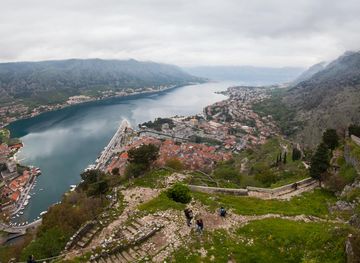
Discover Montenegro: A blend of stunning landscapes, rich history, and vibrant culture on the breathtaking Adriatic coast.
Explore Montenegro