

Free Zeta Plain Travel Guide & Mobile App
Explore Zeta Plain with free travel guides. Discover regional history, expert tips, proposed trips, and audio guides on web or mobile app.


Explore Zeta Plain in Montenegro for Podgorica, Roman ruins, vineyards, rivers and the northern landscapes of Lake Skadar.
Read more about Zeta Plain
When is the best time to visit Zeta Plain?
Best: June–August · 24–26°C| Month | High (°C) | Rainfall (mm) |
|---|---|---|
| January | 4 | 40 |
| February | 4 | 35 |
| March | 9 | 45 |
| April | 15 | 50 |
| May | 20 | 55 |
| June (best) | 24 | 60 |
| July (best) | 26 | 65 |
| August (best) | 26 | 60 |
| September | 21 | 55 |
| October | 15 | 50 |
| November | 9 | 45 |
| December | 4 | 40 |
Getting to and around Zeta Plain
How to get there
Transportation
Top city travel guides in Zeta Plain
The cities of Zeta Plain, and the easiest places to base yourself.

Swipe for more cities
Best attractions in Zeta Plain
The Zeta Plain’s attractions combine the urban life of Podgorica with archaeological, religious, agricultural and natural sites spread across the lowlands. The ruins of ancient Doclea provide the region’s clearest window onto Roman and late antique history, with foundations and scattered architectural remains set among open ground between rivers. In and around Podgorica, visitors can explore riverside areas, museums, historic quarters and the cave church of Dajbabe Monastery. South and east of the capital, vineyards and rural food producers offer an introduction to Montenegro’s lowland wine culture, although tastings generally require prior arrangement. The plain also forms a convenient access landscape for the northern shores and wetlands of Lake Skadar, where birdwatching, boating and seasonal nature observation are important activities; the lake itself extends beyond the plain and should not be treated as a wholly inland regional attraction. Cycling and gentle countryside drives suit the relatively flat terrain, while the surrounding limestone hills provide viewpoints and short walking opportunities. The attraction pattern is dispersed, so visits are best organised geographically rather than as a single pedestrian circuit.
-
Monastery
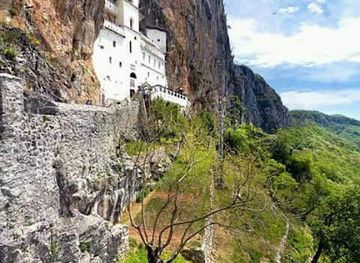
Ostrog Orthodox Monastery
Discover the serene beauty and spiritual significance of Ostrog Orthodox Monastery, a must-visit destination in Montenegro's stunning landscape.
-
Tourist attraction
Kampana Tower
Discover Kampana Tower in Kotor, Montenegro, where history meets breathtaking views of the bay and mountains in a stunning UNESCO World Heritage site.
-
Tourist attraction
Kotor Fortress
Discover the breathtaking views and rich history of Kotor Fortress, a must-visit tourist attraction in Montenegro.
-
Tourist attraction
Lipa cave
Unveil the wonders of Lipa Cave in Montenegro, where stunning geological formations and rich history await your exploration.


Best landmarks in Zeta Plain
The defining historic landmark of the Zeta Plain is Doclea, the ancient city north of Podgorica positioned between the Morača and Zeta rivers. Its surviving walls, civic structures and religious remains mark the site of a Roman and late antique settlement that once gave the lowlands an urban focus. In Podgorica, the Ribnica and Morača river landscapes help explain the capital’s growth, while the old Ottoman quarter preserves fragments of the city’s frontier-era character despite extensive twentieth-century rebuilding. Dajbabe Monastery is distinguished by its church arranged around a natural cave, making it both a religious site and an unusual piece of local architecture. The broad meeting of river plain, vineyards and distant limestone mountains is itself a major geographical landmark, particularly on the approaches to Lake Skadar. The lake’s northern wetlands lie at the southern edge of the regional landscape, where open water, reed beds and seasonal birdlife create a marked contrast with the built-up capital and cultivated fields.
-
Monastery
Ostrog Orthodox Monastery
Experience the serene beauty of Ostrog Orthodox Monastery, a breathtaking spiritual sanctuary in the heart of Montenegro's mountains.
-
Historical landmark
Old Town
Discover the enchanting charm of Old Town Herceg Novi, a historical landmark boasting stunning architecture, rich culture, and breathtaking Adriatic views.
-
Marina
Porto Montenegro
Explore the luxurious Porto Montenegro, a vibrant marina offering upscale dining, shopping, and breathtaking views along the stunning Adriatic coast.
-
National park
Durmitor National Park
Discover the breathtaking beauty of Durmitor National Park, a UNESCO World Heritage site in Montenegro, offering stunning landscapes and thrilling outdoor adventures.


Explore Zeta Plain on the map
Plan your trip on one map. See where the top cities, national parks and sights are, and book hotels and experiences in a few clicks.
Best hotels in Zeta Plain
Best restaurants in Zeta Plain
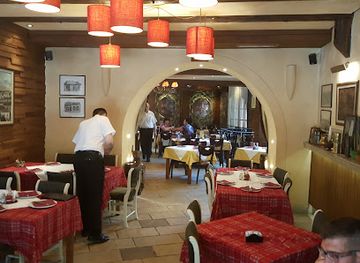
Dining in the Zeta Plain reflects the meeting of Podgorica’s cosmopolitan restaurant scene with the produce of a warm agricultural basin. Menus commonly include grilled meat, freshwater or Lake Skadar fish, seasonal vegetables, local cheeses, smoked specialities and hearty stews, alongside familiar Montenegrin and wider Balkan dishes. The region is particularly associated with vineyards, and local wines are often paired with simple meat, cheese and vegetable dishes rather than elaborate culinary rituals. Podgorica offers the broadest choice of cafés, bakeries, casual restaurants and more polished dining rooms, while rural establishments across Zeta tend to focus on generous portions and locally sourced ingredients. Around the lake, fish-based meals are a natural choice, though availability varies by season and regulation. Farmers’ produce, fruit, peppers and grapes are part of the plain’s everyday food culture, and small producers may sell directly when visitors arrange contact in advance.
-
Restaurant
BBQ Tanjga
Discover authentic Montenegrin flavors at BBQ Tanjga – a delightful restaurant in Kotor known for its grilled specialties and stunning coastal views.
-
Restaurant
Pod Volat
Discover authentic Montenegrin cuisine at Pod Volat in Podgorica – where every dish tells a story.
-
Restaurant
Konoba 'Lanterna' Podgorica
Experience authentic Montenegrin cuisine at Konoba 'Lanterna', where tradition meets taste in the heart of Podgorica.
-
Restaurant
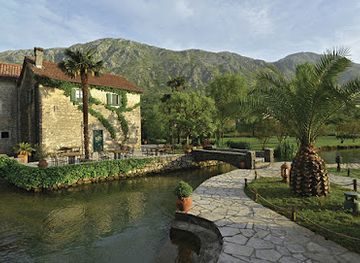
Ćatovića Mlini
Discover the essence of Montenegrin cuisine at Ćatovića Mlini – where tradition meets breathtaking views.


Best bars in Zeta Plain
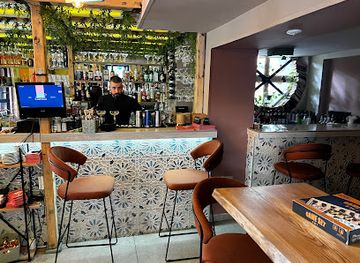
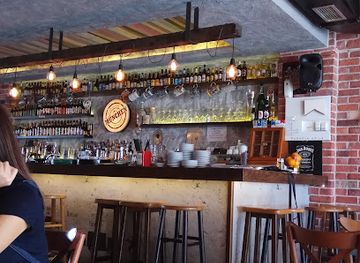
Evening life in the Zeta Plain is concentrated in Podgorica, where cafés, wine bars, restaurants and late-opening venues provide the greatest choice. The capital’s social scene ranges from relaxed coffee culture and outdoor terraces to cocktail bars, live music and a modest club circuit, with activity varying according to the season and calendar. Outside Podgorica, nightlife is quieter and usually centred on traditional cafés, family-run restaurants, rural inns and occasional local celebrations rather than dedicated nightclubs. Wine-focused venues and tastings offer a more regionally distinctive evening experience than large-scale entertainment, particularly in the lowland vineyard areas. Visitors should not assume that rural establishments keep the same hours as city venues, and advance arrangements are sensible for tastings or meals in the countryside. Alcohol is widely available, but exploring the region’s evening culture does not depend on drinking.
-
Pub
Welder Pub
Discover the charm of Welder Pub in Podgorica, where cozy ambiance meets a diverse menu of drinks and delectable food.
-
Lounge
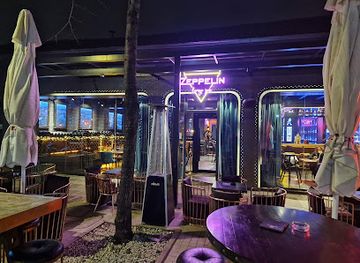
Zeppelin Lounge Bar & Pub
Discover the lively atmosphere and unique drink offerings at Zeppelin Lounge Bar & Pub in Podgorica, the perfect spot for relaxation and socializing.
-
Bar
Itaka Library Bar
Experience the unique charm of Itaka Library Bar in Podgorica, where cozy ambiance meets vibrant nightlife and delightful drinks.
-
Bar
München Bierhaus | Pub München
München Bierhaus: A slice of Bavarian culture in Podgorica offering exquisite beers and authentic German cuisine.

Best nightclubs in Zeta Plain
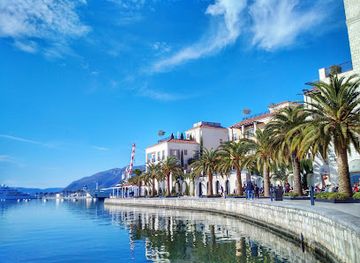
Evening life in the Zeta Plain is concentrated in Podgorica, where cafés, wine bars, restaurants and late-opening venues provide the greatest choice. The capital’s social scene ranges from relaxed coffee culture and outdoor terraces to cocktail bars, live music and a modest club circuit, with activity varying according to the season and calendar. Outside Podgorica, nightlife is quieter and usually centred on traditional cafés, family-run restaurants, rural inns and occasional local celebrations rather than dedicated nightclubs. Wine-focused venues and tastings offer a more regionally distinctive evening experience than large-scale entertainment, particularly in the lowland vineyard areas. Visitors should not assume that rural establishments keep the same hours as city venues, and advance arrangements are sensible for tastings or meals in the countryside. Alcohol is widely available, but exploring the region’s evening culture does not depend on drinking.
-
Night club
People's
Discover the vibrant nightlife at People's Beach Bar in Herceg Novi, where stunning seaside views meet lively music and delicious cocktails.
-
Lounge
Zeppelin Lounge Bar & Pub
Discover Zeppelin Lounge Bar & Pub, Podgorica's trendy hotspot for drinks, light bites, and a lively atmosphere that captures the essence of local nightlife.
-
Bar
The Clubhouse
Experience the vibrant atmosphere and stunning views at The Clubhouse, Tivat's premier bar and lounge for relaxation and socializing.
-
Disco club
Club Maximus
Club Maximus in Kotor, Montenegro: Your destination for unforgettable nights filled with music, dancing, and stunning coastal views.



Best shops in Zeta Plain
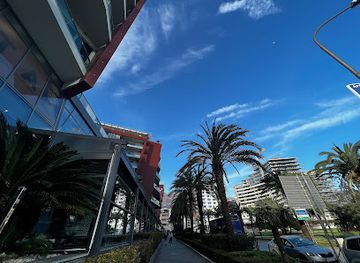
Shopping in the Zeta Plain is centred on Podgorica, whose main commercial areas provide supermarkets, department stores, contemporary fashion, cafés and practical travel supplies. The capital also offers the widest selection of books, crafts, galleries and specialty food shops, while smaller settlements in Zeta have a more limited, everyday retail character. For regionally meaningful purchases, look for Montenegrin wine, honey, olive products from the wider Lake Skadar area, dried fruit, cheese, smoked foods and seasonal produce, checking labelling and transport requirements when buying from small producers. Markets and farm-direct sales can be more useful for fresh food than for formal souvenirs, but availability varies by day and season. Traditional handicrafts are found more reliably through established cultural shops and galleries than through improvised roadside stalls. Shoppers seeking a large modern retail centre or broad international brands will find the greatest choice in Podgorica rather than in the rural plain.
-
Shopping mall
TQ Plaza
Discover the ultimate shopping experience in Budva at TQ Plaza, where local culture meets international brands and delicious dining.
-
Shopping mall
BIG Fashion Podgorica
Discover the ultimate shopping experience at BIG Fashion Podgorica, where international brands meet local charm in a vibrant atmosphere.
-
Shopping mall
Shopping Centre Kamelija
Experience the best of shopping and dining at Kotor's Shopping Centre Kamelija, where local charm meets modern retail convenience.
-
Shopping mall
Mall of Montenegro
Explore the Mall of Montenegro: A Premier Shopping Destination in Podgorica with Dining and Entertainment Options.


Get your free copy of our complete guide to Zeta Plain, delivered straight to you.
Everything on this page, from attractions and restaurants to essentials and local phrases, in one PDF you can read offline, print or share.
Already have an account? Sign in
Your Zeta Plain guide is ready.
We'll send it to · Not you? Sign out

Getting your guide ready…
We are putting together a fresh copy of the Zeta Plain guide. This can take up to a minute.
This can take a few moments. If your browser asks, choose Allow so the download can start. You'll find the guide in your Downloads folder.
Nothing happened? Download it again
Sorry, the guide is taking longer than usual. Please try again in a minute, or get it by email instead.
Zeta Plain essentials
Currency and Payment
Safety
Emergency Situations
Do's and Don'ts
Local Tips
From Eve
Local phrases worth knowing
You don't need to get them perfect. A few words go a long way, and locals appreciate the effort.
Basics
| English | Local | Say it |
|---|---|---|
| Hello | Hello | [Heh-lo] |
| Goodbye | Goodbye | [Guhd-bye] |
| Yes | Yes | [Yes] |
| No | No | [No] |
| Please/You're welcome | Please/You're welcome | [Pleez/Yo're wel-kum] |
| Thank you | Thank you | [Thangk yoo] |
| Excuse me/Sorry | Excuse me/Sorry | [Ex-kyoos mee/Sor-ee] |
| How are you? | How are you? | [How ar yoo?] |
| Fine. And you? | Fine. And you? | [Fine. And yoo?] |
| Do you speak English? | Do you speak English? | [Doo yoo speek Ing-lish?] |
| I don't understand | I don't understand | [I dohnt un-der-stand] |
Eating & Drinking
| English | Local | Say it |
|---|---|---|
| I'd like to see the menu, please | I'd like to see the menu, please | [I'd lyk to see the men-yoo, pleez] |
| I don't eat meat | I don't eat meat | [I dohnt eet meet] |
| Cheers! | Cheers! | [Cheerz] |
| I would like to pay, please | I would like to pay, please | [I wud lyk to pay, pleez] |
Emergencies
| English | Local | Say it |
|---|---|---|
| Help! | Help! | [Help] |
| Go away! | Go away! | [Go aw-ay] |
| Call the Police! | Call the Police! | [Call the Po-lees] |
| Call a doctor! | Call a doctor! | [Call a dok-tor] |
| I'm lost | I'm lost | [I'm lost] |
| I'm ill | I'm ill | [I'm il] |
Shopping
| English | Local | Say it |
|---|---|---|
| I'd like to buy... | I'd like to buy... | [I'd lyk to buy...] |
| I'm just looking | I'm just looking | [I'm just luk-ing] |
| How much is it? | How much is it? | [How much iz it?] |
| That's too expensive | That's too expensive | [That's too ex-spen-siv] |
| Can you lower the price? | Can you lower the price? | [Can yoo lo-er the prys?] |
Time & Numbers
| English | Local | Say it |
|---|---|---|
| What time is it? | What time is it? | [What tym iz it?] |
| It's one o'clock | It's one o'clock | [It's wun o'clock] |
| Half past (10) | Half past (10) | [Half past (ten)] |
| Morning | Morning | [Mor-ning] |
| Afternoon | Afternoon | [Af-ter-noon] |
| Evening | Evening | [Ee-ven-ing] |
| Yesterday | Yesterday | [Yes-ter-day] |
| Today | Today | [To-day] |
| Tomorrow | Tomorrow | [To-mor-row] |
| 1 | 1 | [One] |
| 2 | 2 | [Two] |
| 3 | 3 | [Three] |
| 4 | 4 | [Four] |
| 5 | 5 | [Five] |
| 6 | 6 | [Six] |
| 7 | 7 | [Seven] |
| 8 | 8 | [Eight] |
| 9 | 9 | [Nine] |
| 10 | 10 | [Ten] |
Transport & Directions
| English | Local | Say it |
|---|---|---|
| Where's a/the...? | Where's a/the...? | [Where's a/the...?] |
| What's the address? | What's the address? | [What's the ad-dress?] |
| Can you show me (on the map)? | Can you show me (on the map)? | [Can yoo show mee (on the map)?] |
| When's the next (bus)? | When's the next (bus)? | [When's the next (bus)?] |
| A ticket (to ....) | A ticket (to ....) | [A tik-et (to ....)] |
History of Zeta Plain
Early Settlement and the Zeta Lowlands
The lowlands around the Morača, Zeta and Cijevna rivers have long provided comparatively accessible ground for settlement, farming and movement through otherwise mountainous Montenegro. Archaeological evidence from the wider Podgorica and Lake Skadar area points to prehistoric communities exploiting fertile soils, watercourses and nearby limestone resources. The plain’s position between the Adriatic hinterland and the interior also encouraged contact between different populations and political centres. Although many early traces are fragmentary, the geography explains the region’s continuing importance: it offered agricultural potential and transport routes unavailable in the more rugged surrounding terrain.
Roman Doclea and Late Antiquity
The ancient city of Doclea, north of present-day Podgorica, became the principal urban and administrative centre of the area under Roman rule. Located between rivers and connected to regional routes, it developed civic buildings, public baths, religious structures and a planned urban layout. In late antiquity the settlement also became an important Christian centre, with episcopal buildings and churches. Earthquakes, political change and shifting settlement patterns reduced its prominence, but the archaeological remains preserve evidence of Romanisation and the transition from classical urban life to the late antique Balkans.
Medieval Zeta
During the medieval period, the wider Zeta region formed part of changing South Slavic political territories and later became associated with the medieval polity known as Zeta. Rulers and noble families competed for control of the lowlands, river routes and approaches to Lake Skadar, while monasteries and fortified settlements supported religious and political authority. The area’s historical importance came partly from its position between the Adriatic coast, the interior highlands and the lake basin. Medieval power was often fragmented, and the plain experienced the influence of both inland rulers and coastal commercial centres.
Ottoman Podgorica and the Frontier Landscape
Podgorica came under Ottoman rule in the late fifteenth century and remained an Ottoman town until Montenegro’s territorial expansion after the Congress of Berlin in 1878. Its position near the meeting point of the Morača, Ribnica and Zeta landscapes made it strategically significant, but also exposed it to conflict along the Ottoman-Montenegrin frontier. The Ottoman period left visible traces in Podgorica’s old town, mosques, bridges and traditional urban fabric, although much of the historic centre was later altered or lost. The wider plain remained a zone of farming, movement and military significance.
Montenegrin Incorporation and Modern Podgorica
The incorporation of Podgorica and surrounding territories into the Principality of Montenegro in 1878 marked a major political transformation. Podgorica expanded as an administrative and commercial centre, linking the capital’s hinterland with the coast and northern Montenegro. New state institutions, roads and later railway connections changed patterns of trade and movement across the plain. Agriculture remained important, while the town increasingly acquired the urban functions that would eventually make it the country’s capital. This period also established the foundations of the modern regional identity centred on Podgorica and the Zeta lowlands.
Twentieth-Century War and Urban Transformation
The twentieth century brought major disruption through the Balkan Wars, the two world wars and the political changes that followed the creation of Yugoslavia. Podgorica was heavily damaged during the Second World War, and post-war reconstruction reshaped the city with new streets, public buildings and residential districts. The surrounding plain became increasingly connected to national transport and administrative networks. After Montenegro became independent in 2006, Podgorica’s role as the national capital intensified, while agricultural Zeta retained a more rural character despite its proximity to the country’s principal urban centre.
Agriculture, Wine and Contemporary Regional Change
Modern Zeta Plain remains one of Montenegro’s important agricultural areas, benefiting from lowland soils, a relatively warm climate and access to irrigation in some districts. Vine-growing and wine production are particularly associated with the Podgorica and Zeta area, alongside vegetables, fruit and livestock farming. Expansion around the capital, improved roads and the development of Podgorica Airport have brought new economic opportunities but also pressure on open land and traditional settlement patterns. The region today combines national administrative importance, rural production, archaeological heritage and growing interest in food and wine tourism.
Zeta Plain in Photos
Browse through our photo collection highlighting the charm and character of the destination.
Neighbouring regions of Zeta Plain
The closest regions to Zeta Plain, if you have time for more than one.
-

-

-

-

-


Swipe for more regions
Explore more
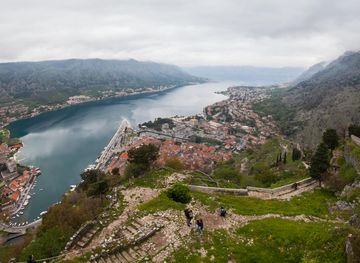
Explore more of Montenegro
Discover Montenegro: A blend of stunning landscapes, rich history, and vibrant culture on the breathtaking Adriatic coast.
Explore Montenegro