

Free Morača Travel Guide & Mobile App
Explore Morača with free travel guides. Discover regional history, expert tips, proposed trips, and audio guides on web or mobile app.


Explore Morača in Montenegro for limestone canyons, monastery heritage, mountain roads and challenging walks through a dramatic river valley.
Read more about Morača
When is the best time to visit Morača?
Best: May–June, September · 22–27°C| Month | High (°C) | Rainfall (mm) |
|---|---|---|
| January | 8 | 150 |
| February | 10 | 120 |
| March | 14 | 120 |
| April | 18 | 110 |
| May (best) | 22 | 100 |
| June (best) | 27 | 90 |
| July | 30 | 80 |
| August | 29 | 90 |
| September (best) | 25 | 100 |
| October | 19 | 120 |
| November | 12 | 130 |
| December | 8 | 150 |
Getting to and around Morača
How to get there
Transportation
Top city travel guides in Morača
The cities of Morača, and the easiest places to base yourself.
-

-

-

-

-

-


Swipe for more cities
Destinations in Morača
Resorts, valleys and scenic spots worth a trip of their own.
-
-

-

-

-

-


Swipe for more destinations
Best attractions in Morača
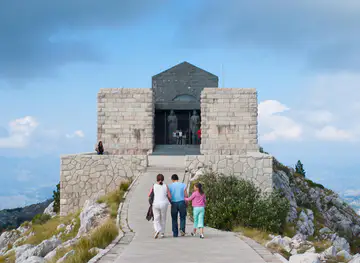
Morača’s attractions are defined by the river corridor and its surrounding limestone mountains rather than by a concentration of museums or urban entertainment. The leading cultural stop is Morača Monastery, whose thirteenth-century church, later buildings and medieval frescoes make it one of Montenegro’s important Orthodox heritage sites. The Morača Canyon, often called Platije, is the region’s defining natural spectacle, with the river compressed between high rock walls and transport routes tracing the gorge. The Mrtvica Canyon, reached through a side valley, offers a more intimate landscape of woodland, cliffs, footpaths and clear water for experienced walkers. Road and rail journeys are also part of the experience, revealing tunnels, bridges and dramatic changes in elevation. Near the southern end of the corridor, the landscape gradually opens towards the Podgorica plain, while the northern approach leads towards mountain country and Kolašin outside the immediate Morača region. Swimming, canyoning and other activities may depend on local conditions and specialist arrangements; visitors should not treat fast mountain rivers as informal bathing areas.
-
Tourist attraction
Fortress Old Bar
Explore the rich history and breathtaking views at Fortress Old Bar, a stunning medieval fortress in Stari Bar, Montenegro.
-
Castle
Rozafa Castle
Explore the historical depths and stunning vistas of Rozafa Castle, a must-visit fortification in Shkodër, Albania, steeped in legends and breathtaking scenery.
-
Tourist attraction
Moraca Monastery (1252.)
Explore Moraca Monastery, a medieval architectural gem in Montenegro, known for its stunning frescoes and serene natural landscapes.
-
Tourist attraction
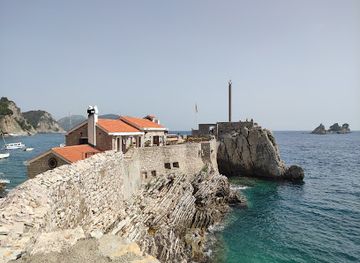
Kastio Castle
Explore Kastio Castle, a historic fortress in Petrovac, Montenegro, offering stunning coastal views and a glimpse into the region's rich heritage.


Best landmarks in Morača
Morača Monastery is the region’s foremost built landmark, standing in a wooded and mountainous setting above the river. Its Church of the Assumption preserves important medieval frescoes, while the monastery complex records centuries of Orthodox religious life and architectural adaptation. The Morača Canyon, or Platije, is the dominant natural landmark: a long limestone gorge where the river, road and railway occupy a remarkably confined passage. Its visual character changes with the light, season and water level, but safe viewing places are limited. The Mrtvica Canyon is a separate landmark landscape, recognised for its steep rock faces, forested ravine and narrow relationship between trail and water. Modern infrastructure is also part of Morača’s identity, particularly the railway tunnels, viaducts and road engineering that made this difficult route passable at national scale. Together, these places express the region’s central themes: medieval faith, karst geology, mountain water and the determined effort to connect Montenegro’s interior with its southern plain and coast.
-
Monastery
Ostrog Orthodox Monastery
Discover the breathtaking Ostrog Orthodox Monastery, a spiritual landmark nestled in Montenegro's stunning cliffs, offering serenity and stunning views.
-
Fortress
Fortress Old Bar
Explore the Fortress of Old Bar, a historic gem offering breathtaking views and a glimpse into Montenegro's storied past.
-
Tourist attraction
Kampana Tower
Discover the breathtaking vistas from Kampana Tower, an iconic landmark in Kotor that offers stunning views of the Bay and its historical charm.
-
Castle
Budva Citadel
Discover the breathtaking Budva Citadel, a historical gem in Montenegro offering stunning views, rich culture, and a glimpse into the past.


Explore Morača on the map
Plan your trip on one map. See where the top cities, national parks and sights are, and book hotels and experiences in a few clicks.
Best hotels in Morača
Best restaurants in Morača
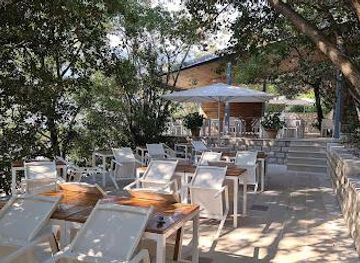
Dining in Morača is shaped by its rural setting and its role as a transport corridor. Choices are concentrated in Podgorica, Kolašin outside the immediate valley, roadside establishments and small guesthouses rather than in a developed restaurant district. Menus commonly reflect wider Montenegrin and Balkan cooking: grilled meats, stews, trout where locally available, fresh bread, cheeses, cured meats, potatoes and seasonal vegetables. Mountain-style dishes such as kačamak and cicvara may appear in traditional settings, although recipes and availability vary between households and restaurants. Strong coffee, pastries and simple savoury breakfasts are useful options on a road journey, while locally produced honey, herbs and dairy goods may be available from small-scale sellers. Morača Monastery is a place for cultural sightseeing, not a dining venue, so arrange meals and water before travelling into quieter sections of the valley. In nearby Podgorica, visitors will find the broadest choice, from contemporary restaurants to cafés and traditional establishments.
-
Country food restaurant
Restoran Crkvina
Experience authentic Montenegrin cuisine at Restoran Crkvina – a charming destination for breakfast and lunch lovers.
-
Restaurant
Koliba Bogetici - Ostrog
Discover Koliba Bogetici in Niksic - A culinary gem offering authentic Montenegrin cuisine amidst breathtaking landscapes.
-
Restaurant
Imanje Knjaz
Experience the best of Montenegrin cuisine at Imanje Knjaz in Podgorica - where tradition meets modernity in every bite.
-
Restaurant
Bajova Kula
Adriatic elegance meets Mediterranean charm at this upscale beachfront dining destination.


Best bars in Morača
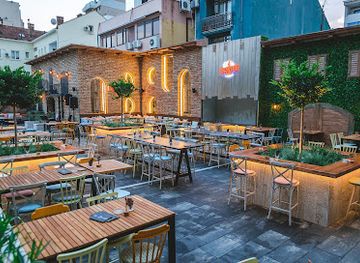
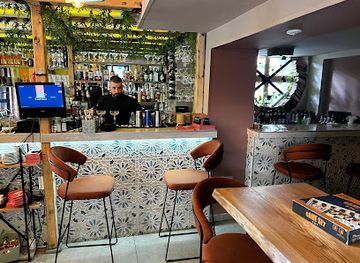
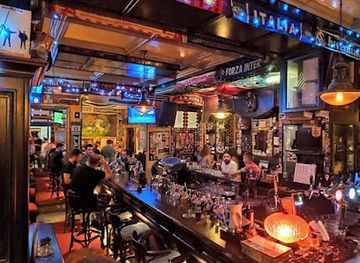
Morača has little conventional nightlife within the canyon itself. Evening life is centred on quiet accommodation, roadside restaurants and the occasional café rather than clubs or a dedicated bar district. Podgorica, outside the southern end of the corridor, provides Montenegro’s nearest substantial choice of cafés, wine bars, restaurants and late-evening venues, while Kolašin, outside the immediate region to the north, offers a seasonal mountain-town atmosphere with places to eat and drink after outdoor activities. In smaller settlements, a local café or traditional gathering place may be more representative than a formal nightlife venue. Travellers should not expect regular late-night transport through the valley, and drivers should avoid alcohol before tackling the winding canyon road. The region is better suited to sunset views, an evening meal and a quiet stay than to a planned club circuit.
-
Pub
Welder Pub
Discover the vibrant atmosphere and delicious cuisine at Welder Pub, your go-to spot in Podgorica for food, drinks, and fun.
-
Bar
Itaka Library Bar
Discover the enchanting Itaka Library Bar in Podgorica, where literature meets mixology for a unique bar experience.
-
Bar
München Bierhaus | Pub München
Discover the vibrant Bavarian culture at München Bierhaus, a lively pub in Podgorica, featuring an extensive beer selection and delicious traditional dishes.
-
Pub
Scottish Pub McCloud
Discover Scottish charm and vibrant nightlife at McCloud Pub in Podgorica, offering delicious food, crafted cocktails, and a lively atmosphere.

Best nightclubs in Morača
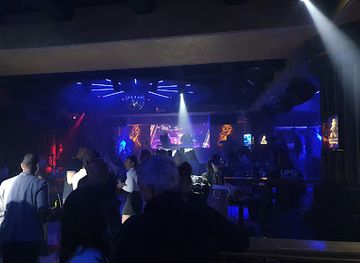
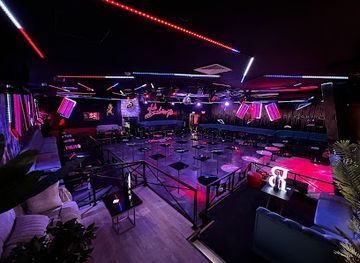
Morača has little conventional nightlife within the canyon itself. Evening life is centred on quiet accommodation, roadside restaurants and the occasional café rather than clubs or a dedicated bar district. Podgorica, outside the southern end of the corridor, provides Montenegro’s nearest substantial choice of cafés, wine bars, restaurants and late-evening venues, while Kolašin, outside the immediate region to the north, offers a seasonal mountain-town atmosphere with places to eat and drink after outdoor activities. In smaller settlements, a local café or traditional gathering place may be more representative than a formal nightlife venue. Travellers should not expect regular late-night transport through the valley, and drivers should avoid alcohol before tackling the winding canyon road. The region is better suited to sunset views, an evening meal and a quiet stay than to a planned club circuit.
-
Night club
Omnia
Discover the vibrant nightlife of Omnia in Budva, Montenegro - where unforgettable party experiences await you.
-
Bar
The Clubhouse
Experience the vibrant atmosphere and stunning views at The Clubhouse, the premier bar and lounge in beautiful Tivat, Montenegro.
-
Night club
Premium Palazzo night club
Dive into the exhilarating nightlife at Premium Palazzo Night Club in Budva, where electrifying beats and vibrant crowds create unforgettable experiences.
-
Disco club
Night Club Ambiente
Discover the electrifying nightlife at Night Club Ambiente in Budva, Montenegro, where unforgettable experiences and vibrant music await every night.


Best shops in Morača
Shopping in Morača is limited and practical, with no major retail centre inside the river corridor. Visitors are more likely to buy provisions in Podgorica or Kolašin, outside the immediate region, before travelling through the canyon. Small roadside sellers and guesthouses may offer honey, cheese, herbs, fruit, preserves or other household-produced goods when in season, but availability is not guaranteed. Morača Monastery has religious and cultural significance rather than a substantial shopping precinct, so purchases there should be approached as modest souvenirs rather than a retail experience. In nearby Podgorica, larger supermarkets, markets, bookshops and craft-oriented stores provide a broader choice, including Montenegrin food products and traditional gifts. For a region-specific memento, look for locally made honey, mountain herbs, woven items or small religious objects, while checking provenance and respecting restrictions on taking natural materials from the landscape.
-
Shopping mall
BIG Fashion Podgorica
Explore BIG Fashion Podgorica, Montenegro's premier shopping mall with a mix of local and international brands, dining, and entertainment options.
-
Shopping mall
Mall of Montenegro
Discover the vibrant shopping experience at Mall of Montenegro, featuring diverse stores, delightful dining, and family entertainment in Podgorica.
-
Musical instrument store
EURO-UNIT Montenegro
Explore EURO-UNIT Montenegro, your ultimate destination for musical instruments, audio equipment, and expert consultation in Podgorica.
-
Cigar shop
Casa de Puros
Discover the finest cigars at Casa de Puros, Podgorica's premier cigar shop, offering an exquisite selection and a welcoming atmosphere.


Get your free copy of our complete guide to Morača, delivered straight to you.
Everything on this page, from attractions and restaurants to essentials and local phrases, in one PDF you can read offline, print or share.
Already have an account? Sign in
Your Morača guide is ready.
We'll send it to · Not you? Sign out

Getting your guide ready…
We are putting together a fresh copy of the Morača guide. This can take up to a minute.
This can take a few moments. If your browser asks, choose Allow so the download can start. You'll find the guide in your Downloads folder.
Nothing happened? Download it again
Sorry, the guide is taking longer than usual. Please try again in a minute, or get it by email instead.
Morača essentials
Currency and Payment
Safety
Emergency Situations
Do's and Don'ts
Local Tips
From Eve
Local phrases worth knowing
You don't need to get them perfect. A few words go a long way, and locals appreciate the effort.
Basics
| English | Local | Say it |
|---|---|---|
| Hello | Zdravo | [zdrah-voh] |
| Goodbye | Doviđenja | [doh-vee-jen-yah] |
| Yes | Da | [dah] |
| No | Ne | [neh] |
| Please/You're welcome | Molim | [moh-leem] |
| Thank you | Hvala | [hvah-lah] |
| Excuse me/Sorry | Izvinite | [eez-vee-nee-teh] |
| How are you? | Kako si? | [kah-koh see] |
| Fine. And you? | Dobro. A ti? | [doh-broh. ah tee] |
| Do you speak English? | Govoriš li engleski? | [goh-vor-eash lee eng-les-kee] |
| I don't understand | Ne razumem | [neh rah-zoo-mehm] |
Eating & Drinking
| English | Local | Say it |
|---|---|---|
| I'd like to see the menu, please | Želeo bih da vidim meni, molim | [zheh-leh-oh bih dah vee-deem meh-nee, moh-leem] |
| I don't eat meat | Ne jedem meso | [neh yeh-dem meh-so] |
| Cheers! | Živeli! | [zhee-veh-lee] |
| I would like to pay, please | Želeo bih da platim, molim | [zheh-leh-oh bih dah plah-teem, moh-leem] |
Emergencies
| English | Local | Say it |
|---|---|---|
| Help! | Upomoć! | [oo-poh-mohch] |
| Go away! | Ode! | [oh-deh] |
| Call the Police! | Pozovite policiju! | [poh-zoh-vee-teh poh-lee-tsee-yoo] |
| Call a doctor! | Pozovite doktora! | [poh-zoh-vee-teh dok-toh-rah] |
| I'm lost | Izgubio sam se | [eez-goo-bee-oh sahm seh] |
| I'm ill | Bolestan sam | [boh-leh-stahn sahm] |
Shopping
| English | Local | Say it |
|---|---|---|
| I'd like to buy... | Želeo bih da kupim... | [zheh-leh-oh bih dah koo-peem] |
| I'm just looking | Samo gledam | [sah-moh gled-am] |
| How much is it? | Koliko košta? | [koh-lee-koh koh-shtah] |
| That's too expensive | To je preskupo | [toh yeh preh-skoo-poh] |
| Can you lower the price? | Možeš li smanjiti cenu? | [moh-zhehsh lee sman-yee-tee tseh-noo] |
Time & Numbers
| English | Local | Say it |
|---|---|---|
| What time is it? | Koliko je sati? | [koh-lee-koh yeh sah-tee] |
| It's one o'clock | Jedan je čas | [yeh-dahn yeh chahs] |
| Half past (10) | Polovina (10) | [poh-loh-vee-nah (10)] |
| Morning | Jutro | [yoo-troh] |
| Afternoon | Popodne | [poh-poh-dneh] |
| Evening | Veče | [veh-cheh] |
| Yesterday | Juče | [yoo-cheh] |
| Today | Danas | [dah-nahs] |
| Tomorrow | Sutra | [soo-trah] |
| 1 | Jedan | [yeh-dahn] |
| 2 | Dva | [dva] |
| 3 | Tri | [tree] |
| 4 | Četiri | [cheh-tee-ree] |
| 5 | Pet | [peht] |
| 6 | Šest | [shest] |
| 7 | Sedam | [seh-dahm] |
| 8 | Osam | [oh-sahm] |
| 9 | Devet | [deh-vet] |
| 10 | Deset | [deh-set] |
Transport & Directions
| English | Local | Say it |
|---|---|---|
| Where's a/the...? | Gde je...? | [gdeh yeh] |
| What's the address? | Koja je adresa? | [koh-yah yeh ah-dreh-sah] |
| Can you show me (on the map)? | Možeš li mi pokazati (na mapi)? | [moh-zhehsh lee mee poh-kah-zah-tee (nah mah-pee)] |
| When's the next (bus)? | Kada je sledeći (autobus)? | [kah-dah yeh sleh-deh-chee (ow-toh-boos)] |
| A ticket (to ....) | Jedna karta (do ...) | [yeh-dnah kar-tah (doh ...)] |
History of Morača
Early settlement and the Morača landscape
The Morača valley has long been shaped by the movement of people through a difficult natural corridor between Montenegro’s interior and the lowlands around present-day Podgorica. Its steep limestone terrain limited large-scale settlement but encouraged communities to occupy terraces, side valleys and more accessible stretches of riverbank. Archaeological evidence from the wider central Montenegrin area records prehistoric and later Illyrian activity, while the river itself remained an important geographic route even when travel was arduous.
Roman roads and the central Montenegrin hinterland
Roman administration transformed parts of the wider region by linking settlements, agricultural areas and strategic routes across what is now Montenegro. The Morača corridor was not an easy route, but its position between the interior and the ancient urban centre at Doclea, near modern Podgorica, gave the surrounding landscape continuing strategic importance. Roman influence is visible most clearly through the broader archaeological history of central Montenegro rather than through a single monumental site within the canyon.
The foundation of Morača Monastery, 1252
Morača Monastery was founded in 1252 by Stefan, a son of Vukan Nemanjić, during the period when the Nemanjić dynasty shaped the religious and political life of the medieval Balkans. Its Church of the Assumption became an important centre of Orthodox worship and artistic patronage in a remote setting. The monastery’s frescoes, including medieval scenes associated with the life of the Virgin Mary, are among the most significant surviving expressions of medieval religious art in Montenegro.
Medieval and Ottoman-borderland traditions
For centuries, the Morača area occupied a frontier-like position between competing political powers and religious jurisdictions. The monastery and surrounding settlements preserved Orthodox traditions through periods of instability, while local communities adapted to a landscape where travel, trade and communication were constrained by gorges and mountains. Later repairs and additions at Morača Monastery reflect the long process of maintaining sacred buildings in a region exposed to conflict, fire, earthquakes and changing political authority.
Roads, railways and the opening of the canyon
Modern transport changed Morača from a remote mountain passage into one of Montenegro’s principal north–south corridors. The railway forming part of the Belgrade–Bar route was constructed in the twentieth century across exceptionally challenging terrain, requiring tunnels and viaducts through the canyon. The modern road through Platije brought greater access between Podgorica and the northern mountains, while also making the narrow valley a busy transport route rather than an isolated rural landscape.
Twentieth-century infrastructure and the Morača Hydroelectric Project
The construction of the Morača River’s hydropower infrastructure, including the Piva–Morača system and the extensive reservoirs associated with it, marked a major transformation of central Montenegro’s landscape and economy. Dams and power facilities altered river flow, roads and local patterns of movement, while electricity generation became part of the country’s modern development. The project also illustrates the continuing tension between engineering ambitions, difficult mountain geography and the conservation of river environments.
Morača in contemporary Montenegro
Today the corridor remains important for national transport, water management and energy, while tourism is concentrated on its monastery, canyon scenery and outdoor opportunities. Morača is not a conventional resort region: visitors encounter a working road and railway landscape, small settlements and limited services rather than a dense network of attractions. Its contemporary identity depends on the relationship between infrastructure and nature, with the river valley serving both as a route through Montenegro and as a destination in its own right.
Morača in Photos
Browse through our photo collection highlighting the charm and character of the destination.
Neighbouring regions of Morača
The closest regions to Morača, if you have time for more than one.
-

-

-
-

-


Swipe for more regions
Explore more
Explore more of Montenegro
Discover Montenegro: A blend of stunning landscapes, rich history, and vibrant culture on the breathtaking Adriatic coast.
Explore Montenegro