

Žabljak Travel Guide - Free Web & App
Your ultimate guide to Žabljak. Discover top landmarks, proposed trips, and local tips. Free on the web or via the Evendo companion app.


Žabljak, Montenegro’s Durmitor gateway, pairs Black Lake, Tara Canyon, mountain trails and winter skiing with highland villages and local cuisine.
Durmitor Landscapes
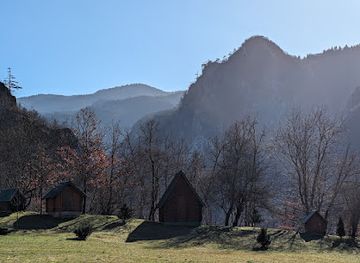
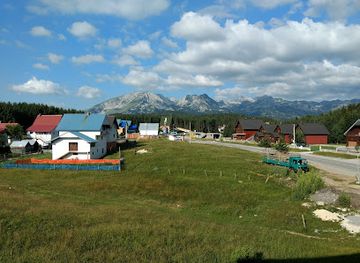
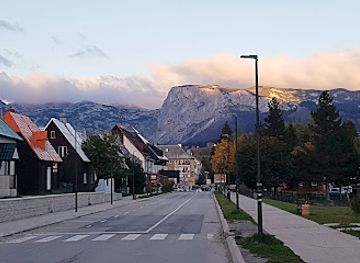
At an elevation of about 1,450 metres, Žabljak is Montenegro’s highest town and the principal gateway to Durmitor National Park in the country’s rugged north. The town stands on a high karst plateau surrounded by limestone peaks, glacial lakes, deep wooded valleys and broad grazing meadows. Its most accessible natural attraction is Crno Jezero, or Black Lake, whose wooded shore reflects the summits of Durmitor and provides an easy introduction to the area’s mountain scenery.Read more about Žabljak
Trails, Canyons and Winter Snow
Highland Culture
When is the best time to visit Žabljak?
Best: June–August · 19–21°C| Month | High (°C) | Rainfall (mm) |
|---|---|---|
| January | 2 | 54 |
| February | 2 | 55 |
| March | 4 | 62 |
| April | 9 | 76 |
| May | 15 | 95 |
| June (best) | 19 | 90 |
| July (best) | 21 | 76 |
| August (best) | 21 | 82 |
| September | 16 | 85 |
| October | 10 | 89 |
| November | 5 | 75 |
| December | 2 | 66 |
Getting to and around Žabljak
How to get there
Transportation
Best attractions in Žabljak
Black Lake is Žabljak’s signature excursion, with a wooded shoreline and views towards Durmitor’s limestone peaks; the surrounding paths provide a relatively accessible introduction to the national park. Higher on the mountain, Savin Kuk is associated with both summer hiking and winter skiing, while the ascent towards Bobotov Kuk leads experienced walkers into the park’s more demanding high-alpine terrain. Ćurevac is valued for its elevated outlook over the Tara Canyon, one of the defining landforms of northern Montenegro. The plateau also contains smaller glacial lakes, including Zminje Jezero, Škrčko Jezero and the twin lakes of Vražje and Riblje in the wider Žabljak area. Villages and open pastures add a cultural dimension, showing how farming and seasonal grazing remain woven into the mountain landscape rather than presenting Durmitor as scenery without human history.
-
Wildlife park
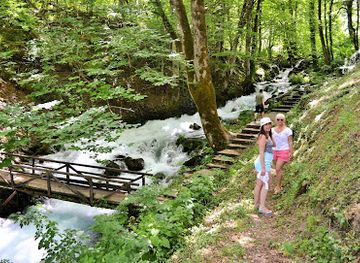
Tara Springs Park
Discover the serene beauty of Tara Springs Park in Montenegro, a wildlife haven perfect for nature lovers and families seeking adventure.
-
Tourist attraction
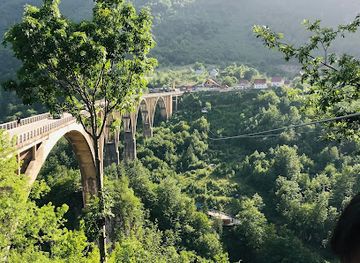
Red Rock Zipline
Experience the thrill of soaring over Montenegro's stunning landscapes at the Red Rock Zipline, a must-visit attraction for adventure seekers.
Best landmarks in Žabljak
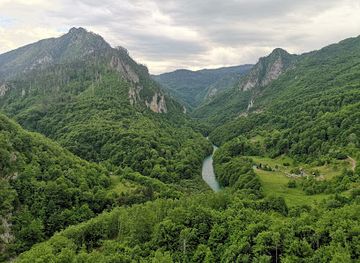
Crno Jezero, or Black Lake, is Žabljak’s most recognisable natural landmark and a defining symbol of Durmitor National Park. The lake occupies a glacial basin below the mountain mass, while forested slopes and changing water levels give its two connected basins a varied appearance. Durmitor’s limestone summits, including Bobotov Kuk, form the region’s principal geological landmarks, marked by karst relief, cliffs and high cirques. To the east, the Tara River Canyon expresses the power of long-term river erosion through the mountain plateau and is one of Montenegro’s most important natural features. Ćurevac is a prominent viewpoint above the canyon, while the smaller glacial lakes scattered across the park show the close relationship between ice-shaped terrain and the area’s hydrology. The surrounding high pastures and villages are cultural landmarks of a continuing pastoral landscape.
-
National park
Durmitor National Park
Discover the breathtaking beauty of Durmitor National Park in Montenegro, a haven for adventure seekers and nature lovers with stunning landscapes and diverse wildlife.
-
Tourist attraction
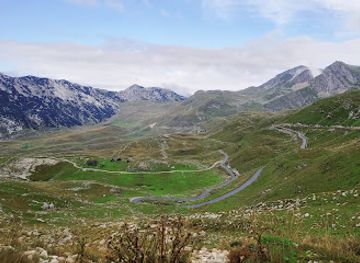
Mountain pass Sedlo
Discover the breathtaking beauty of Mountain Pass Sedlo in Durmitor National Park, a must-visit destination for nature lovers and adventure seekers.
-
Bakery
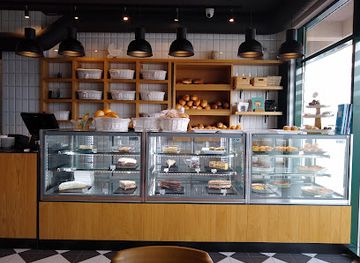
Shambhala Bakery & Restaurant
Discover the delicious offerings of Shambhala Bakery & Restaurant in Žabljak, Montenegro - a culinary haven for every traveler.
-
Restaurant
Zlatni Bor
Discover the authentic tastes of Montenegro at Zlatni Bor, a charming restaurant in Žabljak offering traditional cuisine and breathtaking mountain views.
Explore Žabljak on the map
Plan your trip on one map. See where the top attractions, landmarks, restaurants and hotels are, and book hotels and experiences in a few clicks.
Best hotels in Žabljak
Best restaurants in Žabljak
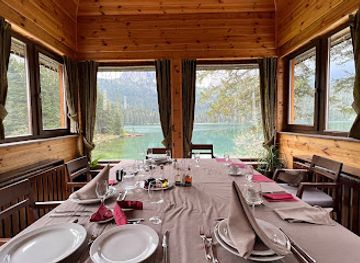
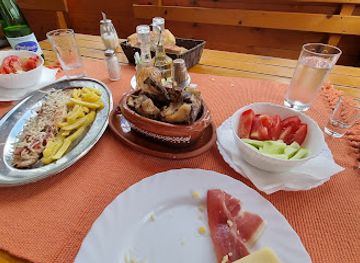
Dining in Žabljak is closely linked to the food traditions of northern Montenegro and the practical needs of a mountain community. Menus commonly draw on hearty regional cooking, including kačamak made with maize and dairy, cicvara, grilled or roasted meat, soups, potatoes, mountain cheese and smoked products. Trout and other freshwater dishes may appear in the wider region, but availability varies by establishment and season. Restaurants, cafés, bakeries and guesthouse kitchens are concentrated in Žabljak, while smaller villages offer a more limited choice, sometimes through family-run accommodation or rural households arranged locally. The area’s dairy products, honey and preserves reflect the grazing and agricultural economy of the Durmitor plateau. Visitors heading into the national park should not expect regular food outlets along remote trails and should plan provisions in town.
-
Restaurant
Restaurant Or'O
Experience authentic Montenegrin flavors at Restaurant Or'O in Žabljak – where culinary tradition meets modern dining.
-
Restaurant
Nacionalni restoran Crno jezero
Experience authentic Montenegrin cuisine amidst stunning landscapes at Nacionalni Restoran Crno Jezero.
-
Restaurant
Izvor
Experience authentic Montenegrin cuisine at Izvor in Žabljak - where tradition meets modern culinary artistry amidst stunning natural beauty.
-
Restaurant
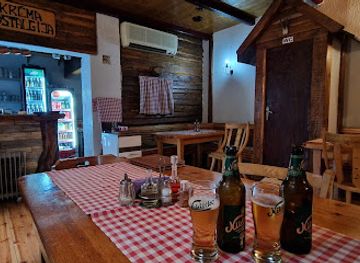
Krcma Nostalgija
Discover authentic Montenegrin flavors at Krcma Nostalgija in Žabljak - a must-visit dining experience amidst breathtaking nature.

Best bars in Žabljak
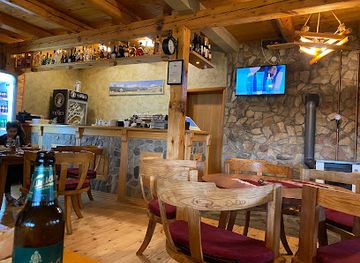
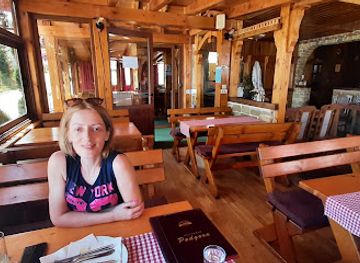
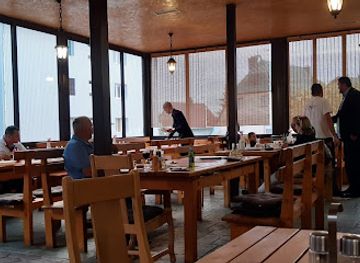
Žabljak has a quiet evening scene shaped by mountain tourism rather than nightlife districts or large clubs. After walking or skiing, visitors generally gather in hotel lounges, cafés, traditional restaurants and modest local bars around the town centre, where conversation and regional drinks are more characteristic than late-night entertainment. Some accommodation venues may host occasional music or seasonal gatherings, but programmes and opening arrangements vary. The surrounding villages are even quieter, with evenings often centred on guesthouse dining and rural hospitality. Visitors staying in Žabljak should not expect a broad nightclub circuit; the area’s evening appeal lies in relaxed mountain-town atmosphere, clear night skies and the chance to rest between outdoor excursions.
-
Restaurant
Restaurant Or'O
Experience the authentic flavors of Montenegro at Restaurant Or'O in Žabljak, where culinary excellence meets stunning natural beauty.
-
Restaurant
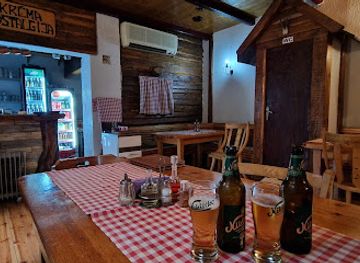
Krcma Nostalgija
Discover the authentic flavors of Montenegro at Krcma Nostalgija, a charming restaurant in Žabljak offering traditional dishes in a cozy atmosphere.
-
Restaurant
Podgora
Discover the culinary treasures of Podgora, where every meal is a feast and every view is a postcard-perfect moment.
-
Restaurant
Konoba Luna
Discover the flavors of Montenegro at Konoba Luna, a cozy restaurant in Žabljak offering traditional cuisine and charming hospitality.
Best nightclubs in Žabljak
Žabljak has a quiet evening scene shaped by mountain tourism rather than nightlife districts or large clubs. After walking or skiing, visitors generally gather in hotel lounges, cafés, traditional restaurants and modest local bars around the town centre, where conversation and regional drinks are more characteristic than late-night entertainment. Some accommodation venues may host occasional music or seasonal gatherings, but programmes and opening arrangements vary. The surrounding villages are even quieter, with evenings often centred on guesthouse dining and rural hospitality. Visitors staying in Žabljak should not expect a broad nightclub circuit; the area’s evening appeal lies in relaxed mountain-town atmosphere, clear night skies and the chance to rest between outdoor excursions.
-
Restaurant
Podgora
Explore Podgora, Montenegro: A coastal haven where delectable cuisine meets stunning sea views, perfect for every traveler seeking a taste of paradise.
-
Restaurant
Konoba Luna
Discover the authentic flavors of Montenegro at Konoba Luna, a charming restaurant in Žabljak offering traditional dishes and stunning views.
-
Cafe
Lounge bar Cudna suma
Discover the vibrant atmosphere of Lounge Bar Cudna Suma, the perfect spot to unwind in Žabljak with great food, drinks, and live music.
-
 Hostel
Hostel Highlander
Experience the natural beauty of Montenegro at Hostel Highlander, your gateway to adventures in Durmitor National Park.

Best shops in Žabljak
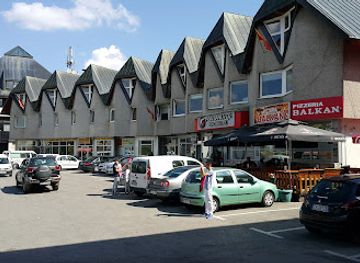
Shopping in Žabljak is modest and practical rather than concentrated in a large retail district. The town’s shops can provide everyday provisions, outdoor necessities and locally produced food, while guesthouses and rural households may offer cheeses, honey, preserves or other products associated with the Durmitor area. Small-scale craft and souvenir items inspired by Montenegro’s mountain heritage are available in some visitor-oriented businesses, but selection varies and should not be confused with a permanent artisan market. Larger or more varied shopping opportunities are found in regional centres outside Žabljak, such as Nikšić or Podgorica, rather than within the national park. Visitors buying food for a longer walk should do so in town, since remote roads, viewpoints and trails have few or no retail facilities.
-
Supermarket
VOLI
Explore the best of Žabljak at VOLI supermarket, your go-to destination for local and international products.
-
Bakery
Shambhala Bakery & Restaurant
Experience the best of Montenegrin cuisine at Shambhala Bakery & Restaurant in Žabljak, where delectable baked goods and hearty meals await.
-
Supermarket
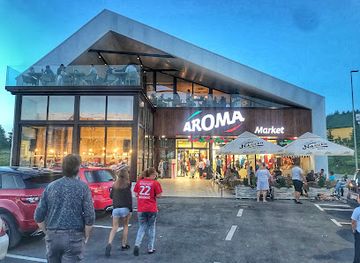
Aroma centar
Discover Aroma Centar, the premier supermarket in Žabljak, offering fresh local produce and a wide selection of international goods for every traveler.
-
Outdoor activity organiser
Durmitor Adventure
Experience the thrill of outdoor adventures in the stunning landscapes of Durmitor National Park, Montenegro's adventure hotspot.
Get your free copy of our complete guide to Žabljak, delivered straight to you.
Everything on this page, from attractions and restaurants to essentials and local phrases, in one PDF you can read offline, print or share.
Already have an account? Sign in
Your Žabljak guide is ready.
We'll send it to · Not you? Sign out

Getting your guide ready…
We are putting together a fresh copy of the Žabljak guide. This can take up to a minute.
This can take a few moments. If your browser asks, choose Allow so the download can start. You'll find the guide in your Downloads folder.
Nothing happened? Download it again
Sorry, the guide is taking longer than usual. Please try again in a minute, or get it by email instead.
Žabljak essentials
Currency and Payment
Safety
Emergency Situations
Do's and Don'ts
Local Tips
From Eve
Local phrases worth knowing
You don't need to get them perfect. A few words go a long way, and locals appreciate the effort.
Basics
| English | Local | Say it |
|---|---|---|
| Hello | Здраво | [Zdravo] |
| Goodbye | Довиђења | [Doviđenja] |
| Yes | Да | [Da] |
| No | Не | [Ne] |
| Please/You're welcome | Молим/Нема на чему | [Molim/Nema na čemu] |
| Thank you | Хвала | [Hvala] |
| Excuse me/Sorry | Извините | [Izvinite] |
| How are you? | Како сте? | [Kako ste?] |
| Fine. And you? | Добро. А ви? | [Dobro. A vi?] |
| Do you speak English? | Да ли говорите енглески? | [Da li govorite engleski?] |
| I don't understand | Не разумем | [Ne razumem] |
Eating & Drinking
| English | Local | Say it |
|---|---|---|
| I'd like to see the menu, please | Хтео бих да видим мену, молим | [Hteo bih da vidim menu, molim] |
| I don't eat meat | Не једем месо | [Ne jedem meso] |
| Cheers! | Здраво! | [Zdravo!] |
| I would like to pay, please | Хтео бих да платим, молим | [Hteo bih da platim, molim] |
Emergencies
| English | Local | Say it |
|---|---|---|
| Help! | Упомоћ! | [Upomoć!] |
| Go away! | Иди даље! | [Idi dalje!] |
| Call the Police! | Позвате полицију! | [Pozvate policiju!] |
| Call a doctor! | Позвате лекара! | [Pozvate lekara!] |
| I'm lost | Изгубио сам се | [Izgubio sam se] |
| I'm ill | Болестан сам | [Bolestan sam] |
Shopping
| English | Local | Say it |
|---|---|---|
| I'd like to buy... | Хтео бих да купим... | [Hteo bih da kupim...] |
| I'm just looking | Само гледам | [Samo gledam] |
| How much is it? | Колико кошта? | [Koliko košta?] |
| That's too expensive | То је превише скупо | [To je previše skupo] |
| Can you lower the price? | Можете ли спустити цену? | [Možete li spustiti cenu?] |
Time & Numbers
| English | Local | Say it |
|---|---|---|
| What time is it? | Колико је сати? | [Koliko je sati?] |
| It's one o'clock | Један сат је | [Jedan sat je] |
| Half past (10) | Пола (10) | [Pola (10)] |
| Morning | Јутро | [Jutro] |
| Afternoon | Поподне | [Popodne] |
| Evening | Вече | [Veče] |
| Yesterday | Јуче | [Juče] |
| Today | Данас | [Danas] |
| Tomorrow | Сутра | [Sutra] |
| 1 | Један | [Jedan] |
| 2 | Два | [Dva] |
| 3 | Три | [Tri] |
| 4 | Четири | [Četiri] |
| 5 | Пет | [Pet] |
| 6 | Шест | [Šest] |
| 7 | Седам | [Sedam] |
| 8 | Осам | [Osam] |
| 9 | Девет | [Devet] |
| 10 | Десет | [Deset] |
Transport & Directions
| English | Local | Say it |
|---|---|---|
| Where's a/the...? | Где је...? | [Gde je...?] |
| What's the address? | Која је адреса? | [Koja je adresa?] |
| Can you show me (on the map)? | Можете ли ми показати (на мапи)? | [Možete li mi pokazati (na mapi)?] |
| When's the next (bus)? | Кад је следећи (аутобус)? | [Kad je sledeći (autobus)?] |
| A ticket (to ....) | Једна карта (за ....) | [Jedna karta (za ....)] |
History of Žabljak
A Limestone and Glacial Landscape
The landscape around Žabljak was shaped over geological time by uplift, erosion, soluble limestone and glacial activity. Durmitor’s rugged mass contains karst formations, cirques, cliffs, caves and mountain lakes, while the Tara River has cut deeply into the surrounding plateau. These processes created the combination of high peaks, wooded slopes and open uplands that later supported seasonal pastoralism and continue to define the region’s identity.
Pastoral Life on Durmitor
For centuries, communities in the Durmitor region used the high pastures during the warmer months, moving livestock between lower settlements and summer grazing grounds in a pattern associated with Balkan pastoral life. Cattle, sheep and goats supported a rural economy based on milk, cheese, meat and wool. Although modern life has reduced the scale of seasonal movement, pasture, haymaking, mountain huts and traditional dairy products remain important parts of the cultural landscape around Žabljak.
The Growth of Žabljak
Žabljak developed as a local centre for the scattered communities of the Durmitor plateau and gradually became the area’s administrative and commercial hub. Its position among mountain roads made it a useful base for travellers, mountaineers and scientists interested in the surrounding peaks, lakes and canyon country. The settlement’s modern character reflects both its rural origins and the growth of tourism based on hiking, mountaineering, winter sports and nature exploration.
War and Reconstruction
The town and wider Durmitor area were affected by the conflicts of the Second World War, during which Žabljak suffered destruction. Post-war reconstruction reshaped the settlement and supported the development of public services, roads and tourism infrastructure. The rebuilt town became increasingly associated with organised mountain recreation, including mountaineering and skiing, while surrounding villages continued to provide the agricultural setting that distinguishes the region from Montenegro’s coastal and urban areas.
National Park and World Heritage
Durmitor was designated a national park in 1952, formalising protection for its peaks, forests, glacial lakes and canyon landscapes. The park’s natural importance gained international recognition when Durmitor was inscribed on the UNESCO World Heritage List in 1980; the designation includes the Tara River basin’s outstanding natural features. Conservation, tourism and local land use now coexist across a highland region where visitor access is shaped by protected-area rules, seasonal weather and the need to safeguard fragile karst and alpine habitats.
Žabljak in Photos
Browse through our photo collection highlighting the charm and character of the destination.
Neighbouring destination travel guides
The closest destinations to Žabljak, if you have time for more than one.
-

-

-

-

-


Swipe for more destinations
Explore more

Explore more of Durmitor
Explore Durmitor National Park in Montenegro: Home to Europe’s deepest canyon, scenic hiking trails, and rich biodiversity. An outdoor adventure paradise all year round.
Explore Durmitor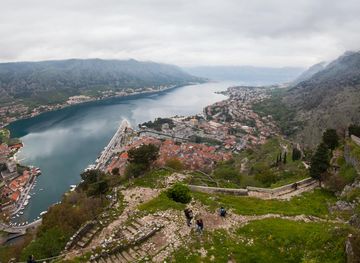
Explore more of Montenegro
Discover Montenegro: A blend of stunning landscapes, rich history, and vibrant culture on the breathtaking Adriatic coast.
Explore Montenegro