

Free Bajram Curri Travel Guide & Mobile App
Plan your Bajram Curri trip with Evendo. Get free guides to top attractions, restaurants, hotels, and bars. Web access or download the mobile app.


Bajram Curri, Albania: explore Valbona’s mountain landscapes, Tropojë heritage, scenic hikes, local food and the rugged northern Albanian Alps.
A Mountain Town in Tropojë
Bajram Curri is the principal town of Tropojë, a remote district in northern Albania surrounded by the dramatic ranges of the Albanian Alps. Known locally as the administrative and commercial centre of the region, it lies among steep forested slopes and high valleys, with the celebrated Valbona Valley accessible to the north-west. The town itself is modest rather than monumental, but its importance comes from its position: it is a practical base for understanding the mountain culture, landscapes and communities of northeastern Albania.Read more about Bajram Curri
Life Among the Albanian Alps
Starting Point for Exploration
When is the best time to visit Bajram Curri?
Best: May–June, September · 24–29°C| Month | High (°C) | Rainfall (mm) |
|---|---|---|
| January | 7 | 87 |
| February | 9 | 74 |
| March | 14 | 79 |
| April | 19 | 63 |
| May (best) | 24 | 56 |
| June (best) | 29 | 42 |
| July | 31 | 30 |
| August | 31 | 37 |
| September (best) | 26 | 50 |
| October | 19 | 66 |
| November | 13 | 76 |
| December | 9 | 93 |
Getting to and around Bajram Curri
How to get there
Transportation
Best attractions in Bajram Curri
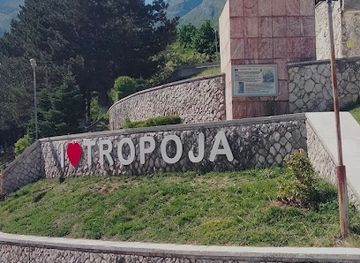
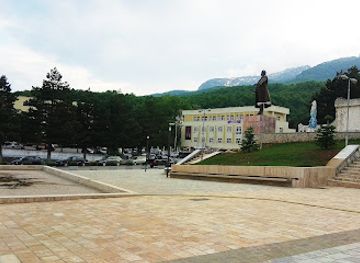
Bajram Curri’s principal appeal lies in its setting and its role as the gateway to the Tropojë mountains rather than in a dense collection of formal museums. The town centre offers a glimpse of northern Albanian civic life, with its public buildings, cafés, small shops and memorials connected with the region’s modern history. The Bajram Curri memorial and local public spaces provide context about the figure who gave the town its name. Beyond the urban area, the road towards Valbona leads into increasingly dramatic alpine scenery, with forested slopes, river valleys and traditional settlements. Visitors interested in rural life can explore the wider Tropojë landscape through village roads, seasonal pasture areas and local guesthouses, while walkers may use the town as an intermediate base before continuing to mountain trails. The experience is primarily one of landscape, cultural observation and regional discovery rather than conventional city sightseeing.
-
Museum
Bajram Curri History Museum
Explore the rich history and cultural heritage of Bajram Curri and the Tropoja region at this informative museum in the heart of the Albanian Alps.
4 min walk · 0.3 km from city centre
Best landmarks in Bajram Curri
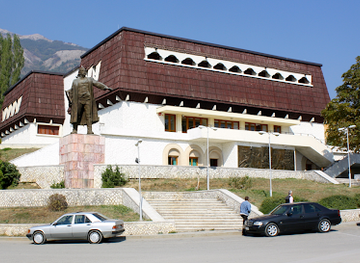
The most meaningful landmarks in Bajram Curri are tied to modern Albanian history and the civic identity of Tropojë. The town’s public spaces and memorial dedicated to Bajram Curri commemorate the northern political and military leader whose name became associated with resistance and Albanian national causes. Functional government buildings, schools and broad streets reflect the planned socialist-era development that transformed the former settlement of Kolgecaj into a district centre after the Second World War. The surrounding region adds a different architectural dimension through stone village houses, small religious buildings and agricultural structures adapted to steep terrain, although these are dispersed rather than concentrated in a historic quarter. Bajram Curri’s significance therefore comes from the relationship between a deliberately planned modern town, the memory of its namesake and the older mountain communities that surround it.
-
 Hotel
HotelHotel Tourism Shkëlzeni
Experience Albanian hospitality in the heart of the Alps. Comfortable stay, stunning nature, and cultural exploration await in Bajram Curri.
4 min walk · 0.3 km from city centre
-
Restaurant
Restaurant Fisniku
Experience authentic Albanian flavors at Restaurant Fisniku in Bajram Curri, where traditional cuisine meets warm hospitality and fresh, local ingredients.
5 min walk · 0.4 km from city centre
-
Cultural center
Bajram Curri Cultural Center
Discover Albanian heritage at the Bajram Curri Cultural Center, a vibrant hub showcasing the region's history, arts, and traditions.
4 min walk · 0.4 km from city centre
-
Hotel
Hotel Eurobushi
Experience comfort and convenience at Hotel Eurobushi, your gateway to the Albanian Alps and unforgettable adventures in Bajram Curri.
5 min walk · 0.4 km from city centre
Explore Bajram Curri on the map
Plan your Bajram Curri trip on one map. See where the top attractions, landmarks, restaurants, bars and hotels are, find what's near where you're staying, and book hotels and experiences in a few clicks.
Best hotels in Bajram Curri
Best restaurants in Bajram Curri
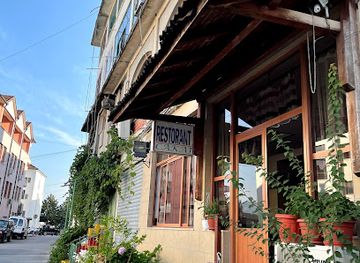
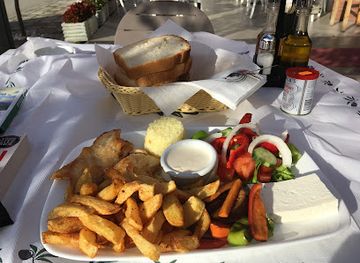
Dining in Bajram Curri reflects the food traditions of northern Albania and the pastoral culture of Tropojë. Menus and home cooking commonly draw on beans, potatoes, peppers, seasonal vegetables, fresh dairy products, mountain herbs and locally sourced meat, while byrek, the savoury filled pastry found throughout Albania, is a dependable choice in bakeries and informal eateries. In the surrounding villages, family-run guesthouses may serve dishes prepared from household or regional produce, including grilled meats, cornbread and preserves. Coffee is central to daily social life, and small cafés around the town provide a relaxed way to observe local routines. The selection is modest compared with Tirana or coastal resorts, with independent restaurants, bakeries and casual grill establishments predominating. Regional specialities and preparation styles can vary between households, so asking about the day’s dishes is often more useful than relying on a fixed tourist menu.
-
Restaurant
Restaurant Caka
Experience authentic Albanian cuisine at Restaurant Caka in Bajram Curri - where tradition meets taste in a cozy setting.
2 min walk · 0.2 km from city centre
-
Restaurant
Restaurant Fisniku
Discover the flavors of Albania at Restaurant Fisniku in Bajram Curri – where tradition meets taste in every bite.
5 min walk · 0.4 km from city centre
-
Restaurant
Hotel Eurobushi
Experience authentic Albanian hospitality at Hotel Eurobushi - where comfort meets exquisite local cuisine in beautiful Bajram Curri.
5 min walk · 0.4 km from city centre
-
Restaurant
Eat Well Restaurant Grill
Savor the authentic flavors of Albania at Eat Well Restaurant Grill in Bajram Curri – where every dish is crafted with passion.
2 min walk · 0.1 km from city centre
Best bars in Bajram Curri
Bajram Curri has a restrained evening scene centred on cafés, bars and informal socialising rather than nightclubs or large entertainment venues. After sunset, residents commonly gather for coffee, conversation and drinks in the town centre, while restaurants and hotel terraces may provide quieter evening settings during the warmer months. In the wider Tropojë area, guesthouses often become the main places for visitors to spend the evening, sometimes around a shared meal or conversation with hosts. There is little reason to expect the concentrated nightlife associated with Tirana or Albania’s coastal towns, and entertainment can be seasonal and locally paced. Travellers heading into the mountains should arrange transport and accommodation in advance rather than relying on late-night services, particularly outside Bajram Curri itself.
-
Restaurant
Restaurant Caka
Experience the authentic flavors of Albania at Restaurant Caka, a beloved dining destination in Bajram Curri offering delicious traditional dishes and warm hospitality.
2 min walk · 0.2 km from city centre
-
Restaurant
Restaurant Fisniku
Experience the authentic taste of Albania at Restaurant Fisniku, where traditional flavors meet a warm and inviting atmosphere.
5 min walk · 0.4 km from city centre
-
Bar
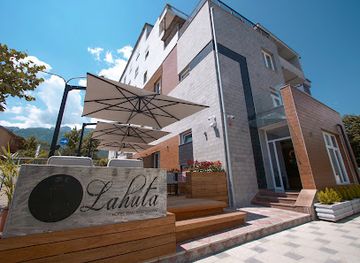
Lahuta Hotel
Experience the warmth of Albanian hospitality at Lahuta Hotel, your gateway to adventure in Bajram Curri's stunning landscapes.
2 min walk · 0.2 km from city centre
-
Restaurant
Eat Well Restaurant Grill
Experience authentic Albanian cuisine in a cozy atmosphere at Eat Well Restaurant Grill, the culinary highlight of Bajram Curri.
2 min walk · 0.1 km from city centre
Best nightclubs in Bajram Curri
Bajram Curri has a restrained evening scene centred on cafés, bars and informal socialising rather than nightclubs or large entertainment venues. After sunset, residents commonly gather for coffee, conversation and drinks in the town centre, while restaurants and hotel terraces may provide quieter evening settings during the warmer months. In the wider Tropojë area, guesthouses often become the main places for visitors to spend the evening, sometimes around a shared meal or conversation with hosts. There is little reason to expect the concentrated nightlife associated with Tirana or Albania’s coastal towns, and entertainment can be seasonal and locally paced. Travellers heading into the mountains should arrange transport and accommodation in advance rather than relying on late-night services, particularly outside Bajram Curri itself.
-
Bar
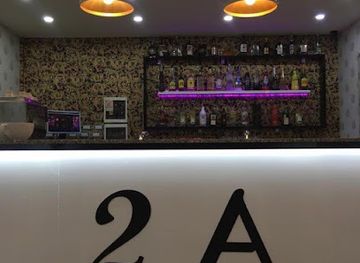
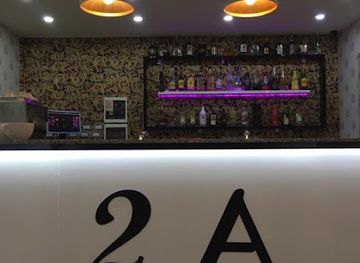
2A Cafe
Discover 2A Cafe in Bajram Curri, a cozy spot for coffee, beer, and relaxation amidst Albania's stunning landscapes.
3 min walk · 0.3 km from city centre
-
Bar
MADO Lounge Tropoja
Discover the vibrant nightlife at MADO Lounge Tropoja in Bajram Curri, where relaxation meets excitement in a stunning atmosphere.
3 min walk · 0.3 km from city centre
-
Bar
Bar Caffe Hoti
Discover the charm of Bar Caffe Hoti in Bajram Curri, where local drinks meet a cozy atmosphere for an unforgettable experience.
3 min walk · 0.2 km from city centre
-
Bar
Bar Kafe Europa
Discover the charm of Bajram Curri at Bar Kafe Europa, where local flavors and a cozy atmosphere meet affordability.
2 min walk · 0.2 km from city centre
Best shops in Bajram Curri
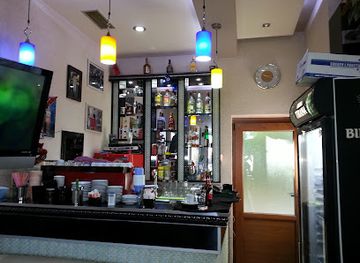
Shopping in Bajram Curri is practical and local, with small grocery shops, bakeries, cafés, market stalls and general retailers serving the surrounding villages. The town is a useful place to buy provisions before travelling towards Valbona or more remote mountain areas, although its retail offer is not comparable with the large shopping streets of Tirana. Visitors may find regional foods such as honey, mountain herbs, preserves, dairy products and other farm goods, depending on season and availability. Local shops can also provide a glimpse of everyday life in Tropojë, where domestic needs and agricultural activity shape commerce more than souvenir retail. There is no major historic bazaar or dedicated luxury shopping district, and traditional products are often encountered through small producers, guesthouses or informal local markets rather than specialised boutiques.
-
Hotel
Hotel Eurobushi
Discover comfort and local charm at Hotel Eurobushi in Bajram Curri, your gateway to Albania's breathtaking landscapes.
5 min walk · 0.4 km from city centre
-
Cafe
2A Cafe
Discover the cozy charm of 2A Cafe in Bajram Curri, where delicious coffee and refreshing beers await in a friendly atmosphere.
3 min walk · 0.3 km from city centre
-
Bakery
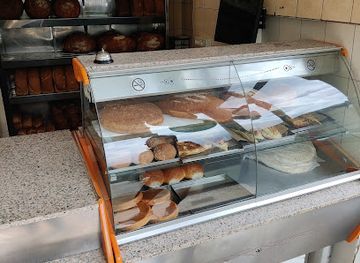
Murataj Bakery
Discover the authentic taste of Albania at Murataj Bakery in Bajram Curri, where tradition meets flavor in every bite of freshly baked goodness.
3 min walk · 0.2 km from city centre
-
Supermarket
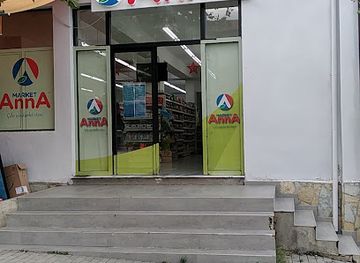
AnnA Market 12
Explore AnnA Market in Bajram Curri – your one-stop supermarket for fresh produce, local snacks, and everyday essentials in Albania.
4 min walk · 0.3 km from city centre
Get your free copy of our complete guide to Bajram Curri, delivered straight to you.
Everything on this page, from attractions and restaurants to essentials and local phrases, in one PDF you can read offline, print or share.
Already have an account? Sign in
Your Bajram Curri guide is ready.
We'll send it to · Not you? Sign out

Getting your guide ready…
We are putting together a fresh copy of the Bajram Curri guide. This can take up to a minute.
This can take a few moments. If your browser asks, choose Allow so the download can start. You'll find the guide in your Downloads folder.
Nothing happened? Download it again
Sorry, the guide is taking longer than usual. Please try again in a minute, or get it by email instead.
Bajram Curri essentials
Currency and Payment
Safety
Emergency Situations
Do's and Don'ts
Local Tips
From Eve
Local phrases worth knowing
You don't need to get them perfect. A few words go a long way, and locals appreciate the effort.
Basics
| English | Local | Say it |
|---|---|---|
| Hello | Tungjatjeta | [toon-jat-yet-a] |
| Goodbye | Mirupafshim | [meer-oo-paf-sheem] |
| Yes | Po | [po] |
| No | Jo | [yo] |
| Please/You're welcome | Ju lutem | [yoo loo-tem] |
| Thank you | Faleminderit | [fa-le-min-deh-reet] |
| Excuse me/Sorry | Më falni | [muh fal-nee] |
| How are you? | Si jeni? | [see yeh-nee] |
| Fine. And you? | Mirë. Dhe ju? | [meer-uh. duh yoo] |
| Do you speak English? | Flisni anglisht? | [flees-nee ahn-gleesht] |
| I don't understand | Nuk kuptoj | [nook koopt-oy] |
Eating & Drinking
| English | Local | Say it |
|---|---|---|
| I'd like to see the menu, please | Dëshiroj të shoh menunë, ju lutem | [deh-shee-roi tuh shoh meh-noo-nuh, yoo loo-tem] |
| I don't eat meat | Nuk ha mish | [nook hah meesh] |
| Cheers! | Gëzuar! | [geh-zoo-ar] |
| I would like to pay, please | Dua të paguaj, ju lutem | [doo-ah tuh pah-gwai, yoo loo-tem] |
Emergencies
| English | Local | Say it |
|---|---|---|
| Help! | Ndihmë! | [n-dee-muh] |
| Go away! | Shko larg! | [shko lar-guh] |
| Call the Police! | Thirr policinë! | [theer po-lee-tsee-nuh] |
| Call a doctor! | Thirr një doktor! | [theer nyuh dohk-tor] |
| I'm lost | Jam humbur | [yam hoom-boor] |
| I'm ill | Jam i sëmurë | [yam ee suh-moo-ruh] |
Shopping
| English | Local | Say it |
|---|---|---|
| I'd like to buy... | Dua të blerë... | [doo-ah tuh blehr] |
| I'm just looking | Po shikoj vetëm | [po shee-koy veh-tem] |
| How much is it? | Sa kushton? | [sah koosh-tohn] |
| That's too expensive | Kjo është shumë e shtrenjtë | [kyo ehs-teh shoo-muh eh shtrehn-tye] |
| Can you lower the price? | A mund të ulësh çmimin? | [ah moon-duh tuh oo-lish chmee-meen] |
Time & Numbers
| English | Local | Say it |
|---|---|---|
| What time is it? | Sa është ora? | [sah ehs-teh oh-rah] |
| It's one o'clock | Është një e orë | [ehs-teh nyuh eh oh-ruh] |
| Half past (10) | Njëzet e gjysmë | [nyuh-zet eh jy-smuh] |
| Morning | Mëngjes | [muhn-jes] |
| Afternoon | Pasdite | [pahs-dee-teh] |
| Evening | Mbrëmje | [m-brehm-yeh] |
| Yesterday | Dje | [d-yeh] |
| Today | Sot | [sot] |
| Tomorrow | Nesër | [neh-ser] |
| 1 | Një | [nyuh] |
| 2 | Dy | [duh] |
| 3 | Tre | [treh] |
| 4 | Katër | [ka-ter] |
| 5 | Pesë | [peh-suh] |
| 6 | Gjashtë | [gyahsht] |
| 7 | Shtatë | [sh-tah-tuh] |
| 8 | Tetë | [teh-tuh] |
| 9 | Nëntë | [nuhn-tuh] |
| 10 | Dhjetë | [th-yeh-tuh] |
Transport & Directions
| English | Local | Say it |
|---|---|---|
| Where's a/the...? | Ku është një/...? | [koo ehs-teh nyuh] |
| What's the address? | Cila është adresa? | [tsee-lah ehs-teh ah-dreh-sah] |
| Can you show me (on the map)? | Mund të më tregoësh (në hartë)? | [moon-duh tuh muh troh-goi-sh (nuh hahr-teh)] |
| When's the next (bus)? | Kur është autobusi tjetër? | [koor ehs-teh ow-toh-boo-see tyeh-ter] |
| A ticket (to ....) | Një biletë (në ...) | [nyuh bee-leh-teh (nuh)] |
History of Bajram Curri
Tropojë Before the Modern Town
Bajram Curri stands within the historic region of Tropojë, a mountainous landscape whose communities developed in valleys and high pastures rather than around a large urban centre. For centuries, settlement patterns were shaped by seasonal movement between winter villages and summer grazing grounds, family networks and difficult mountain communications. The wider area formed part of the cultural world of northern Albania, where customary law, clan affiliations and oral traditions influenced social life. Archaeological and historical evidence from the broader district points to long-standing habitation, although the modern town itself is relatively recent. The landscape of passes, river valleys and upland meadows remains essential to understanding the region’s past, as agriculture, livestock keeping and exchange across the mountains helped sustain local communities.
Ottoman-Era Mountain Communities
During the Ottoman period, Tropojë remained a predominantly rural and mountainous area whose communities enjoyed a degree of practical autonomy through local institutions and customary practice. Islam became influential in parts of the region, while older social structures and village identities continued to shape everyday life. Trade and seasonal movement connected the valleys with Kosovo and other parts of northern Albania, though the terrain restricted regular transport and large-scale urban development. Houses, mosques and village arrangements reflected local resources and traditions rather than a unified monumental style. The period left a layered legacy in the region’s religious history, place names and family traditions, but there was still no substantial town on the site that later became Bajram Curri.
Bajram Curri and Albanian Independence
The town takes its name from Bajram Curri, a prominent northern Albanian political and military figure associated with the national movement and the struggle for Albanian self-determination. Curri was born in the late nineteenth century and became involved in uprisings against Ottoman rule, the defence of Albanian interests and political opposition during the early years of the Albanian state. He died in 1925 in the mountains of Tropojë after resisting the government of Ahmet Zogu. His reputation became especially powerful in the northern highlands, where he was remembered as a symbol of resistance and regional leadership. The later town’s name therefore links its modern civic identity with the political history of Albania’s independence era.
The Creation of a Regional Centre
The present town developed during Albania’s socialist period from the settlement formerly known as Kolgecaj. It was renamed Bajram Curri in 1954, as the state promoted national historical figures through the names of towns, institutions and public spaces. Urban expansion created an administrative centre for the then-district of Tropojë, bringing government offices, schools, shops and collective services into a region previously organised mainly through villages and market settlements. The town’s planned streets and functional public architecture reflect that period’s approach to urban development. Roads and state investment improved connections with the surrounding valleys, although the mountains continued to limit transport and economic integration. Bajram Curri’s modern civic form is consequently much newer than the history of the region around it.
Post-Socialist Change and Tourism
After the end of communist rule, Bajram Curri and the wider Tropojë district experienced major economic and demographic change. Migration, the decline of state industries and limited employment encouraged many residents to seek opportunities elsewhere, while small private businesses and family enterprises became more important locally. At the same time, improved interest in the Albanian Alps brought visitors to Valbona, mountain trails and rural guesthouses. Bajram Curri increasingly served as a service centre and transit point for this developing tourism economy, although its scale remains modest and infrastructure can be seasonal. Contemporary life combines memories of socialist planning, enduring village and family networks, and a growing connection with hiking, nature travel and cross-border regional tourism.
Travel experiences inspired by this city
-
 8 Day Trip
Boga Basecamp: Hiking the Albanian Alps with Friends
Join me and friends as we trek the Albanian Alps from Boga, exploring Theth and Valbona, tasting mountain cuisine, and capturing rugged peaks on a budget.
8 Day Trip
Boga Basecamp: Hiking the Albanian Alps with Friends
Join me and friends as we trek the Albanian Alps from Boga, exploring Theth and Valbona, tasting mountain cuisine, and capturing rugged peaks on a budget.
 16 Aug 2026
By Mohamed Ali -
 9 Day Trip
Friends’ Trek Across Montenegro’s Prokletije National Park
Trek Montenegro's Prokletije National Park with friends: alpine lakes, rugged limestone peaks, and cozy mountain huts on a flexible, sustainable adventure.
9 Day Trip
Friends’ Trek Across Montenegro’s Prokletije National Park
Trek Montenegro's Prokletije National Park with friends: alpine lakes, rugged limestone peaks, and cozy mountain huts on a flexible, sustainable adventure.
 9 Aug 2026
By Guðrún Halldórsdóttir -
 9 Day Trip
Friends’ Trekking Escape to Bajram Curri and Valbona Valley, Albania
Budget-friendly friends' getaway to Bajram Curri, gateway to Valbona Valley: epic hikes, Lake Koman ferry views, local cuisine, authentic Albanian culture.
9 Day Trip
Friends’ Trekking Escape to Bajram Curri and Valbona Valley, Albania
Budget-friendly friends' getaway to Bajram Curri, gateway to Valbona Valley: epic hikes, Lake Koman ferry views, local cuisine, authentic Albanian culture.
 15 Jul 2026
By Kevin Rivera
Swipe for more travel diaries
Bajram Curri in Photos
Browse through our photo collection highlighting the charm and character of the destination.
Cities near Bajram Curri
The closest cities to Bajram Curri, if you have time for more than one stop.
-

-
-

-

-


Swipe for more cities
Explore more

Explore more of Albania
Discover Albania: A land of untamed beauty, rich history, and warm hospitality, offering stunning beaches, rugged mountains, and vibrant cities.
Explore Albania