

Moulay Idriss Region, Morocco Travel Guide
Discover Moulay Idriss, Morocco's sacred hilltop town, where history, spirituality, and breathtaking vistas come together to create an unforgettable experience.
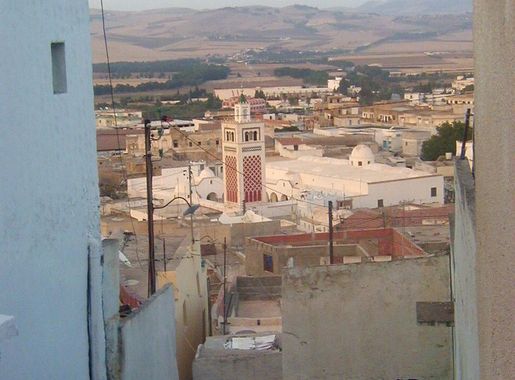
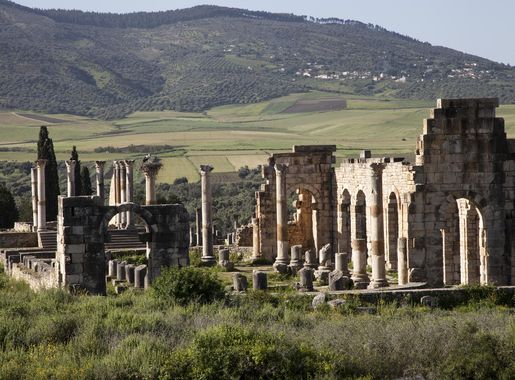
Nestled on the slopes of Mount Zerhoun, the town of Moulay Idriss is a jewel in Morocco's crown. Steeped in history and bathed in spirituality, this town is named after Moulay Idriss I, the great-grandson of the Prophet Muhammad, who founded the first Moroccan state. The town's whitewashed houses, narrow winding streets, and vibrant markets paint a picturesque scene that feels like stepping back in time. Moulay Idriss boasts a serene atmosphere, as it is one of the holiest towns in Morocco. Until recently, it was closed to non-Muslims, adding an air of mystery to its charm. Visitors can now explore the town's rich history, including the mausoleum of Moulay Idriss I, which remains a pilgrimage site for many Moroccans. The panoramic views from the top of the town offer sweeping vistas of the surrounding countryside, making it a photographer's delight. The town is also a gateway to the ancient Roman ruins of Volubilis, just a short drive away. This UNESCO World Heritage Site is one of the best-preserved Roman ruins in North Africa and provides a fascinating glimpse into the region's ancient past. A visit to Moulay Idriss is a journey through Morocco's rich tapestry of culture, history, and spirituality.

Know before you go
Hi, I'm Eve. Here are a few practical things to know before exploring Moulay Idriss Region.
- Visit during the annual Moussem festival in August to experience traditional music, dance, and local cuisine.
- Wear comfortable walking shoes; the town's streets are steep and narrow.
- Respect local customs and dress modestly, as it is a conservative and religious town.
- Hire a local guide to gain deeper insights into the town's history and significance.
- Sample the local delicacy, Zaalouk, a flavorful eggplant and tomato salad.
Explore Moulay Idriss Region: Things to Do, Places to Eat, Hotels & More
Handpicked recommendations for top attractions, local dining, accommodations, and more

Best attractions in Moulay Idriss Region
Top-rated picks
Best Attractions

Bab Rmila Natural Park
Explore Bab Rmila Natural Park in Meknès, a stunning nature preserve offering lush greenery, serene paths, and a sanctuary for diverse wildlife.

Haroune Aqueduct
Explore the Haroune Aqueduct, a stunning historical landmark in Moulay Idriss Zerhoun, showcasing ancient engineering and breathtaking landscapes.

Al Andaloussiya Diyafa
Discover the authentic flavors of Morocco at Al Andaloussiya Diyafa, a cultural gem in Moulay Idriss Zerhoun that offers exquisite traditional dishes.

Small Terasse (view on the mosque)
Discover tranquility at the Small Terrasse with breathtaking views of the mosque in Moulay Idriss Zerhoun, a serene escape for every traveler.

Best landmarks in Moulay Idriss Region
Top-rated picks
Best Landmarks

Site Archéologique de Volubilis
Discover the captivating ruins of Volubilis, where ancient Roman history meets stunning Moroccan landscapes in a UNESCO World Heritage site.

Kasabah Senhaji
Experience authentic Moroccan hospitality at Kasabah Senhaji, your perfect retreat in Moulay Idriss Zerhoun, surrounded by cultural richness and scenic beauty.

Tombeau de Moulay Idriss 1er
Experience the rich history and spirituality at Tombeau de Moulay Idriss 1er, the final resting place of Morocco's founder, a must-visit cultural gem.

DAR INES MOULAY IDRISS ZERHOUN
Discover the charm of Moulay Idriss Zerhoun at Dar Ines, a guest house blending traditional Moroccan hospitality with modern comfort.

Best restaurants in Moulay Idriss Region
Top-rated picks
Best Restaurants

Volubilis
Discover Volubilis: A Journey Through Ancient Roman History in Morocco's Enchanting Ruins.

Roman City
Discover the rich flavors of Morocco at Roman City, where culinary traditions meet warm hospitality in Moulay Idriss Zerhoun.

La Baraka
Experience authentic Moroccan cuisine at La Baraka in Moulay Idriss Zerhoun - where tradition meets flavor in every dish.

SCORPION HOUSE
Discover authentic Moroccan flavors at Scorpion House in Moulay Idriss - a hidden gem serving delightful lunches amidst rich cultural heritage.

Best bars in Moulay Idriss Region
Top-rated picks
Best Bars
Dar Zerhoune
Experience the essence of Moroccan culture and hospitality at Dar Zerhoune, your home away from home in Moulay Idriss.

Volubilis
Explore Volubilis, an ancient Roman city in Morocco with stunning mosaics and rich historical significance.

Roman City
Discover the authentic Moroccan flavors and cozy ambiance at this charming restaurant in Moulay Idriss, a must-visit for every traveler.
La Colombe Blanche
Discover the charm of Moulay Idriss Zerhoun at La Colombe Blanche, where tradition meets comfort in an unforgettable Moroccan guest house experience.

Best shops in Moulay Idriss Region
Top-rated picks
Best Shops

قيسارية مولاي ادريس
Explore Qaysariyat Moulay Idriss, a vibrant market in Moulay Idriss Zerhoun showcasing Moroccan crafts, culture, and local hospitality.

زيارة باب مولاي إدريس
Explore the captivating antique store in Moulay Idriss for a unique glimpse into Morocco's rich history and culture.

Explore Moulay Idriss Region on the Map
A handpicked selection of must-see spots in Moulay Idriss Region, mapped for you.
Moulay Idriss Region Essentials
-
Moulay Idriss is located in the Fès-Meknès region of Morocco. The nearest international airport is Fès-Saïs Airport, about 70 kilometers away. From Fès, you can take a taxi or a bus to Meknès, which is approximately 30 kilometers from Moulay Idriss. From Meknès, you can hire a taxi or take a local bus directly to Moulay Idriss. The journey from Fès to Moulay Idriss typically takes around 1.5 to 2 hours by road.
-
Within Moulay Idriss, most attractions are within walking distance. For longer trips, local taxis are readily available and reasonably priced. Public buses connect Moulay Idriss to nearby cities like Meknès and Fès. For a more flexible travel option, you can rent a car in Fès or Meknès to explore the region at your own pace.
-
The official currency in Morocco is the Moroccan Dirham (MAD). Credit cards are accepted in some hotels, restaurants, and shops, but it is advisable to carry cash, especially in smaller establishments and rural areas. There are a few ATMs in Moulay Idriss, but it is wise to withdraw enough cash in Fès or Meknès to ensure you have sufficient funds.
-
Moulay Idriss is generally a safe destination for tourists. However, like any travel destination, it is advisable to take standard precautions. Avoid walking alone at night in unfamiliar areas and keep an eye on your belongings in crowded places. While the region does not have specific high-crime areas targeting tourists, it is always best to stay vigilant and aware of your surroundings.
-
In case of emergency, dial 19 for police assistance and 15 for medical emergencies. The local police station and medical facilities are available in Moulay Idriss, but for more serious medical issues, you may need to travel to Meknès. It is recommended to have travel insurance that covers medical emergencies. For minor health issues, there are pharmacies in the town where you can purchase over-the-counter medications.
-
Fashion: Do dress modestly, especially when visiting religious sites. Avoid wearing revealing clothing. Religion: Do respect local customs and traditions. Always remove your shoes and cover your head when entering mosques. Public Transport: Do be respectful and give up your seat to elderly passengers. Don't eat or drink on public transport. Greetings: Do greet people with a handshake or a slight bow of the head. A common greeting is 'Salam alaikum' (peace be upon you). Eating & Drinking: Do try local delicacies and accept food offerings graciously. Don’t refuse hospitality, as it is considered impolite.
-
To experience Moulay Idriss like a local, visit the local markets where you can buy fresh produce and traditional Moroccan goods. Engage with locals, as they are often friendly and willing to share stories about the town's history and culture. Don't miss visiting the Mausoleum of Moulay Idriss I, the founder of the town. For a unique experience, hike to the top of the hill for a panoramic view of the town and surrounding countryside.
When is the best time to visit Moulay Idriss Region?
Useful Local Phrases for Moulay Idriss Region
You don't need to speak the language perfectly. Even learning a few simple words can make conversations warmer—and locals usually appreciate the effort.
— Eve

Here are the phrases I use most often in Moulay Idriss Region. Try a few—you'll be surprised how far they go! 😊
❤️
-
- Helloسلام
[salam] - Goodbyeوداعا
[wada'an] - Yesنعم
[naam] - Noلا
[laa] - Please/You're welcomeمن فضلك
[min fadlik] - Thank youشكرا
[shukran] - Excuse me/Sorryعذرا
[aathar] - How are you?كيف حالك؟
[kayfa halak?] - Fine. And you?بخير. وأنت؟
[bikhayr. wa ant?] - Do you speak English?هل تتكلم الإنجليزية؟
[hal tatakallam al-inglizia?] - I don't understandلا أفهم
[la afham]
- Helloسلام
-
- I'd like to see the menu, pleaseأرغب في رؤية القائمة، من فضلك
[urghib fi ru'ya al-qa'imah, min fadlik] - I don't eat meatأنا لا آكل اللحم
[ana la aakol al-lahm] - Cheers!في صحتك!
[fi sahtak!] - I would like to pay, pleaseأرغب في الدفع، من فضلك
[urghib fi al-duf', min fadlik]
- I'd like to see the menu, pleaseأرغب في رؤية القائمة، من فضلك
-
- Help!النجدة!
[al-najdah!] - Go away!انصرف!
[insarf!] - Call the Police!اتصل بالشرطة!
[atassil bialshurta!] - Call a doctor!اتصل بالطبيب!
[atassil bialtabib!] - I'm lostلقد ضللت الطريق
[laqad dalalt altariq] - I'm illأنا مريض
[ana mareed]
- Help!النجدة!
-
- I'd like to buy...أرغب في شراء...
[urghib fi shira...] - I'm just lookingأنا فقط أتطلع
[ana faqat atatalla] - How much is it?كم سعرها؟
[kam si'raha?] - That's too expensiveهذا غالي جدا
[hatha ghali jiddan] - Can you lower the price?هل يمكنك خفض السعر؟
[hal yumkinuk khafd al-si'ra?]
- I'd like to buy...أرغب في شراء...
-
- What time is it?كم الساعة؟
[kam al-sa'ah?] - It's one o'clockالساعة الواحدة
[al-sa'at al-wahidah] - Half past (10)العاشر والنصف
[al-ashir wal-nisf] - Morningالصباح
[al-sabah] - Afternoonالعصر
[al-asr] - Eveningالمساء
[al-masaa] - Yesterdayأمس
[ams] - Todayاليوم
[al-yawm] - Tomorrowغدا
[ghadan] - 1واحد
[wahid] - 2اثنان
[ithnan] - 3ثلاثة
[thalatha] - 4أربعة
[arba'a] - 5خمسة
[khamsa] - 6ستة
[sitta] - 7سبعة
[sab'a] - 8ثمانية
[thamania] - 9تسعة
[tasia] - 10عشرة
[ashara]
- What time is it?كم الساعة؟
-
- Where's a/the...?أين؟
[ayna?] - What's the address?ما هو العنوان؟
[ma hu al-unwan?] - Can you show me (on the map)?هل يمكنك أن تريني؟
[hal yumkinuk an tureeni?] - When's the next (bus)?متى يأتي الحافلة التالية؟
[mata ya'ti al-hafila al-taliya?] - A ticket (to ....)تذكرة (إلى...)
[tazkira (ila...)]
- Where's a/the...?أين؟
History of Moulay Idriss Region
-
The town of Moulay Idriss was founded in 789 AD by Moulay Idriss I, a descendant of the Prophet Muhammad, who fled to Morocco to escape the Abbasid Caliphate. He established the Idrisid dynasty, which is considered the first Moroccan state, and chose this location for its strategic and religious significance.
-
Moulay Idriss I played a pivotal role in the Islamization of Morocco. Upon his arrival, he began spreading Islam among the Berber tribes, which significantly influenced the cultural and religious landscape of the region. The town remains a vital religious pilgrimage site for Muslims in Morocco.
-
The mausoleum of Moulay Idriss I, where the founder of the town is buried, is one of the most significant religious sites in Morocco. It is revered by many as a pilgrimage site, and its green-tiled roof and whitewashed walls are iconic symbols of the town's spiritual heritage.
-
Every August, the town hosts a significant religious festival known as 'Moussem of Moulay Idriss.' This event attracts thousands of pilgrims from across Morocco and beyond, who come to pay homage to Moulay Idriss I. The festival features traditional music, religious ceremonies, and communal feasts.
-
Located near Moulay Idriss is the ancient Roman city of Volubilis. This archaeological site provides insights into the Roman presence in North Africa, showcasing well-preserved mosaics, basilicas, and triumphal arches. The proximity of Volubilis to Moulay Idriss highlights the region's historical interplay between Roman and Islamic civilizations.
-
In the 20th century, Moulay Idriss played a role in the movement for Moroccan independence from French colonial rule. The town served as a meeting point for nationalist leaders and a symbol of Moroccan identity and resistance.
-
The architecture of Moulay Idriss is a testament to its rich history. The town features traditional Moroccan design elements, including narrow winding streets, ornate doorways, and vibrant markets. The unique layout and historical buildings reflect the town's enduring cultural and architectural heritage.
Neighbouring destination travel guides
Browse our curated selection of top destinations, scenic points, and must-visit spots in the area.




Your all‑in‑one travel companion app
Explore expert travel guides, compare and book tours, experiences, hotels, and more—all from the palm of your hand. Download now for seamless trip planning wherever your wanderlust takes you.


Explore More of Sais

Looking beyond Moulay Idriss Region? Discover Sais for broader travel guides, local hot-spots, and regional highlights.
Explore SaisExplore More of Morocco

Looking beyond Moulay Idriss Region? Discover Morocco for broader travel guides, local hot-spots, and regional highlights.
Explore MoroccoMoulay Idriss Region in Photos
Browse through our photo collection highlighting the charm and character of the destination.


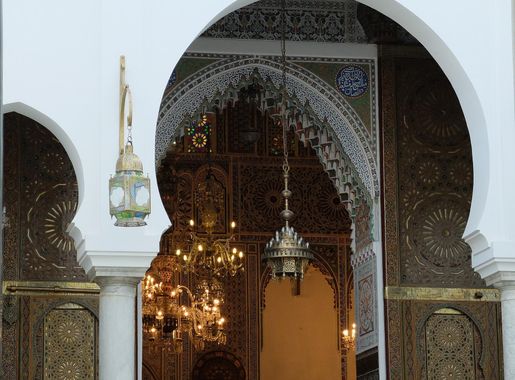


The Enchanting Moulay Idriss: Morocco's Sacred Hilltop Town
Nestled on the slopes of Mount Zerhoun, the town of Moulay Idriss is a jewel in Morocco's crown. Steeped in history and bathed in spirituality, this town is named after Moulay Idriss I, the great-grandson of the Prophet Muhammad, who founded the first Moroccan state. The town's whitewashed houses, narrow winding streets, and vibrant markets paint a picturesque scene that feels like stepping back in time. Moulay Idriss boasts a serene atmosphere, as it is one of the holiest towns in Morocco. Until recently, it was closed to non-Muslims, adding an air of mystery to its charm. Visitors can now explore the town's rich history, including the mausoleum of Moulay Idriss I, which remains a pilgrimage site for many Moroccans. The panoramic views from the top of the town offer sweeping vistas of the surrounding countryside, making it a photographer's delight. The town is also a gateway to the ancient Roman ruins of Volubilis, just a short drive away. This UNESCO World Heritage Site is one of the best-preserved Roman ruins in North Africa and provides a fascinating glimpse into the region's ancient past. A visit to Moulay Idriss is a journey through Morocco's rich tapestry of culture, history, and spirituality.