

Royal Palace of Rabat (Rabat) Travel Guide - Free
Explore Royal Palace of Rabat in Rabat with Evendo's free guide. Find the best shops, historic streets, restaurants, and gems on web or mobile.


Royal Palace of Rabat reveals Morocco’s ceremonial capital through Touarga’s Mechouar, palace walls, royal history and nearby gardens, medina and museums.
A Palace Precinct Within the Capital
The Royal Palace of Rabat stands in Touarga, a distinct walled enclave within the Moroccan capital, between the administrative quarters of central Rabat and the residential streets of Agdal. Known locally as the Mechouar, the area is defined by the Dar al-Makhzen, the royal palace complex, and by broad avenues, formal gateways, guarded walls and carefully maintained civic spaces. It is not a conventional sightseeing district: the palace itself is a working royal residence and is not open to ordinary public visits, so the experience comes from observing its exterior setting and understanding its place in Morocco's political landscape.Read more about Royal Palace of Rabat
Touarga, Ceremony and Everyday Rabat
Reading the Urban Landscape
Best attractions in Royal Palace of Rabat
The principal attraction is the publicly visible setting of the Royal Palace, where palace walls, formal gates, palms and the Mechouar express Rabat’s role as Morocco’s political capital. Since Dar al-Makhzen is a functioning royal residence rather than a public museum, sightseeing is limited to views from permitted streets and approaches; the interest lies in the ceremonial scale and controlled urban design rather than interior visits. Touarga itself rewards a quiet walk, with a distinct enclave identity and a noticeably different atmosphere from the dense medina. Nearby, though outside the palace precinct, are the National Library of the Kingdom of Morocco and the cultural and administrative avenues of Agdal. The medina, Hassan district and Kasbah of the Udayas are elsewhere in Rabat, but can be combined with the palace area to compare the city’s royal, modern and historic landscapes.
-
Tourist attraction
Botanical Garden
Explore the stunning diversity of flora at Rabat's Botanical Garden, a peaceful retreat for nature lovers and tourists alike.
5 min drive · 1.6 km from neighbourhood centre
-
Tourist attraction
Rabat Corniche
Explore the vibrant Rabat Corniche, a stunning waterfront promenade perfect for relaxation, dining, and soaking in the beauty of Morocco's capital city.
6 min drive · 2.2 km from neighbourhood centre
-
Tourist attraction
تمثال الوحدة Monument de la réunion
Explore the Monument de la Réunion in Rabat, a stunning symbol of unity and cultural pride in Morocco's vibrant capital.
9 min drive · 3.0 km from neighbourhood centre
-
Tourist attraction
Place Al Andalous
Experience the charm of Place Al Andalous in Rabat, a vibrant tourist attraction where culture and beauty harmoniously blend.
7 min drive · 2.3 km from neighbourhood centre


Best landmarks in Royal Palace of Rabat
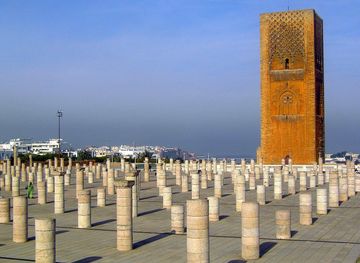
The defining landmark is Dar al-Makhzen, the Royal Palace of Rabat, whose extensive walls and guarded ceremonial entrances give Touarga its formal identity. The Mechouar is significant as the palace forecourt and ceremonial setting, linking the monarchy to the public urban landscape without providing regular access to the royal compound. The enclave’s quiet streets, controlled gateways and planned open areas are themselves important features, showing how Rabat accommodates royal and governmental functions alongside ordinary neighbourhoods. Nearby institutions such as the National Library belong to the surrounding Agdal area rather than the palace grounds, while the Hassan Tower and Kasbah of the Udayas are separate Rabat landmarks. Together, these places help visitors read the city’s layers, but they should not be presented as though they form one enclosed monument complex.
-
Tourist attraction
Royal Palace
Discover the grandeur of Rabat's Royal Palace, a stunning emblem of Moroccan royalty and architectural brilliance, nestled in the heart of the capital.
9 min walk · 0.8 km from neighbourhood centre
-
Castle
Entry Palais Royal
Discover the regal splendor of Entry Palais Royal in Rabat, a captivating castle that embodies Morocco's rich royal heritage and stunning architecture.
2 min walk · 0.1 km from neighbourhood centre


Explore Royal Palace of Rabat on the map
A handpicked selection of must-see spots in Royal Palace of Rabat, mapped for you.
Best hotels in Royal Palace of Rabat
Best restaurants in Royal Palace of Rabat
The Royal Palace precinct is not a restaurant district, and the streets immediately around the Mechouar have a more official and residential character than Rabat’s main dining quarters. Visitors will find broader choice in adjacent Agdal and central Rabat, where cafés, Moroccan restaurants, bakeries and casual eateries serve residents, students and office workers. For a local meal, look beyond the palace walls towards the established streets of Agdal or the medina, where menus commonly include tagines, couscous, grilled meats, harira, salads and Moroccan pastries. Touarga is better suited to a short pause during a wider city walk than to a dedicated food itinerary. Restaurant locations and opening arrangements change, so a current local recommendation is useful, particularly when palace-related security measures affect movement around the precinct.
-
Restaurant
Les Deux Palais
Experience the best of Moroccan cuisine at Les Deux Palais – where tradition meets modern culinary artistry in Rabat.
5 min walk · 0.4 km from neighbourhood centre
-
Halal
Pietripalace restaurant
Discover authentic Moroccan halal cuisine at Pietripalace restaurant in Rabat – where every dish tells a story.
11 min walk · 0.8 km from neighbourhood centre
-
French
Le Georges
Discover Le Georges in Rabat: A modern French restaurant offering exquisite cuisine and a fine selection of wines for an unforgettable dining experience.
6 min drive · 1.8 km from neighbourhood centre
-
French
Le Limonadier
Experience authentic French cuisine at Le Limonadier in Rabat – where traditional flavors meet Moroccan charm.
6 min drive · 2.1 km from neighbourhood centre


Best bars in Royal Palace of Rabat
Nightlife is limited around the Royal Palace itself because Touarga is primarily a royal, administrative and residential enclave rather than an entertainment quarter. Evenings are generally quiet, with few reasons to linger beside guarded palace approaches. For cafés and a more varied evening atmosphere, visitors should continue towards Agdal, central Rabat or the Ville Nouvelle, making clear that these options lie outside the Royal Palace neighbourhood. Rabat’s nightlife is usually more restrained than that of Morocco’s major resort cities, with socialising centred on cafés, hotel lounges, restaurants and occasional cultural performances rather than a dense concentration of clubs. Taxis are practical after dark, and visitors should avoid photographing security installations or treating the palace perimeter as an evening promenade.
-
Pub
Upstairs
Experience the vibrant nightlife of Rabat at Upstairs, a lively pub offering a blend of local and international flavors in a welcoming atmosphere.
8 min drive · 2.6 km from neighbourhood centre
-
Pub
Le Chill
Discover the vibrant nightlife at Le Chill, a popular pub in Rabat offering a friendly atmosphere, delicious drinks, and a taste of local culture.
6 min drive · 1.9 km from neighbourhood centre
-
Lounge
El PALATINO
Experience the vibrant atmosphere and diverse menu at El PALATINO, Rabat's premier lounge and restaurant for an unforgettable night out.
13 min walk · 1.0 km from neighbourhood centre
-
Lounge
Ambre Bar
Experience the vibrant nightlife of Rabat at Ambre Bar, where modern sophistication meets Moroccan charm in a chic lounge setting.
7 min drive · 2.3 km from neighbourhood centre


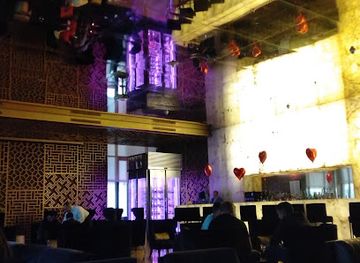
Best nightclubs in Royal Palace of Rabat
Nightlife is limited around the Royal Palace itself because Touarga is primarily a royal, administrative and residential enclave rather than an entertainment quarter. Evenings are generally quiet, with few reasons to linger beside guarded palace approaches. For cafés and a more varied evening atmosphere, visitors should continue towards Agdal, central Rabat or the Ville Nouvelle, making clear that these options lie outside the Royal Palace neighbourhood. Rabat’s nightlife is usually more restrained than that of Morocco’s major resort cities, with socialising centred on cafés, hotel lounges, restaurants and occasional cultural performances rather than a dense concentration of clubs. Taxis are practical after dark, and visitors should avoid photographing security installations or treating the palace perimeter as an evening promenade.
-
Lounge
Vertigo
Experience the vibrant atmosphere of Vertigo Lounge in Rabat, a perfect blend of relaxation and nightlife for every traveler.
6 min drive · 1.8 km from neighbourhood centre
-
Disco club
Amnésia
Discover the vibrant nightlife of Rabat at Amnésia, where local culture and international beats create an unforgettable disco experience.
18 min walk · 1.4 km from neighbourhood centre
-
Disco club
Jefferson
Discover the exciting nightlife at Jefferson Disco Club in Rabat, where vibrant music and a lively atmosphere await every visitor.
17 min walk · 1.4 km from neighbourhood centre
-
Night club
La Cabane Bambou -Al Yacoute
Discover the heartbeat of Rabat's nightlife at La Cabane Bambou - Al Yacoute, where music, dance, and culture collide in an unforgettable experience.
13 min walk · 1.0 km from neighbourhood centre
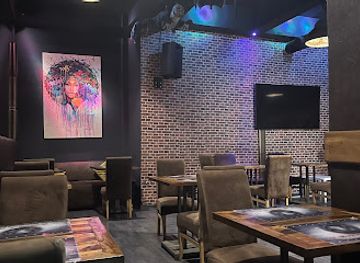

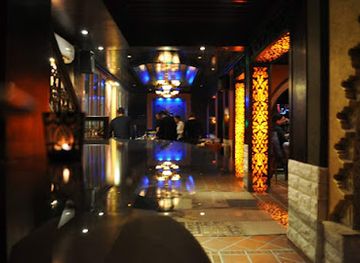
Best shops in Royal Palace of Rabat
Shopping opportunities within the Royal Palace area are modest, reflecting Touarga’s official and residential character rather than a commercial role. The neighbourhood is not known for a dedicated souk, craft street or concentration of independent boutiques, so visitors seeking Moroccan textiles, leather goods, ceramics or spices should continue to the medina and its surrounding market streets elsewhere in Rabat. Agdal and the Ville Nouvelle provide more conventional cafés, bookshops and everyday retail, but they are adjacent districts rather than part of the palace precinct. The most distinctive experience here is observing the contrast between the carefully controlled royal landscape and the more intensely commercial streets beyond it. Visitors should not stop at guarded entrances to browse or photograph vendors and official facilities, and should treat any temporary street activity as subject to local restrictions.
-
Clothing store
Kounouz Arribat center Agdal
Discover unique Moroccan fashion at Kounouz Arribat Center in Agdal, Rabat, where style meets local culture.
5 min drive · 1.6 km from neighbourhood centre
-
Clothing store
OLGA RABAT ARRIBAT CENTER
Explore the latest trends and unique styles at OLGA Rabat Arribat Center, a premier clothing destination in Rabat, Morocco.
5 min drive · 1.7 km from neighbourhood centre
-
Gift shop
Alchimies artisanat haut de gamme
Explore the exquisite world of Moroccan craftsmanship at Alchimies artisanat haut de gamme in Rabat, a premier gift shop for unique artisanal treasures.
15 min walk · 1.2 km from neighbourhood centre
-
Store
Zeste d’orient concept store
Explore the vibrant Zeste d’orient Concept Store in Rabat for unique Moroccan artisanal treasures and an authentic shopping experience.
18 min walk · 1.5 km from neighbourhood centre


Royal Palace of Rabat essentials
Getting There
Getting Around
Safety
Emergency Situations
Do's and Don'ts
Local Tips

From Eve
Local phrases worth knowing
You don't need to get them perfect. A few words go a long way, and locals appreciate the effort.
Basics
| English | Local | Say it |
|---|---|---|
| Hello | سلام | [salaam] |
| Goodbye | وداعا | [wadaa'an] |
| Yes | نعم | [naam] |
| No | لا | [laa] |
| Please/You're welcome | من فضلك | [min fadlik] |
| Thank you | شكرا | [shukran] |
| Excuse me/Sorry | عذرا | [aathiraa] |
| How are you? | كيف حالك؟ | [kayf halik?] |
| Fine. And you? | بخير. وأنت؟ | [bikhayr. wa ant?] |
| Do you speak English? | هل تتحدث الإنجليزية؟ | [hal tatahadath al'injlizia?] |
| I don't understand | لا أفهم | [laa afham] |
Eating & Drinking
| English | Local | Say it |
|---|---|---|
| I'd like to see the menu, please | أريد رؤية القائمة، من فضلك | [urid ru'yat alqaimah, min fadlik] |
| I don't eat meat | أنا لا آكل اللحم | [ana la aakul allahm] |
| Cheers! | في صحتك! | [fi sahtik!] |
| I would like to pay, please | أريد أن أدفع، من فضلك | [urid an adfa', min fadlik] |
Emergencies
| English | Local | Say it |
|---|---|---|
| Help! | النجدة! | [alnajdah!] |
| Go away! | انصرف! | [ansarif!] |
| Call the Police! | اتصل بالشرطة! | [atasil bialshurta!] |
| Call a doctor! | اتصل بالطبيب! | [atasil bialtabib!] |
| I'm lost | لقد ضللت الطريق | [laqad dalalt altariq] |
| I'm ill | أنا مريض | [ana mareed] |
Shopping
| English | Local | Say it |
|---|---|---|
| I'd like to buy... | أريد أن أشتري... | [urid an ashtari...] |
| I'm just looking | أنا فقط أتطلع | [ana faqat atatallaa] |
| How much is it? | بكم هذا؟ | [bikam hadha?] |
| That's too expensive | هذا غالي جدا | [hadha ghali jiddan] |
| Can you lower the price? | هل يمكنك خفض السعر؟ | [hal yumkinuk khafd als'ar?] |
Time & Numbers
| English | Local | Say it |
|---|---|---|
| What time is it? | كم الساعة؟ | [kam alsaa'ah?] |
| It's one o'clock | الواحدة | [alwahidah] |
| Half past (10) | العاشرة والنصف | [al'ashirah walinusf] |
| Morning | الصباح | [alssabah] |
| Afternoon | الظهر | [alzuhur] |
| Evening | المساء | [almasa'] |
| Yesterday | أمس | [ams] |
| Today | اليوم | [alyawm] |
| Tomorrow | غدا | [ghadan] |
| 1 | واحد | [wahid] |
| 2 | اثنان | [ithnaan] |
| 3 | ثلاثة | [thalatha] |
| 4 | أربعة | [arba'a] |
| 5 | خمسة | [khamsa] |
| 6 | ستة | [sitta] |
| 7 | سبعة | [sab'a] |
| 8 | ثمانية | [thamania] |
| 9 | تسعة | [tasia] |
| 10 | عشرة | [ashara] |
Transport & Directions
| English | Local | Say it |
|---|---|---|
| Where's a/the...? | أين... | [ayn...] |
| What's the address? | ما هو العنوان؟ | [ma huwa al'anaan?] |
| Can you show me (on the map)? | هل يمكنك أن تريني (على الخريطة)؟ | [hal yumkinuk 'an turiyanii (ala alkharitah)?] |
| When's the next (bus)? | متى يأتي الحافلة التالية؟ | [mata yaati alhafilat altaliyah?] |
| A ticket (to ....) | تذكرة (إلى...) | [tadhkirah (ila...)] |
History of Royal Palace of Rabat
Touarga and the Royal Enclave
Touarga developed as a distinct settlement and institutional enclave within Rabat, historically associated with people from the south of Morocco who served the sultans, particularly in military and administrative roles. Its separate identity survives in its name, street layout and relationship with the palace precinct. Rather than functioning as an ordinary residential quarter, it grew around royal service, guarded compounds and official activity. This explains why the area feels enclosed and formal even though it sits close to central Rabat and major public institutions.
The Alaouite Palace Precinct
The present Royal Palace of Rabat, or Dar al-Makhzen, belongs to the modern Alaouite capital and serves as one of the monarchy’s principal official residences. The palace complex was shaped during the period when Rabat became Morocco’s political capital in the twentieth century, combining older forms of royal architecture with broad ceremonial planning and controlled access. The Mechouar, meaning a place associated with royal consultation and ceremony, provides the public-facing setting for official arrivals and state occasions, while the working palace remains closed to routine sightseeing.
Capital Planning After Independence
After Morocco gained independence in 1956, Rabat’s royal and administrative quarters continued to develop as the centre of national government. Streets around Touarga and the Mechouar were maintained as formal approaches to the palace, while adjacent areas acquired ministries, cultural institutions and diplomatic functions. The resulting landscape reflects the capital’s dual identity: the medina and historic monuments preserve older urban layers, whereas the Royal Palace area embodies the continuing political role of the monarchy and the planned architecture of the modern state.
Royal Palace of Rabat in Photos
Browse through our photo collection highlighting the charm and character of the destination.
Neighbourhoods near Royal Palace of Rabat
The closest neighbourhoods to Royal Palace of Rabat, if you have time for more than one stop.
-

-

-

-


Swipe for more neighbourhoods
Explore more
Explore more of Rabat
Discover Rabat, Morocco's capital city where historical landmarks, vibrant arts, and serene coastal beauty come together to create an unforgettable travel experience.
Explore Rabat