

Free Chin Hills Travel Guide & Mobile App
Explore Chin Hills with free travel guides. Discover regional history, expert tips, proposed trips, and audio guides on web or mobile app.





Discover the natural beauty and rich culture of Myanmar's Chin Hills, where lush landscapes and traditional villages offer an unforgettable off-the-beaten-path adventure.
Read more about Chin Hills
When is the best time to visit Chin Hills?
Best: March–April, November · 21–27°C| Month | High (°C) | Rainfall (mm) |
|---|---|---|
| January | 17 | 10 |
| February | 19 | 20 |
| March (best) | 24 | 25 |
| April (best) | 27 | 30 |
| May | 30 | 100 |
| June | 27 | 300 |
| July | 26 | 350 |
| August | 25 | 350 |
| September | 26 | 250 |
| October | 24 | 100 |
| November (best) | 21 | 20 |
| December | 17 | 10 |
Getting to and around Chin Hills
How to get there
Transportation
Best attractions in Chin Hills
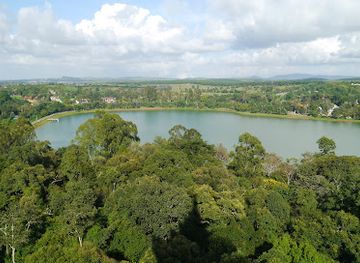
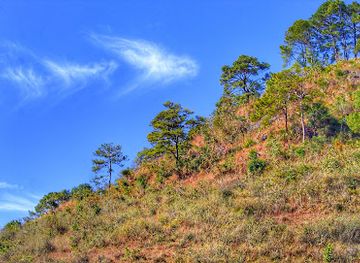
Nestled in the magical northern reaches of Myanmar, the Chin Hills region offers an enchanting tapestry of verdant landscapes, dramatic mountain ranges, and vibrant cultural heritage. Visitors can trek through the misty, pine-clad hills and discover hidden villages where time-stood-still traditions, such as intricate facial tattoos and unique weaving techniques, are still practiced by the local Chin tribes. The region's stunning biodiversity, including rare orchids and diverse bird species, captivates nature enthusiasts, while ancient historical sites, such as the mysterious rock carvings at Voklak and the serene beauty of Rih Lake, provide a glimpse into the area's rich history. For the adventurous spirit, the cool climate and rugged terrain of Nat Ma Taung National Park, crowned by Myanmar’s third-highest peak, offer exhilarating hiking and breathtaking panoramic views.
-
Botanical garden
National Kandawgyi Gardens
Experience the serene beauty of National Kandawgyi Gardens in Pyin Oo Lwin, a stunning botanical garden filled with vibrant flora and picturesque landscapes.
-
Market
Kalaw Town Market
Explore the vibrant Kalaw Town Market, a treasure trove of local produce, handcrafted goods, and authentic Burmese culture in the heart of Myanmar.
-
Tourist attraction
Maha Nandamu Peik Chin Myaung Cave
Discover the enchanting beauty of Maha Nandamu Peik Chin Myaung Cave, a breathtaking natural wonder in Myanmar, perfect for exploration and reflection.
-
Cave
Pindaya Caves
Explore the Pindaya Caves, a mystical site in Myanmar filled with thousands of Buddha statues and stunning natural beauty, perfect for spiritual seekers and adventurers alike.
Explore Chin Hills on the map
Plan your trip on one map. See where the top cities, national parks and sights are, and book hotels and experiences in a few clicks.
Best hotels in Chin Hills
Best restaurants in Chin Hills
The dining scene in the Chin Hills is a captivating journey through Myanmar's rich cultural tapestry, offering visitors an array of unique culinary experiences. From rustic hilltop eateries serving traditional Chin dishes infused with locally sourced herbs and spices, to vibrant village markets where you can savor freshly grilled meats and exotic fruits, the region promises an unforgettable gastronomic adventure. Expect to be greeted with warm hospitality as you sample delicacies such as smokey Chin-style barbecue, tangy fermented bamboo shoots, and hearty rice dishes, all complemented by the breathtaking backdrop of verdant hills and pristine landscapes. Whether you're indulging in a communal feast with locals or enjoying a serene meal overlooking the lush valleys, dining in Chin Hills is an immersive exploration of flavors and traditions that reflect the area's rich heritage and natural bounty.
-
Restaurant
Shan Yoe Yar Restaurant (Manaw Hari)
Experience authentic Burmese cuisine at Shan Yoe Yar Restaurant in Yangon—where tradition meets flavor.
-
Restaurant
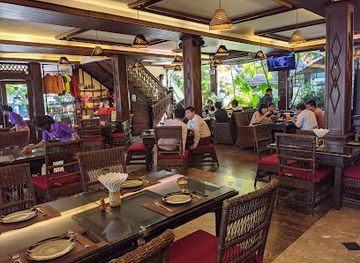
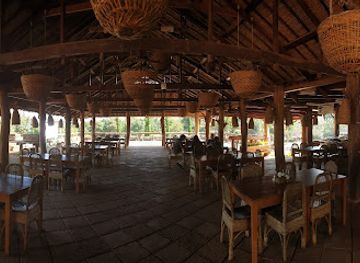
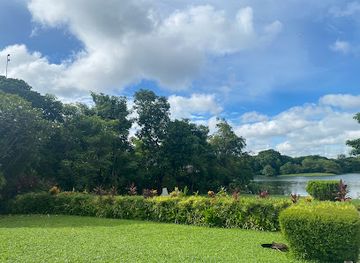
December Garden & Waterfall
Experience delightful dining surrounded by nature at December Garden & Waterfall - where culinary excellence meets tranquil landscapes.
-
French
Le Planteur Restaurants & Lounge
Experience the best of French fine dining at Le Planteur Restaurants & Lounge in Yangon – where elegance meets exquisite flavors.
-
Restaurant
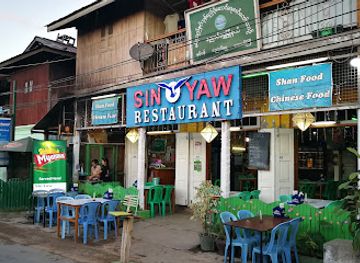
Sin Yaw Restaurant
Discover the rich flavors of Myanmar at Sin Yaw Restaurant in Nyaungshwe – where every dish tells a story.
Best bars in Chin Hills
The Chin Hills may not boast the bustling nightlife of a metropolis, but the region offers a unique and enchanting nocturnal experience for adventurous souls. As twilight descends upon the misty hills, visitors can find themselves immersed in the warm glow of cozy local taverns and quaint hillside bars. These establishments, often adorned with traditional Chin decor, serve locally brewed rice wine and other regional beverages, providing a perfect backdrop for engaging with the friendly locals. Nighttime in the Chin Hills is also marked by cultural performances, where traditional dances and folk music echo through the crisp mountain air, offering a captivating glimpse into the rich heritage of the Chin people. For those seeking a more tranquil evening, starlit walks along the serene mountain paths or intimate bonfires under the expansive night sky create unforgettable memories in this remote yet charming destination.
-
Restaurant
December Garden & Waterfall
Discover a serene dining experience at December Garden & Waterfall, where nature meets culinary excellence in a tranquil setting.
-
Bar
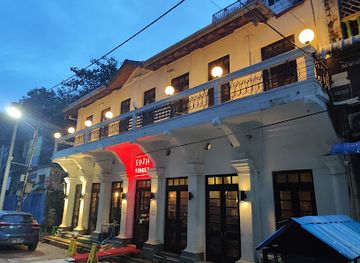
50th Street Restaurant & Bar
Discover a culinary haven at 50th Street Restaurant & Bar in Yangon, where local flavors meet international favorites in a vibrant atmosphere.
-
Bar
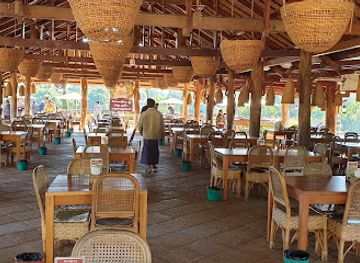
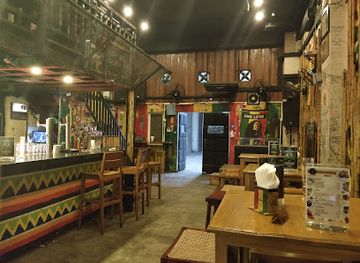
7th Joint Bar & Grill
Discover the lively atmosphere and diverse menu at 7th Joint Bar & Grill, a popular nightlife spot in Yangon for tourists seeking relaxation and fun.
-
Grill
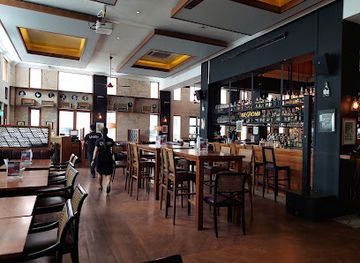
Union Bar & Grill
Discover the heart of Yangon dining at Union Bar & Grill, where delicious grilled dishes meet a lively atmosphere.
Best nightclubs in Chin Hills
The Chin Hills may not boast the bustling nightlife of a metropolis, but the region offers a unique and enchanting nocturnal experience for adventurous souls. As twilight descends upon the misty hills, visitors can find themselves immersed in the warm glow of cozy local taverns and quaint hillside bars. These establishments, often adorned with traditional Chin decor, serve locally brewed rice wine and other regional beverages, providing a perfect backdrop for engaging with the friendly locals. Nighttime in the Chin Hills is also marked by cultural performances, where traditional dances and folk music echo through the crisp mountain air, offering a captivating glimpse into the rich heritage of the Chin people. For those seeking a more tranquil evening, starlit walks along the serene mountain paths or intimate bonfires under the expansive night sky create unforgettable memories in this remote yet charming destination.
-
Bar
7th Joint Bar & Grill
Experience the vibrant nightlife at 7th Joint Bar & Grill in Yangon, where great drinks and a lively atmosphere await you.
-
Disco club
Emperor
Experience the electrifying nightlife at Emperor Disco Club in Yangon, where dancing and great music create unforgettable memories.
-
Club
The Maze - Night Club
Discover an electrifying nightlife experience at The Maze Night Club in Yangon, where music and lights create unforgettable memories.
-
Night club
Fuse
Immerse yourself in the vibrant nightlife of Fuse Yangon, where electrifying music and unforgettable moments await.




Best shops in Chin Hills
Nestled within the captivating landscapes of the Chin Hills, the shopping scene is a treasure trove of cultural immersion and artisanal craftsmanship. Wander through bustling local markets where the vibrant colors of traditional Chin textiles catch your eye, each piece woven with intricate patterns that tell stories of the region's rich heritage. Handcrafted bamboo products, unique to the Chin artisans, showcase their unparalleled skills and creativity. As you explore further, you'll find locally-produced organic tea and coffee, offering a taste of the hills' pristine natural bounty. The warm and welcoming locals often share fascinating tales behind each product, making every purchase a memorable experience. From traditional jewelry reflecting the Chin people's rich cultural legacy to aromatic spices that define their culinary uniqueness, shopping in the Chin Hills is a sensory journey through time and tradition.
-
Shopping mall
Taw Win Centre
Explore Taw Win Centre, a vibrant shopping mall in Yangon, featuring diverse brands, delicious dining, and a taste of local culture.
-
Shopping mall
Sule Square
Explore the bustling Sule Square in Yangon, a shopping haven merging luxury brands and local treasures, all in a vibrant atmosphere.
-
Shopping mall
Ocean Supercenter
Discover the lively Ocean Supercenter in Naypyidaw, your go-to shopping destination for local and international brands, dining, and entertainment.
-
 Shopping mall
hakha Grace Electrical Shop
Explore Hakha Grace Electrical Shop - Your gateway to local culture and quality electrical goods in the heart of Hakha, Myanmar.


Get your free copy of our complete guide to Chin Hills, delivered straight to you.
Everything on this page, from attractions and restaurants to essentials and local phrases, in one PDF you can read offline, print or share.
Already have an account? Sign in
Your Chin Hills guide is ready.
We'll send it to · Not you? Sign out

Getting your guide ready…
We are putting together a fresh copy of the Chin Hills guide. This can take up to a minute.
This can take a few moments. If your browser asks, choose Allow so the download can start. You'll find the guide in your Downloads folder.
Nothing happened? Download it again
Sorry, the guide is taking longer than usual. Please try again in a minute, or get it by email instead.
Chin Hills essentials
Currency and Payment
Safety
Emergency Situations
Do's and Don'ts
Local Tips
From Eve
Local phrases worth knowing
You don't need to get them perfect. A few words go a long way, and locals appreciate the effort.
Basics
| English | Local | Say it |
|---|---|---|
| Hello | မင်္ဂလာပါ | [mingalarpar] |
| Goodbye | သွားတော့မယ် | [thwa dote mel] |
| Yes | ဟုတ်ပါတယ် | [hote par tal] |
| No | မဟုတ်ပါဘူး | [ma hote par bu] |
| Please/You're welcome | ကျေးဇူးပြုပါ | [kyeizu pyu par] |
| Thank you | ကျေးဇူးတင်ပါတယ် | [kyeizu tin par tal] |
| Excuse me/Sorry | စိတ်မပူပါနဲ့ | [sate ma pu par ne] |
| How are you? | သင်ဘယ်လိုလဲ? | [thin be lo leh] |
| Fine. And you? | ကောင်းပါတယ်။ သင်呢? | [kaung par tal. thin ne?] |
| Do you speak English? | အင်္ဂလိပ်စကားပြောလား? | [english sa ga pyaw la?] |
| I don't understand | ငါနားမလည်ဘူး | [nga nar ma leh bu] |
Eating & Drinking
| English | Local | Say it |
|---|---|---|
| I'd like to see the menu, please | မင်္ဂလာပါ။ မန်နေူးကိုကြည့်ချင်ပါတယ် | [mingalarpar. menu ko kyi chin par tal] |
| I don't eat meat | ငါသားစားမယ့်အစားမဟုတ်ဘူး | [nga thar sa ma yet a sar ma hote bu] |
| Cheers! | ကျန်းမာရေးအတွက် | [kyein ma yay a twet] |
| I would like to pay, please | ငါငွေရန်လိုပါတယ် | [nga ngwe yan lo par tal] |
Emergencies
| English | Local | Say it |
|---|---|---|
| Help! | ကူညီပါ! | [ku nyi par!] |
| Go away! | သွားပါ! | [thwa par!] |
| Call the Police! | ရဲတပ်ဖွဲ့ကိုခေါ်ပါ! | [ye tap hwei ko khaw par!] |
| Call a doctor! | ဆရာဝန်ကိုခေါ်ပါ! | [sa ya wun ko khaw par!] |
| I'm lost | ငါလွတ်တယ် | [nga lut tal] |
| I'm ill | ငါအထိခိုက်တယ် | [nga a hti khite tal] |
Shopping
| English | Local | Say it |
|---|---|---|
| I'd like to buy... | ငါ၀ယ်ချင်ပါတယ်... | [nga we chin par tal...] |
| I'm just looking | ငါတော့ကြည့်နေတယ် | [nga taw kyi nay tal] |
| How much is it? | ဒါဘယ်လောက်လဲ? | [da be laut leh?] |
| That's too expensive | ဒါဟာအရမ်းဘဲ昂မြတ်တယ် | [da ha a ram be ang myat tal] |
| Can you lower the price? | ဈေးလျော့ပေးနိုင်မလား? | [zei lyaw pay nai ma lar?] |
Time & Numbers
| English | Local | Say it |
|---|---|---|
| What time is it? | အချိန်ဘယ်လောက်လဲ? | [a chay be laut leh?] |
| It's one o'clock | နာရီတစ်ဝက် | [na yi ta wet] |
| Half past (10) | နာရီ(10)ဝက် | [na yi(10) wet] |
| Morning | မနက်ခင်း | [ma net khin] |
| Afternoon | နေ့လယ် | [nay leh] |
| Evening | ညနေခင်း | [nya nay khin] |
| Yesterday | မနေ့က | [ma nay ka] |
| Today | ယနေ့ | [ya nay] |
| Tomorrow | မနက်ဖြန် | [ma net phyan] |
| 1 | ၁ | [1] |
| 2 | ၂ | [2] |
| 3 | ၃ | [3] |
| 4 | ၄ | [4] |
| 5 | ၅ | [5] |
| 6 | ၆ | [6] |
| 7 | ၇ | [7] |
| 8 | ၈ | [8] |
| 9 | ၉ | [9] |
| 10 | ၁၀ | [10] |
Transport & Directions
| English | Local | Say it |
|---|---|---|
| Where's a/the...? | ဘယ်မှာ...လဲ? | [be hma... leh?] |
| What's the address? | လိပ်စာဘယ်လိုလဲ? | [leit sa be lo leh?] |
| Can you show me (on the map)? | မြေပေါ်မှာပြပါလား? | [myae paung hma pyaw ba lar?] |
| When's the next (bus)? | နောက်တစ်ခုဘယ်နှစ်မှာလဲ? | [nauk ta khu be hnint hma leh?] |
| A ticket (to ....) | လက်မှတ်(သို့...) | [let hmat (thoh...)] |
History of Chin Hills
The Early Inhabitants
The Chin Hills have been home to various indigenous groups for centuries. The Chin people, known for their distinct cultural and linguistic differences, have lived in the region since ancient times. They are believed to have migrated from the Tibetan Plateau, bringing with them unique traditions and customs that have been preserved to this day.
British Colonial Era
The Chin Hills came under British control in the late 19th century, following the Third Anglo-Burmese War in 1885. The British found the Chin people to be formidable warriors, and it took several military campaigns to establish their rule. The region was administered as part of British Burma, and the colonial government introduced new administrative practices and infrastructure, although resistance and uprisings were not uncommon.
World War II and the Japanese Occupation
During World War II, the Chin Hills became strategically significant as the Japanese forces advanced into Burma. The area saw significant military activity, with battles between the Allied forces and the Japanese. Many Chin people were recruited into the British-led Burma Rifles and played a crucial role in the resistance against the Japanese occupation.
Post-Independence and Chin State Formation
After Burma gained independence from Britain in 1948, the Chin Hills became part of the newly formed Union of Burma. In 1974, as part of a nationwide administrative reorganization, the Chin Hills were officially designated as Chin State. This recognition helped to preserve and promote the cultural identity and autonomy of the Chin people within the Burmese nation.
Cultural Heritage and Traditions
The Chin Hills are known for their rich cultural heritage, including traditional music, dance, and crafts. One of the most distinctive cultural practices is the facial tattooing of Chin women, although this practice has been declining in recent years. The region is also famous for its colorful festivals, such as the Chin National Day and the Khua Do festival, which celebrate the unique identity and traditions of the Chin people.
Natural Beauty and Biodiversity
The Chin Hills are renowned for their stunning natural landscapes, including lush forests, rolling hills, and diverse wildlife. The region's elevation provides a cooler climate compared to the rest of Myanmar, making it a popular destination for nature enthusiasts. The biodiversity of the area includes numerous endemic species of flora and fauna, contributing to its ecological significance.
Chin Hills in Photos
Browse through our photo collection highlighting the charm and character of the destination.
Neighbouring regions of Chin Hills
The closest regions to Chin Hills, if you have time for more than one.
-
 Chin State
Discover the unspoiled beauty of Chin State: Myanmar's mountain paradise with rich cultural heritage, stunning landscapes, and thrilling outdoor adventures.
Chin State
Discover the unspoiled beauty of Chin State: Myanmar's mountain paradise with rich cultural heritage, stunning landscapes, and thrilling outdoor adventures.
-
 Sagaing Region
Discover the spiritual and cultural richness of Sagaing Region in Myanmar, home to ancient pagodas, serene monasteries, and breathtaking landscapes.
Sagaing Region
Discover the spiritual and cultural richness of Sagaing Region in Myanmar, home to ancient pagodas, serene monasteries, and breathtaking landscapes.
-
 Magway Region
Explore the Magway Region in Myanmar, a captivating destination rich in history, culture, and natural beauty, featuring ancient cities, sacred pagodas, and traditional crafts.
Magway Region
Explore the Magway Region in Myanmar, a captivating destination rich in history, culture, and natural beauty, featuring ancient cities, sacred pagodas, and traditional crafts.
-
 Dry Zone
Discover the Dry Zone of Myanmar: A blend of ancient heritage, captivating landscapes, and vibrant local culture in the heart of Southeast Asia.
Dry Zone
Discover the Dry Zone of Myanmar: A blend of ancient heritage, captivating landscapes, and vibrant local culture in the heart of Southeast Asia.
-
 Central Myanmar
Discover Central Myanmar: Ancient Temples, Sacred Mountains, and Authentic Burmese Culture Await in the Heart of Myanmar.
Central Myanmar
Discover Central Myanmar: Ancient Temples, Sacred Mountains, and Authentic Burmese Culture Await in the Heart of Myanmar.
Swipe for more regions

