

Free Sagaing Region Travel Guide & Mobile App
Explore Sagaing Region with free travel guides. Discover regional history, expert tips, proposed trips, and audio guides on web or mobile app.


Sagaing Region combines Buddhist hilltop monuments, Chindwin landscapes, Pyu archaeology and dry-zone culture north of Myanmar's Mandalay heartland.
Read more about Sagaing Region
When is the best time to visit Sagaing Region?
Best: December–February · 26–30°C| Month | High (°C) | Rainfall (mm) |
|---|---|---|
| January (best) | 26 | 6 |
| February (best) | 30 | 10 |
| March | 35 | 20 |
| April | 37 | 50 |
| May | 34 | 100 |
| June | 33 | 150 |
| July | 32 | 180 |
| August | 32 | 170 |
| September | 32 | 150 |
| October | 31 | 100 |
| November | 29 | 40 |
| December (best) | 26 | 10 |
Getting to and around Sagaing Region
How to get there
Transportation
Top city travel guides in Sagaing Region
The cities of Sagaing Region, and the easiest places to base yourself.
-

-

-

-

-

-


Swipe for more cities
Destinations in Sagaing Region
Resorts, valleys and scenic spots worth a trip of their own.

Swipe for more destinations
Best attractions in Sagaing Region
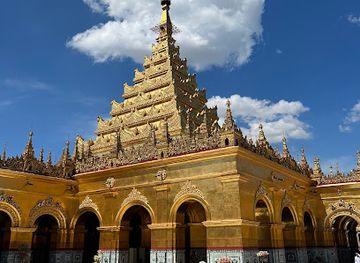
Sagaing Region's attractions range from hilltop Buddhist monuments to archaeological remains and dry-zone river landscapes. Around Sagaing city, visitors who are permitted to travel can explore monasteries and pagodas on the wooded Sagaing hills, including U Min Thonze and Soon U Ponya Shin, while Kaunghmudaw Pagoda stands beyond the main hill area as a major religious landmark. Mingun, on the Irrawaddy, is known for the unfinished Mingun Pahtodawgyi, Hsinbyume Pagoda and the Mingun Bell. Around Monywa, Thanboddhay Pagoda, the Bodhi Tataung complex and the cave shrines of Pho Win Taung provide contrasting examples of Myanmar Buddhist art and devotion. Near Shwebo, the ancient Pyu city of Hanlin offers a more archaeological experience, with ruins and water-management remains rather than intact monumental architecture. Rural scenery, river travel and local markets add context, but security restrictions, damaged infrastructure and changing permissions mean that not every attraction is currently accessible. Visitors should prioritise current local information over fixed touring assumptions.
-
Tourist attraction
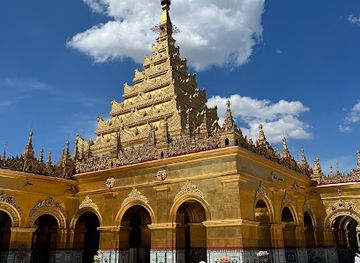
Mahamuni Pagoda
Discover the spiritual heart of Mandalay at Mahamuni Pagoda, home to the revered Mahamuni Buddha image and rich Buddhist traditions.
-
Pagoda
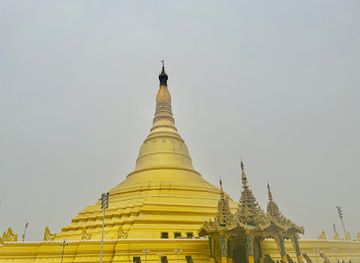
Uppatasanti Pagoda
Experience the grandeur and tranquility of Uppatasanti Pagoda, a stunning Buddhist temple in Naypyidaw, rich in culture and spiritual significance.
-
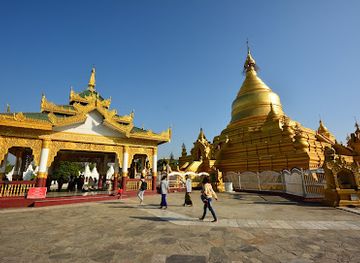
Shwenandaw Buddhist Temple
Discover the serene beauty of Shwenandaw Buddhist Temple, a masterpiece of traditional Burmese architecture in Mandalay, Myanmar.
-
Buddhist temple
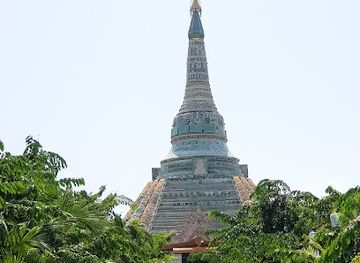
Kyauksein Pagoda (Jade Pagoda)
Explore the breathtaking Kyauksein Pagoda, a serene Buddhist temple in Myitnge, Myanmar, known for its stunning architecture and tranquil atmosphere.
Best landmarks in Sagaing Region
The Sagaing hills form the region's defining visual landmark, rising above the Irrawaddy in a layered landscape of wooded slopes, white stupas and gilded monastery roofs. U Min Thonze, set within a curved colonnade on Sagaing Hill, is recognised for its row of Buddha images, while Soon U Ponya Shin is one of the hill's important summit shrines. Kaunghmudaw Pagoda is distinguished by its large hemispherical form and prominent position in the Sagaing countryside. In Mingun, the monumental brick mass of the unfinished Mingun Pahtodawgyi records the ambition of a nineteenth-century royal building project; nearby Hsinbyume Pagoda is notable for its white, wave-like terraces, and the Mingun Bell for its exceptional scale. Hanlin's ancient walls and waterworks provide a different kind of landmark, linking the region to the early Pyu urban world. These sites are culturally significant as well as visually prominent, and access may be restricted by security or local conditions.
-
Pagoda
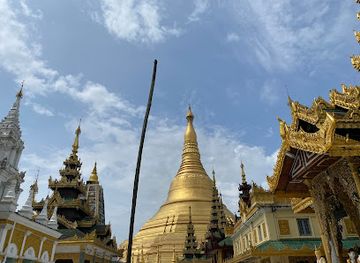
Shwedagon Pagoda
Discover the spiritual essence of Myanmar at the breathtaking Shwedagon Pagoda in Yangon, a golden masterpiece steeped in history and culture.
-
Buddhist temple
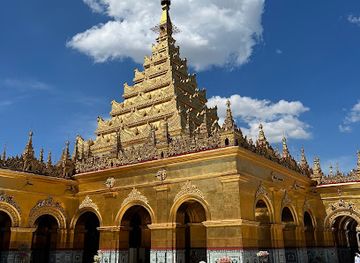
Mahamuni Pagoda
Explore the sacred Mahamuni Pagoda in Mandalay, a stunning Buddhist temple featuring a revered golden Buddha statue and rich cultural traditions.
-
Buddhist temple
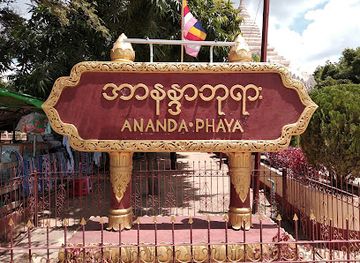
Ananda Temple
Explore the architectural grandeur and spiritual serenity of Ananda Temple, a must-see gem in the heart of Myanmar's Bagan region.
-
Market
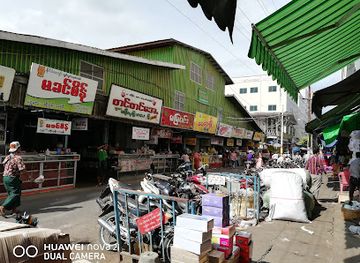
Zay Cho
Explore the vibrant Zay Cho Market in Mandalay: a hub of local goods, delicious street food, and cultural immersion.
Explore Sagaing Region on the map
Plan your trip on one map. See where the top cities, national parks and sights are, and book hotels and experiences in a few clicks.
Best hotels in Sagaing Region
Best restaurants in Sagaing Region
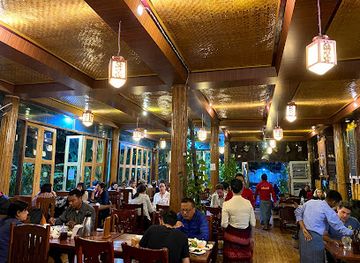
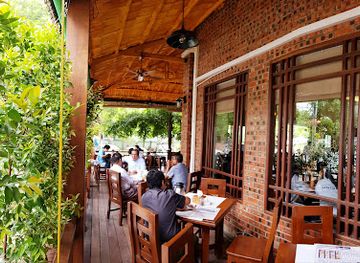
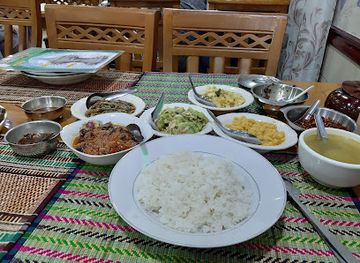
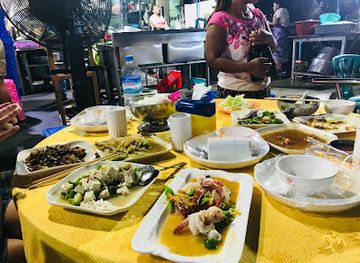
Dining in Sagaing Region is based largely on Myanmar's central dry-zone cuisine, with rice, noodles, pulses, sesame, groundnuts, seasonal vegetables and fermented ingredients appearing in everyday meals. Monywa, Shwebo and Sagaing city have the broadest choice of tea shops, small family restaurants and market stalls, while rural food options are simpler and may close early. Expect mohinga, rice plates, curries, salads, fritters and Shan-influenced noodle dishes alongside locally grown produce; recipes and flavours vary between households and communities rather than forming one single Sagaing cuisine. Tea shops are useful places for breakfast, snacks and informal meals, and markets offer fruit, sweets and savoury snacks when operating. Food hygiene standards differ, so choose busy establishments, drink treated or sealed water and be cautious with raw ingredients. Alcohol is available in some urban restaurants and drinking houses, but it is not central to the region's dining culture.
-
Burmese
Mingalabar restaurant
Discover authentic Burmese flavors at Mingalabar Restaurant in Mandalay – where tradition meets taste in every delicious bite.
-
Burmese
Unique Mandalay Tea Room
Discover the flavors of Myanmar at Unique Mandalay Tea Room—your go-to spot for authentic Burmese cuisine and delightful teas.
-
Burmese
Aye Myit Tar Burmese Resturant
Discover the essence of Myanmar at Aye Myit Tar Burmese Restaurant – where authentic flavors meet warm hospitality in Mandalay.
-
Restaurant
Shan Ma Ma Restaurant
Experience the rich tapestry of Burmese flavors at Shan Ma Ma Restaurant in Mandalay - a delightful journey for your taste buds.
Best bars in Sagaing Region
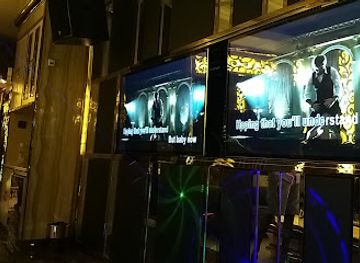
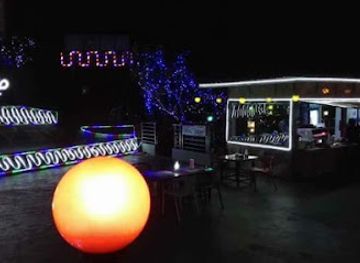
Sagaing Region has little in the way of a dedicated nightclub scene. Evening life in Sagaing city, Monywa and Shwebo generally centres on tea shops, modest restaurants, beer stations and hotel-based dining rather than late-night entertainment. Local venues may offer televised sport, conversation and occasional informal music, but opening arrangements and availability can change with security conditions, electricity supply and local restrictions. In smaller towns and rural areas, evenings are quiet, with religious activity, family gatherings and early-closing food stalls more characteristic than bar culture. Visitors should avoid drinking in politically sensitive or crowded settings, arrange transport before going out and respect local religious precincts after dark. Breweries, cocktail bars and organised live-music venues should not be assumed to exist outside the largest regional centres.
-
Karaoke bar
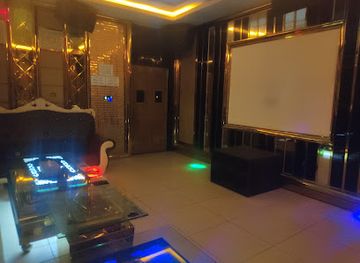
Smile KTV
Experience the joy of singing at Smile KTV, Sagaing's top karaoke bar, where fun and music come together for an unforgettable night out.
-
Restaurant
D reataurnt
Experience the authentic flavors of Sagaing at D Reataurnt, where delicious local cuisine meets a warm and inviting atmosphere.
-
Restaurant
3D Songs Beer & Restaurant
Experience the flavors of Myanmar at 3D Songs Beer & Restaurant, where authentic cuisine meets a vibrant atmosphere in Sagaing.
-
Beer Garden
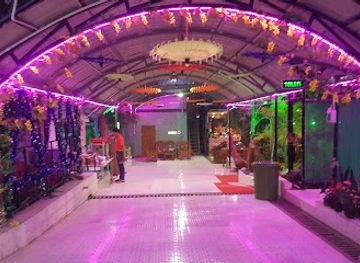
Happy Star 6
Experience the vibrant atmosphere of Happy Star 6, Sagaing's delightful beer garden, perfect for relaxing with a drink in a lush setting.
Best nightclubs in Sagaing Region
Sagaing Region has little in the way of a dedicated nightclub scene. Evening life in Sagaing city, Monywa and Shwebo generally centres on tea shops, modest restaurants, beer stations and hotel-based dining rather than late-night entertainment. Local venues may offer televised sport, conversation and occasional informal music, but opening arrangements and availability can change with security conditions, electricity supply and local restrictions. In smaller towns and rural areas, evenings are quiet, with religious activity, family gatherings and early-closing food stalls more characteristic than bar culture. Visitors should avoid drinking in politically sensitive or crowded settings, arrange transport before going out and respect local religious precincts after dark. Breweries, cocktail bars and organised live-music venues should not be assumed to exist outside the largest regional centres.
-
Karaoke bar
BOB KTV
Experience unforgettable nights of singing and fun at BOB KTV, Mandalay's ultimate karaoke destination.
-
Bar
Apex Sky Bar
Discover Mandalay's nightlife at Apex Sky Bar, a rooftop haven offering spectacular views, signature cocktails, and a vibrant atmosphere.
-
Karaoke bar
Paradise KTV
Discover the vibrant nightlife of Mandalay at Paradise KTV, where music, laughter, and unforgettable moments await.
-
Karaoke bar
Family KTV
Experience the joy of singing at Family KTV, Mandalay's vibrant karaoke bar offering a fun atmosphere for all ages.

Best shops in Sagaing Region
Shopping in Sagaing Region is primarily local and practical, with markets and small-town high streets offering rice, pulses, sesame, groundnuts, seasonal fruit, snacks, household goods and modest textiles. Monywa and Shwebo provide the broadest range of regional commerce, while Sagaing city has shops serving pilgrims and visitors near major religious sites. Handwoven textiles, lacquer-style devotional objects, basketry and small religious souvenirs may be available, but quality and provenance vary; ask about materials and avoid purchasing antiquities or archaeological fragments. Markets are often busiest in the morning and may operate on changing local schedules. Packaged dry foods and locally produced snacks are easier to transport than fresh goods, and cash is normally required. Retail choice becomes much more limited outside the main towns, and visitors should not expect extensive malls, international brands or a consistently developed handicrafts sector.
-
Buddhist temple
Mahamuni Pagoda
Discover the spiritual heart of Mandalay at Mahamuni Pagoda, home to the revered golden Buddha and rich cultural heritage.
-
Hypermarket
Ocean Supercenter
Discover the best of Mandalay shopping at Ocean Supercenter, where local flavors meet convenience in a vibrant hypermarket experience.
-
Market
Zay Cho
Discover the heart of Mandalay at Zay Cho Market, where vibrant stalls and local flavors come together in a cultural shopping experience.
-
Buddhist temple
Mahar Thakya Thiha Pagoda
Discover the serene beauty of Mahar Thakya Thiha Pagoda, a must-visit Buddhist temple in Mandalay, rich in spirituality and cultural heritage.
Get your free copy of our complete guide to Sagaing Region, delivered straight to you.
Everything on this page, from attractions and restaurants to essentials and local phrases, in one PDF you can read offline, print or share.
Already have an account? Sign in
Your Sagaing Region guide is ready.
We'll send it to · Not you? Sign out

Getting your guide ready…
We are putting together a fresh copy of the Sagaing Region guide. This can take up to a minute.
This can take a few moments. If your browser asks, choose Allow so the download can start. You'll find the guide in your Downloads folder.
Nothing happened? Download it again
Sorry, the guide is taking longer than usual. Please try again in a minute, or get it by email instead.
Sagaing Region essentials
Currency and Payment
Safety
Emergency Situations
Do's and Don'ts
Local Tips
From Eve
Local phrases worth knowing
You don't need to get them perfect. A few words go a long way, and locals appreciate the effort.
Basics
| English | Local | Say it |
|---|---|---|
| Hello | မင်္ဂလာပါ | [mingalar par] |
| Goodbye | သွားတော့မည် | [thwa dor myi] |
| Yes | ဟုတ်ကဲ့ | [hoat ke] |
| No | မဟုတ်ဘူး | [ma hoat bu] |
| Please/You're welcome | ကျေးဇူးပြုပါ | [kyeizu pyu par] |
| Thank you | ကျေးဇူးတင်ပါတယ် | [kyeizu tin par tal] |
| Excuse me/Sorry | ဆက်ဆံပါ | [sait san par] |
| How are you? | နေကြတယ်လား | [nay kya de la] |
| Fine. And you? | အထိမ်းအမှတ်ပဲ။ သင့်အနေကဘယ်လိုလဲ | [a htein a hma par. thing a nay ka beh lo le] |
| Do you speak English? | အင်္ဂလိပ်ဘာသာဖြစ်ပါသလား | [english ba tha phyit par tha la] |
| I don't understand | ငါမသိဘူး | [nga ma thi bu] |
Eating & Drinking
| English | Local | Say it |
|---|---|---|
| I'd like to see the menu, please | မင်္ဂလာပါ။ မနုန်းစာရင်းကြည့်ချင်ပါတယ် | [mingalar par. ma nuan sa yin kyi par tal] |
| I don't eat meat | ငါ အသားမစားဘူး | [nga a tharn ma sar bu] |
| Cheers! | ဆင့်ကျော်ပါ | [hsin kyo par] |
| I would like to pay, please | ငါငွေပေးချင်ပါတယ် | [nga ngwe pay chin par tal] |
Emergencies
| English | Local | Say it |
|---|---|---|
| Help! | ကူညီပါ! | [ku nyi par] |
| Go away! | သွားတော့! | [thwa dor] |
| Call the Police! | ရဲတပ်ဖွဲ့ကိုခေါ်ပါ! | [ye tat phwe ko khaw par] |
| Call a doctor! | ဆရာဝန်ကိုခေါ်ပါ! | [saya wun ko khaw par] |
| I'm lost | ငါလျှမ်းပြတ်နေတယ် | [nga hlyan pyat nay tal] |
| I'm ill | ငါနာကျင်နေတယ် | [nga na kyi nay tal] |
Shopping
| English | Local | Say it |
|---|---|---|
| I'd like to buy... | ငါ ...ဝယ်ချင်ပါတယ် | [nga ...we chin par tal] |
| I'm just looking | ငါတော့ကြည့်နေတယ် | [nga dor kyi nay tal] |
| How much is it? | ဒါဘယ်လောက်လဲ | [da beh laut le] |
| That's too expensive | ဒါစျေးကောင်းလွန်းတယ် | [da zay kaung lwan tal] |
| Can you lower the price? | စျေးကိုလျှော့ပေးလို့ရလား | [zay ko hlyaw pay lo yar la] |
Time & Numbers
| English | Local | Say it |
|---|---|---|
| What time is it? | ယခုအချိန်ဘယ်လဲ | [ya khu a hkyin beh le] |
| It's one o'clock | နာရီတစ်နှာကျော်ပါပြီ | [na yi ta hna kyo par pi] |
| Half past (10) | ဆယ်နှစ်ခွဲ | [hsay hna khwe] |
| Morning | မနက် | [ma nak] |
| Afternoon | နေ့လည် | [nay le] |
| Evening | ညနေ | [nya nay] |
| Yesterday | မနေ့က | [ma nay ka] |
| Today | ဒီနေ့ | [di nay] |
| Tomorrow | မနက်ဖြန် | [ma nak phyan] |
| 1 | တစ် | [ta] |
| 2 | နှစ် | [hna] |
| 3 | သုံး | [thone] |
| 4 | လေး | [lay] |
| 5 | ငါး | [nga] |
| 6 | ခြောက် | [chauk] |
| 7 | ခုနှစ် | [khu hna] |
| 8 | ရှစ် | [shite] |
| 9 | ကိုး | [ko] |
| 10 | ဆယ် | [hsay] |
Transport & Directions
| English | Local | Say it |
|---|---|---|
| Where's a/the...? | အဲဒီ...ဘယ်မှာလဲ? | [ae di ... beh hma le?] |
| What's the address? | လိပ်စာဘာလဲ? | [leip sa ba le?] |
| Can you show me (on the map)? | မြေပုံမှာပြပါ | [myae pon hma pya par] |
| When's the next (bus)? | နောက်ထပ်(ဘတ်စ်)ဘယ်တော့လဲ? | [nauk hta (bus) beh dor le?] |
| A ticket (to ....) | လက်မှတ် (သို့ ....) | [let hma (tho ...) ] |
History of Sagaing Region
Pyu urban civilisation at Hanlin
Hanlin, near present-day Shwebo, was one of the major Pyu city-states of Myanmar's first millennium. Its remains include city walls, water-management works, religious structures and evidence of long-distance cultural connections with other parts of mainland Southeast Asia. The site illustrates the development of settled urban life, Buddhism and irrigation in the dry zone before the rise of the Bagan kingdom. Hanlin is included with Beikthano and Sri Ksetra in the UNESCO World Heritage listing of the Pyu Ancient Cities, giving Sagaing Region an archaeological importance that extends well beyond its later Buddhist monuments.
Sagaing as a royal centre, fourteenth century
After the decline of Bagan's political authority, Sagaing became the capital of a kingdom founded in 1315 on the western bank of the Irrawaddy. The kingdom controlled important parts of central Myanmar but faced pressure from neighbouring powers and internal fragmentation. Its period of prominence helped establish the religious and artistic importance of the Sagaing hills, which later became one of Myanmar's major centres of monastic learning. Although the medieval capital itself has been transformed by later settlement and construction, the area's concentration of monasteries and stupas reflects this early royal and religious legacy.
The Ava and Upper Myanmar kingdoms
From the fourteenth to the sixteenth centuries, the wider Sagaing and Upper Myanmar landscape was shaped by the rivalry of regional courts, especially Ava, located across the river in present-day Mandalay Region. Sagaing's river crossings, agricultural plains and routes towards the Chindwin made it strategically important even when the royal capital lay elsewhere. Monastic estates, irrigation systems and fortified settlements connected the region to the political economy of Upper Myanmar. This period also established many of the routes and cultural links that later rulers used to govern the central dry zone.
Konbaung origins at Shwebo
Shwebo, historically known as Moksobo, became the base from which Alaungpaya launched the Konbaung dynasty in the mid-eighteenth century. He united territories in Upper Myanmar after the collapse of the Toungoo dynasty and founded a royal line that eventually ruled much of the country until the British annexation of 1885. Shwebo's palace area and associated religious sites preserve the memory of this formative period, when control of the dry zone and the Irrawaddy basin was central to state-building in Myanmar.
Colonial rule and river commerce
British control reached the region in stages during the nineteenth century, following the Anglo-Burmese wars and the annexation of Upper Myanmar in 1885. Colonial administration reorganised taxation, landholding and transport while steam navigation and commercial networks increased the importance of the Irrawaddy and Chindwin rivers. Agricultural production expanded, but the new economy also brought social disruption and unequal access to land. Towns such as Monywa developed as administrative and trading centres, linking dry-zone farming districts with river transport and markets.
War and independence in the north-west
Sagaing Region became a significant theatre of conflict during the Second World War because routes through Upper Myanmar connected India, China and the central basin. The Chindwin and surrounding hills saw military movements, displacement and difficult supply operations. After independence in 1948, parts of the region continued to experience armed conflict involving ethnic and political forces, particularly in remote northern and western districts. The legacy is visible in disrupted infrastructure, restricted travel and the need for visitors to seek current information before entering areas away from the main southern corridor.
Contemporary cultural and economic change
In recent decades, Sagaing's southern towns have remained important centres for agriculture, Buddhist education, pilgrimage and regional commerce, while Monywa has also developed industrial and mining connections. Improved roads and communications once made selected heritage sites more accessible, but political instability and renewed armed conflict have sharply altered travel patterns since 2021. The region's present character therefore combines enduring religious and farming traditions with major differences in connectivity, security and economic opportunity between the Irrawaddy lowlands, the Chindwin corridor and the northern uplands.
Sagaing Region in Photos
Browse through our photo collection highlighting the charm and character of the destination.
Neighbouring regions of Sagaing Region
The closest regions to Sagaing Region, if you have time for more than one.
-

-

-

-

-


Swipe for more regions
Explore more

Explore more of Myanmar (Burma)
Discover Myanmar: A land of golden pagodas, ancient temples, and breathtaking natural beauty, where warm hospitality and rich culture await every traveler.
Explore Myanmar (Burma)