

Dry Zone, Myanmar (Burma) Travel Guide
Discover the Dry Zone of Myanmar: A blend of ancient heritage, captivating landscapes, and vibrant local culture in the heart of Southeast Asia.
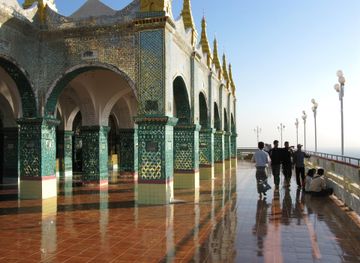
Nestled in the heart of Myanmar, the Dry Zone is a captivating region that offers a unique blend of natural beauty and cultural richness. This area, characterized by its arid climate and sparse rainfall, is a stark contrast to the lush landscapes typically associated with Southeast Asia. The Dry Zone covers parts of the Mandalay, Magway, and Sagaing regions and is home to some of Myanmar's most significant historical sites and vibrant communities. A visit to the Dry Zone is like stepping back in time. The ancient city of Bagan, with its thousands of pagodas and temples, stands as a testament to the region's glorious past. As you wander through this UNESCO World Heritage Site, you will be mesmerized by the intricate architecture and the serene beauty of the Irrawaddy River that flows nearby. The sunsets here are particularly breathtaking, casting a golden hue over the temple-studded landscape. Beyond Bagan, the Dry Zone offers numerous other attractions. The town of Pyin Oo Lwin, with its colonial charm and lush botanical gardens, provides a refreshing escape. In contrast, the bustling city of Mandalay offers a deeper dive into Myanmar's culture with its royal palace, vibrant markets, and traditional arts scene. The Dry Zone's unique climate also supports distinct agricultural practices, and a visit to a local farm can provide fascinating insights into the lives of the local people. The Dry Zone is not just about historical and cultural exploration. It also offers opportunities for adventure and relaxation. You can take a leisurely boat ride on the Irrawaddy River, explore the caves of Pindaya, or simply enjoy the tranquility of the countryside. The region's warm and welcoming people will make your visit even more memorable, offering you a glimpse into the rich tapestry of Myanmar's heritage.

Know before you go
Hi, I'm Eve. Here are a few practical things to know before exploring Dry Zone.
- Visit Bagan at sunrise or sunset for the most stunning views and fewer crowds.
- Bring plenty of water and sun protection as the climate is arid and temperatures can soar.
- Hire a local guide in Mandalay to get the most out of your visit to the royal palace and surrounding sites.
- Try the local cuisine, especially traditional Burmese dishes like mohinga and tea leaf salad.
- Respect local customs and dress modestly, especially when visiting religious sites.
Top City Travel Guides in Dry Zone
The cities of Dry Zone, and the easiest places to base yourself.


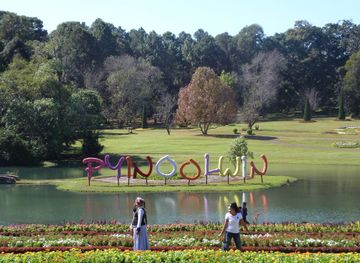
Destinations in Dry Zone
Resorts, valleys and scenic spots worth a trip of their own.

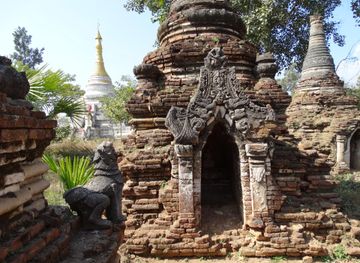
Explore Dry Zone: Things to Do, Places to Eat, Hotels & More
Handpicked recommendations for top attractions, local dining, accommodations, and more

Top Attractions & Sightseeing in Dry Zone
Top-rated picks
Best Attractions
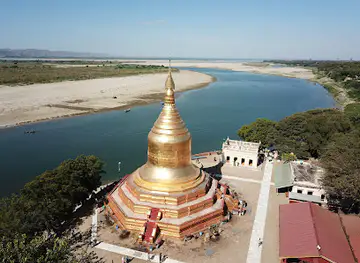
Lawkananda Pagoda
Experience the tranquility and beauty of Lawkananda Pagoda in New Bagan, a spiritual haven showcasing Myanmar's rich Buddhist heritage.

Mani Sithu Market
Experience the heart of Nyaung-U at Mani Sithu Market, where local culture and vibrant commerce come alive in a colorful and authentic setting.

Manuha Temple
Discover the serene beauty and spiritual significance of Manuha Temple in Myin Ka Bar, a must-visit destination for all tourists seeking authentic cultural experiences.

Mt Popa
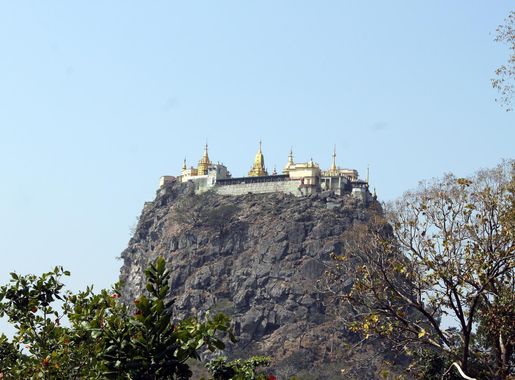
Explore the breathtaking beauty of Mt Popa, a volcanic wonder in Myanmar, where spirituality and nature unite for an unforgettable experience.

Best landmarks in Dry Zone
Top-rated picks
Best Landmarks

Shwedagon Pagoda
Explore the breathtaking Shwedagon Pagoda in Yangon, an iconic symbol of Myanmar's rich cultural and spiritual heritage, featuring stunning architecture and serene beauty.

Bogyoke Aung San Market
Discover the charm of Bogyoke Aung San Market in Yangon, where vibrant local crafts, delicious street food, and rich culture await every visitor.

Sule Pagoda
Experience the spiritual heart of Yangon at Sule Pagoda, a stunning Buddhist temple rich in history and culture, surrounded by vibrant local life.
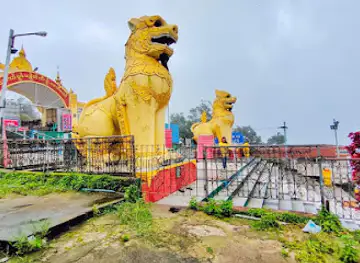
Kyaik Htee Yoe Pagoda
Explore the breathtaking Kyaik Htee Yoe Pagoda, a spiritual landmark in Myanmar, balancing on the edge of a cliff amidst stunning natural beauty.

Best restaurants in Dry Zone
Top-rated picks
Best Restaurants

Mingalabar restaurant
Savor authentic Burmese cuisine at Mingalabar Restaurant in Mandalay – where tradition meets taste.

The Marina
Experience the vibrant flavors of India at The Marina in Yangon—where culinary excellence meets warm hospitality.

Shan Yoe Yar Restaurant (Manaw Hari)
Experience the essence of Myanmar through authentic cuisine at Shan Yoe Yar Restaurant in Yangon.

Signature
Discover exquisite Asian cuisine at Signature - where every meal is a celebration of flavor in the heart of Yangon.

Best bars in Dry Zone
Top-rated picks
Best Bars

50th Street Restaurant & Bar
Experience the vibrant culinary scene of Yangon at 50th Street Restaurant & Bar, where local flavors meet international delights in a lively atmosphere.

The Beer Factory Yangon
Explore the vibrant beer culture of Yangon at The Beer Factory, where local brews and a lively atmosphere await you.

Vista Bar
Discover the vibrant nightlife of Yangon at Vista Bar, where local flavors and a lively atmosphere come together in perfect harmony.

Atlas Rooftop Bar & Lounge
Discover the stunning Atlas Rooftop Bar & Lounge in Yangon, where breathtaking views and exquisite cuisine meet in an unforgettable experience.

Best nightclubs in Dry Zone
Top-rated picks
Best Nightclubs

Pioneer
Experience the vibrant nightlife of Yangon at Pioneer, where music, dance, and fun come together in an unforgettable atmosphere.

7th Joint Bar & Grill
Experience the vibrant nightlife of Yangon at 7th Joint Bar & Grill, where local flavors meet a lively atmosphere for an unforgettable dining experience.

Emperor
Discover the electrifying atmosphere of Emperor Disco Club in Yangon, where music, dance, and fun come together for an unforgettable nightlife experience.

Club 5
Discover the electrifying nightlife at Club 5, the hottest disco club in Yangon offering vibrant music, cocktails, and unforgettable experiences.

Best shops in Dry Zone
Top-rated picks
Best Shops

Myanmar Plaza
Explore Myanmar Plaza: A modern shopping hub in Yangon with a delightful mix of local and international brands, dining options, and vibrant atmosphere.

Junction Square
Explore Junction Square, the vibrant shopping hub in Yangon, offering a delightful mix of local culture, dining, and shopping experiences.

Sule Square
Explore Sule Square, Yangon’s bustling shopping mall, featuring luxury brands, diverse dining options, and a vibrant cultural atmosphere.

Zay Cho
Discover the vibrant Zay Cho market in Mandalay, where local culture meets culinary delights and unique shopping experiences await.

Explore Dry Zone on the Map
A handpicked selection of must-see spots in Dry Zone, mapped for you.
Dry Zone Essentials
-
The Dry Zone is located in central Myanmar (Burma) and covers regions such as Mandalay, Magway, and Sagaing. The nearest international airport is Mandalay International Airport. From the airport, you can take a taxi or a bus to your specific destination within the Dry Zone. Alternatively, you can fly into Yangon International Airport and take a domestic flight, bus, or train to reach the Dry Zone. The train journey from Yangon to Mandalay offers a scenic route through the countryside.
-
Within the Dry Zone, you can use various modes of transportation including buses, taxis, and motorbike taxis. For short distances, trishaws are also available. Buses are the most economical way to travel between towns. Car rentals are an option but driving can be challenging due to local driving habits and road conditions. For a more local experience, consider hiring a private driver who knows the area well.
-
The official currency in Myanmar is the Kyat (MMK). Credit cards are increasingly accepted in hotels and larger restaurants, but it's advisable to carry cash, especially in smaller towns and rural areas. ATMs are available in major towns like Mandalay, but they may not always be reliable. It is a good idea to withdraw sufficient cash in larger cities before heading to more remote areas.
-
The Dry Zone is generally considered safe for tourists. However, it is advisable to take standard precautions. Avoid walking alone at night in unfamiliar areas and be cautious with your belongings in crowded places. While there are no specific high-crime areas targeting tourists, it is always best to stay vigilant. Petty crimes like pickpocketing can occur in busy markets and tourist spots.
-
In case of emergency, dial 199 for police assistance and 192 for medical emergencies. Major towns in the Dry Zone have hospitals and clinics, but for serious medical issues, you may need to travel to Mandalay or Yangon. It's highly recommended to have travel insurance that covers medical emergencies. Pharmacies are available in towns, where you can purchase over-the-counter medications.
-
Fashion: Do dress modestly. Avoid wearing revealing clothing, especially when visiting religious sites. Religion: Do respect local customs and traditions. Always remove your shoes and socks when entering temples and pagodas. Public Transport: Do be respectful and give up your seat to elderly passengers. Don’t eat or drink on public transport. Greetings: Do greet people with a slight bow and say 'Mingalaba'. A handshake is also acceptable among men. Eating & Drinking: Do try local delicacies and accept food offerings graciously. Don’t refuse hospitality, as it is considered impolite.
-
To experience the Dry Zone like a local, visit the bustling markets where you can buy fresh produce and traditional Myanmar goods. Engage with locals, as they are often friendly and willing to share stories about the region's history and culture. Don't miss visiting the ancient city of Bagan, which is a UNESCO World Heritage Site, and offers breathtaking views of thousands of pagodas and temples. For a unique experience, take a boat ride along the Irrawaddy River.
When is the best time to visit Dry Zone?
Useful Local Phrases for Dry Zone
You don't need to speak the language perfectly. Even learning a few simple words can make conversations warmer—and locals usually appreciate the effort.
— Eve

Here are the phrases I use most often in Dry Zone. Try a few—you'll be surprised how far they go! 😊
❤️
-
- Helloမင်္ဂလာပါ
[mingalar par] - Goodbyeသွားတော့မယ်
[thwa dor mel] - Yesဟုတ်ပါတယ်
[hoat par tal] - Noမဟုတ်ပါဘူး
[ma hoat par bu] - Please/You’re welcomeကျေးဇူးပြုပါ
[kyei zu pyu par] - Thank youကျေးဇူးတင်ပါတယ်
[kyei zu tin par tal] - Excuse me/Sorryဆင်ခြင်ပါ
[sin chin par] - How are you?သင်ကောင်းလား
[thin kaung lar] - Fine. And you?ကောင်းပါတယ်။ သင်လဲ?
[kaung par tal. Thin le?] - Do you speak English?အင်္ဂလိပ်စကားပြောလား
[english sa kar pyaw lar] - I don't understandနားမလည်ပါ
[na ma leh par]
- Helloမင်္ဂလာပါ
-
- I’d like to see the menu, pleaseမင်္ဂလာပါ၊ မီနူးကိုကြည့်ချင်ပါတယ်
[mingalar par, menu ko kyay chin par tal] - I don't eat meatထမင်းမစားပါ
[hta min ma sar par] - Cheers!ကျေးဇူးပြုပါ
[kyei zu pyu par] - I would like to pay, pleaseငါကဖို့ငွေပေးချင်ပါတယ်
[nga ka hmaung ngwe pay chin par tal]
- I’d like to see the menu, pleaseမင်္ဂလာပါ၊ မီနူးကိုကြည့်ချင်ပါတယ်
-
- Help!ကူညီပါ!
[ku nyi par!] - Go away!သွားပါ!
[thwa par!] - Call the Police!ရဲဘော်ကိုခေါ်ပါ!
[ye bo ko khaw par!] - Call a doctor!ဆရာဝန်ကိုခေါ်ပါ!
[sa ya wun ko khaw par!] - I’m lostငါမှားနေတယ်
[nga hmar nay tal] - I’m illငါရောဂါရှိပါတယ်
[nga yaung ga shi par tal]
- Help!ကူညီပါ!
-
- I’d like to buy...ငါဝယ်ချင်ပါတယ်...
[nga wei chin par tal...] - I’m just lookingငါကြည့်နေပါတယ်
[nga kyay nay par tal] - How much is it?ဒါဘယ်လောက်လဲ?
[da beh laut le?] - That’s too expensiveဒါအရည်အသွေးလွန်လွန်းပါတယ်
[da a yei a thwe lun lun par tal] - Can you lower the price?ဈေးနည်းအောင်လုပ်လို့ရမလား
[zei nai aung loat loh ya ma lar]
- I’d like to buy...ငါဝယ်ချင်ပါတယ်...
-
- What time is it?အချိန်ဘယ်နှစ်နာရီလဲ?
[a hkyain beh hna na yi le?] - It’s one o'clockနာရီတစ်နာရီဖြစ်ပါတယ်
[na yi ta na yi phit par tal] - Half past (10)နာရီ(၁၀)ဝက်
[na yi (10) wet] - Morningမနက်
[ma nak] - Afternoonနေ့လယ်
[nay le] - Eveningညနေ
[nya nay] - Yesterdayကနေ့
[ka nay] - Todayဒီနေ့
[di nay] - Tomorrowမနက်ဖြန်
[ma nak phyann] - 1၁
[one] - 2၂
[two] - 3၃
[three] - 4၄
[four] - 5၅
[five] - 6၆
[six] - 7၇
[seven] - 8၈
[eight] - 9၉
[nine] - 10၁၀
[ten]
- What time is it?အချိန်ဘယ်နှစ်နာရီလဲ?
-
- Where's a/the...?ဘယ်မှာ...လဲ?
[beh hma...le?] - What's the address?အိမ်လိပ်စာဘယ်လိုလဲ?
[ein leip sa beh lo le?] - Can you show me (on the map)?မြေပုံပေါ်မှာပြပါ
[myei pone paw hma pya par] - When's the next (bus)?နောက်ထပ်(ဘတ်စ်)ဘယ်တော့လာမလဲ?
[nauk hta (bus) beh dor la ma le?] - A ticket (to ....)လက်မှတ်(သို့....)
[let hmat (tho....)]
- Where's a/the...?ဘယ်မှာ...လဲ?
History of Dry Zone
-
The Dry Zone in Myanmar, particularly the region around Bagan, is often regarded as the cradle of Burmese civilization. In the 9th century, King Anawrahta founded the Bagan Empire, marking the beginning of a golden era. The region became a political, economic, and cultural epicenter, with thousands of Buddhist temples, pagodas, and monasteries constructed between the 11th and 13th centuries.
-
The Pagan Kingdom, based in the Dry Zone, was the first to unify the regions that would later constitute modern Myanmar. The kingdom's rulers were devout Buddhists, and they sponsored the construction of over 10,000 religious monuments in the Bagan area. This period saw the flourishing of Burmese culture, language, and Theravada Buddhism.
-
In the late 13th century, the Pagan Kingdom faced significant challenges from the Mongol Empire. The Mongol invasions (1277-1287) led by Kublai Khan weakened the kingdom, leading to its eventual decline. The once-thriving Dry Zone saw a reduction in its political and economic influence, but it remained a major religious and cultural site.
-
With the advent of British colonization in the 19th century, the Dry Zone, like much of Myanmar, underwent significant changes. The British incorporated the region into their colony, focusing on agricultural development, particularly rice and cotton. Infrastructure such as railroads and roads were built, altering the traditional lifestyle of the region's inhabitants.
-
During World War II, Myanmar, including the Dry Zone, was invaded and occupied by Japanese forces from 1942 to 1945. The region became a battleground for Allied and Japanese forces, causing considerable destruction and hardship for the local population. Post-war, the Dry Zone, like the rest of Myanmar, embarked on a journey towards independence.
-
Following Myanmar's independence from British rule in 1948, the Dry Zone continued to play a crucial role in the country's agricultural sector. Despite facing challenges such as periodic droughts and economic difficulties, the region has remained a key producer of crops like rice, pulses, and oilseeds, contributing significantly to Myanmar's economy.
-
In recent decades, the Dry Zone, especially Bagan, has emerged as a major tourist attraction. The region's rich history, combined with its stunning array of ancient temples and pagodas, has drawn visitors from around the world. Efforts to preserve and restore these historical sites have been undertaken, highlighting the Dry Zone's importance as a cultural and historical treasure trove.
Neighbouring Regions of Dry Zone
The closest regions to Dry Zone, if you have time for more than one.



Your all‑in‑one travel companion app
Explore expert travel guides, compare and book tours, experiences, hotels, and more—all from the palm of your hand. Download now for seamless trip planning wherever your wanderlust takes you.


Explore More of Myanmar (Burma)

Looking beyond Dry Zone? Discover Myanmar (Burma) for broader travel guides, local hot-spots, and regional highlights.
Explore Myanmar (Burma)Dry Zone in Photos
Browse through our photo collection highlighting the charm and character of the destination.




The Enigmatic Dry Zone of Myanmar: A Land of Mystique and Heritage
Nestled in the heart of Myanmar, the Dry Zone is a captivating region that offers a unique blend of natural beauty and cultural richness. This area, characterized by its arid climate and sparse rainfall, is a stark contrast to the lush landscapes typically associated with Southeast Asia. The Dry Zone covers parts of the Mandalay, Magway, and Sagaing regions and is home to some of Myanmar's most significant historical sites and vibrant communities. A visit to the Dry Zone is like stepping back in time. The ancient city of Bagan, with its thousands of pagodas and temples, stands as a testament to the region's glorious past. As you wander through this UNESCO World Heritage Site, you will be mesmerized by the intricate architecture and the serene beauty of the Irrawaddy River that flows nearby. The sunsets here are particularly breathtaking, casting a golden hue over the temple-studded landscape. Beyond Bagan, the Dry Zone offers numerous other attractions. The town of Pyin Oo Lwin, with its colonial charm and lush botanical gardens, provides a refreshing escape. In contrast, the bustling city of Mandalay offers a deeper dive into Myanmar's culture with its royal palace, vibrant markets, and traditional arts scene. The Dry Zone's unique climate also supports distinct agricultural practices, and a visit to a local farm can provide fascinating insights into the lives of the local people. The Dry Zone is not just about historical and cultural exploration. It also offers opportunities for adventure and relaxation. You can take a leisurely boat ride on the Irrawaddy River, explore the caves of Pindaya, or simply enjoy the tranquility of the countryside. The region's warm and welcoming people will make your visit even more memorable, offering you a glimpse into the rich tapestry of Myanmar's heritage.