

Free Magway Region Travel Guide & Mobile App
Explore Magway Region with free travel guides. Discover regional history, expert tips, proposed trips, and audio guides on web or mobile app.


Magway Region combines Pyu archaeology, Ayeyarwady river towns, dry-zone landscapes, oilfield history and Buddhist heritage in central Myanmar.
Read more about Magway Region
When is the best time to visit Magway Region?
Best: December–February · 29–32°C| Month | High (°C) | Rainfall (mm) |
|---|---|---|
| January (best) | 30 | 1 |
| February (best) | 32 | 2 |
| March | 37 | 5 |
| April | 38 | 20 |
| May | 39 | 40 |
| June | 35 | 150 |
| July | 33 | 200 |
| August | 33 | 200 |
| September | 34 | 150 |
| October | 34 | 40 |
| November | 32 | 5 |
| December (best) | 29 | 2 |
Getting to and around Magway Region
How to get there
Transportation
Top city travel guides in Magway Region
The cities of Magway Region, and the easiest places to base yourself.
-

-

-

-

-
-


Swipe for more cities
Destinations in Magway Region
Resorts, valleys and scenic spots worth a trip of their own.

Swipe for more destinations
Best attractions in Magway Region
Magway Region’s attractions combine early archaeology, Buddhist architecture, river life and the working landscapes of Myanmar’s dry zone. Beikthano near Taungdwingyi is the region’s most important archaeological destination, with remains associated with the ancient Pyu civilisation and the UNESCO-listed Pyu Ancient Cities. Around Sale, carved wooden monasteries and Buddhist buildings reveal the craftsmanship of the nineteenth-century monastic tradition, while Magway’s riverside Mya Tha Lun Pagoda remains a significant place of pilgrimage. Pakokku offers a strongly commercial river-town experience, with markets, workshops and connections to villages along the Ayeyarwady. Around Yenangyaung and Chauk, oilfield scenery provides an unusual perspective on industrial history. The Minbu area leads towards Shwe Settaw Wildlife Sanctuary, where dry forest and seasonal wildlife create a different experience from the cultivated plains. These places are dispersed, and current access, security and local permissions are more important than a fixed sightseeing itinerary.
-
Tourist attraction
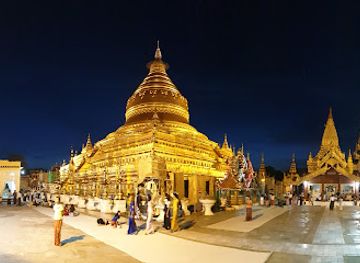
Shwezigon Pagoda
Discover the beauty and spirituality of Shwezigon Pagoda in Nyaung-U, a must-visit Buddhist temple showcasing Myanmar's rich cultural heritage.
-
Tourist attraction
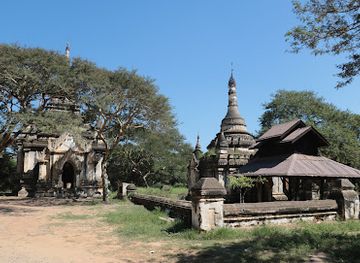
Ananda Temple
Explore the breathtaking Ananda Temple in Bagan, a symbol of Burmese architecture rich in history and spiritual significance.
-
Tourist attraction
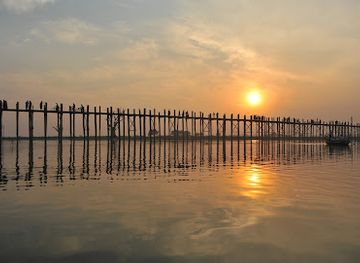
U-Bein Bridge
Experience the enchanting U-Bein Bridge in Mandalay, a historical landmark that offers stunning views and a glimpse into Myanmar's vibrant culture.
-
 Tourist attraction
Dhammayangyi Temple
Explore the breathtaking Dhammayangyi Temple, a remarkable Buddhist pagoda in Old Bagan, showcasing ancient architecture and rich cultural heritage.
Best landmarks in Magway Region
The most recognisable landmark in Magway city is Mya Tha Lun Pagoda, whose elevated riverside position gives it visual importance as well as religious significance. At Sale, Yokesone Monastery is distinguished by its richly carved wooden exterior and stands among the region’s finest surviving examples of traditional monastic architecture. Beikthano’s ancient city remains near Taungdwingyi are important not for a single monumental structure but for the scale and planning of an early Pyu urban settlement, including defensive and water-management features. The oilfields of Yenangyaung and Chauk form a different kind of landmark landscape, marked by drilling equipment, industrial roads and settlements associated with Myanmar’s petroleum history. The Ayeyarwady itself is a defining geographical landmark, particularly where broad riverbank views open around Magway and Pakokku. In the south-west, the forested setting of Shwe Settaw contrasts sharply with the exposed plains and cultivated dry zone.
-
Pagoda
Shwedagon Pagoda
Experience the awe-inspiring beauty of Shwedagon Pagoda, a symbol of Myanmar's spiritual heritage, where golden stupa meets rich cultural history.
-
Market
Bogyoke Aung San Market
Explore the colorful Bogyoke Aung San Market in Pabedan, Myanmar, a hub of culture, crafts, and culinary delights that embodies the spirit of local life.
-
Buddhist temple
Mahamuni Pagoda
Explore the majestic Mahamuni Pagoda in Mandalay, home to a revered golden Buddha and a vibrant hub of Myanmar's Buddhist culture.
-
Pagoda
Kyaik Htee Yoe Pagoda
Experience the serene beauty and spiritual significance of Kyaik Htee Yoe Pagoda, a breathtaking Buddhist temple perched upon a golden rock in Myanmar's Mon State.


Explore Magway Region on the map
Plan your trip on one map. See where the top cities, national parks and sights are, and book hotels and experiences in a few clicks.
Best hotels in Magway Region
Best restaurants in Magway Region
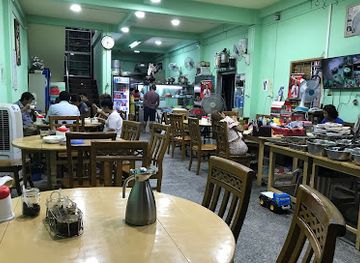
Dining in Magway Region is closely connected to the dry-zone economy and the daily life of market towns. Rice is accompanied by curries, pulses, vegetables, fish from the Ayeyarwady and preserved or dried ingredients suited to a hot climate. Groundnuts, sesame, chickpeas and other pulses are important local crops, while jaggery and palm products reflect the region’s toddy-palm tradition. In Magway, Pakokku and other larger towns, simple restaurants and teashops serve Burmese meals, noodles, rice dishes and snacks; in smaller settlements, food is more likely to be found at markets, roadside stalls or family-run cafés. River fish and seasonal produce vary according to locality and supply. Visitors should choose busy, clean-looking establishments, carry drinking water and expect menus to be limited outside the main towns. The region is better known for fresh, practical everyday cooking than for a concentrated fine-dining scene.
-
Burmese
Mingalabar restaurant
Experience authentic Burmese cuisine at Mingalabar Restaurant in Mandalay - A culinary journey through Myanmar's flavors awaits!
-
Burmese
Unique Mandalay Tea Room
Discover authentic Burmese flavors at Unique Mandalay Tea Room – your go-to destination for breakfast, tea, and cultural immersion.
-
Burmese
Aye Myit Tar Burmese Resturant
Experience authentic Burmese cuisine at Aye Myit Tar Restaurant in Mandalay – where tradition meets flavor.
-
Restaurant
Shan Ma Ma Restaurant
Experience authentic Burmese cuisine at Shan Ma Ma Restaurant in Mandalay – a must-visit for food enthusiasts exploring Myanmar.


Best bars in Magway Region
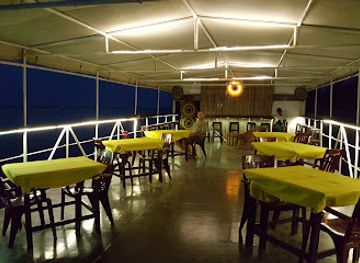
Magway Region does not have a major nightclub circuit, and evening life generally centres on teashops, family restaurants, traditional beer stations and modest urban bars. Magway and Pakokku offer the broadest choice of places to eat and socialise after dark, while smaller towns tend to quieten early. In rural districts, evenings are shaped more by household gatherings, monastery events and market activity than by commercial nightlife. Travellers should not expect dependable late opening hours, extensive cocktail menus or regular live-music programming. Alcohol is available in some establishments, but it is not necessary to experience the region’s evening culture. Because security conditions and local restrictions can change, avoid unnecessary night travel and ask accommodation staff which areas are appropriate at the time of your visit.
-
Beer Garden
EMPEROR 7 Restaurant
Discover the vibrant atmosphere and delicious offerings at Emperor 7 Restaurant, the premier beer garden in Magway, Myanmar.
-
Restaurant
Power 9 KTV & Restaurant
Discover the ultimate dining and karaoke experience at Power 9 KTV & Restaurant in Magway, where delicious food meets vibrant entertainment.
-
Restaurant
Sky Bar
Experience breathtaking views and delightful cuisine at Sky Bar, Mandalay's premier dining destination for tourists seeking an unforgettable night out.
-
Bar
Vip Bar & Restaurant ( Family Ktv )
Discover an energetic nightlife at Vip Bar & Restaurant in Magway, where karaoke meets delicious local cuisine for a memorable evening.


Best nightclubs in Magway Region
Magway Region does not have a major nightclub circuit, and evening life generally centres on teashops, family restaurants, traditional beer stations and modest urban bars. Magway and Pakokku offer the broadest choice of places to eat and socialise after dark, while smaller towns tend to quieten early. In rural districts, evenings are shaped more by household gatherings, monastery events and market activity than by commercial nightlife. Travellers should not expect dependable late opening hours, extensive cocktail menus or regular live-music programming. Alcohol is available in some establishments, but it is not necessary to experience the region’s evening culture. Because security conditions and local restrictions can change, avoid unnecessary night travel and ask accommodation staff which areas are appropriate at the time of your visit.
-
Karaoke bar
BOB KTV
Discover the nightlife of Mandalay at BOB KTV, the ultimate karaoke bar for unforgettable musical experiences.
-
Karaoke bar
Paradise KTV
Experience the vibrant nightlife at Paradise KTV, Mandalay's premier karaoke bar with private rooms, extensive song selections, and excellent service.
-
Bar
Erawati Raft
Discover the serene charm of Erawati Raft, a riverside bar in Old Bagan, Myanmar, perfect for relaxation and stunning sunset views.
-
Karaoke bar
Family KTV
Experience the thrill of karaoke at Family KTV, Mandalay's lively destination for music lovers and fun seekers alike.



Best shops in Magway Region
Shopping in Magway Region is centred on local markets rather than purpose-built retail districts. Magway and Pakokku have the widest selection of everyday goods, clothing, household items, snacks and agricultural produce, while smaller market towns provide a closer view of regional trade. Useful purchases may include roasted groundnuts, sesame-based foods, pulses, jaggery and other palm products, provided they are packed safely for travel. Pakokku is known nationally for its woven textiles and longyi production, although quality and availability vary between sellers. Handwoven cloth, baskets and practical household goods may also be found in rural markets. Ask permission before photographing vendors and compare prices without treating bargaining as entertainment. Antique religious objects and archaeological material should not be bought; legitimate contemporary crafts and packaged foods are safer and more responsible souvenirs.
-
Pagoda
Myathalun Pagoda
Discover the serene beauty of Myathalun Pagoda in Magway, Myanmar, a captivating fusion of spirituality and architectural marvel.
-
Shopping mall
Magway Shopping Mall
Explore Magway Shopping Mall: A vibrant shopping destination in Magway, Myanmar, offering local crafts, international brands, and delightful dining options.
-
Restaurant
Selection 3 - Restaurant
Explore the authentic culinary scene at Selection 3 Restaurant in Magway, where fresh local ingredients meet traditional flavors for an unforgettable dining experience.
-
Historical landmark
Minhla Fort
Discover Minhla Fort, a historical gem in Myanmar showcasing stunning architecture and rich cultural heritage along the Irrawaddy River.


Get your free copy of our complete guide to Magway Region, delivered straight to you.
Everything on this page, from attractions and restaurants to essentials and local phrases, in one PDF you can read offline, print or share.
Already have an account? Sign in
Your Magway Region guide is ready.
We'll send it to · Not you? Sign out

Getting your guide ready…
We are putting together a fresh copy of the Magway Region guide. This can take up to a minute.
This can take a few moments. If your browser asks, choose Allow so the download can start. You'll find the guide in your Downloads folder.
Nothing happened? Download it again
Sorry, the guide is taking longer than usual. Please try again in a minute, or get it by email instead.
Magway Region essentials
Currency and Payment
Safety
Emergency Situations
Do's and Don'ts
Local Tips
From Eve
Local phrases worth knowing
You don't need to get them perfect. A few words go a long way, and locals appreciate the effort.
Basics
| English | Local | Say it |
|---|---|---|
| Hello | မင်္ဂလာပါ | [Mingalar par] |
| Goodbye | သွားပါပြီ | [Thwa par bi] |
| Yes | ဟုတ်ပါတယ် | [Hote par tal] |
| No | မဟုတ်ပါဘူး | [Ma hote par bu] |
| Please/You're welcome | ကျေးဇူးပြုပါ | [Kyeizu pyu par] |
| Thank you | ကျေးဇူးတင်ပါတယ် | [Kyeizu tin par tal] |
| Excuse me/Sorry | နားလည်ပါ၊ ကွယ်လွန်ပါ | [Nar lai par, kwel hlan par] |
| How are you? | နေကြတာဘယ်လိုလဲ? | [Nay kja da beh lo le?] |
| Fine. And you? | အဆင်ပြေပါတယ်။ သင်呢? | [A sin pye par tal. Thin ne?] |
| Do you speak English? | အင်္ဂလိပ်စကားပြောလား? | [English sa kar pyo lar?] |
| I don't understand | နားမလည်ပါဘူး | [Nar ma lai par bu] |
Eating & Drinking
| English | Local | Say it |
|---|---|---|
| I'd like to see the menu, please | မင်္ဂလာပါ။ မီနူးကိုကြည့်ချင်ပါတယ် | [Mingalar par. Menu ko kyi chin par tal] |
| I don't eat meat | မုဆိုးမစားပါ | [Mu soe ma sa par] |
| Cheers! | ကျန်းမာရေးအတွက်! | [Kyan mar yay a twet!] |
| I would like to pay, please | ငွေပေးချင်ပါတယ် | [Nye pay chin par tal] |
Emergencies
| English | Local | Say it |
|---|---|---|
| Help! | ကူညီပါ! | [Ku nyi par!] |
| Go away! | သွားပါ! | [Thwa par!] |
| Call the Police! | ရဲတပ်ဖွဲ့ကိုခေါ်ပါ! | [Yae tat phwe ko khaw par!] |
| Call a doctor! | ဆရာဝန်ကိုခေါ်ပါ! | [Sayar wun ko khaw par!] |
| I'm lost | လမ်းလွတ်သွားပါပြီ | [Lan lut thwa par bi] |
| I'm ill | ကျန်းမာမနေပါ | [Kyan mar ma nay par] |
Shopping
| English | Local | Say it |
|---|---|---|
| I'd like to buy... | ဝယ်ချင်ပါတယ်... | [Wai chin par tal...] |
| I'm just looking | ကြည့်နေချင်တာပါ | [Kyi nai chin tar par] |
| How much is it? | ဘယ်လောက်လဲ? | [Beh laut le?] |
| That's too expensive | အထက်ကျသွားပါတယ် | [A htaik kya thwa par tal] |
| Can you lower the price? | ဈေးကိုလျှော့ချနိုင်မလား? | [Zay ko lya hkyaw nai ma lar?] |
Time & Numbers
| English | Local | Say it |
|---|---|---|
| What time is it? | အချိန်ဘယ်လောက်လဲ? | [A hkyin beh laut le?] |
| It's one o'clock | ၁နာရီ | [1 na yi] |
| Half past (10) | ၁၀နာရီ၃၀မိနစ် | [10 na yi 30 minit] |
| Morning | မနက်ခင်း | [Ma nak hkin] |
| Afternoon | နေ့လယ် | [Nay le] |
| Evening | ညနေ | [Nya nay] |
| Yesterday | မနေ့က | [Ma nay ka] |
| Today | ယနေ့ | [Ya nay] |
| Tomorrow | မနက်ဖြန် | [Ma nak phyan] |
| 1 | ၁ | [1] |
| 2 | ၂ | [2] |
| 3 | ၃ | [3] |
| 4 | ၄ | [4] |
| 5 | ၅ | [5] |
| 6 | ၆ | [6] |
| 7 | ၇ | [7] |
| 8 | ၈ | [8] |
| 9 | ၉ | [9] |
| 10 | ၁၀ | [10] |
Transport & Directions
| English | Local | Say it |
|---|---|---|
| Where's a/the...? | ဘယ်မှာ...လဲ? | [Beh hma...le?] |
| What's the address? | လိပ်စာဘယ်လိုလဲ? | [Leip sa beh lo le?] |
| Can you show me (on the map)? | မြေပုံပေါ်မှာပြပါ | [Myei pone paw hma pya par] |
| When's the next (bus)? | နောက်တစ်ခုဘယ်တော့လဲ? | [Nauk ta hku beh daw le?] |
| A ticket (to ....) | လက်မှတ် (သို့...) | [Let hmat (tho...)] |
History of Magway Region
Beikthano and the Ancient Pyu Cities
Beikthano, near Taungdwingyi, was an important early urban centre of the Pyu civilisation, which flourished in central Myanmar during the first millennium AD. Its planned settlement, city walls, water-management features, religious buildings and burial evidence provide evidence of a sophisticated society connected to wider networks across mainland South-East Asia. Along with Sri Ksetra and Halin, Beikthano forms the UNESCO-listed Pyu Ancient Cities. The site is historically important not simply for its ruins but for showing the early development of urban Buddhism, agriculture and long-distance cultural exchange in the dry zone.
Buddhist Kingdoms and the Dry-Zone Monastic Tradition
From the early medieval period onwards, the region formed part of the cultural world shaped by the Pagan kingdom and later Burmese dynasties. Religious foundations, manuscript traditions and artistic styles travelled through the settlements of the central plain, leaving a legacy in monasteries and pagodas around Sale, Pakokku and other river towns. Much of the surviving architecture reflects later rebuilding rather than a single period, but the continuity of Buddhist patronage is clear. Wooden monasteries, brick stupas and painted or carved decorative work remain important expressions of the region’s religious and artistic history.
River Commerce and the Rise of Market Towns
The Ayeyarwady made Magway a strategic zone for movement between Upper and Lower Myanmar. River landings supported the exchange of grain, oil, cotton, livestock, forest products and manufactured goods, while towns such as Pakokku developed as major commercial centres. Sale and other settlements also benefited from their position along routes linking the river with the interior. Before modern roads and railways transformed travel, boats and seasonal cart routes were fundamental to the region’s economy. Contemporary markets, jetties and warehouses preserve traces of this commercial geography.
Yenangyaung, Chauk and Myanmar’s Petroleum Industry
The oil-bearing fields around Yenangyaung and Chauk became central to the development of Myanmar’s petroleum industry during the colonial period. Local communities had long used natural petroleum, but industrial extraction introduced drilling technology, company infrastructure and new forms of labour and administration. The oilfields were strategically important during the Second World War and suffered disruption as armies moved through central Myanmar. Derricks, field settlements and the continuing association of the towns with petroleum provide a visible link between indigenous resource use, colonial economics and modern industrial history.
War in Central Myanmar, 1942–1945
Magway Region was deeply affected by the Burma campaign of the Second World War. The Ayeyarwady corridor and the oilfields around Chauk and Yenangyaung had military and logistical value, while roads, railways, river transport and industrial installations became contested infrastructure. Retreats, scorched-earth measures and the movement of troops caused severe disruption to local communities. The campaign left physical and social consequences across the central dry zone, and the region’s oil installations were particularly significant to the wartime economy and military strategy of both sides.
Post-Independence Agriculture and Resource Development
After Myanmar’s independence in 1948, Magway remained an important agricultural and resource-producing region. Its dry climate encouraged cultivation of sesame, groundnuts, pulses and other crops, while palm products supported household economies in many rural areas. Petroleum extraction continued around the older oil towns, although output and infrastructure changed over time. State-led development, road construction and river transport linked the region more closely to national markets, but drought, limited water resources and uneven infrastructure continued to shape everyday life.
Contemporary Change and Political Instability
Magway Region has experienced rapid social and political change in the twenty-first century, including expanding mobile connectivity, migration, evolving agricultural markets and continued pressure on rural livelihoods. Since the military coup of 2021, parts of the region have also seen armed conflict, resistance activity and severe disruption. Conditions vary considerably between townships and can change without warning. This contemporary history is directly relevant to visitors: transport, communications, access to heritage sites and personal safety may be affected, and responsible travel requires close attention to current local circumstances.
Magway Region in Photos
Browse through our photo collection highlighting the charm and character of the destination.
Neighbouring regions of Magway Region
The closest regions to Magway Region, if you have time for more than one.
-

-

-
-
-


Swipe for more regions
Explore more

Explore more of Myanmar (Burma)
Discover Myanmar: A land of golden pagodas, ancient temples, and breathtaking natural beauty, where warm hospitality and rich culture await every traveler.
Explore Myanmar (Burma)