

Free Central Myanmar Travel Guide & Mobile App
Explore Central Myanmar with free travel guides. Discover regional history, expert tips, proposed trips, and audio guides on web or mobile app.


Central Myanmar brings royal capitals, Bagan’s temple plain, river landscapes and Mandalay’s crafts together across a historic dry-zone journey.
Read more about Central Myanmar
When is the best time to visit Central Myanmar?
Best: December–February · 27–31°C| Month | High (°C) | Rainfall (mm) |
|---|---|---|
| January (best) | 27 | 1 |
| February (best) | 31 | 3 |
| March | 35 | 5 |
| April | 37 | 10 |
| May | 36 | 20 |
| June | 33 | 100 |
| July | 31 | 200 |
| August | 31 | 200 |
| September | 32 | 150 |
| October | 31 | 100 |
| November | 29 | 30 |
| December (best) | 27 | 5 |
Getting to and around Central Myanmar
How to get there
Transportation
Top city travel guides in Central Myanmar
The cities of Central Myanmar, and the easiest places to base yourself.
-

-

-

-

-

-


Swipe for more cities
Destinations in Central Myanmar
Resorts, valleys and scenic spots worth a trip of their own.
-

-


Swipe for more destinations
Best attractions in Central Myanmar
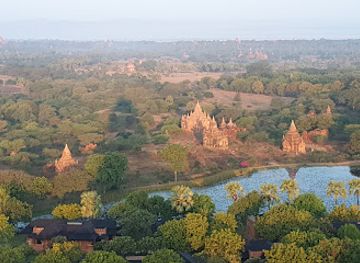
Central Myanmar's attractions range from immense archaeological landscapes to working craft districts and former royal capitals. Bagan is the region's defining heritage destination, with temple fields, monasteries and village roads spread across a broad plain beside the Ayeyarwady. Mandalay combines the Royal Palace, major Buddhist monuments, traditional workshops and access to Amarapura, Sagaing, Inwa and Mingun, each associated with a different phase of royal or religious history. Sagaing's wooded hills are marked by monasteries and stupas, while Inwa offers a rural setting of brick ruins and timber religious buildings. Mount Popa provides a volcanic landscape and an important nat, or spirit, shrine, though routes and access must be checked carefully. Pyin Oo Lwin offers a cooler hill climate, colonial-era traces and botanical landscapes, whereas Nay Pyi Taw presents modern civic architecture and widely dispersed planned districts. River scenery, craft demonstrations and food markets add local context, but current conflict, road conditions and restrictions may make some attractions inaccessible.
-
Park
People's Park
Explore the tranquil beauty of People's Park, a lush retreat in Yangon with stunning views of Shwedagon Pagoda and vibrant local culture.
-
Botanical garden
National Kandawgyi Gardens
Experience the lush beauty and tranquility of National Kandawgyi Gardens in Pyin Oo Lwin, a perfect retreat for nature lovers and tourists.
-
Park
Kandawgyi Natural Garden
Explore Kandawgyi Natural Garden, an urban oasis in Yangon featuring serene landscapes, vibrant flora, and a tranquil lake perfect for relaxation.
-
Observation deck
Bagan Viewing Tower (Bagan Nan Myint Tower)
Discover breathtaking views of Bagan's ancient temples from the Bagan Viewing Tower, an iconic observation deck in Myanmar's stunning archaeological site.

Best landmarks in Central Myanmar
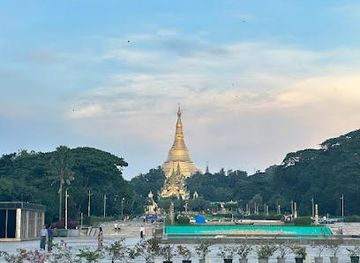
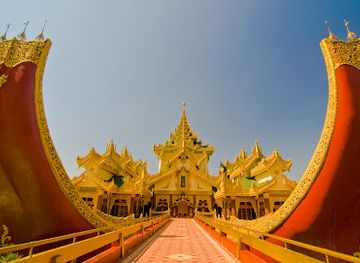
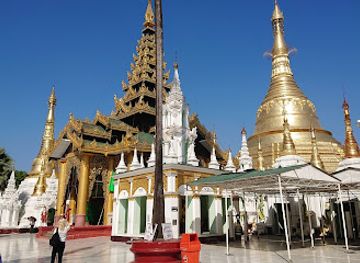
The most recognisable landmark landscape in Central Myanmar is Bagan's horizon of brick stupas and temples, a physical record of the Pagan Kingdom that extends across the dry plain rather than forming a compact historic centre. In Mandalay, the former Royal Palace's moat and walls mark the last Burmese royal capital, while the gilded Mahamuni Buddha image remains one of the region's most important religious objects. The teak Shwenandaw Monastery is notable for its intricate carved exterior and its connection with the royal court. U Bein Bridge at Amarapura crosses shallow seasonal waters in a long timber span and has become a visual symbol of the city, although visitor access and surrounding conditions should be checked. Sagaing Hill forms a strongly religious skyline of stupas and monasteries, and the brick remains of Inwa's Bagaya Monastery and watchtower convey the character of a former capital. Mount Popa, rising above the plains, is the region's most distinctive volcanic landmark and a major centre of nat worship.
-
Pagoda
Shwedagon Pagoda
Discover the timeless beauty and spiritual significance of Shwedagon Pagoda, a must-see landmark in Yangon, Myanmar, brimming with history and culture.
-
Market
Bogyoke Aung San Market
Explore Bogyoke Aung San Market, Yangon’s vibrant hub for local crafts, delicious cuisine, and an unforgettable shopping experience.
-
 Pagoda
Sule Pagoda
Explore the stunning Sule Pagoda, a cultural and spiritual landmark in Yangon, Myanmar, renowned for its exquisite architecture and vibrant atmosphere.
-
Buddhist temple
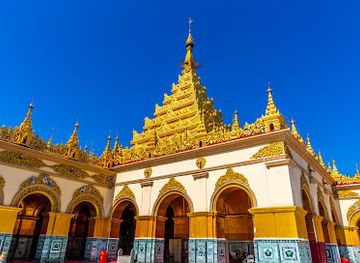
Mahamuni Pagoda
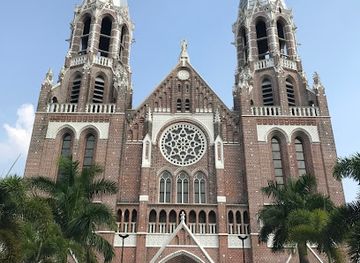
Discover the spiritual heart of Mandalay at Mahamuni Pagoda, home to the revered Mahamuni Buddha statue and vibrant local rituals.
Explore Central Myanmar on the map
Plan your trip on one map. See where the top cities, national parks and sights are, and book hotels and experiences in a few clicks.
Best hotels in Central Myanmar
Best restaurants in Central Myanmar
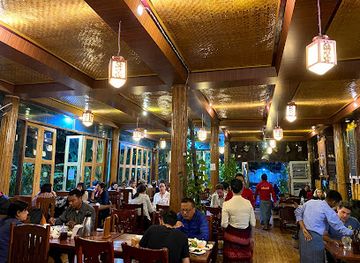
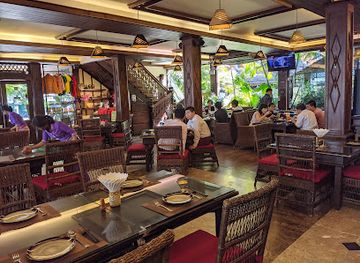
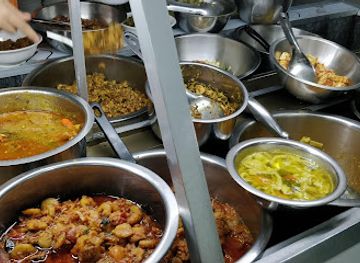
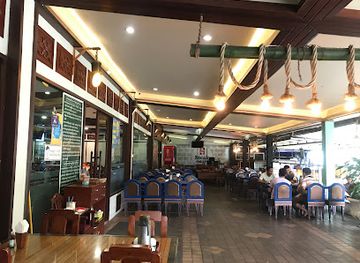
Central Myanmar dining is based on rice, pulses, sesame, tamarind, freshwater fish, vegetables and pungent relishes, with the dry climate giving many dishes a pronounced use of oil, chilli and preserved ingredients. Mandalay has the widest range of Burmese, Shan, Chinese and Indian-influenced food, from tea shops and noodle counters to family restaurants and hotel dining rooms. Bagan and smaller towns offer simple curries, grilled foods, salads and locally produced snacks, although choice and operating hours can be limited. Pyin Oo Lwin has a cooler-climate food culture with strong Chinese and Indian influences, while riverside towns often serve fish and rice dishes when supplies allow. Look for pickles, sesame-based preparations, tamarind flavours and regional pulses, and use busy, well-maintained establishments with good food turnover. Food and water hygiene standards vary, so visitors should choose treated water and take sensible care with uncooked ingredients.
-
Burmese
Mingalabar restaurant
Discover authentic Burmese flavors at Mingalabar Restaurant in Mandalay - a delightful dining experience rich in culture and taste.
-
Restaurant
Shan Yoe Yar Restaurant (Manaw Hari)
Discover authentic Myanmar flavors at Shan Yoe Yar Restaurant in Yangon - where every dish tells a story.
-
Burmese
Aung Thu Kha Traditional Myanmar Food House
Discover the true essence of Burmese cuisine at Aung Thu Kha Traditional Myanmar Food House in Yangon.
-
Burmese
Feel Myanmar Restaurant 2
Savor authentic Burmese flavors at Feel Myanmar Restaurant 2 in Yangon - a delightful culinary journey awaits!
Best bars in Central Myanmar
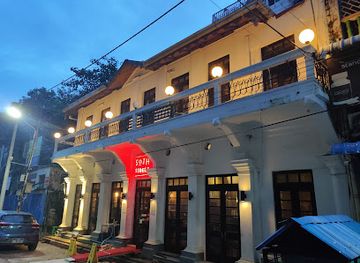
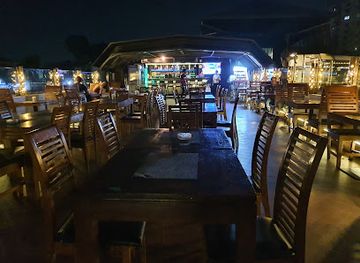
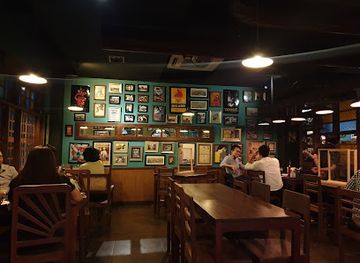
Evening life in Central Myanmar is generally low-key and changes sharply between the main cities and rural areas. Mandalay has the broadest selection of beer stations, tea shops, hotel bars, restaurants and occasional live-music venues, with activity concentrated around commercial areas rather than a single dependable nightclub district. In Bagan, evenings usually centre on restaurants, small hotel bars and quiet riverside or street-side establishments, while religious and archaeological sites are not places for late-night entertainment. Nay Pyi Taw's dispersed layout means that nightlife is scattered among hotels and commercial zones. Outside these centres, traditional tea shops, family restaurants and local beer stations are more representative than clubs. Opening arrangements, alcohol availability and movement restrictions can change because of the security situation, so check locally and avoid travelling after curfew or into unfamiliar districts at night.
-
Bar
50th Street Restaurant & Bar
Experience a vibrant culinary journey at 50th Street Restaurant & Bar in Yangon, blending local flavors with international cuisine in a lively atmosphere.
-
Bar
The Beer Factory Yangon
Experience the vibrant atmosphere and diverse beer selection at The Beer Factory Yangon, a must-visit bar for every traveler.
-
Bar
Vista Bar
Immerse yourself in the vibrant nightlife of Yangon at Vista Bar, a perfect blend of refreshing drinks and stunning city views.
-
Grill
Byblos Pub & Grill
Experience the best of Yangon dining at Byblos Pub & Grill, where delicious cuisine meets a vibrant atmosphere.

Best nightclubs in Central Myanmar
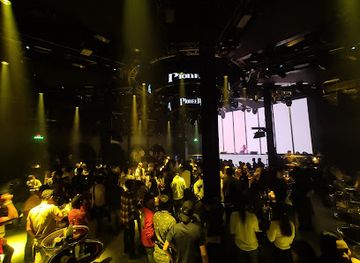
Evening life in Central Myanmar is generally low-key and changes sharply between the main cities and rural areas. Mandalay has the broadest selection of beer stations, tea shops, hotel bars, restaurants and occasional live-music venues, with activity concentrated around commercial areas rather than a single dependable nightclub district. In Bagan, evenings usually centre on restaurants, small hotel bars and quiet riverside or street-side establishments, while religious and archaeological sites are not places for late-night entertainment. Nay Pyi Taw's dispersed layout means that nightlife is scattered among hotels and commercial zones. Outside these centres, traditional tea shops, family restaurants and local beer stations are more representative than clubs. Opening arrangements, alcohol availability and movement restrictions can change because of the security situation, so check locally and avoid travelling after curfew or into unfamiliar districts at night.
-
Disco club
Pioneer
Experience the electrifying nightlife at Pioneer Disco Club in Yangon, where dancing, music, and drinks create unforgettable memories.
-
Bar
7th Joint Bar & Grill
Experience the best of Yangon’s culinary scene at 7th Joint Bar & Grill, where vibrant flavors and lively atmosphere come together.
-
Disco club
Emperor
Discover the vibrant nightlife of Yangon at Emperor Disco Club, where music, dancing, and fun come together for an unforgettable experience.
-
Bar
Brolly Sky Bar
Brolly Sky Bar: Experience Mandalay's vibrant nightlife with stunning views and an extensive drink menu in an inviting atmosphere.
Best shops in Central Myanmar
Mandalay is the region's principal shopping centre, with markets and specialist workshops selling lacquerware, woodcarving, stone carving, gold leaf, silk, cotton textiles and religious objects. Quality and provenance vary, so visitors should compare work, ask about materials and avoid purchasing antiquities or items whose export legality is unclear. Bagan is associated with lacquerware and painted crafts, while shops and village workshops around the archaeological zone offer textiles, basketry and food products; buy from reputable sellers and be cautious about imitation antiques. Pyin Oo Lwin has a different retail character, with produce, preserves, tea and small craft businesses reflecting its hill-country setting. Mandalay's markets are useful for spices, snacks, longyi cloth and everyday goods, but crowded conditions require ordinary care with belongings. Retail hours, market access and supply chains may be affected by power cuts, transport disruption and the wider security situation, so flexible expectations are essential.
-
Shopping mall
Myanmar Plaza
Explore Myanmar Plaza: Your ultimate shopping and dining destination in Yangon, where modernity meets cultural richness.
-
Shopping mall
Junction Square
Discover the vibrant Junction Square in Yangon, where shopping, dining, and entertainment blend seamlessly in a unique urban experience.
-
Shopping mall
Yuzana Plaza
Discover the vibrant blend of shopping and local culture at Yuzana Plaza in Yangon, where unique finds await every visitor.
-
Shopping mall
Taw Win Centre
Experience the lively Taw Win Centre in Yangon, a shopping haven blending local charm with modern amenities for every traveler.


Get your free copy of our complete guide to Central Myanmar, delivered straight to you.
Everything on this page, from attractions and restaurants to essentials and local phrases, in one PDF you can read offline, print or share.
Already have an account? Sign in
Your Central Myanmar guide is ready.
We'll send it to · Not you? Sign out

Getting your guide ready…
We are putting together a fresh copy of the Central Myanmar guide. This can take up to a minute.
This can take a few moments. If your browser asks, choose Allow so the download can start. You'll find the guide in your Downloads folder.
Nothing happened? Download it again
Sorry, the guide is taking longer than usual. Please try again in a minute, or get it by email instead.
Central Myanmar essentials
Currency and Payment
Safety
Emergency Situations
Do's and Don'ts
Local Tips
From Eve
Local phrases worth knowing
You don't need to get them perfect. A few words go a long way, and locals appreciate the effort.
Basics
| English | Local | Say it |
|---|---|---|
| Hello | မင်္ဂလာပါ | [Mingalaba] |
| Goodbye | သွားတော့မယ် | [Thwa da ma] |
| Yes | ဟုတ်ကဲ့ | [Hote ke] |
| No | မဟုတ်ဘူး | [Ma hote bu] |
| Please/You're welcome | ကျေးဇူးပြုပါ | [Kyeizu pyu ba] |
| Thank you | ကျေးဇူးတင်ပါတယ် | [Kyeizu tin par tal] |
| Excuse me/Sorry | ကွယ်လွန်ပါ | [Kwelaun ba] |
| How are you? | နေကြတယ်လား | [Nay kyar tal la] |
| Fine. And you? | ကောင်းပါတယ်၊ သင်လည်းကောင်းလား | [Kang par tal, Thin lae kang la] |
| Do you speak English? | အင်္ဂလိပ်စကားပြောလား | [English sa ga pyaw la] |
| I don't understand | အကြောင်းမသိပါ | [Akyawng ma thi ba] |
Eating & Drinking
| English | Local | Say it |
|---|---|---|
| I'd like to see the menu, please | မင်္ဂလာပါ၊ မီနူးကြည့်ချင်ပါတယ် | [Mingalaba, menu kyay chin par tal] |
| I don't eat meat | သားစားမယ်မဟုတ်ပါ | [Thar sa ma hote ba] |
| Cheers! | အားလုံးကျန်းမာပါစေ | [Ah lone kyain ma par say] |
| I would like to pay, please | ငွေချေပေးပါ | [Nge che pay ba] |
Emergencies
| English | Local | Say it |
|---|---|---|
| Help! | အကူအညီပါ! | [Aku anyi par!] |
| Go away! | ထွက်သွားပါ! | [Thwat thwa par!] |
| Call the Police! | ရဲတပ်ဖွဲ့ကိုဖုန်းဆိုပါ | [Yay tat pwe ko phone so ba] |
| Call a doctor! | ဆရာဝန်ကိုဖုန်းဆိုပါ | [Saya wun ko phone so ba] |
| I'm lost | ငါလမ်းလျှောက်မရတော့ဘူး | [Nga lan lyaung ma ya to bu] |
| I'm ill | ငါနာကျင်နေတယ် | [Nga na kyan nay tal] |
Shopping
| English | Local | Say it |
|---|---|---|
| I'd like to buy... | ဝယ်ချင်ပါတယ်... | [Wai chin par tal...] |
| I'm just looking | သာလွန်နေတယ် | [Thar lone nay tal] |
| How much is it? | ဘယ်လောက်လဲ | [Be laut le] |
| That's too expensive | အရမ်းစျေးကြီးတယ် | [Ayan zay gyi tal] |
| Can you lower the price? | စျေးကိုချိုးရင်မလား | [Zay ko cho yin ma la] |
Time & Numbers
| English | Local | Say it |
|---|---|---|
| What time is it? | အချိန်ဘယ်နာရီလဲ | [Akyain be na yi le] |
| It's one o'clock | နာရီတစ်နာရီ | [Na yi ta na yi] |
| Half past (10) | နာရီ ၁၀ နှစ်ခွဲ | [Na yi 10 hna khwe] |
| Morning | မနက် | [Ma nak] |
| Afternoon | နေ့လယ် | [Nay lae] |
| Evening | ညနေ | [Nya nay] |
| Yesterday | မနေ့က | [Ma nay ka] |
| Today | ဒီနေ့ | [Di nay] |
| Tomorrow | မနက်ဖြန် | [Ma nak phyan] |
| 1 | ၁ | [1] |
| 2 | ၂ | [2] |
| 3 | ၃ | [3] |
| 4 | ၄ | [4] |
| 5 | ၅ | [5] |
| 6 | ၆ | [6] |
| 7 | ၇ | [7] |
| 8 | ၈ | [8] |
| 9 | ၉ | [9] |
| 10 | ၁၀ | [10] |
Transport & Directions
| English | Local | Say it |
|---|---|---|
| Where's a/the...? | ဘယ်မှာပါ...? | [Be hma par...?] |
| What's the address? | လိပ်စာဘာလဲ | [Leip sa ba le] |
| Can you show me (on the map)? | မြေပုံပေါ်မှာပြပါ | [Myei pone paw hma pyaw ba] |
| When's the next (bus)? | နောက်ထပ်(ဘတ်စ်)ဘယ်အချိန်လဲ | [Naukh tat (bus) be akyain le] |
| A ticket (to ....) | လက်မှတ်(သို့...) | [Let hmat (tho...)] |
History of Central Myanmar
Early Pyu and Irrawaddy Civilisations
Before the rise of Bagan, the dry zone and central river valleys formed part of a network of ancient urban cultures connected by trade, irrigation and Buddhism. Pyu communities developed fortified settlements, organised water management and links with South and Southeast Asia. The best-known Pyu remains, including Sri Ksetra near modern Pyay, lie outside the core Mandalay–Bagan corridor, but they help explain the long history of urbanisation and Buddhist state formation across central Myanmar. Later Bamar-speaking communities inherited and adapted many of these political, religious and agricultural traditions.
The Pagan Kingdom, Eleventh to Thirteenth Centuries
Bagan became the centre of a powerful kingdom during the eleventh century under King Anawrahta and his successors. Control of the central Irrawaddy basin supported taxation, irrigation and the movement of rice, while Buddhism shaped royal patronage and monumental construction. Thousands of temples, stupas and monasteries were built across the Bagan plain, leaving one of Myanmar's most important archaeological landscapes. The kingdom declined in the late thirteenth century amid political fragmentation and external pressure, but Bagan remained a major religious centre long after royal power shifted elsewhere.
Sagaing, Inwa and the Royal Successions
After Bagan's decline, political power moved among capitals in the central river region. Sagaing became a royal centre in the fourteenth century, followed by Inwa, also known as Ava, which served as a major capital for several periods. The location of these cities near the confluence and crossings of the Irrawaddy and its tributaries reflected the strategic importance of river transport and fertile land. Their monasteries, brick fortifications and religious monuments preserve a layered record of medieval Burmese history, despite repeated wars, earthquakes and changes in the river's course.
The Konbaung Dynasty and Mandalay
The Konbaung dynasty emerged in the eighteenth century and consolidated power over much of Myanmar. King Mindon founded Mandalay in 1857 as the dynasty's last royal capital, establishing the palace city, religious institutions and court workshops that still define the city's historical identity. The surrounding capitals of Amarapura and Inwa were absorbed into the changing royal landscape, while monastic scholarship, manuscript production and craft traditions flourished. Mandalay's palace complex and surviving monasteries therefore represent both a late precolonial political centre and an enduring focus of Burmese cultural life.
British Conquest and Colonial Transformation
British forces captured Mandalay in 1885 during the Third Anglo-Burmese War, ending the Konbaung monarchy and incorporating Upper Burma into British India. Colonial rule altered administration, trade and transport, while railways and river steamers strengthened links between central towns, Rangoon and northern markets. The economy increasingly relied on rice, oil, pulses and other commodities, but the benefits of commercial development were uneven. Pyin Oo Lwin, then Maymyo, became a British hill station, and colonial buildings, railway infrastructure and military landscapes remain visible in parts of the central region.
Independence, Nay Pyi Taw and Contemporary Change
Myanmar became independent in 1948, but central regions have since experienced political upheaval, insurgency, military rule and uneven economic development. Nay Pyi Taw was developed as the national capital in the early twenty-first century, creating a planned administrative centre distinct from older cities such as Mandalay. Tourism expanded around Bagan, Mandalay and the former capitals before the pandemic and subsequent political crisis brought severe disruption. Today, travel conditions differ sharply between localities, and conflict, restrictions and economic strain remain central considerations for anyone planning a journey through Central Myanmar.
Central Myanmar in Photos
Browse through our photo collection highlighting the charm and character of the destination.
Neighbouring regions of Central Myanmar
The closest regions to Central Myanmar, if you have time for more than one.
-

-

-

-

-


Swipe for more regions
Explore more

Explore more of Myanmar (Burma)
Discover Myanmar: A land of golden pagodas, ancient temples, and breathtaking natural beauty, where warm hospitality and rich culture await every traveler.
Explore Myanmar (Burma)