

Free Rakhine State Travel Guide & Mobile App
Explore Rakhine State with free travel guides. Discover regional history, expert tips, proposed trips, and audio guides on web or mobile app.


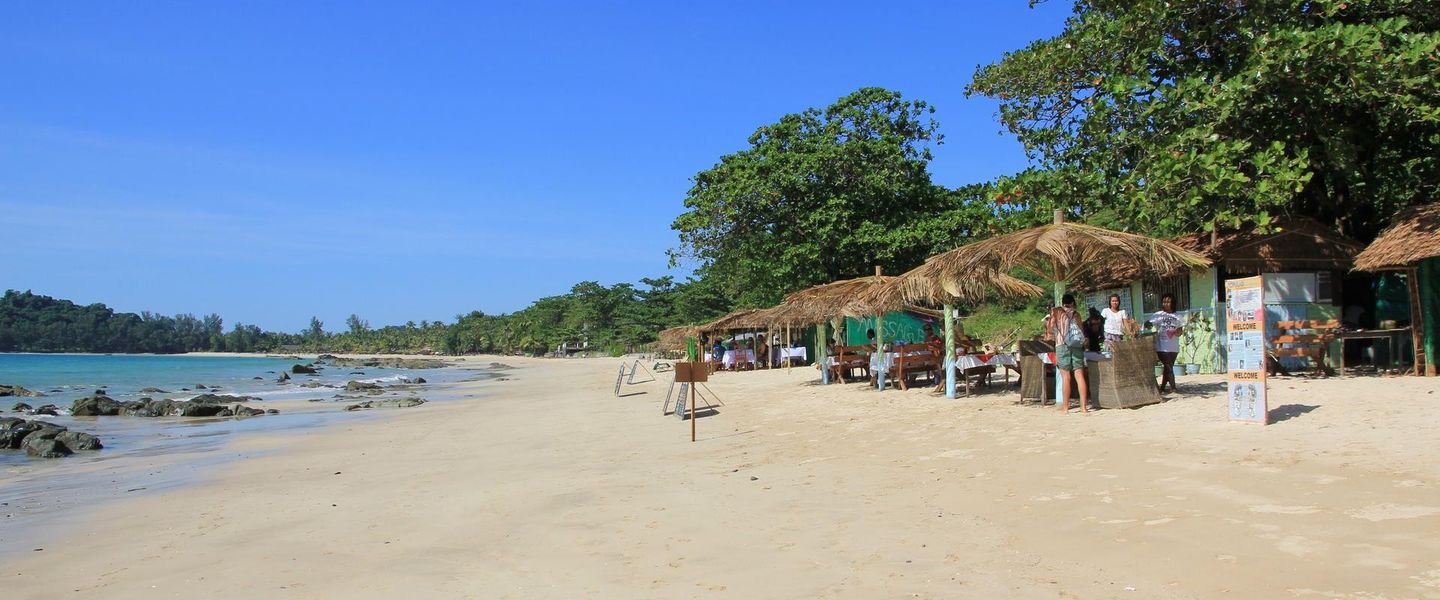


Explore Rakhine State's ancient Mrauk-U temples, Bay of Bengal coast and maritime culture only with current security and access advice.
When is the best time to visit Rakhine State?
Best: December–February · 26–28°C| Month | High (°C) | Rainfall (mm) |
|---|---|---|
| January (best) | 26 | 1 |
| February (best) | 28 | 1 |
| March | 31 | 5 |
| April | 33 | 20 |
| May | 32 | 50 |
| June | 30 | 100 |
| July | 30 | 200 |
| August | 30 | 200 |
| September | 30 | 100 |
| October | 30 | 50 |
| November | 29 | 20 |
| December (best) | 26 | 1 |
Getting to and around Rakhine State
How to get there
Transportation
Top city travel guides in Rakhine State
The cities of Rakhine State, and the easiest places to base yourself.
-

-
-

-

-


Swipe for more cities
Destinations in Rakhine State
Resorts, valleys and scenic spots worth a trip of their own.

Swipe for more destinations
Best attractions in Rakhine State
Rakhine State's attractions range from the temple landscape of Mrauk-U to the beaches, estuaries and fishing communities of the Bay of Bengal coast. Mrauk-U is the principal cultural focus, with Buddhist monuments scattered among rice fields and low hills rather than concentrated within a single visitor compound. Sittwe offers a riverine urban setting and access to the wider Kaladan delta, although museums, waterfront areas and transport links may not operate normally. Around Thandwe, Ngapali is known for its wide beach, while nearby coastal villages reveal a more working maritime landscape. Ramree Island and other coastal areas contain mangroves, wetlands and historically important settlements, but independent visits may be restricted and ecological access is limited. The state also has archaeological remains associated with earlier centres such as Vesali, though interpretation and visitor facilities are modest. Outdoor activities should be undertaken only after checking security, tides, weather and local permission; Rakhine is not a destination where a standard sightseeing itinerary can safely be assumed.
-
Ngapali Beach
Discover the tranquil beauty of Ngapali Beach in Myanmar, where soft sands and clear waters create a perfect tropical getaway.
-
Tourist attraction
နဂါးကျောက်ဆောင်
Discover the serene beauty and rich culture of Thabyugyaing, a must-visit tourist attraction in Myanmar for an unforgettable experience.
-
Tourist attraction
Pearl Island - Ngapali
Discover the untouched beauty and tranquility of Pearl Island in Ngapali, a tropical paradise perfect for relaxation and adventure.
-
Tourist attraction
Pearl Island
Explore the serene beaches and vibrant marine life of Pearl Island, a hidden gem near Gyeiktaw, perfect for adventure and relaxation.


Best landmarks in Rakhine State
The temple skyline of Mrauk-U is Rakhine State's defining built landmark. Shittaung Temple, commissioned in the sixteenth century, is notable for its dense corridors, carved religious imagery and massive masonry form, while Htukkanthein is recognised for its compact, fortified appearance and winding interior passage. Andaw Temple and the remains of the palace and city defences help convey the scale of the former Mrauk-U kingdom, although the archaeological landscape extends well beyond these best-known monuments. Vesali's surviving remains represent an earlier phase of Arakanese civilisation and are important for understanding the region's links with the Bay of Bengal. In Sittwe, the meeting of major rivers forms a geographical landmark more than a monumental one, revealing the delta setting that has shaped the capital's history. Ngapali's long beach is the state's best-known natural landmark, but its coastal character should be understood alongside the mangroves, islands and tidal waterways that dominate much of Rakhine. Access to all these places can be restricted, and historic structures should be treated as active religious and cultural sites rather than ruins without living significance.
-
Beach
Ngapali Beach
Experience the serene charm and breathtaking beauty of Ngapali Beach, Myanmar's ultimate beach destination for relaxation and adventure.
-
Tourist attraction
Sittwe View Point Park
Discover the breathtaking beauty and rich history of Sittwe View Point Park, a premier tourist attraction offering stunning coastal views and serene landscapes.
-
 Resort hotel
Sandoway Resort
Experience unparalleled luxury and tranquility at Sandoway Resort in Gyeiktaw, where traditional charm meets modern comfort amidst stunning natural beauty.
-
Buddhist temple
Shaitthaung Phayar
Explore the enchanting Shaitthaung Phayar, a stunning Buddhist temple in Mrauk-U, known for its intricate carvings and serene spiritual atmosphere.


Explore Rakhine State on the map
Plan your trip on one map. See where the top cities, national parks and sights are, and book hotels and experiences in a few clicks.
Best hotels in Rakhine State
Best restaurants in Rakhine State
Rakhine cooking reflects a long maritime relationship with the Bay of Bengal, combining rice, fresh and dried seafood, chillies, herbs, fermented ingredients and richly seasoned broths. Fish and prawns are prominent in coastal towns, while the dishes served inland often rely more heavily on rice, vegetables and preserved seafood. Rakhine-style noodle soups and seafood preparations are among the regional flavours visitors may encounter, though recipes and names vary between communities and towns. Sittwe and Thandwe offer the broadest choice of modest restaurants, teashops and market food when businesses are operating; Mrauk-U's dining scene is smaller and usually depends on guesthouses and local eateries. Ngapali has historically provided a wider range of beachfront and hotel dining, but availability can change with security and tourism conditions. Carrying basic provisions is sensible for journeys beyond major towns, and visitors should choose cooked food carefully where refrigeration and water supplies are uncertain.
-
Restaurant
Mr.June Restaurant
Discover authentic Myanmar flavors at Mr. June Restaurant in Linthar Village - a must-visit culinary destination.
-
Restaurant
PVI Restaurant
Discover authentic Burmese flavors at PVI Restaurant in Ngapali – where every meal is a celebration of taste amidst stunning coastal views.
-
Seafood
Min Thu Restaurant
Experience Gyeiktaw's finest seafood at Min Thu Restaurant - where freshness meets flavor in every dish.
-
Seafood
Seagull Restaurant
Discover fresh seafood delights at Seagull Restaurant in Zi Phyu Kone - where every dish tells a story.


Best bars in Rakhine State
Rakhine State does not have a substantial, dependable nightclub circuit, and current security conditions make conventional nightlife an inappropriate planning priority. In Sittwe, Thandwe and larger settlements, evening social life is more likely to centre on tea shops, simple restaurants and local beer venues than on late-opening clubs. Ngapali's hotels and beach establishments have historically offered the greatest concentration of evening dining and drinks, although their operations may be seasonal or interrupted. Mrauk-U is generally quiet after dark, with visitors spending evenings at guesthouses or eating locally rather than moving between bars. In rural and conflict-affected areas, darkness, road conditions, checkpoints and communications failures make late travel unsafe. Alcohol should not be assumed to be available, and it is important to respect Buddhist sites, village customs and local sensitivities.
-
Bar
50th Street Restaurant & Bar
Discover the vibrant dining experience at 50th Street Restaurant & Bar in Yangon, offering a diverse menu and lively atmosphere.
-
Bar
Yangon Yangon Rooftop Bar
Discover the breathtaking views and vibrant atmosphere at Yangon Rooftop Bar, a perfect spot for relaxation and memorable evenings.
-
Restaurant
PVI Restaurant
Experience the best of local and international cuisine at PVI Restaurant, a culinary haven in the heart of Ngapali, Myanmar.
-
Seafood
Min Thu Restaurant
Experience the best of Gyeiktaw's seafood at Min Thu Restaurant, where fresh ingredients meet local flavors in a warm, welcoming setting.


Best nightclubs in Rakhine State
Rakhine State does not have a substantial, dependable nightclub circuit, and current security conditions make conventional nightlife an inappropriate planning priority. In Sittwe, Thandwe and larger settlements, evening social life is more likely to centre on tea shops, simple restaurants and local beer venues than on late-opening clubs. Ngapali's hotels and beach establishments have historically offered the greatest concentration of evening dining and drinks, although their operations may be seasonal or interrupted. Mrauk-U is generally quiet after dark, with visitors spending evenings at guesthouses or eating locally rather than moving between bars. In rural and conflict-affected areas, darkness, road conditions, checkpoints and communications failures make late travel unsafe. Alcohol should not be assumed to be available, and it is important to respect Buddhist sites, village customs and local sensitivities.
-
Beach
Ngapali Beach
Discover the serene beauty of Ngapali Beach, a tropical paradise on Myanmar's coast, perfect for relaxation, adventure, and cultural exploration.
-
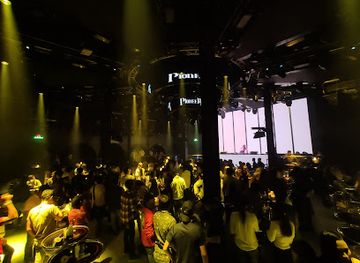
Disco club
Pioneer
Experience the vibrant nightlife of Yangon at Pioneer, a premier disco club inviting you to dance and celebrate with an energetic crowd.
-
Disco club
Emperor
Experience the vibrant nightlife of Yangon at Emperor, where live music and energetic dancing create unforgettable memories in a cultural hub.
-
Hotel
Pristine Mermaid Resort
Experience unparalleled luxury and natural beauty at Pristine Mermaid Resort, your gateway to relaxation and adventure in Ngapali, Myanmar.



Best shops in Rakhine State
Shopping in Rakhine State is practical and locally oriented rather than centred on large retail districts. Sittwe has the broadest selection of markets, provisions, clothing and household goods, while Thandwe serves both local residents and the coastal visitor economy. Mrauk-U offers small shops and market stalls where visitors may find woven goods, snacks, local food products and modest religious or craft items, although stock changes with transport and economic conditions. Seafood products, rice-based foods and regional seasonings can be distinctive purchases, but check customs and airline rules before carrying them onward. Traditional textiles, lacquerware and handmade objects may be available through local sellers, yet buyers should ask about provenance and avoid antiquities, archaeological fragments or religious images removed from their proper setting. Bargaining can occur in informal markets, but it should remain courteous and proportionate. Carry sufficient cash, as card payments and formal retail facilities are limited outside the main towns.
-
Shopping mall
Myanmar Plaza
Experience the vibrant blend of culture, shopping, and dining at Myanmar Plaza, the premier shopping destination in Yangon.
-
Shopping mall
City Mall St. John
Explore the vibrant shopping experience at City Mall St. John in Yangon, where culture meets modern retail and dining delights.
-
Shopping mall
Taw Win Centre
Discover the dynamic shopping experience at Taw Win Centre, Yangon, where local charm meets modern retail in an unforgettable atmosphere.
-
Shopping mall
Sule Square
Discover luxury shopping and local delights at Sule Square, Yangon’s premier shopping destination, blending modern retail with cultural experiences.



Get your free copy of our complete guide to Rakhine State, delivered straight to you.
Everything on this page, from attractions and restaurants to essentials and local phrases, in one PDF you can read offline, print or share.
Already have an account? Sign in
Your Rakhine State guide is ready.
We'll send it to · Not you? Sign out

Getting your guide ready…
We are putting together a fresh copy of the Rakhine State guide. This can take up to a minute.
This can take a few moments. If your browser asks, choose Allow so the download can start. You'll find the guide in your Downloads folder.
Nothing happened? Download it again
Sorry, the guide is taking longer than usual. Please try again in a minute, or get it by email instead.
Rakhine State essentials
Currency and Payment
Safety
Emergency Situations
Do's and Don'ts
Local Tips
From Eve
Local phrases worth knowing
You don't need to get them perfect. A few words go a long way, and locals appreciate the effort.
Basics
| English | Local | Say it |
|---|---|---|
| Hello | ဟလို | [ha-lo] |
| Goodbye | သွားတော့မယ် | [thwa-daw-me] |
| Yes | ဟုတ်ကဲ့ | [hoat-ke] |
| No | မဟုတ်ဘူး | [ma-hoat-bu] |
| Please/You're welcome | ကျေးဇူးပြုပါ | [kye-zu-pyu-ba] |
| Thank you | ကျေးဇူးတင်ပါတယ် | [kye-zu-tin-ba-de] |
| Excuse me/Sorry | ချို့ယွင်းပါတယ် | [cho-yin-ba-de] |
| How are you? | နေကြတယ်လား? | [nay-kra-ta-la?] |
| Fine. And you? | အဆင်ပြေတယ်။ သင်呢? | [a-sin-pyay-ta. thin-ne?] |
| Do you speak English? | အင်္ဂလိပ်စကားပြောနိုင်ပါသလား? | [ing-late-za-ga-pyaw-nai-ba-tha-la?] |
| I don't understand | နားမလည်ဘူး | [na-ma-lay-bu] |
Eating & Drinking
| English | Local | Say it |
|---|---|---|
| I'd like to see the menu, please | မင်နူးကိုကြည့်ချင်ပါတယ် | [menu-ko-kyi-chin-ba-de] |
| I don't eat meat | သားစားမယ့်အစားအစာမစားပါဘူး | [thar-sar-mae-a-thar-a-za-ma-sar-ba-bu] |
| Cheers! | ကျန်းမာရေးအတွက်ခွင့်ပြုပါ | [kya-ma-ye-a-twa-khwin-pyu-ba] |
| I would like to pay, please | ငွေပေးချင်ပါတယ် | [ngwe-pay-chin-ba-de] |
Emergencies
| English | Local | Say it |
|---|---|---|
| Help! | ကူညီပါ! | [ku-nyi-ba!] |
| Go away! | သွားပျောက်ပါ! | [thwa-pyaung-ba!] |
| Call the Police! | ရဲတပ်ဖွဲ့ကိုခေါ်ပါ! | [ye-tat-pwe-ko-khaw-ba!] |
| Call a doctor! | ဆရာဝန်ကိုခေါ်ပါ! | [sa-ya-win-ko-khaw-ba!] |
| I'm lost | ငါမမှတ်မိဘူး | [nga-ma-hmat-mi-bu] |
| I'm ill | ငါရောဂါဖြစ်တယ် | [nga-ya-za-pyet-ta] |
Shopping
| English | Local | Say it |
|---|---|---|
| I'd like to buy... | ဝယ်ချင်ပါတယ်... | [we-chin-ba-de...] |
| I'm just looking | ငါကြည့်နေတယ် | [nga-kyi-ne-ta] |
| How much is it? | ဒီဟာဘယ်လောက်လဲ? | [di-ha-be-lout-le?] |
| That's too expensive | ဒါအရမ်းစျေးကြီးတယ် | [da-a-yan-zay-gyi-ta] |
| Can you lower the price? | စျေးလျော့ပေးနိုင်မလား? | [zay-lyaw-pay-nai-ma-la?] |
Time & Numbers
| English | Local | Say it |
|---|---|---|
| What time is it? | လအချိန်ဘယ်နှစ်နာရီလဲ? | [la-a-chin-be-hna-nar-ye-le?] |
| It's one o'clock | နာရီတစ်လုံးပါ | [nar-ye-tit-lone-ba] |
| Half past (10) | နာရီ(၁၀)ခွဲတစ်ဝက် | [nar-ye-10-khwe-tit-wet] |
| Morning | မနက် | [ma-net] |
| Afternoon | နေ့လယ် | [nae-lay] |
| Evening | ညနေ | [nya-nay] |
| Yesterday | မနေ့က | [ma-nay-ka] |
| Today | ဒီနေ့ | [di-nay] |
| Tomorrow | မနက်ဖြန် | [ma-net-pyan] |
| 1 | ၁ | [1] |
| 2 | ၂ | [2] |
| 3 | ၃ | [3] |
| 4 | ၄ | [4] |
| 5 | ၅ | [5] |
| 6 | ၆ | [6] |
| 7 | ၇ | [7] |
| 8 | ၈ | [8] |
| 9 | ၉ | [9] |
| 10 | ၁၀ | [10] |
Transport & Directions
| English | Local | Say it |
|---|---|---|
| Where's a/the...? | ဘယ်မှာ...လဲ? | [be-hma...le?] |
| What's the address? | လိပ်စာဘယ်လဲ? | [let-za-be-le?] |
| Can you show me (on the map)? | မြေပုံမှာပြပါအုံး? | [myae-pone-hma-pya-ba-ohn?] |
| When's the next (bus)? | နောက်ထပ်(ဘတ်စ်)ဘယ်တော့လဲ? | [naut-hat-bus-be-taw-le?] |
| A ticket (to ....) | ကတ်(သို့....) | [kat(doe....)] |
History of Rakhine State
Early Arakanese Kingdoms and Dhanyawadi
Rakhine's early history is associated with the kingdoms of Arakan, also known as Rakhaing or Arakan in older sources. Dhanyawadi, traditionally identified with an ancient centre in the interior, is linked in Buddhist chronicles with the development of Arakanese kingship and the spread of Theravada Buddhism. Archaeological evidence indicates long settlement, trade and cultural exchange across the Bay of Bengal, although traditional chronologies should not be treated as equivalent to securely documented history. The region's position between the Indian subcontinent and mainland Southeast Asia helped create a distinctive culture with both South Asian and Burmese influences.
Vesali and Bay of Bengal Connections
The kingdom centred on Vesali, generally dated from the early centuries of the first millennium, represents an important stage in Rakhine's political and commercial development. Its rulers issued inscriptions and maintained contacts across the Bay of Bengal, while local religious art shows connections with eastern India and neighbouring parts of Southeast Asia. Remains associated with Vesali, including archaeological structures and images, help demonstrate that Rakhine was not an isolated frontier but part of a maritime world shaped by shipping, pilgrimage and the movement of ideas. The period also contributed to the long cultural importance of Buddhist sites in the region.
Mrauk-U Kingdom, 1430s–1785
The Mrauk-U kingdom became the dominant Arakanese state from the fifteenth century until its conquest by the Burmese Konbaung dynasty in 1785. Its capital controlled rice-producing plains, river routes and ports on the Bay of Bengal, and it maintained diplomatic and commercial links with Bengal and other coastal powers. Mrauk-U's temples, defensive works and monasteries reflect both royal patronage and the wealth generated by regional trade. The kingdom's history also included warfare and the movement of captives and communities, making its legacy more complex than the romantic image of a lost temple capital.
Konbaung Conquest and Colonial Annexation
The Burmese conquest of Arakan in 1785 ended the independence of the Mrauk-U kingdom and brought major political and demographic disruption. After the First Anglo-Burmese War, the Treaty of Yandabo in 1826 placed Arakan under British rule as part of British India. Colonial administration encouraged new commercial patterns, rice cultivation and migration across the Bay of Bengal, while Sittwe, known during the colonial period as Akyab, developed as an important port. These changes altered landholding, labour and relations among established and migrant communities, with consequences that remain significant in modern Rakhine politics.
The Second World War in Arakan
Rakhine was a major theatre of the Burma campaign during the Second World War. Fighting between Japanese and Allied forces took place across the coastal region, while local communities experienced displacement, communal violence, requisitioning and severe disruption. The battles around the Mayu Peninsula and the wider Arakan front formed part of the Allied effort to reopen routes towards western Burma. Wartime memories remain politically sensitive, and many landscapes contain traces of military history that should be approached respectfully rather than treated simply as sightseeing sites.
Independence, Displacement and Communal Conflict
After Myanmar's independence in 1948, Rakhine experienced repeated insurgencies, communal tensions and contestation over identity, citizenship and land. The Rohingya, Rakhine and other communities have been affected by discriminatory policies, violence and large-scale displacement, particularly since the late twentieth century. Major crises in 2012 and 2017 caused extensive humanitarian upheaval and international concern. The history is contested and deeply personal, so visitors should avoid simplistic explanations, seek carefully contextualised information and never photograph vulnerable people or displacement sites without explicit consent.
Contemporary Conflict and Restricted Access
Rakhine State has remained affected by armed conflict involving the Myanmar military, the Arakan Army and other forces. Since the 2010s, fighting and political tensions have repeatedly disrupted roads, telecommunications, administration and civilian life, with conditions varying between townships and changing rapidly. The Arakan Army's expansion and the wider crisis following Myanmar's 2021 military coup have further complicated access and governance. This contemporary history directly affects travel: routes may close without notice, permits may be unavailable and facilities may be disrupted, making current security verification essential rather than optional.
Rakhine State in Photos
Browse through our photo collection highlighting the charm and character of the destination.
Neighbouring regions of Rakhine State
The closest regions to Rakhine State, if you have time for more than one.
-

-

-

-

-


Swipe for more regions
Explore more

Explore more of Myanmar (Burma)
Discover Myanmar: A land of golden pagodas, ancient temples, and breathtaking natural beauty, where warm hospitality and rich culture await every traveler.
Explore Myanmar (Burma)