

Free Caprivi Strip Travel Guide & Mobile App
Explore Caprivi Strip with free travel guides. Discover regional history, expert tips, proposed trips, and audio guides on web or mobile app.


Explore Namibia’s Caprivi Strip for river safaris, wetlands, woodland wildlife and Zambezi culture around Katima Mulilo and Kongola.
Read more about Caprivi Strip
When is the best time to visit Caprivi Strip?
Best: June–August · 23–25°C| Month | High (°C) | Rainfall (mm) |
|---|---|---|
| January | 33 | 105 |
| February | 33 | 100 |
| March | 32 | 85 |
| April | 30 | 45 |
| May | 26 | 15 |
| June (best) | 23 | 5 |
| July (best) | 23 | 5 |
| August (best) | 25 | 5 |
| September | 30 | 15 |
| October | 32 | 40 |
| November | 34 | 60 |
| December | 33 | 90 |
Getting to and around Caprivi Strip
How to get there
Transportation
Top city travel guides in Caprivi Strip
The cities of Caprivi Strip, and the easiest places to base yourself.

Swipe for more cities
Best attractions in Caprivi Strip
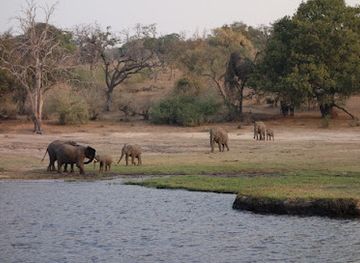
The Caprivi Strip’s attractions are built around waterways and wildlife rather than dense urban sightseeing. Bwabwata National Park protects a broad corridor of woodland and riverine habitat between the Kwando and Zambezi systems, offering guided drives and opportunities to see elephants, buffalo, antelope and abundant birdlife. Mudumu National Park, reached from the Kongola area, combines dry woodland with channels and floodplains associated with the Kwando, while Nkasa Rupara National Park is a remote wetland landscape whose tracks and islands change significantly with seasonal water levels. Boat outings on the Zambezi and associated channels provide a different perspective, with hippos, crocodiles and waterbirds often visible from a safe guided distance. Around Katima Mulilo, riverside excursions and visits to nearby community areas complement the safari experience. Impalila Island, at the eastern end of the region, is known for its waterways, fishing culture and location near several international borders. Birdwatchers can expect strong variety in riverine forest, papyrus and woodland habitats, while photographers benefit from changing light and seasonal floodplains. Activities are generally arranged through lodges, conservancies or specialist guides, and access conditions should be checked before setting out.
-
Outdoor activity organiser
Kalahari Tours
Experience breathtaking safaris and river adventures with Kalahari Tours in Kasane, Botswana - a gateway to Africa's natural wonders.
-
Tourist attraction
Mudumu National Park
Explore Mudumu National Park: A wondrous blend of wildlife, landscapes, and cultural experiences in Namibia's Caprivi Strip.
-
Museum
Mbumza Living Village
Discover the essence of Namibian culture at Mbumza Living Village, a living museum showcasing traditional lifestyles, crafts, and culinary delights.
-
Nature preserve
Mudumu Game Reserve
Discover an untouched natural paradise at Mudumu Game Reserve, where wildlife thrives in stunning landscapes of Namibia's pristine wetlands and woodlands.

Best landmarks in Caprivi Strip
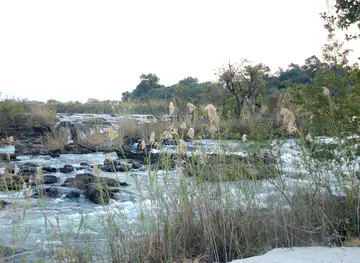
The Zambezi River is the Caprivi Strip’s most recognisable natural landmark, defining the eastern edge of the region and shaping Katima Mulilo’s position as a river town. The riverside setting around Katima contrasts with the wooded interior and gives the town much of its regional identity. Further west, the Kwando River and its associated floodplains form the geographic focus of the Kongola area, with channels, reed beds and woodland creating a distinctive borderland landscape. Bwabwata National Park is important not only as a wildlife destination but also as a major protected corridor between the region’s river systems. Mudumu and Nkasa Rupara national parks represent different expressions of this environment: one a mixture of woodland and floodplain around the Kwando, the other a seasonally transformed wetland landscape. Impalila Island is another notable place, both for its location within the eastern river network and for the communities whose lives are closely connected to fishing, agriculture and cross-border waterways. These landmarks are less architectural than Namibia’s desert monuments, but together they explain the region’s geography, ecological importance and cultural character.
-
 Campground
Ngepi Camp
Experience the beauty of Namibia at Ngepi Camp, a unique eco-friendly campground along the Okavango River, perfect for adventurers and nature lovers alike.
-
National park
Bwabwata-National Park
Explore the breathtaking landscapes and rich wildlife of Bwabwata National Park, a hidden gem in Namibia's natural heritage.
-
Hotel
Namushasha River Lodge, Gondwana Collection Namibia
Experience the tranquil beauty of Namushasha River Lodge, an eco-friendly haven along the Zambezi River, perfect for nature lovers and adventure seekers alike.
-
Lodge
Mahangu Safari Lodge
Discover the beauty of Namibia at Mahangu Safari Lodge, where wildlife adventures and relaxation await in a stunning natural setting.
Explore Caprivi Strip on the map
Plan your trip on one map. See where the top cities, national parks and sights are, and book hotels and experiences in a few clicks.
Best hotels in Caprivi Strip
Best restaurants in Caprivi Strip
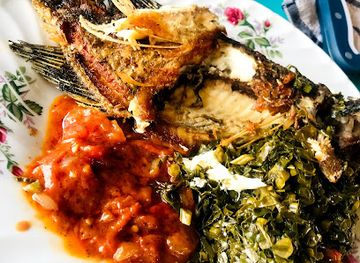
Dining in the Caprivi Strip is centred on lodges, guesthouses, cafés and modest restaurants in Katima Mulilo rather than a large independent restaurant scene. Lodge meals commonly draw on familiar southern African cooking, with grilled meat, freshwater fish, vegetables, salads and baked dishes suited to a remote safari setting. Katima Mulilo offers the widest choice of everyday food, including shops and informal eating places where visitors can obtain provisions for self-drive journeys. Local markets and community visits may provide opportunities to encounter seasonal produce and food traditions connected with fishing, cultivation and cattle keeping, although availability varies. River fish is an important regional food resource, but menus depend on supply and conservation rules rather than guaranteeing a particular species. Visitors staying at remote camps should advise operators about dietary requirements in advance because provisions may arrive over long distances. Namibia’s tipping customs apply, and meals at lodges are often incorporated into accommodation packages, so check what is included before ordering extras.
-
Restaurant
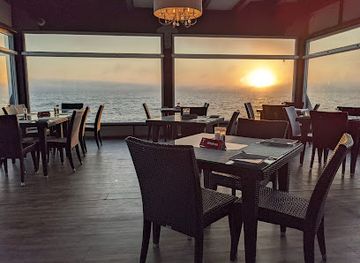
Jetty 1905 Restaurant
Discover Jetty 1905 Restaurant: A premier seafood destination on Swakopmund's iconic jetty offering stunning ocean views and exquisite cuisine.
-
Campground
Ngepi Camp
Discover tranquility at Ngepi Camp - an eco-friendly campground along the stunning Okavango River in Namibia.
-
Restaurant
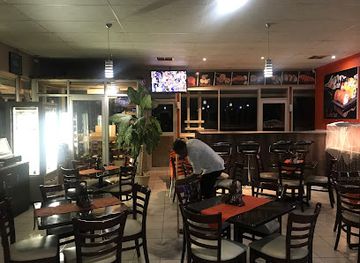
Passione Restaurant
Experience culinary excellence at Passione Restaurant in Katima Mulilo – where fresh ingredients meet authentic flavors.
-
Hotel
Namushasha River Lodge, Gondwana Collection Namibia
Experience luxury amidst nature at Namushasha River Lodge along Namibia's breathtaking Kwando River.
Best bars in Caprivi Strip
Nightlife in the Caprivi Strip is low-key and concentrated in Katima Mulilo, where hotel bars, informal pubs and restaurants provide the main evening options. In smaller settlements and around the national parks, evenings are usually shaped by lodge dining, fireside conversation, stargazing and guided night activities rather than nightclubs. Some accommodation providers offer a bar service and occasional cultural or music programmes, but these arrangements vary and should not be assumed to operate every night. Katima Mulilo has a more local social scene, with establishments serving Namibian and South African drinks alongside simple food, while rural areas become quiet after dark. Drink responsibly, particularly when travelling on poorly lit roads or staying near wildlife and unfenced waterways. The region’s evening character is best understood as part of a safari and river journey, not as a destination for a major club circuit.
-
Bar
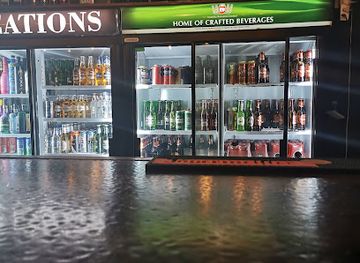
Creations Bar
Experience the vibrant nightlife of Katima Mulilo at Creations Bar, where great drinks and unforgettable memories await you.
-
Bar
Ombulwa Bar
Discover the vibrant local culture at Ombulwa Bar in Katima Mulilo, where refreshing drinks and a friendly atmosphere await every traveler.
-
Bar
Man United Bar
Man United Bar: Where Sports and Community Come Together in Swakopmund for Unforgettable Moments.
-
Restaurant
Bezi Bar & Grill
Experience delicious local and international cuisine at Bezi Bar & Grill in Katima Mulilo, a perfect dining spot for every traveler.

Best nightclubs in Caprivi Strip
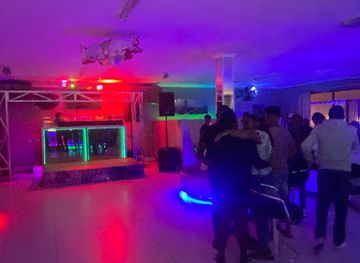
Nightlife in the Caprivi Strip is low-key and concentrated in Katima Mulilo, where hotel bars, informal pubs and restaurants provide the main evening options. In smaller settlements and around the national parks, evenings are usually shaped by lodge dining, fireside conversation, stargazing and guided night activities rather than nightclubs. Some accommodation providers offer a bar service and occasional cultural or music programmes, but these arrangements vary and should not be assumed to operate every night. Katima Mulilo has a more local social scene, with establishments serving Namibian and South African drinks alongside simple food, while rural areas become quiet after dark. Drink responsibly, particularly when travelling on poorly lit roads or staying near wildlife and unfenced waterways. The region’s evening character is best understood as part of a safari and river journey, not as a destination for a major club circuit.
-
Disco club
Infinity Lounge Swakopmund
Discover the vibrant nightlife at Infinity Lounge Swakopmund, where music, dance, and stunning coastal views come together for an unforgettable experience.
-
Lodge
Zambezi Mubala Lodge - Gondwana Collection Namibia
Discover the beauty and tranquility of Zambezi Mubala Lodge, a premier lodge for nature lovers and adventure seekers in Namibia's stunning Zambezi region.
-
Hotel
Divava Okavango Lodge & Spa
Experience luxury and nature at Divava Okavango Lodge & Spa, your serene getaway in the heart of Namibia's stunning landscapes.
-
Bar
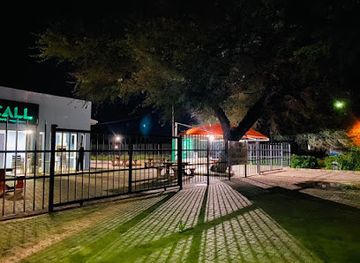
Nitecall Entertainment Rundu
Experience the vibrant nightlife of Rundu at Nitecall Entertainment, a lively bar offering great drinks, music, and an unforgettable atmosphere.
Best shops in Caprivi Strip
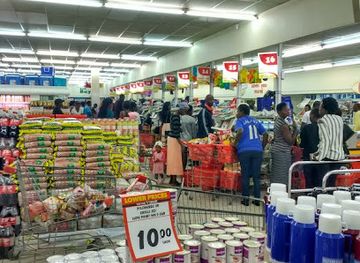
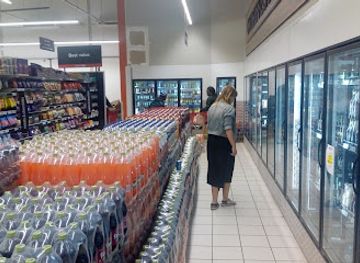
Shopping in the Caprivi Strip is practical and locally focused. Katima Mulilo has the region’s broadest range of supermarkets, pharmacies, fuel stations, general shops and small traders, making it the sensible place to stock up before travelling to remote parks or lodges. Open markets and informal stalls may offer fresh produce, household goods, clothing and locally made items, although selection and trading days can change. Visitors may find woven products, woodcarvings, baskets, beadwork and other crafts connected with communities in the wider Zambezi area; buying directly through reputable community projects or established craft outlets helps support local makers. Shops near lodges usually carry limited souvenirs rather than extensive retail collections. Regional food supplies, including packaged goods and drinks, are useful purchases for self-drive travellers, but perishables require careful planning in the heat. Bargaining is not appropriate everywhere, so ask politely and accept the seller’s stated price when dealing with fixed-price or community-run outlets.
-
Supermarket
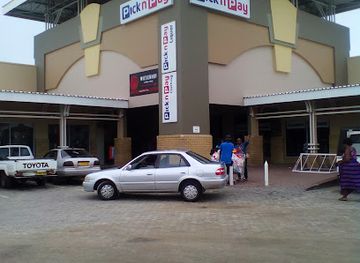
Pick and Pay
Explore local flavors and international products at Pick and Pay, Katima Mulilo's vibrant supermarket, perfect for tourists and locals alike.
-
Grocery store
Shoprite Katima Mulilo
Discover the vibrant shopping experience at Shoprite Katima Mulilo, offering groceries, travel services, and local delicacies all in one place.
-
Supermarket
Katima Mulilo
Experience the vibrant marketplace of Katima Mulilo, where local culture meets essential amenities in the heart of Namibia.
-
Auto parts store
MEGAPARTS - KATIMA MULILO
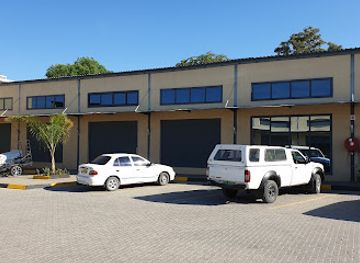
Explore the wilds of Katima Mulilo with MEGAPARTS - your ultimate destination for auto parts, camping gear, and fishing supplies.
Get your free copy of our complete guide to Caprivi Strip, delivered straight to you.
Everything on this page, from attractions and restaurants to essentials and local phrases, in one PDF you can read offline, print or share.
Already have an account? Sign in
Your Caprivi Strip guide is ready.
We'll send it to · Not you? Sign out

Getting your guide ready…
We are putting together a fresh copy of the Caprivi Strip guide. This can take up to a minute.
This can take a few moments. If your browser asks, choose Allow so the download can start. You'll find the guide in your Downloads folder.
Nothing happened? Download it again
Sorry, the guide is taking longer than usual. Please try again in a minute, or get it by email instead.
Caprivi Strip essentials
Currency and Payment
Safety
Emergency Situations
Do's and Don'ts
Local Tips
From Eve
Local phrases worth knowing
You don't need to get them perfect. A few words go a long way, and locals appreciate the effort.
Basics
| English | Local | Say it |
|---|---|---|
| Hello | Hallo | [Hah-loh] |
| Goodbye | Tschüss | [Chüss] |
| Yes | Ja | [Yah] |
| No | Nein | [Nine] |
| Please/You're welcome | Bitte | [Bit-teh] |
| Thank you | Danke | [Dahn-keh] |
| Excuse me/Sorry | Entschuldigung | [Ent-shool-dee-goong] |
| How are you? | Wie geht's? | [Vee gates?] |
| Fine. And you? | Gut. Und dir? | [Goot. Oond deer?] |
| Do you speak English? | Sprechen Sie Englisch? | [Shpre-chen Zee Englisch?] |
| I don't understand | Ich verstehe nicht | [Ish fer-shtay-eh nicht] |
Eating & Drinking
| English | Local | Say it |
|---|---|---|
| I'd like to see the menu, please | Ich möchte die Speisekarte sehen, bitte | [Ish mer-khteh dee Shpie-seh-kar-teh zeen, bit-teh] |
| I don't eat meat | Ich esse kein Fleisch | [Ish es-seh kine Flysh] |
| Cheers! | Prost! | [Prohst] |
| I would like to pay, please | Ich möchte bezahlen, bitte | [Ish mer-khteh beh-zah-len, bit-teh] |
Emergencies
| English | Local | Say it |
|---|---|---|
| Help! | Hilfe! | [Hil-feh] |
| Go away! | Geh weg! | [Gay vek] |
| Call the Police! | Rufen Sie die Polizei! | [Roo-fen Zee dee Po-li-tsai] |
| Call a doctor! | Rufen Sie einen Arzt! | [Roo-fen Zee eye-nen Artst] |
| I'm lost | Ich bin verloren | [Ish bin fer-lo-ren] |
| I'm ill | Ich bin krank | [Ish bin krank] |
Shopping
| English | Local | Say it |
|---|---|---|
| I'd like to buy... | Ich möchte kaufen... | [Ish mer-khteh kau-fen...] |
| I'm just looking | Ich schaue nur | [Ish shau-eh noor] |
| How much is it? | Wie viel kostet es? | [Vee feel kost-et es?] |
| That's too expensive | Das ist zu teuer | [Das ist tsoo toy-er] |
| Can you lower the price? | Können Sie den Preis senken? | [Kern-en Zee den Pryce zen-ken] |
Time & Numbers
| English | Local | Say it |
|---|---|---|
| What time is it? | Wie spät ist es? | [Vee shpaht ist es?] |
| It's one o'clock | Es ist ein Uhr | [Es ist ine Oor] |
| Half past (10) | Halb (10) | [Hahlb (10)] |
| Morning | Morgen | [Mor-gen] |
| Afternoon | Nachmittag | [Nahch-mit-tahg] |
| Evening | Abend | [Ah-bent] |
| Yesterday | Gestern | [Ges-tern] |
| Today | Heute | [Hoy-teh] |
| Tomorrow | Morgen | [Mor-gen] |
| 1 | Eins | [Eins] |
| 2 | Zwei | [Tsvy] |
| 3 | Drei | [Dry] |
| 4 | Vier | [Fear] |
| 5 | Fünf | [Fünf] |
| 6 | Sechs | [Zex] |
| 7 | Sieben | [Zee-ben] |
| 8 | Acht | [Acht] |
| 9 | Neun | [Noyn] |
| 10 | Zehn | [Zayn] |
Transport & Directions
| English | Local | Say it |
|---|---|---|
| Where's a/the...? | Wo ist ein/das...? | [Vo ist ine/das...?] |
| What's the address? | Was ist die Adresse? | [Vas ist dee Ad-res-seh?] |
| Can you show me (on the map)? | Können Sie mir (auf der Karte) zeigen? | [Kern-en Zee meer (owf der Kar-teh) tsai-gen?] |
| When's the next (bus)? | Wann kommt der nächste (Bus)? | [Vahn kommt der nay-sht-eh (Bus)?] |
| A ticket (to ....) | Ein Ticket (nach ....) | [Ine Ticket (nahch ....)] |
History of Caprivi Strip
River Communities and Precolonial Trade
Long before the region acquired its colonial name, the waterways and floodplains of the Zambezi, Chobe, Kwando and Linyanti supported established communities, fishing economies, cattle keeping, cultivation and regional exchange. Lozi-speaking communities were influential along the eastern waterways, while Mafwe communities became strongly associated with the central and western parts of the corridor. Movement across rivers and present-day international borders was a normal feature of local life. The landscape’s importance therefore predates modern state boundaries, with settlements and trade routes shaped by water, seasonal grazing and access to fertile floodplain soils.
The 1890 Heligoland-Zanzibar Treaty
The Caprivi Strip takes its modern political form from the 1890 agreement between Britain and Germany, commonly called the Heligoland-Zanzibar Treaty. Germany acquired Heligoland in the North Sea and Britain recognised German control of a narrow corridor linking German South West Africa with the Zambezi. The strip was associated with the German chancellor Leo von Caprivi, whose name later became its common designation. The arrangement reflected European imperial competition rather than local geography or community boundaries, and its legacy remains visible in the unusual shape of Namibia’s north-eastern territory.
Colonial Administration and Limited Infrastructure
German rule in South West Africa had only a limited and uneven presence in the remote river corridor. After the First World War, South Africa administered the territory under a League of Nations mandate and later incorporated its administration into the wider system governing South West Africa. The rivers, wetlands and distance from the colonial centres constrained large-scale settlement and infrastructure. At the same time, administrative boundaries increasingly separated communities whose economic and cultural relationships had long crossed what are now the borders of Namibia, Botswana, Zambia and Zimbabwe.
War, Borders and the Liberation Struggle
During the twentieth-century liberation struggle, the north-eastern corridor became strategically significant because of its proximity to several international borders and the wider wars affecting southern Africa. Military activity, restrictions on movement and the presence of armed forces affected communities and travel. Roads and administrative facilities were developed partly for security purposes, while many rural areas remained economically marginal. Namibia’s independence in 1990 brought a new national framework, but the region continued to experience the practical consequences of its borderland position and dispersed settlements.
The 1999 Caprivi Secession Attempt
In August 1999, an armed secessionist uprising took place around Katima Mulilo. The movement drew on a complex mixture of local political grievances, contested authority and claims associated with the former Caprivi area. The Namibian state quickly reasserted control, and the conflict led to arrests, displacement and long-running legal consequences. The episode is part of the region’s modern history but should not be treated as its defining feature today. Contemporary visitors generally encounter a functioning travel corridor, while the area’s political past remains relevant to understanding its relationship with the Namibian state.
Conservation Corridors and Community Tourism
Since independence, conservation has become a major force in the region’s economy and land management. Bwabwata, Mudumu and Nkasa Rupara national parks protect connected riverine and woodland habitats, while conservancies and community-based tourism initiatives give local residents a role in wildlife management and tourism revenue. The broader Kavango-Zambezi Transfrontier Conservation Area links protected landscapes across five countries, allowing elephants and other wildlife to move across historic ranges. This model has created new opportunities but also requires continuing negotiation over human-wildlife conflict, land rights, farming, fishing and access to resources.
Caprivi Strip in Photos
Browse through our photo collection highlighting the charm and character of the destination.
Neighbouring regions of Caprivi Strip
The closest regions to Caprivi Strip, if you have time for more than one.
-

-
-

-

-


Swipe for more regions

