
Kavango West, Namibia Travel Guide
Discover the tranquility and cultural richness of Kavango West in Namibia, where the lush Kavango River and diverse wildlife provide an unforgettable African experience.
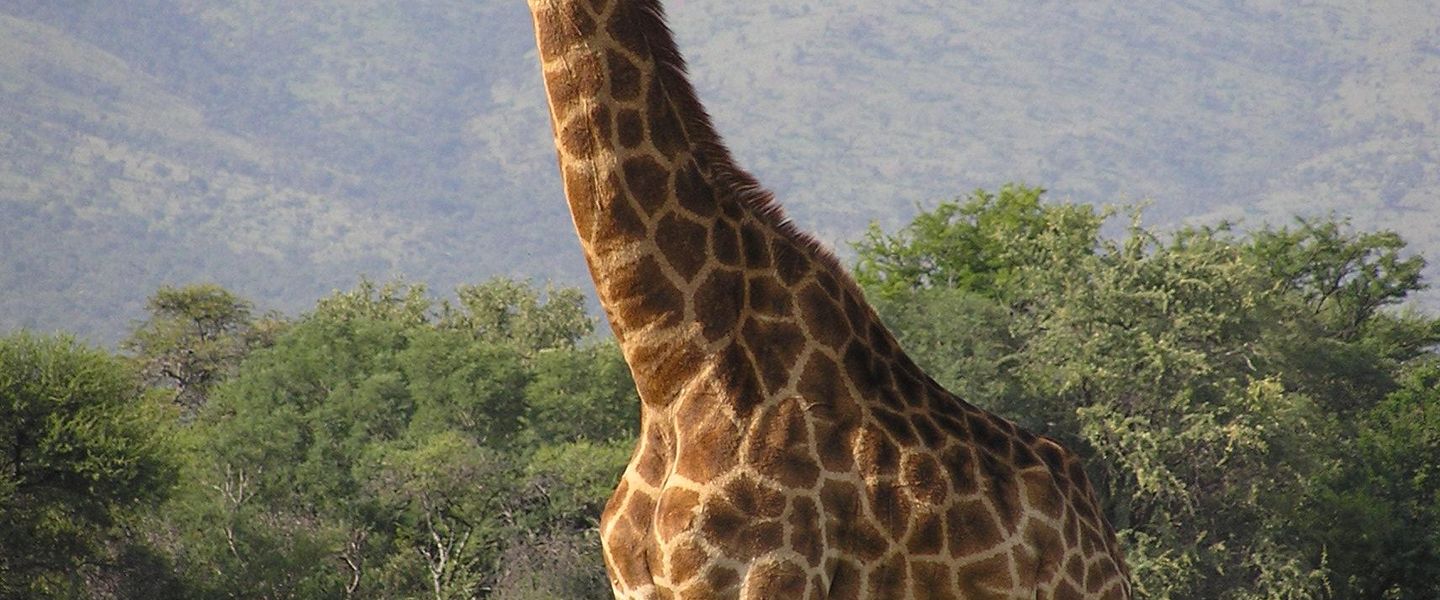
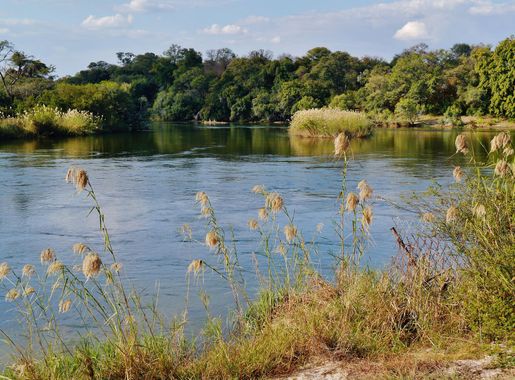
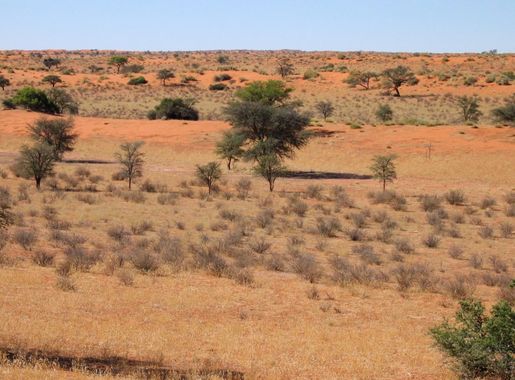
Kavango West is a serene and picturesque region in Namibia, offering an authentic African experience. This area is known for its stunning landscapes, including the lush Kavango River, which winds its way through the region. The river is a lifeline for both wildlife and local communities, providing a unique opportunity for river safaris and bird watching. You can expect to see a variety of bird species, as well as hippos and crocodiles basking in the sun. Kavango West is also rich in cultural heritage. The local tribes, such as the Kavango people, are known for their traditional crafts, including wood carvings and basket weaving. Visiting the local markets and villages provides a chance to learn about their way of life and purchase handmade souvenirs. The region is dotted with small, welcoming lodges and campsites that offer a peaceful retreat from the hustle and bustle of more touristy areas. One of the highlights of visiting Kavango West is the opportunity to explore the nearby Bwabwata National Park. This park is home to a diverse range of wildlife, including elephants, buffalo, and various antelope species. The park's unique landscape, a mix of savannah and woodland, provides a stunning backdrop for game drives and guided walks. Whether you're an avid birdwatcher, a wildlife enthusiast, or simply seeking tranquility, Kavango West has something special to offer.

Know before you go
Hi, I'm Eve. Here are a few practical things to know before exploring Kavango West.
- Visit during the dry season (May to October) for the best wildlife viewing opportunities.
- Don't miss a river safari on the Kavango River for a chance to see hippos and crocodiles up close.
- Explore local markets to buy traditional crafts directly from artisans.
- Consider staying at a lodge or campsite along the river for a peaceful and scenic experience.
- Hire a local guide for a more insightful and enriching visit to Bwabwata National Park.
Top City Travel Guides in Kavango West
The cities of Kavango West, and the easiest places to base yourself.


Explore Kavango West: Things to Do, Places to Eat, Hotels & More
Handpicked recommendations for top attractions, local dining, accommodations, and more

Top Attractions & Sightseeing in Kavango West


Best landmarks in Kavango West
Top-rated picks
Best Landmarks
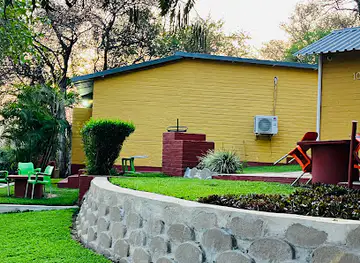
Kavango River Lodge
Discover tranquility and adventure at Kavango River Lodge, where stunning river views and local culture await in Rundu, Namibia.

Bwabwata-National Park
Discover the wild heart of Namibia at Bwabwata National Park, a haven for nature lovers and wildlife enthusiasts with stunning landscapes and rich biodiversity.

Hakusembe River Lodge, Gondwana Collection Namibia
Discover the tranquil charm of Hakusembe River Lodge on the Kavango River, where adventure meets relaxation in the heart of Namibia.

Kaisosi River Lodge
Discover the serene charm of Kaisosi River Lodge, where adventure meets relaxation along the Zambezi River in Namibia.

Best restaurants in Kavango West
Top-rated picks
Best Restaurants

The Tug Restaurant
Experience exquisite seafood dining with breathtaking ocean views at The Tug Restaurant in Swakopmund.

Kavango River Lodge
Discover tranquility at Kavango River Lodge, where breathtaking river views meet comfortable accommodations in Namibia.
Hakusembe River Lodge, Gondwana Collection Namibia
Experience tranquility at Hakusembe River Lodge, where stunning river views meet Namibian hospitality amidst rich wildlife.

KFC Rundu
Experience delicious fast food at KFC Rundu – where local flavors meet international favorites.

Best bars in Kavango West
Top-rated picks
Best Bars

New World GAG Pub
Discover the lively spirit of Rundu at New World GAG Pub, where great drinks and a vibrant atmosphere await every visitor.

Nitecall Entertainment Rundu
Discover the vibrant nightlife of Rundu at Nitecall Entertainment, where great drinks and lively music create unforgettable experiences.

VIP Bar
Experience the vibrant nightlife of Rundu at VIP Bar, where refreshing drinks and a lively atmosphere await you.

Supersport Pub
Discover the heart of Rundu's nightlife at Supersport Pub, a lively spot for sports, food, and unforgettable experiences.

Best nightclubs in Kavango West
Top-rated picks
Best Nightclubs

Pongo's Nightlife Bar
Experience the vibrant nightlife at Pongo's Nightlife Bar in Tsumeb, where great drinks and lively entertainment await.

New World GAG Pub
Discover the lively spirit of Rundu at New World GAG Pub, where great drinks and live music create unforgettable memories.

Nitecall Entertainment Rundu
Discover the vibrant nightlife at Nitecall Entertainment Rundu, a lively bar with an engaging atmosphere and diverse drink selection.

Kings Lounge
Experience the vibrant nightlife at Kings Lounge in Windhoek, where music and cocktails create unforgettable moments.

Best shops in Kavango West
Top-rated picks
Best Shops
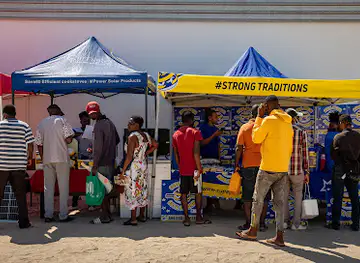
KAVANGO OK FOODS SUPERMARKET
Explore local flavors at Kavango Ok Foods Supermarket, Rundu's go-to destination for groceries and regional specialties.

Pick n Pay
Explore local flavors and essentials at Pick n Pay, Rundu's premier grocery store located in the vibrant Mangetti Mall.

Shoprite Rundu Mall
Discover the vibrant shopping experience at Shoprite Rundu Mall, where local culture meets convenience for every traveler.

Nkrenkuru Town Squre
Explore Nkrenkuru Town Square: A lively shopping and cultural hub in the heart of the Kavango Region, offering local shops, bars, and authentic dining experiences.

Explore Kavango West on the Map
A handpicked selection of must-see spots in Kavango West, mapped for you.
Kavango West Essentials
-
Kavango West is located in the northeastern part of Namibia. The nearest major airport is Hosea Kutako International Airport in Windhoek, approximately 800 kilometers away. From Windhoek, you can take a domestic flight to Rundu Airport, which is about 200 kilometers from the heart of Kavango West. Alternatively, you can rent a car or use bus services to travel from Windhoek to Kavango West, a journey that typically takes around 10 hours by road.
-
Within Kavango West, transportation options include local taxis and car rentals. Taxis are generally available in larger towns like Nkurenkuru. For more remote areas, renting a 4x4 vehicle is recommended due to the rugged terrain. Local buses and minibuses connect various towns and villages, but schedules may be irregular. Consider hiring a local guide for a more seamless travel experience.
-
The official currency of Namibia is the Namibian Dollar (NAD), which is pegged to the South African Rand (ZAR). Credit cards are accepted in some hotels and larger establishments, but cash is preferred, especially in rural areas. ATMs are available in larger towns like Nkurenkuru, but it is advisable to carry sufficient cash when traveling to more remote locations.
-
Kavango West is generally a safe destination, but standard travel precautions should be taken. Avoid walking alone at night and be cautious with your belongings in crowded places. While the region is not known for high crime rates targeting tourists, it is always best to stay vigilant. Be aware of your surroundings and avoid isolated areas after dark.
-
In case of an emergency, dial 10111 for police assistance or 10177 for medical emergencies. The nearest hospitals and medical facilities are located in Nkurenkuru and Rundu. It is advisable to have travel insurance that covers medical emergencies. For minor health issues, pharmacies are available in larger towns. Always keep emergency contact numbers handy and inform someone of your travel plans.
-
Fashion: Do dress modestly, especially when visiting local communities. Avoid overly revealing clothing. Religion: Do respect local customs and traditions. Always ask for permission before photographing religious ceremonies. Public Transport: Do be patient, as public transport may not always run on schedule. Don’t expect air conditioning in most public vehicles. Greetings: Do greet people with a friendly 'Hello' or 'Good day.' A handshake is also common. Eating & Drinking: Do try local dishes and accept food offerings graciously. Don’t refuse hospitality, as it is considered impolite.
-
To experience Kavango West like a local, visit the open-air markets where you can purchase fresh produce and handmade crafts. Engage with local communities and participate in traditional activities such as basket weaving or fishing along the Kavango River. Don’t miss the opportunity to explore the natural beauty of the region, including the Khaudum National Park and the many cultural heritage sites.
When is the best time to visit Kavango West?
Useful Local Phrases for Kavango West
You don't need to speak the language perfectly. Even learning a few simple words can make conversations warmer—and locals usually appreciate the effort.
— Eve

Here are the phrases I use most often in Kavango West. Try a few—you'll be surprised how far they go! 😊
❤️
-
- HelloNdjambi
[N-djam-bee] - GoodbyeOmbinga
[O-mbi-nga] - YesEe
[Eh] - NoIye
[Ee-ye] - Please/You're welcomeNdiyamena
[N-dee-ya-me-na] - Thank youNda shangula
[N-da sha-ngula] - Excuse me/SorryTshindji
[Tshin-jee] - How are you?U nawa?
[U na-wa] - Fine. And you?Nawa. O nawa?
[Na-wa. O na-wa] - Do you speak English?U khama ku speak English?
[U kha-ma ku speak English] - I don't understandNda a ku tanga
[N-da a ku tan-ga]
- HelloNdjambi
-
- I'd like to see the menu, pleaseNda khama ku ona menu, ndiyamena
[N-da kha-ma ku o-na me-nu, n-dee-ya-me-na] - I don't eat meatNda a duna nyama
[N-da a du-na nya-ma] - Cheers!Kuwa!
[Koo-wa] - I would like to pay, pleaseNda khama ku pay, ndiyamena
[N-da kha-ma ku pay, n-dee-ya-me-na]
- I'd like to see the menu, pleaseNda khama ku ona menu, ndiyamena
-
- Help!Tshikama!
[Tshi-ka-ma] - Go away!Ombinga!
[O-mbi-nga] - Call the Police!Shangula Police!
[Sha-ngula Po-lice] - Call a doctor!Shangula dokotela!
[Sha-ngula do-ko-te-la] - I'm lostNda a fola
[N-da a fo-la] - I'm illNda a wina
[N-da a wi-na]
- Help!Tshikama!
-
- I'd like to buy...Nda khama ku tanga...
[N-da kha-ma ku tan-ga] - I'm just lookingNda a khama ku ona
[N-da a kha-ma ku o-na] - How much is it?U nawa mpani?
[U na-wa m-pa-ni] - That's too expensiveIya a na mpani mwela
[I-ya a na m-pa-ni m-we-la] - Can you lower the price?U khama ku fola mpani?
[U kha-ma ku fo-la m-pa-ni]
- I'd like to buy...Nda khama ku tanga...
-
- What time is it?U nawa tashi?
[U na-wa ta-shi] - It's one o'clockIi i tashi
[Ee-ee ta-shi] - Half past (10)Tashi ya (10)
[Ta-shi ya (10)] - MorningOmbinga
[O-mbi-nga] - AfternoonOmbinga ya muke
[O-mbi-nga ya mu-ke] - EveningOmbinga ya uula
[O-mbi-nga ya uu-la] - YesterdayOmbinga ya kaye
[O-mbi-nga ya ka-ye] - TodayOmbinga ya lya
[O-mbi-nga ya l-ya] - TomorrowOmbinga ya mpani
[O-mbi-nga ya m-pa-ni] - 1O
[O] - 2Piri
[Pi-ri] - 3Tatu
[Ta-tu] - 4Nye
[N-ye] - 5Tano
[Ta-no] - 6Tatu na o
[Ta-tu na o] - 7Saba
[Sa-ba] - 8Nane
[Na-ne] - 9Tatu na piri
[Ta-tu na pi-ri] - 10Kumi
[Ku-mi]
- What time is it?U nawa tashi?
-
- Where's a/the...?Kuyangu a...?
[Ku-ya-ngu a] - What's the address?U nawa address?
[U na-wa ad-dress] - Can you show me (on the map)?U khama ku shangula (pa map)?
[U kha-ma ku shan-gu-la (pa map)] - When's the next (bus)?U nawa tashi ya (bus)?
[U na-wa ta-shi ya (bus)] - A ticket (to ....)Tshiketi (ku ....)
[Tshi-ke-ti (ku)]
- Where's a/the...?Kuyangu a...?
History of Kavango West
-
Before the arrival of European settlers, the region now known as Kavango West was predominantly inhabited by the Kavango people, particularly the Kwangali, Mbunza, Shambyu, Gciriku, and Mbukushu tribes. These communities were primarily engaged in fishing, farming, and cattle herding along the Kavango River. Their social structures were organized around chiefdoms, and they practiced traditional religions and customs.
-
In the late 19th century, European explorers began to venture into the Kavango region. The Portuguese were among the first to make contact, followed by Germans who were interested in the area for its strategic location and potential resources. These encounters led to the establishment of trade routes and the introduction of new goods and technologies to the local communities.
-
Kavango West became part of German South West Africa in the late 19th century. The German colonial administration established outposts and missions in the region, which impacted the local way of life. The imposition of colonial rule led to significant changes, including the introduction of Western education and Christianity. However, it also resulted in conflicts and resistance from the local populations who were opposed to foreign control.
-
After World War I, the League of Nations mandated South Africa to administer the territory of South West Africa, including Kavango West. Under South African rule, the region experienced infrastructural development such as roads and schools, but also faced policies of racial segregation and economic exploitation. The South African administration further entrenched the Christian missionary presence, which played a significant role in shaping the cultural landscape.
-
The mid-20th century saw the rise of nationalist movements in Namibia, including in Kavango West. The South West Africa People's Organization (SWAPO) led the struggle against South African rule, advocating for independence and the rights of the local people. Kavango West became a site of significant political activity and occasional conflict during this period, as the local population joined the broader national effort for self-determination.
-
Namibia gained independence from South Africa in 1990, and Kavango West became part of the newly formed Republic of Namibia. Since then, the region has seen efforts to develop its economy, infrastructure, and social services. The government has focused on improving education, healthcare, and tourism, recognizing the unique cultural and natural heritage of Kavango West. Traditional leadership and customs continue to play an important role in the social and cultural fabric of the region.
-
Kavango West is renowned for its rich cultural heritage, which is preserved through traditional music, dance, and crafts. The local communities still practice traditional ceremonies and festivals that celebrate their history and identity. The region is also known for its beautiful wood carvings and basketry, which are popular among tourists and serve as a source of income for local artisans.
-
In recent years, Kavango West has emerged as a significant destination for ecotourism, attracting visitors to its pristine natural landscapes and diverse wildlife. The Kavango River, with its lush riverine forests and abundant birdlife, is a particular draw for nature enthusiasts. Conservation efforts are underway to protect the region's unique ecosystems and promote sustainable tourism practices that benefit local communities.
Neighbouring Regions of Kavango West
The closest regions to Kavango West, if you have time for more than one.



Your all‑in‑one travel companion app
Explore expert travel guides, compare and book tours, experiences, hotels, and more—all from the palm of your hand. Download now for seamless trip planning wherever your wanderlust takes you.


Explore More of Namibia

Looking beyond Kavango West? Discover Namibia for broader travel guides, local hot-spots, and regional highlights.
Explore NamibiaKavango West in Photos
Browse through our photo collection highlighting the charm and character of the destination.





Kavango West: Namibia's Hidden Gem
Kavango West is a serene and picturesque region in Namibia, offering an authentic African experience. This area is known for its stunning landscapes, including the lush Kavango River, which winds its way through the region. The river is a lifeline for both wildlife and local communities, providing a unique opportunity for river safaris and bird watching. You can expect to see a variety of bird species, as well as hippos and crocodiles basking in the sun. Kavango West is also rich in cultural heritage. The local tribes, such as the Kavango people, are known for their traditional crafts, including wood carvings and basket weaving. Visiting the local markets and villages provides a chance to learn about their way of life and purchase handmade souvenirs. The region is dotted with small, welcoming lodges and campsites that offer a peaceful retreat from the hustle and bustle of more touristy areas. One of the highlights of visiting Kavango West is the opportunity to explore the nearby Bwabwata National Park. This park is home to a diverse range of wildlife, including elephants, buffalo, and various antelope species. The park's unique landscape, a mix of savannah and woodland, provides a stunning backdrop for game drives and guided walks. Whether you're an avid birdwatcher, a wildlife enthusiast, or simply seeking tranquility, Kavango West has something special to offer.