

Omaheke, Namibia Travel Guide
Discover Omaheke in Namibia: A blend of Kalahari desert landscapes, rich cultural heritage, and abundant wildlife, offering an authentic and unforgettable travel experience.
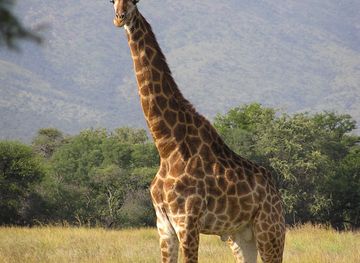
Omaheke, often referred to as the 'Sandveld' region, is a hidden gem in Namibia's eastern expanse. This vast, semi-arid area is part of the magnificent Kalahari Desert and offers visitors a unique blend of cultural heritage, wildlife, and captivating landscapes. The region is known for its red sand dunes, picturesque sunsets, and the traditional lifestyle of the San people. Grootfontein, the main town in Omaheke, serves as a gateway to numerous attractions including the Hoba Meteorite, the largest known meteorite on Earth. Visitors can explore charming local markets, where handmade crafts and traditional foods are abundant. The town also offers a glimpse into Namibia’s colonial past with its historic buildings and museums. A visit to Omaheke is incomplete without experiencing the traditional San culture. The San people, also known as Bushmen, are one of the world's oldest cultures. Tourists can take guided tours to learn about their ancient ways of living, hunting techniques, and storytelling traditions. Additionally, the region is home to an array of wildlife, including antelopes, giraffes, and an impressive variety of bird species, making it a paradise for nature lovers and photographers alike.

Know before you go
Hi, I'm Eve. Here are a few practical things to know before exploring Omaheke.
- Visit during the dry season (May to October) for the best wildlife viewing opportunities.
- Carry plenty of water and sun protection, as the temperatures can soar in the Kalahari Desert.
- Participate in a guided tour with the San people to gain a deeper understanding of their unique culture.
- Explore local markets in Grootfontein for unique handmade crafts and traditional foods.
- Don’t forget your camera to capture the breathtaking sunsets and diverse wildlife.
Top City Travel Guides in Omaheke
The cities of Omaheke, and the easiest places to base yourself.


Explore Omaheke: Things to Do, Places to Eat, Hotels & More
Handpicked recommendations for top attractions, local dining, accommodations, and more

Top Attractions & Sightseeing in Omaheke
Top-rated picks
Best Attractions

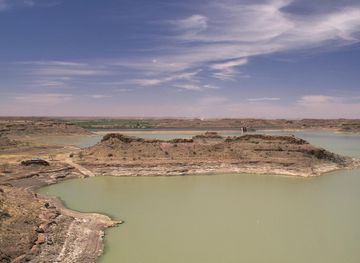
Avis Dam Nature Reserve
Explore the serene beauty of Avis Dam Nature Reserve near Windhoek, where nature's tranquility meets diverse wildlife and picturesque landscapes.

Harnas Wildlife Foundation
Experience Namibia's wildlife up close at Harnas Wildlife Foundation, where conservation meets adventure in a stunning natural setting.

Kowas Adventure Safaris
Explore Namibia's breathtaking landscapes and wildlife at Kowas Adventure Safaris, a family-run gem offering unforgettable adventures.

Farm Otjisazu
Experience the rich history and stunning landscapes of Farm Otjisazu, a unique tourist attraction in Namibia that blends cultural heritage with natural beauty.

Best landmarks in Omaheke
Top-rated picks
Best Landmarks

Coastal Piercings & Accessories
Explore your creative side at Coastal Piercings & Accessories - where artistry meets expression in a welcoming atmosphere.
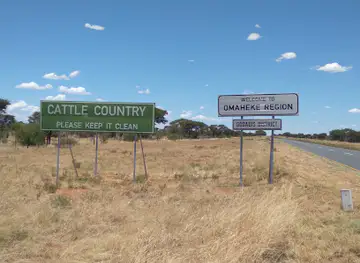
Omaheke border sign
Explore the rich history of Namibia at the Omaheke Border Sign, a landmark symbolizing the connection between nations and cultures.
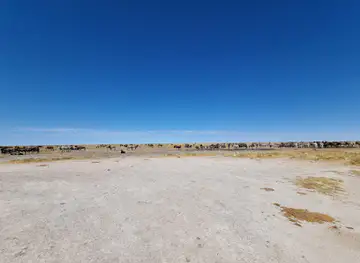
etosha national park
Discover the breathtaking wildlife and stunning landscapes of Etosha National Park, Namibia's premier wildlife sanctuary.

Best restaurants in Omaheke
Top-rated picks
Best Restaurants

Wimpy Gobabis
Experience the best of local and international cuisine at Wimpy Gobabis – your go-to fast food destination in Namibia.
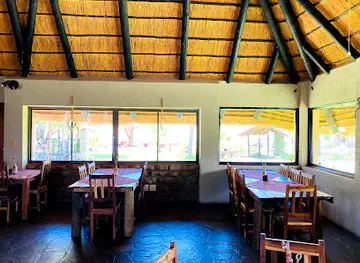
Die Dam Trans Kalahari End Resort
Experience authentic Namibian cuisine at Die Dam Trans Kalahari End Resort - where nature meets flavor.

OMATEKO
Experience authentic Namibian cuisine at Omateko, a cozy restaurant in Omaheke renowned for its local flavors and warm hospitality.
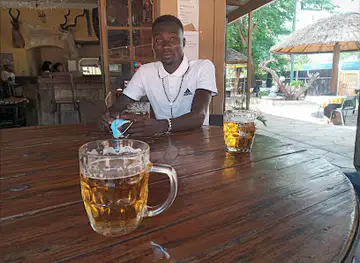
Ernis Bistro
Discover flavorful dishes at Ernis Bistro in Gobabis - where Namibian charm meets culinary excellence.

Best bars in Omaheke
Top-rated picks
Best Bars

Joe's Beerhouse
Discover the vibrant spirit of Windhoek at Joe's Beerhouse, where local flavors and lively ambiance meet for an unforgettable dining experience.

Andy's Pub & Restaurant
Experience the vibrant flavors of Namibia at Andy's Pub & Restaurant in Windhoek, where delicious food meets a lively atmosphere.

Eagles Beer Garden
Discover the lively Eagles Beer Garden in Windhoek, where local brews, tasty bites, and a vibrant atmosphere await every visitor.

TMT BAR GREENWELL MATONGO WINDHOEK NAMIBIA
Discover the vibrant nightlife of Windhoek at TMT Bar, where locals and travelers come together for great drinks and unforgettable experiences.

Best nightclubs in Omaheke
Top-rated picks
Best Nightclubs

Tall Trees Lounge Bar
Discover the vibrant ambiance and delightful drinks at Tall Trees Lounge Bar, a perfect spot for relaxation in Windhoek under a starlit sky.

Kings Lounge
Experience the vibrant nightlife of Windhoek at Kings Lounge, a premier disco club and cocktail bar with good vibes and delicious drinks.

MYNT Nightclub and Lounge
Discover Windhoek's nightlife at MYNT Nightclub and Lounge, where great music, dancing, and a vibrant atmosphere await you.

Club London
Dive into Windhoek's nightlife at Club London, where electrifying music and vibrant energy create unforgettable evenings.

Best shops in Omaheke
Top-rated picks
Best Shops

Shoprite Gobabis
Explore the flavors of Namibia at Shoprite Gobabis, your ultimate grocery destination for local produce and unique finds.

OK Express Gobabis
Explore the local flavors and essentials at OK Express Gobabis, your go-to supermarket for all your grocery needs in Namibia.

SPAR Gobabis
Explore local flavors and fresh produce at SPAR Gobabis, your go-to supermarket for an authentic Namibian shopping experience.

Omaheke Megasave Gobabis
Discover the best of Namibian flavors at Omaheke Megasave in Gobabis, your essential grocery stop for local delicacies and daily needs.

Explore Omaheke on the Map
A handpicked selection of must-see spots in Omaheke, mapped for you.
Omaheke Essentials
-
Omaheke can be accessed by road from Windhoek, the capital of Namibia, which is approximately 250 kilometers away. The most common route is via the B6 highway, followed by the C22 road. Public buses and shared taxis also operate between Windhoek and various towns in Omaheke. For those preferring air travel, the nearest airport is Hosea Kutako International Airport in Windhoek, from where you can rent a car or take a bus to Omaheke.
-
Within Omaheke, the primary modes of transportation are taxis and buses. Taxis are relatively inexpensive and can be found in most towns. For exploring the more remote areas, renting a car is recommended. Be sure to rent a 4x4 vehicle if you plan to venture off the main roads, as some areas have rugged terrain. Public buses connect major towns, but schedules can be irregular, so it's advisable to confirm times in advance.
-
The official currency in Namibia is the Namibian Dollar (NAD), which is pegged to the South African Rand (ZAR). Credit cards are accepted in most hotels, restaurants, and larger shops, but it's wise to carry cash, especially when visiting smaller towns and rural areas. ATMs are available in larger towns such as Gobabis, but it is advisable to withdraw sufficient cash in Windhoek before traveling.
-
Omaheke is generally a safe destination for tourists. However, standard precautions should be taken. Avoid walking alone at night, especially in unfamiliar areas, and always keep an eye on your belongings. Although there are no specific high-crime areas targeting tourists in Omaheke, it is best to stay vigilant and aware of your surroundings. Petty theft can occur, so use hotel safes for valuables.
-
In case of emergency, dial 10111 for police assistance or 211111 for medical emergencies. The main hospital in the region is Gobabis State Hospital. It is advisable to have travel insurance that covers medical emergencies. Pharmacies in larger towns can provide over-the-counter medications for minor health issues. Always keep a list of local emergency contacts and your embassy's contact information.
-
Fashion: Do dress modestly, especially when visiting local communities. Avoid wearing overly revealing clothing. Religion: Do respect local customs and traditions. Ask for permission before taking photos of people or religious sites. Public Transport: Do be respectful and courteous to other passengers. Don’t eat or drink on public transport. Greetings: Do greet people with a friendly handshake and a smile. A common greeting is 'Hello' or 'How are you?' Eating & Drinking: Do try local dishes and accept food offerings graciously. Don't refuse hospitality, as it is considered impolite.
-
To experience Omaheke like a local, visit the vibrant local markets where you can purchase fresh produce and traditional crafts. Engage with the local Herero and San communities to learn about their rich cultural heritage. Don't miss the annual Gobabis Agricultural Show, which showcases the region's agricultural prowess and offers a glimpse into local life. For an authentic experience, consider staying at a guest farm where you can participate in daily farming activities.
When is the best time to visit Omaheke?
Useful Local Phrases for Omaheke
You don't need to speak the language perfectly. Even learning a few simple words can make conversations warmer—and locals usually appreciate the effort.
— Eve

Here are the phrases I use most often in Omaheke. Try a few—you'll be surprised how far they go! 😊
❤️
-
- HelloHallo
[Hah-lo] - GoodbyeTschüss
[Chüs] - YesJa
[Yah] - NoNein
[Nine] - Please/You're welcomeBitte
[Bitt-eh] - Thank youDanke
[Dahn-keh] - Excuse me/SorryEntschuldigung
[Ent-shool-dee-goong] - How are you?Wie geht's?
[Vee gates?] - Fine. And you?Gut. Und dir?
[Goot. Oond deer?] - Do you speak English?Sprichst du Englisch?
[Shprikst doo Engl-ish?] - I don't understandIch verstehe nicht
[Ish fer-shteh-eh nikht]
- HelloHallo
-
- I'd like to see the menu, pleaseIch möchte die Speisekarte sehen, bitte
[Ish merkh-teh dee Shpieze-kah-teh zeh-hen, bitt-eh] - I don't eat meatIch esse kein Fleisch
[Ish ess-eh kайн Flish] - Cheers!Prost!
[Prohst] - I would like to pay, pleaseIch möchte bezahlen, bitte
[Ish merkh-teh beh-tsah-len, bitt-eh]
- I'd like to see the menu, pleaseIch möchte die Speisekarte sehen, bitte
-
- Help!Hilfe!
[Hil-feh] - Go away!Geh weg!
[Geh vek] - Call the Police!Rufen Sie die Polizei!
[Roo-fen zee dee Polizai] - Call a doctor!Rufen Sie einen Arzt!
[Roo-fen zee eye-nen Artst] - I'm lostIch bin verloren
[Ish bin fer-lo-ren] - I'm illIch bin krank
[Ish bin krank]
- Help!Hilfe!
-
- I'd like to buy...Ich möchte kaufen...
[Ish merkh-teh kow-fen...] - I'm just lookingIch schaue nur
[Ish shau-eh noor] - How much is it?Wie viel kostet es?
[Vee feel koh-stet es?] - That's too expensiveDas ist zu teuer
[Das ist zoo toy-er] - Can you lower the price?Können Sie den Preis senken?
[Kern-en zee den Price zen-ken?]
- I'd like to buy...Ich möchte kaufen...
-
- What time is it?Wie spät ist es?
[Vee shpayt ist es?] - It's one o'clockEs ist ein Uhr
[Es ist ine Oor] - Half past (10)Halb (10)
[Halb (10)] - MorningMorgen
[Mor-gen] - AfternoonNachmittag
[Nahch-mit-tahg] - EveningAbend
[Ah-bent] - YesterdayGestern
[Ges-tern] - TodayHeute
[Hoy-teh] - TomorrowMorgen
[Mor-gen] - 1Eins
[Ine] - 2Zwei
[Tsvy] - 3Drei
[Dry] - 4Vier
[Veer] - 5Fünf
[Fünf] - 6Sechs
[Zex] - 7Sieben
[Zee-ben] - 8Acht
[Ahkt] - 9Neun
[Noyn] - 10Zehn
[Tsen]
- What time is it?Wie spät ist es?
-
- Where's a/the...?Wo ist ein/das...?
[Vo ist ine/das...?] - What's the address?Was ist die Adresse?
[Vas ist dee Ah-dress-eh?] - Can you show me (on the map)?Können Sie mir (auf der Karte) zeigen?
[Kern-en zee meer (owf der Kar-teh) tzaigen?] - When's the next (bus)?Wann kommt der nächste (Bus)?
[Vahn komt der neck-ste (Boos)?] - A ticket (to ....)Ein Ticket (nach ....)
[Ine Ticket (nahch ....)]
- Where's a/the...?Wo ist ein/das...?
History of Omaheke
-
The Nama-Herero Conflict, which occurred in the early 20th century, is a significant historical event for the Omaheke region. The conflict began as a resistance against German colonial rule and escalated into a brutal genocide. The Herero and Nama people suffered immense casualties, and many were forced into the harsh conditions of the Omaheke Desert, leading to further deaths from starvation and dehydration.
-
The San people, also known as the Bushmen, are indigenous to the Omaheke region. They are one of the oldest ethnic groups in Namibia, with a history that dates back thousands of years. Known for their hunter-gatherer lifestyle, the San have a deep connection to the land and a rich cultural heritage that includes unique languages, rock art, and traditional knowledge of medicinal plants.
-
Omaheke was part of German South West Africa from 1884 to 1915. During this period, the German colonial administration established settlements and infrastructure in the region. The legacy of this era is evident in the architecture and place names that remain today. The German colonial impact also included the introduction of new agricultural practices and the displacement of local communities.
-
After World War I, the League of Nations mandated South Africa to administer Namibia, then known as South West Africa. This period saw significant changes in the Omaheke region, including the further development of infrastructure and the introduction of apartheid policies. The South African administration lasted until Namibia's independence in 1990.
-
Namibia gained independence from South Africa on March 21, 1990. Since then, the Omaheke region has seen considerable development and modernization. Efforts have been made to improve infrastructure, education, and healthcare. The region continues to celebrate its rich cultural heritage while embracing new opportunities for economic growth and tourism.
-
Omaheke is known for its vibrant traditional festivals and cultural practices. The Herero Day, celebrated annually in August, is one of the most significant events, attracting visitors from all over Namibia and beyond. The festival honors the memory of Herero ancestors and includes traditional dress, music, dance, and ceremonies. Other cultural practices, such as cattle herding and traditional healing, remain integral to the local way of life.
Neighbouring Regions of Omaheke
The closest regions to Omaheke, if you have time for more than one.



Your all‑in‑one travel companion app
Explore expert travel guides, compare and book tours, experiences, hotels, and more—all from the palm of your hand. Download now for seamless trip planning wherever your wanderlust takes you.


Explore More of Namibia

Looking beyond Omaheke? Discover Namibia for broader travel guides, local hot-spots, and regional highlights.
Explore NamibiaOmaheke in Photos
Browse through our photo collection highlighting the charm and character of the destination.




Omaheke: The Heartbeat of Namibia's Kalahari
Omaheke, often referred to as the 'Sandveld' region, is a hidden gem in Namibia's eastern expanse. This vast, semi-arid area is part of the magnificent Kalahari Desert and offers visitors a unique blend of cultural heritage, wildlife, and captivating landscapes. The region is known for its red sand dunes, picturesque sunsets, and the traditional lifestyle of the San people. Grootfontein, the main town in Omaheke, serves as a gateway to numerous attractions including the Hoba Meteorite, the largest known meteorite on Earth. Visitors can explore charming local markets, where handmade crafts and traditional foods are abundant. The town also offers a glimpse into Namibia’s colonial past with its historic buildings and museums. A visit to Omaheke is incomplete without experiencing the traditional San culture. The San people, also known as Bushmen, are one of the world's oldest cultures. Tourists can take guided tours to learn about their ancient ways of living, hunting techniques, and storytelling traditions. Additionally, the region is home to an array of wildlife, including antelopes, giraffes, and an impressive variety of bird species, making it a paradise for nature lovers and photographers alike.