

Free Zambezi Travel Guide & Mobile App
Explore Zambezi with free travel guides. Discover regional history, expert tips, proposed trips, and audio guides on web or mobile app.


Explore Zambezi Namibia for river safaris, wetlands, woodland wildlife, community culture and wide skies along the country's north-eastern waterways.
Read more about Zambezi
When is the best time to visit Zambezi?
Best: June–August · 28–29°C| Month | High (°C) | Rainfall (mm) |
|---|---|---|
| January | 32 | 200 |
| February | 32 | 170 |
| March | 33 | 150 |
| April | 32 | 100 |
| May | 29 | 30 |
| June (best) | 28 | 10 |
| July (best) | 28 | 10 |
| August (best) | 29 | 10 |
| September | 32 | 30 |
| October | 34 | 60 |
| November | 34 | 110 |
| December | 33 | 150 |
Getting to and around Zambezi
How to get there
Transportation
Top city travel guides in Zambezi
The cities of Zambezi, and the easiest places to base yourself.

Swipe for more cities
Best attractions in Zambezi
Zambezi's attractions are shaped by water, wildlife and distance. Bwabwata National Park, spread across the region's western and central corridor, offers woodland game viewing and riverine habitats alongside resident communities, while Mudumu National Park is known for the channels, floodplains and dense vegetation associated with the Kwando system. Nkasa Rupara National Park, formerly called Mamili, is a more strongly wetland environment of islands and waterways whose access varies with seasonal water levels. Boat safaris and birdwatching are central experiences, with opportunities to see crocodiles, hippopotamuses, elephants and a broad range of waterbirds when conditions are favourable. Around Katima Mulilo and Impalila Island, guided river trips, fishing and community-based experiences provide a closer view of life along the waterways. The region also works well as part of a larger Kavango-Zambezi itinerary, although Chobe National Park, Victoria Falls and Livingstone lie outside Namibia and require international travel. Independent visitors should allow time for slow roads, park formalities and weather-related changes rather than trying to cover every reserve in a rushed journey.
-
Tourist attraction
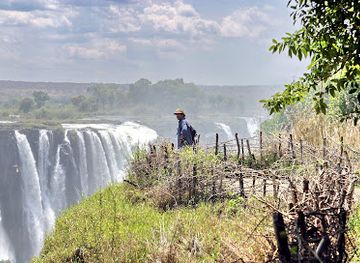
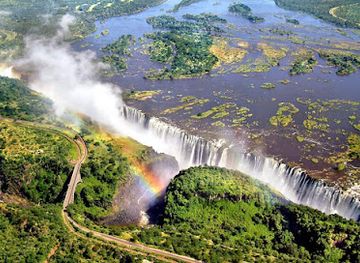
Victoria Falls
Explore Victoria Falls, a UNESCO World Heritage Site, where thundering cascades meet stunning wildlife in an unforgettable natural spectacle.
-
Tourist attraction
Victoria Falls National Park
Explore the breathtaking Victoria Falls National Park, a UNESCO World Heritage site known for its stunning waterfalls and rich wildlife encounters.
-
Tourist attraction
Mosi-oa-Tunya National Park
Discover the breathtaking landscapes and rich wildlife of Mosi-oa-Tunya National Park in Livingstone, Zambia, home to Victoria Falls and the Zambezi River.
-
Tourist attraction
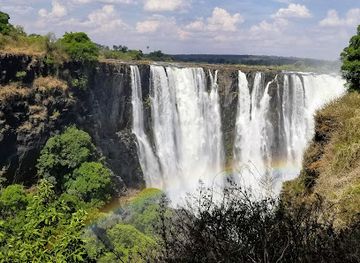
Devil's Cataract
Experience the breathtaking beauty of Devil's Cataract, a stunning vista at Victoria Falls, where nature's power creates an unforgettable spectacle.
Best landmarks in Zambezi
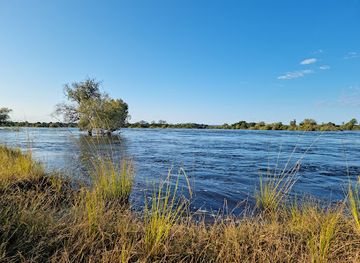
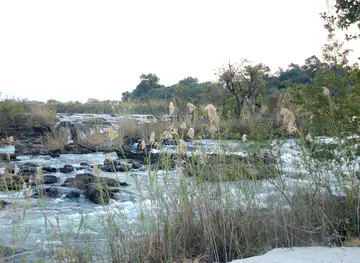
The Zambezi River is the region's defining natural landmark, forming a broad international waterway along the far east and giving Katima Mulilo its geographical identity. Katima Mulilo's riverfront and adjacent waterways provide the clearest urban encounter with this landscape, although river conditions and access vary by season. Impalila Island is another significant place: situated within Namibia's far-eastern river environment near the meeting of major borders, it illustrates how communities, cultivation, fishing and international boundaries overlap in the Zambezi basin. The B8 trans-Caprivi road is a landmark of a different kind, a long transport corridor linking the north-eastern region with the rest of Namibia and passing through changing woodland and floodplain environments. Within the protected areas, the channels and islands of Nkasa Rupara, the Kwando-associated wetlands of Mudumu and the wildlife landscapes of Bwabwata are more important as geographical systems than as single monuments. Their significance lies in the relationship between seasonal water, wildlife movement, conservation and human settlement. Visitors should remember that the celebrated Victoria Falls and the Chobe Riverfront are nearby international landmarks, not landmarks within Namibia's Zambezi Region.
-
National park
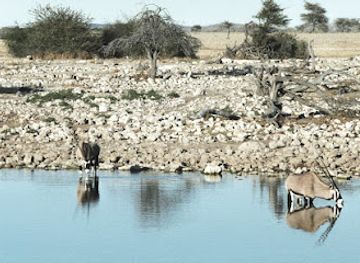
Etosha National Park
Explore the breathtaking wildlife and stunning landscapes of Etosha National Park, Namibia’s premier safari destination offering unforgettable adventures.
-
Self-catering accommodation
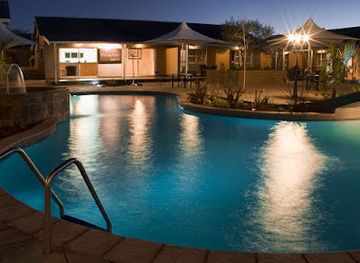
Arebbusch Travel Lodge
Discover the charm of Windhoek at Arebbusch Travel Lodge, where comfort meets convenience in self-catering accommodation.
-
Tourist attraction
Deadvlei
Explore Deadvlei, a breathtaking clay pan in the Namib Desert, known for its striking contrast of ancient trees and towering red dunes, perfect for photography and adventure.
-
 Lodge
LodgeCanyon Roadhouse, Gondwana Collection Namibia
Discover the unique Canyon Roadhouse, a perfect blend of comfort and adventure in the heart of Namibia's stunning wilderness.

Explore Zambezi on the map
Plan your trip on one map. See where the top cities, national parks and sights are, and book hotels and experiences in a few clicks.
Best hotels in Zambezi
Best restaurants in Zambezi
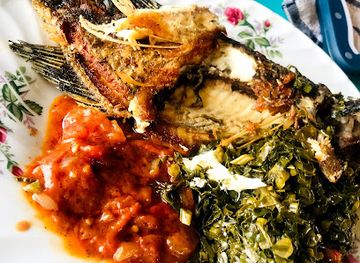
Dining in Zambezi is centred on lodges, guesthouses, cafés and practical restaurants in Katima Mulilo rather than a large, specialised restaurant scene. Menus often combine familiar Namibian and southern African dishes with ingredients associated with the waterways, including locally caught fish where legally and sustainably sourced. Mahangu, maize-based foods, seasonal vegetables, grilled meat and stews reflect the broader food culture of northern Namibia, while river communities have their own preparation methods and food traditions. Markets and informal sellers may offer fresh produce and simple local foods, but availability varies by season and location. Remote lodges generally provide organised meals for guests, sometimes incorporating regional ingredients, and dietary requirements should be communicated ahead of arrival. The most distinctive food experiences tend to come through respectful, locally arranged encounters rather than claims that one dish represents the whole region. Carry snacks and drinking water on long drives, since settlements and reliable food outlets are widely spaced beyond Katima Mulilo.
-
Restaurant
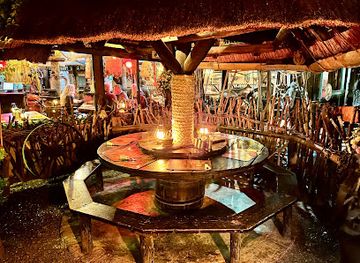
Joe's Beerhouse
Discover the heart of Windhoek at Joe's Beerhouse - where local culture meets delicious cuisine in a vibrant setting.
-
Restaurant
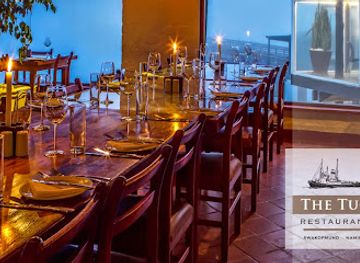
The Tug Restaurant
Experience exquisite dining at The Tug Restaurant in Swakopmund with stunning ocean views and fresh local seafood.
-
Restaurant
Arebbusch Travel Lodge
Experience comfort and local charm at Arebbusch Travel Lodge in Windhoek—your ideal base for exploring Namibia.
-
Restaurant
The Stellenbosch Wine Bar and Bistro
Savor the essence of Namibian cuisine at The Stellenbosch Wine Bar and Bistro with exquisite wines from Stellenbosch.
Best bars in Zambezi
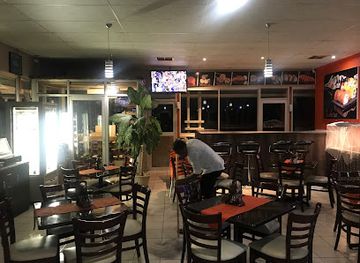
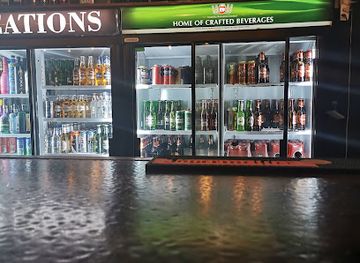
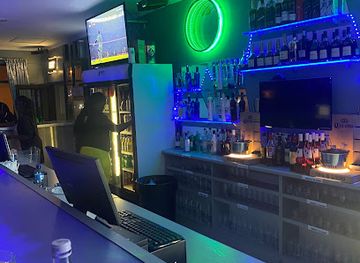
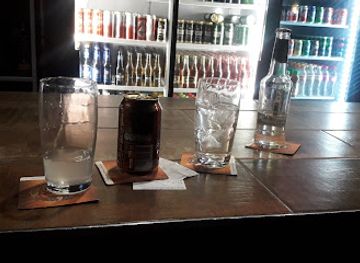
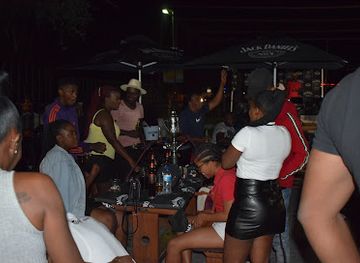
Evening life in Zambezi is modest and concentrated in Katima Mulilo, where hotel bars, local drinking places and restaurants provide the main opportunities for socialising. In smaller settlements and near national parks, evenings usually centre on lodge dining, fireside conversation, guided night drives where offered and the sounds of the surrounding bush rather than formal nightclub entertainment. Some accommodation venues serve Namibian and South African beers, spirits and soft drinks, while river lodges may offer relaxed sunset cruises or outdoor drinks subject to weather and wildlife procedures. Live music and community celebrations occur, but schedules are changeable and should not be assumed to operate as regular tourist events. Outside the main town, plan to return before dark, follow lodge guidance and avoid walking alone near waterways or through wildlife areas. Alcohol is not necessary to appreciate the region's evening culture, which is more closely connected to riverside landscapes, local hospitality and the practical rhythms of remote travel.
-
Restaurant
Passione Restaurant
Experience the vibrant flavors of Namibia at Passione Restaurant in Katima Mulilo, where local charm meets culinary excellence.
-
Bar
Creations Bar
Experience the vibrant nightlife at Creations Bar in Katima Mulilo, where refreshing drinks and a lively atmosphere await every visitor.
-
Bar
Ombulwa Bar
Discover the tranquil vibe of Ombulwa Bar in Katima Mulilo, where local culture meets relaxation in a cozy setting.
-
Restaurant
Bezi Bar & Grill
Experience the vibrant flavors of Namibia at Bezi Bar & Grill, the perfect dining spot in Katima Mulilo for every food enthusiast.
Best nightclubs in Zambezi
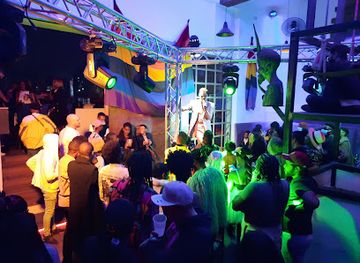
Evening life in Zambezi is modest and concentrated in Katima Mulilo, where hotel bars, local drinking places and restaurants provide the main opportunities for socialising. In smaller settlements and near national parks, evenings usually centre on lodge dining, fireside conversation, guided night drives where offered and the sounds of the surrounding bush rather than formal nightclub entertainment. Some accommodation venues serve Namibian and South African beers, spirits and soft drinks, while river lodges may offer relaxed sunset cruises or outdoor drinks subject to weather and wildlife procedures. Live music and community celebrations occur, but schedules are changeable and should not be assumed to operate as regular tourist events. Outside the main town, plan to return before dark, follow lodge guidance and avoid walking alone near waterways or through wildlife areas. Alcohol is not necessary to appreciate the region's evening culture, which is more closely connected to riverside landscapes, local hospitality and the practical rhythms of remote travel.
-
Disco club
Infinity Lounge Swakopmund
Discover the vibrant nightlife of Swakopmund at Infinity Lounge, where great music and a lively atmosphere combine for an unforgettable experience.
-
Bar
The Brewers Market
Discover the vibrant atmosphere and local flavors at The Brewers Market, Windhoek's top bar for tourists seeking authentic experiences.
-
Lounge
Tall Trees Lounge Bar
Tall Trees Lounge Bar in Windhoek offers a relaxing atmosphere with delicious drinks, perfect for tourists seeking a vibrant social scene amidst nature.
-
Bar
Nitecall Entertainment Rundu
Experience the vibrant nightlife at Nitecall Entertainment Rundu, where great drinks and live entertainment await in the heart of Rundu.
Best shops in Zambezi
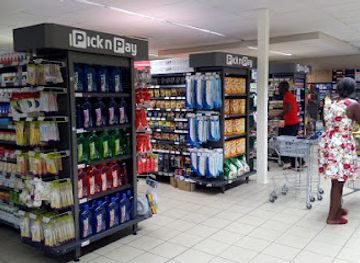
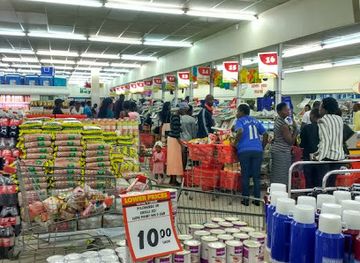
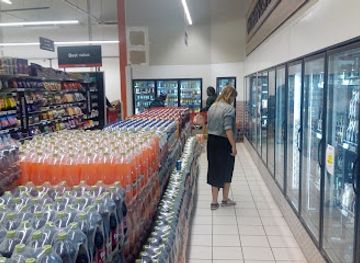
Shopping in Zambezi is practical and locally focused, with the widest choice in Katima Mulilo. Supermarkets, general shops, fuel stations and small businesses are useful for food, water, toiletries and travel supplies before heading to remote parks. Craft outlets and informal markets may offer carved wooden objects, baskets, textiles, beadwork and other handmade goods associated with the wider cultural traditions of northern Namibia; quality, materials and provenance vary, so buy respectfully and avoid products made from protected wildlife materials. Fresh produce and household goods are sold in local markets, although opening arrangements and stock can be seasonal. Lodge shops generally carry a small selection of crafts, books, clothing and souvenirs rather than extensive retail ranges. Bargaining is not automatically expected in every shop, and asking politely is preferable to assuming it. Keep receipts and check customs rules when buying animal products, plants, cultural objects or goods intended to cross into Zambia, Botswana or Zimbabwe.
-
Supermarket
Pick and Pay
Explore the colorful aisles of Pick and Pay in Katima Mulilo, where local flavors and essentials meet a welcoming shopping experience.
-
Grocery store
Shoprite Katima Mulilo
Explore Shoprite Katima Mulilo for a genuine shopping experience with local products and essential services for every traveler.
-
Supermarket
Katima Mulilo
Experience the vibrant culture of Katima Mulilo through its bustling supermarket, where local flavors and handcrafted goods await every traveler.
-
Stores and shopping
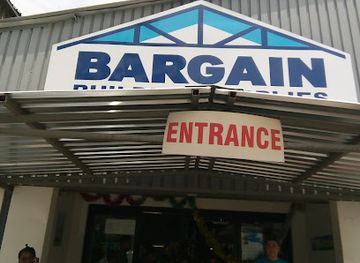
Bargain Building Supplies
Explore Bargain Building Supplies in Katima Mulilo for unbeatable deals on quality building materials and an authentic shopping experience.
Get your free copy of our complete guide to Zambezi, delivered straight to you.
Everything on this page, from attractions and restaurants to essentials and local phrases, in one PDF you can read offline, print or share.
Already have an account? Sign in
Your Zambezi guide is ready.
We'll send it to · Not you? Sign out

Getting your guide ready…
We are putting together a fresh copy of the Zambezi guide. This can take up to a minute.
This can take a few moments. If your browser asks, choose Allow so the download can start. You'll find the guide in your Downloads folder.
Nothing happened? Download it again
Sorry, the guide is taking longer than usual. Please try again in a minute, or get it by email instead.
Zambezi essentials
Currency and Payment
Safety
Emergency Situations
Do's and Don'ts
Local Tips
From Eve
Local phrases worth knowing
You don't need to get them perfect. A few words go a long way, and locals appreciate the effort.
Basics
| English | Local | Say it |
|---|---|---|
| Hello | Hallo | [/ˈhɑːloʊ/] |
| Goodbye | Tschüss | [/tʃʊs/] |
| Yes | Ja | [/jɑː/] |
| No | Nein | [/naɪn/] |
| Please/You're welcome | Bitte | [/ˈbɪtə/] |
| Thank you | Danke | [/ˈdɑːŋkə/] |
| Excuse me/Sorry | Entschuldigung | [/ɛntˈʃʊldɪɡʊŋ/] |
| How are you? | Wie geht's? | [/viː ɡeɪts/] |
| Fine. And you? | Gut. Und dir? | [/ɡuːt. ʊnd dɪr/] |
| Do you speak English? | Sprechen Sie Englisch? | [/ˈʃprɛxən zi ˈɛŋɡlɪʃ/] |
| I don't understand | Ich verstehe nicht | [/ɪç fɛɐ̯ˈʃteːə nɪçt/] |
Eating & Drinking
| English | Local | Say it |
|---|---|---|
| I'd like to see the menu, please | Ich hätte gerne die Speisekarte, bitte | [/ɪç ˈhɛtə ˈɡɛrnə diː ˈʃpaɪzəˌkaʁtə, ˈbɪtə/] |
| I don't eat meat | Ich esse kein Fleisch | [/ɪç ˈɛsə kaɪn flaɪʃ/] |
| Cheers! | Prost! | [/proʊst/] |
| I would like to pay, please | Ich möchte bitte zahlen | [/ɪç ˈmœçtə ˈbɪtə ˈtsaːlən/] |
Emergencies
| English | Local | Say it |
|---|---|---|
| Help! | Hilfe! | [/ˈhɪlfə/] |
| Go away! | Geh weg! | [/ɡeː veɡ/] |
| Call the Police! | Rufen Sie die Polizei! | [/ˈruːfən zi diː ˈpoliˌtsaɪ/] |
| Call a doctor! | Rufen Sie einen Arzt! | [/ˈruːfən zi ˈaɪnən aʁtst/] |
| I'm lost | Ich habe mich verlaufen | [/ɪç ˈhaːbə mɪç fɛʁˈlaʊfən/] |
| I'm ill | Ich bin krank | [/ɪç bɪn kʁaŋk/] |
Shopping
| English | Local | Say it |
|---|---|---|
| I'd like to buy... | Ich möchte ... kaufen | [/ɪç ˈmœçtə ... ˈkaʊfən/] |
| I'm just looking | Ich schaue nur | [/ɪç ˈʃaʊə nuːɐ/] |
| How much is it? | Wie viel kostet das? | [/viː fiːl ˈkɔstɛt das/] |
| That's too expensive | Das ist zu teuer | [/das ɪst tsuː ˈtɔɪ̯ə/] |
| Can you lower the price? | Könnten Sie den Preis senken? | [/ˈkœntən zi deːn praɪs ˈzɛŋkən/] |
Time & Numbers
| English | Local | Say it |
|---|---|---|
| What time is it? | Wie spät ist es? | [/viː ʃpɛːt ɪst ɛs/] |
| It's one o'clock | Es ist ein Uhr | [/ɛs ɪst aɪn uːɐ/] |
| Half past (10) | Halb (10) | [/halp (10)/] |
| Morning | Morgen | [/ˈmɔːɡən/] |
| Afternoon | Nachmittag | [/ˈnɑːxˌmɪtˌtɑːk/] |
| Evening | Abend | [/ˈɑːbɛnd/] |
| Yesterday | Gestern | [/ˈɡɛstərn/] |
| Today | Heute | [/ˈhɔɪtə/] |
| Tomorrow | Morgen | [/ˈmɔːɡən/] |
| 1 | Eins | [/aɪns/] |
| 2 | Zwei | [/tsvaɪ/] |
| 3 | Drei | [/draɪ/] |
| 4 | Vier | [/fiːr/] |
| 5 | Fünf | [/fʊnf/] |
| 6 | Sechs | [/zɛks/] |
| 7 | Sieben | [/ˈziːbən/] |
| 8 | Acht | [/axt/] |
| 9 | Neun | [/nɔɪn/] |
| 10 | Zehn | [/tseːn/] |
Transport & Directions
| English | Local | Say it |
|---|---|---|
| Where's a/the...? | Wo ist ein/das ...? | [/voʊ ɪst aɪn/das .../] |
| What's the address? | Wie ist die Adresse? | [/viː ɪst diː aˈdʁɛsə/] |
| Can you show me (on the map)? | Könnten Sie mir (auf der Karte) zeigen? | [/ˈkœntən zi mɪʁ (aʊf deːɐ ˈkaʁtə) ˈtsaɪɡən/] |
| When's the next (bus)? | Wann kommt der nächste (Bus)? | [/van kɔmt deːɐ ˈnɛːstə (bʊs)/] |
| A ticket (to ....) | Ein Ticket (nach ....) | [/aɪn ˈtɪkɪt (naːx ....)/] |
History of Zambezi
Early riverine societies and trade
The waterways and floodplains of present-day Zambezi have long supported fishing, hunting, cultivation and movement between settlements. Communities including the Subia, Mafwe, Mayeyi, Mbukushu and San developed detailed knowledge of seasonal floods, channels, soils and wildlife. River routes connected the area to neighbouring parts of present-day Zambia, Botswana, Angola and Zimbabwe, making the region a zone of exchange as well as a place of local political authority. Much of this history was transmitted through oral traditions, settlement patterns, craft practices and relationships with the river rather than through extensive written records.
The 1890 Heligoland-Zanzibar Treaty
The narrow eastern extension of Namibia emerged from late nineteenth-century imperial rivalry. Under the 1890 Heligoland-Zanzibar Treaty, Britain recognised German claims to the territory that became German South West Africa, while Germany gained access towards the Zambezi through the strip. The corridor was named Caprivi after Leo von Caprivi, the German chancellor involved in the agreement. Its shape reflected colonial diplomacy more than local geography, joining Namibia to the Zambezi while separating parts of the British spheres to the north and south.
German and South African administration
German authority in the Caprivi was limited compared with the colonial administration established farther south and west, and local communities retained considerable importance in everyday governance. During the First World War, South African forces took control of German South West Africa. South Africa subsequently administered the territory under a League of Nations mandate and later through its broader control of South West Africa. The region's location beside several international borders gave it strategic significance, while roads, military posts and administrative centres gradually tied it more closely to the rest of Namibia.
The liberation struggle and border conflict
The north-east became entangled in the liberation war that preceded Namibian independence. Its borders with Angola and Zambia brought military activity, displacement and insecurity, while the wider region was also affected by the Angolan war and the presence of armed forces. These decades influenced settlement, transport and access to wildlife areas. The legacy is visible in the region's cautious approach to security, its military history and the importance of travelling on established routes rather than assuming that every remote track is open or suitable for visitors.
Namibian independence and the Caprivi secession crisis
Namibia became independent in 1990, and the former Caprivi was incorporated into the new republic. In 1999, an armed secessionist uprising in and around Katima Mulilo led to clashes, displacement and a state of emergency. Although the conflict did not define the region's entire history, it remains an important part of its modern political memory. Subsequent years brought greater emphasis on civil administration, tourism, conservation and cross-border cooperation, while the area continued to develop as Namibia's principal north-eastern gateway.
The name Zambezi and community conservation
In 2013, the Namibian region commonly known as the Caprivi was officially renamed Zambezi, reflecting the central importance of the river and reducing reliance on a colonial-era name. Modern regional development combines farming, fishing, transport, conservation and cross-border commerce. Community conservancies and partnerships around protected areas have created ways for residents to participate in wildlife tourism and benefit from natural-resource management, although livelihoods and conservation priorities can sometimes be difficult to reconcile in a landscape where people and wildlife share floodplains and woodland.
Zambezi in Photos
Browse through our photo collection highlighting the charm and character of the destination.
Neighbouring regions of Zambezi
The closest regions to Zambezi, if you have time for more than one.
-

-
-

-

-


Swipe for more regions
Explore more

Explore more of Namibia
Discover Namibia: A land of towering dunes, ancient deserts, and vibrant cultures. Perfect for adventurers and nature lovers seeking an unparalleled African experience.
Explore Namibia