
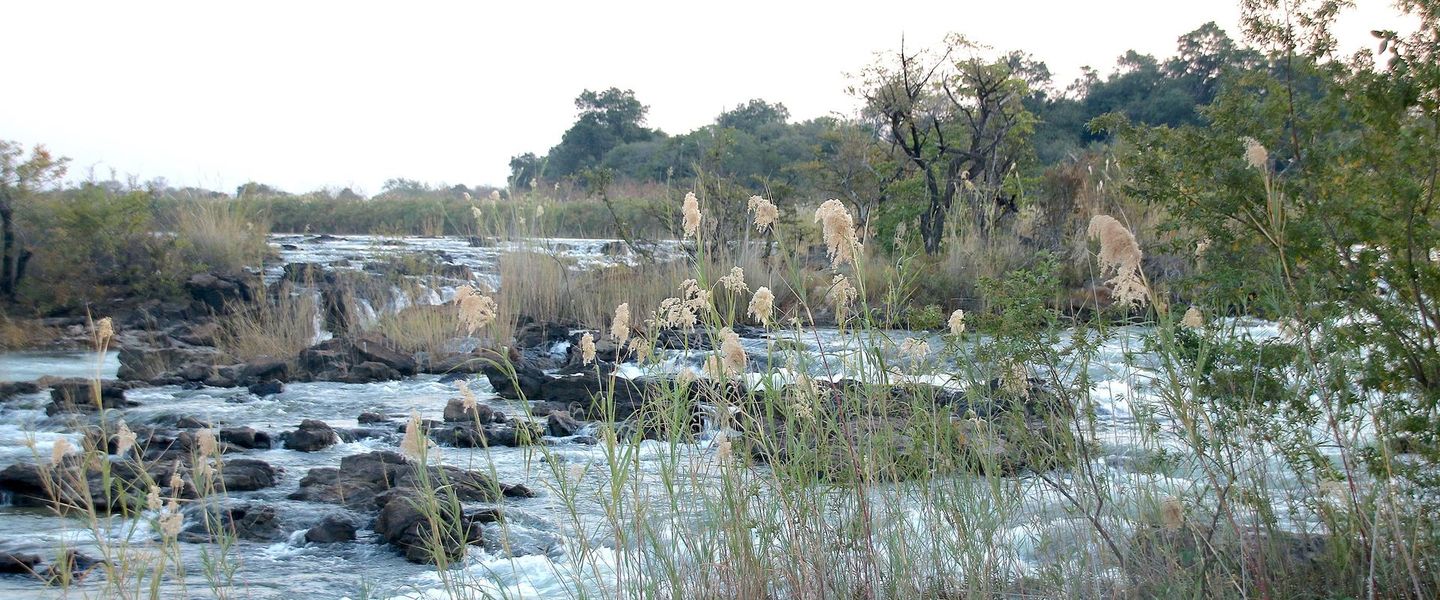
Kavango East, Namibia Travel Guide
Discover Kavango East in Namibia: A haven of wildlife, culture, and natural beauty along the serene Kavango River.
Kavango East in Namibia is a region of remarkable natural beauty and rich cultural heritage. This area is defined by the Kavango River, which meanders through lush landscapes and provides a lifeline for both wildlife and human settlements. The river is a focal point for activities such as fishing, bird watching, and boat trips, offering visitors a chance to connect with nature in an intimate way. One of the highlights of Kavango East is the Mahango Game Park, a part of the Bwabwata National Park. Here, you can spot an array of wildlife, including elephants, hippos, and a variety of antelope species. The park is also a bird watcher's paradise, with over 400 bird species recorded. The tranquil environment and the abundance of wildlife make it a perfect escape for nature lovers. The region is also rich in cultural experiences. The local communities, primarily the Kavango people, are known for their traditional crafts, particularly wood carvings and basket weaving. A visit to one of the local markets or villages can provide a deeper understanding of their way of life and offer a chance to purchase unique, handmade souvenirs. Whether you're an adventurer seeking the thrill of wildlife encounters, or a traveler looking to immerse yourself in local culture, Kavango East offers a diverse range of experiences that will leave you with lasting memories.

Know before you go
Hi, I'm Eve. Here are a few practical things to know before exploring Kavango East.
- Visit during the dry season (May to October) for the best wildlife viewing opportunities.
- Bring binoculars for bird watching, as the region is home to over 400 bird species.
- Respect local customs and seek permission before taking photographs of people.
- Consider hiring a local guide to enhance your experience and gain deeper insights into the area.
- Stay hydrated and protect yourself from the sun with hats and sunscreen, especially during outdoor activities.
Top City Travel Guides in Kavango East
The cities of Kavango East, and the easiest places to base yourself.

Explore Kavango East: Things to Do, Places to Eat, Hotels & More
Handpicked recommendations for top attractions, local dining, accommodations, and more

Top Attractions & Sightseeing in Kavango East
Top-rated picks
Best Attractions

Popa Falls Resort - NWR
Experience the beauty of Namibia at Popa Falls Resort, where comfort meets adventure along the Okavango River.

Popa Game Park
Explore the captivating beauty and wildlife of Popa Game Park, a serene escape in Namibia's natural wonderland.

Emms Cubango Ecological Camp
Experience the natural beauty and tranquility of Namibia at Emms Cubango Ecological Camp, where adventure meets ecological sustainability.

Khaudum National Park
Explore the wild heart of Namibia at Khaudum National Park, where untamed landscapes meet unique wildlife experiences.

Best landmarks in Kavango East
Top-rated picks
Best Landmarks
Ngepi Camp
Experience the beauty of Namibia at Ngepi Camp, where adventure meets relaxation in a stunning riverside setting.

Kavango River Lodge
Discover serene comfort and stunning views at Kavango River Lodge, your gateway to Namibia's enchanting landscapes and vibrant wildlife.
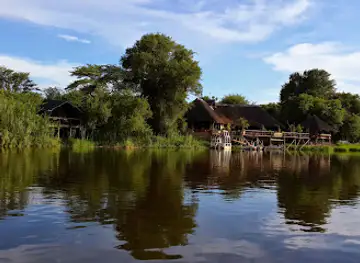
Bwabwata-National Park
Explore the stunning wilderness of Bwabwata National Park, a hidden gem in Namibia filled with diverse wildlife and breathtaking landscapes.
Hakusembe River Lodge, Gondwana Collection Namibia
Discover the serene beauty and rich culture of Owamboland at Hakusembe River Lodge, a perfect getaway in Namibia's stunning landscapes.

Best restaurants in Kavango East
Top-rated picks
Best Restaurants

The Tug Restaurant
Experience exquisite dining at The Tug Restaurant in Swakopmund – where fresh seafood meets stunning ocean views for an unforgettable meal.
Ngepi Camp
Discover serenity at Ngepi Camp - your gateway to adventure along Namibia's Okavango River.

Kavango River Lodge
Experience tranquility and adventure at Kavango River Lodge – your gateway to exploring Namibia's stunning landscapes and rich culture.

KFC Rundu
Discover KFC Rundu: A popular fast-food haven offering delicious chicken, burgers, and desserts in the heart of Namibia.

Best bars in Kavango East
Top-rated picks
Best Bars

New World GAG Pub
Discover the vibrant atmosphere of New World GAG Pub in Rundu, where locals and travelers enjoy refreshing drinks and live entertainment.

VIP Bar
Discover the lively ambiance of VIP Bar in Rundu, where great drinks and vibrant atmosphere come together for an unforgettable night.

Supersport Pub
Supersport Pub: Your ultimate destination for sports, drinks, and good times in Rundu.

Nitecall Entertainment Rundu
Experience the vibrant nightlife at Nitecall Entertainment Rundu, where locals and travelers come together for great drinks and unforgettable memories.

Best nightclubs in Kavango East
Top-rated picks
Best Nightclubs

New World GAG Pub
Discover the lively atmosphere of New World GAG Pub in Rundu, where local culture meets great drinks and entertainment.

VIP Bar
Discover the vibrant nightlife at VIP Bar in Rundu, where locals and tourists come together to enjoy a selection of drinks and live entertainment.

Nitecall Entertainment Rundu
Experience the vibrant nightlife at Nitecall Entertainment in Rundu - where drinks flow and good times roll.

Backstage Club
Immerse yourself in the vibrant nightlife of Rundu at Backstage Club, where great music and unforgettable memories await every visitor.

Best shops in Kavango East
Top-rated picks
Best Shops

Rundu Shopping Mall
Discover Rundu Shopping Mall – Your gateway to shopping, dining, and local culture in the heart of Namibia.

KAVANGO OK FOODS SUPERMARKET
Discover local flavors and vibrant culture at Kavango Ok Foods Supermarket in Rundu, a grocery and liquor store full of Namibian delights.

WB Supermarkets Rundu Hyper
Discover Rundu's vibrant shopping scene at WB Supermarkets - your go-to destination for local and international products in Namibia.

Hombe Supermarket & Take Away
Explore the diverse offerings of Hombe Supermarket & Take Away, your go-to convenience store in Divundu for essentials and delicious local cuisine.

Explore Kavango East on the Map
A handpicked selection of must-see spots in Kavango East, mapped for you.
Kavango East Essentials
-
Kavango East is accessible by air and road. The nearest international airport is Hosea Kutako International Airport in Windhoek, Namibia's capital. From Windhoek, you can catch a domestic flight to Rundu Airport, which serves as the gateway to Kavango East. Alternatively, you can take a long-distance bus or rent a car for the approximately 700 km drive from Windhoek to Rundu. The road trip offers scenic views and the chance to explore other parts of Namibia along the way.
-
Within Kavango East, transportation options include taxis, car rentals, and local buses. Taxis are widely available in Rundu, the regional capital, and are a convenient way to get around the town. For exploring the more remote areas and natural attractions, renting a car is recommended. Local buses and minibuses (known as combis) connect Rundu with surrounding villages, although they may not adhere to strict schedules.
-
The official currency in Namibia is the Namibian Dollar (NAD), which is pegged to the South African Rand (ZAR). Credit and debit cards are accepted in most hotels, restaurants, and shops in Rundu, but it's advisable to carry cash, especially when visiting rural areas. ATMs are available in Rundu, so you can withdraw cash as needed.
-
Kavango East is generally a safe region, but like any travel destination, it's important to take standard precautions. Avoid walking alone at night in unfamiliar areas and keep an eye on your belongings in crowded places. The primary urban area, Rundu, has some neighborhoods where petty crimes such as pickpocketing and theft can occur, so remain vigilant. It's always a good idea to stay in well-lit and populated areas, especially after dark.
-
In case of emergency, dial 112 for immediate assistance. Rundu has a hospital and several clinics for medical emergencies. It is strongly recommended to have travel insurance that covers medical emergencies and evacuation. For minor health issues, there are pharmacies in Rundu where you can purchase over-the-counter medications. Keep the contact information of your country's embassy or consulate in Namibia handy.
-
Fashion: Do dress modestly, particularly when visiting rural areas and traditional villages. Avoid wearing revealing clothing. Religion: Do respect local customs and traditions. If visiting a traditional homestead or cultural site, ask for permission before taking photographs. Public Transport: Do be courteous to fellow passengers. Don't eat or drink on public transport. Greetings: Do greet people with a handshake and a friendly smile. In more traditional settings, a slight bow of the head is also a sign of respect. Eating & Drinking: Do try local dishes and accept food offerings graciously. Don’t refuse hospitality, as it is considered impolite.
-
To experience Kavango East like a local, visit the open-air markets in Rundu where you can buy fresh produce, crafts, and traditional goods. Engage with the locals, as they are often friendly and willing to share stories about their culture and heritage. Don't miss a visit to the Mbunza Living Museum to learn about the traditional ways of the Kavango people. For a unique experience, take a boat trip on the Kavango River, which offers beautiful scenery and opportunities to see wildlife.
When is the best time to visit Kavango East?
Useful Local Phrases for Kavango East
You don't need to speak the language perfectly. Even learning a few simple words can make conversations warmer—and locals usually appreciate the effort.
— Eve

Here are the phrases I use most often in Kavango East. Try a few—you'll be surprised how far they go! 😊
❤️
-
- HelloNdjambi
[N-djambi] - GoodbyeOmbinga
[Ombinga] - YesEe
[Ee] - NoAwa
[A-wa] - Please/You’re welcomeNdeka
[N-deka] - Thank youTangi
[Tan-gi] - Excuse me/SorryOmbinda
[Ombin-da] - How are you?Okahe o?
[O-ka-he o?] - Fine. And you?Ndi nawa. Okahe o?
[N-di na-wa. O-ka-he o?] - Do you speak English?Oka tivile English?
[O-ka ti-vi-le English?] - I don't understandNdi mini nawa
[N-di mi-ni na-wa]
- HelloNdjambi
-
- I’d like to see the menu, pleaseNdi nawa ku tjiwa menu, ndeka
[N-di na-wa ku tji-wa menu, n-deka] - I don’t eat meatNdi mini tji banga
[N-di mi-ni tji ban-ga] - Cheers!Tji tji!
[Tji tji!] - I would like to pay, pleaseNdi nawa ku peya, ndeka
[N-di na-wa ku pe-ya, n-deka]
- I’d like to see the menu, pleaseNdi nawa ku tjiwa menu, ndeka
-
- Help!Tjina!
[Tji-na!] - Go away!Fangela!
[Fan-ge-la!] - Call the Police!Fangela Police!
[Fan-ge-la Po-lice!] - Call a doctor!Fangela dokotela!
[Fan-ge-la do-ko-te-la!] - I’m lostNdi tji pombili
[N-di tji pom-bi-li] - I’m illNdi tji nawa
[N-di tji na-wa]
- Help!Tjina!
-
- I’d like to buy...Ndi nawa ku tjiwa...
[N-di na-wa ku tji-wa...] - I’m just lookingNdi tjiwa pombili
[N-di tji-wa pom-bi-li] - How much is it?Okahe kuli?
[O-ka-he ku-li?] - That’s too expensiveOkahe tji munga
[O-ka-he tji mun-ga] - Can you lower the price?Oka tji feya kuli?
[O-ka tji fe-ya ku-li?]
- I’d like to buy...Ndi nawa ku tjiwa...
-
- What time is it?Okahe tji udi?
[O-ka-he tji u-di?] - It’s one o’clockTji udi ya 1
[Tji u-di ya 1] - Half past (10)Tji nawa tji 10
[Tji na-wa tji 10] - MorningTji ya pombili
[Tji ya pom-bi-li] - AfternoonTji ya nyanga
[Tji ya n-yan-ga] - EveningTji ya djiwula
[Tji ya dji-wu-la] - YesterdayOkahe ya pombili
[O-ka-he ya pom-bi-li] - TodayOkahe ya lyi
[O-ka-he ya lyi] - TomorrowOkahe ya lwazi
[O-ka-he ya l-wa-zi] - 11
[1] - 22
[2] - 33
[3] - 44
[4] - 55
[5] - 66
[6] - 77
[7] - 88
[8] - 99
[9] - 1010
[10]
- What time is it?Okahe tji udi?
-
- Where's a/the...?Okahe kuli a/the...?
[O-ka-he ku-li a/the...?] - What's the address?Okahe kuli adreesi?
[O-ka-he ku-li a-dree-si?] - Can you show me (on the map)?Oka tji tjiwa (ku mape)?
[O-ka tji tji-wa (ku ma-pe)?] - When's the next (bus)?Okahe kuli tji nawa (bus)?
[O-ka-he ku-li tji na-wa (bus)?] - A ticket (to ....)Tiki (ku ...)
[Ti-ki (ku ...)]
- Where's a/the...?Okahe kuli a/the...?
History of Kavango East
-
Kavango East has been home to various indigenous tribes for centuries, with the Kavango people being one of the most prominent. The region's fertile soil and proximity to the Kavango River made it an ideal location for early agricultural settlements. The Kavango people are known for their rich traditions, including pottery, weaving, and wood carving, which have been passed down through generations.
-
In the late 19th century, European explorers and missionaries began to venture into Kavango East. German missionaries played a significant role in the region, establishing mission stations and schools. This period marked the beginning of significant cultural exchange and the introduction of Christianity to the local communities.
-
During the late 19th and early 20th centuries, Kavango East became part of German South-West Africa. The German colonial administration sought to exert control over the region, building infrastructure such as roads and administrative centers. This period was marked by both cooperation and conflict between the German authorities and the local tribes.
-
Following World War I, South Africa took over the administration of Namibia, including Kavango East, under a League of Nations mandate. The region witnessed significant political and social changes during this time. The struggle for Namibian independence intensified, with the South West Africa People's Organization (SWAPO) playing a crucial role. Kavango East was not immune to the conflicts and upheavals that characterized this period.
-
Namibia gained independence in 1990, and Kavango East embarked on a new chapter of development and growth. The region has seen improvements in infrastructure, education, and healthcare. Efforts have been made to preserve and promote the rich cultural heritage of the Kavango people, making it a vibrant and diverse destination for travelers.
-
Kavango East is renowned for its vibrant cultural festivals, which attract visitors from all over the world. The annual Mukwe Cultural Festival, for example, showcases traditional music, dance, and crafts. These festivals provide a unique opportunity to experience the rich cultural tapestry of the region and engage with the local communities.
-
The Kavango River is a vital natural resource for the people of Kavango East. It supports agriculture, fishing, and transportation, and plays a central role in the daily lives of the inhabitants. The river's significance extends beyond its practical uses; it holds cultural and spiritual importance for the local communities, featuring prominently in their folklore and traditions.
Neighbouring Regions of Kavango East
The closest regions to Kavango East, if you have time for more than one.



Your all‑in‑one travel companion app
Explore expert travel guides, compare and book tours, experiences, hotels, and more—all from the palm of your hand. Download now for seamless trip planning wherever your wanderlust takes you.


Explore More of Namibia

Looking beyond Kavango East? Discover Namibia for broader travel guides, local hot-spots, and regional highlights.
Explore NamibiaKavango East in Photos
Browse through our photo collection highlighting the charm and character of the destination.
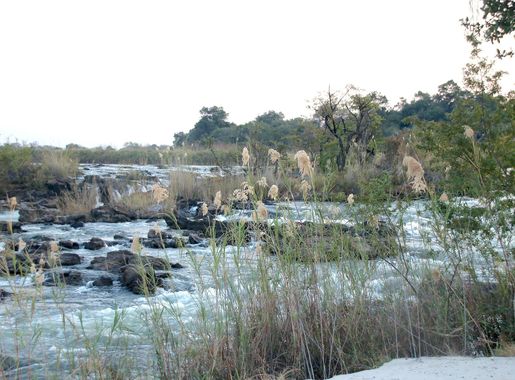


The Enchanting Wilderness of Kavango East, Namibia
Kavango East in Namibia is a region of remarkable natural beauty and rich cultural heritage. This area is defined by the Kavango River, which meanders through lush landscapes and provides a lifeline for both wildlife and human settlements. The river is a focal point for activities such as fishing, bird watching, and boat trips, offering visitors a chance to connect with nature in an intimate way. One of the highlights of Kavango East is the Mahango Game Park, a part of the Bwabwata National Park. Here, you can spot an array of wildlife, including elephants, hippos, and a variety of antelope species. The park is also a bird watcher's paradise, with over 400 bird species recorded. The tranquil environment and the abundance of wildlife make it a perfect escape for nature lovers. The region is also rich in cultural experiences. The local communities, primarily the Kavango people, are known for their traditional crafts, particularly wood carvings and basket weaving. A visit to one of the local markets or villages can provide a deeper understanding of their way of life and offer a chance to purchase unique, handmade souvenirs. Whether you're an adventurer seeking the thrill of wildlife encounters, or a traveler looking to immerse yourself in local culture, Kavango East offers a diverse range of experiences that will leave you with lasting memories.