

Free Anetan Travel Guide & Mobile App
Explore Anetan with free travel guides. Discover regional history, expert tips, proposed trips, and audio guides on web or mobile app.


Anetan, Nauru, offers quiet northern coastline, coral landscapes and a close view of island life shaped by phosphate history.
Read more about Anetan
When is the best time to visit Anetan?
Best: October–December · 30°C| Month | High (°C) | Rainfall (mm) |
|---|---|---|
| January | 29 | 250 |
| February | 29 | 230 |
| March | 29 | 220 |
| April | 29 | 210 |
| May | 29 | 200 |
| June | 30 | 190 |
| July | 30 | 180 |
| August | 30 | 170 |
| September | 30 | 160 |
| October (best) | 30 | 150 |
| November (best) | 30 | 140 |
| December (best) | 30 | 130 |
Getting to and around Anetan
How to get there
Transportation
Destinations in Anetan
Resorts, valleys and scenic spots worth a trip of their own.

Swipe for more destinations
Best attractions in Anetan
Anetan’s attractions are primarily elemental and local rather than purpose-built. The district’s northern coastline provides views across the Pacific, with coral shore and reef environments that are interesting to observe but require care in the water. Short walks along suitable public-road sections reveal the contrast between the inhabited coastal belt, coconut and tropical vegetation, and the more austere raised interior shaped by phosphate extraction. There are no large museum complexes, theme parks or developed beach resorts in Anetan, so the district is best included within a broader circuit of Nauru. Travellers can use the journey to understand how the island’s roads connect its coastal communities and how abruptly the landscape changes inland. Birdlife, changing light and everyday village scenes add interest, although visitors should avoid treating residential areas as open-air attractions. Wider national sights, including central mining landscapes and heritage associated with Nauru’s government and wartime history, are in other districts and should not be attributed to Anetan. The value of visiting is its close-scale view of a Pacific district where environmental change, community life and the ocean remain visibly interconnected.
-
 Park
Chad Park
Discover the serene beauty of Chad Park, a natural haven for relaxation and outdoor activities in a picturesque setting.
-
Park
Anetan Seawall
Discover the beauty of Anetan Seawall, a tranquil coastal park in Ronave, perfect for relaxation, scenic views, and unforgettable sunsets.

Best landmarks in Anetan
Anetan’s most defining landmark is its position on Nauru’s northern coastal ring, where the inhabited strip meets the open Pacific and the raised interior begins a short distance inland. The shoreline and reef edge are geographical features rather than constructed monuments, and their visual character changes with tide, weather and light. Inland, the transition towards phosphate-altered ground provides a powerful reminder of the industry that shaped the entire republic, although visitors must keep clear of unstable surfaces, private land and restricted areas. The district’s roads and scattered homes also express Nauru’s unusual settlement pattern: most everyday life occupies the coast, while the centre of the island is less accessible and heavily marked by extraction. No single grand castle, cathedral or civic monument defines Anetan, and it would be misleading to import landmarks from Yaren, Aiwo or Buada into the district. Its importance is instead geographic and environmental, offering a close view of the relationship between reef, settlement, vegetation and mined plateau that characterises Nauru.
-
Serviced accommodation
Ewa Lodge
Discover comfort and convenience at Ewa Lodge in Ronave, Nauru – your ideal accommodation for exploring the stunning Pacific island.
-
Hotel
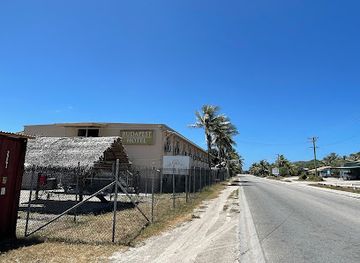
Budapest Hotel
Discover the charm of Budapest Hotel in Anabar, where comfort meets local hospitality in a breathtaking setting.
-
Immigration detention centre
Nauru Australian Immigration Detention Center
Discover the complex narrative of the Nauru Immigration Detention Center amidst the stunning landscapes of Nauru, a unique travel experience.
-
Government office
Parliament House
Discover the architectural beauty and political significance of Parliament House in Yaren, the heart of Nauru's governance and culture.


Explore Anetan on the map
Plan your trip on one map. See where the top cities, national parks and sights are, and book hotels and experiences in a few clicks.
Best hotels in Anetan
Best restaurants in Anetan
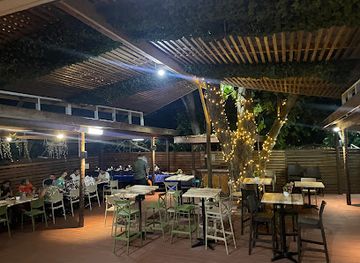
Anetan has a limited dining infrastructure, and visitors should not expect a concentrated restaurant quarter or a large choice of cafés. Food available in the district is more likely to reflect home cooking, small local outlets or arrangements made through accommodation than formal destination dining. Nauruan meals draw on Pacific staples such as fish, coconut, rice, root vegetables and fruit, alongside imported Australian and Asian products. Fresh seafood may be available according to local supply and conditions, but it should not be assumed at every meal. For a wider choice of groceries and prepared food, travellers generally need to use services elsewhere on the island, particularly around the main population and administrative areas near Yaren, outside Anetan. Carrying water and a few practical provisions is sensible when exploring the district. Visitors should ask before photographing food preparation or entering private premises, and should confirm prices and payment methods for informal meals or locally arranged cooking.
-
Restaurant
The Bay Restaurant
Discover culinary delights at The Bay Restaurant in Anibare - where local flavors meet stunning ocean views for an unforgettable dining experience.
-
Restaurant
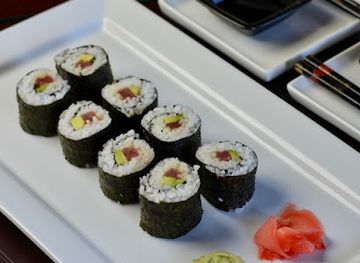
OMG Sushi Restaurant
Discover authentic sushi at OMG Sushi Restaurant in Orro - where fresh ingredients meet exquisite flavors.
-
Chinese
Praises Restaurant
Experience the rich flavors of authentic Chinese cuisine at Praises Restaurant in Anabar - a must-visit for food enthusiasts.
-
Restaurant
Mr Chippies
Experience authentic Nauruan cuisine at Mr Chippies in Anibare – where every meal is a celebration of flavor and hospitality.


Best bars in Anetan
Anetan does not have a recognised nightclub district or a large late-night entertainment scene. Evening life is generally low-key, with socialising centred on homes, community connections and a small number of informal or licensed venues around the island rather than on a dedicated strip within the district. Travellers should avoid assuming that every evening will offer public entertainment, and should arrange transport before going out because roads can be quiet and poorly lit after dark. Any bar or gathering should be approached respectfully, with modest behaviour and consideration for nearby residents. More formal hospitality and administrative activity are concentrated outside Anetan, especially around Yaren and other populated coastal areas. The district is better suited to an early evening walk, sunset observation from an appropriate public place or a quiet meal than to clubbing.
-
Restaurant
The Bay Restaurant
Experience the unique flavors of Anibare at The Bay Restaurant, offering exquisite dishes and stunning bay views for an unforgettable dining experience.
-
Bar
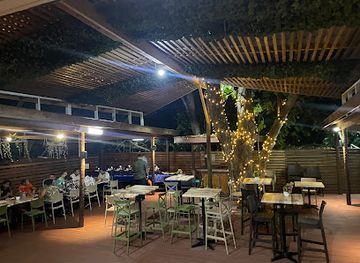
Jules On The Deck
Discover the vibrant atmosphere of Jules On The Deck in Nibok, where refreshing cocktails and breathtaking views await every visitor.
-
Restaurant
OMG Sushi Restaurant
Experience the authentic taste of Japan at OMG Sushi Restaurant in Orro, where exquisite flavors and a warm atmosphere await every visitor.
-
Bar
Reef Bar
Experience the vibrant atmosphere and stunning ocean views at Reef Bar, a must-visit destination for tourists in Nauru.


Best nightclubs in Anetan
Anetan does not have a recognised nightclub district or a large late-night entertainment scene. Evening life is generally low-key, with socialising centred on homes, community connections and a small number of informal or licensed venues around the island rather than on a dedicated strip within the district. Travellers should avoid assuming that every evening will offer public entertainment, and should arrange transport before going out because roads can be quiet and poorly lit after dark. Any bar or gathering should be approached respectfully, with modest behaviour and consideration for nearby residents. More formal hospitality and administrative activity are concentrated outside Anetan, especially around Yaren and other populated coastal areas. The district is better suited to an early evening walk, sunset observation from an appropriate public place or a quiet meal than to clubbing.
-
Restaurant
The Bay Restaurant
Experience the best of local and international cuisine with stunning ocean views at The Bay Restaurant in Anibare, Nauru.
-
Serviced accommodation
Ewa Lodge
Experience the charm of Nauru at Ewa Lodge, a cozy and welcoming serviced accommodation perfect for your island getaway.
-
Hotel
Budapest Hotel
Discover comfort and culture at Budapest Hotel, your ideal base for exploring the vibrant attractions of Anabar.
-
Bar
Jules On The Deck
Discover the vibrant atmosphere of Jules On The Deck in Nauru, where refreshing drinks and stunning views create unforgettable memories.


Best shops in Anetan
Shopping in Anetan is limited and practical rather than destination-oriented. Visitors may encounter small local retail points or informal supplies, but should not expect a major high street, craft market or shopping centre. Everyday goods, drinks and provisions are more reliably found in the island’s larger service areas outside the district, especially around the population and administrative centres near Yaren. Useful purchases for a visit include bottled water, snacks, sun protection and other basics, as retail choice can be narrow and restocking is not always convenient. Nauru has no large-scale souvenir industry comparable with bigger Pacific destinations, although locally made items, food products or small handicrafts may occasionally be available through personal contacts or community settings. Ask permission before photographing products or people, and agree prices for informal sales. Shopping is best treated as part of practical island logistics rather than a principal reason to visit Anetan.
-
Grocery store
Vim No.1 Store
Explore Vim No.1 Store in Arijejen, Nauru, for local groceries and unique island flavors, embodying the heart of Nauruan culture.
-
Grocery store
Ataro Bay Store
Discover the local flavors and essential goods at Ataro Bay Store, your convenient grocery stop along the breathtaking Island Ring Road.
-
Store
Elizabeth's Garden
Explore local crafts and unique souvenirs at Elizabeth's Garden in Boe, where friendly service meets a charming shopping experience.
-
General store
Sunset CornerEnterprise
Experience the charm of Sunset Corner, a delightful general store in Borderline offering local goods and essentials for every traveler.


Get your free copy of our complete guide to Anetan, delivered straight to you.
Everything on this page, from attractions and restaurants to essentials and local phrases, in one PDF you can read offline, print or share.
Already have an account? Sign in
Your Anetan guide is ready.
We'll send it to · Not you? Sign out

Getting your guide ready…
We are putting together a fresh copy of the Anetan guide. This can take up to a minute.
This can take a few moments. If your browser asks, choose Allow so the download can start. You'll find the guide in your Downloads folder.
Nothing happened? Download it again
Sorry, the guide is taking longer than usual. Please try again in a minute, or get it by email instead.
Anetan essentials
Currency and Payment
Safety
Emergency Situations
Do's and Don'ts
Local Tips
From Eve
Local phrases worth knowing
You don't need to get them perfect. A few words go a long way, and locals appreciate the effort.
Basics
| English | Local | Say it |
|---|---|---|
| Hello | Bula | [boo-lah] |
| Goodbye | Bula bye | [boo-lah bye] |
| Yes | Eo | [eh-oh] |
| No | Te | [teh] |
| Please/You're welcome | Yo, meke | [yo, meh-keh] |
| Thank you | Kemie | [keh-mee-eh] |
| Excuse me/Sorry | Aroa | [ah-roh-ah] |
| How are you? | Nai mo? | [nai moh] |
| Fine. And you? | Eo. Mo nai? | [eh-oh. moh nai] |
| Do you speak English? | Eo mo tara ingilisi? | [eh-oh moh tah-rah ing-ee-lee-see] |
| I don't understand | Ome te aroa | [oh-meh teh ah-roh-ah] |
Eating & Drinking
| English | Local | Say it |
|---|---|---|
| I'd like to see the menu, please | Ome aere keman, yo | [oh-meh ah-eh-reh keh-mahn, yo] |
| I don't eat meat | Ome te aere boko | [oh-meh teh ah-eh-reh boh-koh] |
| Cheers! | Meitaki! | [meh-ee-tah-kee] |
| I would like to pay, please | Ome aere aiko, yo | [oh-meh ah-eh-reh ah-ee-koh, yo] |
Emergencies
| English | Local | Say it |
|---|---|---|
| Help! | Aroa! | [ah-roh-ah] |
| Go away! | Aroa, aere! | [ah-roh-ah, ah-eh-reh] |
| Call the Police! | Aroa, tara Polisi! | [ah-roh-ah, tah-rah poh-lee-see] |
| Call a doctor! | Aroa, tara dokta! | [ah-roh-ah, tah-rah doh-k-tah] |
| I'm lost | Ome te aere aen | [oh-meh teh ah-eh-reh ah-en] |
| I'm ill | Ome te aere nganga | [oh-meh teh ah-eh-reh nah-ngah] |
Shopping
| English | Local | Say it |
|---|---|---|
| I'd like to buy... | Ome aere biki... | [oh-meh ah-eh-reh bee-kee] |
| I'm just looking | Ome aere lahi | [oh-meh ah-eh-reh lah-hee] |
| How much is it? | Nai em? | [nai em] |
| That's too expensive | Aroa boko em | [ah-roh-ah boh-koh em] |
| Can you lower the price? | Eo mo aere komai em? | [eh-oh moh ah-eh-reh koh-my em] |
Time & Numbers
| English | Local | Say it |
|---|---|---|
| What time is it? | Nai ai? | [nai ai] |
| It's one o'clock | Eo ai nika | [eh-oh ai nee-kah] |
| Half past (10) | Mekei aere (10) | [meh-kei ah-eh-reh (10)] |
| Morning | Buanga | [boo-ah-ngah] |
| Afternoon | Mekei | [meh-kei] |
| Evening | Tibari | [tee-bah-ree] |
| Yesterday | Bula nika | [boo-lah nee-kah] |
| Today | Bula | [boo-lah] |
| Tomorrow | Bula nika buanga | [boo-lah nee-kah boo-ah-ngah] |
| 1 | Tahi | [tah-hee] |
| 2 | Rua | [roo-ah] |
| 3 | Telu | [teh-loo] |
| 4 | Eto | [eh-toh] |
| 5 | Rima | [ree-mah] |
| 6 | Ono | [oh-noh] |
| 7 | Walu | [wah-loo] |
| 8 | Walu | [wah-loo] |
| 9 | Ika | [ee-kah] |
| 10 | Sikau | [see-kah-oo] |
Transport & Directions
| English | Local | Say it |
|---|---|---|
| Where's a/the...? | Eo ai a/the...? | [eh-oh ai ah/the...?] |
| What's the address? | Nai ai tarai? | [nai ai tah-rah-ee] |
| Can you show me (on the map)? | Eo mo aere te ai (on the map)? | [eh-oh moh ah-eh-reh teh ai (on the map)?] |
| When's the next (bus)? | Nai ai nika (bus)? | [nai ai nee-kah (bus)?] |
| A ticket (to ....) | A tiket (to ....) | [ah tee-ket (to ....)] |
History of Anetan
Traditional Nauruan society before European rule
Before colonial administration, Nauru was organised among twelve traditional tribal groups, a structure still reflected in the island’s symbolism and social history. Communities relied on fishing, coconut, pandanus and other island resources, with customary landholding playing a central role. Anetan’s coastal position formed part of this wider pattern of settlement around the island’s shoreline, while the central raised plateau was used according to local knowledge and access. Although later mining altered much of the physical landscape, customary connections to land remain essential to understanding Nauru.
German protectorate and Christian conversion, 1888 onwards
Germany declared a protectorate over Nauru in 1888, bringing the island into a period of intensified outside political and commercial involvement. Missionary activity, new administrative arrangements and imported goods changed daily life, while Christianity became an important influence in Nauruan communities. These developments affected the whole island rather than Anetan alone, but the district’s coastal settlement was part of the network through which people, officials and supplies moved. German rule also laid the political groundwork for later imperial administration.
The phosphate industry, from the early twentieth century
Commercial phosphate extraction began in the early 1900s after deposits were identified on Nauru’s raised interior. The industry transformed the island’s economy and connected it to Australia, New Zealand and other Pacific territories through shipping and imported labour. Revenue eventually gave Nauru exceptional wealth after independence, but mining removed much of the central plateau and left difficult coral pinnacles behind. Anetan, situated on the coastal ring, was not the principal mining centre, yet its residents and land were part of the island-wide social and economic system created by phosphate.
Australian administration and Pacific labour networks
After the First World War, Nauru became a League of Nations mandate administered by Australia, Britain and New Zealand, with Australia exercising day-to-day authority. Phosphate operations expanded, and workers from other Pacific and Asian communities contributed to the industry, changing Nauru’s demographic and cultural landscape. Coastal districts such as Anetan were connected to the mines, port operations and administrative system through the island road network. The period also saw increasing pressure on land and growing awareness of the unequal distribution of mining’s benefits and costs.
Japanese occupation during the Second World War
Japanese forces occupied Nauru from 1942 until the end of the Second World War. The occupation brought military control, shortages, forced labour and severe disruption to the island’s population. Many Nauruans were deported to Truk, now Chuuk in the Federated States of Micronesia, where numerous people died before the survivors returned after the war. The occupation affected all districts, including coastal communities such as Anetan, and remains part of the island’s modern historical memory alongside the physical traces of wartime infrastructure.
Independence and the post-phosphate transformation
Nauru became an independent republic in 1968, with phosphate revenues initially supporting a high standard of living and extensive public spending. As accessible deposits declined and environmental damage constrained future extraction, the country faced profound economic and social challenges. The central plateau became a visible reminder of the industry’s long-term cost, while coastal districts continued to carry most homes, roads and everyday services. Anetan’s contemporary character is shaped by this national transition: it is part of an independent Pacific state adapting to a post-mining economy.
Anetan in Photos
Browse through our photo collection highlighting the charm and character of the destination.
Neighbouring regions of Anetan
The closest regions to Anetan, if you have time for more than one.
-

-

-

-


Swipe for more regions
Explore more

Explore more of Nauru
Discover Nauru, the serene island nation in Micronesia, offering pristine beaches, rich history, and vibrant marine life for an unforgettable tropical escape.
Explore Nauru