

Free Ewa Travel Guide & Mobile App
Explore Ewa with free travel guides. Discover regional history, expert tips, proposed trips, and audio guides on web or mobile app.


Explore Ewa in Nauru for quiet Pacific coastline, coral landscapes, local community life and a close view of the island's phosphate history.
Read more about Ewa
When is the best time to visit Ewa?
Best: October–December · 31°C| Month | High (°C) | Rainfall (mm) |
|---|---|---|
| January | 30 | 200 |
| February | 30 | 190 |
| March | 30 | 180 |
| April | 30 | 170 |
| May | 30 | 160 |
| June | 31 | 150 |
| July | 31 | 140 |
| August | 31 | 130 |
| September | 31 | 120 |
| October (best) | 31 | 110 |
| November (best) | 31 | 100 |
| December (best) | 31 | 90 |
Getting to and around Ewa
How to get there
Transportation
Destinations in Ewa
Resorts, valleys and scenic spots worth a trip of their own.

Swipe for more destinations
Best attractions in Ewa
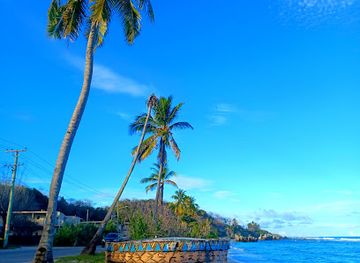
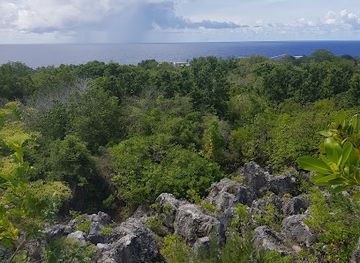
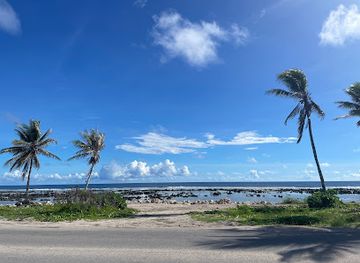
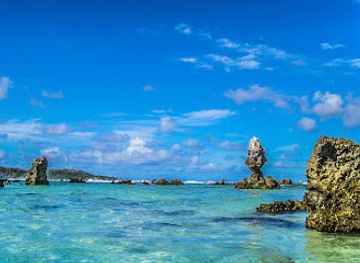
Ewa's attractions are primarily landscape-based and community-oriented rather than built for mass tourism. The northern coastline provides open Pacific views, reef scenery and opportunities for quiet shoreline walks, although swimming and snorkelling should be considered only after checking local sea conditions. Inland, the contrast between coastal vegetation and the elevated phosphate-mined terrain offers one of the clearest ways to understand Nauru's environmental and economic history. Visitors can also observe churches, residential settlements and everyday island life while travelling the road through the district. There are no large museums, amusement parks or extensive visitor facilities in Ewa, so the district works best as part of a circumnavigation of Nauru. Birdwatching, informal photography, shore fishing and short exploratory walks are possible where access is safe and permitted. For more formal historical interpretation and national services, visitors will need to travel to other districts, particularly the areas around Yaren and Aiwo; these are nearby parts of Nauru, not attractions within Ewa.
-
Water
Anibare Bay
Experience tranquility at Anibare Bay, Nauru's stunning beach paradise perfect for relaxation, adventure, and captivating sunsets.
-
Lake
Buada Lagoon
Experience the tranquil beauty of Buada Lagoon in Nauru, a hidden gem perfect for peaceful retreats and nature lovers.
Best landmarks in Ewa
Ewa's most meaningful landmarks are elements of a wider cultural and environmental landscape rather than a single monumental building. The district's northern coast is a geographical landmark in its own right, showing the narrow coastal belt, reef-fringed Pacific edge and exposure that shape life on Nauru. Inland, the raised coral terrain and irregular phosphate-mined ground stand as a powerful reminder of the industry that financed the island's modern economy while permanently altering much of its interior. Local churches and settlement roads are also important community markers, reflecting the role of Christianity and district-based life in contemporary Nauru. Wartime traces may be encountered across the island, but individual military remains should not be entered or presented as formal monuments without local confirmation. Ewa's significance lies in the relationship between coast, settlement and mined upland: together they explain the district more effectively than an isolated architectural attraction. Visitors should view these places from public roads or with permission, as land ownership and access are not always obvious.
-
 Hotel
HotelMenen Hotel
Discover comfort and hospitality at Menen Hotel in Ibwenape, where every stay is a delightful experience amid stunning surroundings.
-
Shopping mall
Capelle and Partner
Explore Capelle and Partner Mall in Ronave for an unforgettable shopping and dining experience, showcasing local culture and international brands.
-
Serviced accommodation
Ewa Lodge
Ewa Lodge in Ronave: Embrace tranquility and comfort in a charming serviced accommodation surrounded by breathtaking natural beauty.
-
Island
Geography of Nauru
Experience the unique geography of Nauru, an island paradise filled with beautiful landscapes, rich culture, and breathtaking coastal views.
Explore Ewa on the map
Plan your trip on one map. See where the top cities, national parks and sights are, and book hotels and experiences in a few clicks.
Best hotels in Ewa
Best restaurants in Ewa
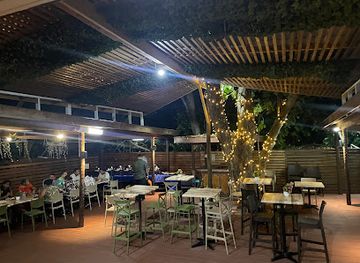
Ewa has a modest dining scene, reflecting Nauru's small population and reliance on imported food. Visitors are more likely to find home-style meals, simple takeaway food or informal refreshments than a concentration of destination restaurants. Fish, rice, noodles, tinned goods, chicken and tropical fruit may feature in everyday meals, while coconut and locally caught seafood remain part of the island's wider food culture, subject to availability. Shops and small outlets can be useful for drinks and basic provisions, but opening arrangements and stock vary. For a broader choice of prepared food, visitors generally travel to commercial areas in neighbouring districts, especially around Yaren and Aiwo, rather than treating Ewa as a restaurant centre. Bringing water and snacks on a coastal or inland outing is sensible. Dining respectfully in family-run or informal settings, allowing for slower service and asking about payment methods are more useful than expecting a standard resort menu.
-
Restaurant
The Bay Restaurant
Experience the best seafood and local flavors at The Bay Restaurant in Anibare - where every meal is paired with stunning ocean views.
-
Serviced accommodation
Ewa Lodge
Discover peace at Ewa Lodge in Ronave - your ideal serviced accommodation for relaxation and adventure amidst breathtaking nature.
-
Bar
Jules On The Deck
Discover Jules On The Deck: A vibrant bar in Nibok offering stunning views and refreshing cocktails for an unforgettable night out.
-
Restaurant
Mr Chippies
Experience delightful local flavors at Mr Chippies in Anibare – where every dish tells a story.

Best bars in Ewa
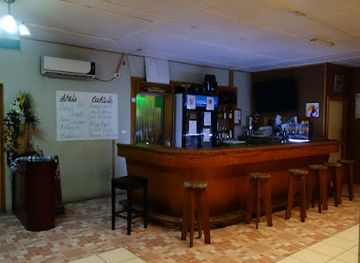
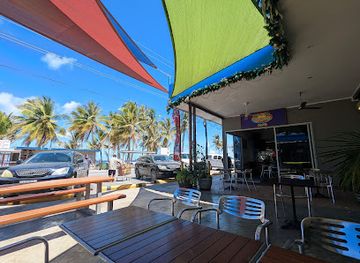
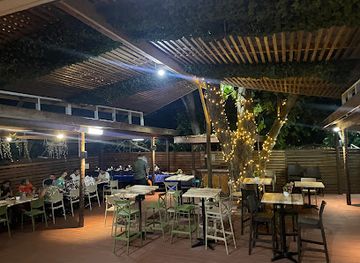
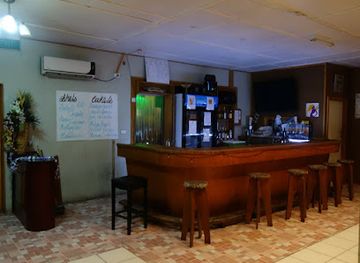
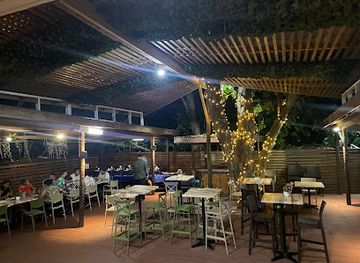
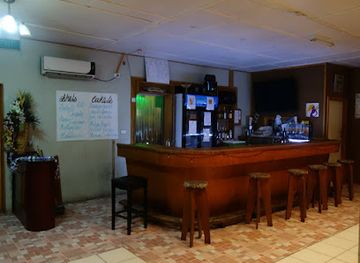
Ewa does not have a major nightclub or organised entertainment district. Evening life is quieter and centres on family gatherings, church and community connections, informal socialising and occasional meals rather than a late-night visitor economy. Visitors may find simple places to have a drink or sit with local residents, but venues, opening arrangements and available stock can change, and alcohol should not be treated as the main route into local culture. Those seeking a wider choice of restaurants, bars or social venues will need to travel to other parts of Nauru, especially the more central and administrative areas around Yaren and Aiwo, which are outside Ewa. At night, roads and coastlines can be poorly lit, so arrange transport in advance and avoid isolated shore areas. Respect residential quiet, religious activities and local community spaces.
-
Shopping mall
Capelle and Partner
Explore Capelle and Partner in Ronave for an unforgettable shopping experience with local flavors and unique treasures.
-
Restaurant
The Bay Restaurant
Experience the best of Nauruan cuisine at The Bay Restaurant, where stunning ocean views meet delectable dishes in Anibare.
-
Serviced accommodation
Ewa Lodge
Discover unparalleled comfort and local charm at Ewa Lodge, the ideal retreat for travelers in beautiful Nauru.
-
Bar
Jules On The Deck
Discover the vibrant atmosphere of Jules On The Deck, a must-visit bar in Nibok perfect for unwinding with drinks and stunning sunset views.
Best nightclubs in Ewa
Ewa does not have a major nightclub or organised entertainment district. Evening life is quieter and centres on family gatherings, church and community connections, informal socialising and occasional meals rather than a late-night visitor economy. Visitors may find simple places to have a drink or sit with local residents, but venues, opening arrangements and available stock can change, and alcohol should not be treated as the main route into local culture. Those seeking a wider choice of restaurants, bars or social venues will need to travel to other parts of Nauru, especially the more central and administrative areas around Yaren and Aiwo, which are outside Ewa. At night, roads and coastlines can be poorly lit, so arrange transport in advance and avoid isolated shore areas. Respect residential quiet, religious activities and local community spaces.
-
Restaurant
The Bay Restaurant
Discover the culinary delights of The Bay Restaurant in Anibare, where fresh seafood and stunning ocean views create an unforgettable dining experience.
-
Serviced accommodation
Ewa Lodge
Discover comfort and tranquility at Ewa Lodge, your perfect home base for exploring the breathtaking beauty of Ronave.
-
Bar
Jules On The Deck
Experience the vibrant atmosphere of Jules On The Deck, Nibok's premier bar for refreshing drinks and stunning views in a tropical paradise.
-
Hotel
Od-N Aiwo Hotel
Discover comfort and local charm at Od-N Aiwo Hotel in Boe, a perfect retreat for travelers seeking relaxation and adventure.

Best shops in Ewa
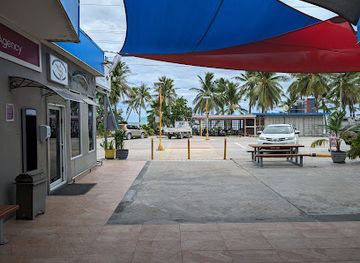
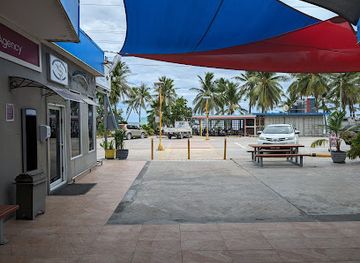
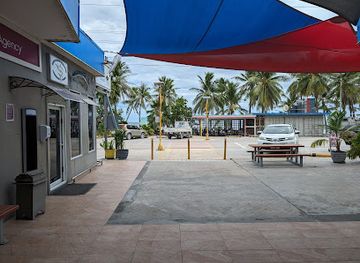
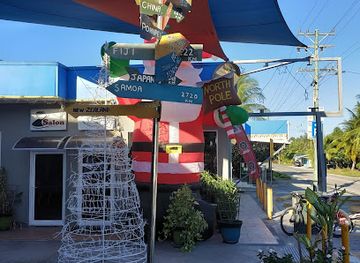
Shopping in Ewa is limited and practical, with small local outlets and household shops more relevant than a dedicated retail quarter. Stock may include drinks, snacks, basic groceries and everyday necessities, but selection and opening arrangements can vary. Visitors looking for a wider range of provisions, gifts or services should shop in Nauru's larger commercial areas outside Ewa, particularly before making a longer coastal or inland excursion. Souvenirs are generally modest rather than heavily commercialised; likely choices include locally themed handicrafts, clothing, postcards or small items connected with Nauru's national identity when available. Imported food and Australian-dollar purchases are more dependable than expecting a large selection of region-specific products. Ask permission before buying handmade items directly from individuals, and do not remove coral, shells or archaeological or wartime material from the coast. The most distinctive things to take from Ewa are photographs and memories of its landscape, not natural objects.
-
Shopping mall
Capelle and Partner
Discover the vibrant shopping experience at Capelle and Partner in Ronave, Nauru, where local culture meets convenience.
-
Serviced accommodation
Ewa Lodge
Discover the serene charm of Ewa Lodge, a perfect blend of comfort and convenience in beautiful Nauru.
-
Grocery store
Eigigu Supermarket
Discover the culinary delights of Nauru at Eigigu Supermarket - your one-stop destination for local and international flavors.
-
Grocery store
Pacific store
Discover local flavors and essentials at Pacific Store in Nibok, your go-to grocery destination for a taste of the region.

Get your free copy of our complete guide to Ewa, delivered straight to you.
Everything on this page, from attractions and restaurants to essentials and local phrases, in one PDF you can read offline, print or share.
Already have an account? Sign in
Your Ewa guide is ready.
We'll send it to · Not you? Sign out

Getting your guide ready…
We are putting together a fresh copy of the Ewa guide. This can take up to a minute.
This can take a few moments. If your browser asks, choose Allow so the download can start. You'll find the guide in your Downloads folder.
Nothing happened? Download it again
Sorry, the guide is taking longer than usual. Please try again in a minute, or get it by email instead.
Ewa essentials
Currency and Payment
Safety
Emergency Situations
Do's and Don'ts
Local Tips
From Eve
Local phrases worth knowing
You don't need to get them perfect. A few words go a long way, and locals appreciate the effort.
Basics
| English | Local | Say it |
|---|---|---|
| Hello | Nao | [Naw] |
| Goodbye | Koe | [Koh-eh] |
| Yes | Aei | [Ah-ey] |
| No | Ngai | [Ngai] |
| Please/You're welcome | Bai | [Bye] |
| Thank you | Nin | [Nin] |
| Excuse me/Sorry | Naku | [Nah-koo] |
| How are you? | E tei? | [Eh tay?] |
| Fine. And you? | Nin bui. E tei? | [Nin boo-ee. Eh tay?] |
| Do you speak English? | E tei eiti? | [Eh tay eh-ee-tee?] |
| I don't understand | Nin aei eita | [Nin ah-ey ee-tah] |
Eating & Drinking
| English | Local | Say it |
|---|---|---|
| I'd like to see the menu, please | E aei a ngara menu, bai | [Eh ah-ey ah nah-rah men-oo, bye] |
| I don't eat meat | Nin aei eita buai | [Nin ah-ey ee-tah boo-eye] |
| Cheers! | Bai eita | [Bye eh-ee-tah] |
| I would like to pay, please | E aei a ngara pay, bai | [Eh ah-ey ah nah-rah pay, bye] |
Emergencies
| English | Local | Say it |
|---|---|---|
| Help! | Aei! | [Ah-ey!] |
| Go away! | Koe ngara! | [Koh-eh nah-rah!] |
| Call the Police! | Ngara Police! | [Nah-rah Police!] |
| Call a doctor! | Ngara dokta! | [Nah-rah dok-tah!] |
| I'm lost | Nin aei ngara | [Nin ah-ey nah-rah] |
| I'm ill | Nin aei ngara buai | [Nin ah-ey nah-rah boo-eye] |
Shopping
| English | Local | Say it |
|---|---|---|
| I'd like to buy... | E aei a buai... | [Eh ah-ey ah boo-eye...] |
| I'm just looking | Nin aei ngara | [Nin ah-ey nah-rah] |
| How much is it? | E tei aei? | [Eh tay ah-ey?] |
| That's too expensive | Nin aei ngara buai | [Nin ah-ey nah-rah boo-eye] |
| Can you lower the price? | E tei a ngara buai eita? | [Eh tay ah nah-rah boo-eye eh-ee-tah?] |
Time & Numbers
| English | Local | Say it |
|---|---|---|
| What time is it? | E tei aei? | [Eh tay ah-ey?] |
| It's one o'clock | E tei aei nien | [Eh tay ah-ey nee-en] |
| Half past (10) | E tei aei a buai (10) | [Eh tay ah-ey ah boo-eye (10)] |
| Morning | Nien | [Nee-en] |
| Afternoon | Aei | [Ah-ey] |
| Evening | Koe | [Koh-eh] |
| Yesterday | Nien aei | [Nee-en ah-ey] |
| Today | Ngara aei | [Nah-rah ah-ey] |
| Tomorrow | Aei nien | [Ah-ey nee-en] |
| 1 | Nien | [Nee-en] |
| 2 | Nai | [Nai] |
| 3 | Nai eita | [Nai eh-ee-tah] |
| 4 | Nai buai | [Nai boo-eye] |
| 5 | Nai nien | [Nai nee-en] |
| 6 | Nai aei | [Nai ah-ey] |
| 7 | Nai aei eita | [Nai ah-ey eh-ee-tah] |
| 8 | Nai aei buai | [Nai ah-ey boo-eye] |
| 9 | Nai aei nien | [Nai ah-ey nee-en] |
| 10 | Nai aei nien eita | [Nai ah-ey nee-en eh-ee-tah] |
Transport & Directions
| English | Local | Say it |
|---|---|---|
| Where's a/the...? | E tei a ngara...? | [Eh tay ah nah-rah...?] |
| What's the address? | E tei a ngara an | [Eh tay ah nah-rah ahn] |
| Can you show me (on the map)? | E tei a ngara eita (a ngara map)? | [Eh tay ah nah-rah eh-ee-tah (ah nah-rah map)?] |
| When's the next (bus)? | E tei a ngara (bus) eita? | [Eh tay ah nah-rah (bus) eh-ee-tah?] |
| A ticket (to ....) | A ngara ticket (a ....) | [Ah nah-rah ticket (ah ....)] |
History of Ewa
Ancestral Settlement and the Traditional Districts
Nauru was settled by Micronesian and Polynesian peoples long before European contact, developing a distinctive island society organised through landholding families and traditional districts. Ewa is one of the island's fourteen modern districts, and its identity is tied to this enduring land-based structure rather than to an urban centre. Coconut cultivation, fishing and reef resources shaped life along the coast, while the raised interior provided land with a different character. Although colonial administration and phosphate mining transformed the island, district names and community connections remain important markers of Nauruan belonging.
German Annexation and Missionary Influence, 1888
Germany annexed Nauru in 1888, bringing the island formally into the colonial system of the Pacific. Christian missionaries were already active in Nauruan society, and religious communities became influential in settlements including those in the northern districts. German rule introduced new administrative arrangements and intensified outside contact, although it did not initially create the large industrial landscape that later defined Nauru. In Ewa, as elsewhere on the island, the long-term consequences were seen through changes in land ownership, religion, governance and the growing involvement of foreign commercial interests.
The Phosphate Industry, from 1906
Commercial phosphate mining began on Nauru in the early twentieth century after high-grade deposits were identified in the raised coral interior. The industry was first developed under German interests and then administered by a British-Australian-New Zealand partnership after the First World War. It created severe economic dependence on mining, brought workers from other Pacific and Asian countries, and altered the relationship between coastal settlement and inland land. Ewa shares the effects of this transformation: its wider landscape, like much of Nauru's interior, bears the physical marks of extraction and the difficult legacy of land rehabilitation.
Australian Administration under the League of Nations
After the First World War, Nauru became a League of Nations mandate administered by Australia on behalf of Australia, Britain and New Zealand. The arrangement allowed phosphate production to expand while political power remained outside Nauruan hands. Imported labour, company infrastructure and colonial regulations reshaped daily life across the island, including Ewa. Wealth generated by phosphate did not translate into equal control over land or resources for Nauruans, establishing tensions that later influenced the island's independence movement and debates about environmental damage.
Japanese Occupation and Wartime Deportations, 1942–1945
Japan occupied Nauru during the Second World War, and the island suffered shortages, bombardment and disruption to phosphate operations. In 1943, more than a thousand Nauruans were deported to Truk, now Chuuk in the Federated States of Micronesia, where many died before the survivors returned after the war. Military remains and wartime memories form part of Nauru's historical landscape, although no single district can be separated from the island-wide experience. Ewa's coastal position places it within the broader story of occupation, defence and civilian hardship.
Independence and the Post-Phosphate Challenge, 1968 onwards
Nauru became an independent republic on 31 January 1968, after decades in which phosphate had shaped its economy and external relations. Revenue initially supported a high standard of living, but easily accessible deposits declined and the environmental consequences of mining became increasingly difficult to manage. Ewa today reflects this post-independence reality: a settled coastal community on an island where infrastructure, land rehabilitation, imported goods and public services are closely connected to national economic conditions. Its contemporary character is therefore inseparable from both Nauru's sovereignty and the long afterlife of phosphate.
Ewa in Photos
Browse through our photo collection highlighting the charm and character of the destination.
Neighbouring regions of Ewa
The closest regions to Ewa, if you have time for more than one.
-

-

-

-


Swipe for more regions
Explore more

Explore more of Nauru
Discover Nauru, the serene island nation in Micronesia, offering pristine beaches, rich history, and vibrant marine life for an unforgettable tropical escape.
Explore Nauru