

Free Baiti Travel Guide & Mobile App
Explore Baiti with free travel guides. Discover regional history, expert tips, proposed trips, and audio guides on web or mobile app.


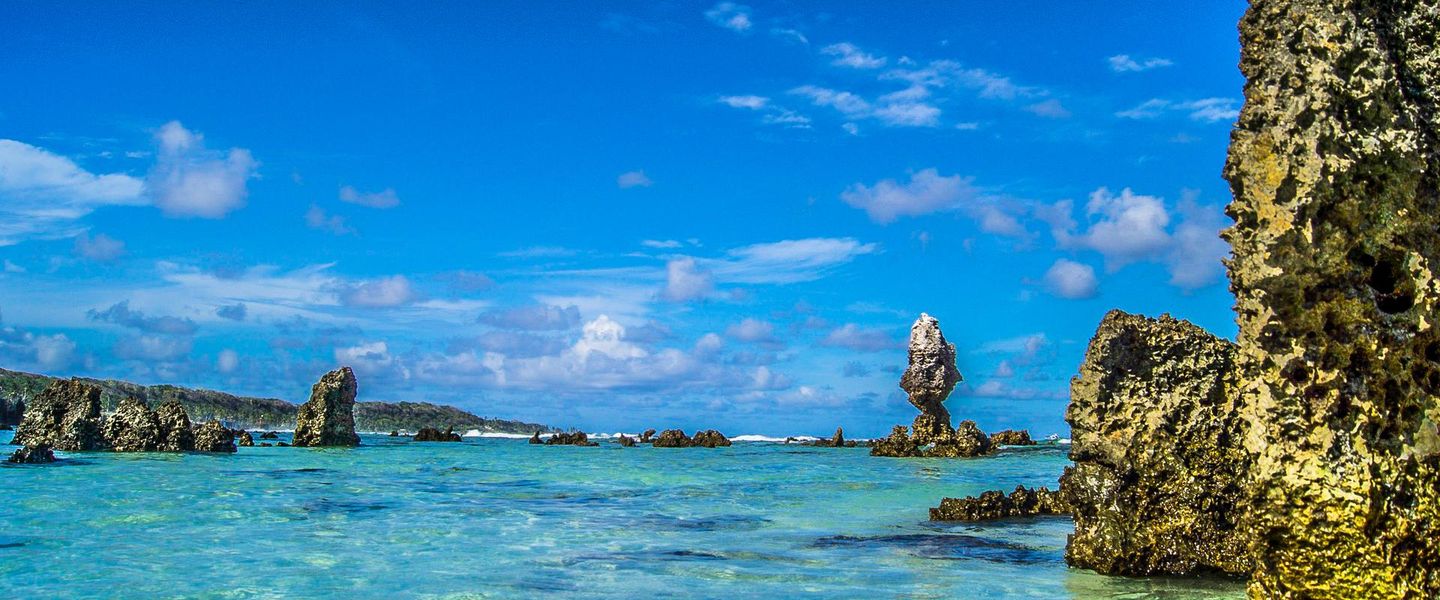


Baiti, Nauru, offers quiet Pacific coastlines, phosphate landscapes and a close view of the island’s history and everyday life.
Read more about Baiti
When is the best time to visit Baiti?
Best: January–March · 30°C| Month | High (°C) | Rainfall (mm) |
|---|---|---|
| January (best) | 30 | 300 |
| February (best) | 30 | 300 |
| March (best) | 30 | 300 |
| April | 30 | 300 |
| May | 30 | 300 |
| June | 30 | 300 |
| July | 30 | 300 |
| August | 30 | 300 |
| September | 30 | 300 |
| October | 30 | 300 |
| November | 30 | 300 |
| December | 30 | 300 |
Getting to and around Baiti
How to get there
Transportation
Destinations in Baiti
Resorts, valleys and scenic spots worth a trip of their own.

Swipe for more destinations
Best attractions in Baiti
Baiti’s attractions are primarily environmental and experiential rather than a collection of ticketed sites. The district’s western coastal road offers views across Nauru’s fringing reef and open Pacific horizon, while the settlement belt provides a close impression of everyday island life. Inland, altered phosphate terrain exposes the geological and industrial story that defines much of Nauru: raised coral ground was mined extensively, leaving pinnacles, depressions and areas of returning vegetation. These landscapes should be approached carefully and not treated as unrestricted recreational land. The district is also useful for observing the contrast between the narrow inhabited coast and the elevated interior, a pattern repeated across Nauru. Visitors interested in swimming, snorkelling or shore photography should obtain local advice because reefs, currents and access conditions vary. Baiti works best as one section of a complete island circuit, combined with Nauru’s other districts, the central Buada area and sites connected with phosphate and wartime history. Its appeal lies in reading the landscape and speaking respectfully with local residents rather than pursuing a packed itinerary of formal attractions.
-
Historical landmark
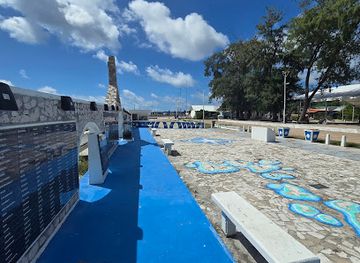
WWII Memorial Monument
Explore the WWII Memorial Monument in Orro, a historical landmark commemorating the sacrifices of World War II amidst Nauru's stunning landscapes.
Best landmarks in Baiti
-
Serviced accommodation
Ewa Lodge
Discover the tranquility of Ewa Lodge in Ronave, Nauru. Your perfect escape with comfortable accommodations and easy access to local attractions.
Explore Baiti on the map
Plan your trip on one map. See where the top cities, national parks and sights are, and book hotels and experiences in a few clicks.
Best hotels in Baiti
Best restaurants in Baiti
Baiti has a limited dining scene, so visitors should expect home-based food, small local outlets or simple provisions rather than a concentration of restaurants. Across Nauru, meals commonly combine imported staples with fish, rice, noodles, meat, fruit and coconut-based ingredients; availability depends on supply deliveries and household cooking rather than a formal regional cuisine distinctive to Baiti. Seafood may be found through local connections, but visitors should not assume that every catch is commercially available. The most reliable strategy is to arrange meals through accommodation where possible and shop for water, snacks and breakfast supplies before travelling around the district. Cafés and restaurants are more likely to be encountered in the island’s principal service areas than along quieter stretches of Baiti. Visitors should also respect local homes and community spaces: a meal shared privately is a personal invitation, not an automatic tourism service, and dietary requirements should be discussed well in advance.
-
Restaurant
The Bay Restaurant
Experience the best of Nauru's cuisine at The Bay Restaurant - where fresh seafood meets stunning ocean views.
-
Restaurant
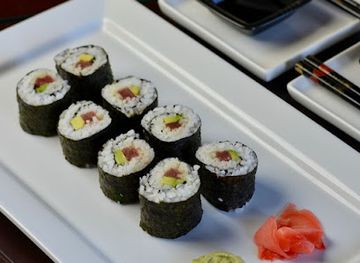
OMG Sushi Restaurant
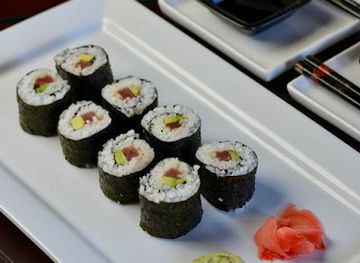
Discover OMG Sushi Restaurant in Orro - where fresh flavors meet authentic Japanese cuisine in a cozy atmosphere perfect for all sushi lovers.
-
Chinese
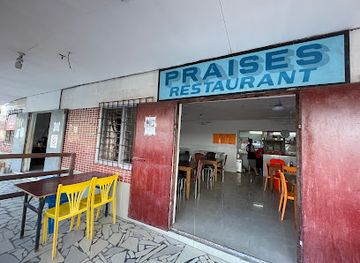
Praises Restaurant
Discover authentic Chinese cuisine at Praises Restaurant in Anabar, where every dish is a celebration of flavor and tradition.
-
Restaurant
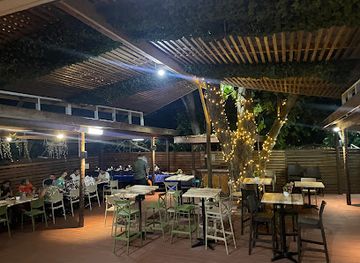
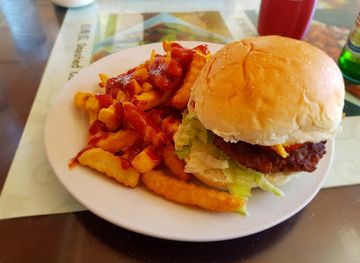
Mr Chippies
Discover delicious seafood and local cuisine at Mr Chippies in Anibare – a favorite spot for tourists and locals alike.
Best bars in Baiti
Baiti does not have a developed nightclub district or a reliably concentrated evening-entertainment scene. Nightlife is generally low-key and centred on private gatherings, simple social venues, accommodation areas or occasional community activities rather than purpose-built clubs. Visitors seeking a meal or a drink should check current arrangements locally, as opening patterns and supply can change and options are dispersed around the island. Evening travel by road requires care because lighting and pedestrian facilities are limited in places. The district is better suited to quiet coastal evenings, conversation and observing the night sky than to late-night entertainment. Alcohol should be consumed responsibly and away from homes, churches and community events unless local hosts indicate otherwise.
-
Restaurant
The Bay Restaurant
Experience the best of local cuisine with stunning ocean views at The Bay Restaurant in Anibare.
-
Serviced accommodation
Ewa Lodge
Experience the serene beauty and comfort of Ewa Lodge in Ronave, a perfect retreat for travelers seeking adventure and relaxation.
-
Bar
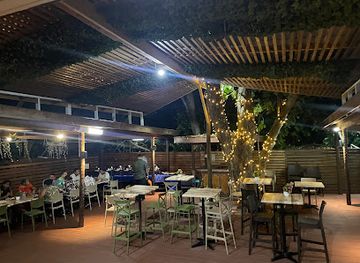
Jules On The Deck
Discover a lively bar in Nibok with stunning views and a vibrant atmosphere, perfect for socializing and relaxation.
-
Restaurant
OMG Sushi Restaurant
Experience the best of Japanese cuisine at OMG Sushi Restaurant in Orro, where fresh ingredients meet artistic sushi craftsmanship.
Best nightclubs in Baiti
Baiti does not have a developed nightclub district or a reliably concentrated evening-entertainment scene. Nightlife is generally low-key and centred on private gatherings, simple social venues, accommodation areas or occasional community activities rather than purpose-built clubs. Visitors seeking a meal or a drink should check current arrangements locally, as opening patterns and supply can change and options are dispersed around the island. Evening travel by road requires care because lighting and pedestrian facilities are limited in places. The district is better suited to quiet coastal evenings, conversation and observing the night sky than to late-night entertainment. Alcohol should be consumed responsibly and away from homes, churches and community events unless local hosts indicate otherwise.
-
Restaurant
The Bay Restaurant
Experience the vibrant flavors and stunning views at The Bay Restaurant in Anibare, Nauru - a culinary delight for every tourist.
-
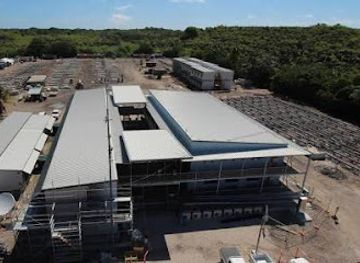
Immigration detention centre
Nauru Australian Immigration Detention Center
Explore the profound narrative of the Nauru Australian Immigration Detention Center amidst the island's serene beauty and complex history.
-
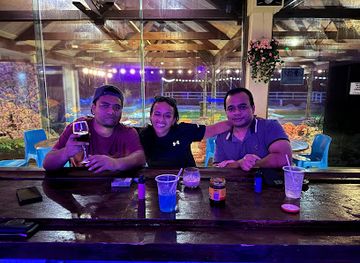
Bar
Jules On The Deck
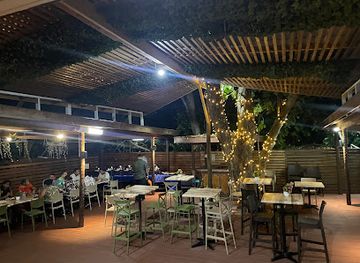
Experience the vibrant nightlife of Nauru at Jules On The Deck, where refreshing drinks meet stunning views in a lively atmosphere.
-
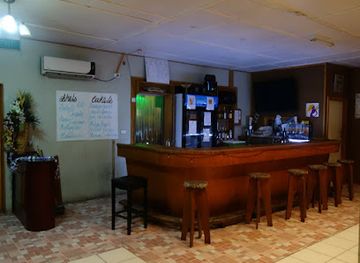
Bar
Reef Bar
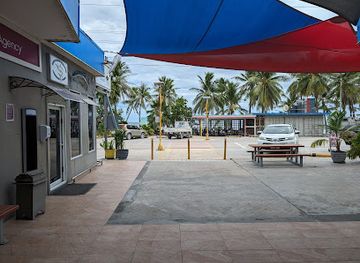
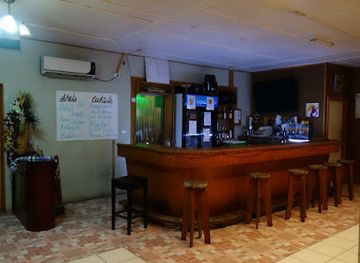
Discover the vibrant atmosphere of Reef Bar in Nauru, where local flavors and stunning ocean views create an unforgettable experience.
Best shops in Baiti
Shopping in Baiti is practical and small-scale, with no established tourist retail quarter or major shopping centre. Visitors may find everyday provisions through local shops or informal outlets, but stock can be limited and replenished irregularly, so water, snacks, medicines and other essentials should be purchased when available. Nauru’s retail offer is largely based on imported goods rather than a specialised Baiti craft tradition. Suitable souvenirs may include locally made items or food products obtained directly and respectfully from residents, provided that customs and biosecurity rules for the visitor’s next destination are checked. For a wider choice of basic supplies, travellers should ask accommodation staff about the island’s principal service areas rather than depend on finding everything along Baiti’s coastal road. Do not remove coral, shells or archaeological material as souvenirs, and always obtain permission before buying items made or displayed privately.
-
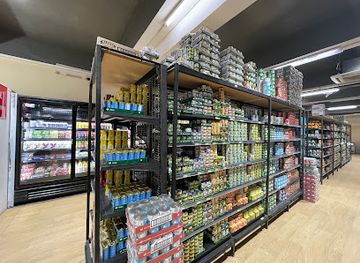
Grocery store
Eigigu Supermarket
Explore local culture and flavors at Eigigu Supermarket, your gateway to authentic grocery shopping in Boe.
-
Grocery store
Pacific store
Explore the local culture and flavors at Pacific Store in Nibok, your go-to grocery destination for unique finds and everyday essentials.
-
 General store
Zombies Store
Explore the charm of Zombies Store in Yaren, a unique general store filled with local treasures and eclectic finds.
-
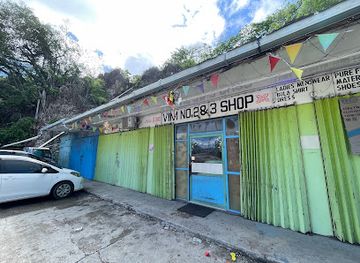
Grocery store
Vim No.1 Store
Explore Vim No.1 Store in Arijejen for a taste of local Nauruan products and a friendly shopping experience in the heart of Nauru.
Get your free copy of our complete guide to Baiti, delivered straight to you.
Everything on this page, from attractions and restaurants to essentials and local phrases, in one PDF you can read offline, print or share.
Already have an account? Sign in
Your Baiti guide is ready.
We'll send it to · Not you? Sign out

Getting your guide ready…
We are putting together a fresh copy of the Baiti guide. This can take up to a minute.
This can take a few moments. If your browser asks, choose Allow so the download can start. You'll find the guide in your Downloads folder.
Nothing happened? Download it again
Sorry, the guide is taking longer than usual. Please try again in a minute, or get it by email instead.
Baiti essentials
Currency and Payment
Safety
Emergency Situations
Do's and Don'ts
Local Tips
From Eve
Local phrases worth knowing
You don't need to get them perfect. A few words go a long way, and locals appreciate the effort.
Basics
| English | Local | Say it |
|---|---|---|
| Hello | Mauri | [Mau-ree] |
| Goodbye | Kagali | [Ka-ga-lee] |
| Yes | Ae | [Eye] |
| No | Te | [Teh] |
| Please/You're welcome | Eka | [Eh-kah] |
| Thank you | Nai | [Nigh] |
| Excuse me/Sorry | Eka ewa | [Eh-kah eh-wah] |
| How are you? | Eka mau? | [Eh-kah mau] |
| Fine. And you? | Mauri. E aiko? | [Mau-ree. Eh eye-koh] |
| Do you speak English? | Eka ean English? | [Eh-kah eh-ahn English] |
| I don't understand | Eka ean wanga | [Eh-kah eh-ahn wahn-gah] |
Eating & Drinking
| English | Local | Say it |
|---|---|---|
| I'd like to see the menu, please | Eka ean aiga, eka | [Eh-kah eh-ahn eye-gah, eh-kah] |
| I don't eat meat | Eka ean tei | [Eh-kah eh-ahn tay] |
| Cheers! | Terei! | [Teh-ray] |
| I would like to pay, please | Eka ean masei, eka | [Eh-kah eh-ahn mah-say, eh-kah] |
Emergencies
| English | Local | Say it |
|---|---|---|
| Help! | Aro! | [Ah-roh] |
| Go away! | Kare aiko! | [Kah-ray eye-koh] |
| Call the Police! | Aro e Police! | [Ah-roh eh Poh-lees] |
| Call a doctor! | Aro e dokta! | [Ah-roh eh dohk-tah] |
| I'm lost | Eka ean rang? | [Eh-kah eh-ahn rahng] |
| I'm ill | Eka ean wok? | [Eh-kah eh-ahn wok] |
Shopping
| English | Local | Say it |
|---|---|---|
| I'd like to buy... | Eka ean buni... | [Eh-kah eh-ahn boo-nee] |
| I'm just looking | Eka ean aiko | [Eh-kah eh-ahn eye-koh] |
| How much is it? | Eka ean kara? | [Eh-kah eh-ahn kah-rah] |
| That's too expensive | Eka ean aito | [Eh-kah eh-ahn eye-toh] |
| Can you lower the price? | Eka ean ango te kara? | [Eh-kah eh-ahn ahn-go teh kah-rah] |
Time & Numbers
| English | Local | Say it |
|---|---|---|
| What time is it? | Eka ean pako? | [Eh-kah eh-ahn pah-koh] |
| It's one o'clock | Eka ean ta? | [Eh-kah eh-ahn tah] |
| Half past (10) | Eka ean to aito? | [Eh-kah eh-ahn toh eye-toh] |
| Morning | Mauri | [Mau-ree] |
| Afternoon | Aitem | [Eye-tem] |
| Evening | Aitak | [Eye-tahk] |
| Yesterday | Eka ean aito | [Eh-kah eh-ahn eye-toh] |
| Today | Eka ean aib | [Eh-kah eh-ahn ayeb] |
| Tomorrow | Eka ean aib aito | [Eh-kah eh-ahn ayeb eye-toh] |
| 1 | Tahi | [Tah-hee] |
| 2 | Rua | [Roo-ah] |
| 3 | Tolu | [Toh-loo] |
| 4 | Fa | [Fah] |
| 5 | Lima | [Lee-mah] |
| 6 | Ono | [Oh-no] |
| 7 | Fitu | [Fee-too] |
| 8 | Walu | [Wah-loo] |
| 9 | Ita | [Ee-tah] |
| 10 | Toru | [Toh-roo] |
Transport & Directions
| English | Local | Say it |
|---|---|---|
| Where's a/the...? | Eka ean a ...? | [Eh-kah eh-ahn ah ...?] |
| What's the address? | Eka ean te address? | [Eh-kah eh-ahn teh ah-dress] |
| Can you show me (on the map)? | Eka ean aei (e aiga)? | [Eh-kah eh-ahn eye-ee (eh eye-gah)?] |
| When's the next (bus)? | Eka ean a pako (bus)? | [Eh-kah eh-ahn ah pah-koh (bus)?] |
| A ticket (to ....) | Eka ean a ticket (to ...) | [Eh-kah eh-ahn ah tee-ket (to ...)] |
History of Baiti
Early Micronesian Settlement
Nauru was settled by Micronesian and Polynesian voyagers many centuries ago. Traditional communities were organised through twelve hereditary clans, a social structure whose influence remains part of the island’s cultural history even though some clan lines later disappeared. Baiti developed within this island-wide pattern of settlement, landholding and coastal access rather than as an isolated town. Before large-scale mining, the central plateau supported coconut and pandanus landscapes, while the coast provided routes, fishing grounds and access to marine resources.
German Rule and the Discovery of Phosphate
Nauru was incorporated into Germany’s colonial sphere in the late nineteenth century, and phosphate was identified in 1900. Commercial extraction began soon afterwards under a German company before control passed to the British Phosphate Commissioners. The discovery transformed the island’s future: land on the raised interior, including areas associated with districts such as Baiti, became an industrial resource, while the settled coast remained the main focus of homes and community life.
Phosphate Mining and Colonial Administration
For much of the twentieth century, phosphate mining dominated Nauru’s economy and relationship with Britain, Australia and New Zealand. Ore was removed from the central plateau and exported for agricultural fertiliser, generating considerable income but leaving extensive pinnacled ground and reducing the island’s agricultural capacity. Baiti’s landscape must be understood against this island-wide transformation, in which roads, employment and imported goods expanded alongside the loss of much of the original interior environment.
Japanese Occupation during the Second World War
Japanese forces occupied Nauru from 1942 until the end of the Second World War. The occupation brought military construction, shortages and severe disruption to civilian life. In 1943, many Nauruans were deported to Truk, now Chuuk in the Federated States of Micronesia, where a large number died before the survivors returned after the war. The experience affected communities across the island, including Baiti, and remains a significant part of Nauru’s modern historical memory.
Self-Government and Independence
After the war, Nauru was administered as a United Nations trust territory by Australia, with the United Kingdom and New Zealand also involved in the trusteeship arrangements. Nauru achieved internal self-government in 1966 and became an independent republic on 31 January 1968. This transition gave the island control over its phosphate wealth and national institutions, while districts such as Baiti became part of a sovereign state rather than a colonial mining territory.
The Post-Phosphate Era
Phosphate revenues declined sharply as the most accessible deposits were exhausted, leaving Nauru with damaged inland terrain, a narrow economic base and major environmental rehabilitation challenges. The country has since sought new sources of income, including fishing arrangements and service-related activities, while public finances and infrastructure have faced considerable pressure. In Baiti, as elsewhere on Nauru, the contrast between inhabited coastal land and the altered plateau expresses the continuing consequences of the phosphate era.
Baiti in Photos
Browse through our photo collection highlighting the charm and character of the destination.
Neighbouring regions of Baiti
The closest regions to Baiti, if you have time for more than one.
-

-

-

-


Swipe for more regions
Explore more

Explore more of Nauru
Discover Nauru, the serene island nation in Micronesia, offering pristine beaches, rich history, and vibrant marine life for an unforgettable tropical escape.
Explore Nauru