

Free Meneng Travel Guide & Mobile App
Explore Meneng with free travel guides. Discover regional history, expert tips, proposed trips, and audio guides on web or mobile app.


Explore Meneng in Nauru for Pacific coastline, everyday island life and close views of the phosphate landscape that shaped the nation.
Read more about Meneng
When is the best time to visit Meneng?
Best: August–October · 30°C| Month | High (°C) | Rainfall (mm) |
|---|---|---|
| January | 29 | 250 |
| February | 29 | 230 |
| March | 29 | 220 |
| April | 29 | 210 |
| May | 29 | 200 |
| June | 30 | 190 |
| July | 30 | 180 |
| August (best) | 30 | 170 |
| September (best) | 30 | 160 |
| October (best) | 30 | 170 |
| November | 30 | 190 |
| December | 30 | 210 |
Getting to and around Meneng
How to get there
Transportation
Top city travel guides in Meneng
The cities of Meneng, and the easiest places to base yourself.

Swipe for more cities
Destinations in Meneng
Resorts, valleys and scenic spots worth a trip of their own.
-

-


Swipe for more destinations
Best attractions in Meneng
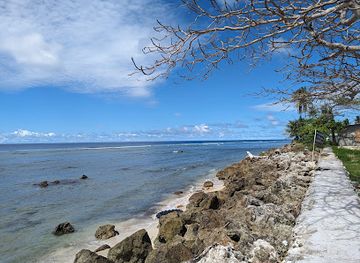
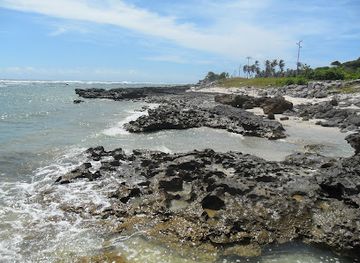
Meneng’s attractions are primarily coastal, environmental and experiential rather than a collection of formal ticketed sites. The district provides a useful base for seeing Nauru’s eastern shoreline, where the narrow settled belt meets reef-fringed Pacific waters and the open ocean. Coastal walks and short drives reveal residential life, churches, small local businesses and changing views towards neighbouring districts. Conditions vary along the shore, so swimming should be attempted only where residents confirm that it is suitable. The deeper attraction is the relationship between the coast and the raised interior. Alongside Meneng’s inhabited areas, visitors can arrange excursions to Nauru’s central phosphate landscape, much of which lies outside the district, to understand how mining reshaped the island. Meneng also works well as one stop on a whole-island circuit linking beaches, coastal communities, civic areas and the stark pinnacles of worked coral inland. Birdwatching, photography and quiet observation are more realistic pursuits than organised adventure activities, and facilities are limited. Visitors interested in contemporary Pacific societies will find value in noticing how homes, roads, churches and community spaces occupy the narrow land that remains most practical for everyday life.
-
Park
Ella Park
Experience tranquility and natural beauty at Ella Park in Yaren, a perfect escape for nature lovers and a serene spot for relaxation.
-
 Tourist attraction
Moqua Caves
Explore the enchanting Moqua Caves in Yaren, Nauru - a natural marvel showcasing stunning limestone formations and rich cultural heritage.
-
Tourist attraction
Twin Guns
Discover the breathtaking beauty and historical significance of the Twin Guns in Yaren, a must-visit tourist attraction in Nauru.
Best landmarks in Meneng
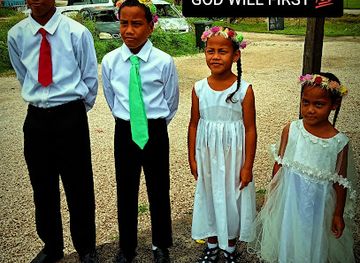
Meneng’s most characteristic landmark is its relationship with Nauru’s eastern coast: a narrow inhabited margin backed by the raised coral interior and facing open Pacific waters. The shoreline itself is geographically significant because it shows how settlement, roads and community facilities are concentrated around the island’s perimeter. Inland, the transition towards former phosphate workings forms a powerful industrial landscape, with exposed coral pinnacles and irregular ground documenting the scale of twentieth-century extraction; visitors should view such areas only from safe, authorised locations. The district’s churches, homes and community buildings are modest rather than monumental, but together they express the continuing settlement pattern of Nauru. The Meneng area also contributes to the wider visual contrast between the island’s bright coastal belt and its damaged central plateau. Rather than searching for a single grand monument, visitors should treat the district as a landscape landmark whose significance comes from geology, settlement and the environmental consequences of phosphate mining.
-
Hotel
Menen Hotel
Discover the tranquil charm of Menen Hotel in Ibwenape, where comfort meets local culture in a stunning natural setting.
-
Serviced accommodation
Ewa Lodge
Discover comfort and tranquility at Ewa Lodge in Ronave, your perfect escape to experience local culture and breathtaking landscapes.
-
Island
Geography of Nauru
Experience the untouched beauty and vibrant culture of Nauru, a hidden gem in the Pacific ideal for adventurous travelers seeking tranquility and unique experiences.
-
Hotel
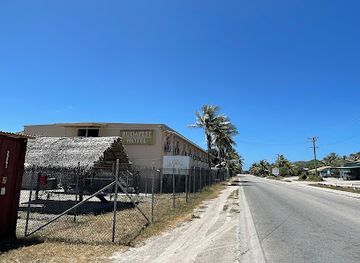
Budapest Hotel
Discover the warmth of Anabar at Budapest Hotel, your ideal retreat for comfort, culture, and captivating landscapes in this tropical paradise.
Explore Meneng on the map
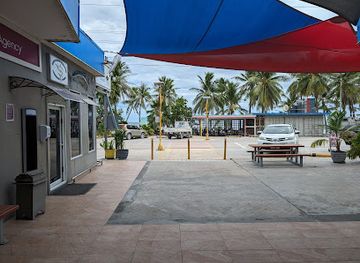
Plan your trip on one map. See where the top cities, national parks and sights are, and book hotels and experiences in a few clicks.
Best hotels in Meneng
Best restaurants in Meneng
Meneng has a limited dining scene rather than a recognisable restaurant quarter, so most visitors eat through their accommodation, locally operating cafés or small businesses encountered around the island. Food reflects Nauru’s Pacific setting and dependence on imported supplies, with fish, rice, noodles, tinned goods, coconut and tropical fruit appearing alongside Australian-influenced meals. Fresh seafood may be available intermittently rather than as a guaranteed daily speciality, and supply can vary with weather and shipping. Visitors should buy provisions when they find a suitable shop and avoid assuming that every district has regular evening service. Shared meals and family occasions can offer the clearest insight into local food culture, but invitations should never be presumed. Meneng’s location makes it practical to combine a coastal outing with dining elsewhere on Nauru, provided transport and opening arrangements are confirmed locally. There is no need to seek a highly formal culinary scene here; the value lies in experiencing the practical, island-based character of everyday food.
-
Hotel
Menen Hotel
Discover comfort and culture at Menen Hotel in Ibwenape - your perfect getaway surrounded by nature's beauty.
-
Restaurant
The Bay Restaurant
Experience delightful dining at The Bay Restaurant in Anibare with fresh seafood, stunning ocean views, and a warm ambiance.
-
Serviced accommodation
Ewa Lodge
Discover Ewa Lodge in Ronave – your perfect blend of comfort and nature awaits in this tranquil serviced accommodation.
-
Bar
Jules On The Deck
Unwind at Jules On The Deck in Nibok – your go-to bar for stunning views and refreshing drinks amidst island charm.
Best bars in Meneng
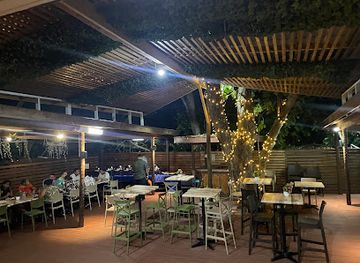
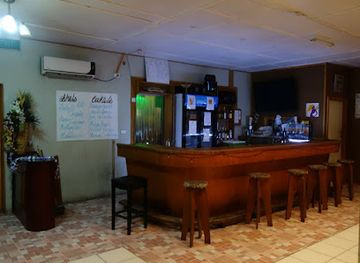
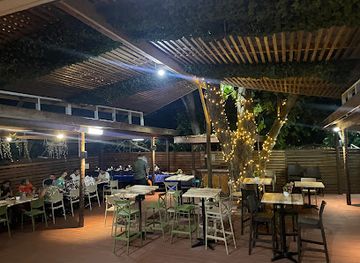
Meneng does not have a substantial nightclub district or a dependable late-night entertainment circuit. Evening life is more likely to centre on homes, community gatherings, accommodation venues and small local businesses than on purpose-built clubs. Visitors may find informal social drinking or occasional music, but arrangements and opening times are changeable and should be checked locally. Respect residential quiet, avoid walking unfamiliar roads late at night and do not assume that alcohol is central to community life. For a broader evening experience, visitors can ask residents or accommodation staff about current events, sporting activities or gatherings elsewhere on Nauru. The district is better suited to watching the light fade over the eastern coast, sharing a meal and learning about local life than to a conventional party itinerary.
-
Hotel
Menen Hotel
Experience the warmth of Nauru at Menen Hotel, where comfort meets local charm for an unforgettable stay.
-
Restaurant
The Bay Restaurant
Discover the perfect blend of stunning views and exceptional cuisine at The Bay Restaurant in Anibare, a must-visit for all food enthusiasts.
-
Bar
Jules On The Deck
Discover the lively atmosphere and stunning views at Jules On The Deck, the perfect bar for tourists in Nibok to unwind and enjoy local flavors.
-
Bar
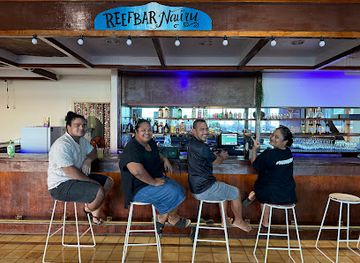
Reef Bar
Experience the vibrant atmosphere of Reef Bar, a charming seaside bar in Nauru, perfect for relaxation and enjoyment with stunning ocean views.

Best nightclubs in Meneng
Meneng does not have a substantial nightclub district or a dependable late-night entertainment circuit. Evening life is more likely to centre on homes, community gatherings, accommodation venues and small local businesses than on purpose-built clubs. Visitors may find informal social drinking or occasional music, but arrangements and opening times are changeable and should be checked locally. Respect residential quiet, avoid walking unfamiliar roads late at night and do not assume that alcohol is central to community life. For a broader evening experience, visitors can ask residents or accommodation staff about current events, sporting activities or gatherings elsewhere on Nauru. The district is better suited to watching the light fade over the eastern coast, sharing a meal and learning about local life than to a conventional party itinerary.
-
Hotel
Menen Hotel
Experience comfort and local charm at Menen Hotel in Ibwenape, your ideal retreat for relaxation and culture exploration.
-
International airport
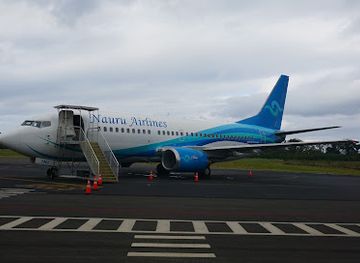
Nauru International Airport
Experience the charm of Nauru International Airport, your gateway to the serene beauty and rich culture of the Pacific island of Nauru.
-
Shopping mall
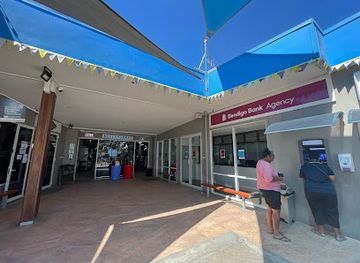
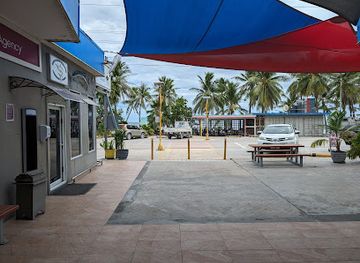
Capelle and Partner
Explore Capelle and Partner in Ronave, a vibrant shopping mall offering a unique blend of local and international shopping, dining, and leisure activities.
-
Serviced accommodation
Ewa Lodge
Discover the serene beauty of Ronave while enjoying the comfort and hospitality of Ewa Lodge, your ideal serviced accommodation.
Best shops in Meneng
Shopping in Meneng is limited to practical local provision rather than a dedicated retail district. Small shops and businesses may stock drinks, packaged food, household necessities and basic travel supplies, but choice and opening arrangements can vary. Visitors looking for a wider selection should ask accommodation staff where current supplies are available elsewhere on Nauru and carry essentials when they find them. There is no established luxury-shopping scene or large craft market to rely on in the district. Useful souvenirs are more likely to be modest locally produced items, photographs, books or food products obtained through reputable local businesses, rather than mass-produced goods marketed as region-specific. Ask before photographing or purchasing objects connected with families, churches or community events, and remember that Nauru’s most distinctive take-away impression is its history and landscape rather than a specialised Meneng handicraft tradition.
-
Grocery store
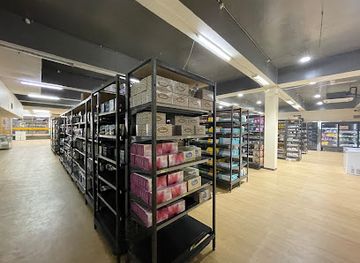
Eigigu Supermarket
Discover local flavors and everyday life at Eigigu Supermarket in Boe, a vibrant grocery store filled with fresh produce and unique snacks.
-
Grocery store
Pacific store
Explore Nibok's vibrant culture at Pacific Store, your one-stop grocery shop for local goods and fresh produce in Nauru.
-
General store
Zombies Store
Explore the unique offerings of Zombies Store in Yaren, where local culture meets eclectic shopping in a charming general store.
-
Grocery store
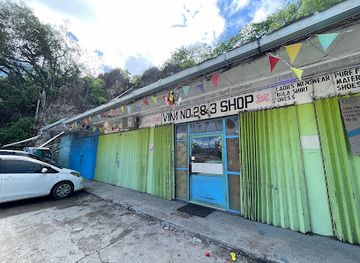
Vim No.1 Store
Discover local flavors and essential goods at Vim No.1 Store, the heart of Arijejen's vibrant community in Nauru.

Get your free copy of our complete guide to Meneng, delivered straight to you.
Everything on this page, from attractions and restaurants to essentials and local phrases, in one PDF you can read offline, print or share.
Already have an account? Sign in
Your Meneng guide is ready.
We'll send it to · Not you? Sign out

Getting your guide ready…
We are putting together a fresh copy of the Meneng guide. This can take up to a minute.
This can take a few moments. If your browser asks, choose Allow so the download can start. You'll find the guide in your Downloads folder.
Nothing happened? Download it again
Sorry, the guide is taking longer than usual. Please try again in a minute, or get it by email instead.
Meneng essentials
Currency and Payment
Safety
Emergency Situations
Do's and Don'ts
Local Tips
From Eve
Local phrases worth knowing
You don't need to get them perfect. A few words go a long way, and locals appreciate the effort.
Basics
| English | Local | Say it |
|---|---|---|
| Hello | Bwidibwid | [bwee-dee-bwee] |
| Goodbye | Bwidibwid n-aba | [bwee-dee-bwee nah-bah] |
| Yes | Eo | [ay-oh] |
| No | Abo | [ah-boh] |
| Please/You're welcome | Kao | [kah-oh] |
| Thank you | Naba n-aba | [nah-bah nah-bah] |
| Excuse me/Sorry | Mwan n-aba | [mwan nah-bah] |
| How are you? | Eo n-aba? | [ay-oh nah-bah] |
| Fine. And you? | Mwan n-aba. Eo n-aba? | [mwan nah-bah. ay-oh nah-bah] |
| Do you speak English? | Eo bwiit n-aba? | [ay-oh bweeeet nah-bah] |
| I don't understand | Nok n-aba | [noh-k nah-bah] |
Eating & Drinking
| English | Local | Say it |
|---|---|---|
| I'd like to see the menu, please | Nai n-aba menu, kao | [nai nah-bah meh-noo, kah-oh] |
| I don't eat meat | Nok n-aba meat | [noh-k nah-bah meet] |
| Cheers! | Bwidibwid! | [bwee-dee-bwee] |
| I would like to pay, please | Nai n-aba pay, kao | [nai nah-bah pay, kah-oh] |
Emergencies
| English | Local | Say it |
|---|---|---|
| Help! | Help! | [Help!] |
| Go away! | Go away! | [Go away!] |
| Call the Police! | Call Police! | [Call Police!] |
| Call a doctor! | Call doctor! | [Call doctor!] |
| I'm lost | Nai n-aba lost | [nai nah-bah lost] |
| I'm ill | Nai n-aba ill | [nai nah-bah ill] |
Shopping
| English | Local | Say it |
|---|---|---|
| I'd like to buy... | Nai n-aba buy... | [nai nah-bah bye...] |
| I'm just looking | Nai n-aba just looking | [nai nah-bah juhst looking] |
| How much is it? | Eo n-aba how much? | [ay-oh nah-bah how much] |
| That's too expensive | Nai n-aba too expensive | [nai nah-bah too expen-siv] |
| Can you lower the price? | Eo n-aba lower price? | [ay-oh nah-bah loh-er price] |
Time & Numbers
| English | Local | Say it |
|---|---|---|
| What time is it? | Eo n-aba time? | [ay-oh nah-bah time] |
| It's one o'clock | Eo n-aba one o'clock | [ay-oh nah-bah one o'clock] |
| Half past (10) | Half past (10) | [Half past (10)] |
| Morning | Mornin | [mor-ning] |
| Afternoon | Afternun | [af-ter-noon] |
| Evening | Evenin | [ee-ven-ing] |
| Yesterday | Yesterday | [Yesterday] |
| Today | Today | [Today] |
| Tomorrow | Tomorrow | [Tomorrow] |
| 1 | 1 | [1] |
| 2 | 2 | [2] |
| 3 | 3 | [3] |
| 4 | 4 | [4] |
| 5 | 5 | [5] |
| 6 | 6 | [6] |
| 7 | 7 | [7] |
| 8 | 8 | [8] |
| 9 | 9 | [9] |
| 10 | 10 | [10] |
Transport & Directions
| English | Local | Say it |
|---|---|---|
| Where's a/the...? | Where n-aba...? | [Where nah-bah...?] |
| What's the address? | Eo n-aba address? | [ay-oh nah-bah address?] |
| Can you show me (on the map)? | Eo n-aba show me (map)? | [ay-oh nah-bah show me (map)?] |
| When's the next (bus)? | Eo n-aba next (bus)? | [ay-oh nah-bah next (bus)?] |
| A ticket (to ....) | A ticket (to ....) | [A ticket (to ....)] |
History of Meneng
Micronesian settlement and traditional island life
Nauru was settled by Micronesian and Polynesian peoples over many centuries, developing a distinctive island society organised around clans and coastal resources. Meneng’s inhabited coastal belt reflects the wider pattern of Nauruan settlement, in which homes and community life traditionally depended on the narrow productive margin around the raised interior. Fishing, coconut cultivation and other shoreline activities were important before large-scale mining altered the island’s economy and environment.
European contact and colonial rule
Nauru entered sustained European awareness during the nineteenth century, after which traders, missionaries and colonial powers became involved in the island’s affairs. Germany annexed Nauru in 1888, and administration later passed to Australia, Britain and New Zealand under a League of Nations mandate. Meneng, like the other districts, was drawn into these wider political transformations even though local community structures remained important.
Phosphate discovery and industrial transformation
High-grade phosphate was identified on Nauru in the late nineteenth century, and commercial extraction began in the early twentieth century. Mining spread across the raised central plateau rather than the narrow coastal settlement zone, but its effects were felt in Meneng through roads, imported goods, employment and changing patterns of land use. Phosphate revenue later became the foundation of Nauru’s remarkable but vulnerable economic prosperity.
The Second World War and displacement
Japanese forces occupied Nauru from 1942 to 1945, bringing military control, shortages and severe disruption. In 1943, most of the Nauruan population was deported to Truk, now Chuuk in the Federated States of Micronesia, where many endured harsh conditions and died before survivors returned after the war. Meneng’s residents shared in this island-wide experience of occupation, forced movement and post-war reconstruction.
Independence and the phosphate era
Nauru became an independent republic in 1968, with the Nauru Phosphate Corporation central to national life. The industry funded major public spending and raised living standards for a time, but extraction left the central plateau heavily scarred and reduced the country’s economic resilience. Meneng’s coastal communities became part of a national society negotiating the contrast between phosphate wealth, environmental damage and dependence on imported goods.
Post-phosphate adjustment and environmental legacy
As accessible phosphate reserves declined, Nauru faced shrinking revenues, damaged land and difficult efforts to diversify its economy. The consequences remain visible across the island, including the stark transition between Meneng’s settled coast and the mined interior. Contemporary Nauru continues to manage the social, financial and environmental legacy of the phosphate era while maintaining strong cultural links among its districts and families.
Meneng in Photos
Browse through our photo collection highlighting the charm and character of the destination.
Neighbouring regions of Meneng
The closest regions to Meneng, if you have time for more than one.
-

-

-

-


Swipe for more regions
Explore more

Explore more of Nauru
Discover Nauru, the serene island nation in Micronesia, offering pristine beaches, rich history, and vibrant marine life for an unforgettable tropical escape.
Explore Nauru